








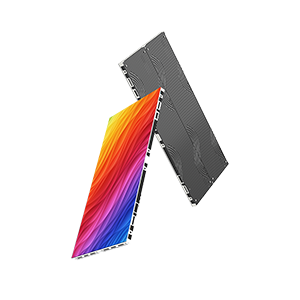
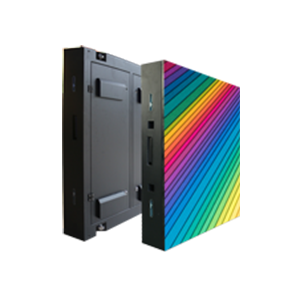
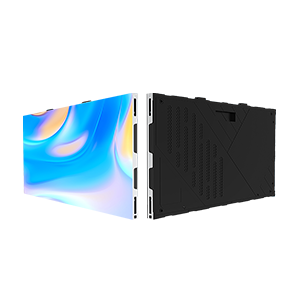
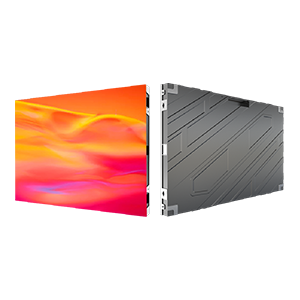



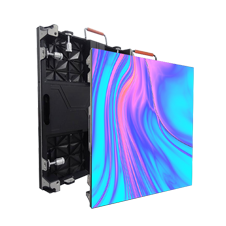
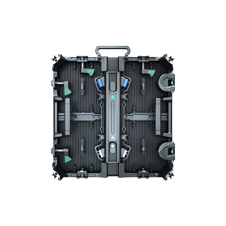
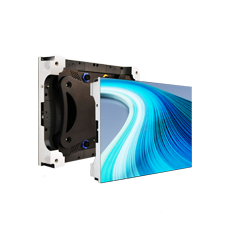
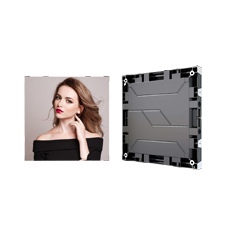
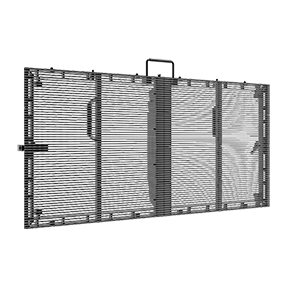
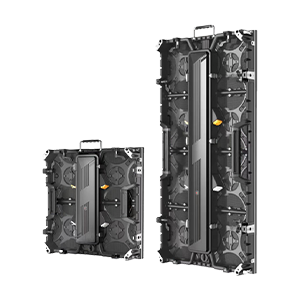
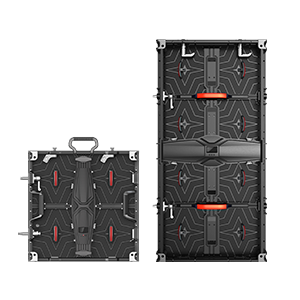
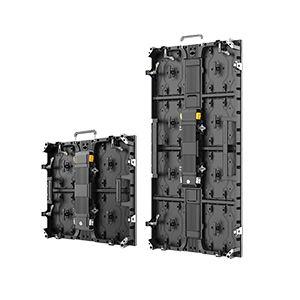














What is a Kinetic LED Screen?
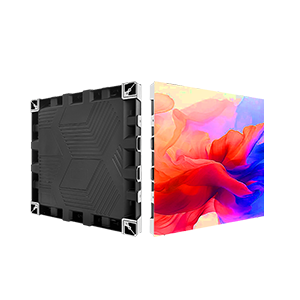
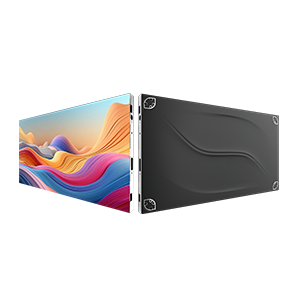
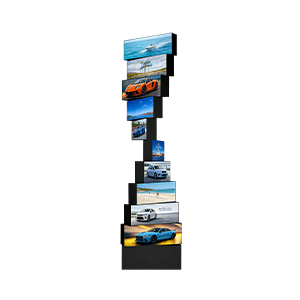
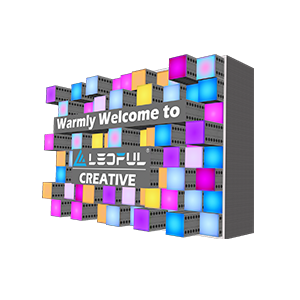
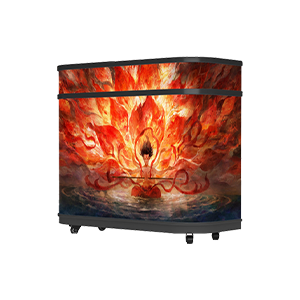
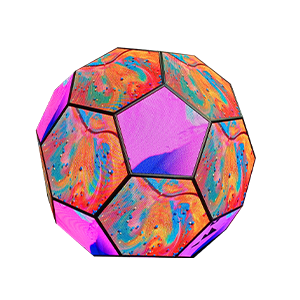
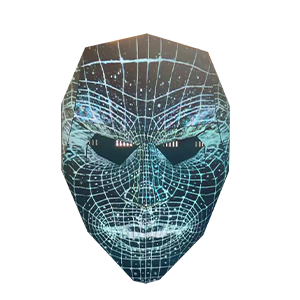
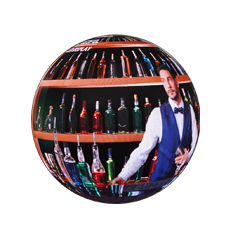
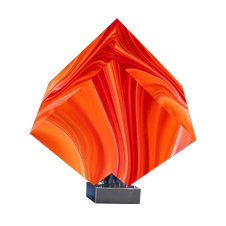
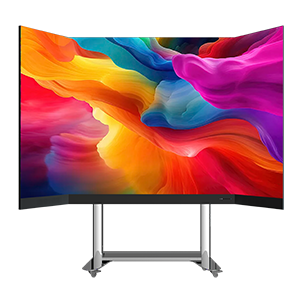
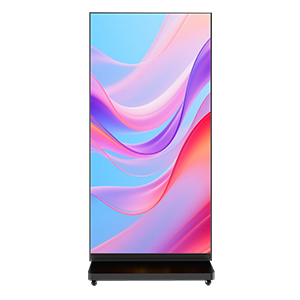
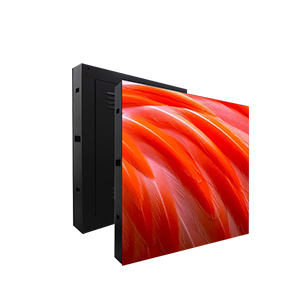
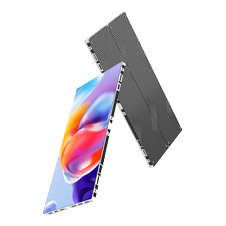
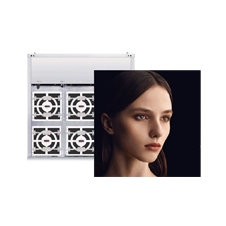
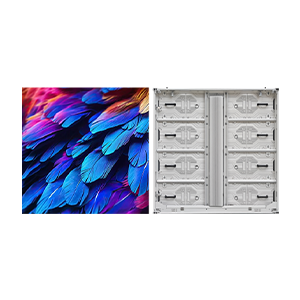
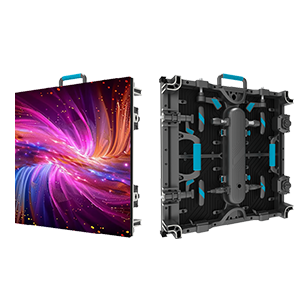
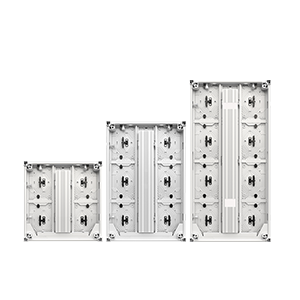
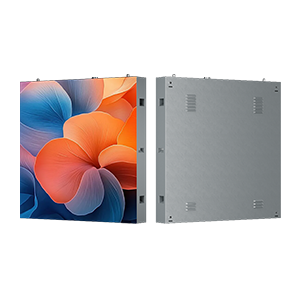
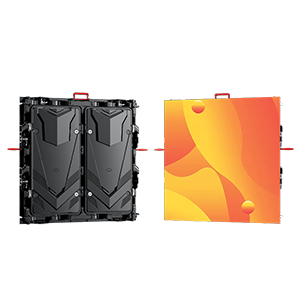
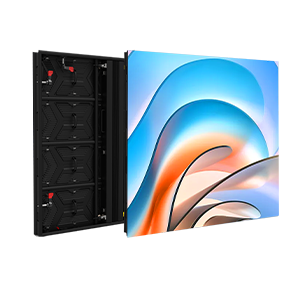
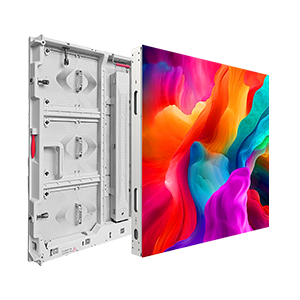
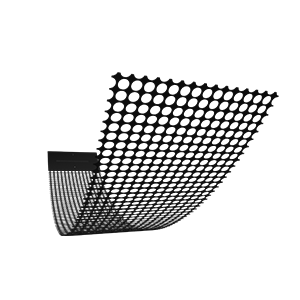
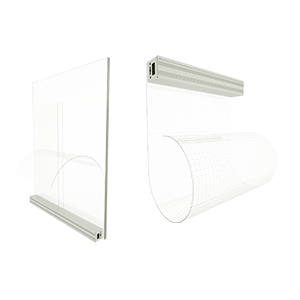
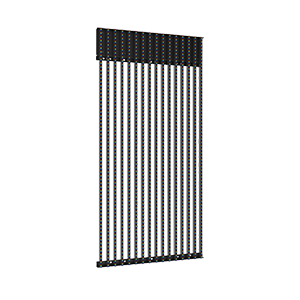
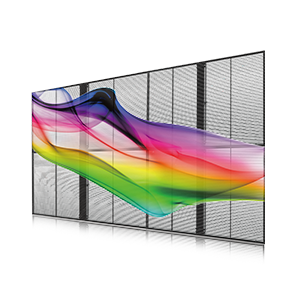
A kinetic LED screen is an innovative display technology that integrates mechanical motion with high-definition LED visuals. By combining programmable movement with synchronized video content, kinetic displays transform traditional LED screens into dynamic visual experiences.
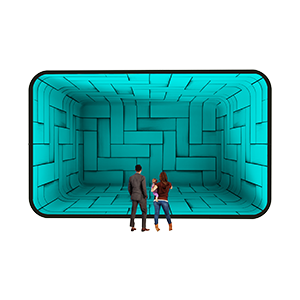
Unlike standard LED displays, kinetic LED systems allow modules to move forward, backward, or in patterns, creating stunning 3D visual effects and interactive installations.
This technology is widely used in exhibitions, museums, stage performances, and retail environments where attracting audience attention is critical.
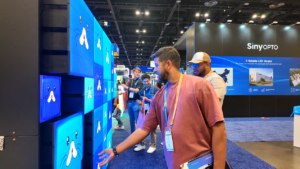
Mechanical Motion Technology
The core of a kinetic LED screen lies in its precision mechanical movement system.
Key components include:
Motorized actuators and servo systems that control module movement
Programmable motion paths for choreography effects
Adjustable movement speed for different visual performances
Smooth start/stop motion control for precision display effects
Safety limit switches and emergency stop mechanisms
These features ensure stable, smooth, and reliable motion performance for long-term installations.
Perfect Synchronization with Visual Content
One of the most impressive features of kinetic LED displays is their ability to synchronize mechanical movement with video playback.
Advanced control systems support:
Frame-accurate synchronization between motion and video content
Genlock and SMPTE timecode integration
Multi-source signal synchronization
This allows the display to produce immersive kinetic visual storytelling that captivates audiences.
Interactive Sensor Technology
Kinetic LED displays can also incorporate interactive sensor systems, allowing real-time audience engagement.
Optional sensors include:
Position encoders for motion feedback
Accelerometers and hall sensors
Proximity sensors for audience detection
Camera-based interaction systems
These technologies enable the screen to respond dynamically to visitors, sound, or environmental triggers.
Durable and Safe Engineering Design
Because kinetic displays involve moving mechanical parts, durability and safety are essential.
High-quality systems include:
Robust structural engineering
Vibration damping systems
IP-rated protection for outdoor environments (IP54–IP66)
Collision detection and safety interlocks
Redundant systems for mission-critical installations
These safety features ensure reliable operation in both indoor and outdoor environments.
Flexible Installation and Mounting Options
Kinetic LED displays are designed to adapt to a variety of installation environments.
Common mounting solutions include:
Stage rigging systems
Architectural mounting structures
Lightweight suspended installations
Fixed wall installations
Professional cable management systems are also integrated to support moving LED modules safely and efficiently.
Common Applications of Kinetic LED Screens
Kinetic LED displays are widely used across multiple industries:
Museums
Interactive exhibits that enhance visitor experiences.
Exhibitions & Trade Shows
Attract visitors with eye-catching dynamic visuals.
Stage Performances
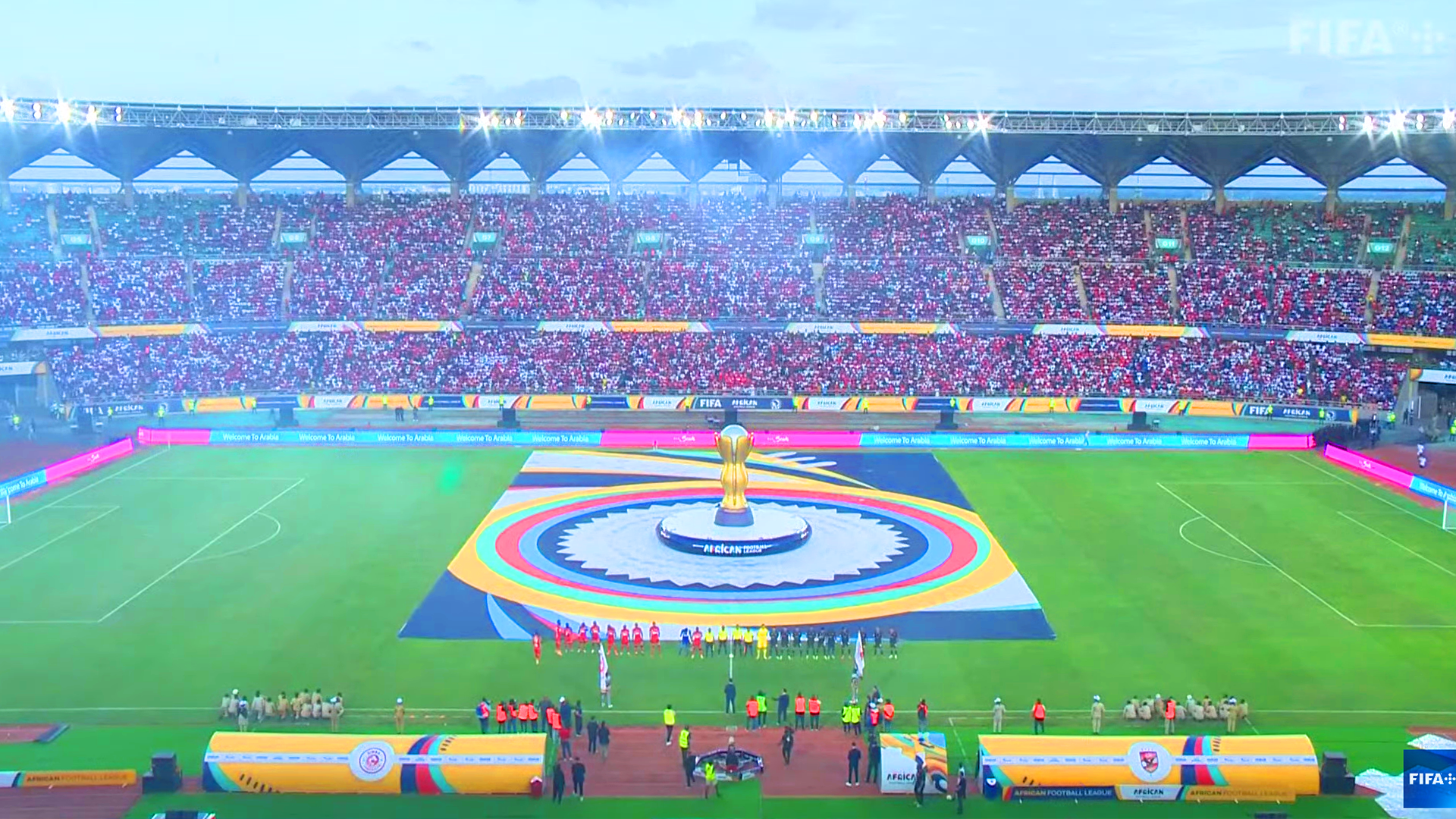
Create dramatic visual backdrops synchronized with performances.
Corporate Presentations
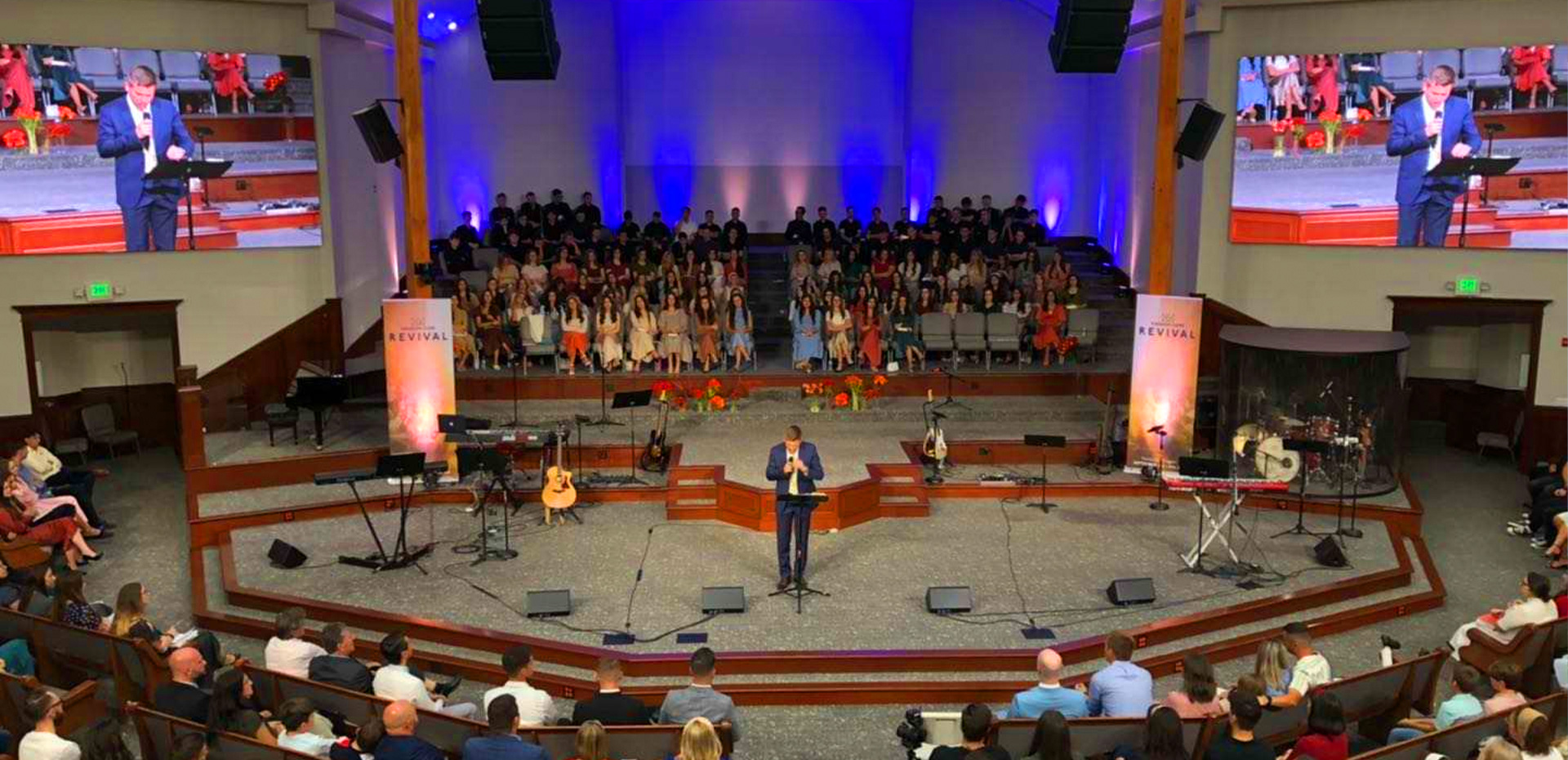
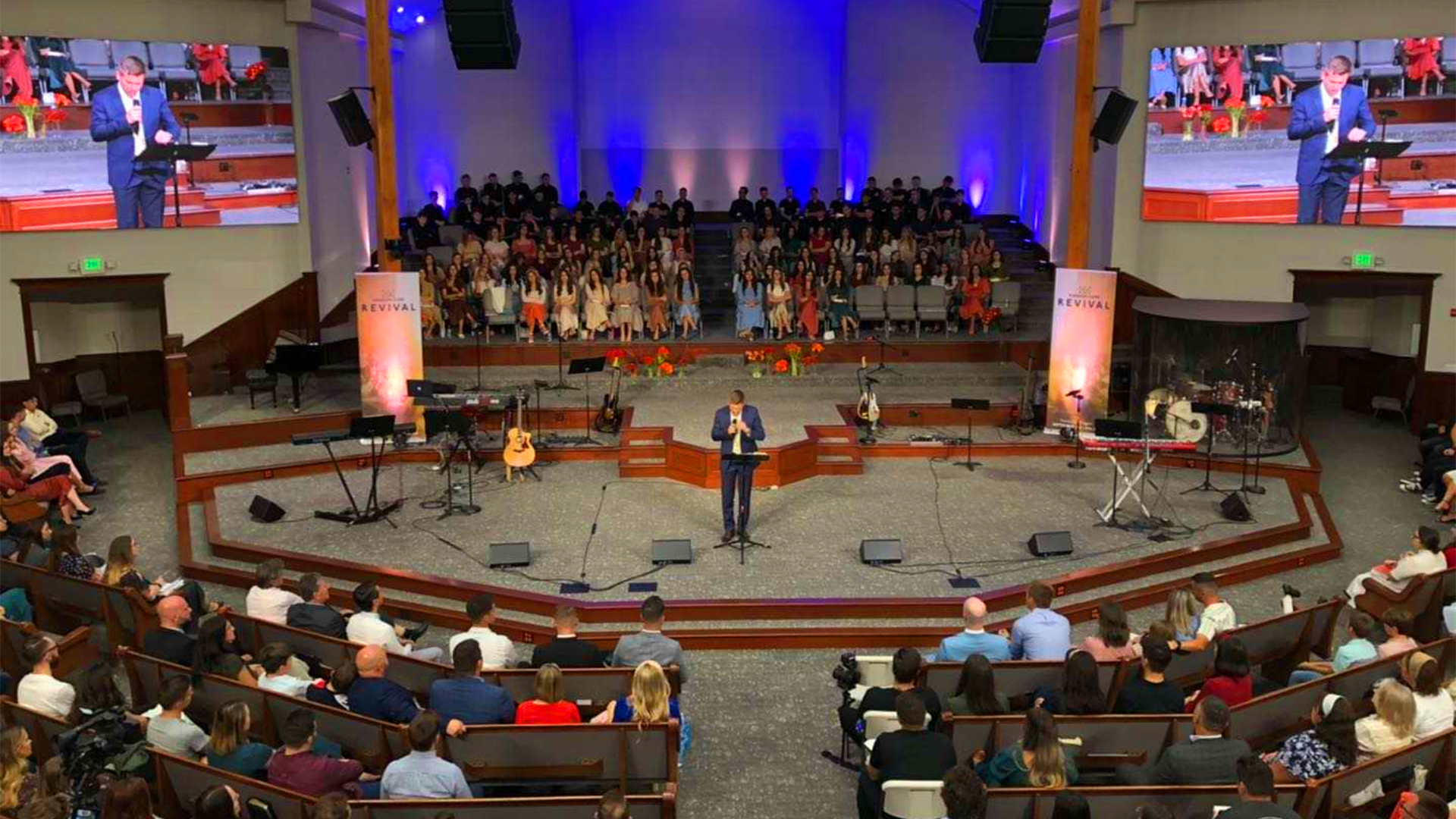
Enhance speeches and presentations with immersive visuals.
Retail Spaces
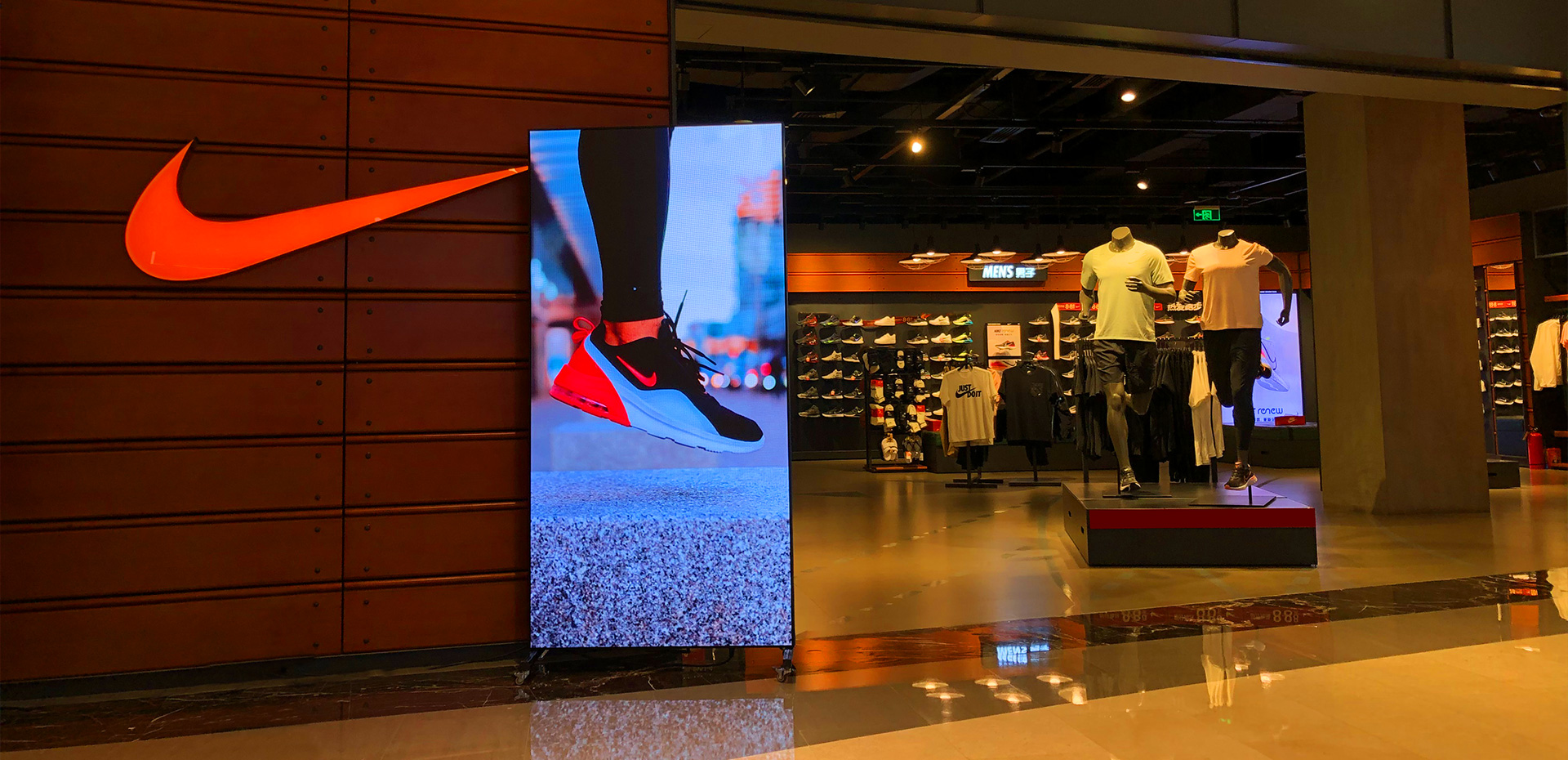
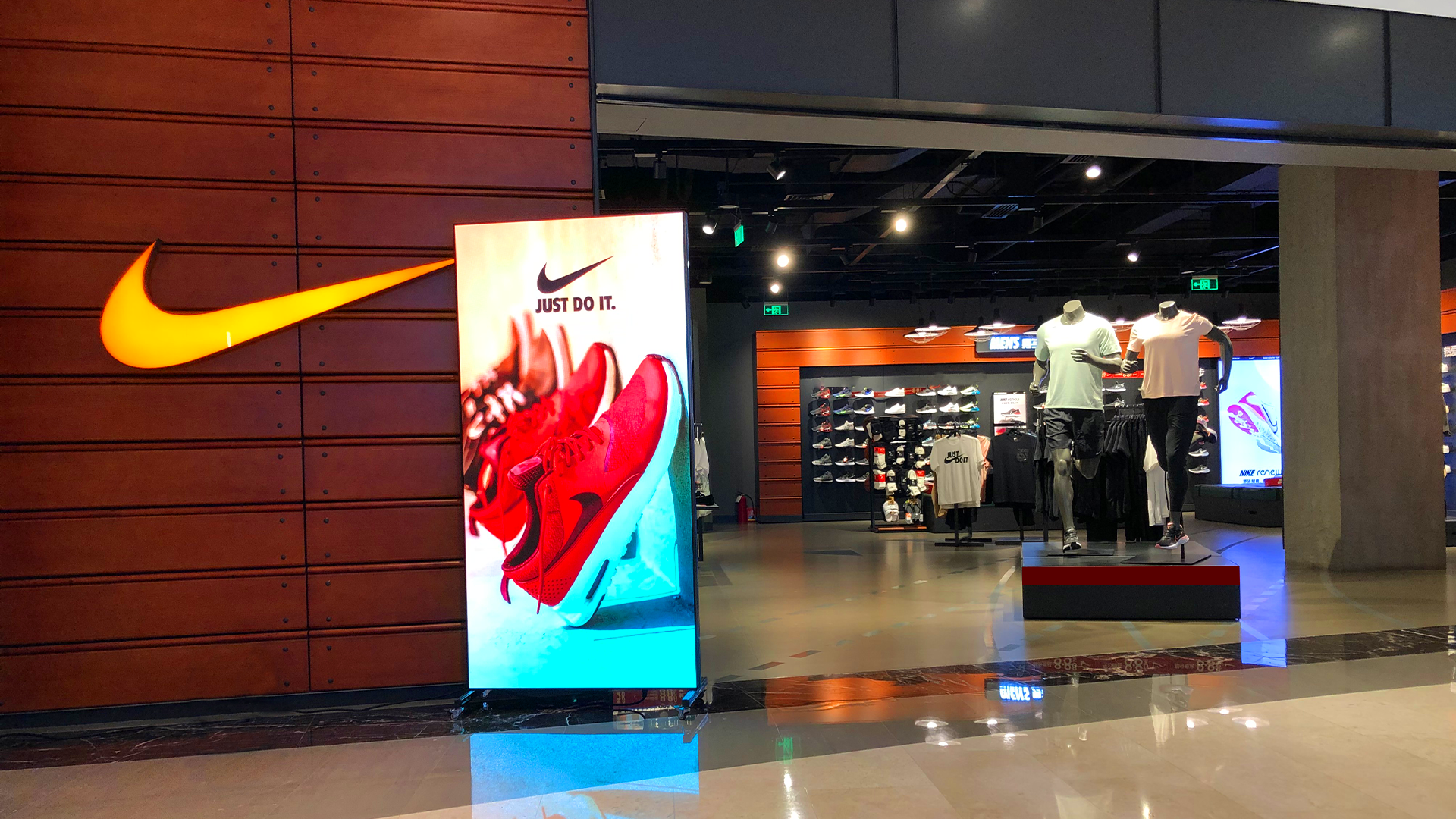
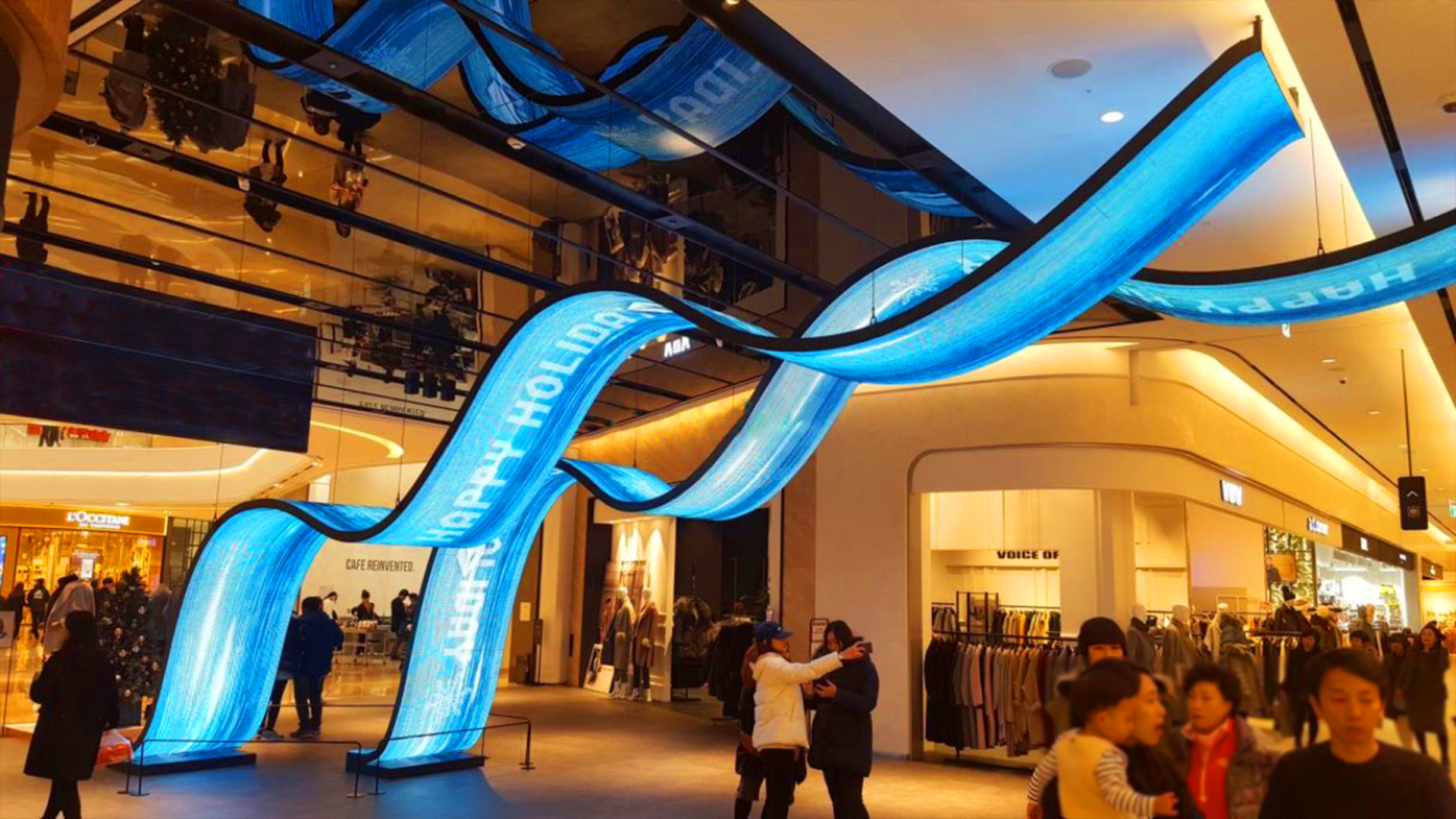
Increase foot traffic and brand engagement through creative displays.
Conclusion
Kinetic LED screens represent the future of interactive digital displays, combining motion technology with high-definition visuals to create unforgettable experiences.
Whether used in museums, exhibitions, or retail spaces, kinetic LED displays deliver powerful visual storytelling and help brands stand out in competitive environments.
Contact Us for Kinetic LED Display Solutions
Mobile / Whatsapp / Wechat: +86 13530172435