



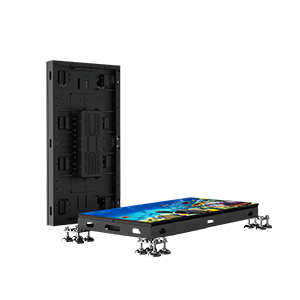
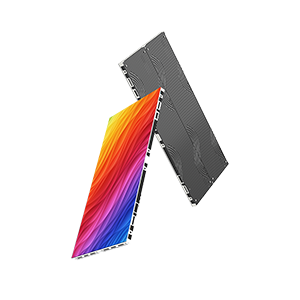
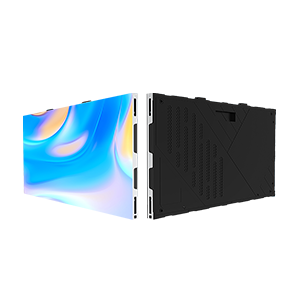
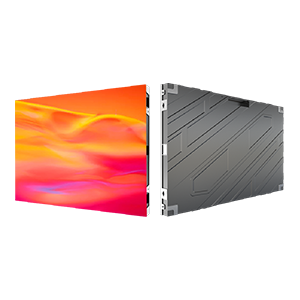
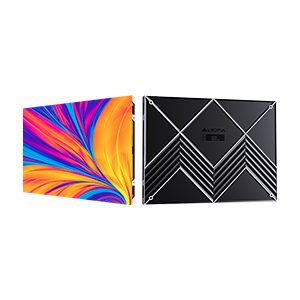
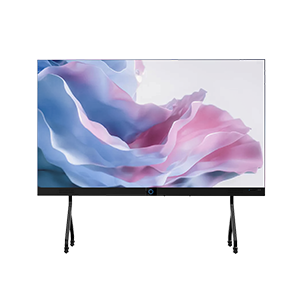
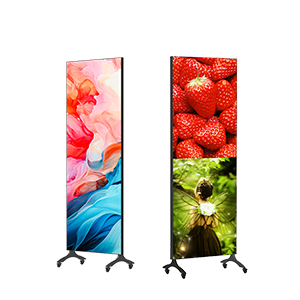
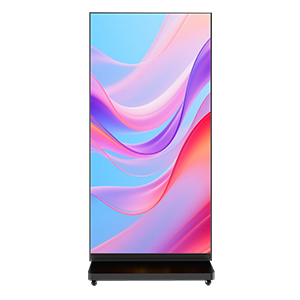
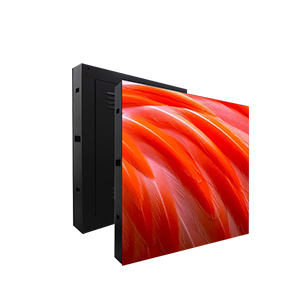
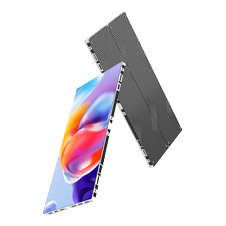
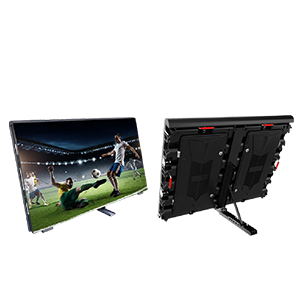
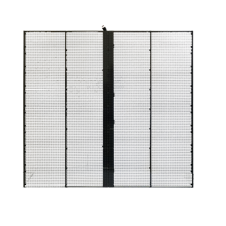
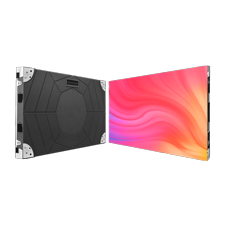
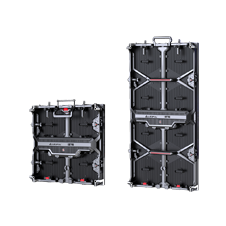
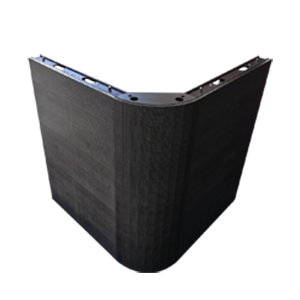
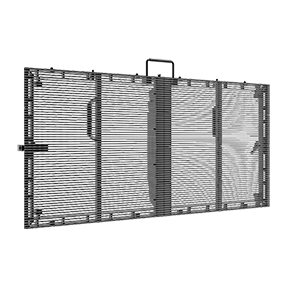
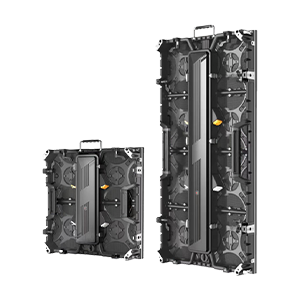
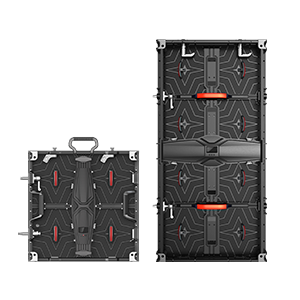
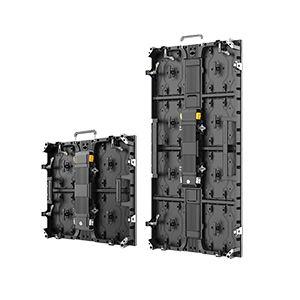







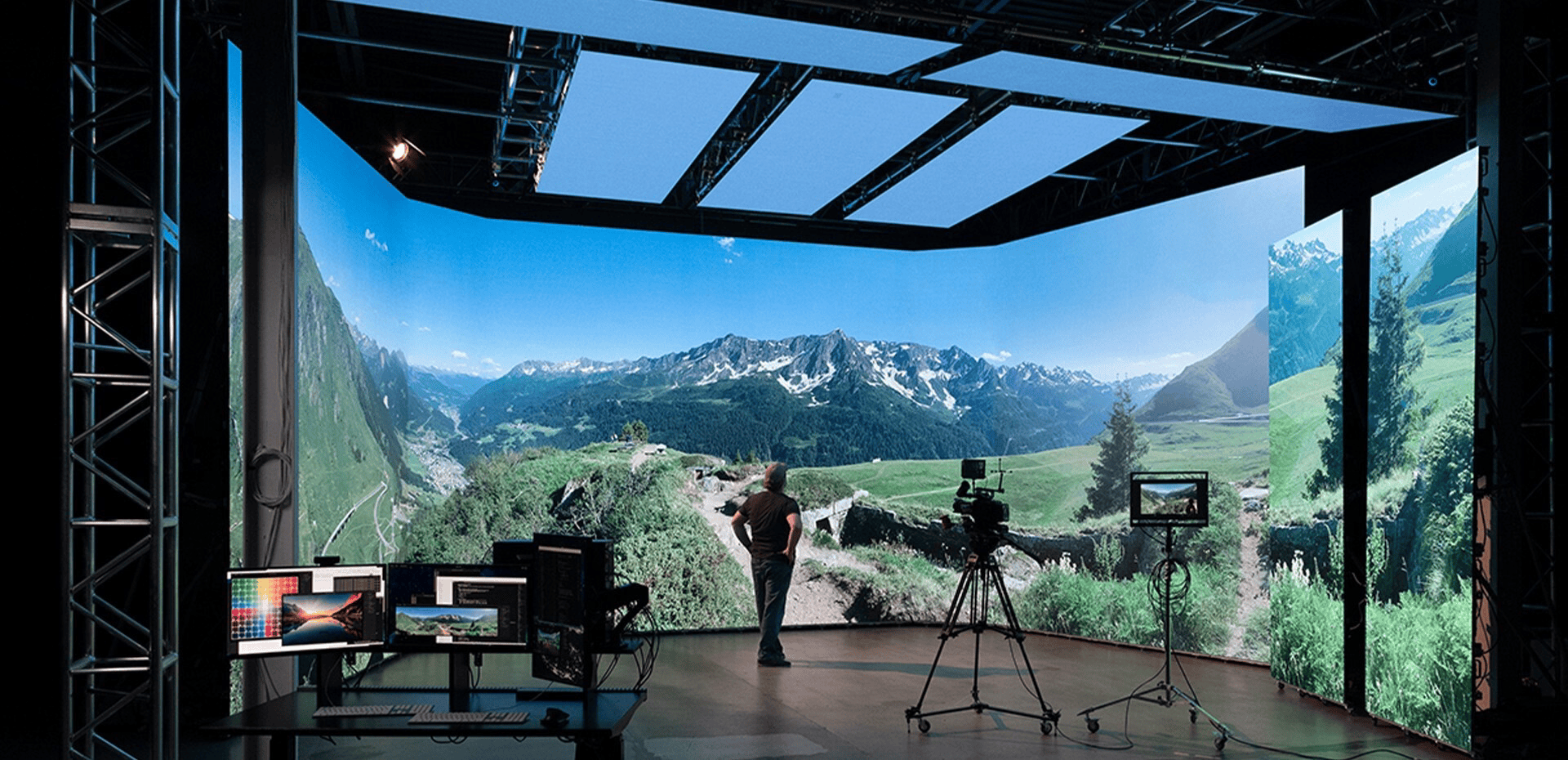
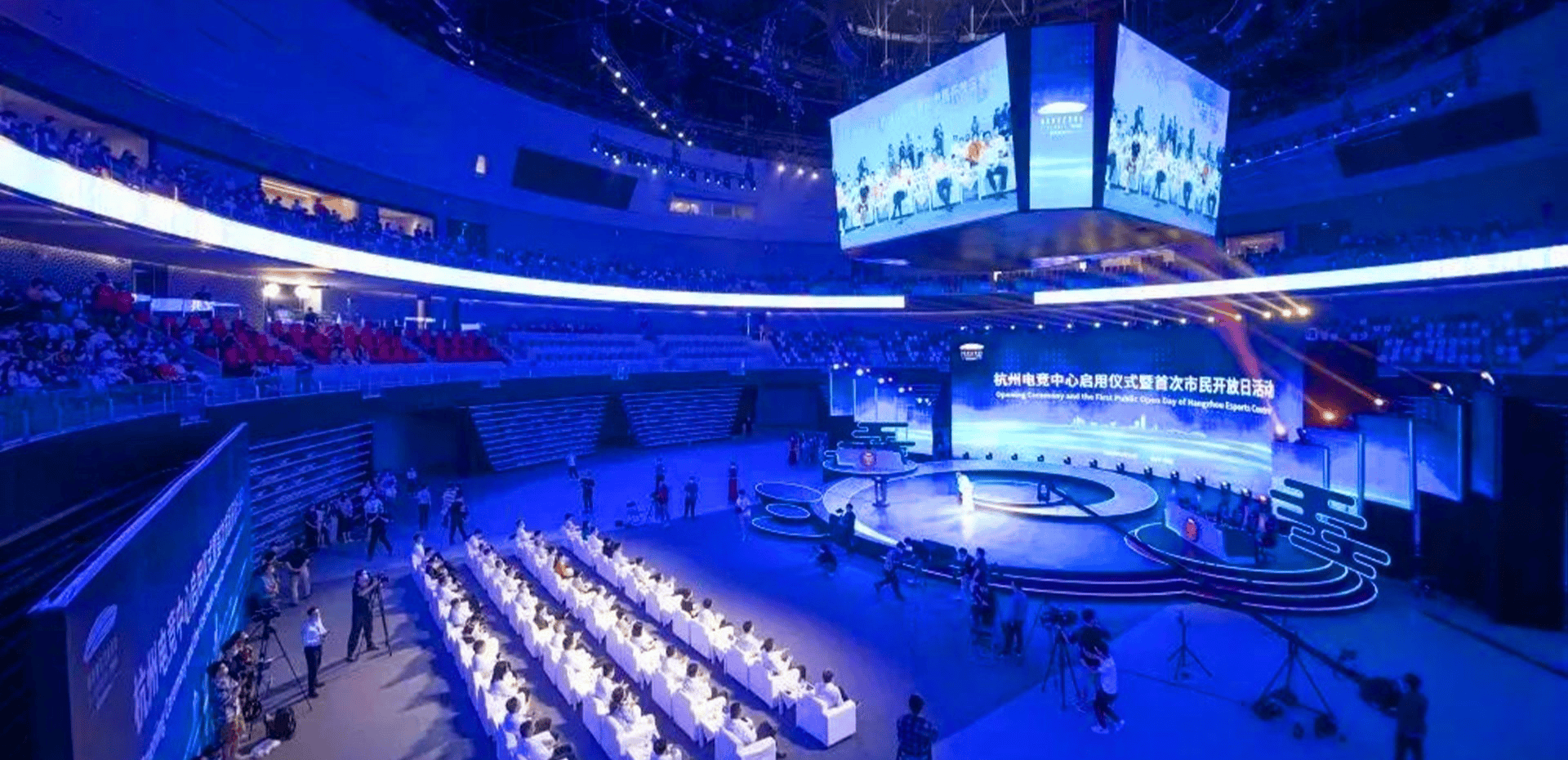
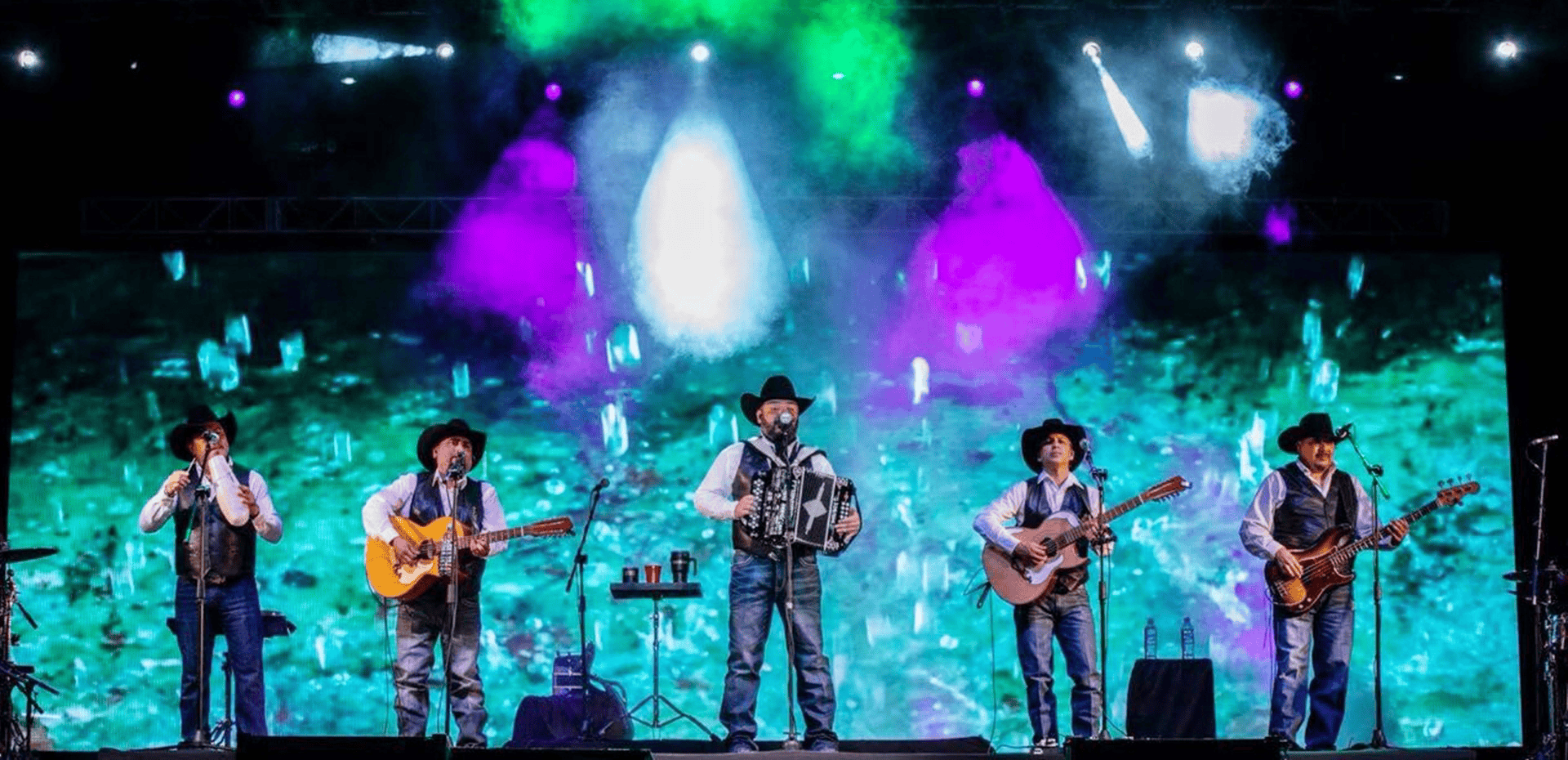
In the quest to create truly immersive environments, event designers and architects are increasingly looking upward. The ceiling, once a neglected plane in event design, has become a high-value canvas for digital storytelling. However, when planning an overhead installation, professionals must choose between two distinct approaches: a dedicated, large-scale ceiling LED system or a series of standard hanging screens. While both require a rental LED display with high structural integrity, they serve very different atmospheric and functional purposes. At LEDFUL, we specialize in providing ultra-lightweight hardware that makes these ambitious overhead designs possible. Understanding the technical nuances, rigging requirements, and visual impact of each is essential for choosing the right solution for your immersive project.
1. Structural Integrity and Weight Management
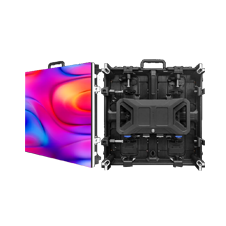
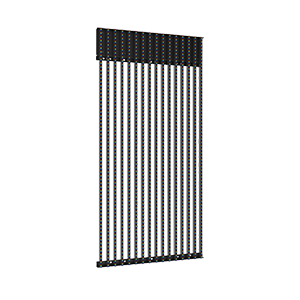
The most critical factor in any overhead installation is weight. Standard hanging screens are typically composed of individual cabinets flown in a vertical orientation. While effective, they exert a specific point-load on the venue’s truss system. A full ceiling display, however, creates a “Digital Canopy” that covers a much larger surface area, requiring a more complex distribution of weight.
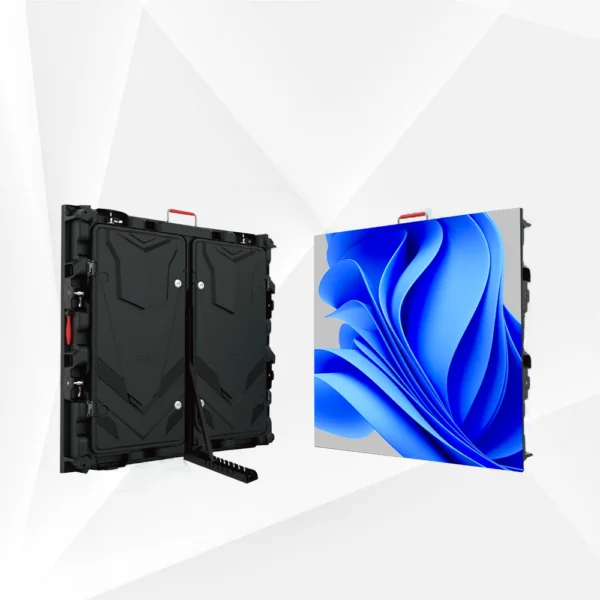
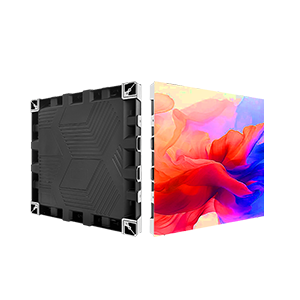
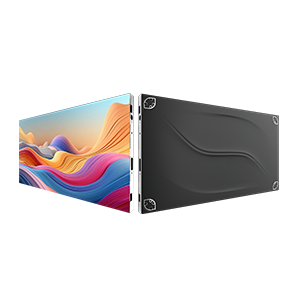
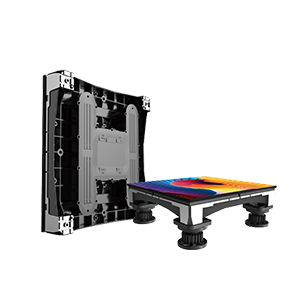
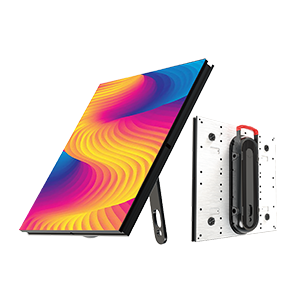
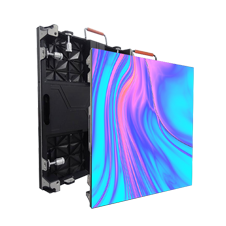
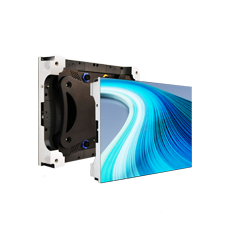
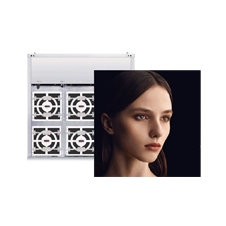
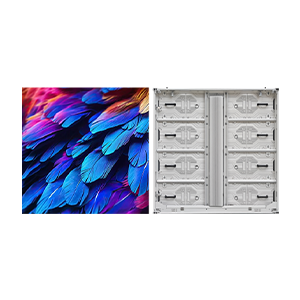
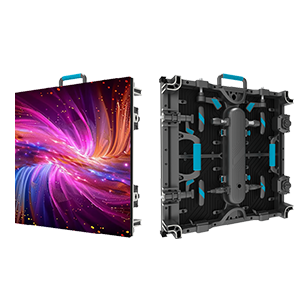
At LEDFUL, we address this challenge through our ultra-lightweight series, such as the VH and carbon-fiber-reinforced models. These are engineered to be significantly lighter than traditional cabinets, which is non-negotiable for ceiling applications. While a standard hanging screen can use slightly heavier hardware, a ceiling LED system demands the lightest possible footprint to ensure safety and to comply with the structural limits of event venues. Choosing the right rental LED display ensures that you can achieve a massive visual impact without exceeding the rigging capacity of your space.
2. Viewing Angles and Audience Perspective
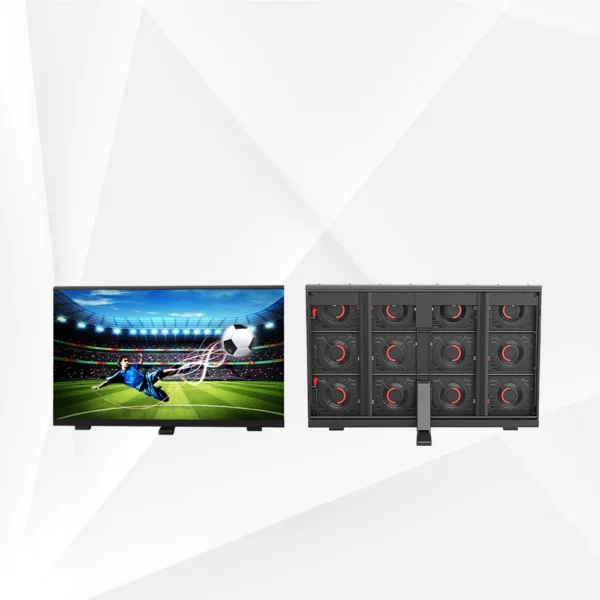
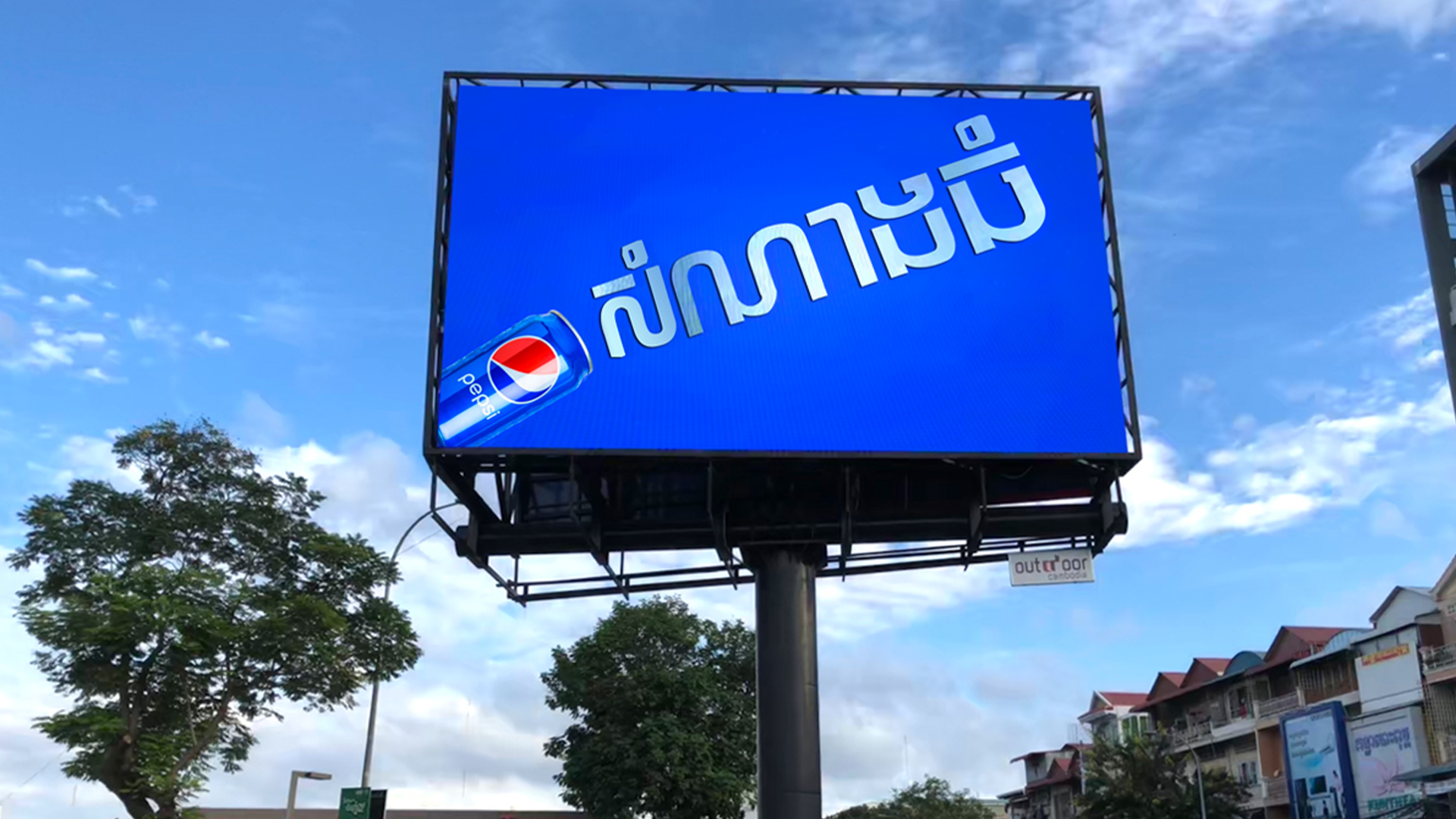
A standard hanging screen is designed to be viewed from the front, much like a traditional television or billboard. Its optical characteristics are optimized for a horizontal line of sight. However, a ceiling display is viewed from directly below, which introduces unique challenges regarding “viewing angle” and color consistency.
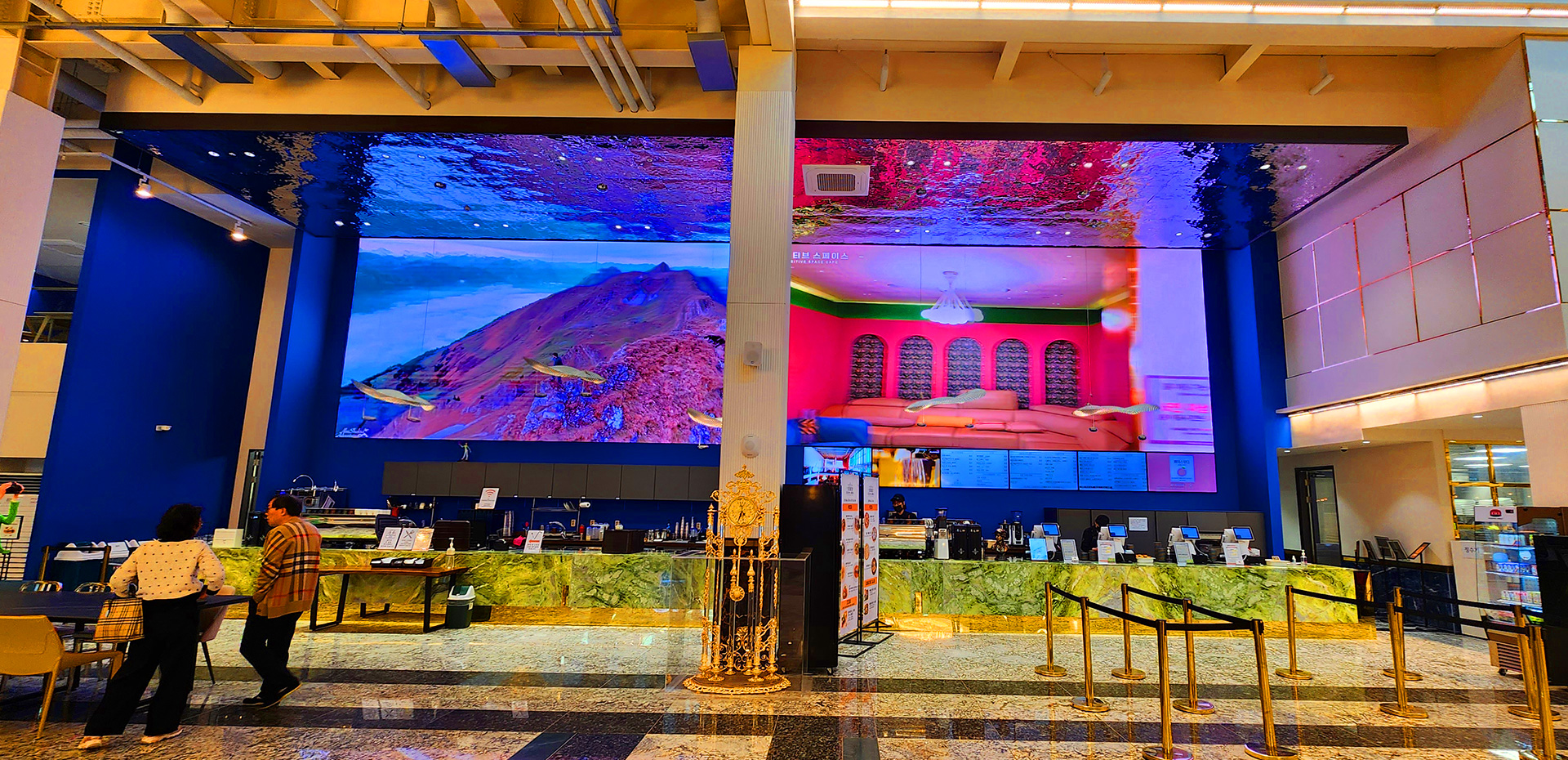
Our specialized ceiling modules are engineered with an extra-wide 160-degree viewing angle in all directions. This ensures that as attendees walk beneath the “Digital Sky,” the colors remain vivid and the brightness stays uniform. Standard screens hung at an angle can often suffer from “color shift” when viewed from directly underneath. For a project aiming for high-end immersion, the dedicated ceiling configuration provides a much more seamless and “wrapped” experience that feels like a natural part of the architecture rather than an afterthought.
3. Immersive Impact vs. Information Delivery
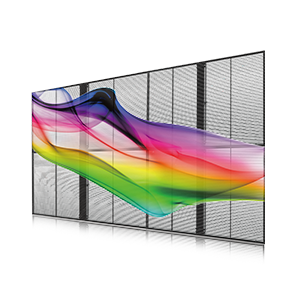
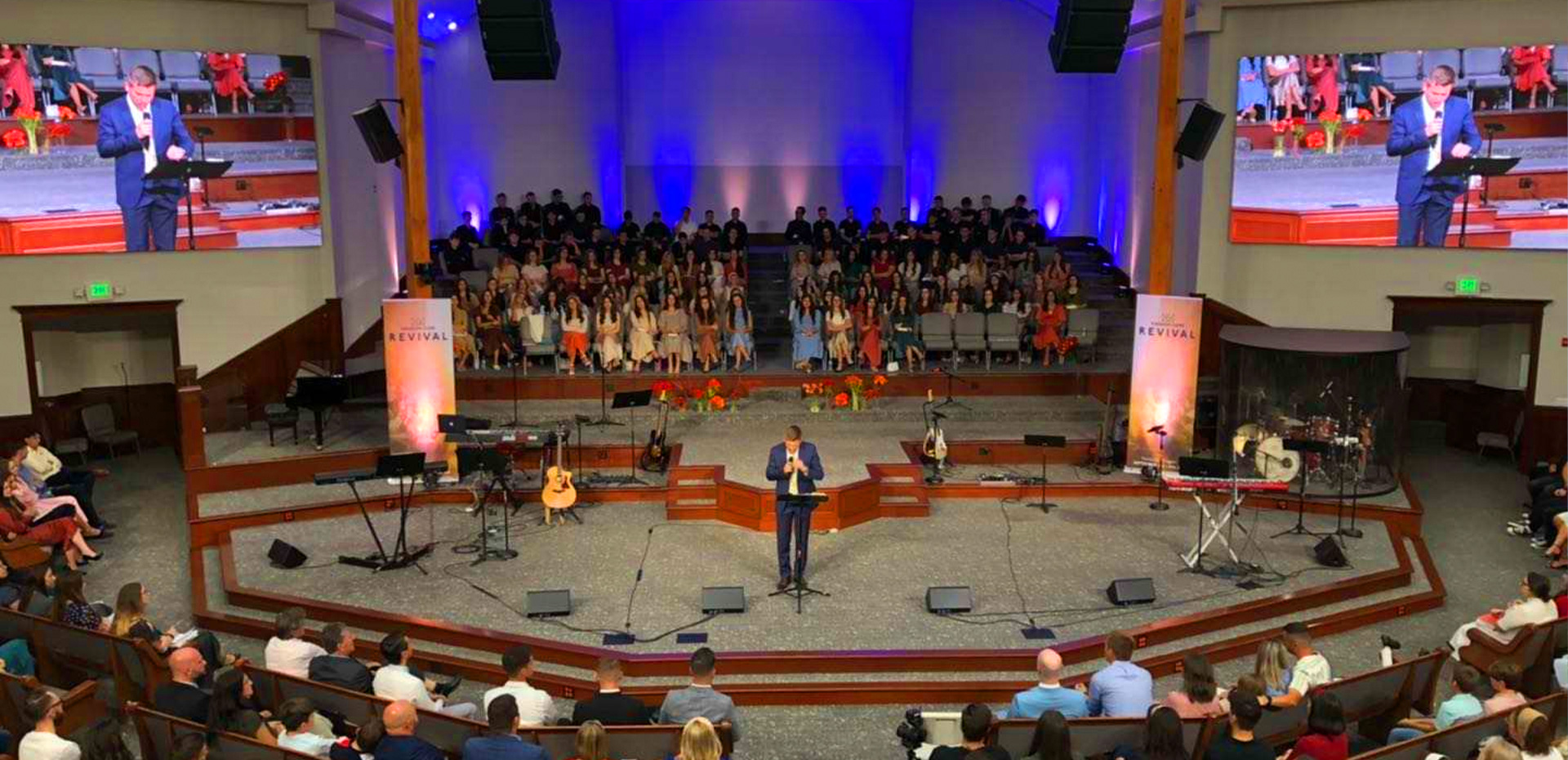
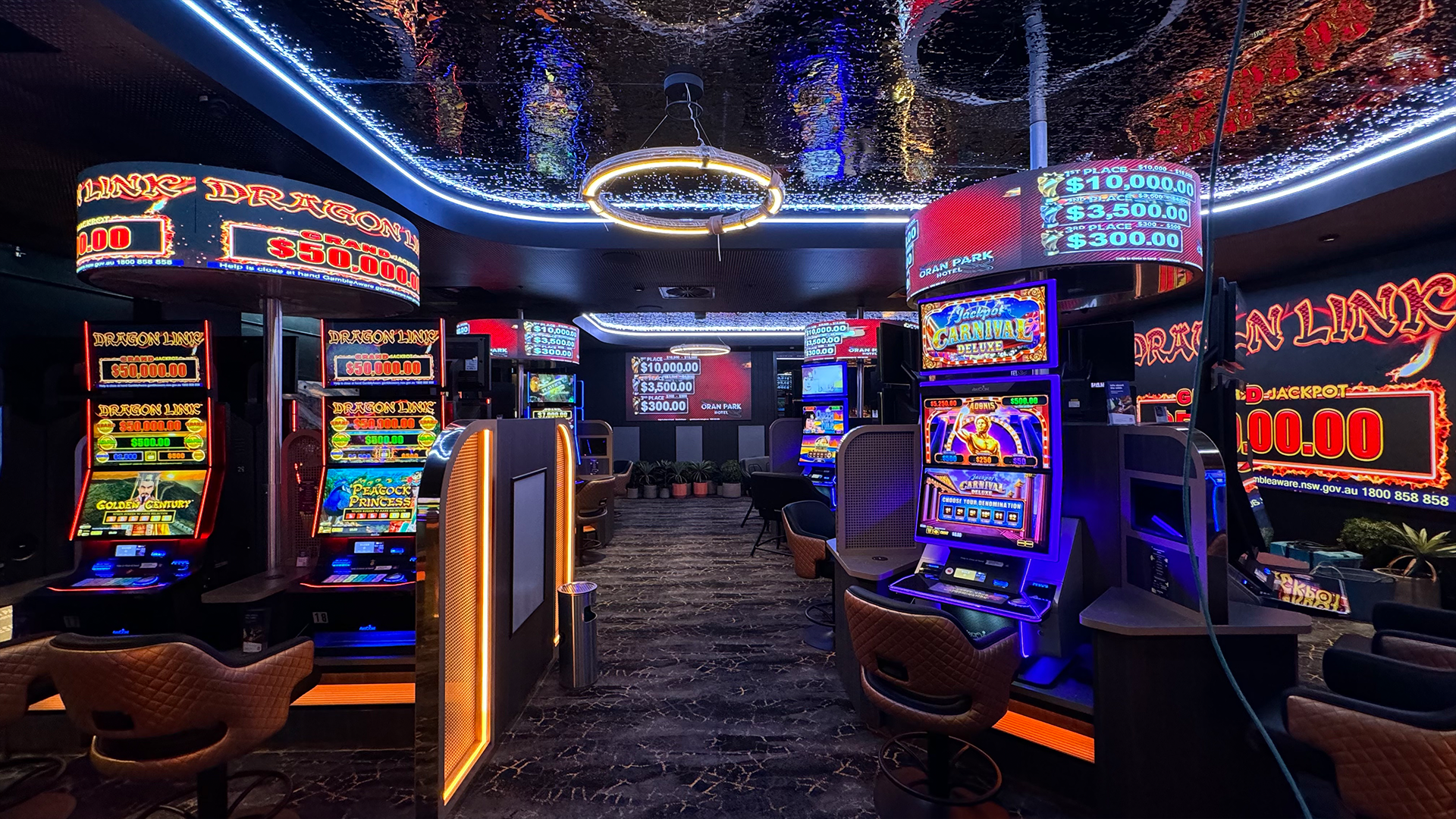
The primary goal of a ceiling LED display is “Atmosphere.” It is used to simulate skies, underwater environments, or abstract data visualizations that envelop the audience. It is an experiential tool. Standard hanging screens, conversely, are often used for “Information Delivery”—broadcasting live feeds, presentation slides, or sponsor loops that require direct attention.
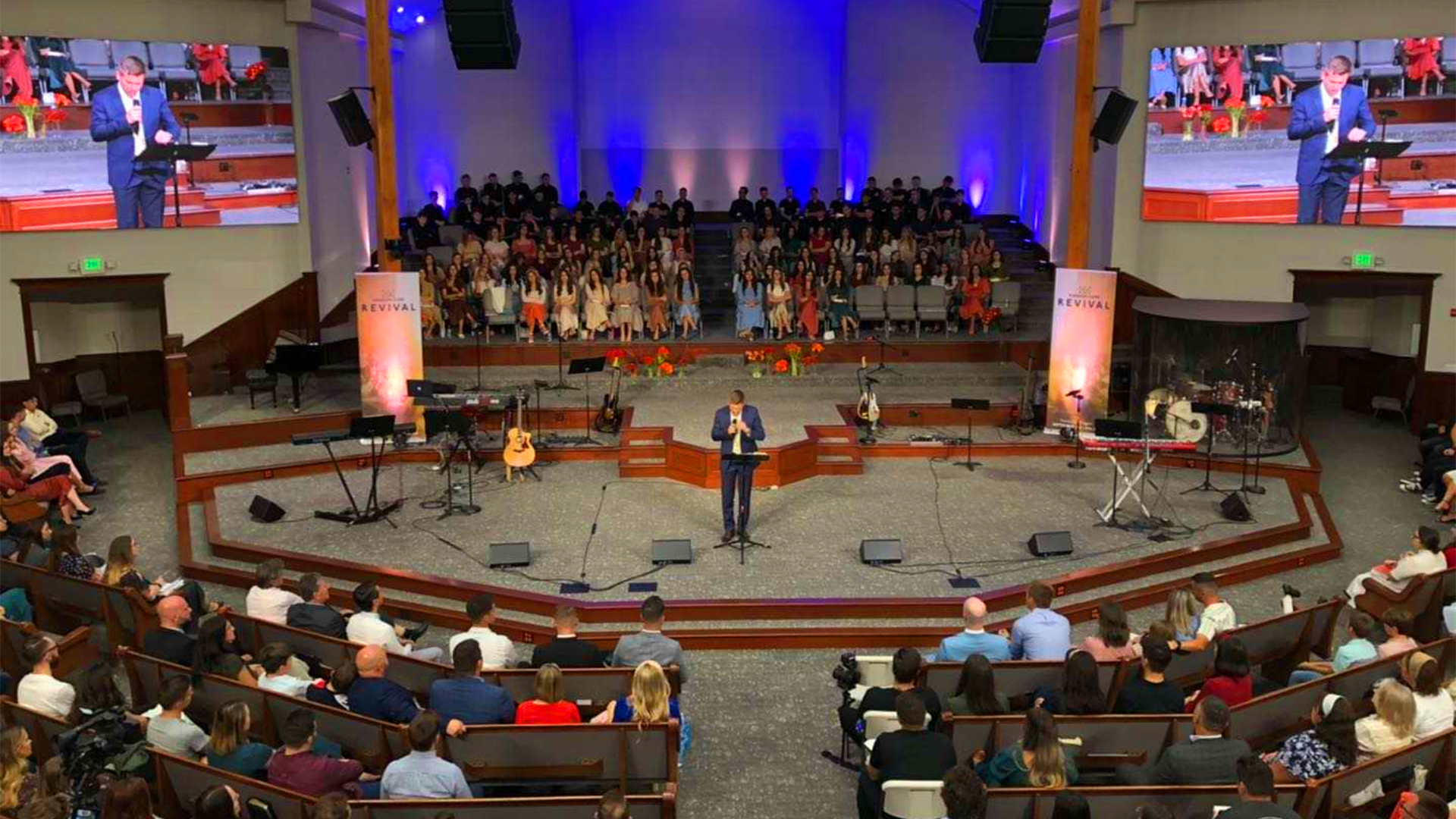
At LEDFUL, we help our clients determine which tool fits their objective. If your event requires a “wow factor” that transforms a lobby or an exhibition hall into a landmark experience, the ceiling display is the undisputed winner. If the goal is to ensure that a 5,000-person audience can see the speaker’s face clearly, a series of standard hanging screens strategically placed around the venue is the practical choice. However, many of our most successful projects combine both, using the rental LED display ceiling for mood and the hanging screens for content.
4. Maintenance and Rigging Complexity
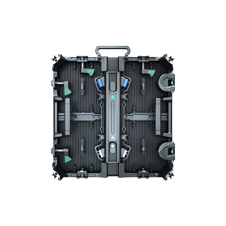
From an operational standpoint, a ceiling display is significantly more complex to install and maintain. It requires a specialized grid system and 100% front-serviceability, as accessing the “rear” of the cabinets is impossible once they are rigged flush against a ceiling.
Standard hanging screens are generally faster to deploy using traditional fly-bars and chains. At LEDFUL, we have simplified the ceiling process by providing fast-lock mechanisms and safety-tethered modules. Even if a module is overhead, our magnetic front-service tools allow for a 60-second swap. For a rental house, this ease of maintenance is a vital safety feature. While standard screens are easier to rig, our advanced engineering makes the ambitious ceiling display a viable and safe option for temporary events.
Comparison Chart: Ceiling LED vs. Hanging Screens
| Feature | Ceiling LED Display System | Standard Hanging LED Screens |
| Primary Goal | Immersive Atmosphere & Experience | Content Delivery & Information |
| Viewing Angle | 160° Omnidirectional (Optimized) | 140°-160° (Horizontal Priority) |
| Weight Req. | Ultra-Lightweight (Carbon/Alloy) | Standard Lightweight (Aluminum) |
| Rigging Style | Horizontal Grid / Surface Mount | Vertical Fly-Bar / Truss Hanging |
| Setup Time | High Complexity (Needs Mapping) | Moderate (Standard Alignment) |
| Visual Effect | Seamless “Digital Canopy” | Traditional “Floating” Display |
| Serviceability | 100% Front-Service Mandatory | Front or Rear Serviceable |
5. Thermal Management and Heat Dissipation
Heat rises, which makes thermal management a major concern for ceiling-mounted hardware. In a horizontal orientation, heat can get trapped between the LEDs and the ceiling structure. Standard hanging screens, positioned vertically, benefit from natural convection where heat rises off the modules and away from the electronics.
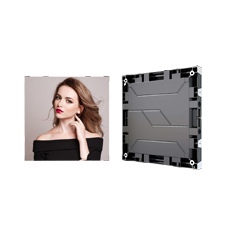
To solve this for our ceiling-ready rental LED display lines, we utilize high-efficiency fanless designs and perforated aluminum back-plates. This allows for maximum heat dissipation even in a flat, horizontal position. Facility managers often prefer our fanless series for ceiling use because it eliminates the noise that would otherwise be amplified by the ceiling’s acoustics. This ensures that the immersive experience is visually stunning and acoustically serene.
6. Creative Versatility and Physical Configuration
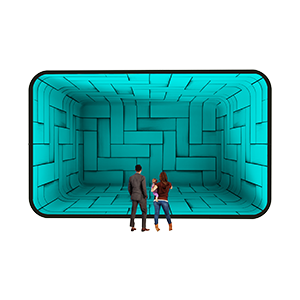
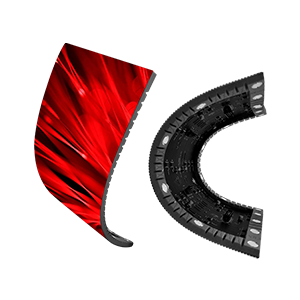
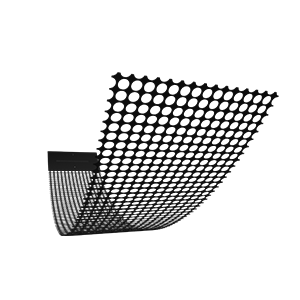
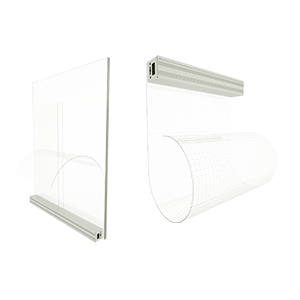
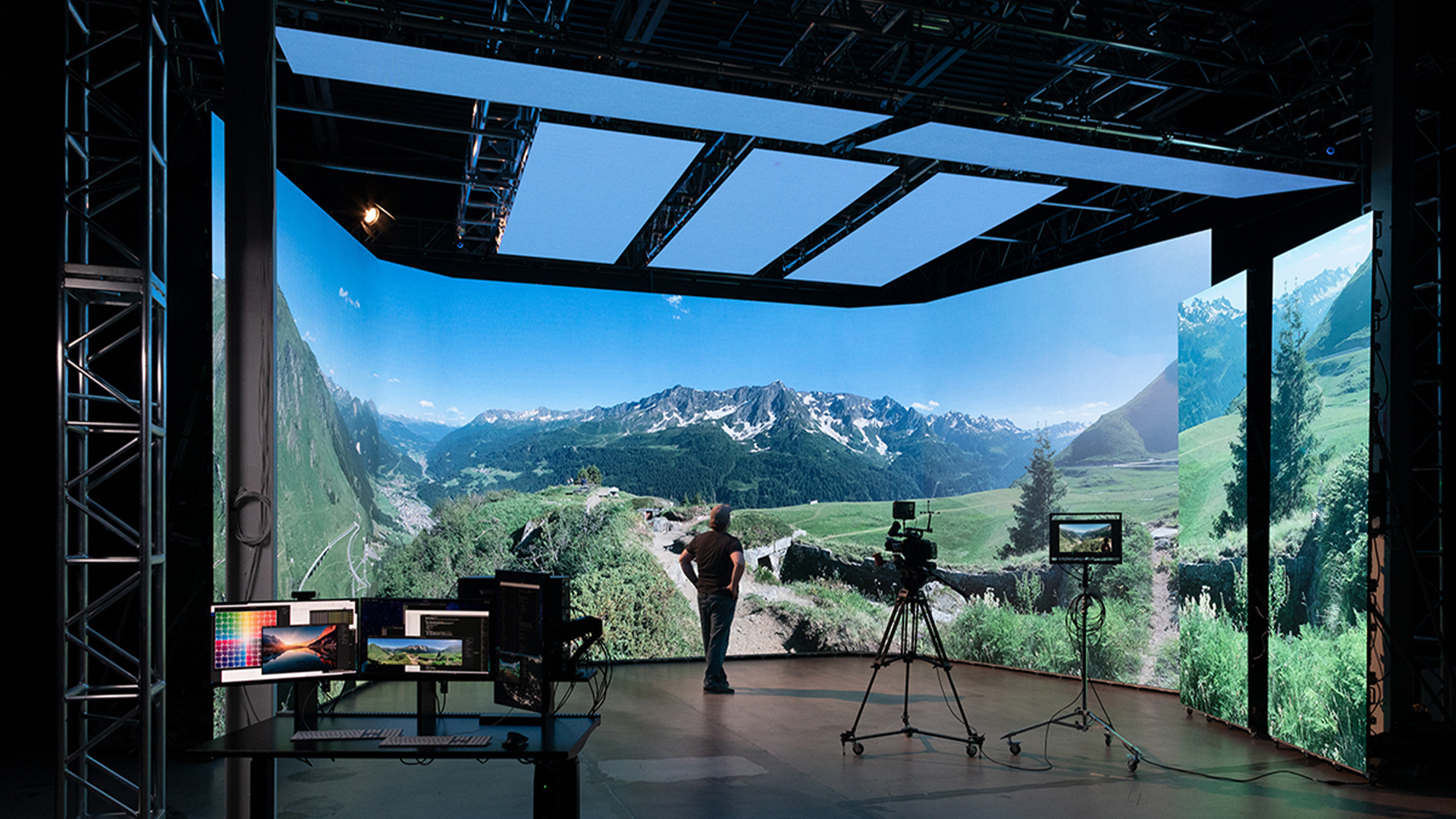
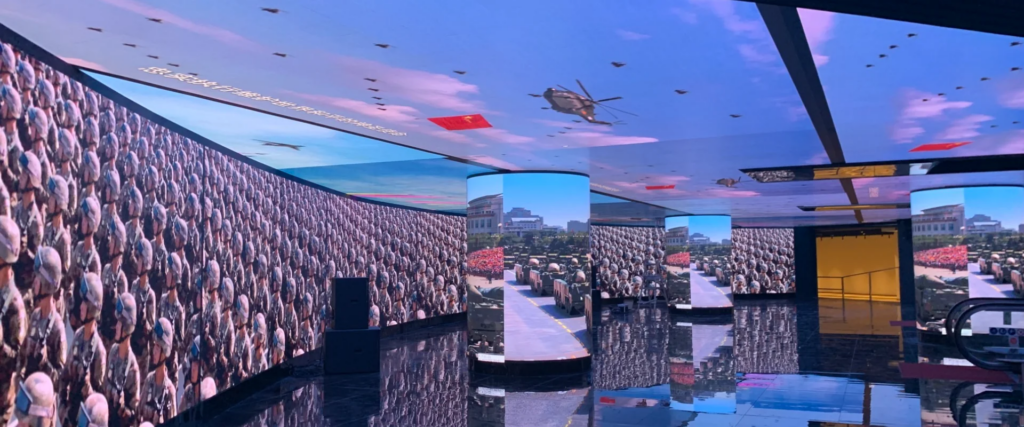
Standard hanging screens are limited by gravity; they must hang straight or with a slight tilt. Ceiling displays, however, can be integrated into the very shape of the room. We have provided systems that transition from a wall into a ceiling, creating a “L-shaped” digital environment that completely surrounds the visitor.
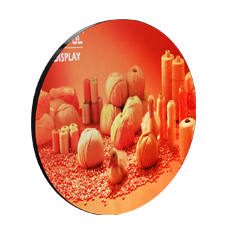
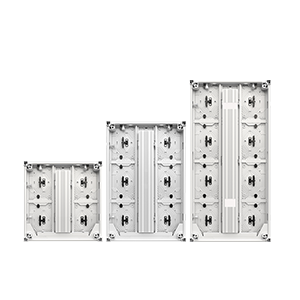
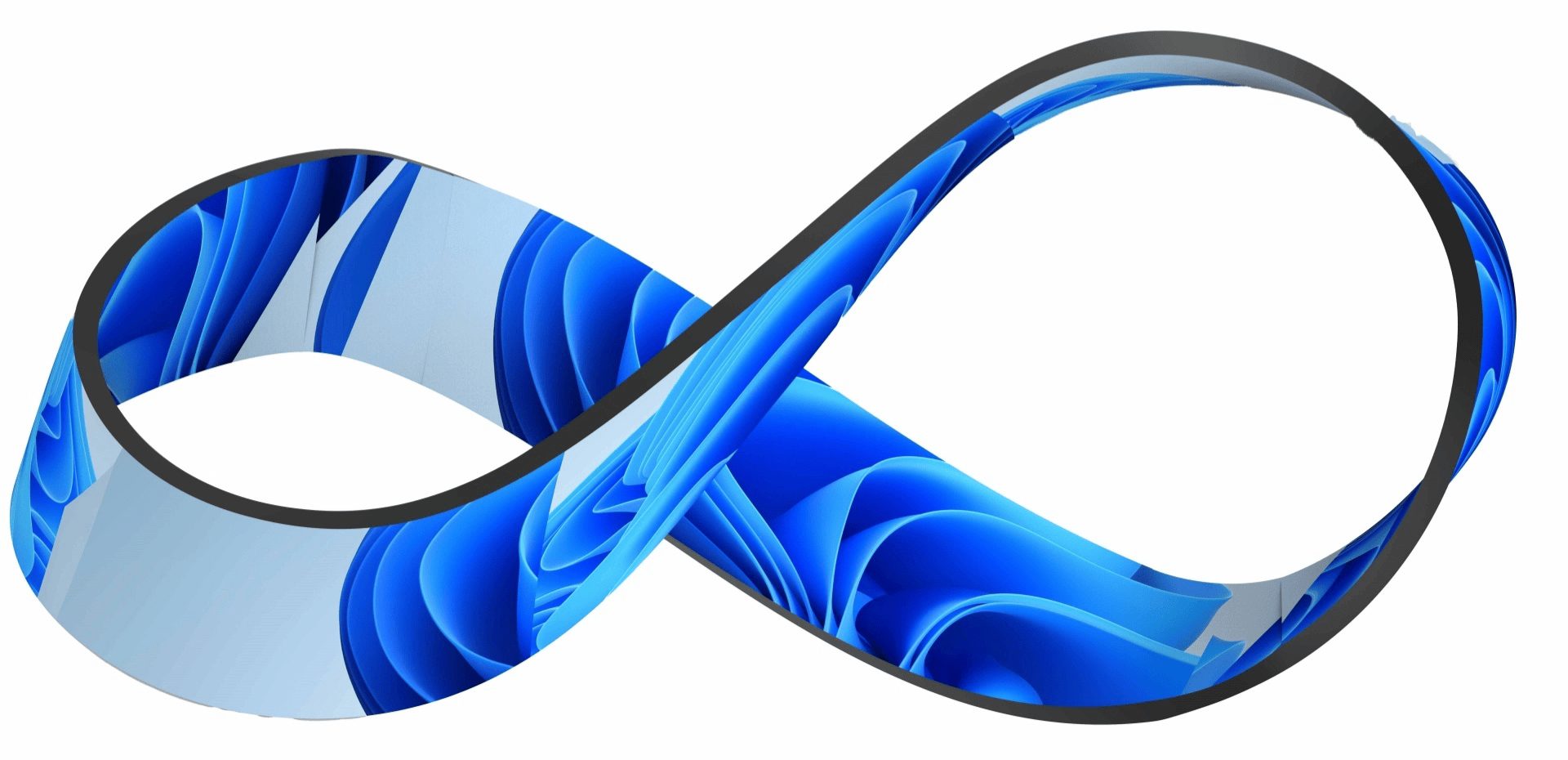
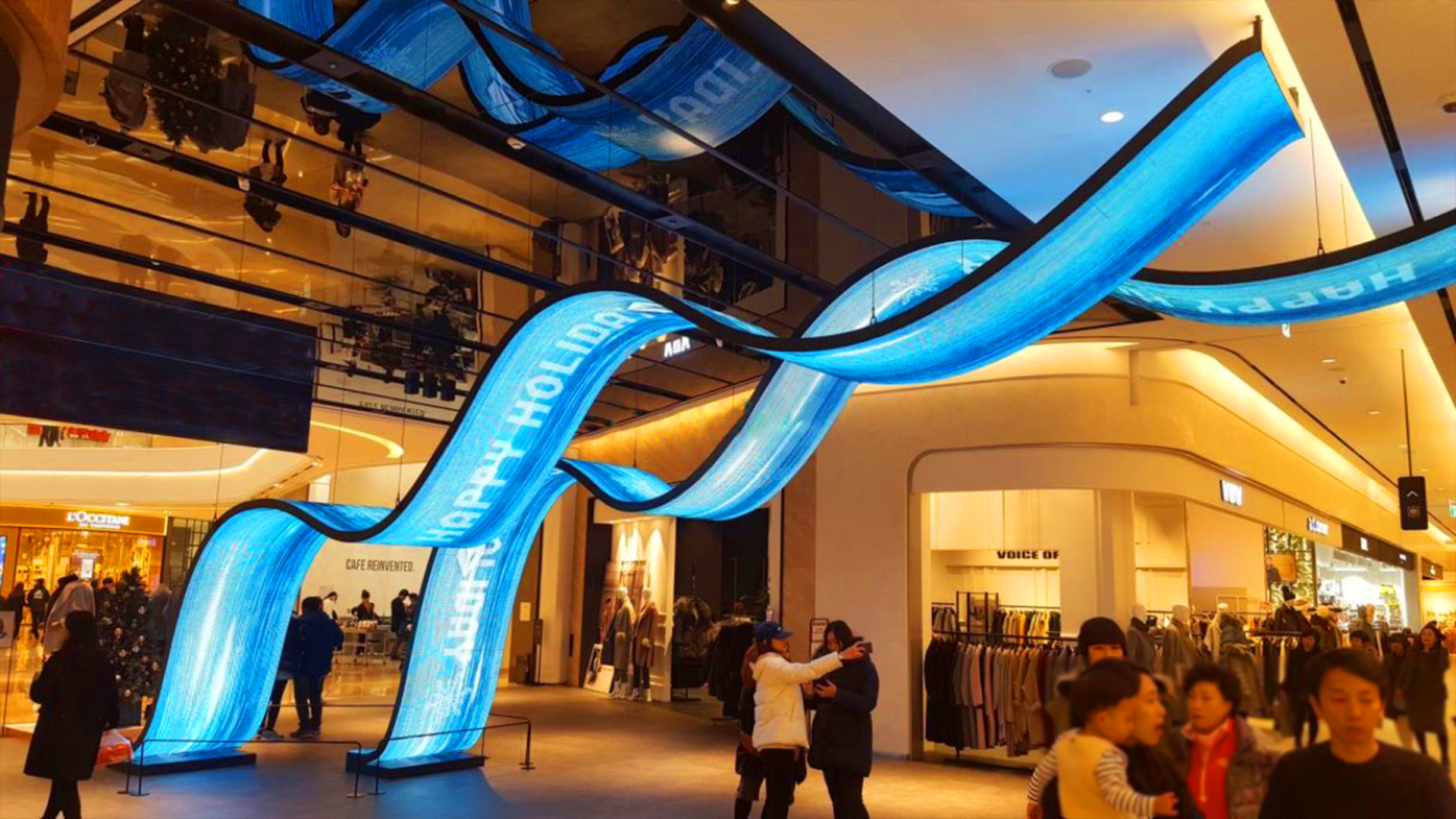
By utilizing the modularity of the LEDFUL system, you can create digital ceilings that are circular, wave-shaped, or tiered. This level of creative freedom is why top-tier event agencies are moving away from simple hanging monitors and toward integrated digital architecture. The ceiling is no longer a limit; it is a canvas that, when combined with the right LED technology, can redefine the boundaries of a physical space.
Conclusion: Elevating the Perspective
Choosing between a ceiling LED display and standard hanging screens depends on the balance between your creative vision and your logistical constraints. While standard hanging screens are efficient and practical for information, the ceiling display offers a level of immersion that is currently the gold standard in high-end events and luxury retail.
At LEDFUL, we provide the specialized hardware—lightweight, wide-angle, and thermally efficient—to make both options a reality. Our goal is to ensure that when your audience looks up, they are met with a perfect, vibrant image that enhances their overall experience. Whether you are planning a simple suspended billboard or a massive digital canopy, we have the engineering expertise and the reliable rental LED display technology to help your project take flight.