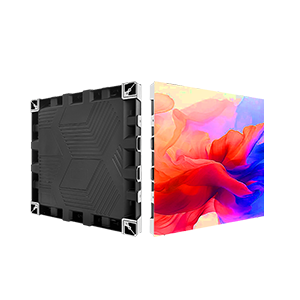
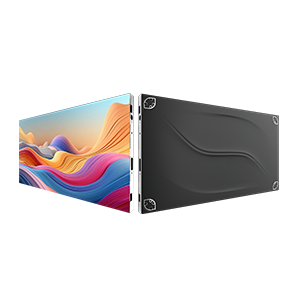
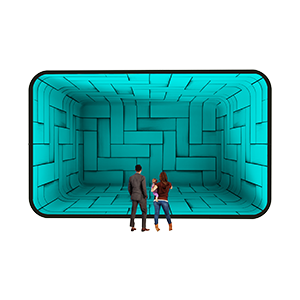




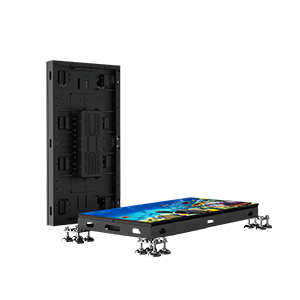
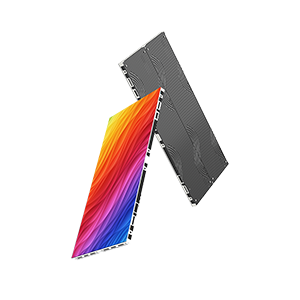
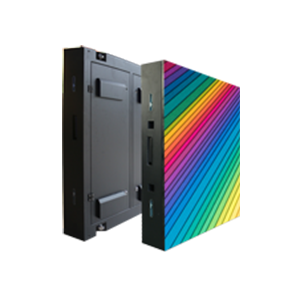
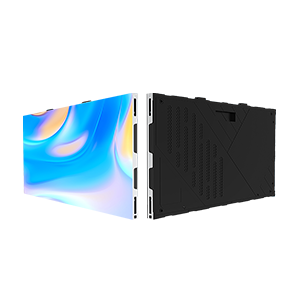
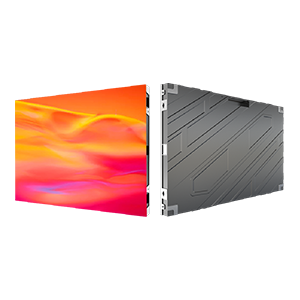
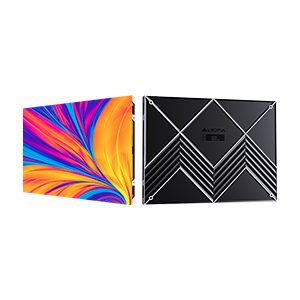
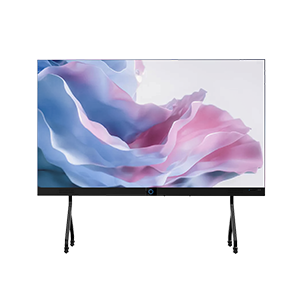
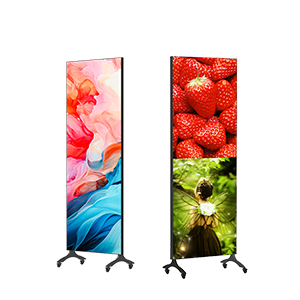
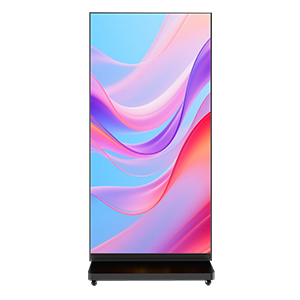
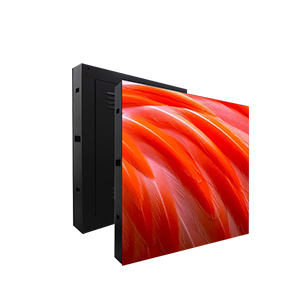
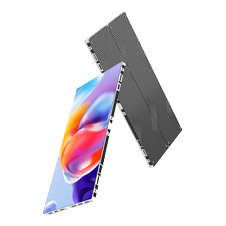
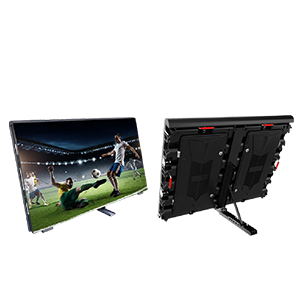
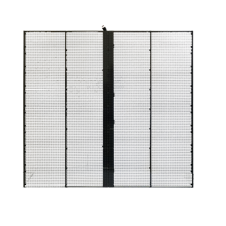
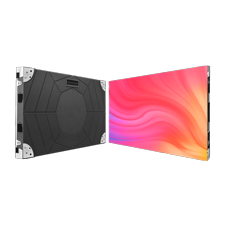
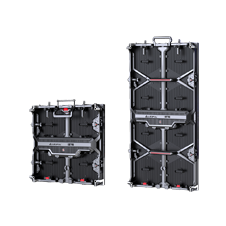
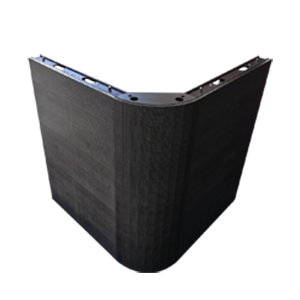
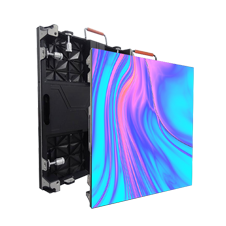
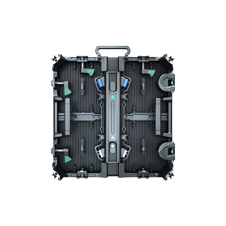
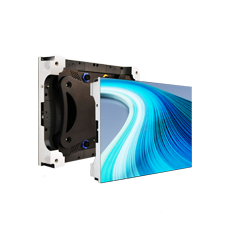
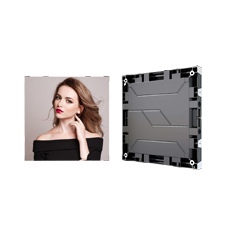
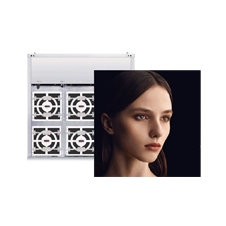
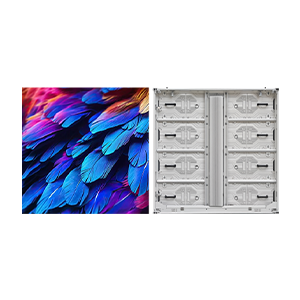
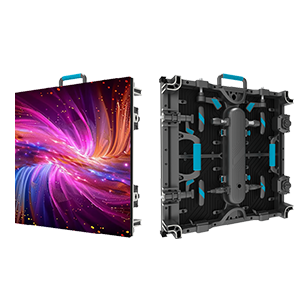
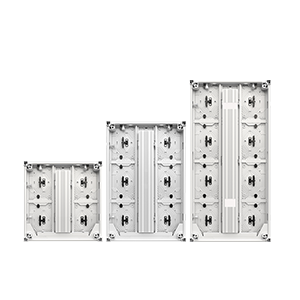
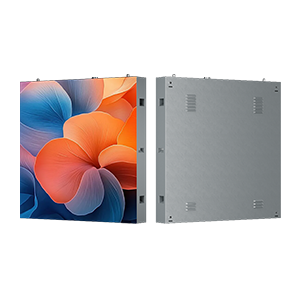
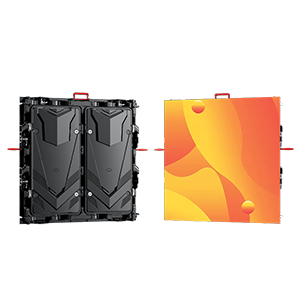
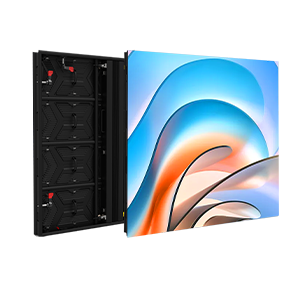
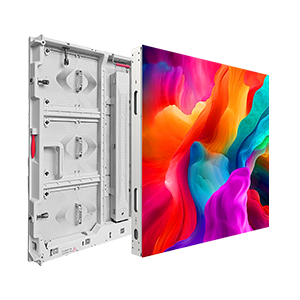
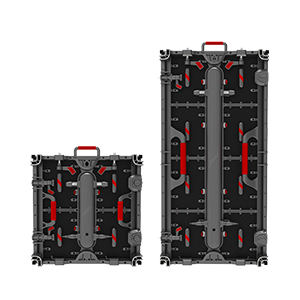
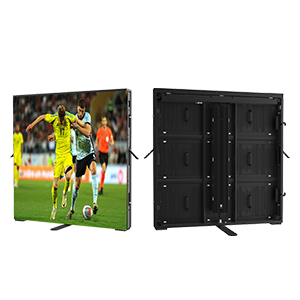
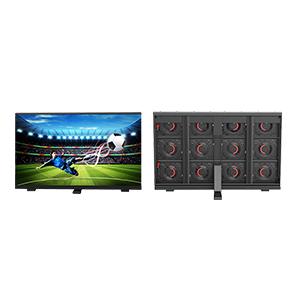
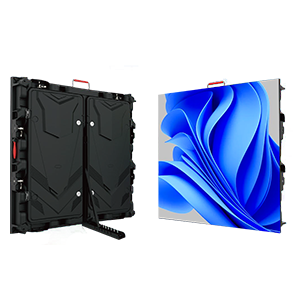






An LED display uses light-emitting diodes to produce bright, high-quality visuals. However, as screen sizes and resolutions grow, power consumption becomes a critical concern for operators. Choosing an energy-efficient display is no longer just an environmental choice but a financial necessity.
In this guide, LEDFUL helps explore the factors affecting consumption, cutting-edge saving technologies, and industry-leading solutions for sustainable operation.
What Affects LED Display Efficiency?
1. Physical Hardware
The internal design of the display dictates its baseline efficiency.
l LED Chip Driving Method
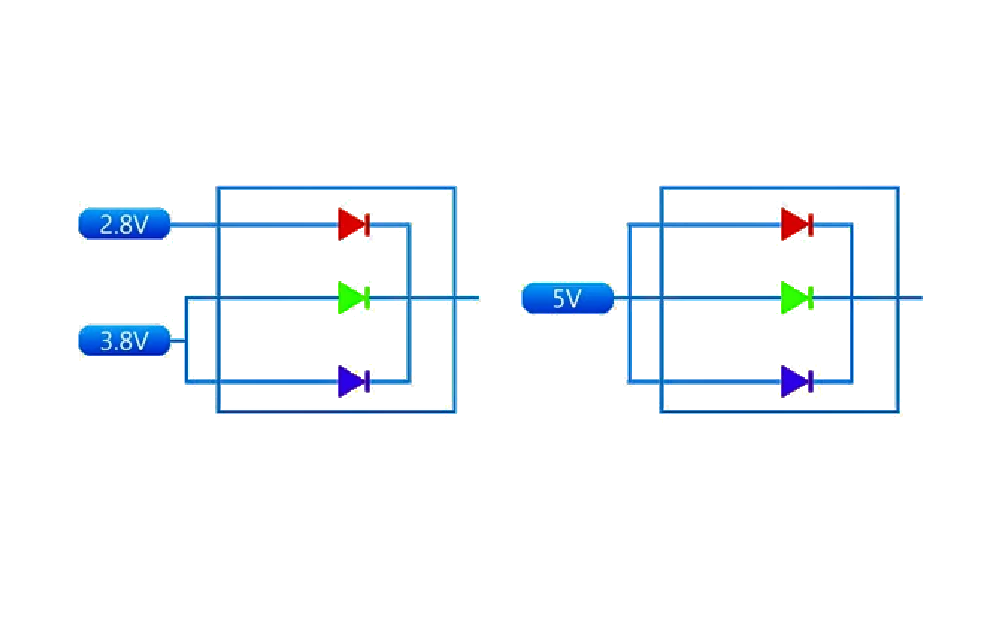
The driving method is the single most decisive factor in energy efficiency. Traditional common anode technology applies a uniform high voltage to red, green, and blue chips, resulting in excessive voltage drop and heat loss.
In contrast, common cathode technology provides precise voltages to each chip (e.g., ~2.8V for red, ~3.8V for green/blue), eliminating redundant voltage loss and reducing heat generation significantly.
l Packaging Technology
Innovations like flip-chip COB (Chip on Board) remove fragile wire bonds, allowing the LED chip to contact the substrate directly. This shortens thermal and electrical paths, lowering thermal resistance and boosting luminous efficiency.
l Pixel Density and Screen Size
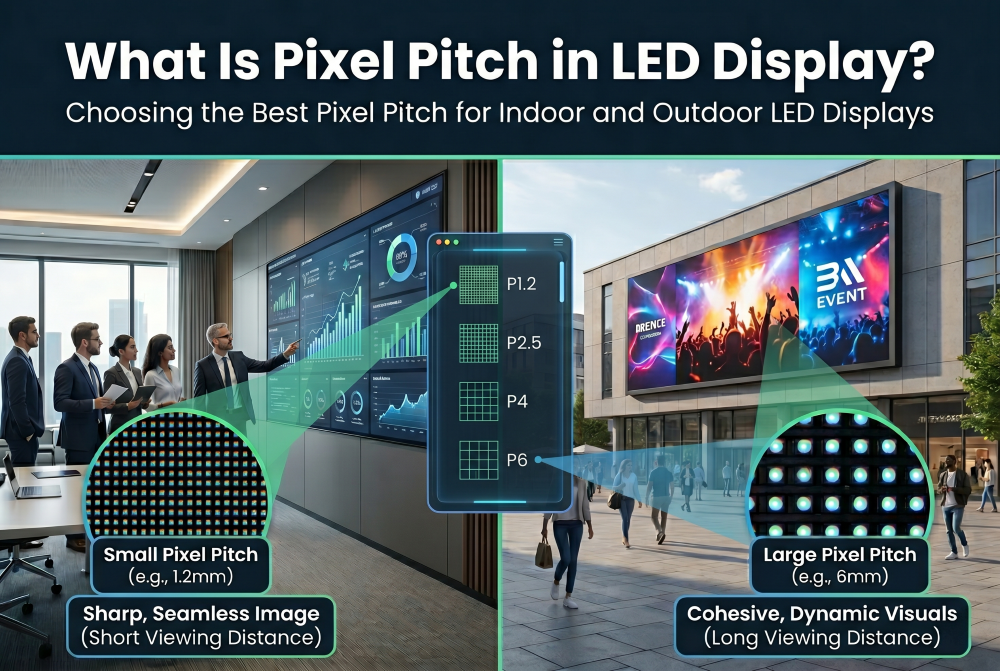
This is a critical trade-off. Smaller pixel pitches (e.g., P2.5 vs. P10) pack more LEDs per square meter, increasing total power consumption, while larger LED displays also consume more energy due to the higher number of LEDs in operation.
l Power Supply and Driver IC Efficiency
High-quality power supplies with >90% conversion efficiency minimize AC-to-DC losses. Furthermore, advanced PWM driver ICs act as the “neural center,” offering precise current control and dynamically reducing current during dark scenes to save power without compromising image quality.
2. Operating Conditions
How you use the screen is as important as how it is built.
l Brightness Level
Power consumption scales almost linearly with LED display brightness. The most immediate way to save energy is to reduce brightness when high output is not required, such as during nighttime or in indoor settings.
l Display Content
Light-colored and high-motion videos consume more power than darker, static images. Utilizing content management strategies like dark backgrounds or zone dimming can drastically lower the average pixel load.
l Refresh Rate and Grayscale
While high refresh rates (3840Hz) and 16-bit grayscale are necessary for fluid, high-quality visuals, they require more data processing and current. Finding the right balance for your specific application helps in maintaining a low-power LED display profile.
3. External Environment
The physical installation site plays a role in long-term efficiency.
l Ambient Light Intensity
Displays fighting against direct sunlight must run at full capacity to remain legible. Integrating ambient light sensors allows the display to automatically adjust brightness based on the surrounding light intensity, avoiding waste.
l Cooling Conditions and Temperature
High temperatures can cause LED efficiency to drop and accelerate light decay. Well-ventilated designs or those using die-cast aluminum heat sinks allow for natural heat dissipation, reducing the need for power-hungry external fans or air conditioning.
l IP Ratings and Structural Design
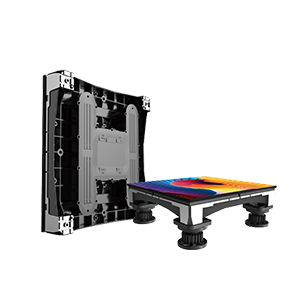
Outdoor displays require high-level IP protection (such as IP65, IP66, or IP68) to resist water and dust, while structural design directly affects heat dissipation. Fully sealed die-cast aluminum cabinets or fanless modules enhance protection while enabling efficient natural cooling, reducing the need for air conditioning or ventilation, and lowering overall energy consumption.
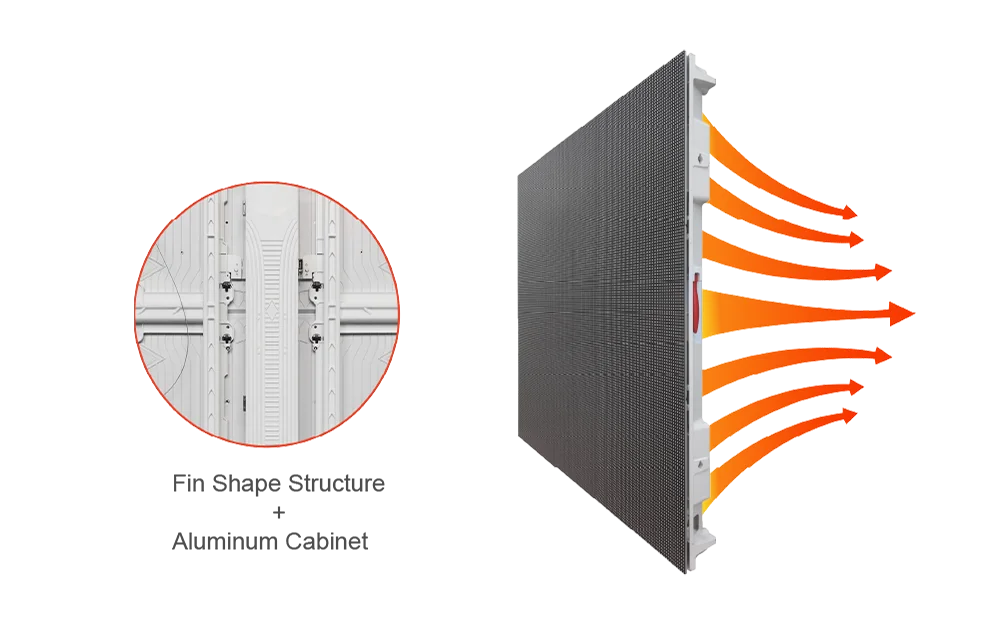
Die-cast aluminum offers high structural strength and excellent heat dissipation.
Typical Energy-Efficient LED Display Technologies
As discussed above, there are several innovative technologies that enable energy-efficient displays. LED display manufacturers like LEDFUL are leveraging these technological innovations.
1. Common Cathode Driving Technology
The cornerstone of modern energy-saving LED display design. By supplying independent, precise voltages to red, green, and blue LEDs, it eliminates the voltage waste inherent in common anode designs. This results in a 40% to 50% reduction in power consumption and significantly lower operating temperatures.
2. Flip-chip COB Packaging
Removing the traditional wire bond reduces thermal resistance. This allows the chip to run cooler and more efficiently, supporting ultra-fine pixel pitches (such as P0.4) with superior stability.
3. Automatic Intelligent Management
Smart systems now integrate ambient light sensors and pixel-level dimming. These systems automatically lower brightness at night or dim pixels displaying black content, often reducing annual electricity use by 30% to 50%.
4. High-Efficiency Driver ICs and Power Supply
Using a higher-voltage power supply for the same load lowers energy losses. For instance, moving from 24V to a 48V DC bus architecture cuts the current in half, which reduces transmission heat loss on cables by up to 75%. Combined with high-efficiency power technologies, the system retains more energy for light production rather than heat.
5. Optimized Structural Design
Fanless designs utilizing die-cast aluminum cabinets not only eliminate fan noise and power draw but also improve reliability by preventing dust ingress through fan vents.
Energy-Efficient LED Displays Offered by LEDFUL
For contractors and procurement officers seeking reliable, verifiable energy savings, LEDFUL offers specific products designed to meet the demands of both outdoor durability and indoor precision.
1. Energy-Efficient Outdoor Solution: LEDFUL FS PRO Series
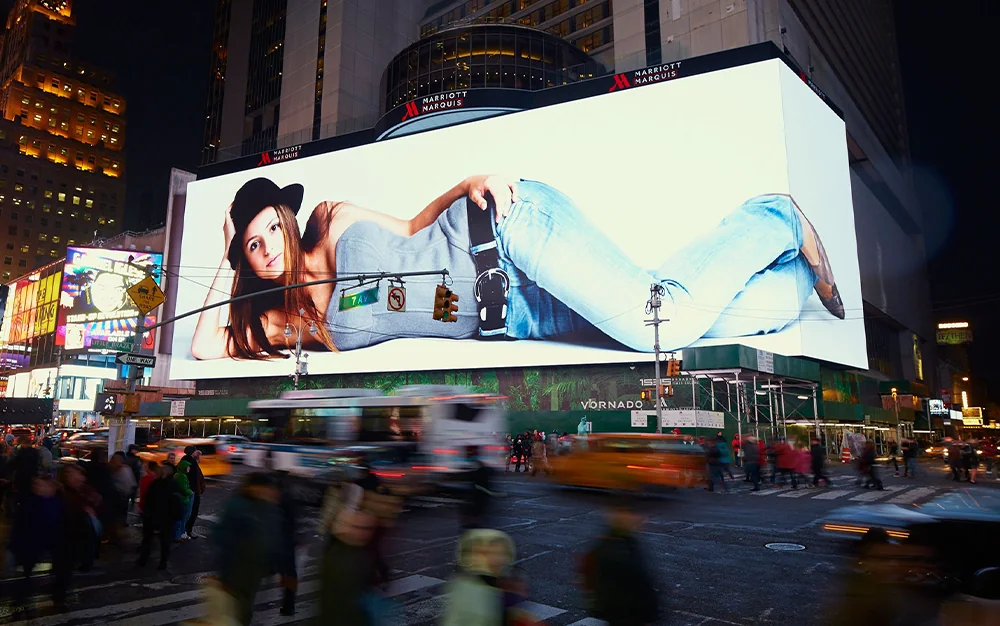
When selecting an energy-saving LED display for outdoor advertising or transportation hubs, the FS PRO Series stands out. It achieves a 40% overall energy saving by utilizing a full common cathode architecture.
Furthermore, the series boasts an IP66 dustproof, waterproof rating and utilizes fully sealed die-cast aluminum cabinets. This structure allows for a fanless design, leveraging the metal body as a heat sink to further reduce auxiliary power needs.
As for maintenance needs, it features a cable-free design and supports dual-access maintenance (front and rear), which is crucial for minimizing downtime and labor costs in large-scale installations.
2. Energy-Efficient Indoor Solution: LEDFUL BM PRO Series
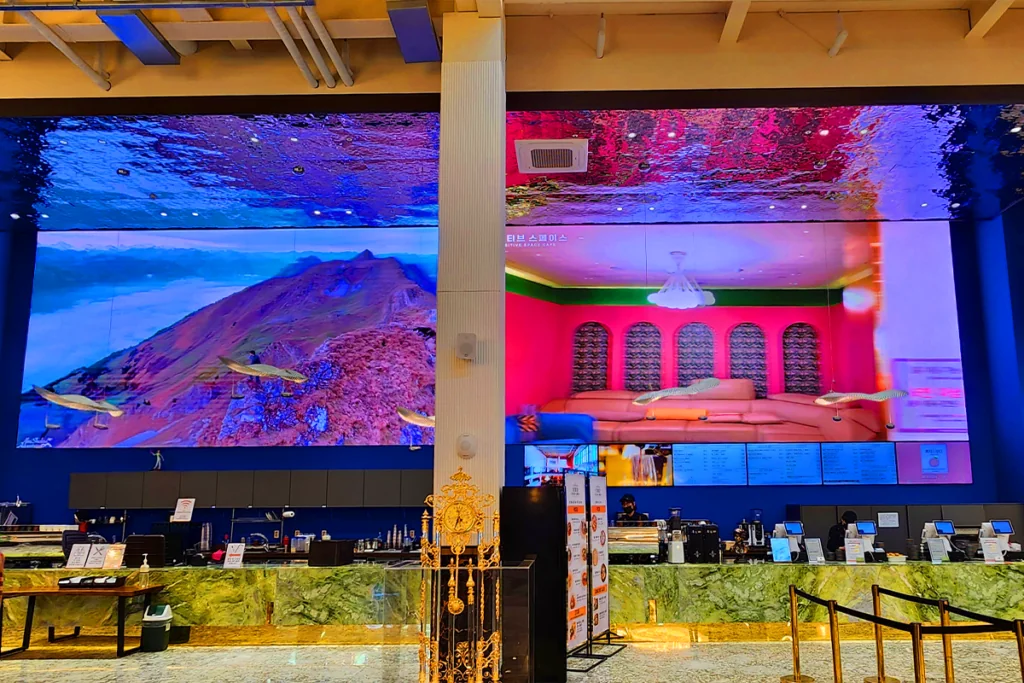
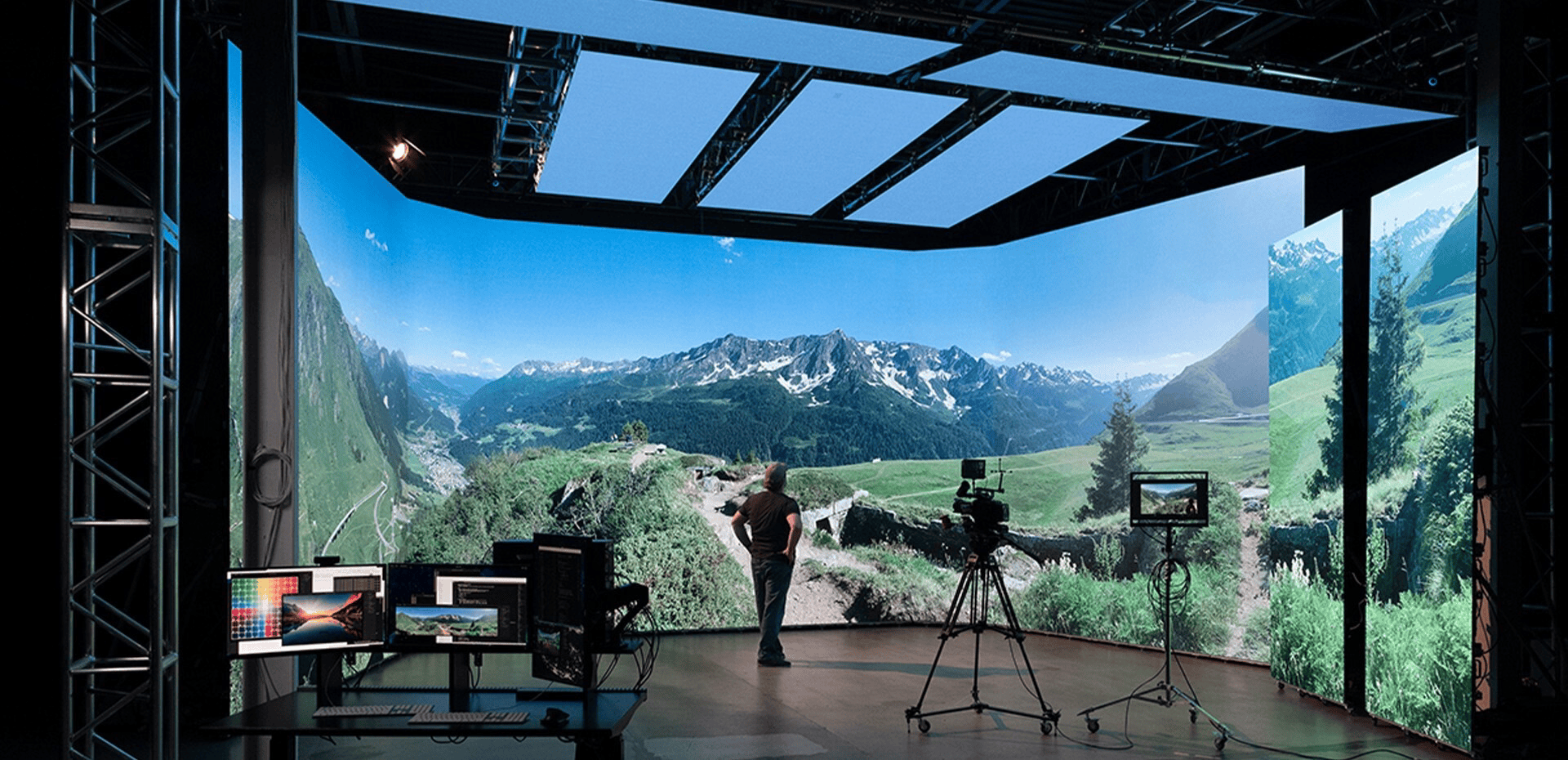
For indoor applications—whether in corporate lobbies, retail stores, or broadcast studios—the BM PRO Series delivers a low-power LED display solution without compromising on ultra-slim design or image quality.
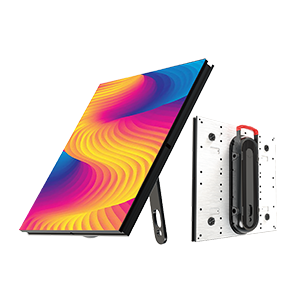
Like the FS Pro Series, the BM PRO Series features energy-efficient common cathode technology. Each panel is only 48mm thick and weighs 6.6kg, reducing structural load and simplifying installation.
Its cable-free magnetic design ensures a secure connection and allows for fast, one-second front removal using a vacuum tool. In addition, the series comes in multiple cabinet sizes and supports wall-mounting, ceiling suspension, or mobile floor-standing poster setups.
Conclusion
Investing in an energy-saving LED display is a strategic move for any organization. Beyond the obvious benefit of reduced electricity bills, these displays run cooler, which leads to fewer component failures and a longer operational life—maximizing the return on investment (ROI) for distributors and end-users alike.
LEDFUL stands at the forefront of this digital transformation. With 10+ years of industry expertise and a footprint in 116 countries, we provide more than just hardware; we offer customized, smart-control solutions tailored to your specific project needs.
To learn more about custom solutions, request a sample, or discuss your next project with a specialist, contact LEDFUL today!