



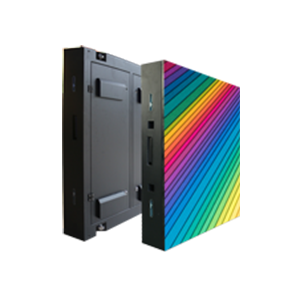
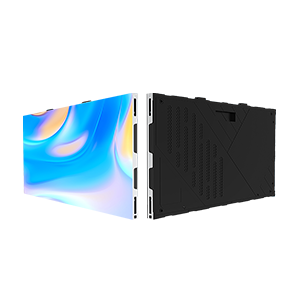
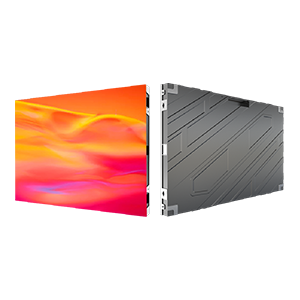
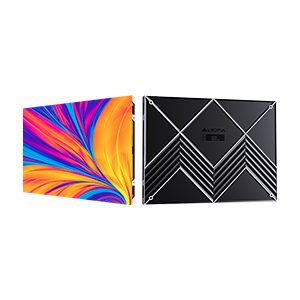
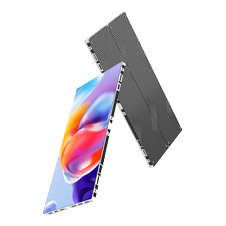
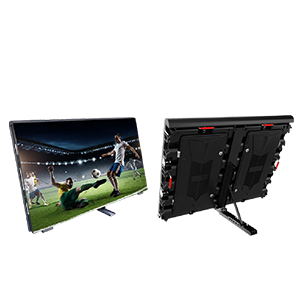
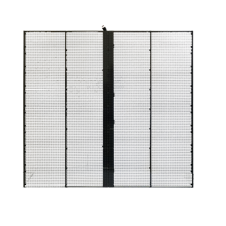
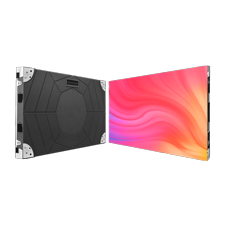
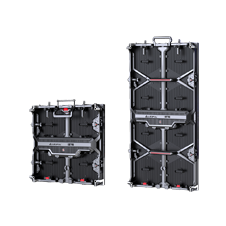
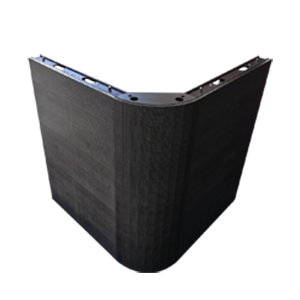
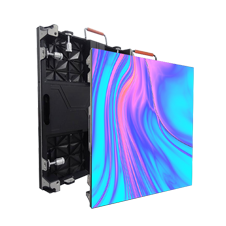
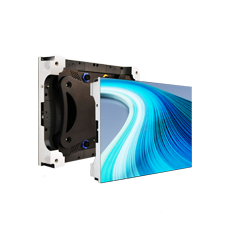
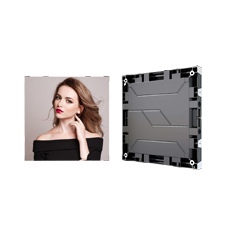
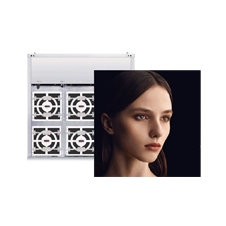
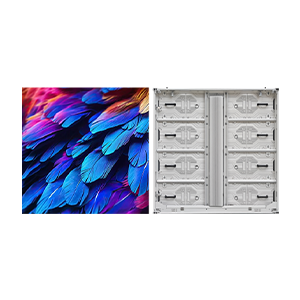
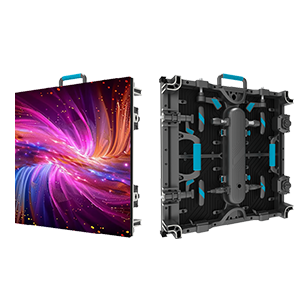
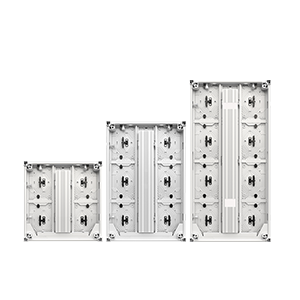
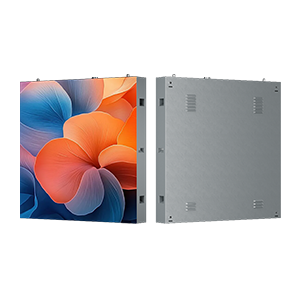
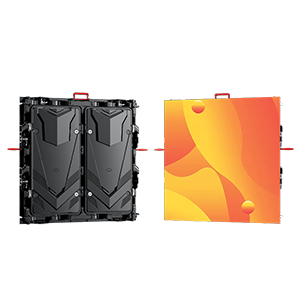
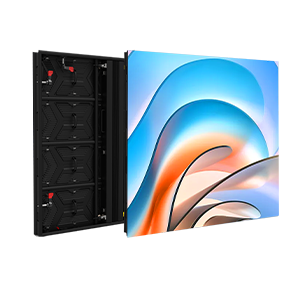
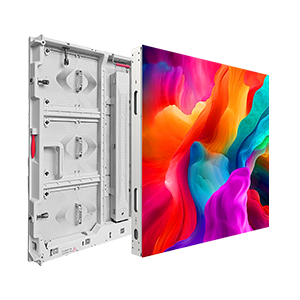
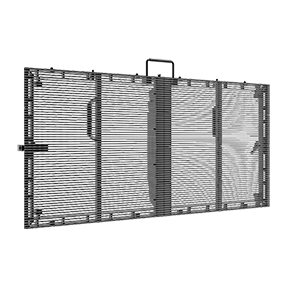
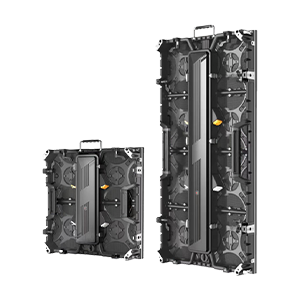
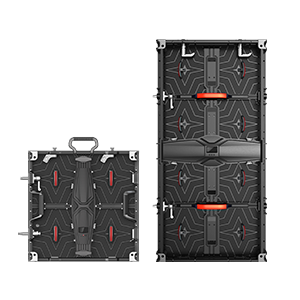
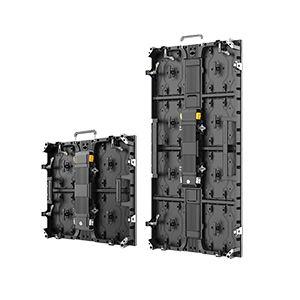
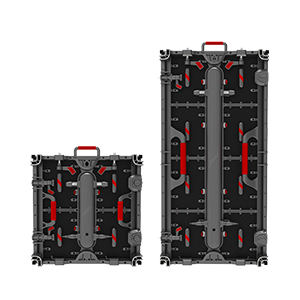
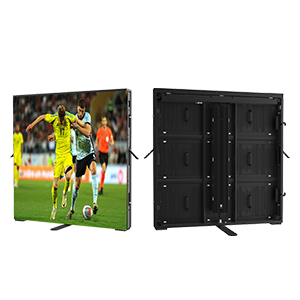






Choosing the best LED display pixel pitch for your project is one of the most consequential decisions you’ll make — it directly impacts image quality, viewing experience, and total cost.
More importantly, there is no single “best” pixel pitch value. A P2 fine pixel pitch LED display is great in indoor conference rooms for clear image detail, but it is not suitable for elevated DOOH installations.
This guide walks you through exactly what pixel pitch means, how it varies across indoor and outdoor applications, and which factors should drive your final selection!
What Is Pixel Pitch in an LED Display?
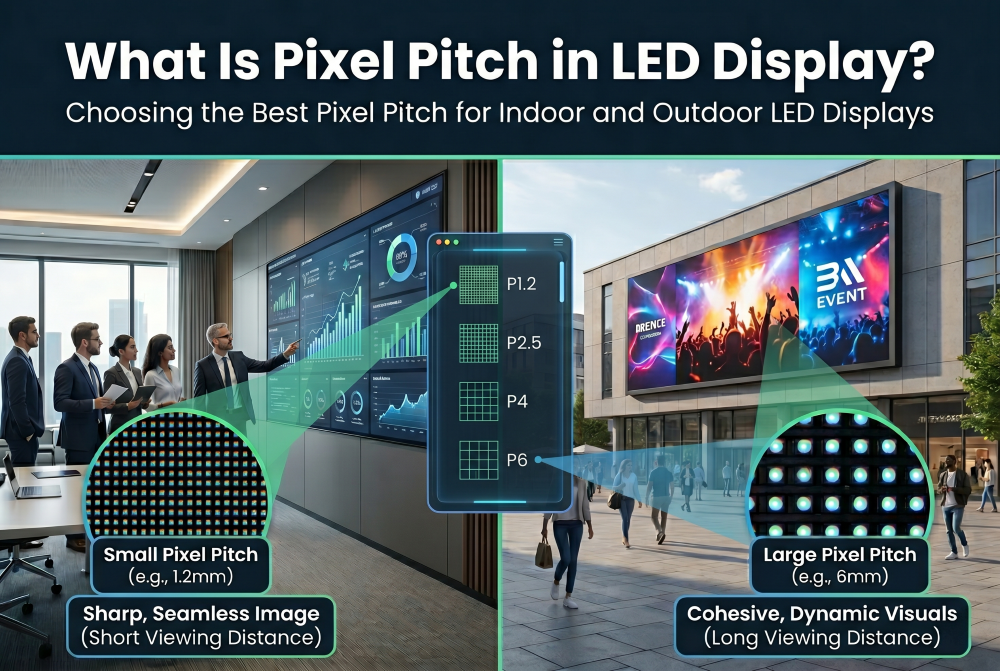
In an LED display, pixel pitch — also commonly known as dot pitch or the “P value” — refers to the physical distance between the centers of two adjacent LED pixels, measured in millimeters (mm). A P4 display, for example, has a 4 mm gap between neighboring pixel centers.
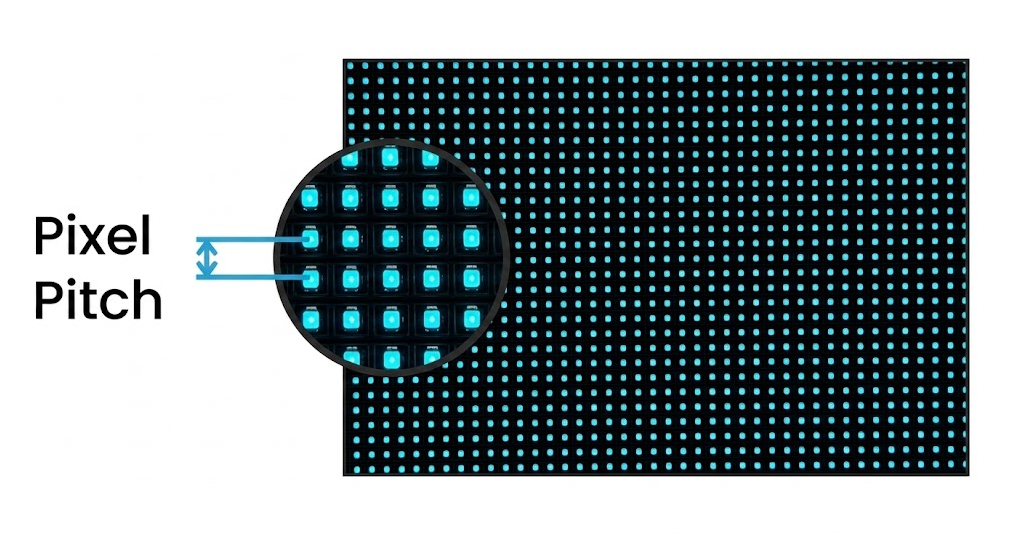
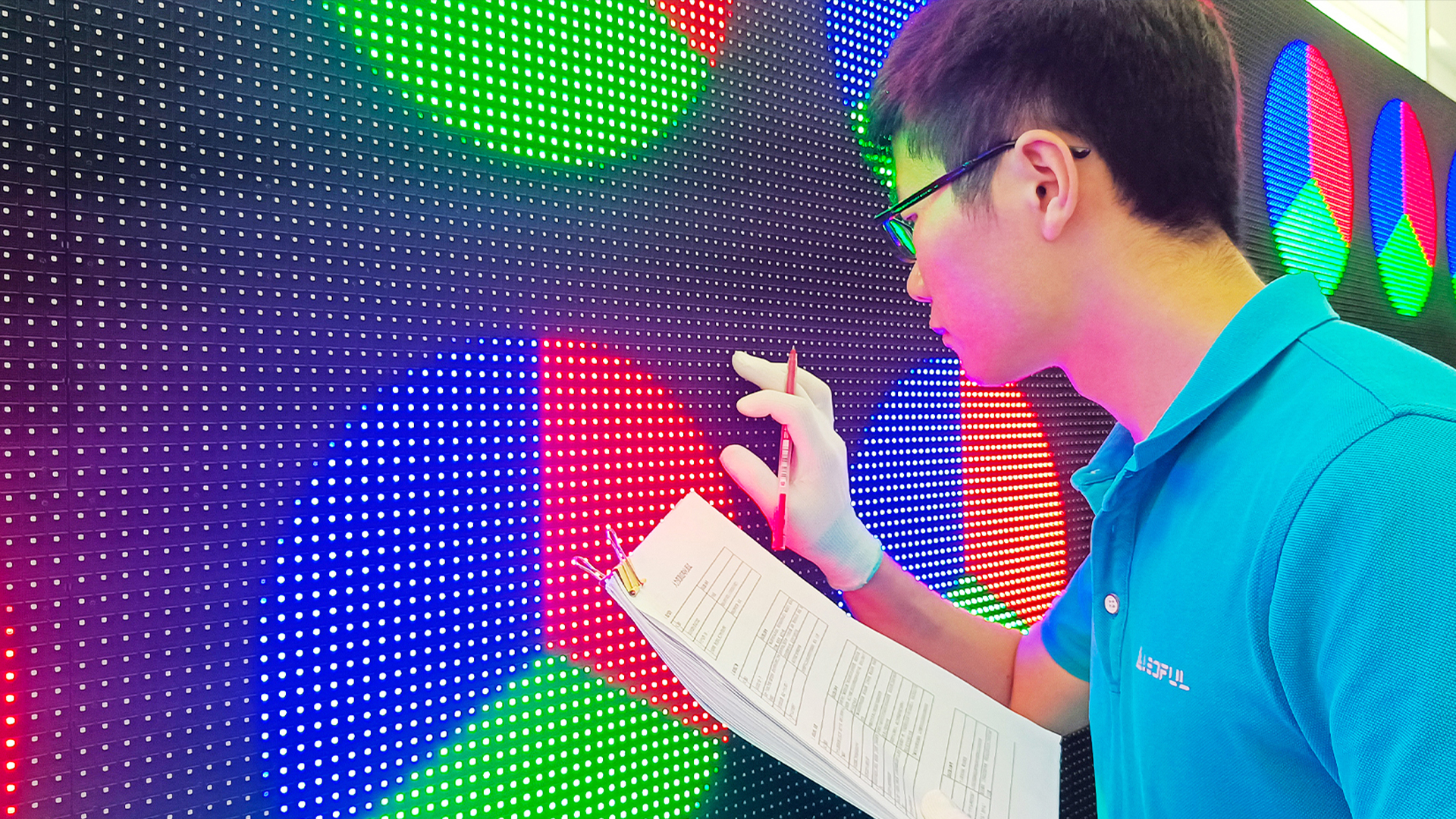
A smaller pixel pitch means pixels are packed more tightly together, which means a greater number of LED pixels can be fitted within the same surface area. This directly increases the pixel density of the display, often measured in pixels per square meter. And the tighter pixel spacing typically contributes to a higher resolution and sharper, more refined visuals.
To better understand the real-world difference, take a look at this detailed comparison: P4 vs P6 vs P8 vs P10 Outdoor LED Display.
What Is the Best Pixel Pitch for Outdoor LED Displays?
The good pixel pitch for outdoor applications generally spans P3 to P10 and beyond, with the best choice depending heavily on the viewing distance, screen size, and specific deployment scenario.
Typical Outdoor Pixel Pitch Range
- P3 – P4 (Close viewing, approximately 3–12 meters): High pixel density produces exceptionally fine-detail visuals. Ideal for luxury brand billboards in city centers, pedestrian shopping streets, and retail building facades where viewers pass within a few meters.
- P5 – P6 (Medium viewing distance, approximately 5–18 meters): An ideal range for balancing image clarity with budget. This is currently the most popular and cost-effective choice for many outdoor commercial applications.
- P8 – P10 (Medium to long distance, approximately 8–30 meters): Larger pixel spacing keeps costs manageable while still delivering clear images when viewers are farther away. At these distances, the human eye naturally smooths individual pixels.
- P10 and above (Extreme distance, 10-30+ meters): Designed for very large screens viewed from highways, distant buildings, or stadium upper decks. Examples include P16 and P25.
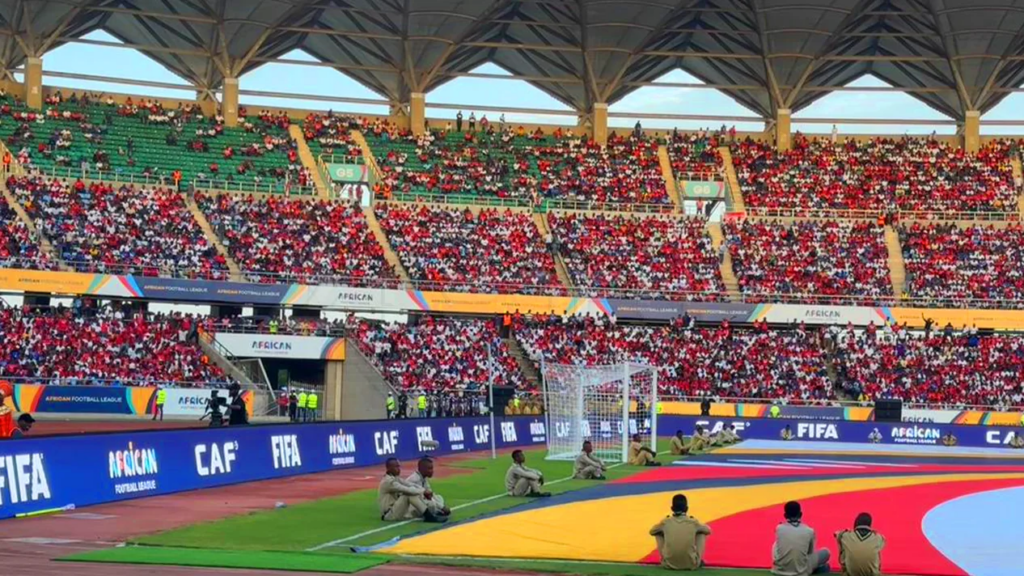
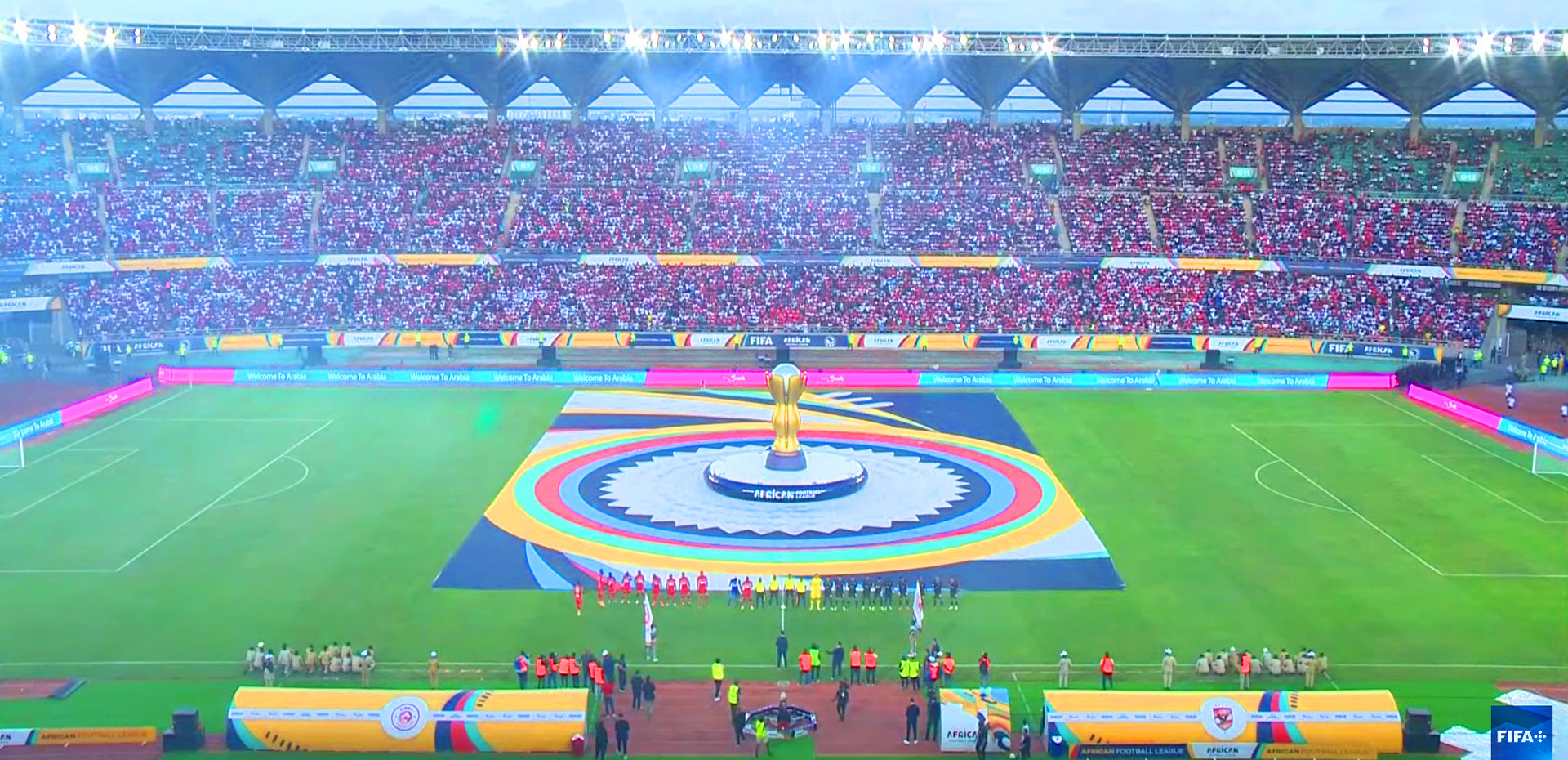
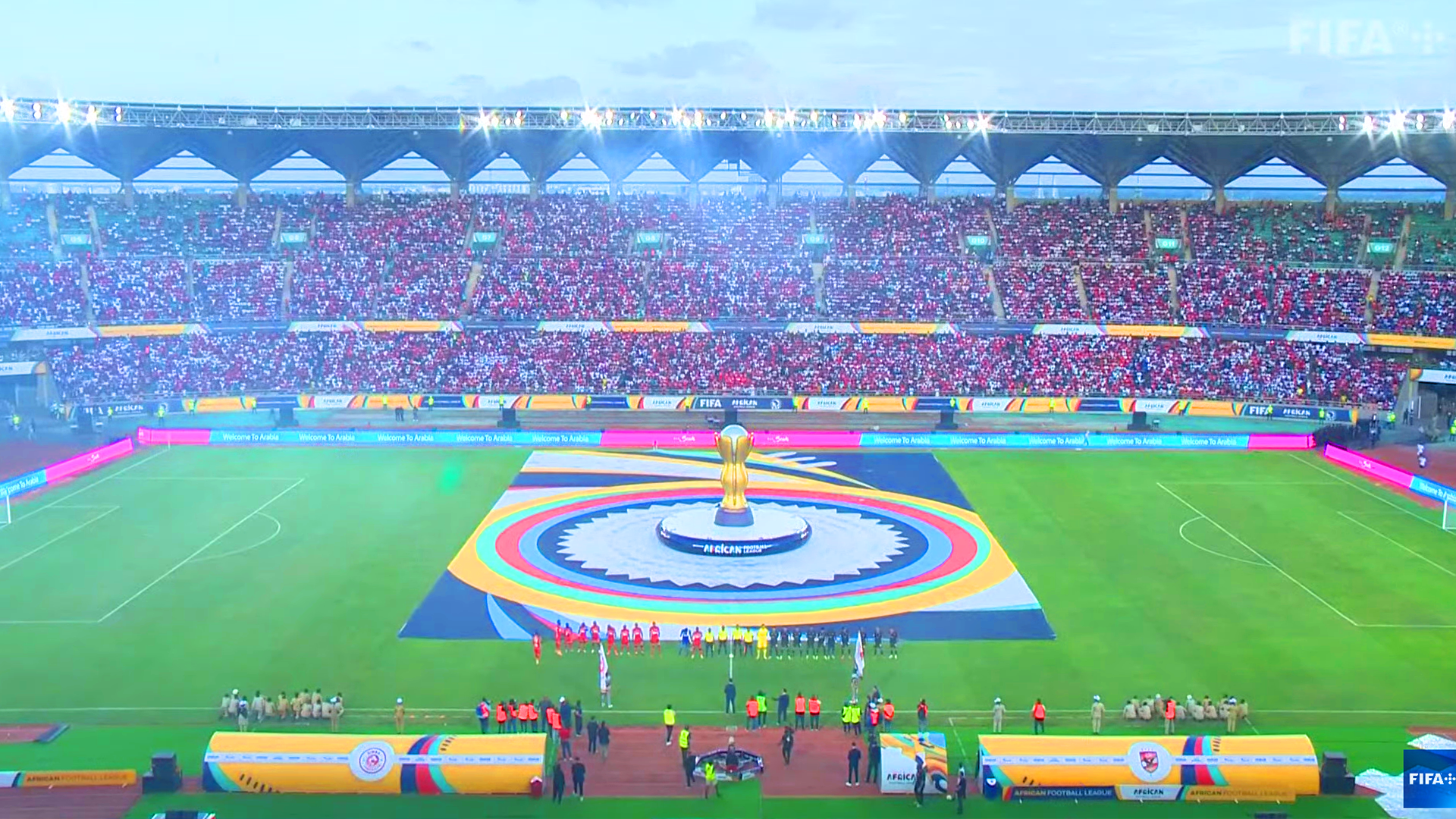
Picture shown: LEDFUL P3.91 LED Display for AFL in Tanzania
Key Outdoor LED Display Applications
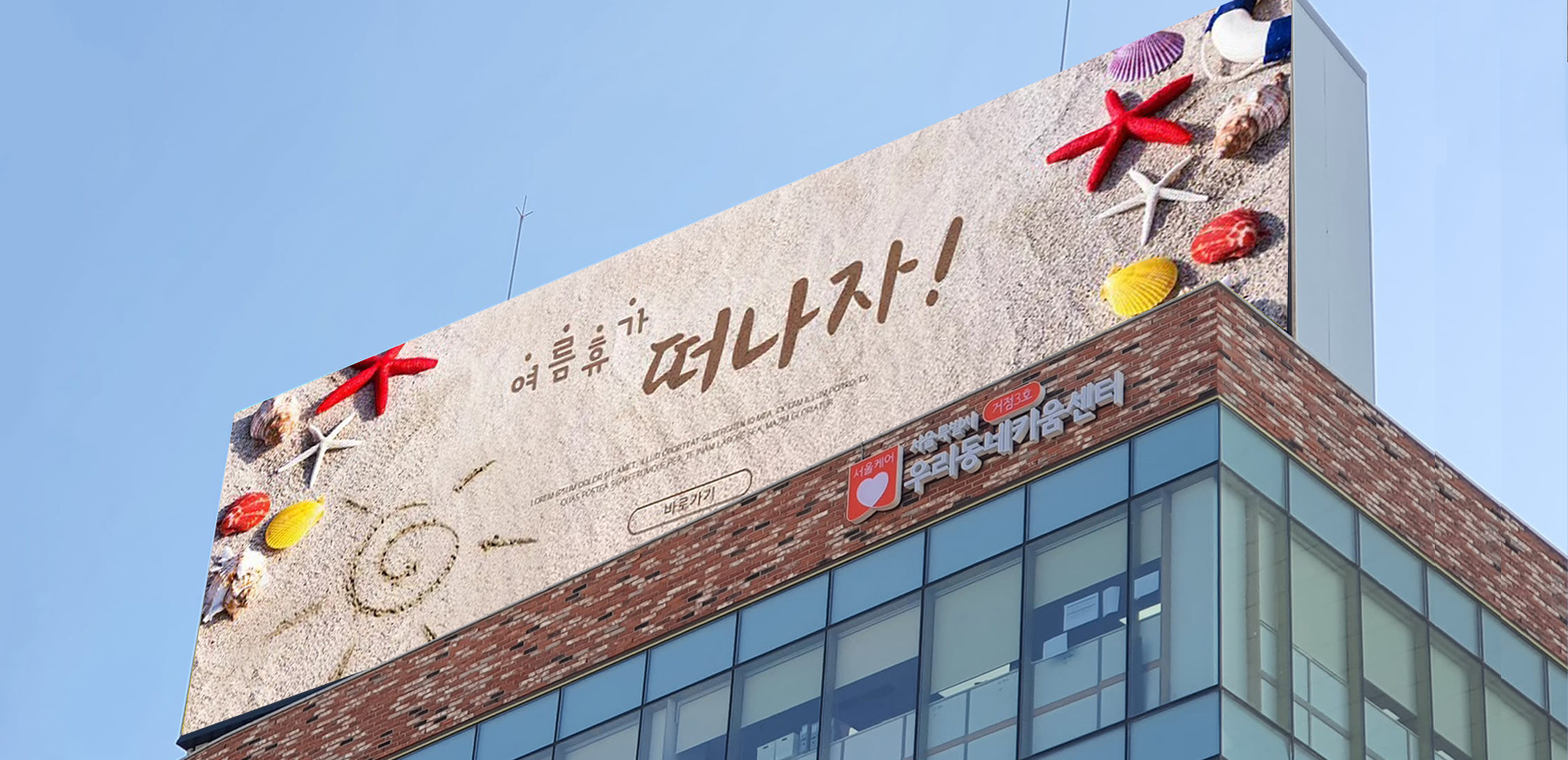
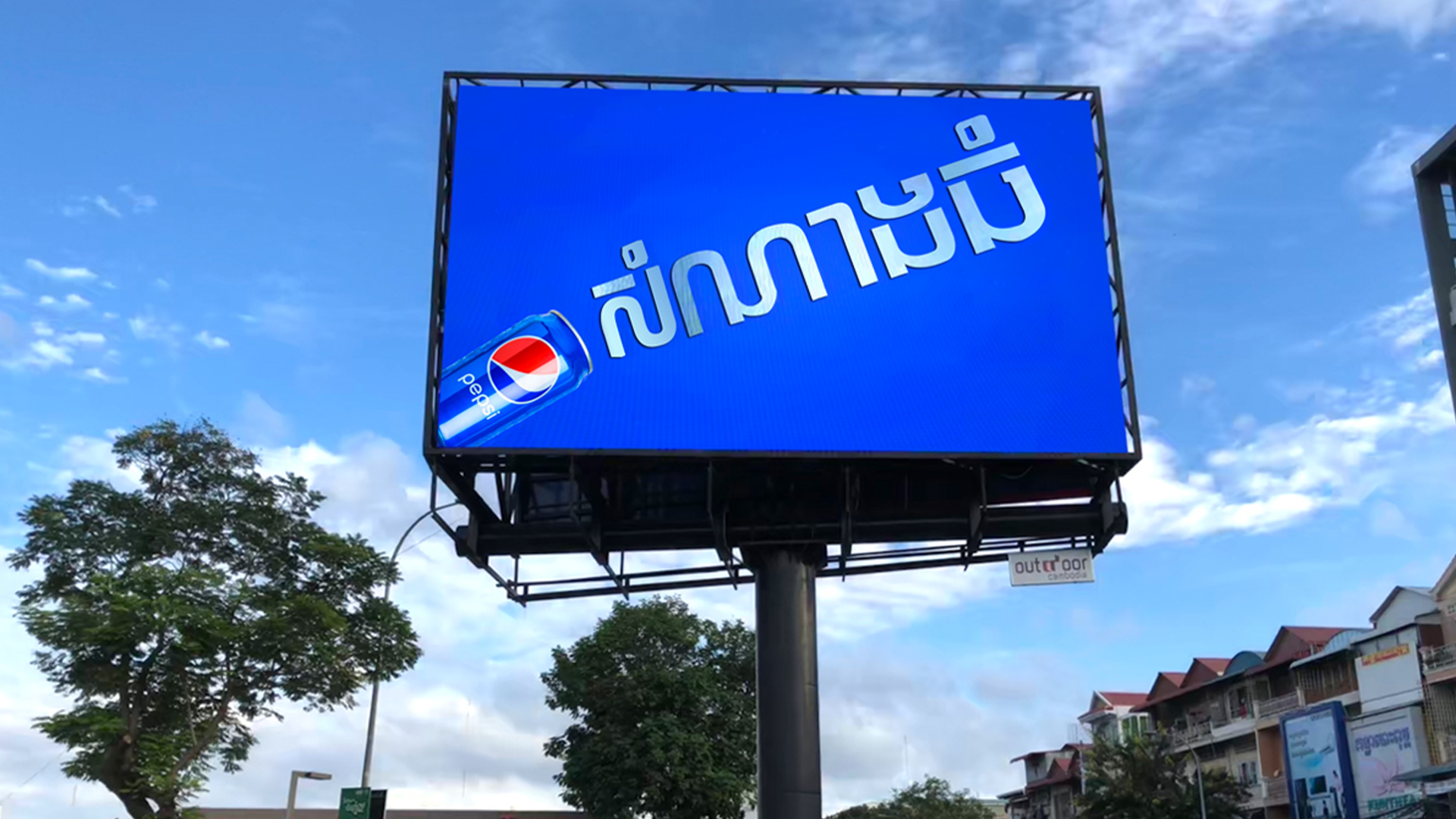
- Digital Billboards: City-center or pedestrian-facing billboards typically call for P3, P4, or P6 to deliver sharp, eye-catching detail at close range. Highway and rooftop large-format displays, where audiences are dozens of meters away, are well served by P8, P10, or P16.
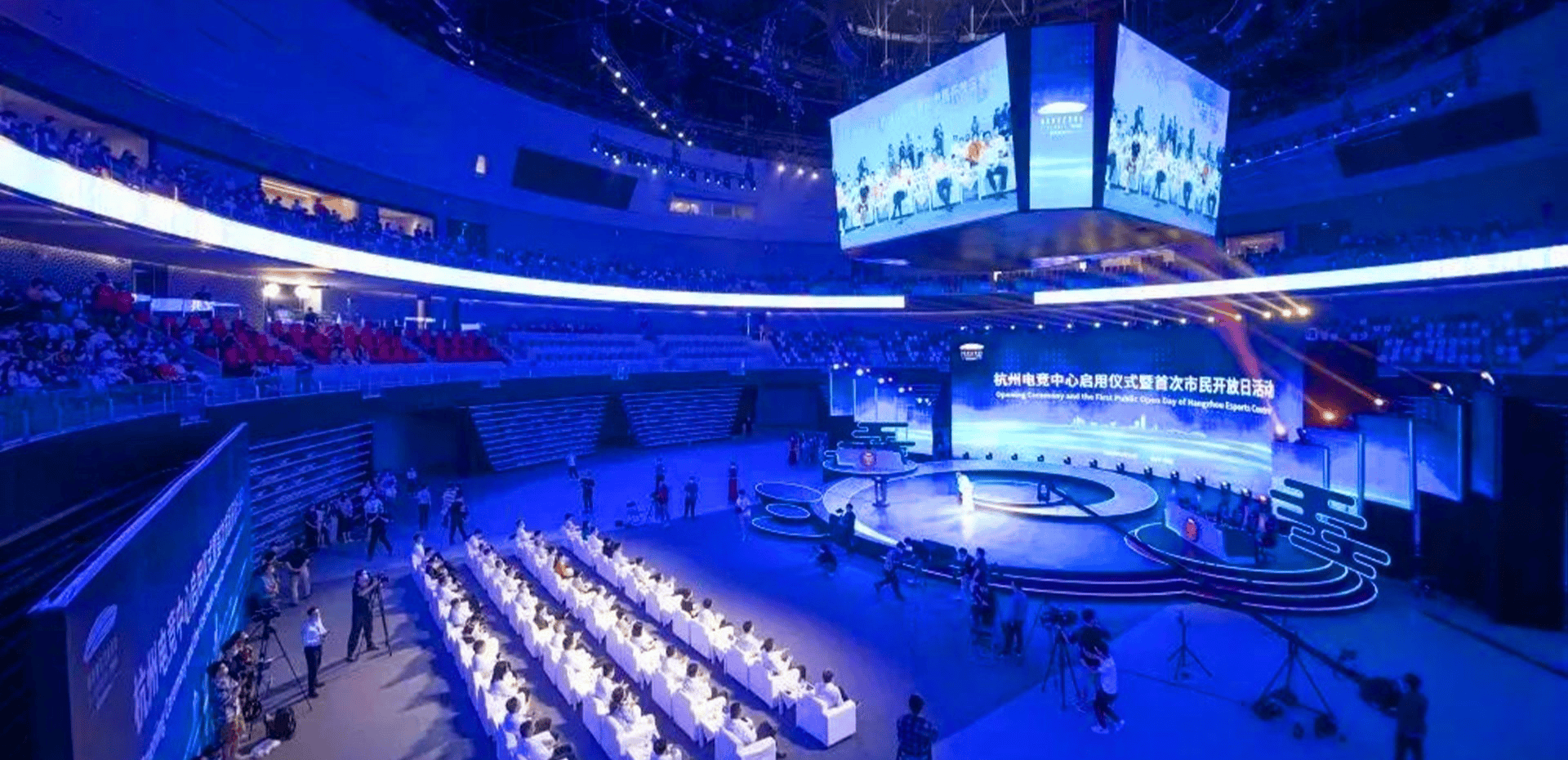
- Stadiums & Arenas: Large stadium scoreboards commonly use P10 for super-sized displays viewed at great distances. Perimeter boards and mid-venue screens showing real-time action benefit from P6 or P8.
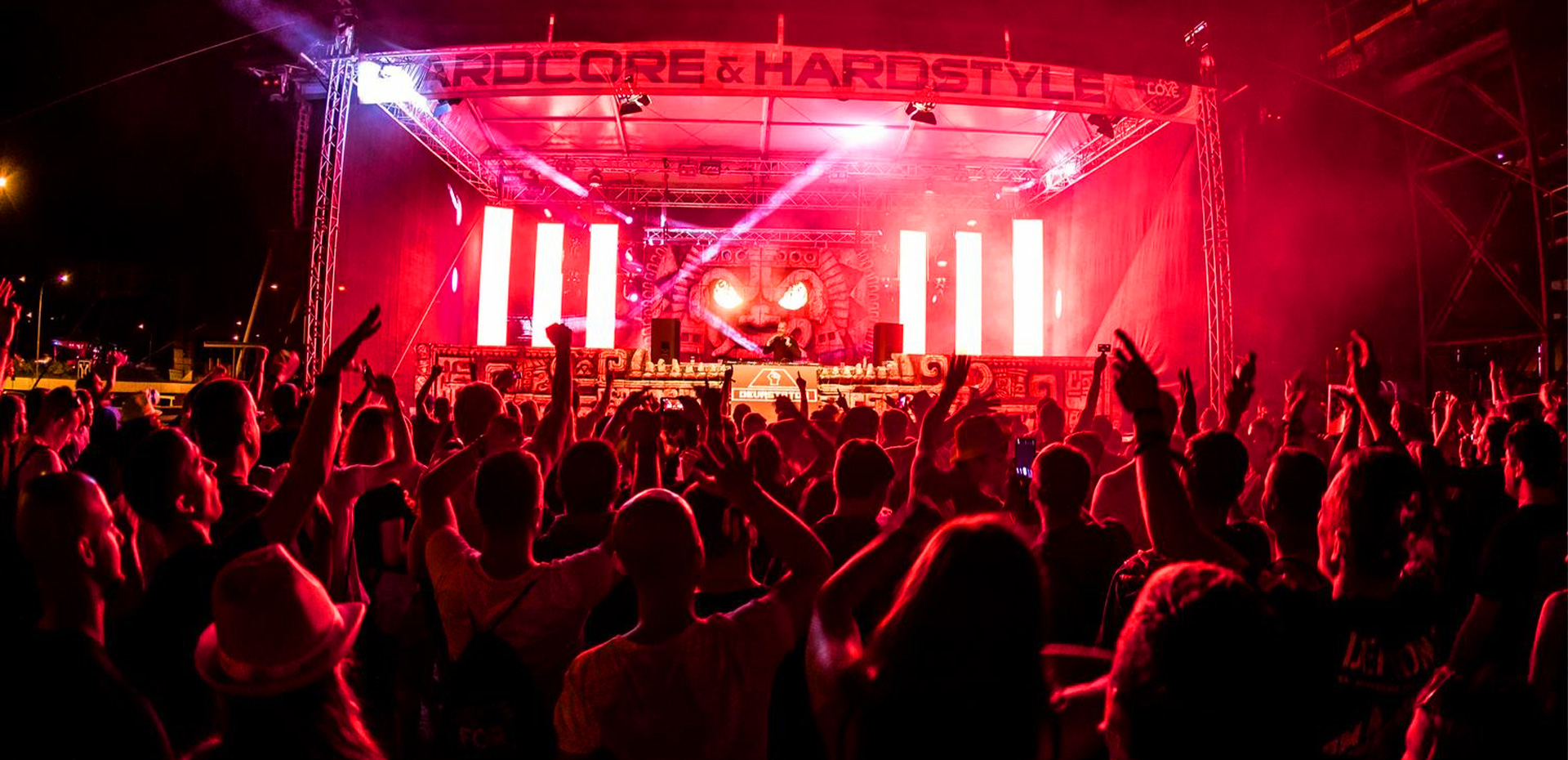
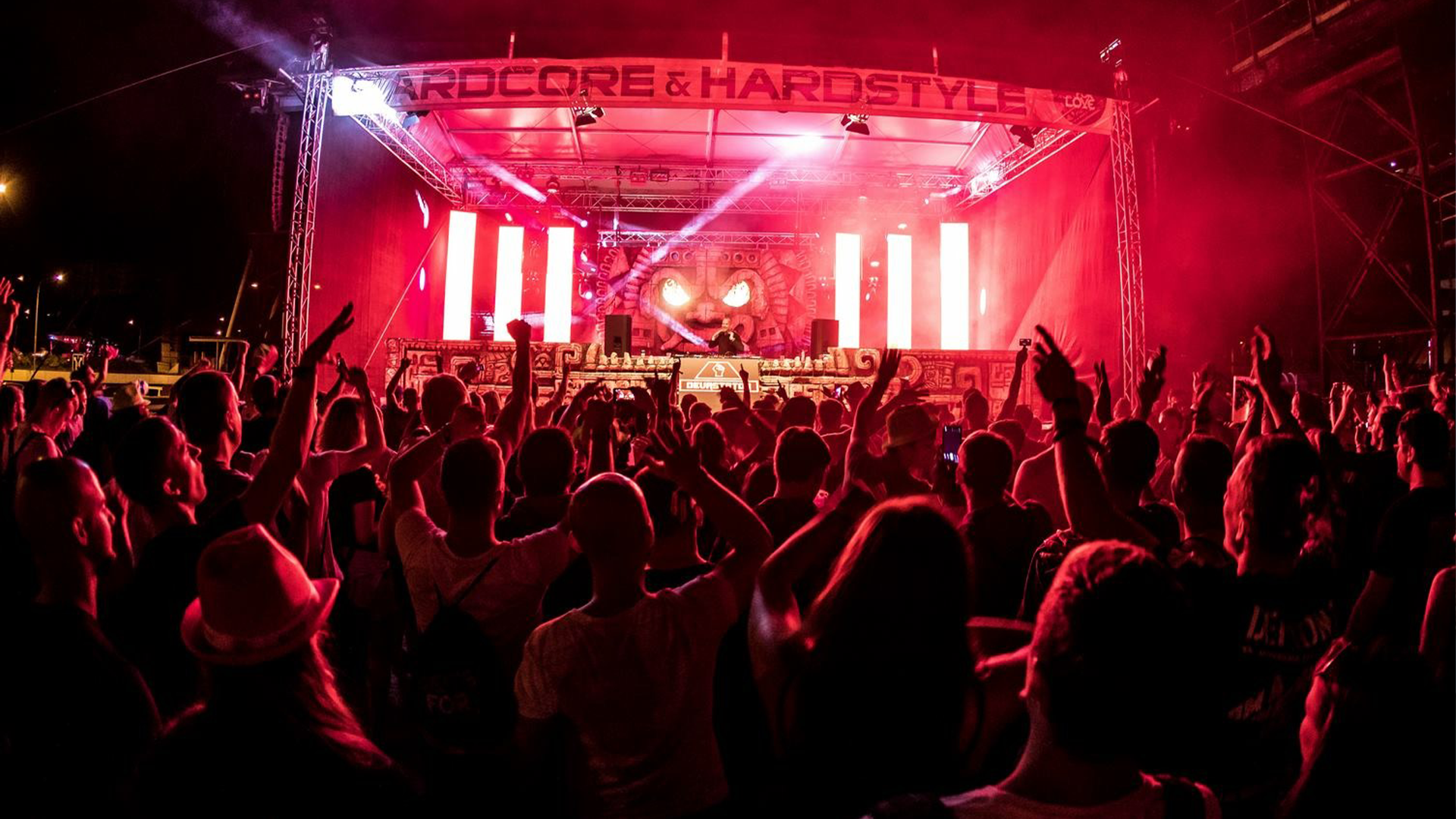
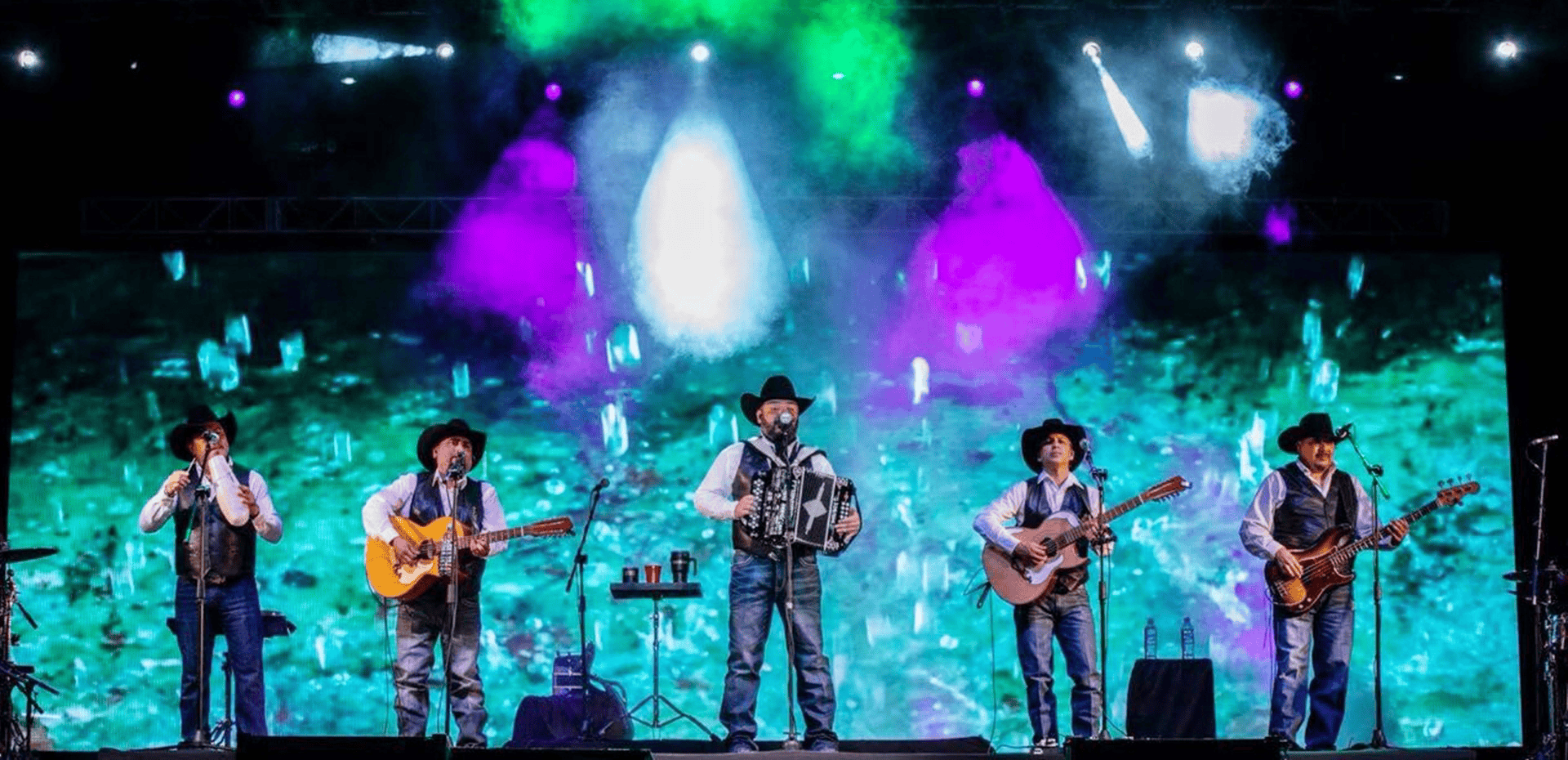
- Outdoor Events: Concert stages, festivals, and branded activations require weatherproof rental panels that combine adequate visual quality with fast rigging. P3.91, P4.81, and P5.9 options are popular in this category.
- Building Facades: Lower-floor exterior walls may use P4 or P6 for close-up impact, while upper-story facades often rely on P10 or larger.
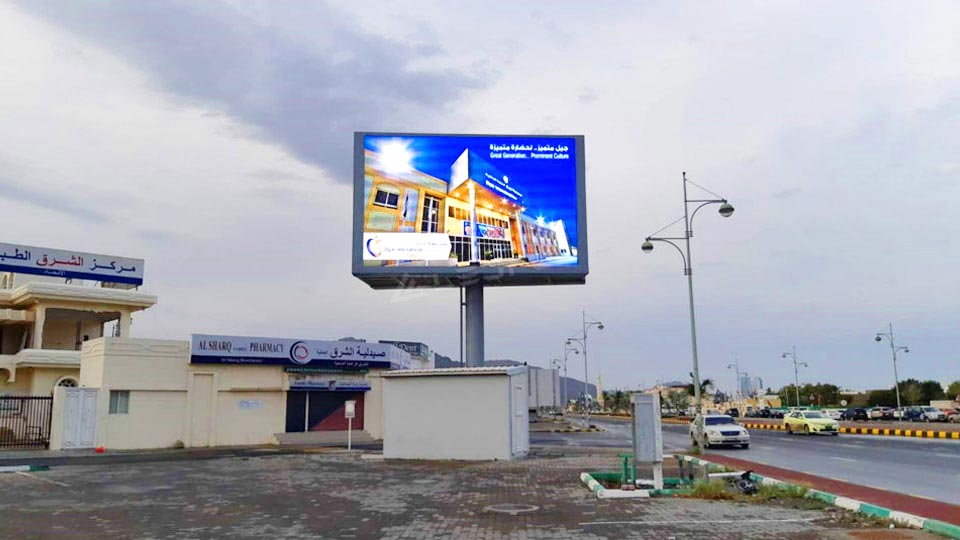
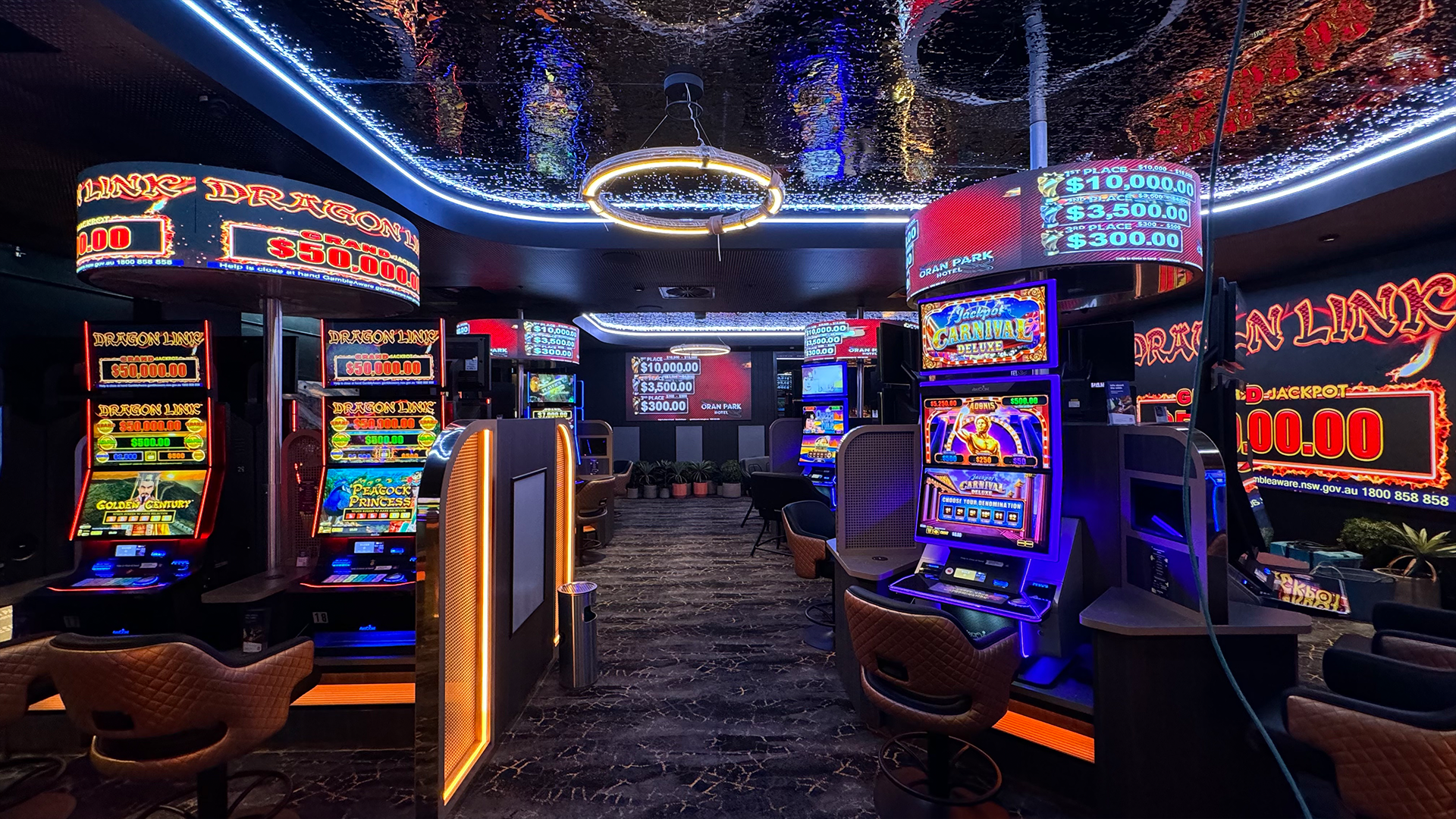
Picture shown: LEDFUL P10 LED Display for DOOH installation in the UAE
Other Key Outdoor LED Display Technical Requirements
High Brightness Performance
In many scenarios, outdoor LED displays must remain visible under direct sunlight. That is why most outdoor screens need at least 5,000 nits, while premium models often exceed 8,000 nits. Smart brightness adjustment is also valuable for balancing visibility and power efficiency throughout the day.
Comprehensive Weather Resistance
- Ingress Protection
A minimum IP65 rating is necessary for outdoor applications to protect against rain and dust intrusion. Installations in coastal or harsh industrial environments may require IP66 or IP67 protection.
- Thermal Resilience
Outdoor LED displays must operate consistently across extreme temperature conditions, typically from -30°C to 60°C, supported by effective heat dissipation systems.
- Structural Durability
Cabinets made from aluminum alloy or stainless steel provide enhanced corrosion resistance, mechanical stability, and thermal conductivity for long-term outdoor operation.
What Is the Best Pixel Pitch for Indoor LED Displays?
Indoor environments place viewers at far closer distances, which is why fine pixel pitch LED displays — typically ranging from P0.9 to P2.5 — dominate this space.
Typical Indoor Fine Pixel Pitch Range
- P0.9 – P1.5 (Ultra-fine pitch, 0.9–4.5 meters viewing distance): Delivers native 4K or even 8K resolution with ultra-fine detail. No visible pixels whatsoever, even when viewers stand arms-length away. The gold standard for high-impact boardrooms and broadcast studios.
- P1.5 – P2.5 (Standard fine pitch, 1.5–7.5 meters viewing distance): A versatile range for most commercial and corporate indoor applications. Balances stunning high-definition visuals with practical budget considerations.
Key Indoor LED Display Applications
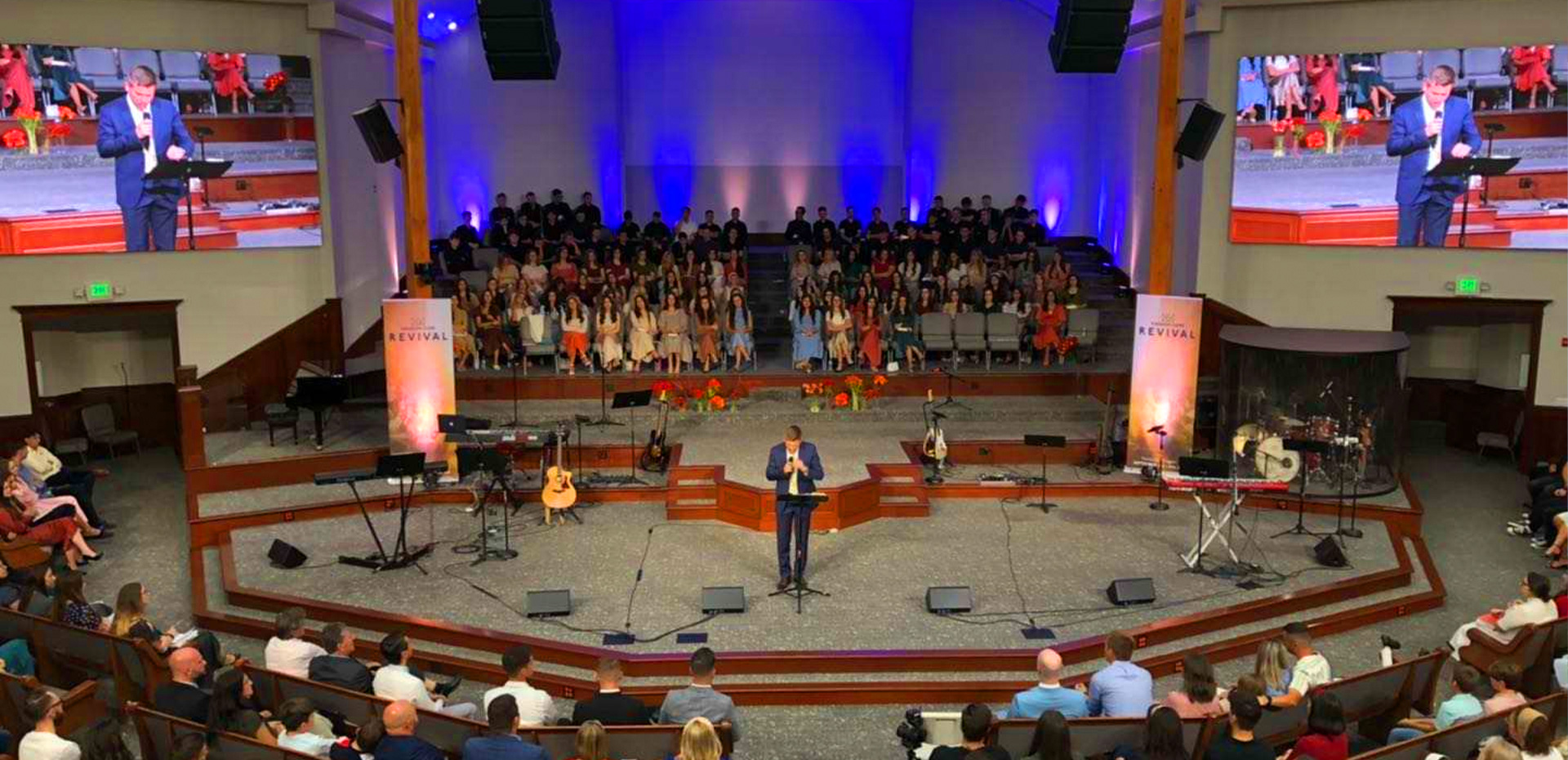
- Conference Rooms & Boardrooms: For high-end executive spaces displaying financial charts, video conferences, and detailed presentations, P1.2–P1.5 is recommended. For larger mid-sized meeting rooms, P1.5–P1.8 offers excellent value.
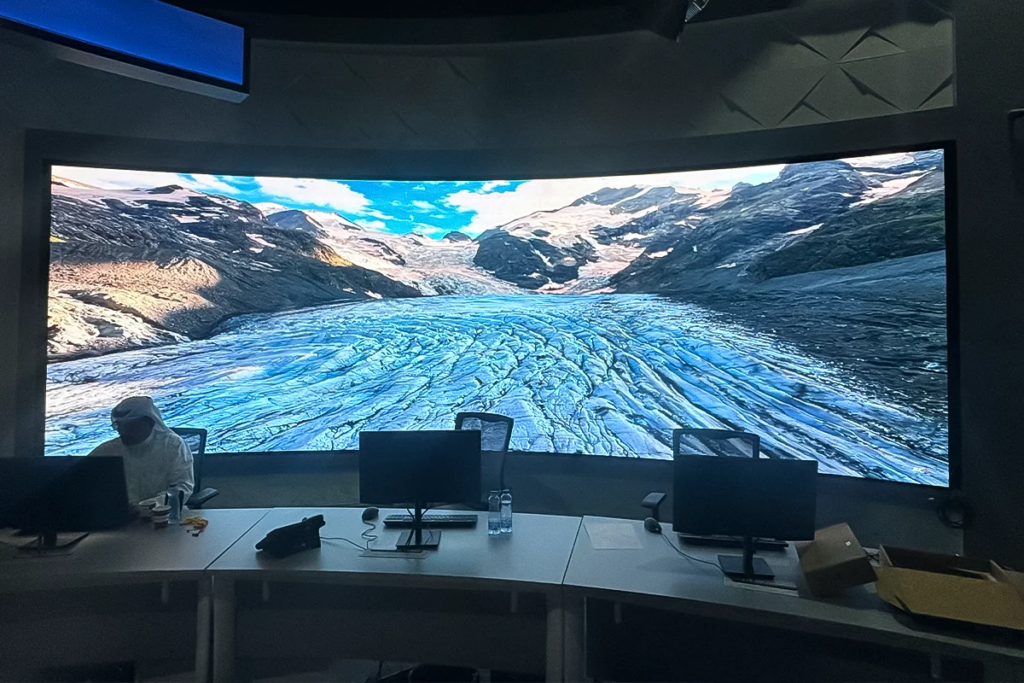
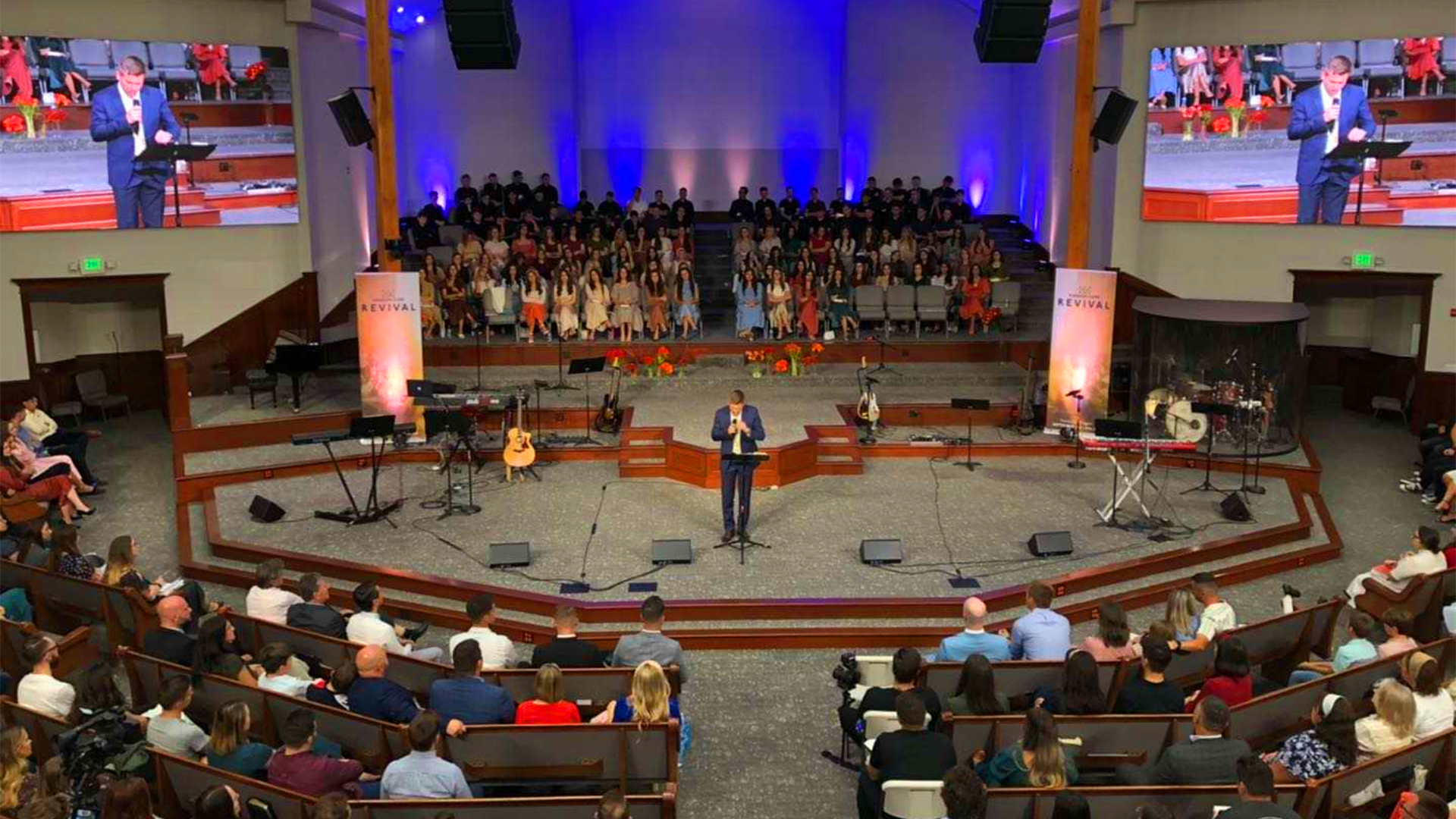
Picture shown: LEDFUL P1.8 LED Display at Kuwait National Television
- Control Rooms & Command Centers: Operators sit close to screens for hours, viewing dense data streams, fine text, and detailed maps. P0.9–P1.2 generally ensures accurate, fatigue-free information reading.
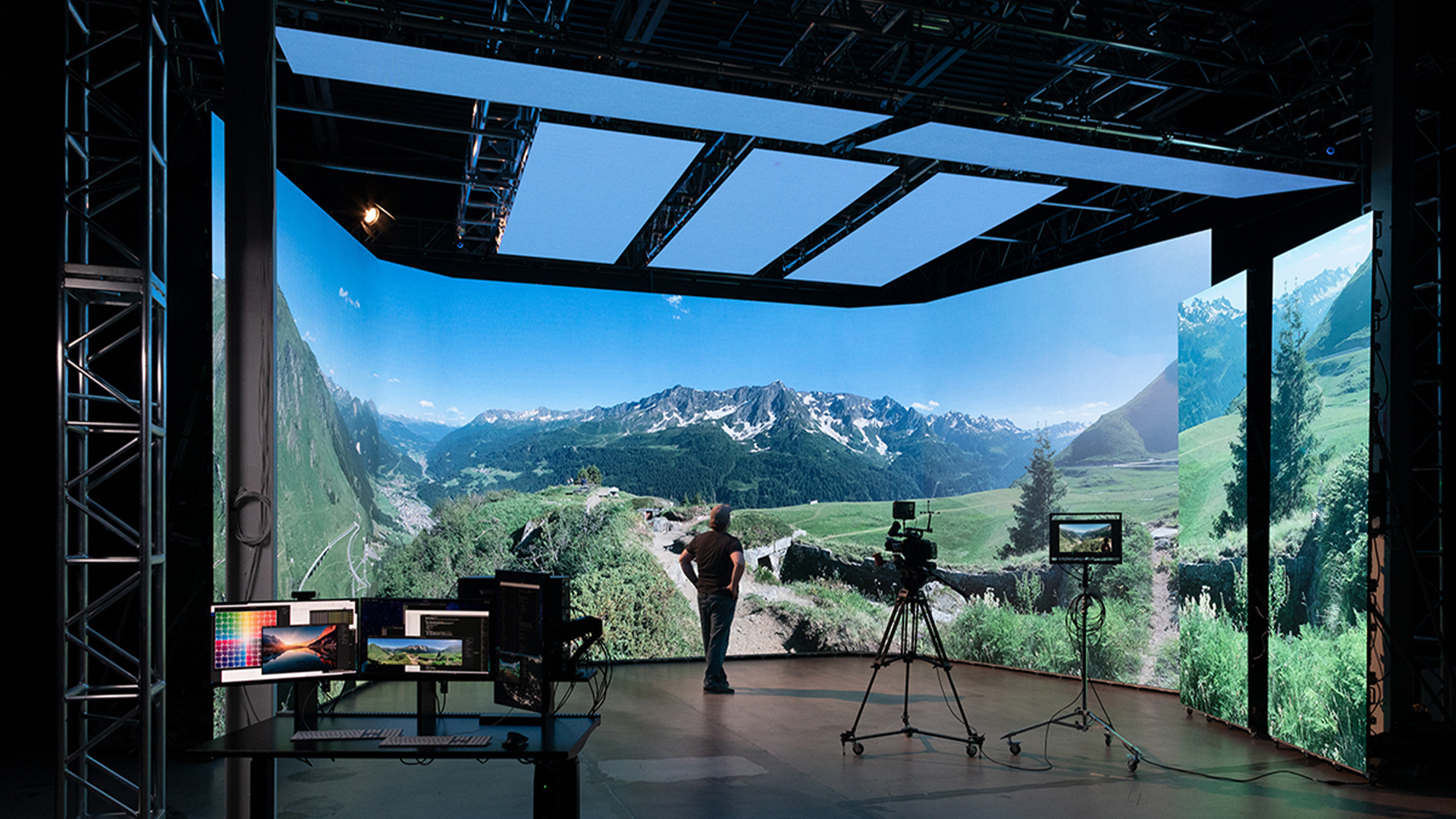
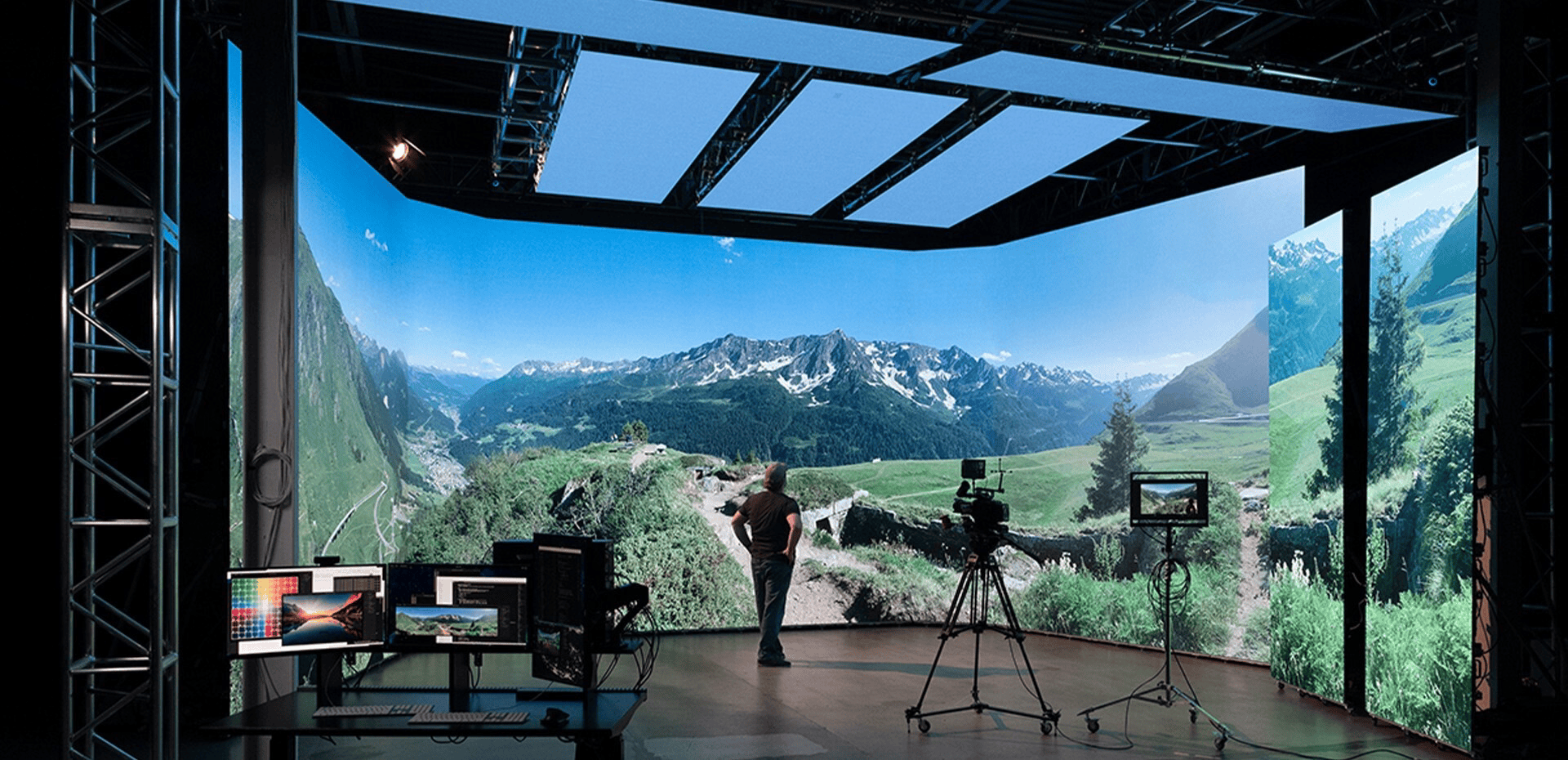
- Broadcast Studios & Virtual Production: Cameras zoom in on LED walls, making fine pitch essential to avoid moiré patterns and maintain realistic backgrounds. P0.9–P1.5 is often the industry standard for broadcast.
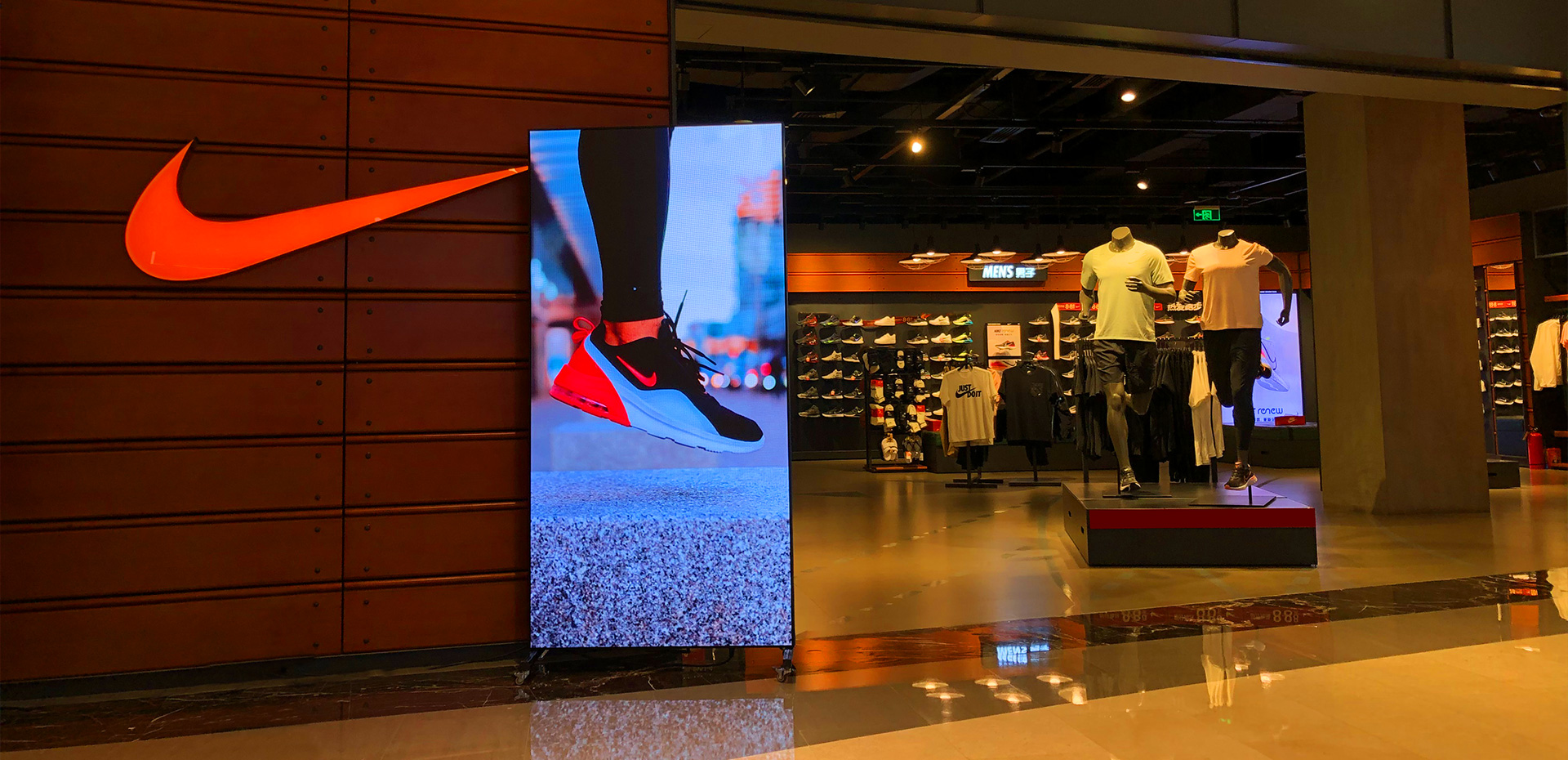
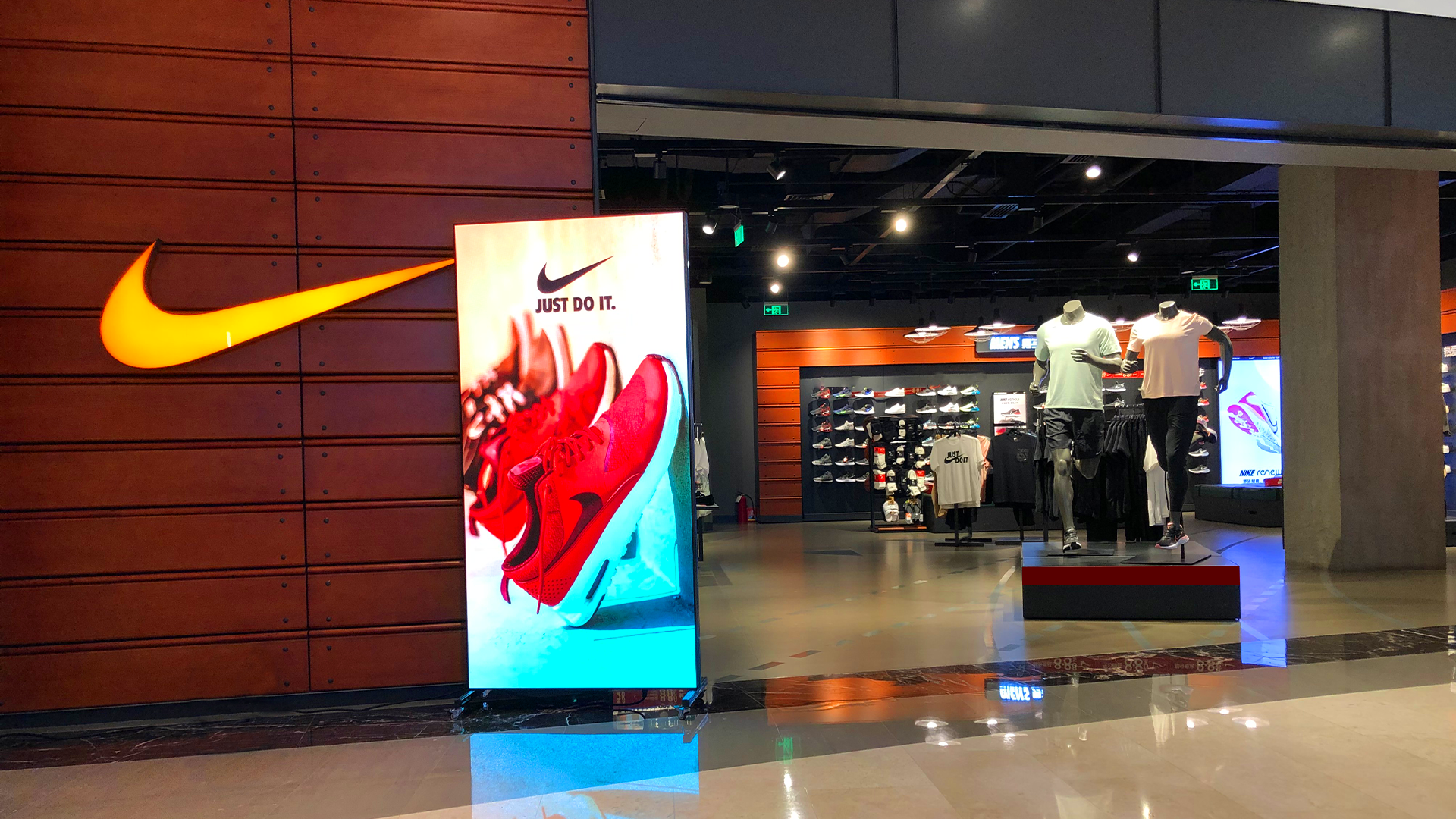
- Retail Stores & Luxury Showrooms: High-end cosmetics, jewelry, and fashion brands use P1.2–P2.5 to showcase products with exceptional sharpness, drawing customers closer.
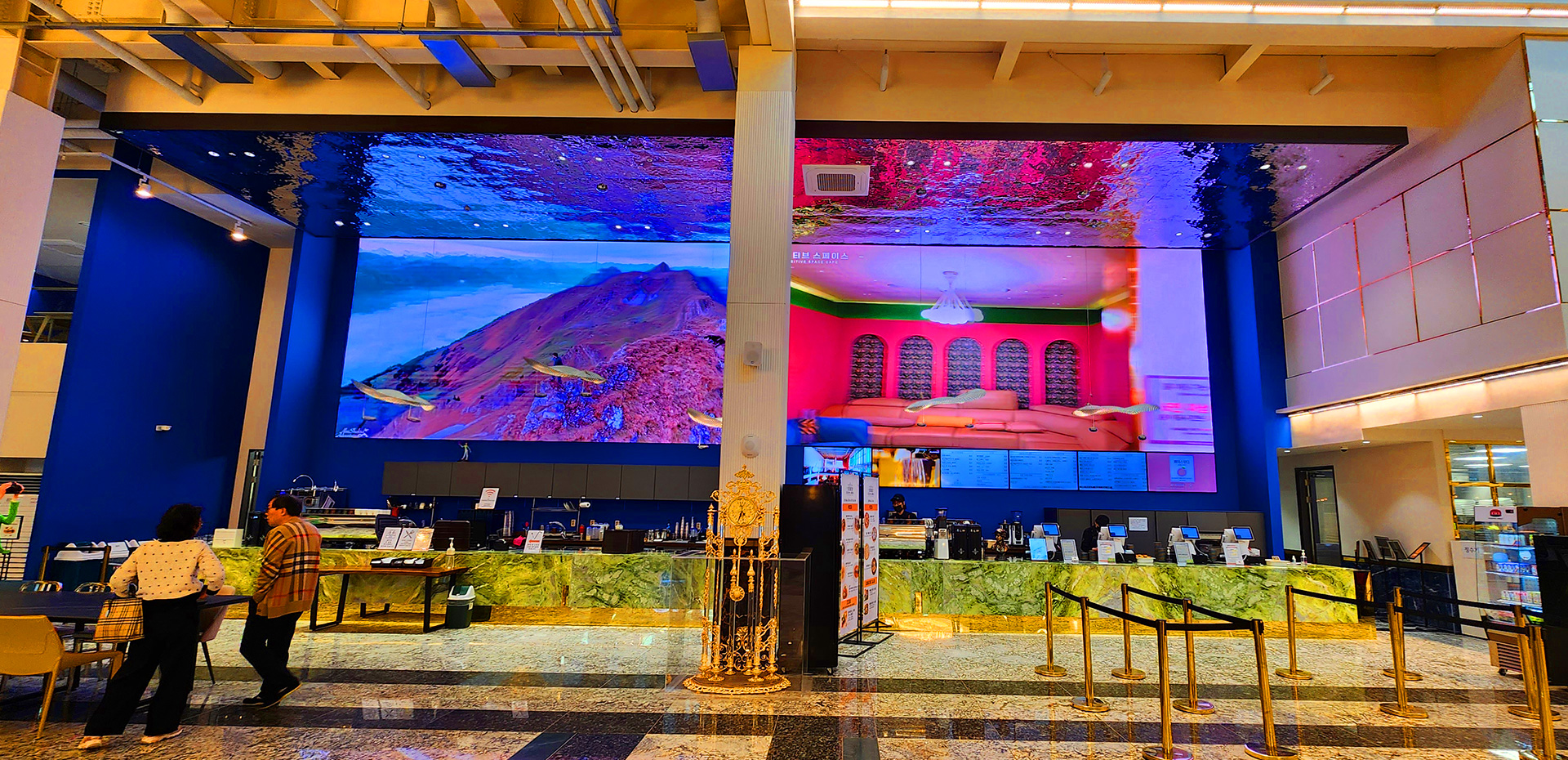
- Corporate Lobbies & Reception Areas: These spaces often feature large-brand video walls viewed from mid-distance. P1.5–P2.5 delivers impressive visual impact without overspending.
Other Key Indoor LED Display Technical Requirements
- Lower Brightness for Comfortable Viewing
Indoor LED displays do not need extreme brightness. In fact, too much brightness can create glare and eye fatigue. Most indoor screens perform best between 500 and 1,000 nits. Further, auto-brightness adjustment is especially useful for optimizing both comfort and energy savings.
- Deep Blacks and Strong Contrast
A high contrast ratio creates richer image depth and sharper visual definition. Premium indoor displays can reach 10,000:1, delivering deep blacks and immersive HDR-like visuals.
- Excellent Color Accuracy and Smooth Grayscale
High-end indoor environments require precise color accuracy and consistent grayscale performance. Even when brightness is lowered, top-tier displays maintain 16-bit grayscale depth, preserving subtle shadow details and ensuring seamless color transitions.
How to Choose the Best LED Display Pixel Pitch
Now that you understand the basics and the requirements for specific environments, here is a systematic approach to selecting the optimal pixel pitch for your unique project.
1. The Viewing Distance Factor (Primary Consideration)
Viewing distance is the single most critical factor determining the correct pixel pitch. The rule is simple: the closer your audience stands, the smaller the required pixel pitch.
- Minimum Viewing Distance (meters) ≈ Pixel Pitch (mm): For a P1.2 display, viewers should be at least 1.2 meters away to avoid seeing individual pixels. For a P10 display, the minimum distance is 10 meters.
- Optimal Viewing Distance (meters) ≈ Pixel Pitch (mm) × 2.5 to 3: This is where the image looks its best—sharp and seamless.
- The “10x Rule”: Pixel pitch (mm) × 10 ≈ comfortable viewing distance in feet (approximate conversion).
Example: If the closest audience member stands 3 meters from your screen, divide 3 by 2.5–3, giving you a recommended pixel pitch of approximately P1.0 to P1.2.
2. Display Size & Target Resolution
Screen size and desired resolution work together to determine the ideal pixel pitch.
- Relationship: For a given screen size, a smaller pixel pitch delivers higher resolution. For a given budget and resolution target, the pixel pitch determines how large the screen can be.
- Resolution Calculation: To achieve true 4K resolution (3840×2160 pixels), multiply the pixel pitch by 3840 to find the screen width. For P1.5: 1.5 mm × 3840 = 5.76 meters wide. For P2.5: 2.5 mm × 3840 = 9.6 meters wide.
Professional tip: You may define your required resolution based on content type and viewing distance first, then calculate the necessary screen size and pixel pitch.
3. Budget
Pixel pitch is one of the primary cost drivers for any LED display project. A smaller pitch means exponentially more LED lamps per square meter, driving up manufacturing, driver IC, processing, and long-term maintenance costs.
- Cost and pitch are inversely proportional: For example, a P1.2 screen with the same specifications may cost 30–40% more than a P2.5 screen.
- Return on Investment (ROI): Do not blindly chase the smallest number. If your audience stands 15 meters away, a P1.2 ultra-fine pitch provides few visible benefits over a reasonably priced P4 or P5 display. Match pixel pitch to actual need, not to marketing specifications.
4. Content Type
The material you plan to display significantly influences pixel pitch requirements.
- High-detail content demands a smaller pitch: Dense text (meeting presentations, financial data), complex charts and graphs, detailed maps, and close-up product shots all require small pixel spacing to remain sharp and readable.
- Dynamic or macro content can use a larger pitch: Movies, live sports, simple large-format graphics, bold text, and atmospheric background visuals look excellent on larger pixel pitches when viewed at appropriate distances.
Real-world example: A control room displaying real-time GIS maps with street names and building numbers needs P0.9–P1.2. A nightclub displaying abstract visuals and music videos can use P3.9 or larger with excellent results.
Let LEDFUL Help You Choose the Right LED Display
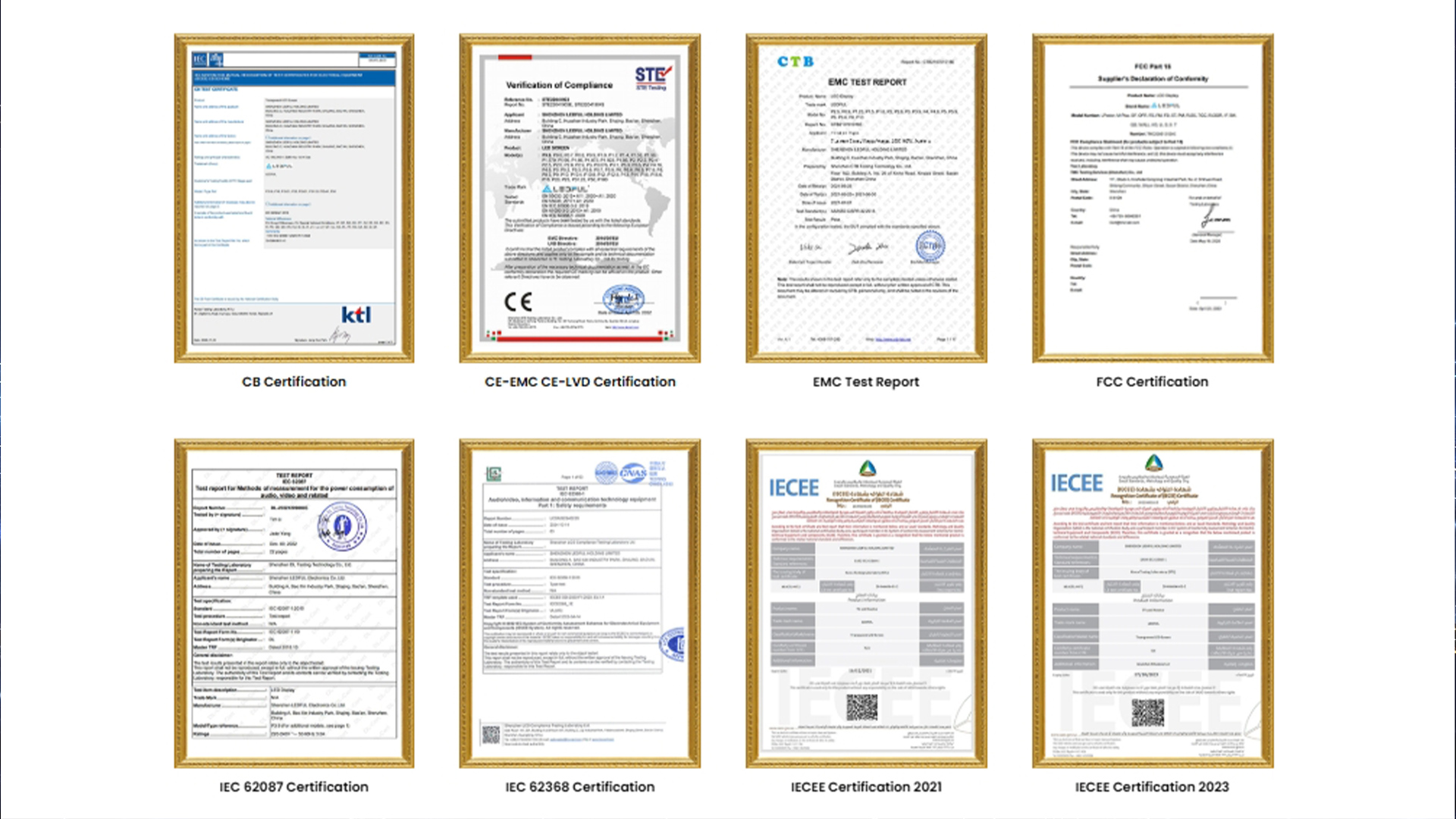
With over 11,000 successful installations across more than 116 countries, LEDFUL is a professional LED display manufacturer with deep expertise in both indoor and outdoor applications. We do not simply sell screens—we engineer solutions tailored to your specific viewing distances, environmental conditions, content requirements, and budget constraints.
For Indoor High-End Applications
Recommended Series: LEDFUL BM PRO Series
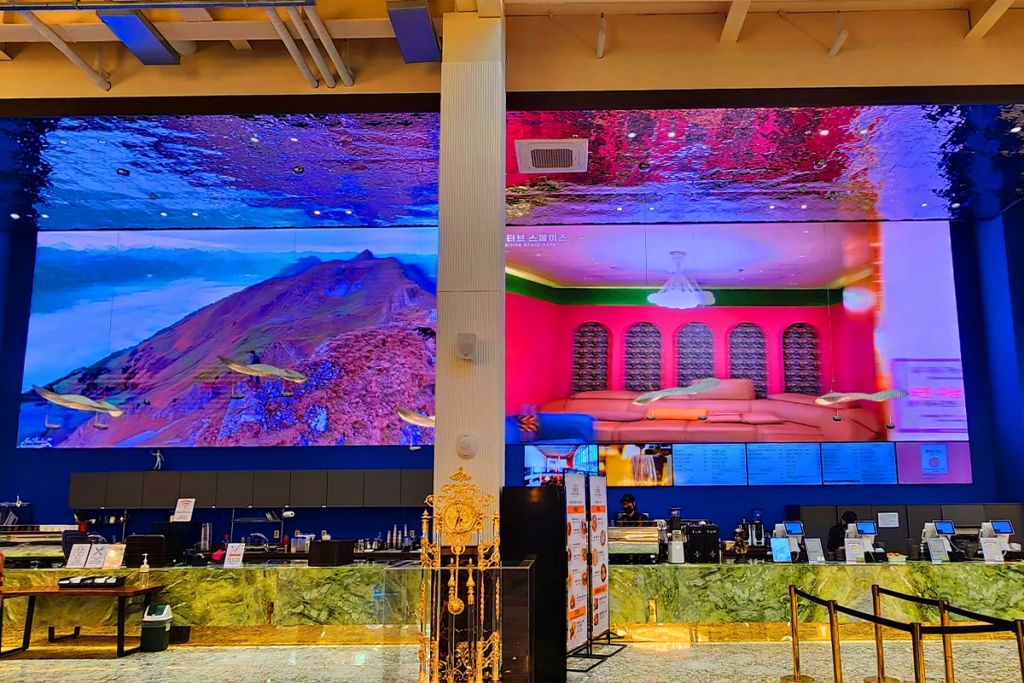
- Ultra-fine pixel pitch options from P1.2 to P2.5
- Cable-free design with hidden wiring for a clean, professional appearance
- Full front or rear maintenance to save valuable indoor space
- Common cathode technology reduces heat and energy consumption significantly
- Ultra-high refresh rate and grayscale for flicker-free, true-to-life visuals
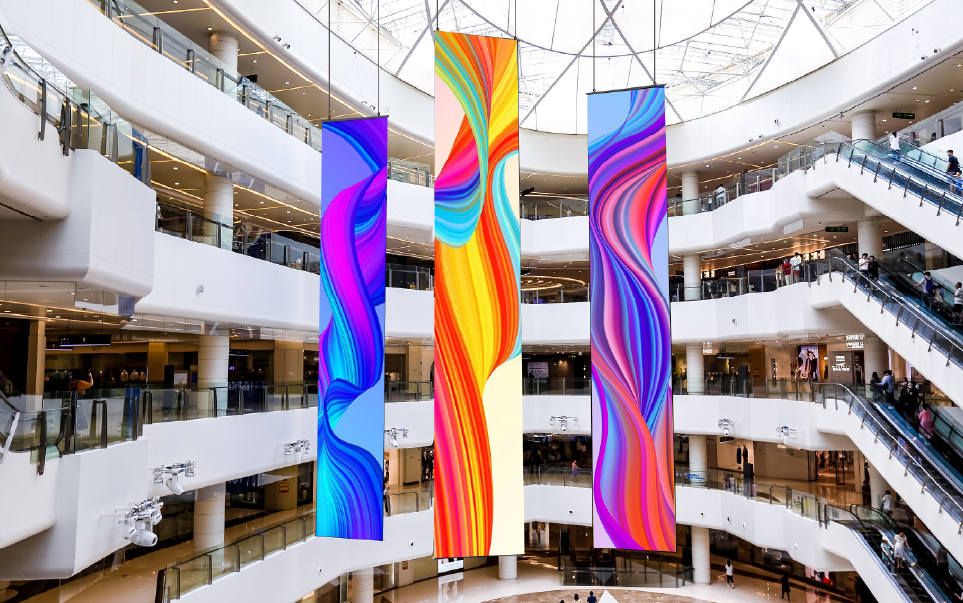
Alternative: For ultra-slim dual-sided displays, the WALL PRO Series measures just 5 cm (2 inches) thick.
For Outdoor All-Weather Solutions
Recommended Series: LEDFUL FS PRO Series
- 10,000 nits ultra-high brightness – visible even under direct noon sunlight
- IP66 highest-rated waterproof and dust protection – operates reliably in rain, snow, salt spray, and extreme temperatures (-40°C to 80°C)
- Up to 40% energy savings using common cathode technology with fin-shapedheat dissipation
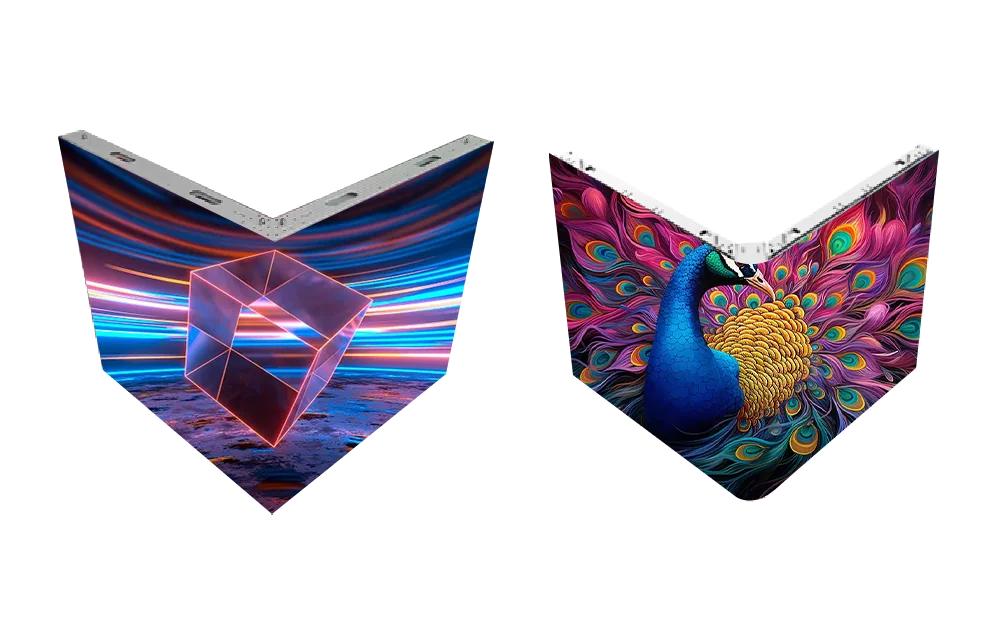
- 140° wide viewing angle with seamless curved and cornersplicing for stunning naked-eye 3D installations
Start Your Project with Confidence
Choosing the best LED display pixel pitch does not have to be overwhelming. LEDFUL provides end-to-end support: from custom design to professional installation and after-sales service. If you need any support, reach out to us here!