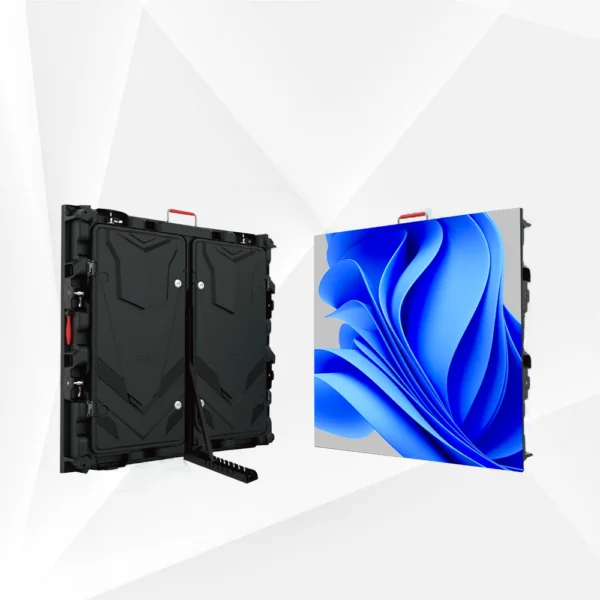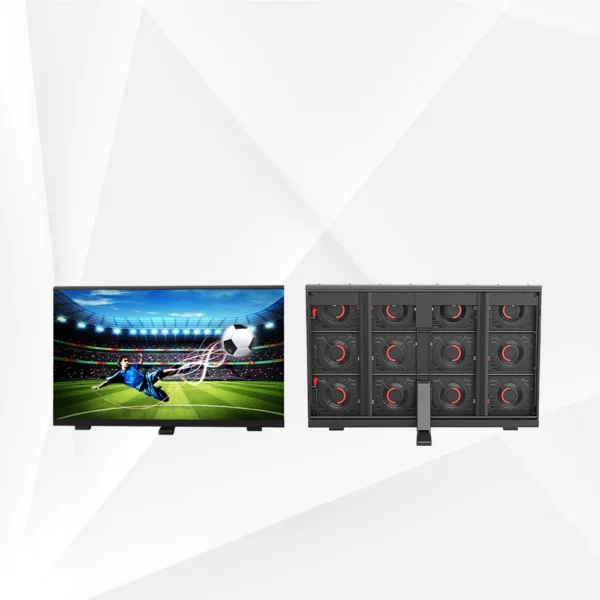
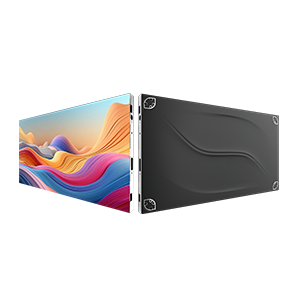
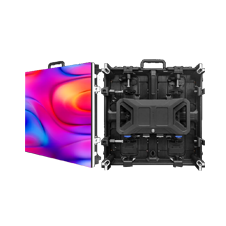


















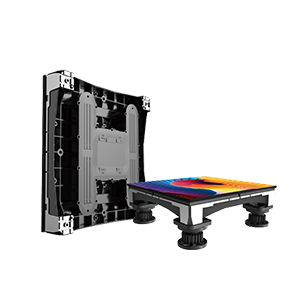
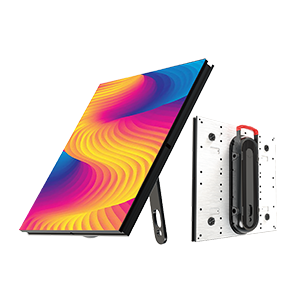
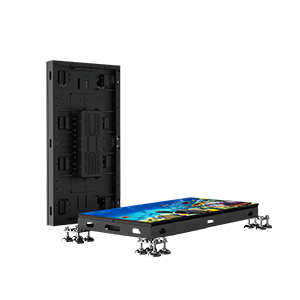
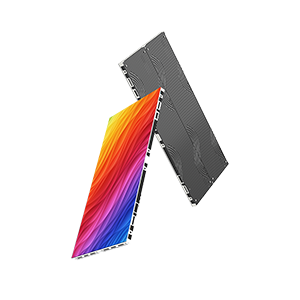
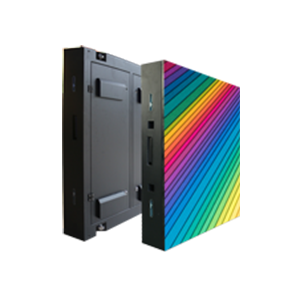


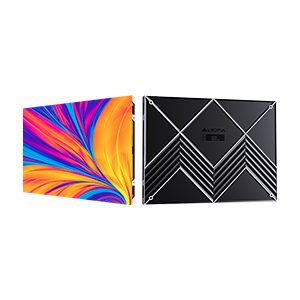
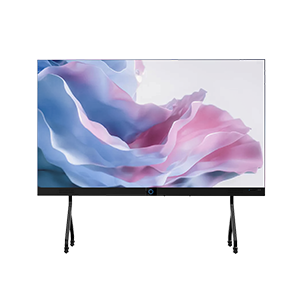

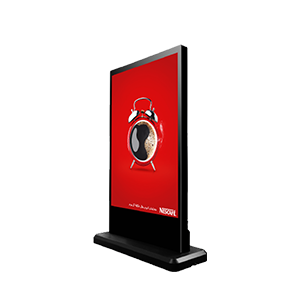

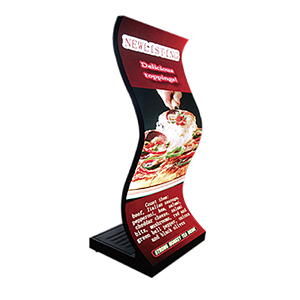

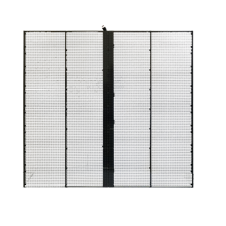
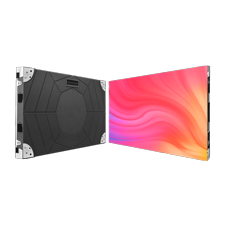
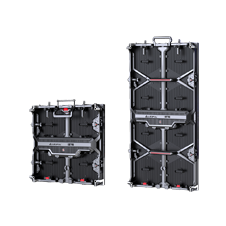
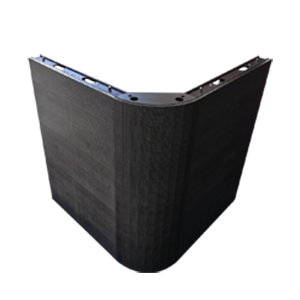
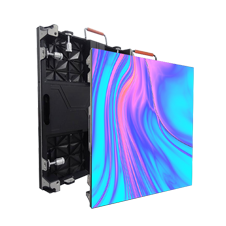
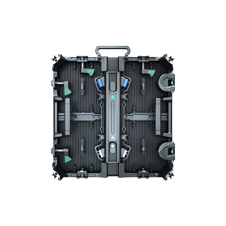
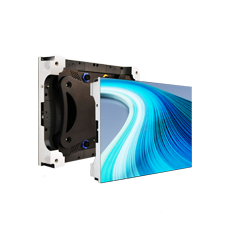


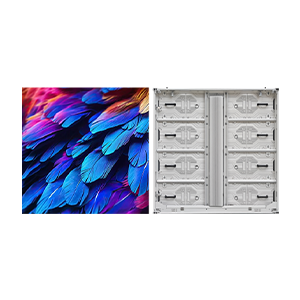
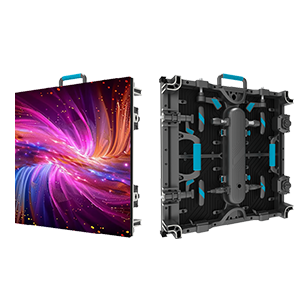
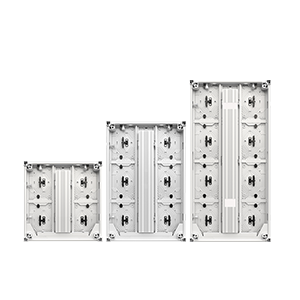
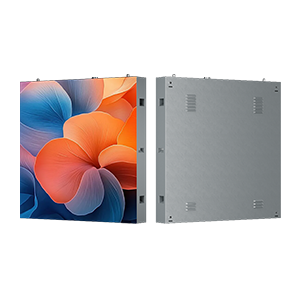

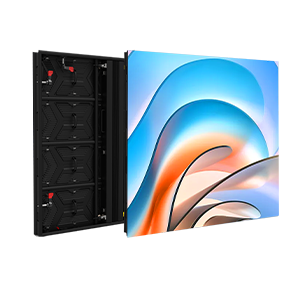
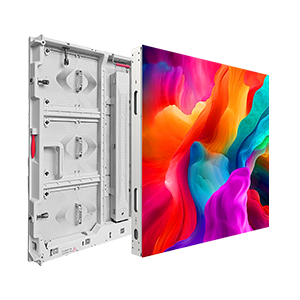
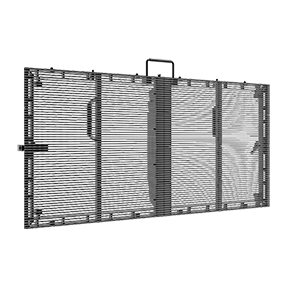
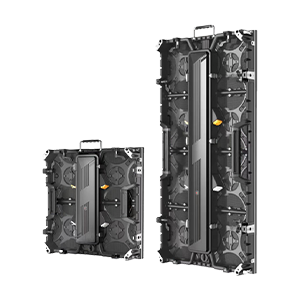
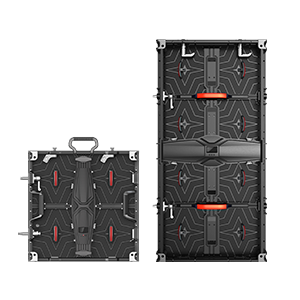
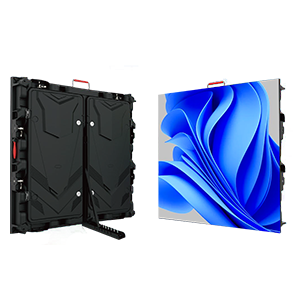
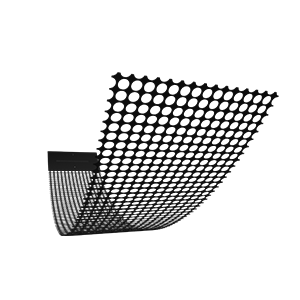
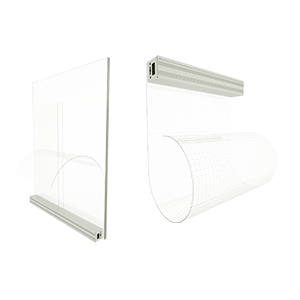
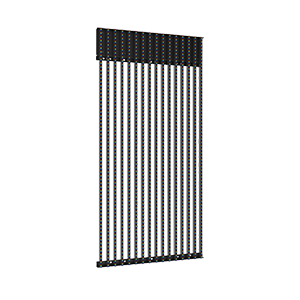



















Cinemas worldwide face increasing pressure to reduce operational expenses while maintaining visual appeal in their lobby displays. The traditional backlit lightbox has served theaters for decades, illuminating movie posters through fluorescent or LED tube lighting behind translucent prints. However, modern alternatives offer compelling advantages for exhibition businesses managing dozens of display locations within a single complex. An led movie poster display replaces both the printed film and its illumination source with digital technology. This shift fundamentally changes the cost structure for cinema advertising and information presentation. At LEDFUL, we analyze energy economics regularly for theater chains considering this transition. Understanding the return on investment differences between these technologies helps cinema operators make informed capital allocation decisions for their led poster display acquisitions.
Power Consumption Differences at the Component Level
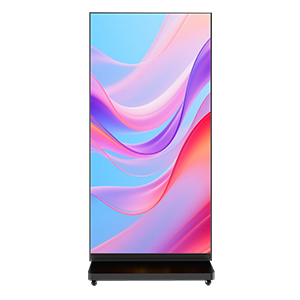
The energy profile of traditional lightboxes depends on the illumination source installed. Older units using fluorescent tubes consume approximately thirty to fifty watts per display panel, with additional ballast losses reducing efficiency further. Newer lightboxes employing LED backlighting improve somewhat, drawing twenty to thirty watts per unit while providing comparable illumination. However, an led movie poster display operates on fundamentally different principles. Each pixel generates its own light only when needed, with black portions of content consuming negligible power. A typical led poster display sized for one-sheet movie posters consumes between sixty and one hundred fifty watts depending on brightness settings and content composition. While this appears higher than lightbox consumption, the comparison requires examining actual usage patterns. Lightboxes operate at constant brightness whenever theaters are open, typically twelve to sixteen hours daily. An led movie poster display with ambient light sensing can dim significantly during low-traffic periods while maintaining visibility for approaching patrons. This intelligent operation reduces average consumption below maximum ratings, narrowing the energy gap considerably. We counsel LEDFUL clients to evaluate annual kilowatt-hour consumption rather than instantaneous wattage when calculating projected returns from led poster display investments.
Content Replacement Economics and Labor Savings
The energy discussion cannot separate from the substantial operational costs of physical poster replacement. Traditional lightboxes require printed film for each new release, with materials and shipping adding recurring expenses. More significantly, staff labor for changing posters across dozens or hundreds of lobby positions represents a major operational burden. A typical multiplex replaces posters weekly or biweekly, with each change requiring access equipment and careful alignment to prevent wrinkling. An led movie poster display eliminates these costs entirely through digital content distribution. One staff member can update every screen in the complex simultaneously through network commands, consuming negligible electricity compared to the transportation and printing requirements of physical posters. The energy invested in manufacturing, printing, and shipping each physical poster exceeds the annual operating electricity of an led poster display in many cases. When theaters evaluate the complete energy footprint including embedded energy in consumables, the efficiency advantage of digital displays becomes pronounced. At LEDFUL, we emphasize this holistic view of energy economics because the led movie poster display value proposition extends beyond the electricity meter to encompass the entire operational ecosystem. The led poster display greatly reduces waste compared with physical poster workflows while reducing the indirect energy associated with physical media production and logistics.
Lifespan Considerations and Replacement Frequency
Traditional lightboxes require periodic lamp replacement as fluorescent tubes dim or LED backlights reach end of life. These replacements consume additional energy in manufacturing and transport while creating disposal challenges for spent components. An led movie poster display designed for continuous commercial operation typically maintains rated brightness for fifty thousand to one hundred thousand hours before gradual degradation begins. This lifespan exceeds the operational requirements of cinema lobbies by a substantial margin, with most theaters operating screens less than twelve hours daily. The led poster display installed today will likely serve its entire useful life without requiring any illumination component replacement. This longevity concentrates energy consumption into the initial manufacturing and ongoing operation phases rather than distributing it across repeated component production cycles. When calculating total lifetime energy footprint, the led movie poster display advantages compound through this elimination of replacement parts. Additionally, the digital nature of these displays means content changes require zero additional energy beyond the minimal network transmission power. A traditional lightbox with updated poster consumes energy for printing, shipping, and installation with every change. The led poster display consumes energy only for the image display itself, with content updates representing negligible additional draw. For cinema chains managing hundreds of locations, this difference accumulates into substantial energy savings over the display lifetime.
Heat Load Interaction with HVAC Systems
The energy equation for cinema displays extends beyond the devices themselves to include their interaction with building environmental systems. Traditional lightboxes generate heat within the illuminated area, with much of this thermal energy releasing into lobby spaces. During cooling seasons, air conditioning systems must remove this added heat, increasing total facility energy consumption beyond the direct display draw. An led movie poster display operates more efficiently in part because it directs less waste heat into the environment. The superior efficiency of direct-emitting LED technology means more electrical energy converts to visible light rather than heat. Additionally, the slim profile of a modern led poster display allows better airflow around the unit, further reducing localized temperature increases. Cinema operators in warm climates report measurable HVAC load reductions after replacing multiple lightboxes with digital displays throughout their lobbies and hallways. This secondary energy savings often surprises operators focused solely on display power specifications. The thermal interaction between led movie poster display installations and building systems represents real operational savings that contribute meaningfully to return on investment calculations. At LEDFUL, we help clients model these comprehensive energy impacts when planning led poster display deployments across their theater portfolios.
In conclusion, the energy economics of digital displays versus traditional lightboxes favor led movie poster display technology when evaluated comprehensively. Direct power consumption differences narrow through intelligent operation and content-adaptive brightness. Labor and material savings from eliminated poster printing add operational benefits beyond electricity. Extended lifespans concentrate energy investment into initial manufacturing rather than recurring component replacement. Reduced heat output lowers HVAC loads during cooling seasons. For cinema operators evaluating led poster display investments, the complete energy return on investment justifies the transition beyond the obvious visual advantages.