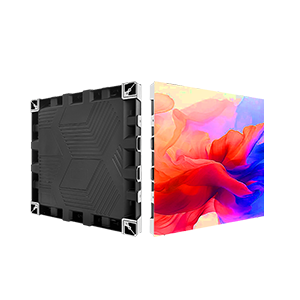
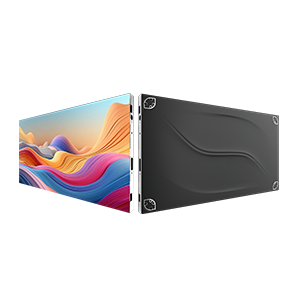
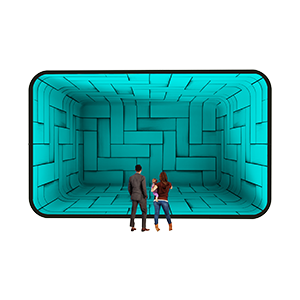
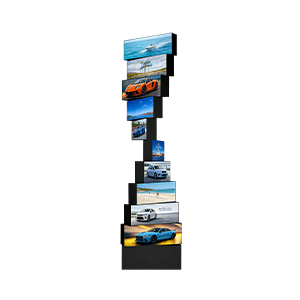







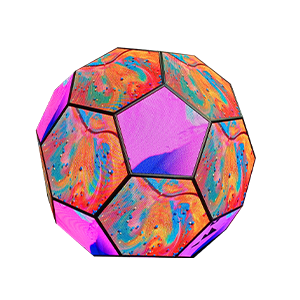





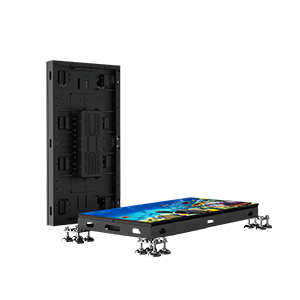
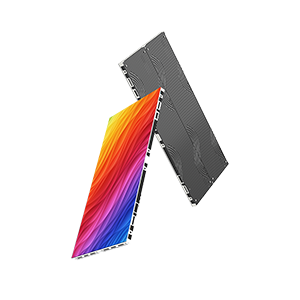
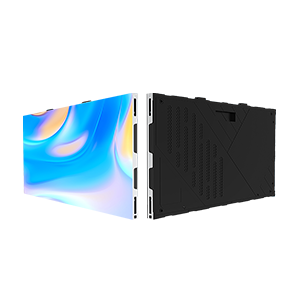

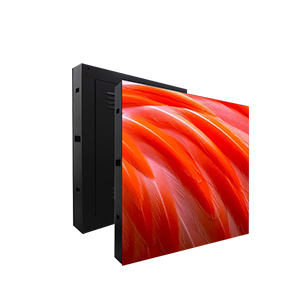
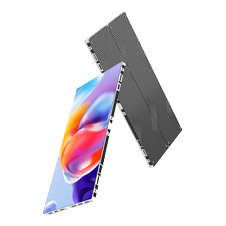
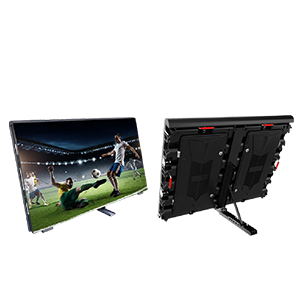
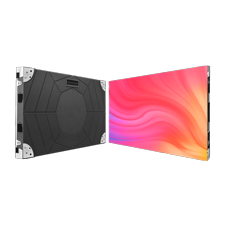
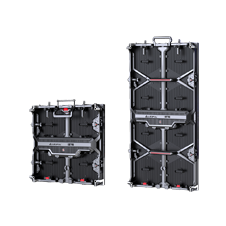
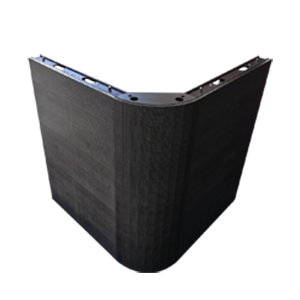
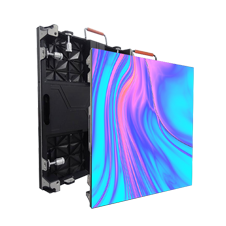
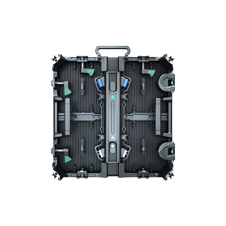
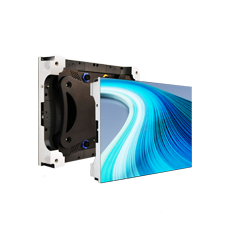
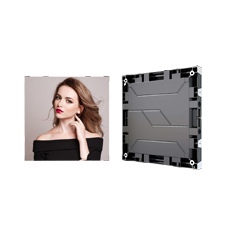
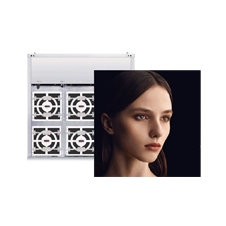
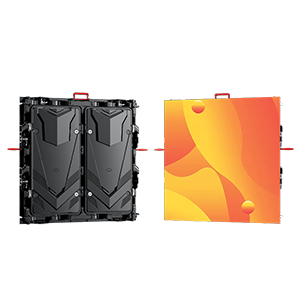
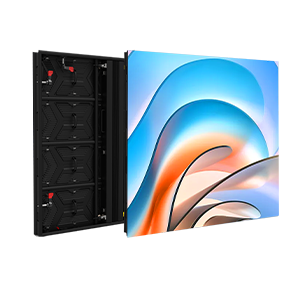
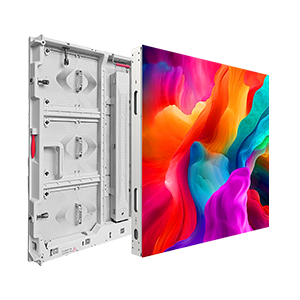
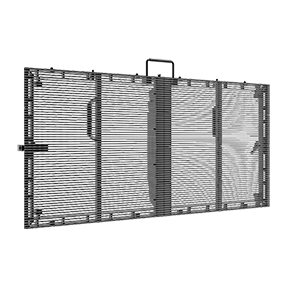
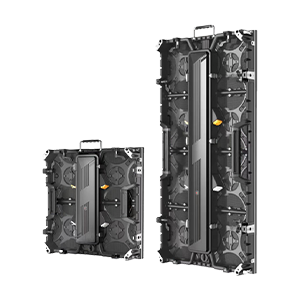
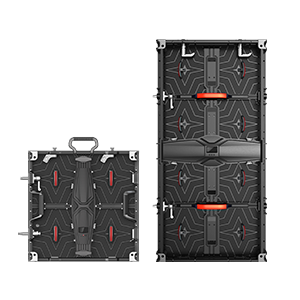
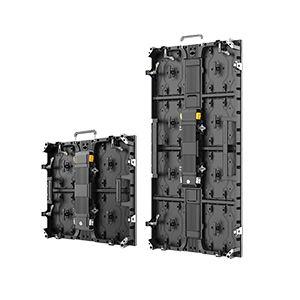
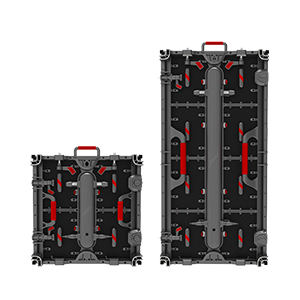
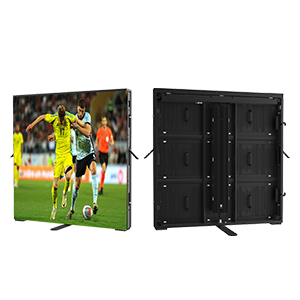
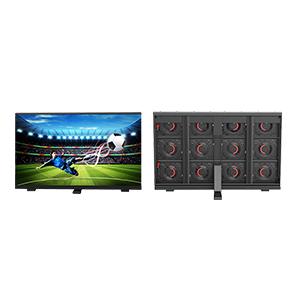
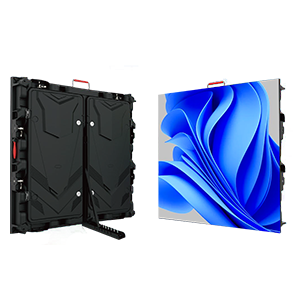
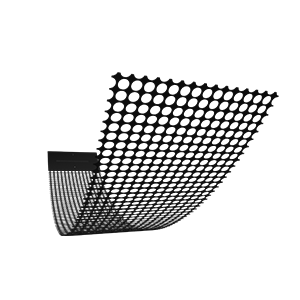










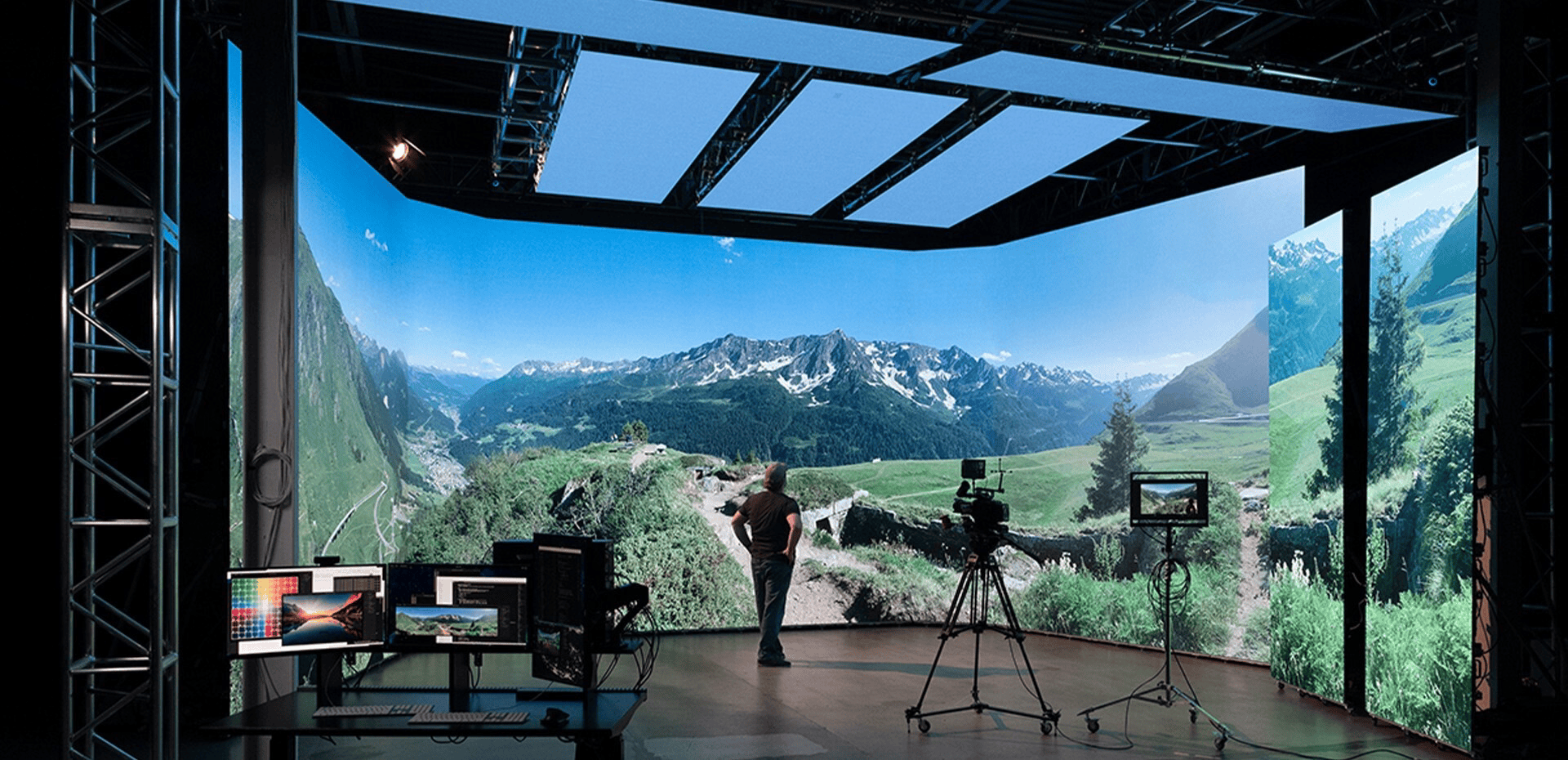
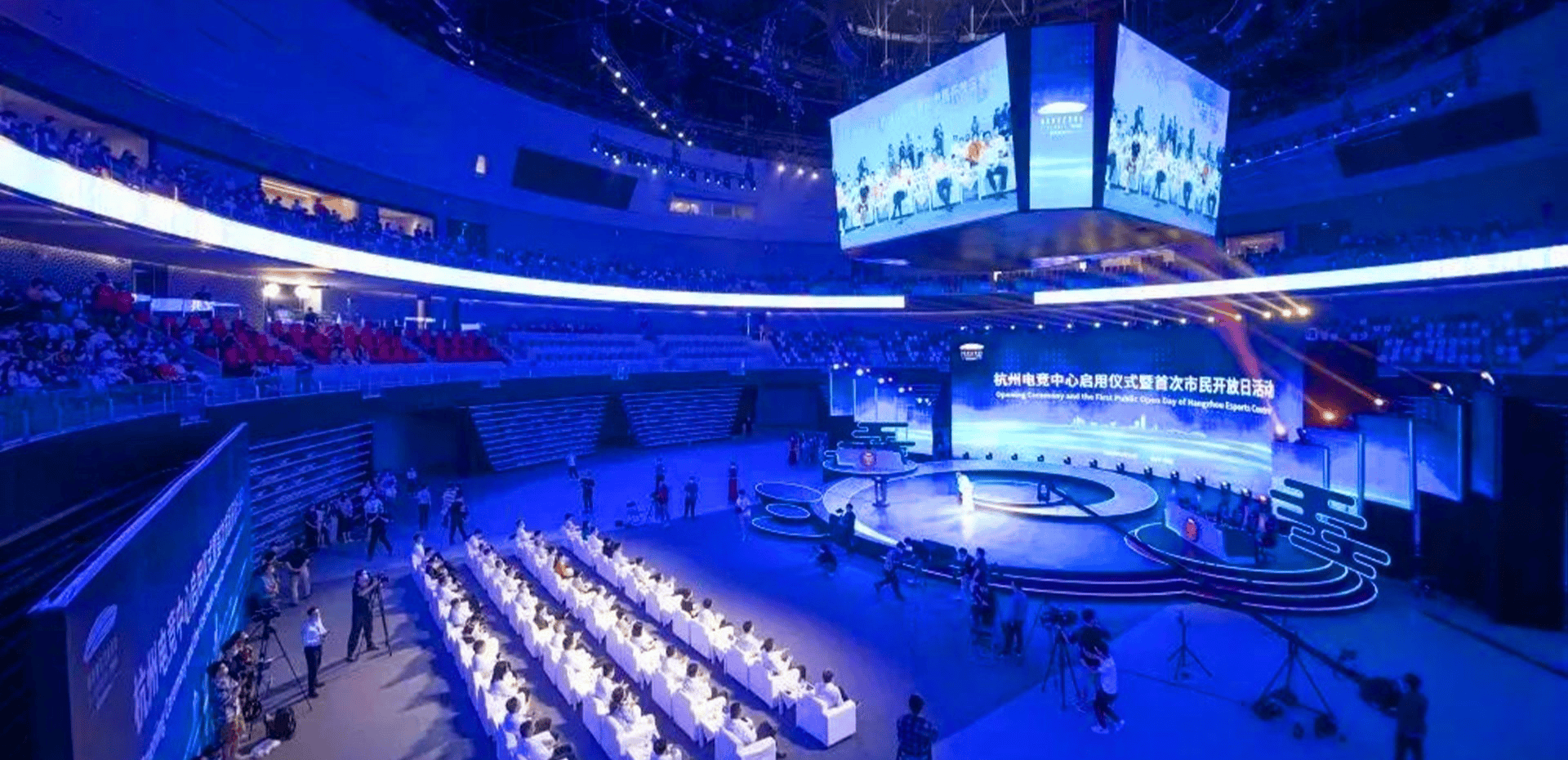
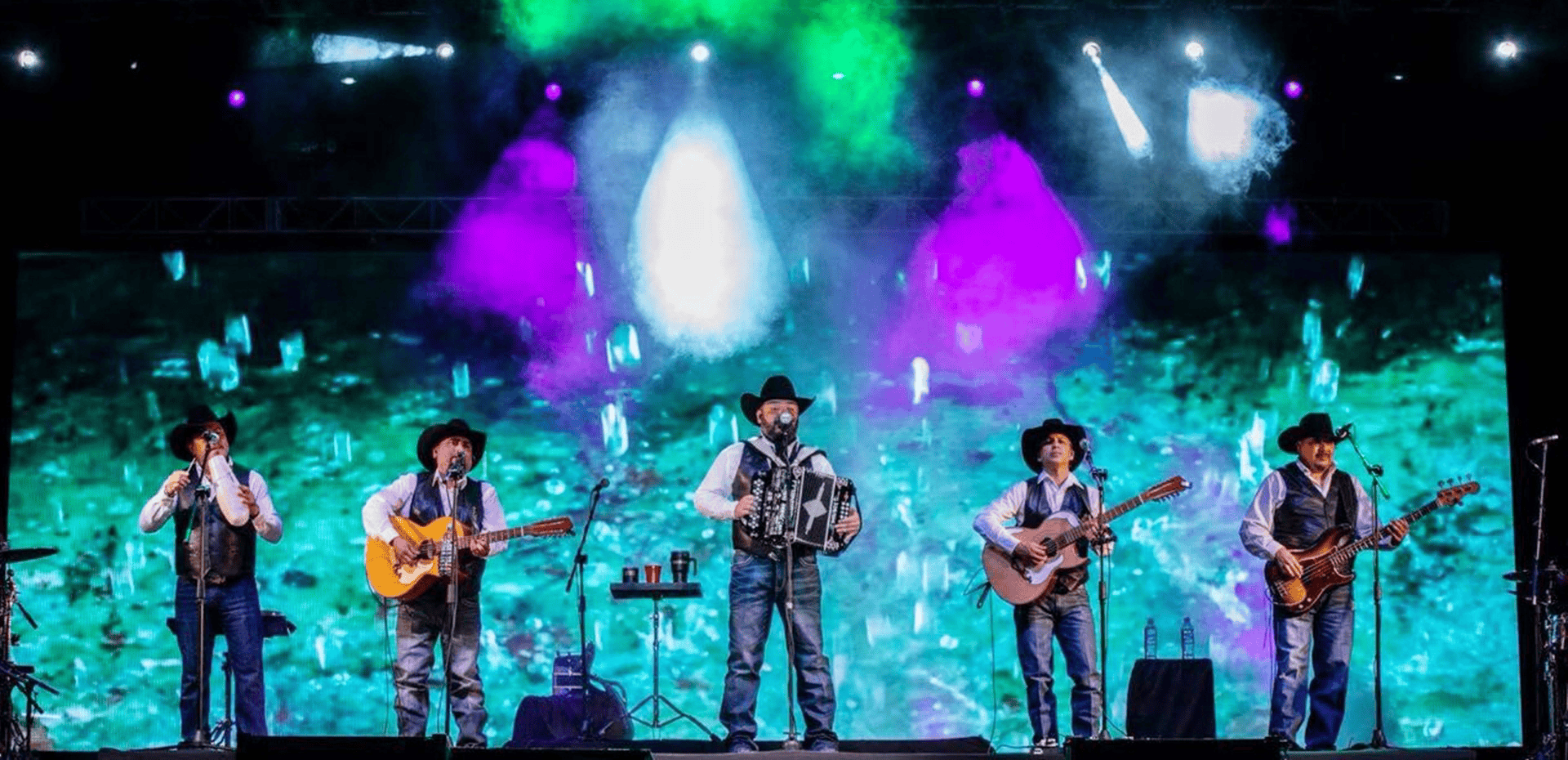
Facility managers and stadium operations teams face critical decisions when implementing visual systems in athletic venues. The placement of display technology directly impacts viewer experience, advertising revenue potential, and operational safety. Two primary installation approaches dominate the sports environment, each offering distinct advantages for different applications. Understanding these methodologies ensures optimal selection for basketball arenas, football stadiums, and multi-purpose athletic facilities. At LEDFUL, we regularly consult with sports venue operators seeking guidance on whether a hanging or perimeter configuration best serves their specific requirements for a sports led display installation.
Hanging Installations for Centralized Viewing
Suspended display configurations position visual elements directly above the playing surface, creating focal points visible from most seats in the venue. This approach proves particularly valuable for multi-sport facilities where spectator sightlines must accommodate various event configurations without obstruction. A centrally hung sports led display delivers consistent viewing angles throughout the arena, ensuring fans in upper bowl sections receive the same visual information as courtside spectators. The engineering requirements for hanging installations demand careful attention to structural loading, seismic considerations, and wind sway in retractable roof stadiums. Modern hanging systems incorporate advanced rigging that allows height adjustment for different events, lowering displays for basketball games and raising them for concerts or ice hockey. When specifying a hanging sports led display, evaluating the venue’s existing structural capacity becomes essential, as retrofitting support points often requires significant architectural modification.
Perimeter Installations for Boundary Definition
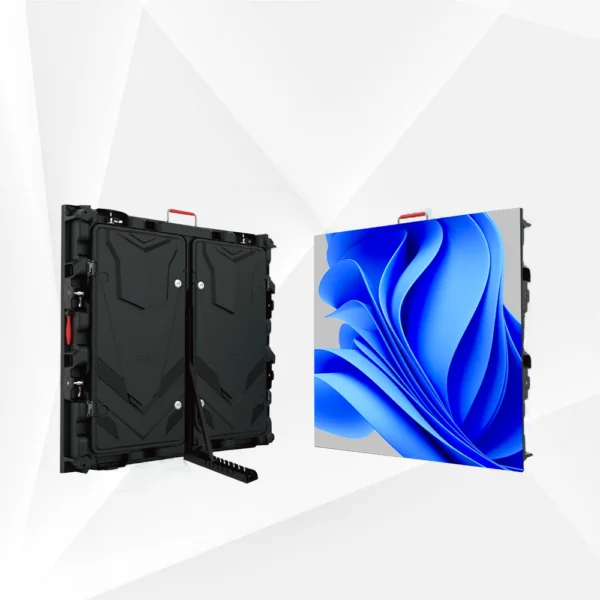
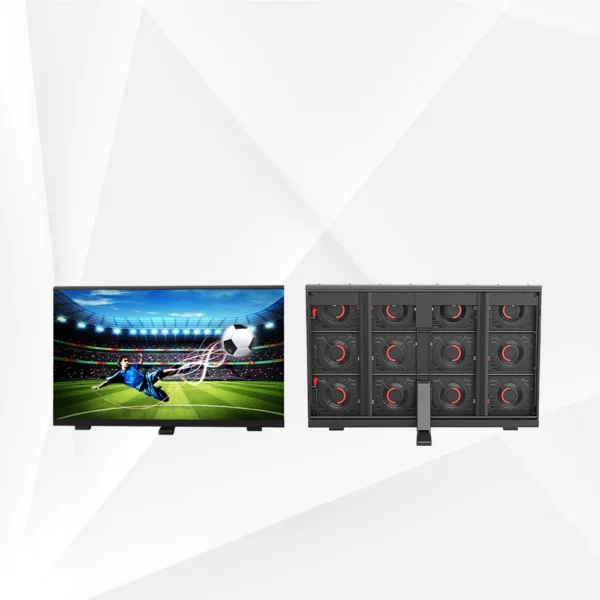
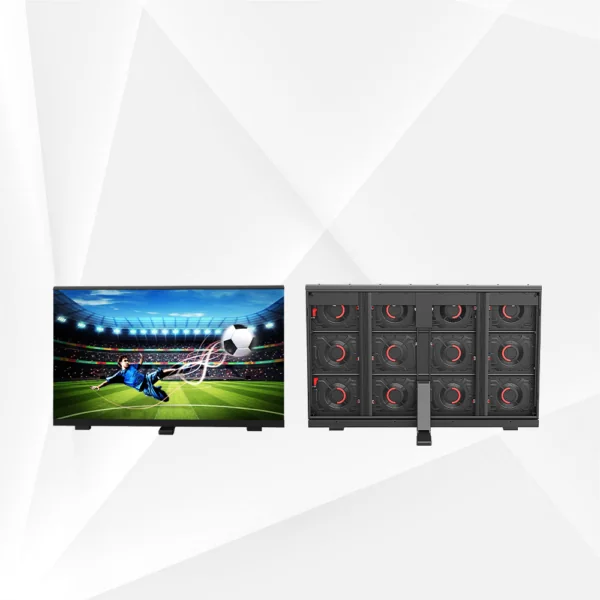
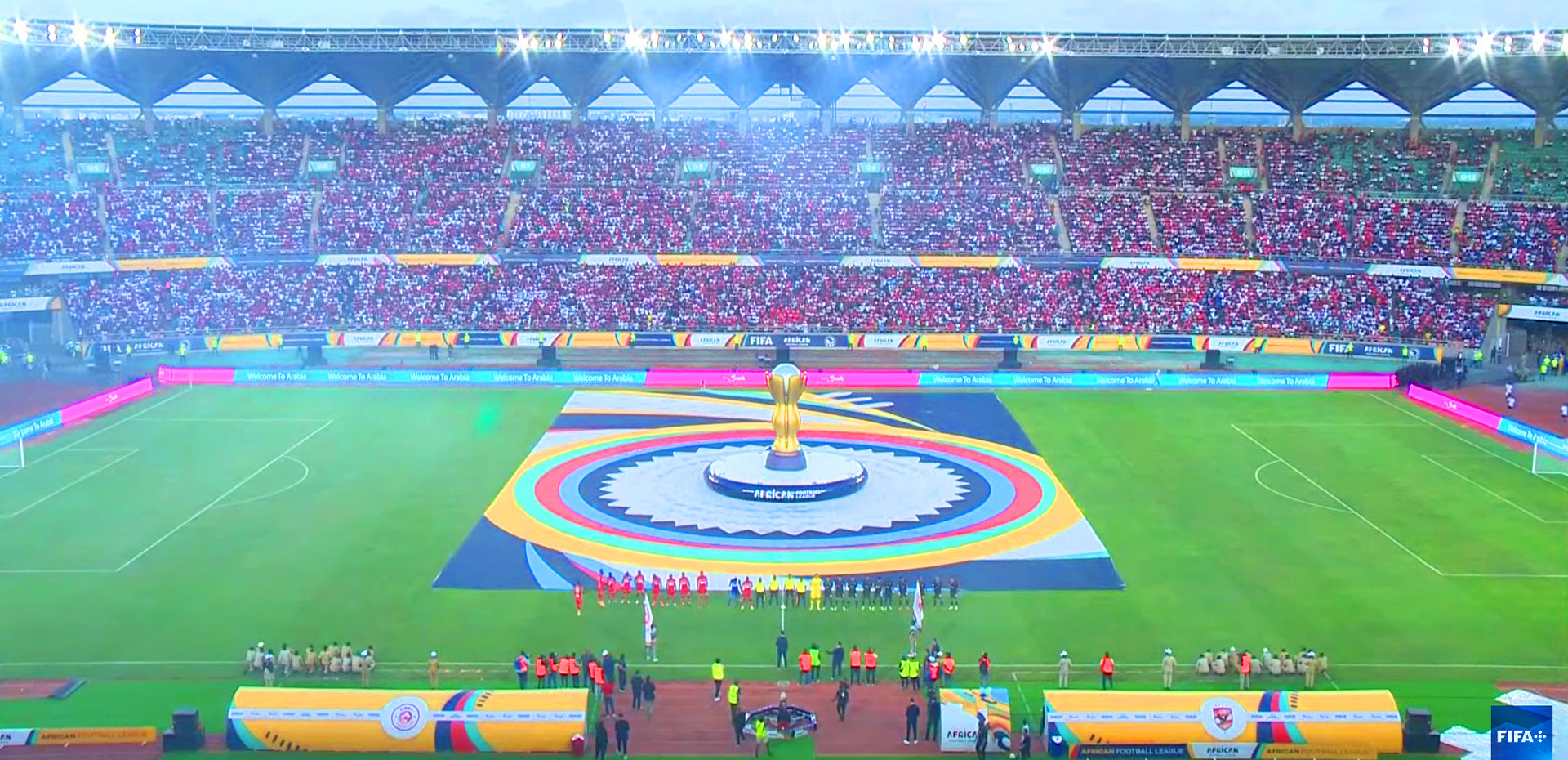
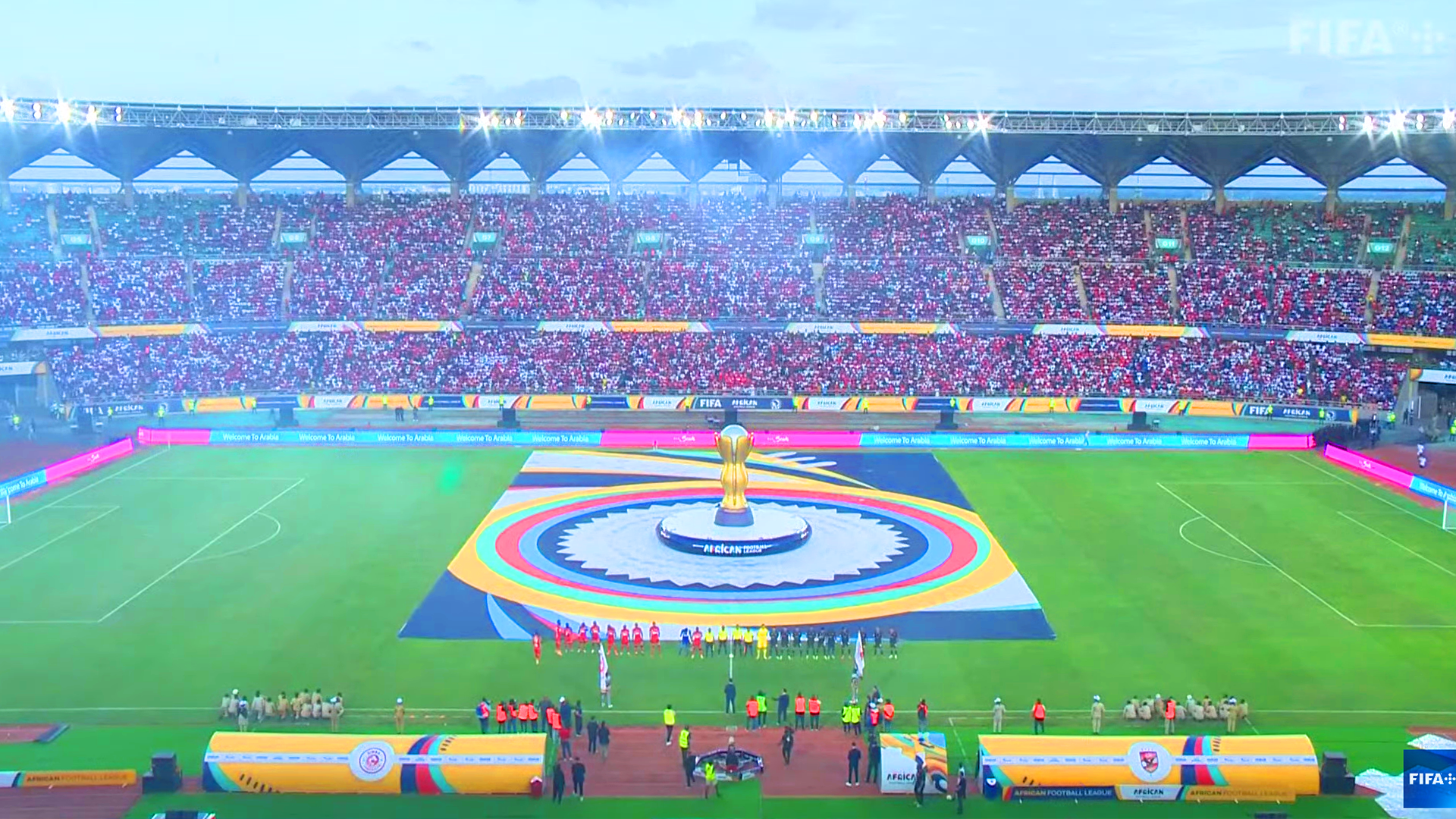
Edge-mounted configurations line the boundaries of playing surfaces, creating continuous visual bands that define competition space while delivering advertising and replay content. This approach excels in professional leagues where rink boards or sideline panels generate substantial sponsorship revenue through consistent camera visibility. A perimeter led display for sports applications typically withstands more physical contact than hanging alternatives, with impact-resistant faces protecting LED components from player collisions and errant equipment. The lower placement allows intimate viewing for participants and nearby spectators, though visibility diminishes for upper bowl seating compared to suspended alternatives. Perimeter installations must accommodate varying boundary configurations across different sports, requiring modular systems that reconfigure quickly between events. Additionally, these displays often incorporate protective padding systems that maintain player safety while preserving display functionality during active competition.
Signal Distribution and Content Zoning Considerations
The installation method fundamentally influences how content reaches the display and how operators manage multiple viewing zones throughout the facility. Hanging sports led display configurations typically function as unified canvases presenting single large-format content, though advanced processors enable split-screen arrangements showing multiple camera feeds simultaneously. The centralized location simplifies signal distribution, requiring shorter cable runs from control rooms to display positions. Perimeter led display for sports installations often involve numerous individual panels distributed around the venue, demanding sophisticated signal distribution networks that maintain synchronization across all boundary sections. Content management strategies differ substantially between these approaches, with perimeter systems frequently supporting independent zoning that displays different advertising messages on opposite sides of the playing surface. Modern venues increasingly combine both installation methods, creating comprehensive visual ecosystems where hanging displays provide primary replay content while perimeter screens deliver continuous sponsor messaging and supplementary statistics.
Maintenance Access and Operational Continuity
Long-term operational planning must account for how maintenance activities affect venue scheduling and revenue generation. Hanging sports led display installations require specialized access equipment for service operations, often necessitating arena downtime or overnight maintenance windows when lifts can position technicians at display height. The complexity of accessing suspended displays influences warranty decisions and service contract structures. Perimeter led display for sports configurations offer immediate ground-level access, simplifying routine maintenance and rapid troubleshooting during events. However, their exposed positions increase vulnerability to spectator interaction and accidental damage during competitions. Evaluating maintenance pathways during initial specification prevents unexpected operational disruptions, ensuring your chosen configuration aligns with facility staffing capabilities and event scheduling requirements.
Integration with Venue Control Systems
Modern athletic facilities operate through centralized management platforms that coordinate lighting, audio, and visual elements throughout competition spaces. Hanging installations typically integrate as primary visual anchors within these systems, receiving priority signal routing and backup power provisions. The concentrated nature of suspended displays simplifies redundancy planning, allowing straightforward implementation of backup processors and power supplies. Perimeter led display for sports applications often distribute control across multiple zones, requiring more sophisticated network architecture to maintain synchronization during live events. The integration complexity influences training requirements for venue technical staff and determines whether operators can manage all displays from a single workstations or require distributed control positions.
Successful sports venue implementation requires matching installation methodology to specific operational priorities and architectural constraints. LEDFUL recommends that facility managers evaluate both hanging and perimeter approaches through the lens of their event schedule, revenue models, and long-term maintenance capabilities before committing to a sports led display configuration.