
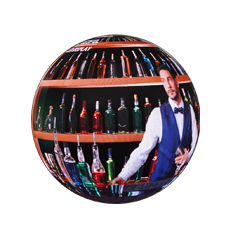

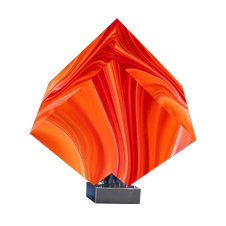
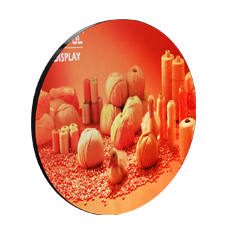
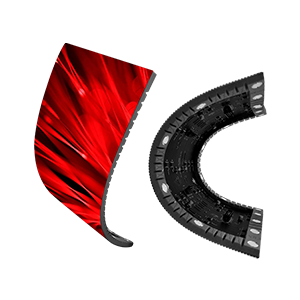
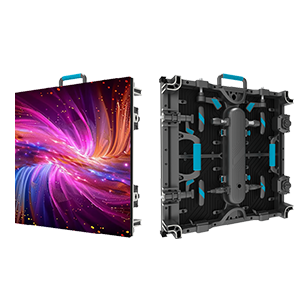
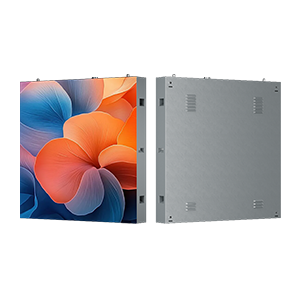
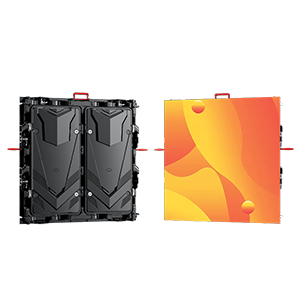





Businesses seeking memorable visual experiences often face a critical technology decision that shapes how audiences perceive their message. Both sphere led screen installations and projection mapping techniques offer spectacular results, yet they operate on fundamentally different principles with distinct advantages and limitations. At LEDFUL, we have helped clients evaluate these options for venues ranging from corporate lobbies to entertainment districts. The choice between investing in physical display hardware versus projection-based solutions depends on multiple factors including environment, content requirements, budget constraints, and long-term operational goals. Understanding these differences ensures your investment delivers the intended impact.
Visual Impact and Environmental Considerations
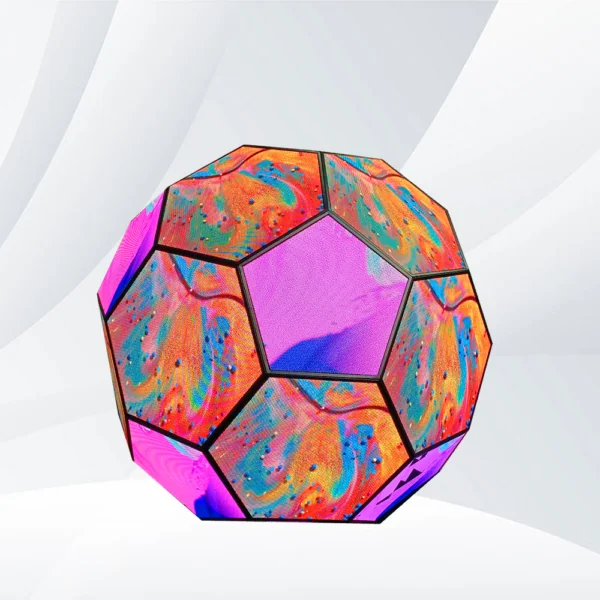
The visual characteristics of a sphere led screen differ dramatically from projection mapping in ways that affect audience experience. A sphere led screen generates its own light through thousands of individual pixels, maintaining consistent brightness regardless of ambient lighting conditions. This self-illuminating property makes sphere installations suitable for environments where projection would wash out, including daylight-exposed atriums and brightly lit retail spaces. LEDFUL manufactures creative led display spheres that achieve vivid color saturation and deep blacks through precise pixel control. Projection mapping, by contrast, relies on reflected light and requires carefully controlled darkness to achieve optimal results. The projection surface must have suitable reflective properties, and any ambient light can significantly degrade image quality. For venues hosting daytime events or operating in spaces with abundant natural light, a creative led display sphere often delivers superior visibility throughout all operating hours.
Installation Flexibility and Structural Requirements
The physical footprint and installation process for each technology presents different opportunities and challenges. A sphere led screen requires structural support engineered to bear its weight, with power and data distribution integrated into the mounting system. These installations demand careful planning during construction or significant structural modifications to existing buildings. LEDFUL designs modular sphere systems that assemble efficiently while maintaining perfect geometric alignment, yet they remain permanent or semi-permanent installations requiring committed space. Projection mapping offers greater flexibility, projecting onto existing architectural surfaces without adding physical mass to the structure. Multiple projectors can map content onto complex geometries including spheres, transforming ordinary buildings into dynamic canvases. However, projector placement requires adequate throw distance and unobstructed sightlines, which some venues cannot accommodate. The creative led display approach suits locations where the sphere itself becomes a permanent architectural feature, while projection mapping serves applications requiring temporary installations or content rotation across multiple surfaces.
Long-Term Value and Operational Costs
Evaluating total cost of ownership reveals important distinctions between these visual technologies. A sphere led screen represents higher initial investment but delivers decades of reliable operation with predictable maintenance requirements. The daily operating cost remains constant regardless of usage frequency, making sphere installations economical for venues displaying content continuously. LEDFUL engineering ensures efficient power consumption and modular component replacement that minimizes downtime over the creative led display lifespan. Projection mapping involves lower equipment costs initially but consumes lamps and filters that require regular replacement. The precision alignment of multiple projectors demands skilled technicians for setup and ongoing adjustment, particularly if projectors shift slightly over time. For venues producing frequent events, the cumulative costs of projection equipment maintenance and technical labor may approach or exceed sphere led screen ownership expenses. Additionally, projection brightness degrades gradually between lamp changes, while an led sphere maintains consistent output throughout its operational life.
Content creation methodologies differ substantially between these platforms, affecting production budgets and creative possibilities. A sphere led screen displays native digital content mapped precisely to its spherical geometry, with content creators building visuals specifically for the display’s dimensions and curvature. LEDFUL collaborates with content studios to ensure creative work takes full advantage of the medium’s capabilities. Projection mapping requires sophisticated software that warps and blends content to match irregular surfaces, with each projector contributing a portion of the complete image. This process demands extensive calibration and testing, particularly for complex geometries where multiple projections must align perfectly. The creative led display approach simplifies content playback by treating the sphere as a single unified screen, while projection mapping introduces variables that increase production complexity.
The decision between sphere led screen technology and projection mapping ultimately reflects your organization’s priorities regarding permanence, environmental conditions, and operational philosophy. At LEDFUL, we encourage clients to visit both types of installations, experiencing each technology in person before committing resources. The spectacular results possible with either approach should not obscure the practical considerations that determine long-term satisfaction. Evaluate your venue realistically, consider your content production capabilities, and choose the solution that aligns with how you intend to engage audiences for years to come.