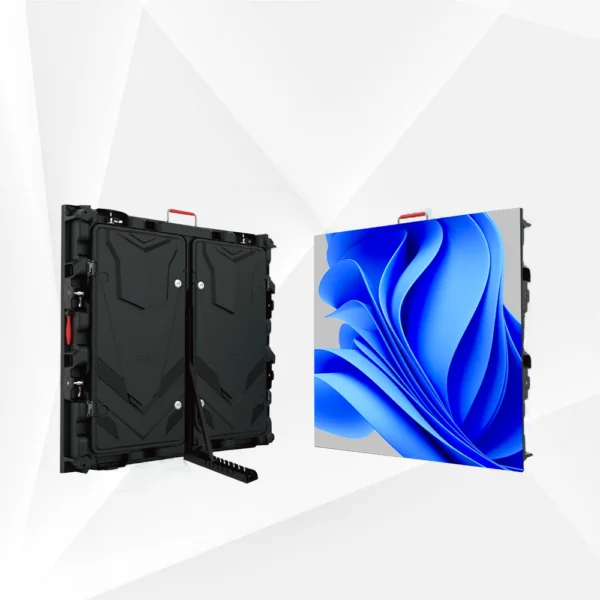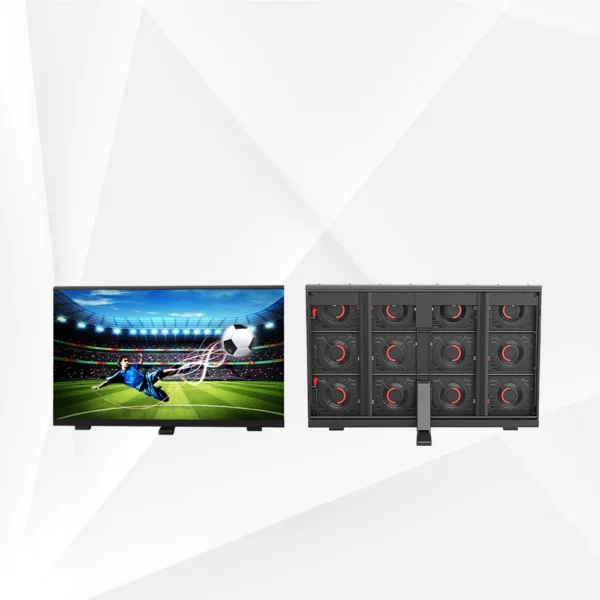









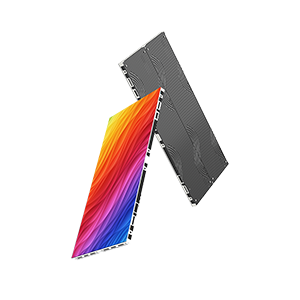
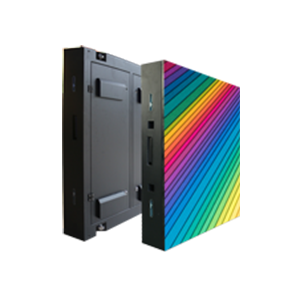
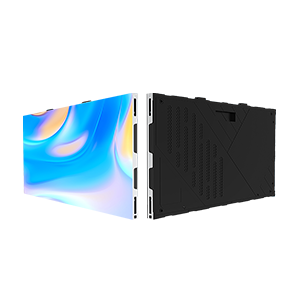
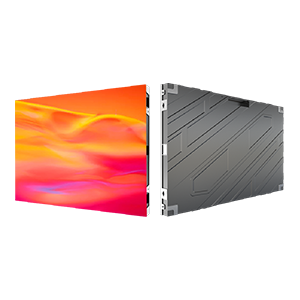
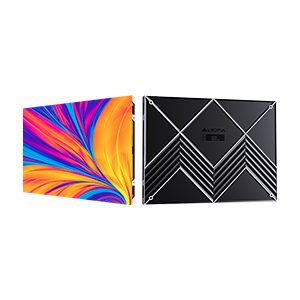
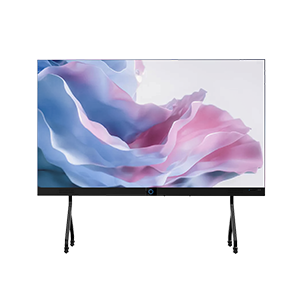

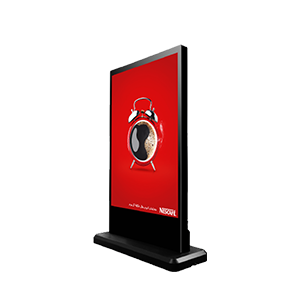


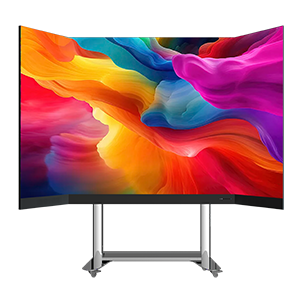
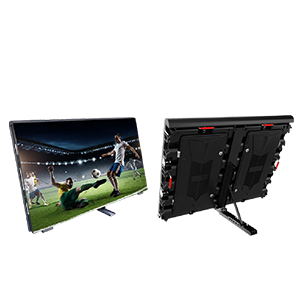
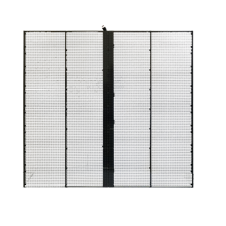
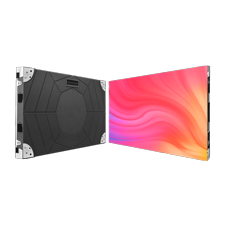
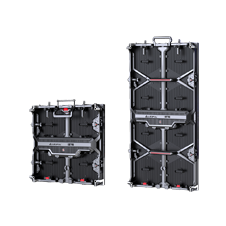
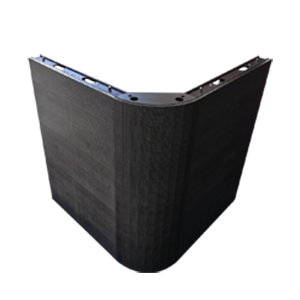
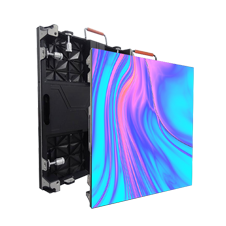
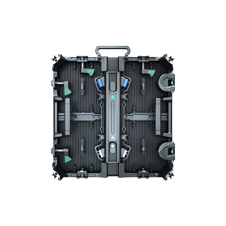
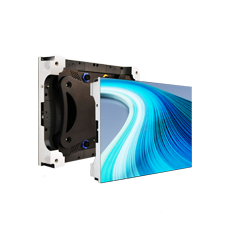
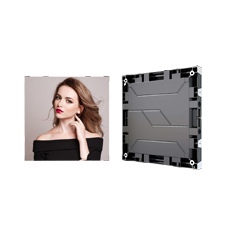
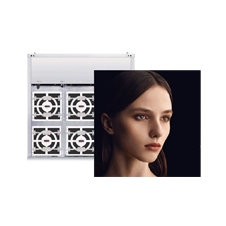
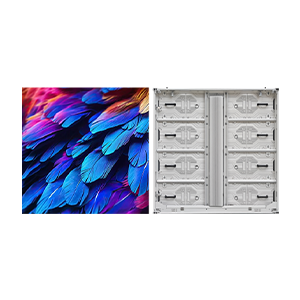
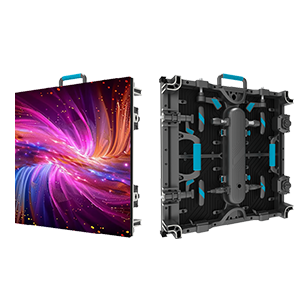
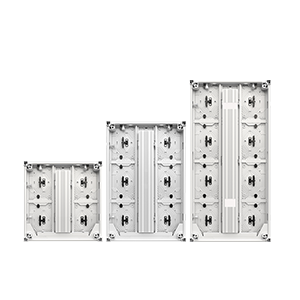
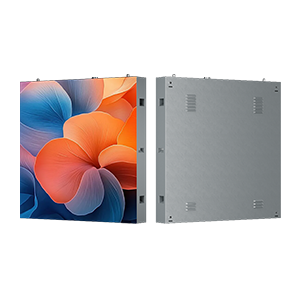
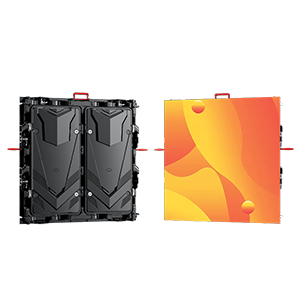
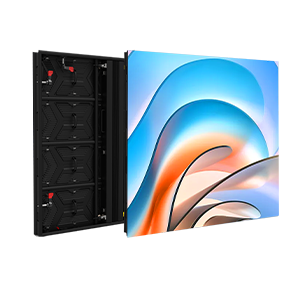
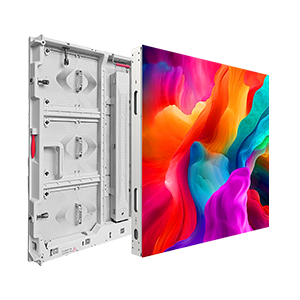
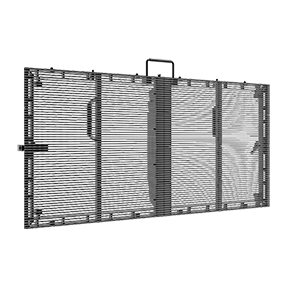
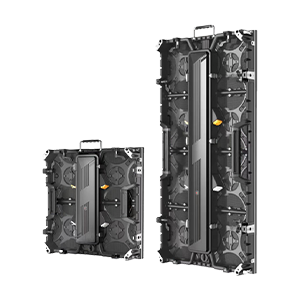
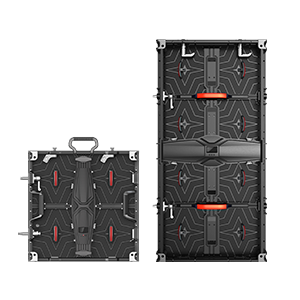
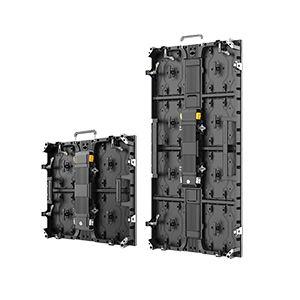








Selecting visualization equipment for athletic venues requires balancing technical specifications against operational realities. The visual system supporting a professional sporting event must perform flawlessly under demanding conditions while satisfying diverse stakeholder expectations. Athletes require accurate information, officials depend on reliable replay capabilities, and spectators expect immersive experiences that enhance their connection to live competition. At LEDFUL, we recognize that purchasing decisions for these environments carry long-term implications for venue reputation and revenue generation. This guide outlines the essential considerations when evaluating a sports competition led display for your facility.
Evaluating Refresh Rate and Image Processing Requirements
Fast-moving athletic action places unique demands on display technology that standard commercial screens cannot satisfy. The refresh rate determines how smoothly motion appears and whether high-speed footage exhibits blurring or tearing during critical moments. For professional sports applications, a sports led display should deliver refresh rates exceeding 1920Hz, with premium configurations reaching 3840Hz or higher to accommodate broadcast cameras without scanning lines. Additionally, image processing capabilities influence how the display handles rapid scene changes between live action, instant replay, and sponsored content. Advanced processing minimizes latency, ensuring that action on the display synchronizes precisely with on-field events. When comparing sports competition led display options, request demonstrations showing fast-motion content to evaluate real-world performance rather than relying solely on specification sheets.
Assessing Brightness and Viewing Angle Uniformity
Indoor arenas and outdoor stadiums present dramatically different lighting environments that influence display visibility throughout events. An indoor basketball facility requires different brightness specifications than a partially covered football stadium hosting afternoon games. Your sports led display must deliver sufficient luminance to overcome ambient light without creating uncomfortable glare for spectators seated nearby. Uniformity across the viewing cone is equally important, as spectators seated at extreme angles deserve the same visual experience as those facing the display directly. Wide viewing angles ensure that advertising partners receive value from all seating sections, maximizing sponsorship inventory value. Modern sports competition led display engineering addresses these requirements through precise optical design and component selection that maintains color accuracy regardless of viewing position.
Considering Structural Engineering and Weight Distribution
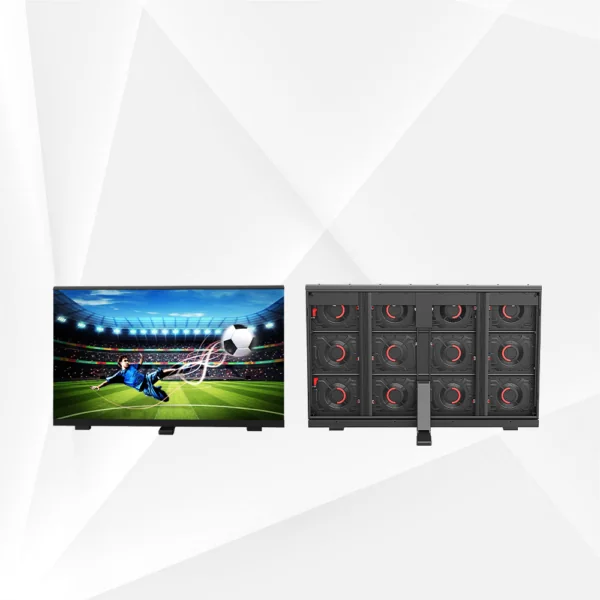
The physical installation of large-format displays in sports venues involves complex structural considerations that extend beyond typical commercial projects. Hanging configurations must account for dynamic loads during events, including crowd movement, wind exposure in partially open facilities, and seismic activity in certain geographic regions. The weight of your sports led display directly affects structural reinforcement requirements and installation costs. Lightweight cabinet construction reduces demands on existing support systems while simplifying maintenance access throughout the facility’s operational life. Additionally, the wind load characteristics of outdoor installations influence cabinet design, with perforated or vented options reducing stress during high-wind events. Engineering partners should provide detailed structural calculations demonstrating how your chosen sports competition led display integrates safely with venue infrastructure.
Evaluating Control System Integration and Content Management
Modern sports venues operate as sophisticated broadcast environments where multiple display types coordinate to deliver cohesive fan experiences. Your primary sports led display must integrate seamlessly with existing control infrastructure, including scoring systems, broadcast feeds, and advertising management platforms. The control system should support multiple simultaneous input sources, allowing instant switching between live action, replay, statistical graphics, and sponsor messages. User interface design affects how easily operational staff manage content during fast-paced events, with intuitive controls reducing training requirements and minimizing error potential during live broadcasts. Additionally, remote monitoring capabilities enable technical teams to verify sports competition led display status from centralized locations, identifying potential issues before they affect viewer experience.
Assessing Durability for Competition Environment Demands
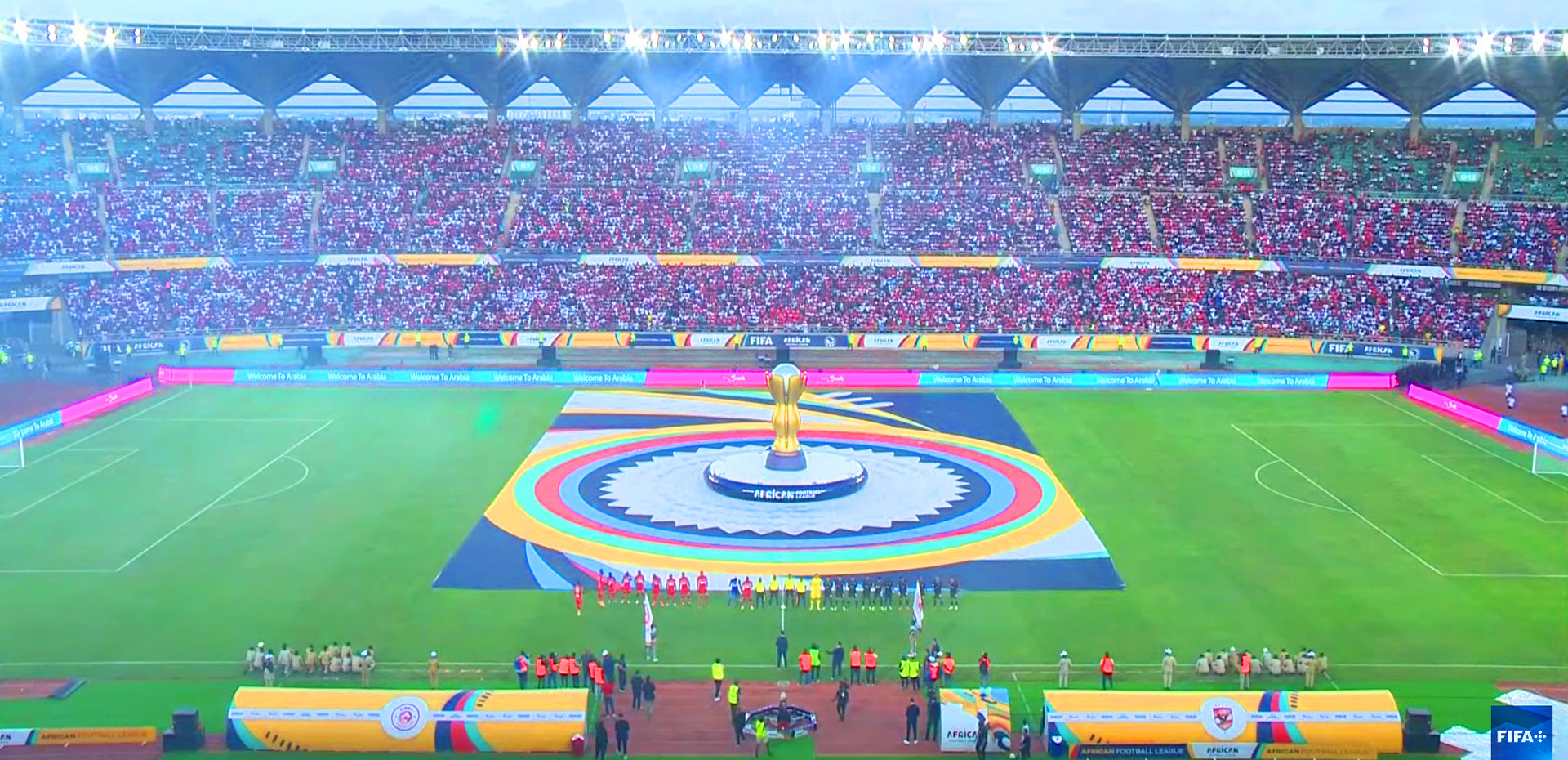
Athletic venues subject display equipment to conditions rarely encountered in other applications. Impact from balls and equipment, vibration from crowd movement and sound systems, and exposure to cleaning chemicals all challenge display longevity. Your sports led display should incorporate protective features appropriate for its specific location within the venue. Perimeter installations require impact-resistant surfaces and potentially protective padding systems that maintain player safety. Hanging configurations demand robust cabinet construction that maintains alignment despite building movement and acoustic vibration. Inquire about component sourcing and environmental testing protocols when evaluating sports competition led display durability, as these factors directly influence long-term reliability and maintenance frequency.
Making an informed choice requires thorough evaluation of technical performance, structural requirements, and operational integration capabilities. LEDFUL encourages venue operators to prioritize motion handling and durability when selecting a sports led display for competition environments.