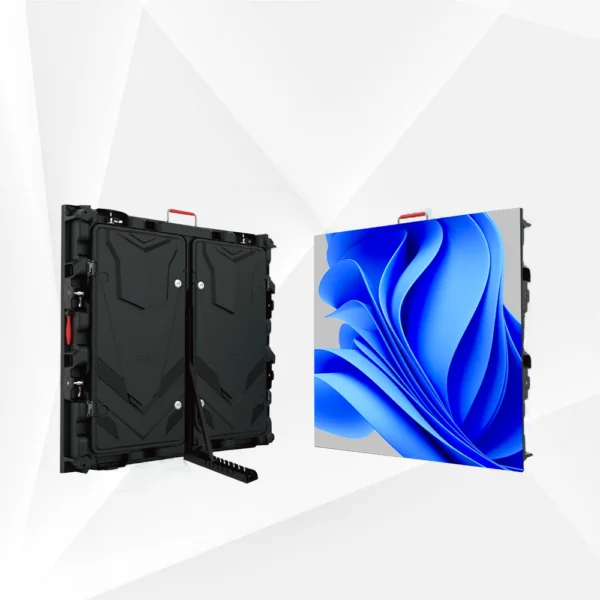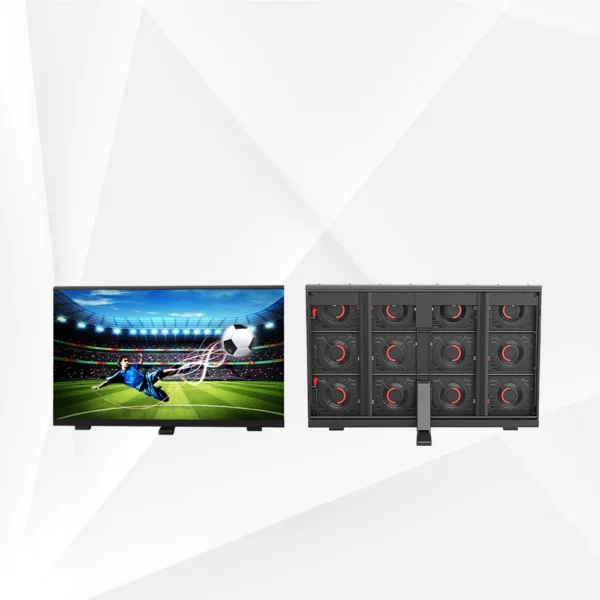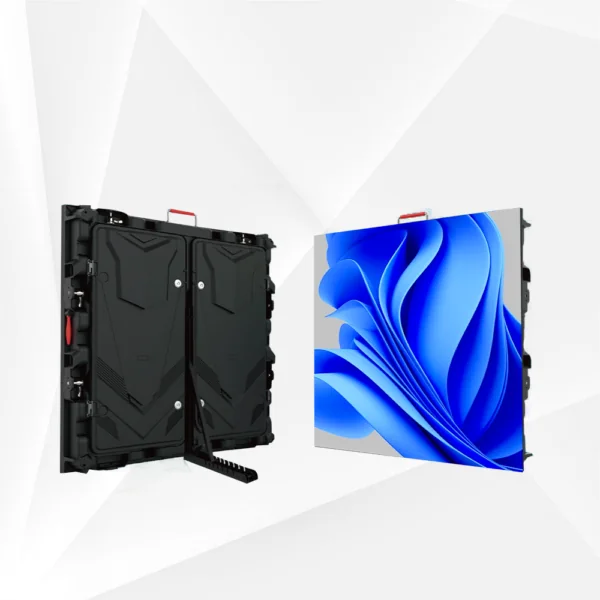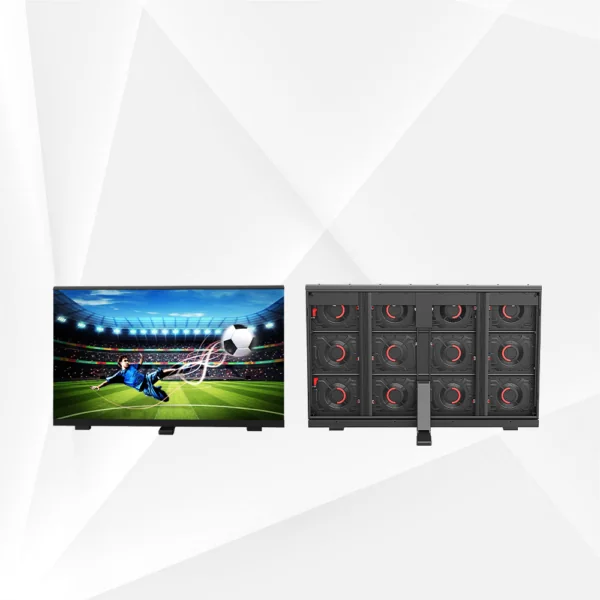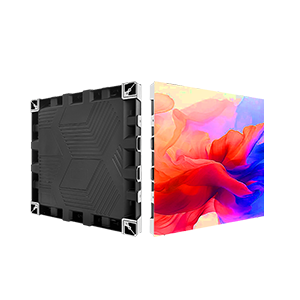
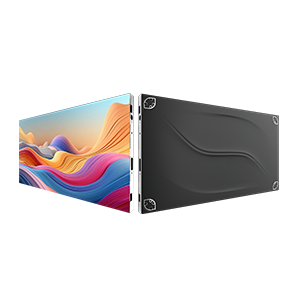
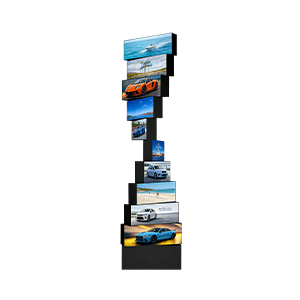
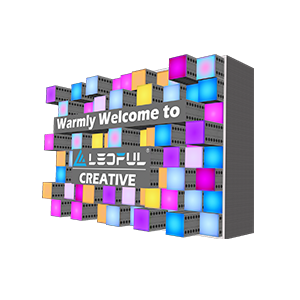


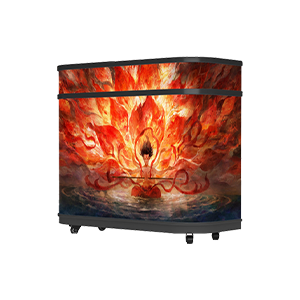
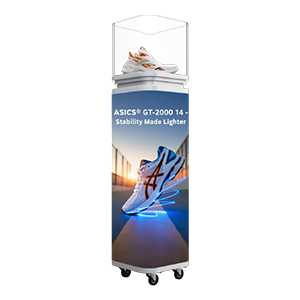








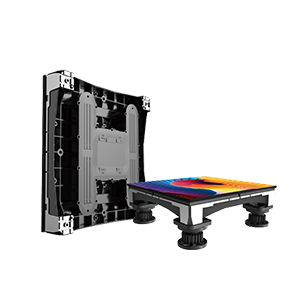
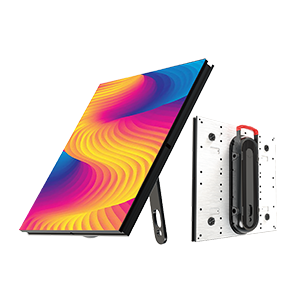
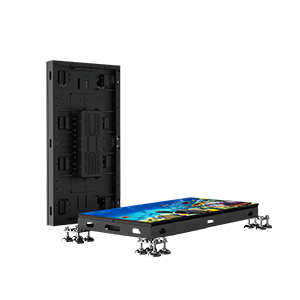
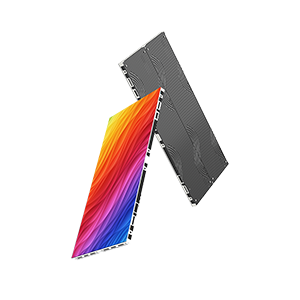
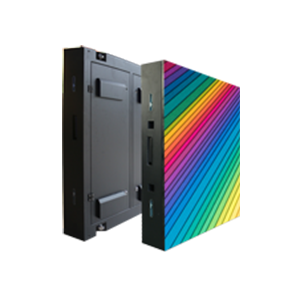
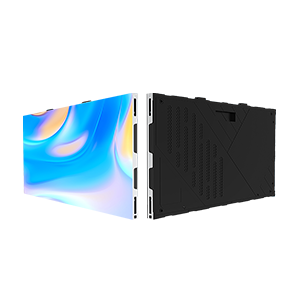
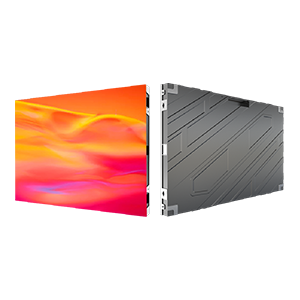
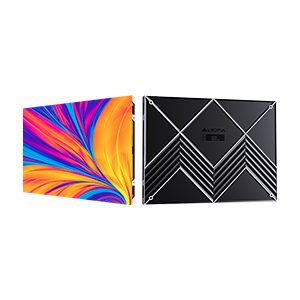
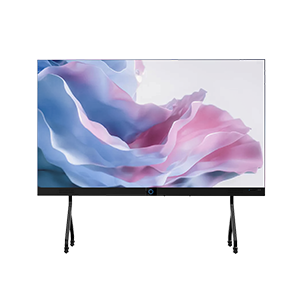
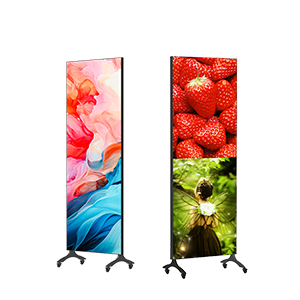
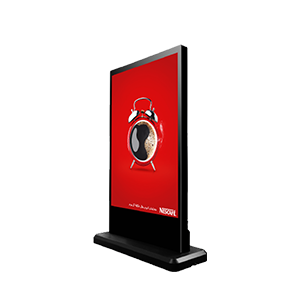

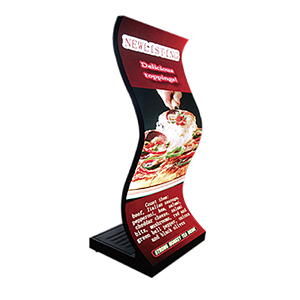
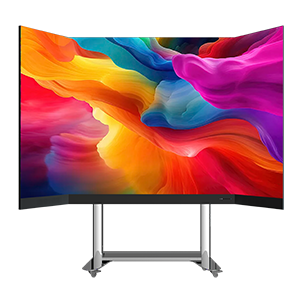
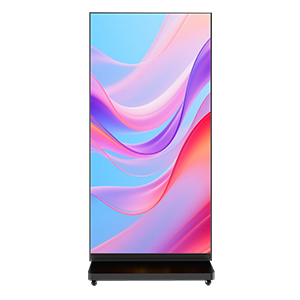
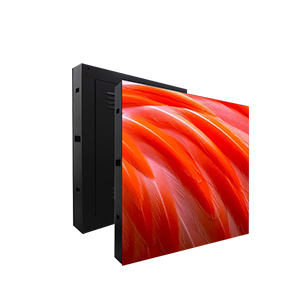
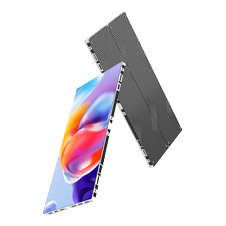
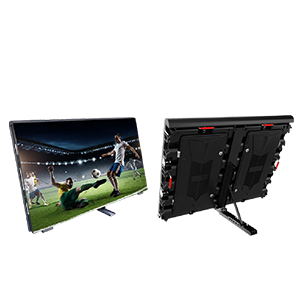
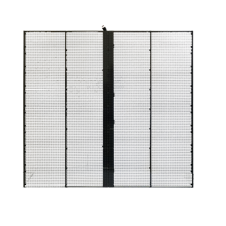
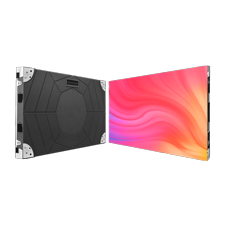
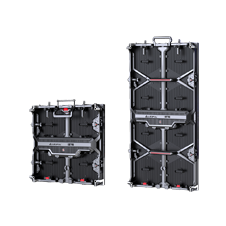
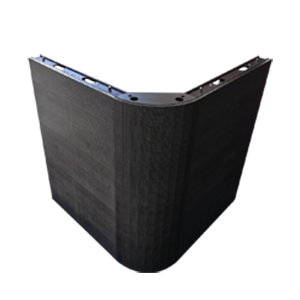
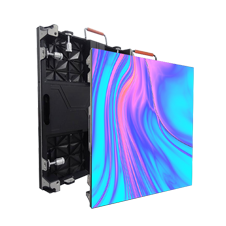
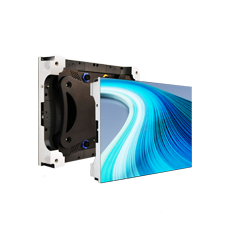
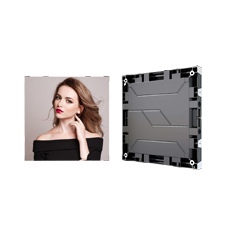
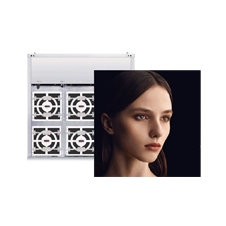
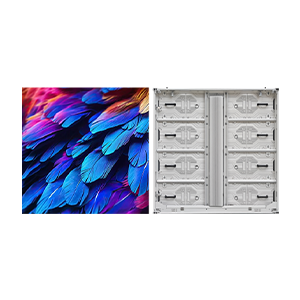
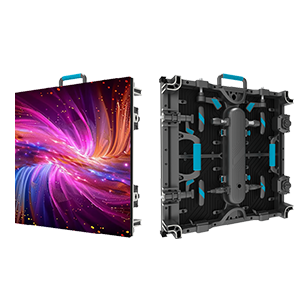
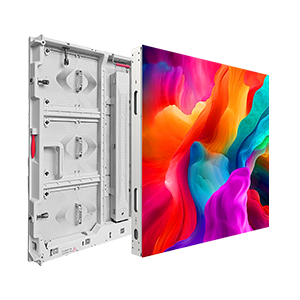
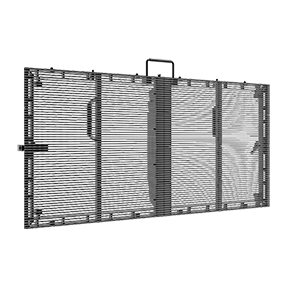
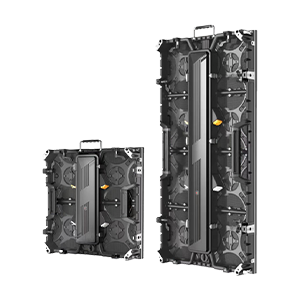
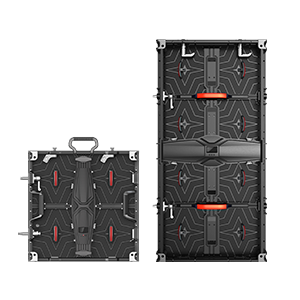
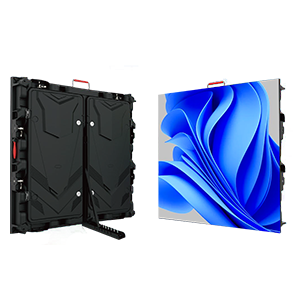
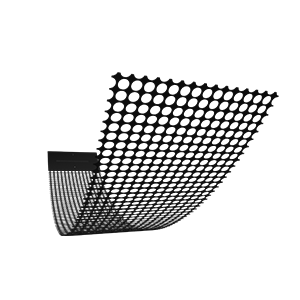
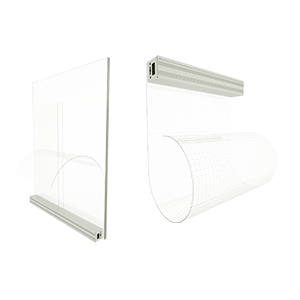
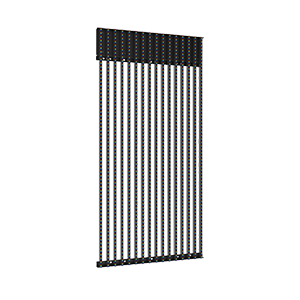













For decades, the retail and hospitality industries have relied on a continuous cycle of paper printing to communicate promotions, menu changes, and seasonal branding. However, as the pace of commerce accelerates, the hidden costs of this “static” model are becoming a significant drain on marketing budgets. When evaluating the initial LED poster display price against the recurring costs of high-quality large-format printing, many business owners are surprised to find a rapid “break-even” point. At LEDFUL, we advocate for a shift toward digital assets not just for their visual impact, but for their superior long-term financial performance. This cost analysis breaks down the direct and indirect expenses of paper-based marketing versus the investment in a LEDFUL digital poster, providing a clear roadmap for achieving a higher return on investment (ROI).
1. The Hidden Costs of the “Paper Cycle”
Most businesses only consider the raw cost of a single print when budgeting for traditional posters. However, the true expense of paper marketing is a recurring monthly cycle. For a retail chain or a cinema, high-quality gloss posters for a large-format light box can cost between $50 and $150 per unit, depending on the finish and size.
When you multiply this by a monthly campaign cycle across five or ten locations, the annual expenditure easily reaches thousands of dollars. Furthermore, this does not account for shipping costs, storage, or the labor required to manually swap out posters at every site. By contrast, once you pay the LED poster display price, your marginal cost for changing content drops to virtually zero. At LEDFUL, we help our clients calculate their “Print Burn Rate,” often revealing that the digital hardware pays for itself within 12 to 18 months solely through the elimination of printing and logistics fees.
2. Speed to Market: The “Opportunity Cost” of Printing
The traditional printing process involves a multi-day lag: design, proofing, professional printing, shipping, and finally, installation. If a promotion changes or an error is found, the entire process—and the cost—must be repeated. This creates a significant “Opportunity Cost” where your storefront remains outdated for days or weeks.
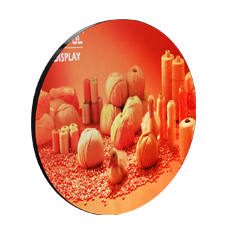
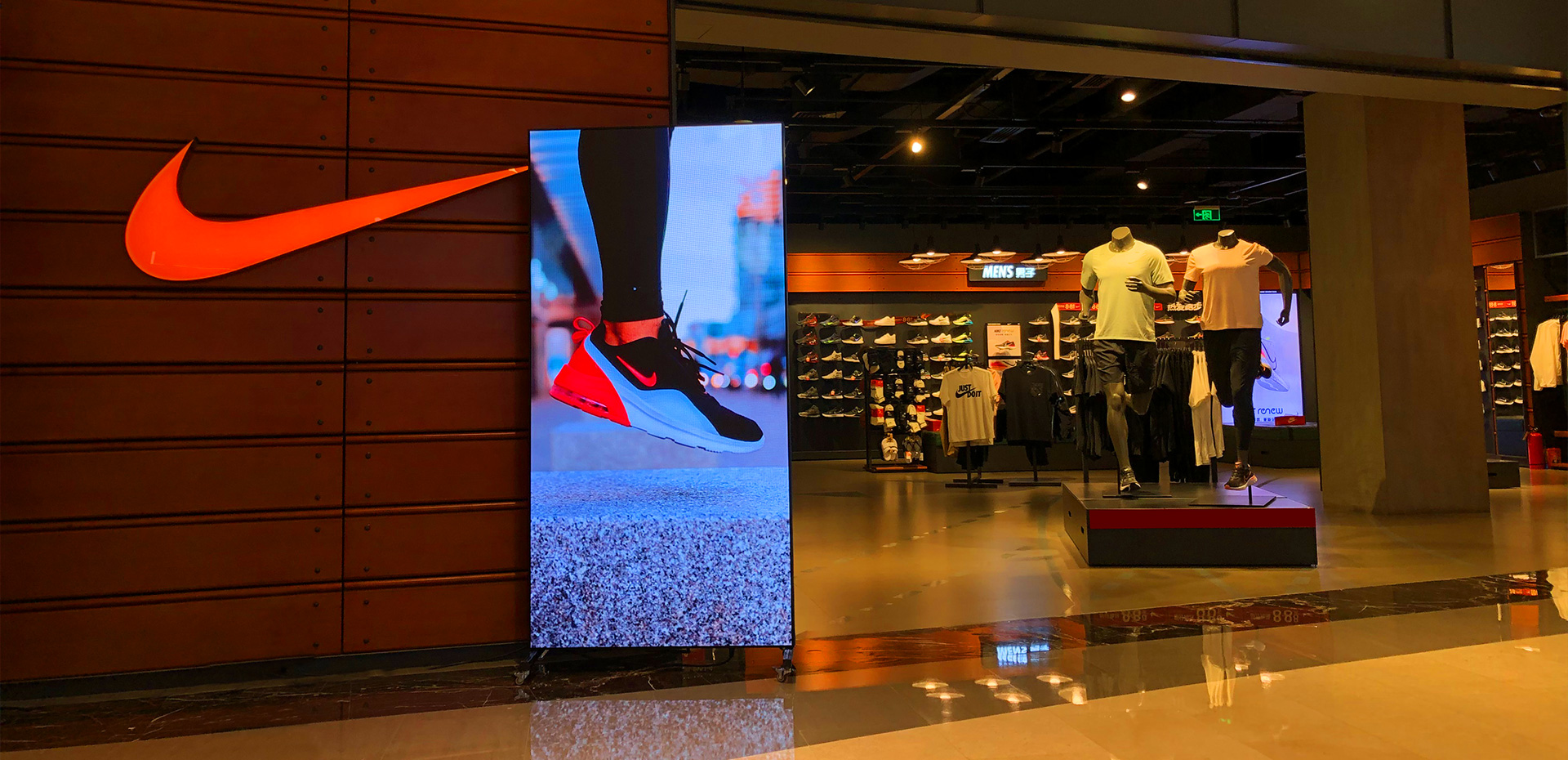
With a LEDFUL LED poster display, the speed to market is instantaneous. A new promotional graphic or a video can be uploaded via the cloud and updated across all displays in seconds. This allows businesses to react to local trends, weather changes, or competitor pricing in real-time. The ability to pivot your marketing strategy instantly has a direct impact on revenue that a paper poster simply cannot provide. The financial benefit of “Agile Marketing” is one of the most compelling reasons for the transition to digital signage.
3. Labor Efficiency and Human Resource Allocation
Manually replacing paper posters is a tedious and low-value task for staff. In a large facility like a convention center or a hotel, changing dozens of static posters can take several man-hours of labor every month. This is time that staff could be spending on customer service or higher-value operations.
The LED poster display eliminates this labor requirement entirely. Our centralized management software allows a single administrator to manage an entire network of displays from a central office. For organizations managing multiple venues, the reduction in labor costs is substantial. By automating the content delivery process, LEDFUL technology allows your team to focus on growth rather than maintenance, further improving the operational ROI of the digital investment.
4. Durability vs. Fragility: The Lifespan Factor
Paper and vinyl posters are inherently fragile. They are susceptible to fading under UV light, tearing during installation, and damage from humidity or moisture. A “static” poster often looks its best only on the first day of the campaign; by week four, it often appears worn and dated, which can negatively impact brand perception.
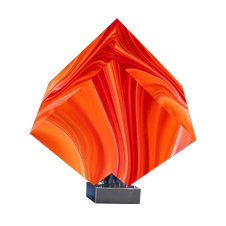
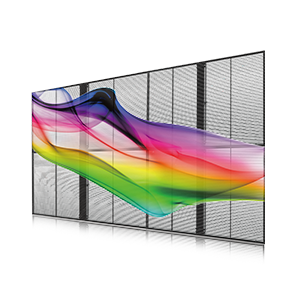
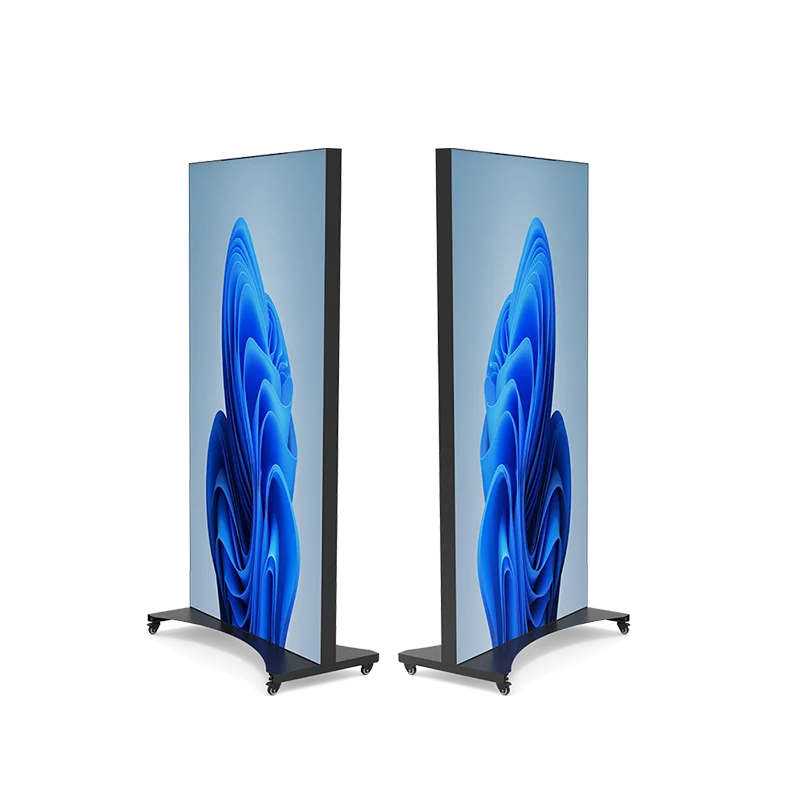
An LED poster display is a professional-grade electronic asset built for a 100,000-hour lifespan. Our posters utilize high-brightness LEDs that do not “fade” in the same way paper does. The colors remain as vibrant in year five as they were on day one. At LEDFUL, we use industrial-grade power supplies and protective coatings to ensure the hardware survives high-traffic environments. When you divide the initial LED poster display price over its 7–10 year operational life, the “Cost Per Day” becomes significantly lower than the daily cost of a paper campaign.
5. Environmental Impact and Sustainability ROI
Modern stakeholders are under increasing pressure to meet Corporate Social Responsibility (CSR) goals. The paper printing industry is a major source of waste, involving chemical inks, non-recyclable coatings, and the carbon footprint of constant shipping.
Transitioning to a digital model is a tangible way to improve a company’s sustainability profile. By eliminating the monthly waste of paper and plastic-based signage, your business reduces its environmental impact. Furthermore, LEDFUL posters are designed with high-efficiency LEDs that consume minimal power, ensuring that the move to digital is as “green” as it is profitable. In many regions, businesses can even qualify for tax incentives or “Green Grants” when upgrading to energy-efficient digital infrastructure, effectively lowering the net LED poster display price.
6. Real-Time Analytics and Value Tracking
One of the most significant “Costs” of paper is the lack of data. It is impossible to track how many people engaged with a static poster or how it influenced sales in real-time. This makes it difficult for marketers to justify their spending.
A digital LED poster display can be integrated with AI sensors and audience analytics software. This allows you to track dwell time, demographic engagement, and even conversion rates when tied to a POS system. The value of this data is immense; it allows you to optimize your content for maximum impact. While paper is a “silent” expense, a LEDFUL digital poster is an active data source that helps you make smarter, more profitable marketing decisions.
Conclusion: Investing in the Future of Retail
While the initial LED poster display price is higher than a single paper print, a comprehensive cost analysis proves that digital is the more economical choice for the modern business landscape. By eliminating recurring print costs, reducing labor, increasing speed to market, and providing valuable data, the digital poster transforms your signage from a “sunk cost” into a profit-generating asset.
At LEDFUL, we specialize in helping businesses make this transition seamless and financially rewarding. Our high-performance LED posters are designed to provide the best possible ROI, combining visual excellence with industrial reliability. Don’t let your marketing budget get buried under a mountain of paper. Let us help you switch to a brighter, more profitable digital future.