







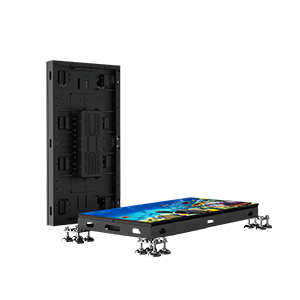
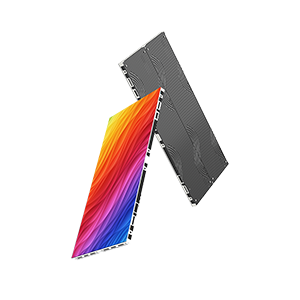
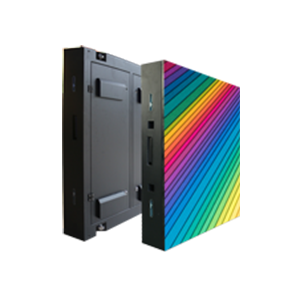
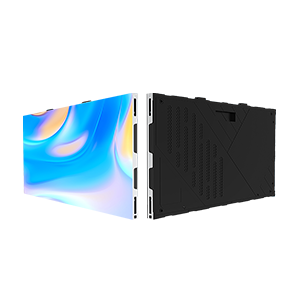
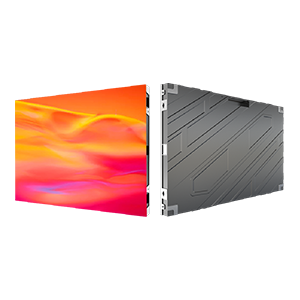
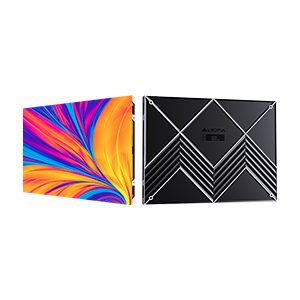
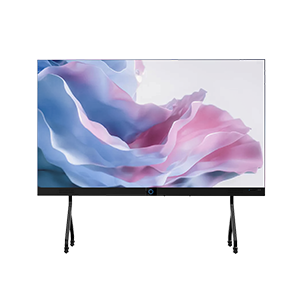
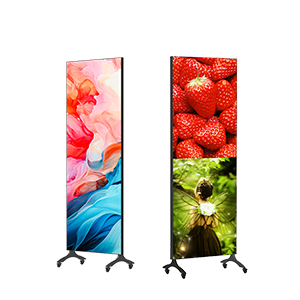
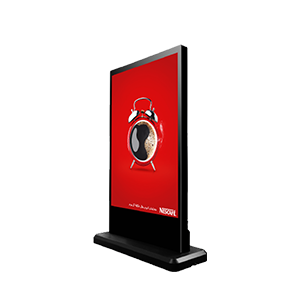
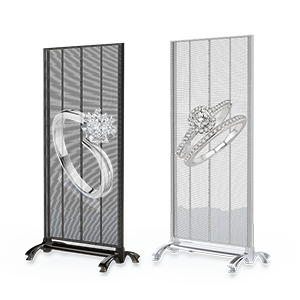
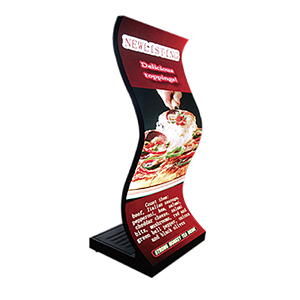
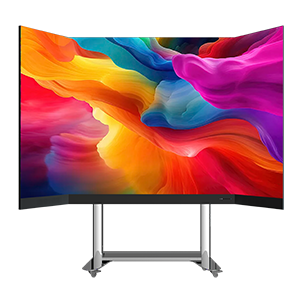
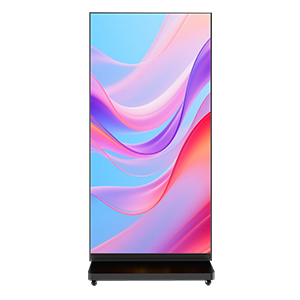
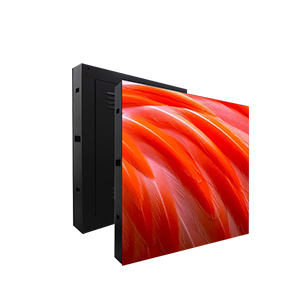
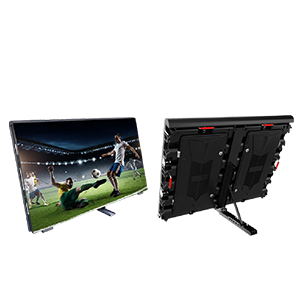
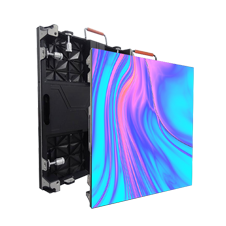
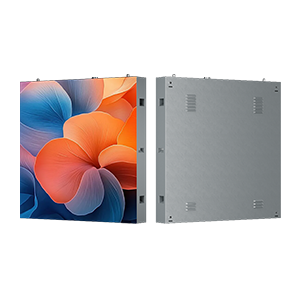
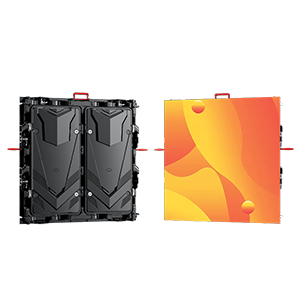
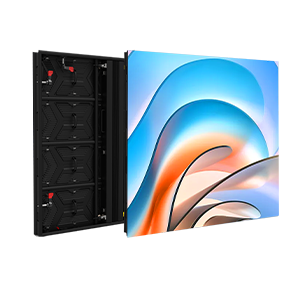
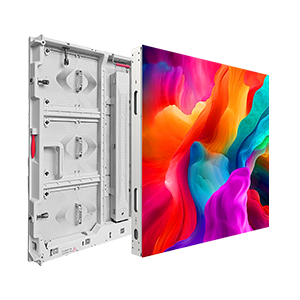


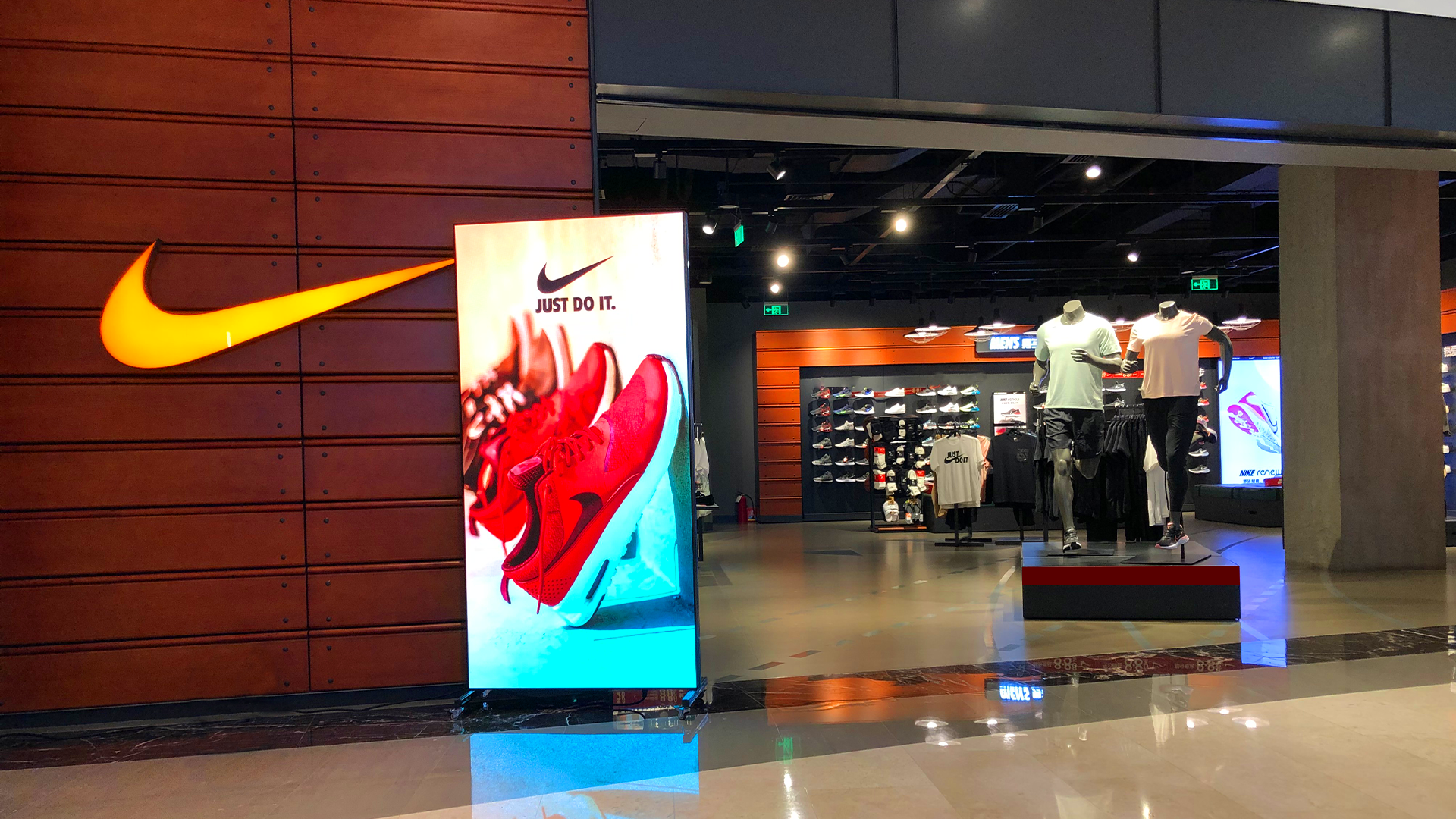
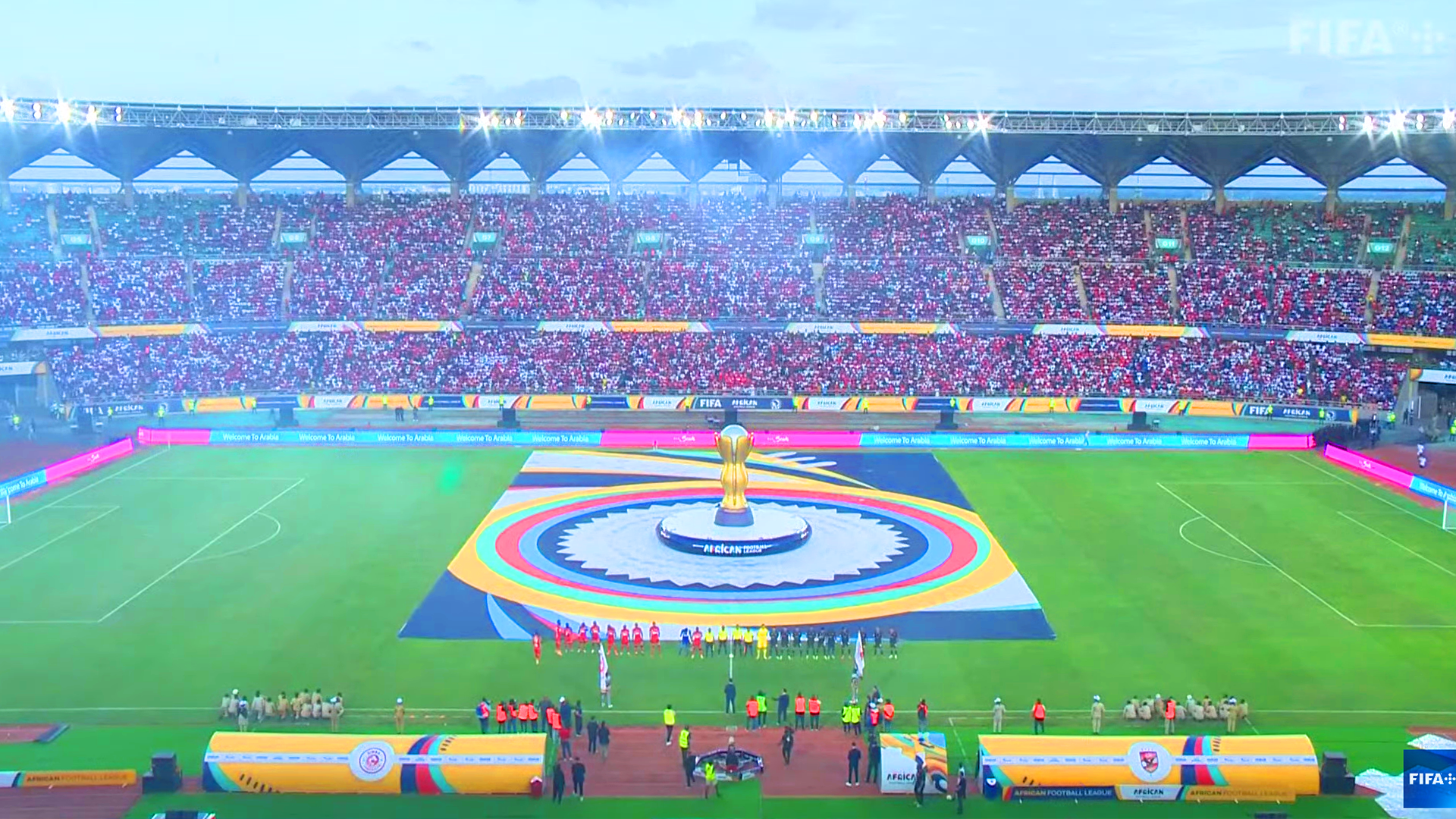
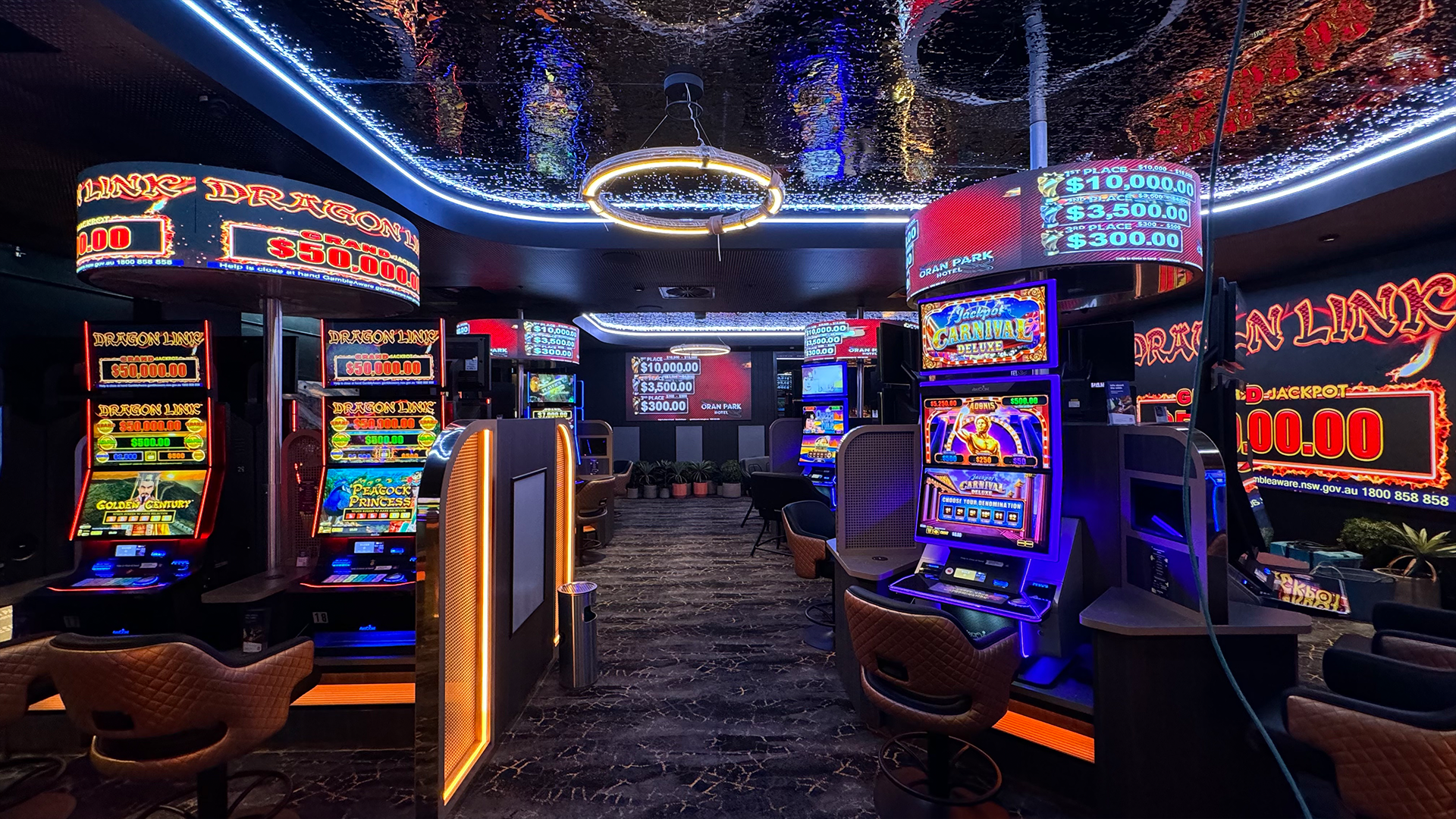
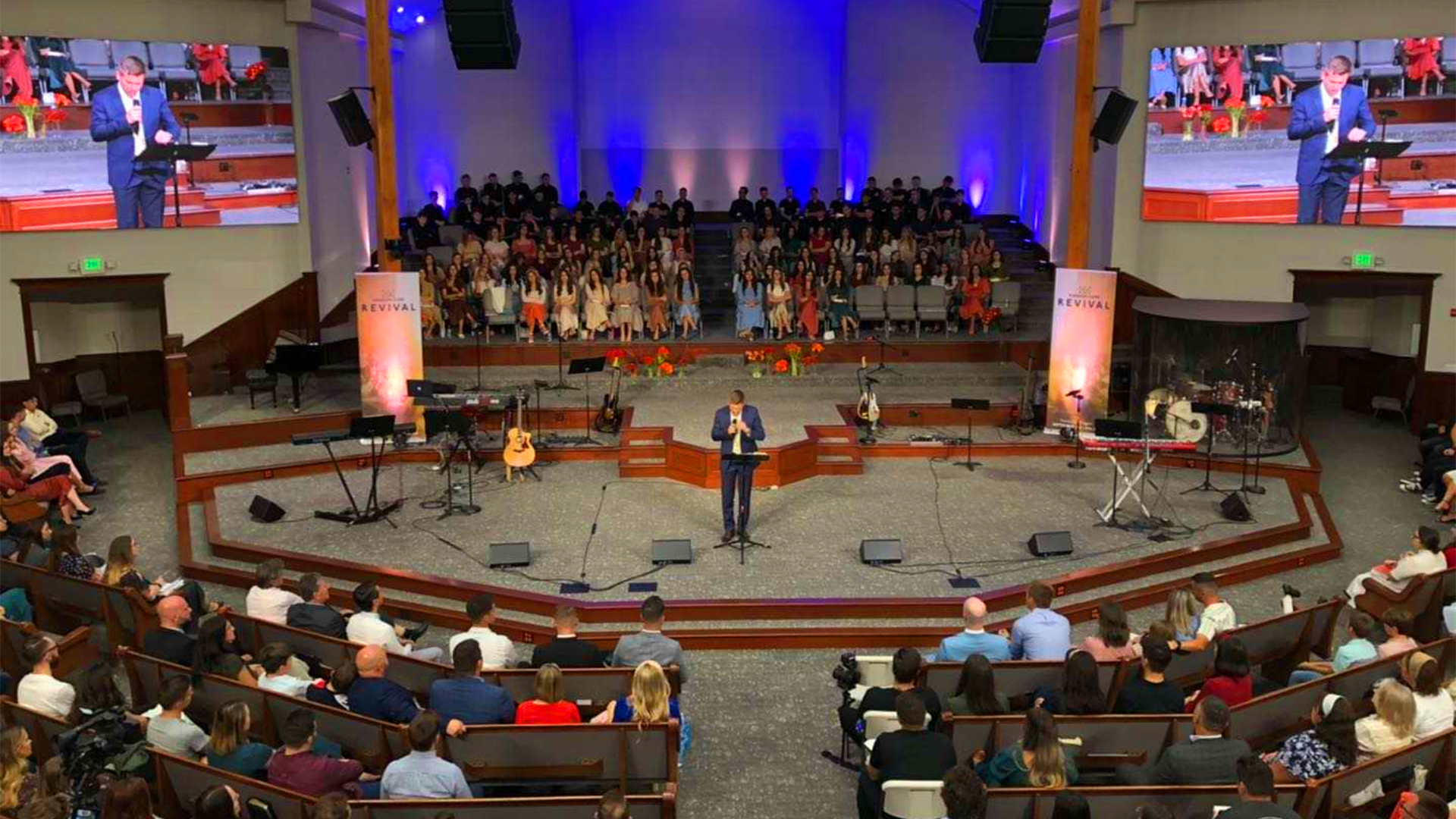
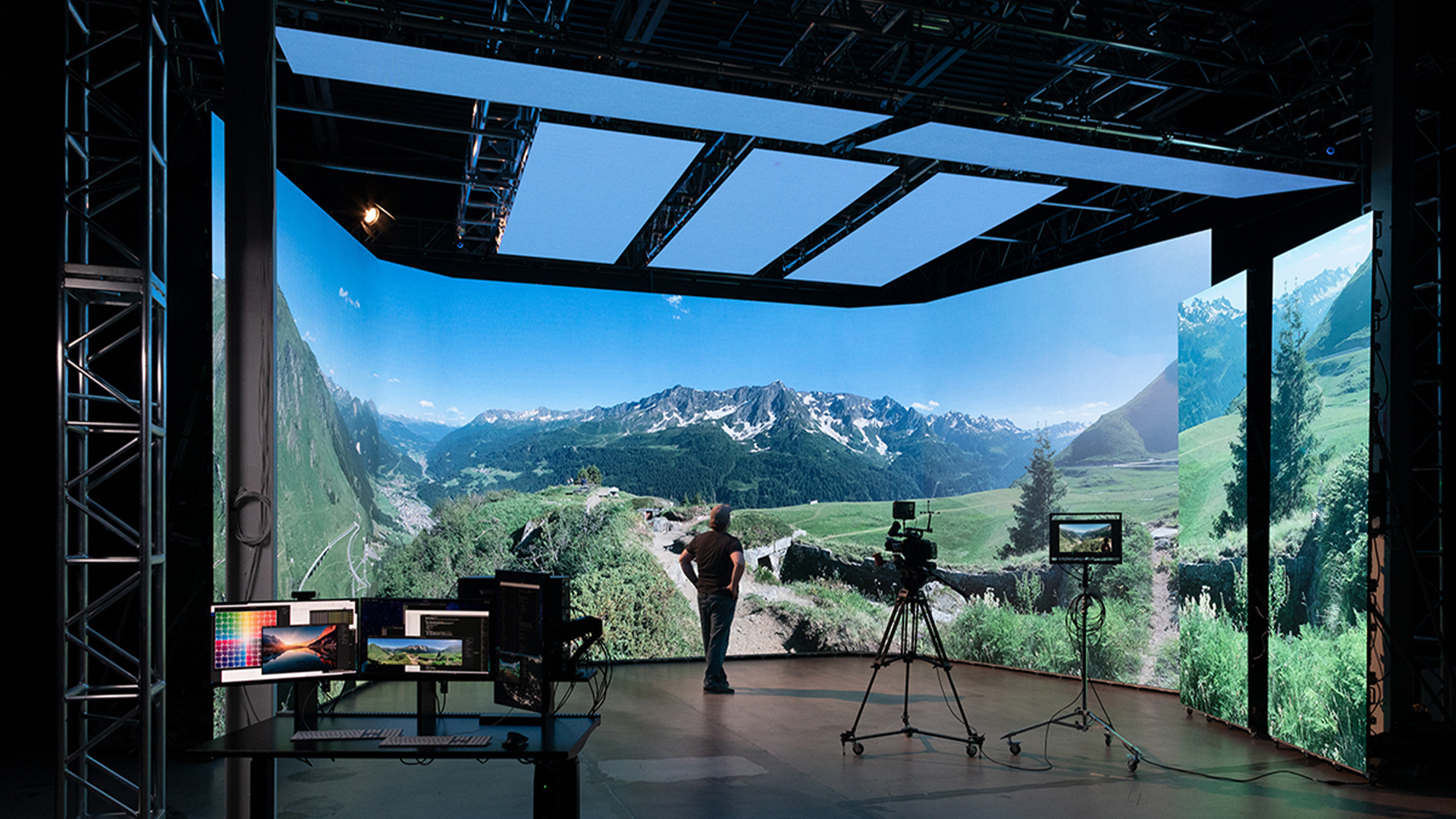
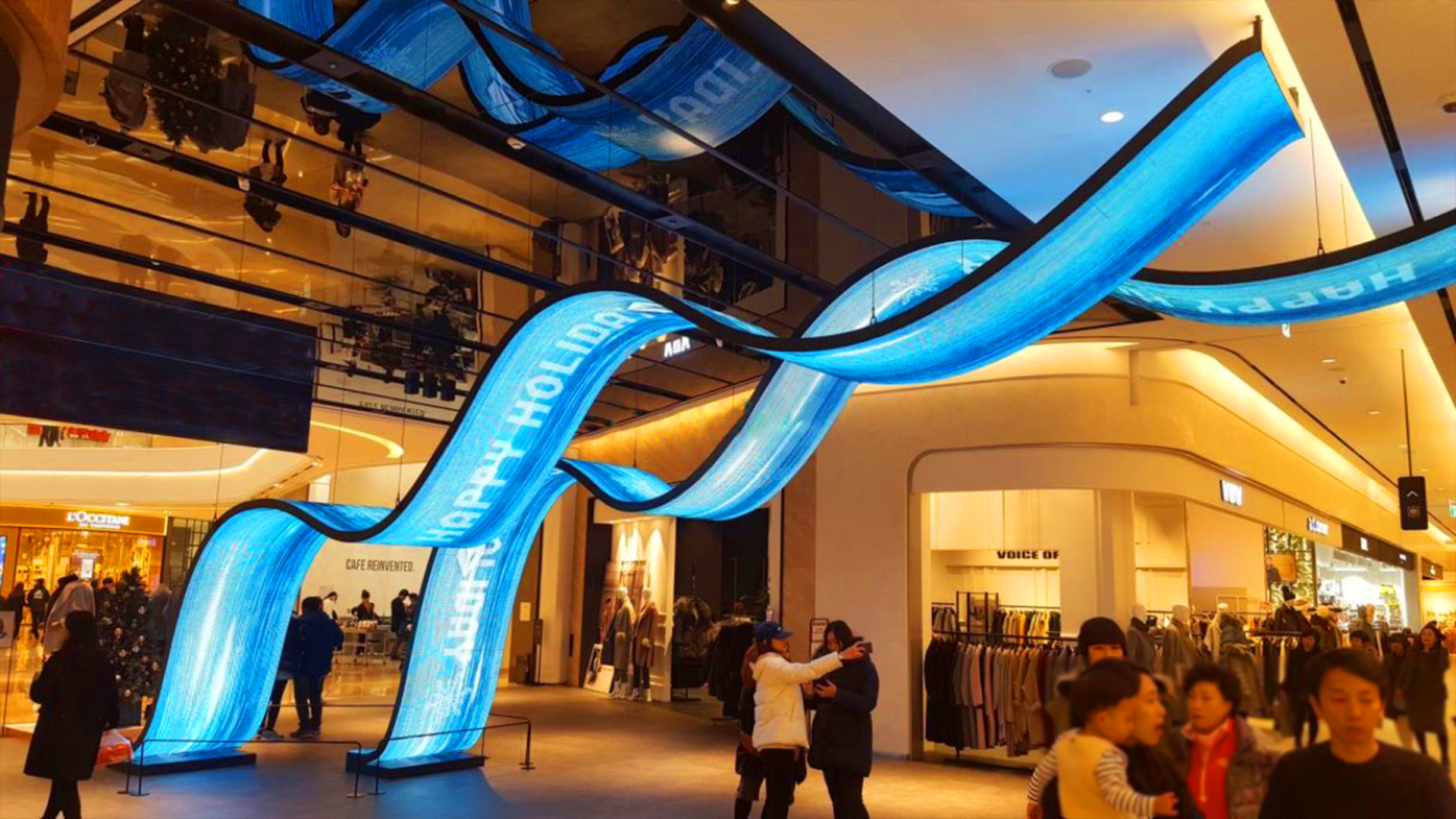






In the current landscape of visual technology, the phrase “high-end” is often used to describe any professional-grade digital installation. However, for professionals tasked with procuring a long-term visual asset, the choice between a “standard” and a “fine-pitch” indoor LED display is a nuanced decision that affects both the project’s budget and its ultimate success. At LEDFUL, we recognize that as display technology evolves, the boundaries of what defines a premium experience continue to shift. While standard LED displays have long been the workhorse of the industry, fine-pitch technology has introduced a new level of sophistication. Understanding the technical trade-offs between these two categories is essential for choosing the right solution for your high-end environment.
Defining the Categories: Standard vs. Fine-pitch Technology
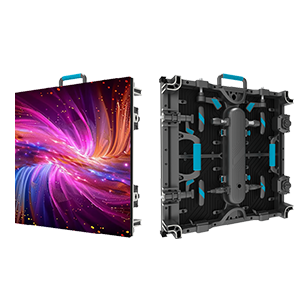
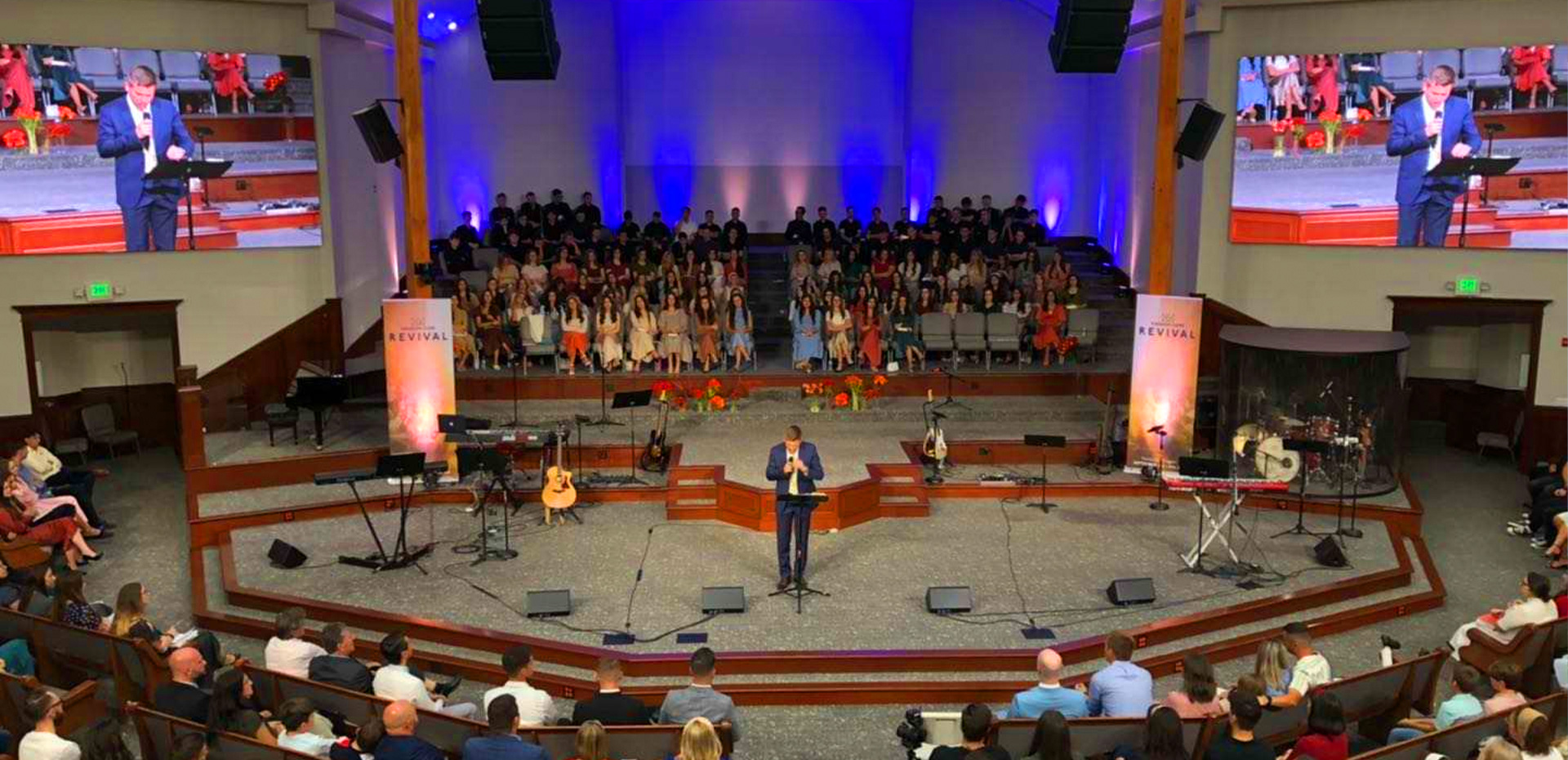
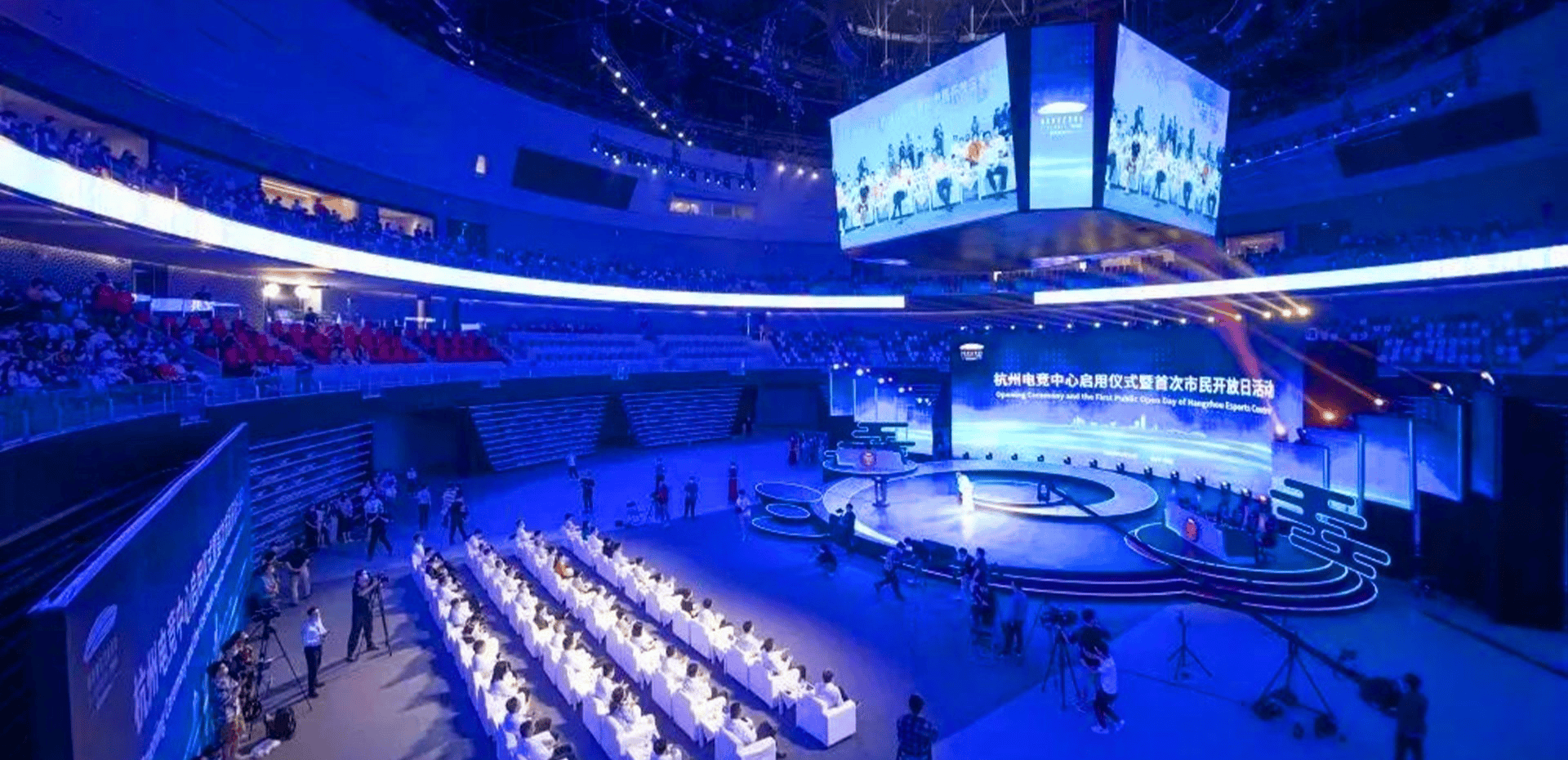
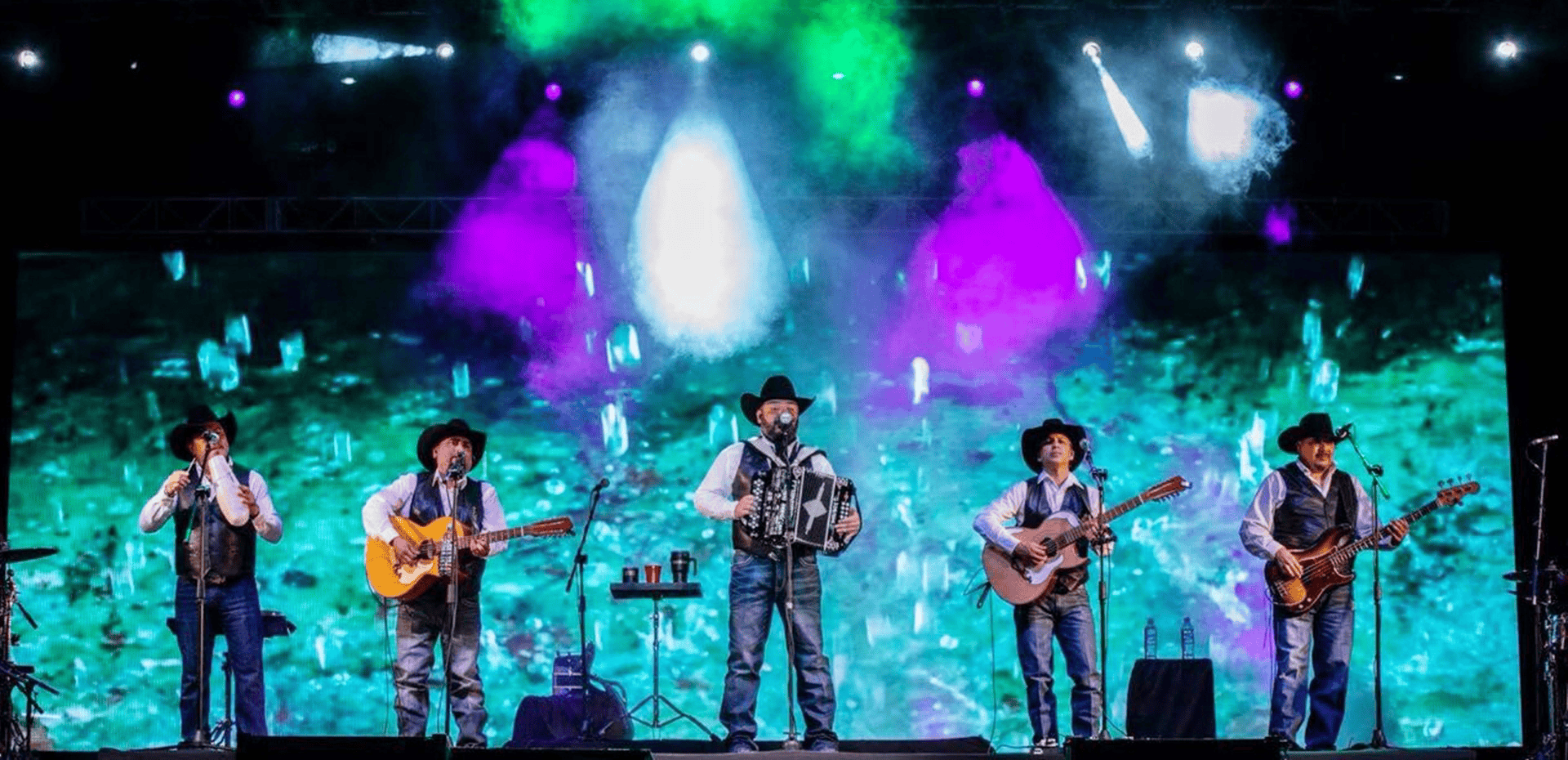
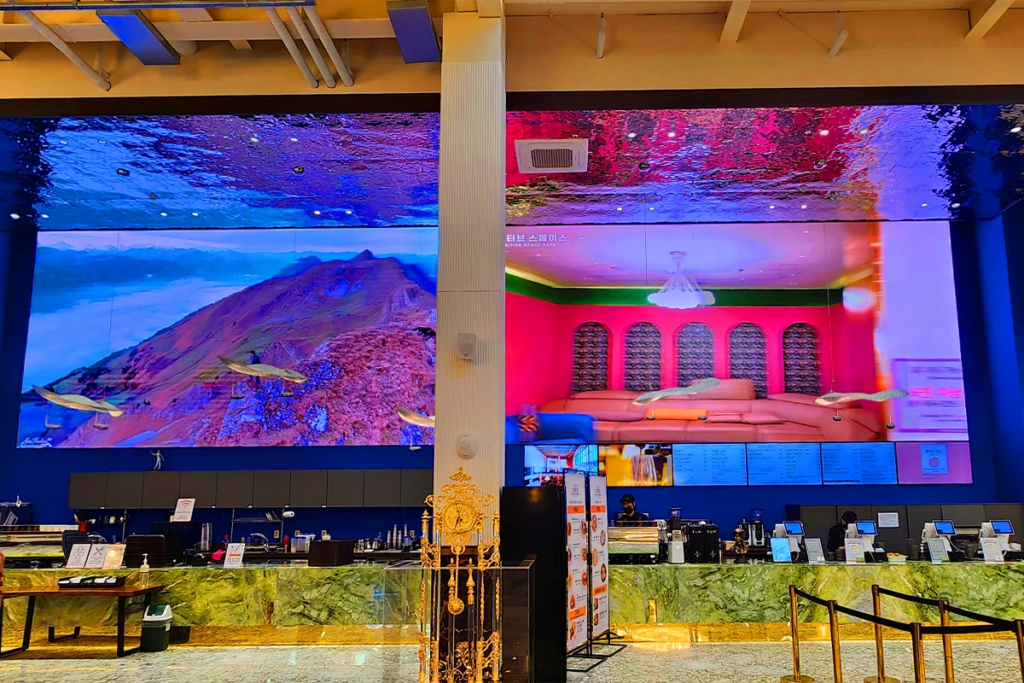
To begin the comparison, we must define the technical boundary. Generally, “standard” indoor displays are those with a pixel pitch (the distance between the center of two pixels) of P2.5 or higher. These are the screens typically found in large hotel lobbies, school auditoriums, and medium-sized event spaces. They offer high brightness and excellent modularity, but they are designed with the assumption that the audience will be at least five to eight meters away.
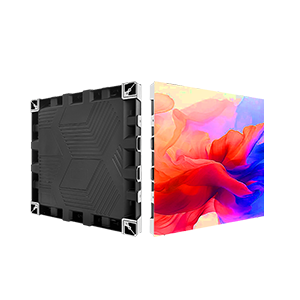
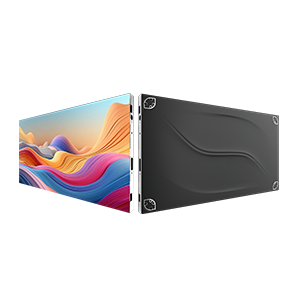
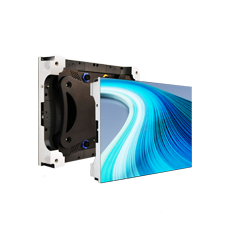
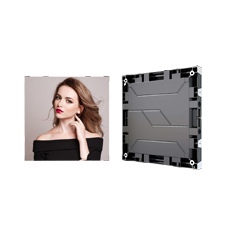
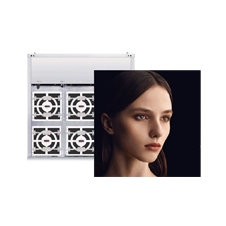
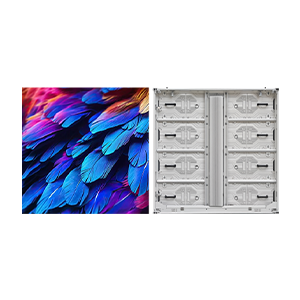
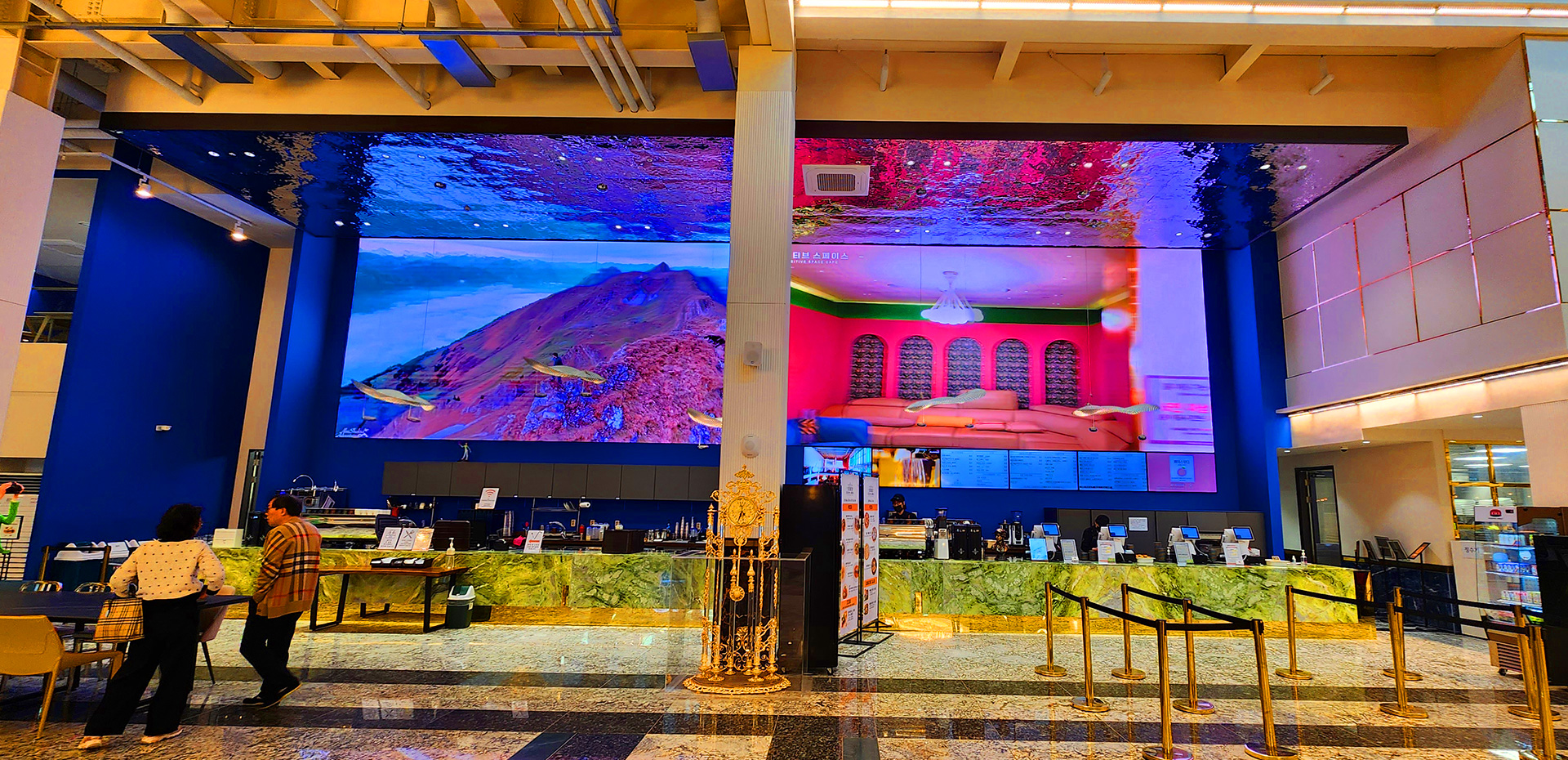
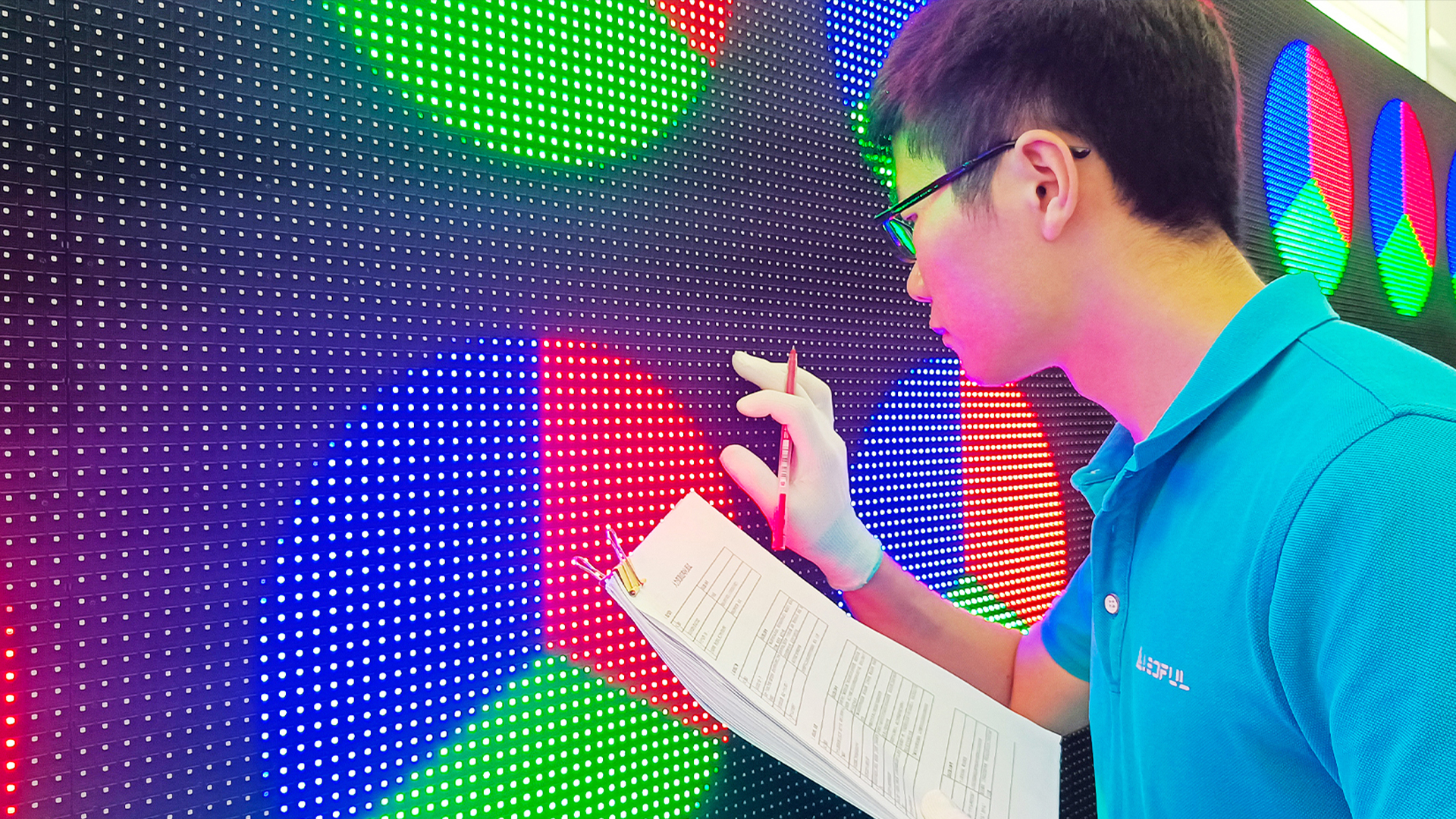
Conversely, fine-pitch technology—often referred to as “Small-pitch LED”—typically covers pixel pitches of P1.8, P1.5, P1.2, and even sub-1.0mm. At LEDFUL, our fine-pitch series is engineered for environments where the viewer is in close proximity to the screen. This technology utilizes significantly smaller SMD (Surface Mount Device) packages, allowing for a higher pixel density that rivals traditional LCD screens but without the distracting bezels. For a high-end project, the decision starts with one question: how close will your most important viewer be to the display?
1. Visual Resolution and Content Detail
The most obvious difference is the resolution. A standard P2.5 display requires a significantly larger surface area to achieve a 4K resolution compared to a P1.2 fine-pitch display. In a high-end corporate boardroom or a mission-critical command center, the ability to read small text, analyze complex data sets, or view high-resolution architectural renderings is paramount.
For these high-proximity applications, fine-pitch is the superior choice. Because the pixels are packed so tightly, a LEDFUL fine-pitch wall provides a “Retina-like” experience where individual pixels are indistinguishable to the human eye from just two meters away. While a standard display is excellent for high-impact “ambient” branding, it cannot compete with the detail required for professional collaborative work or luxury retail storytelling where product textures must be rendered with absolute fidelity.
2. Viewing Distance and Ergonomics
In a high-end environment, user comfort and ergonomics are as important as the visual impact. This is where the choice of an indoor LED display becomes a matter of human biology. If an audience is seated too close to a standard P2.5 or P3.0 screen, they will experience the “screen door effect,” where the gaps between pixels become visible. This leads to optical fatigue and a degraded perception of the brand or data being presented.
We advise our partners that if the viewing distance is less than three meters, fine-pitch is the only viable option for a high-end feel. Our fine-pitch series features superior grayscale performance even at low brightness, which is critical for indoor environments where the screen shouldn’t be “blinding” the audience. This allows for a comfortable, high-definition viewing experience that mimics a massive, seamless computer monitor rather than a traditional billboard.
3. Contrast and Black Levels in Luxury Settings
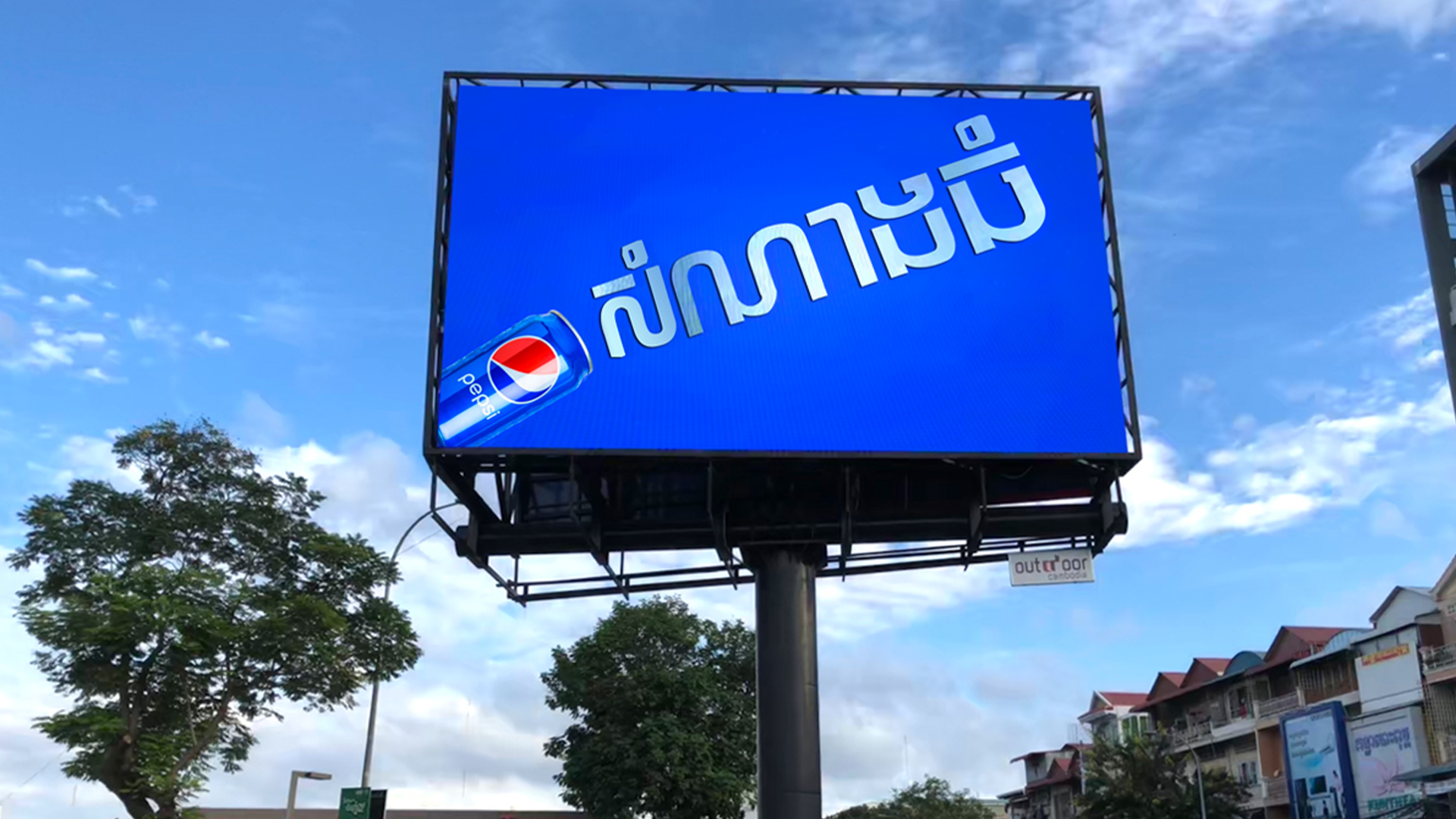
High-end environments, particularly in the luxury retail and broadcast sectors, demand perfect contrast. Standard indoor displays often use white-faced LEDs to maximize brightness. However, white LEDs reflect ambient room light, which can turn deep blacks into a dull gray.
At LEDFUL, our fine-pitch products often utilize “Black LED” technology. By using a black substrate and black casing for the tiny LEDs, we are able to achieve significantly higher contrast ratios. This is a hallmark of a high-end installation. When the screen is turned off or displaying dark content, it remains a deep, velvety black that integrates perfectly with sophisticated interior designs. Standard displays, while bright and vibrant, often lack this “depth” of black, making them more suited for well-lit public thoroughfares than for intimate, luxury settings.
4. Total Cost of Ownership and Maintenance Complexity
For buyers, the “high-end” choice also involves considering the total cost of ownership (TCO). Fine-pitch displays are a larger initial investment because they require significantly more LED chips and more complex driver ICs per square meter. They also require more precise handling during installation, as the smaller pixels are more delicate.
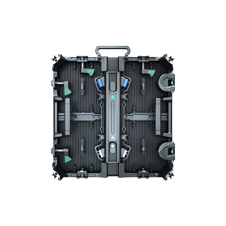
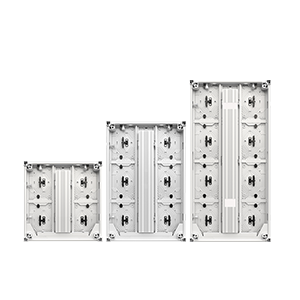
However, the benefit of choosing a premium LEDFUL fine-pitch system is the integrated “Front-Service” design. Because fine-pitch screens are often mounted directly onto boardroom walls or integrated into custom cabinetry, rear access is impossible. Our systems allow for every module and power unit to be serviced from the front. Standard displays often offer this too, but the precision required for fine-pitch means our mounting structures are engineered to much tighter tolerances (often within 0.1mm), ensuring the screen remains perfectly flat over its entire lifespan—a critical requirement for a high-end aesthetic.
5. Refresh Rates and Camera Compatibility
In the age of social media and video conferencing, a high-end display must be “camera-ready.” Standard LED screens sometimes struggle with lower refresh rates that cause flickering or horizontal lines when viewed through a smartphone or a broadcast camera.
Our fine-pitch series is equipped with high-refresh-rate driver ICs (3840Hz or higher) as a standard feature. For high-end event spaces or corporate studios, this is a non-negotiable requirement. It ensures that the digital content remains stable and professional in every photograph and video call. While standard displays are catching up, the premium components found in our fine-pitch indoor LED display lines provide the most reliable performance for a world that is constantly being filmed.
Conclusion: Matching Technology to Intent
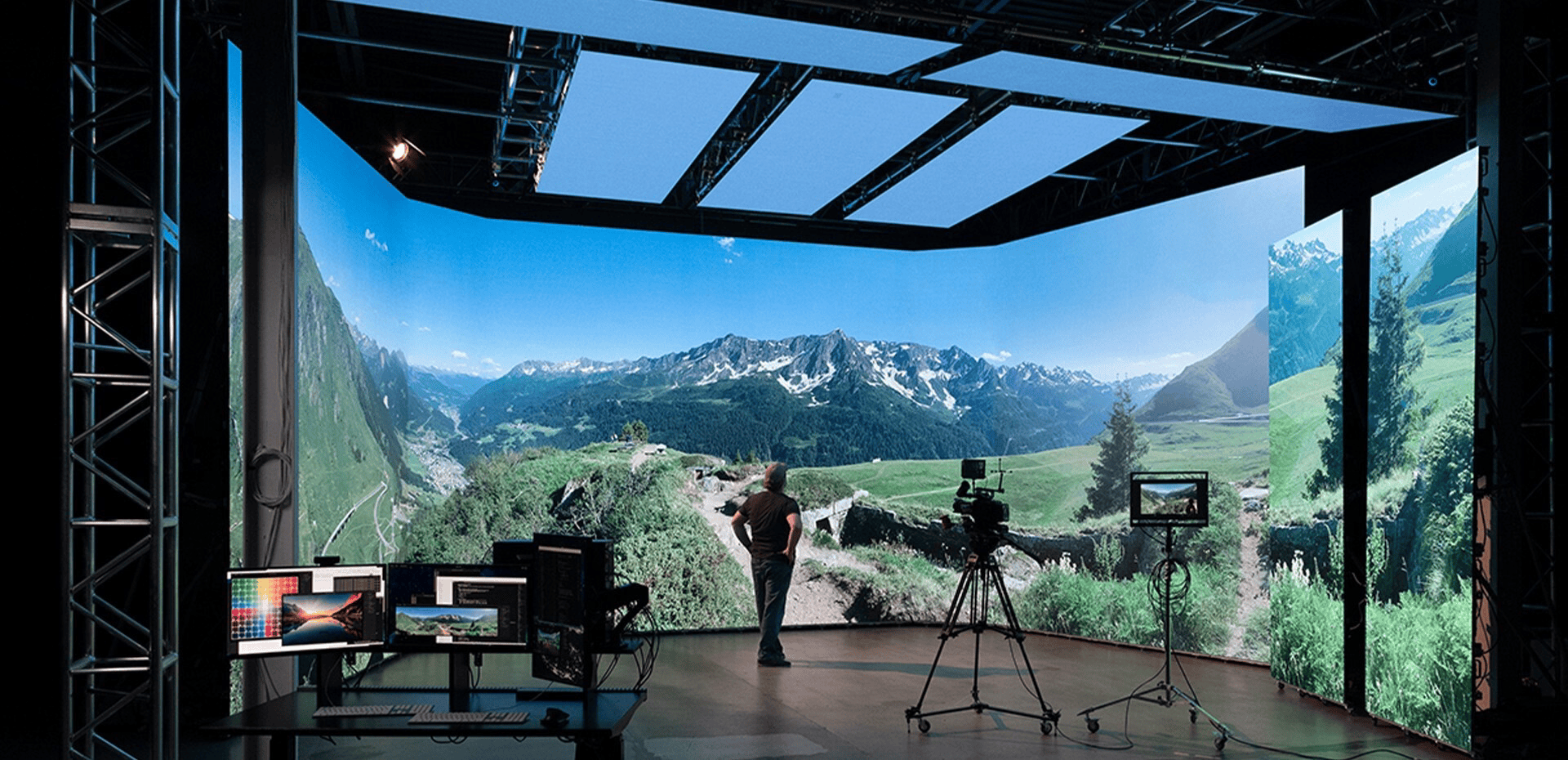
So, which is right for your high-end project? If your goal is to create a massive, high-impact visual in a large atrium where the audience is far away, a high-quality standard LED display from LEDFUL offers the best balance of scale and value. However, if your environment demands intimacy, detail, and seamless integration into a premium interior—such as a boardroom, a luxury flagship store, or a control room—then fine-pitch technology is the undisputed choice.
At LEDFUL, we don’t believe in a one-size-fits-all approach. We work with our partners to evaluate their specific space, viewing distances, and content needs. By choosing the right pixel pitch for your application, you aren’t just buying a screen; you are investing in a visual platform that will enhance your brand and empower your communications for years to come. Let us help you find the perfect pitch for your high-end vision.