






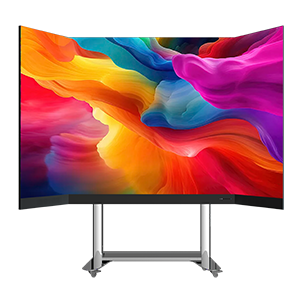
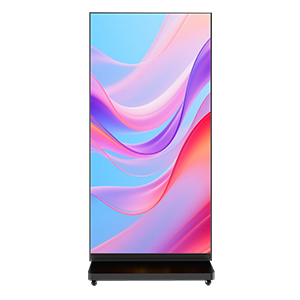
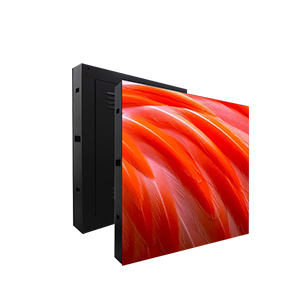
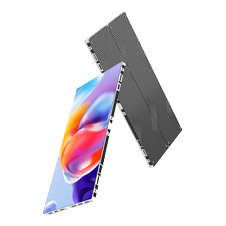
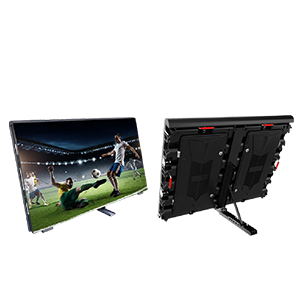
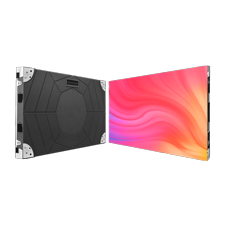
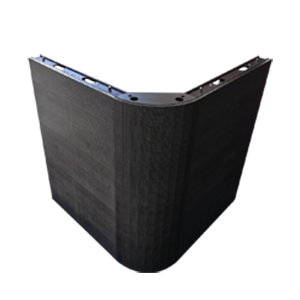
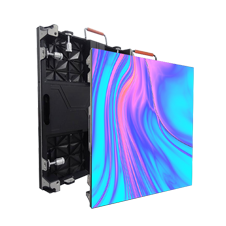
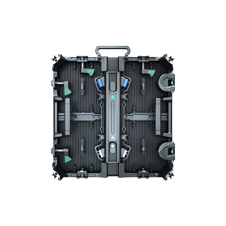
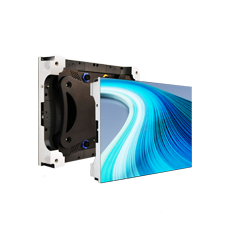
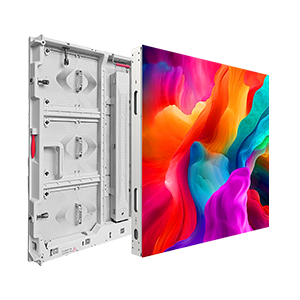
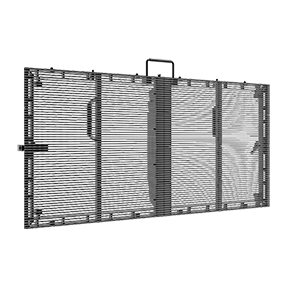
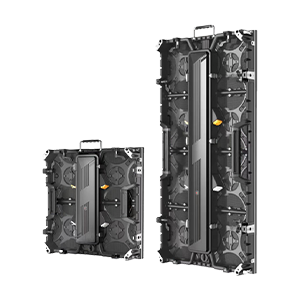
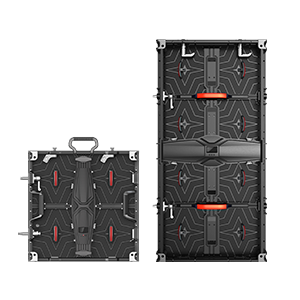



















In the competitive landscape of LED displays, the choice of surface protection technology can significantly affect performance, longevity, and overall user experience. Two predominant technologies—Chip on Board (COB) and Glue on Board (GOB)—offer varied benefits and challenges. For companies operating in the business sector, understanding these differences can be crucial for making informed purchasing decisions. This article explores the distinctions between COB and GOB technologies, specifically in relation to LED displays, and highlights the advantages of using LEDFUL’s products.
Understanding COB Technology
Chip on Board (COB) technology involves the direct mounting of LED chips onto a substrate board. This method provides several key advantages:
Reduced Soldering Risks: By eliminating the need for traditional soldering wire, COB minimizes the potential for defects, thereby improving stability and reliability. This is especially critical for businesses that require consistent performance in demanding environments.
Superior Viewing Angles: COB technology allows for a wider viewing angle, which is essential in applications such as theaters and conference rooms where audiences are positioned at various angles relative to the display.
Enhanced Protection: Once the LED chips are mounted, they are sealed with epoxy resin, providing high resistance against environmental factors. This is particularly beneficial for indoor applications that demand durability over time.
Additionally, the slim profile and lightweight nature of COB displays align with current design trends, making them a visually appealing choice. The 16:9 aspect ratio is advantageous for achieving superior display effects, similar to that of traditional televisions, which can enhance customer engagement in scenarios like shopping malls and corporate settings.
Exploring GOB Technology
Glue on Board (GOB) technology utilizes adhesive to attach the LED chips to the substrate. While GOB offers some advantages, it also presents challenges that may impact long-term usability:
Cost Efficiency: GOB can be less expensive to produce compared to COB technology. For companies on a tight budget, this might seem appealing initially.
Simpler Production Process: The GOB process may offer some ease in manufacturing, but this comes with trade-offs in durability and performance.
However, GOB displays often fall short in areas such as protection against moisture and dust. They may lack the robustness that COB displays provide, thereby presenting potential issues in high-traffic or outdoor environments. Businesses seeking longevity and reliability may find that the benefits of GOB technology do not outweigh its drawbacks.
The LEDFUL Advantage: Choosing the Right Technology
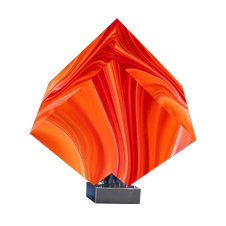
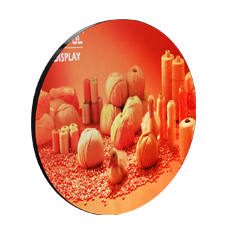
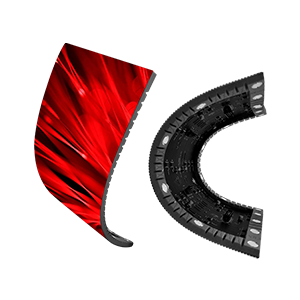
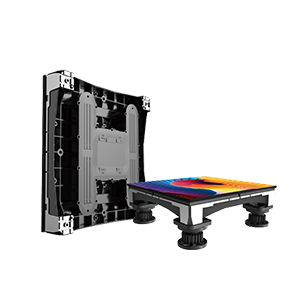
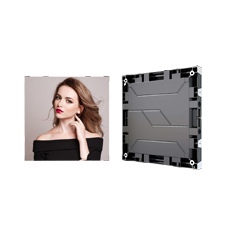
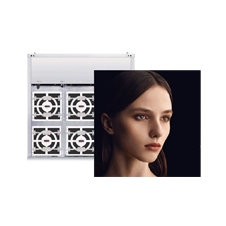
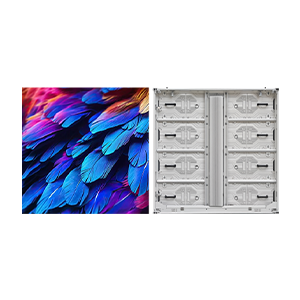
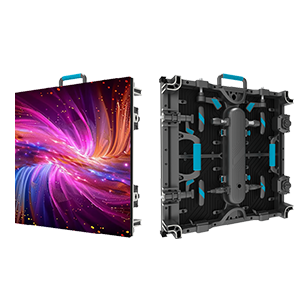
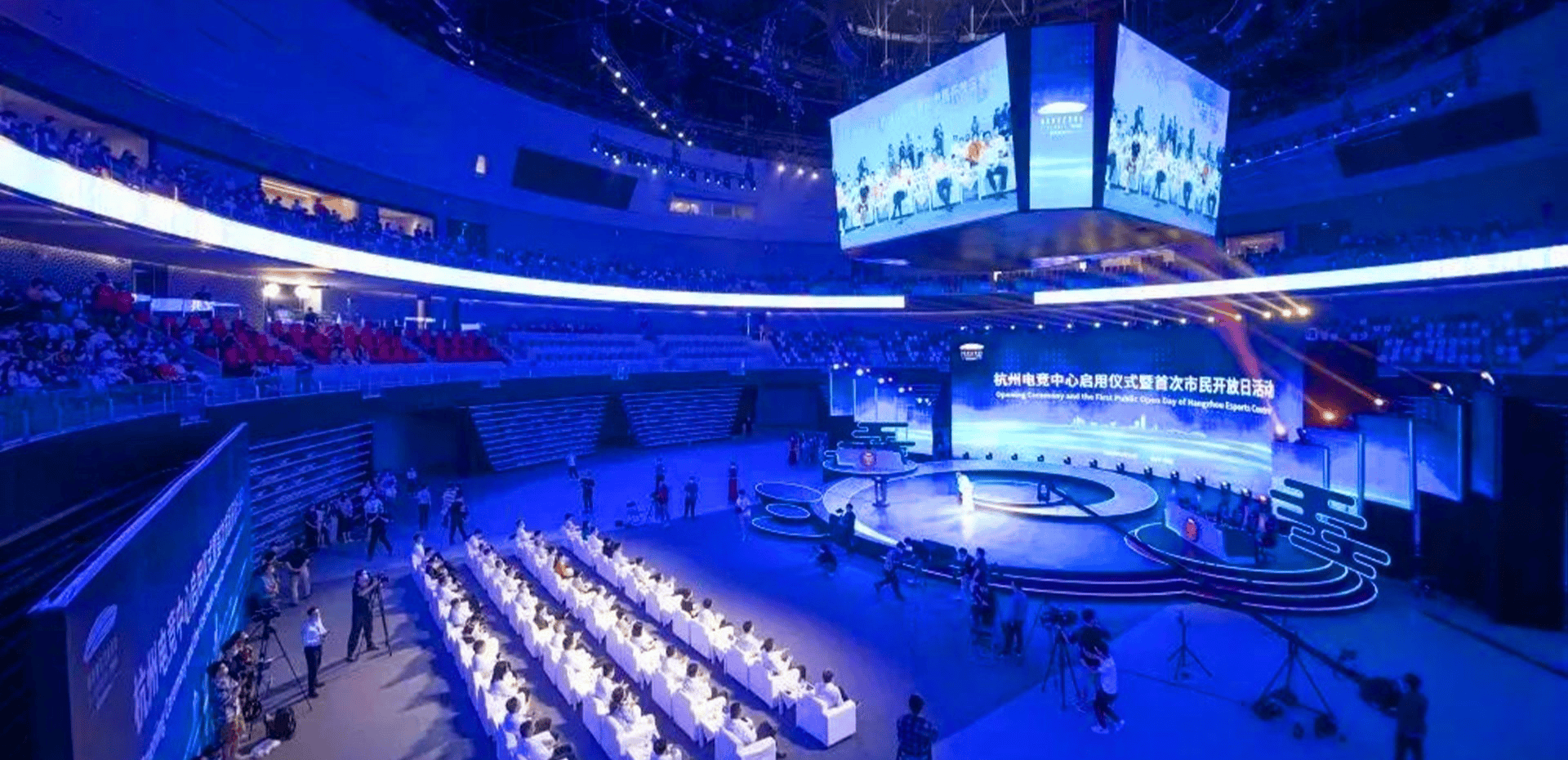
When evaluating options for LED displays, it’s essential to consider long-term value and performance. LEDFUL specializes in developing high-quality COB displays that cater to a variety of applications, including control rooms, theaters, studios, and houses of worship.
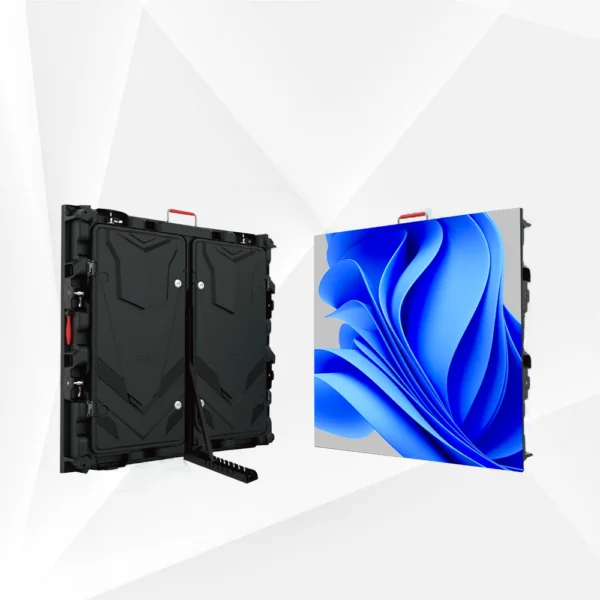
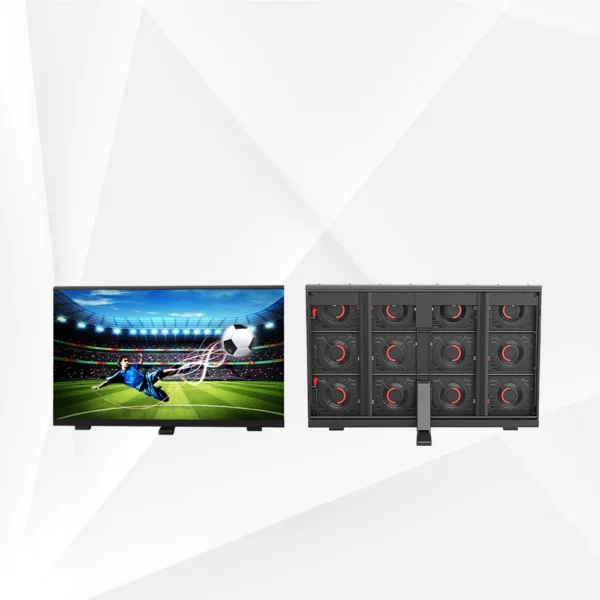
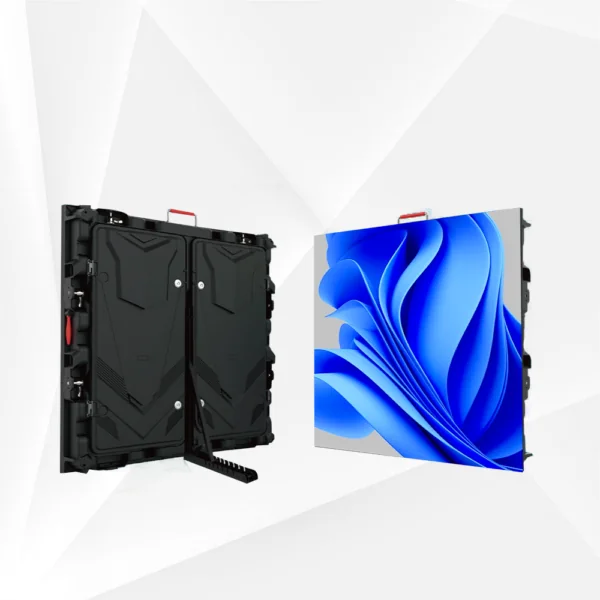
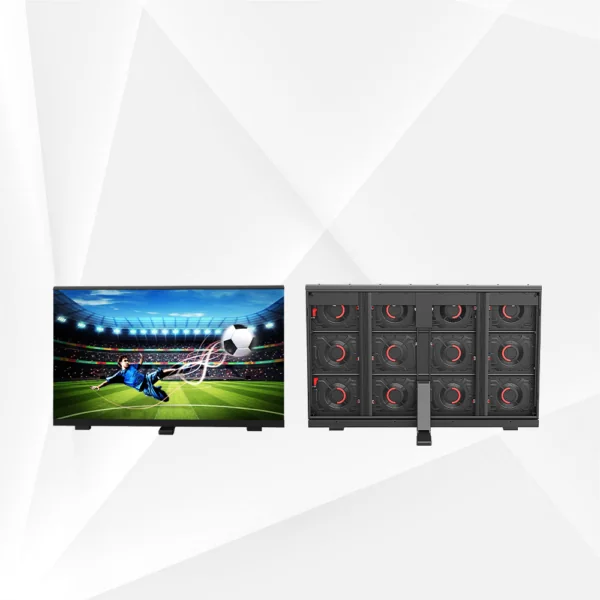
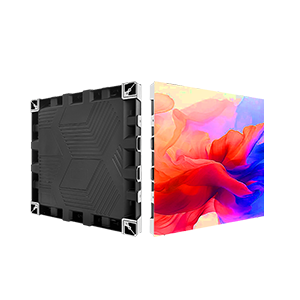
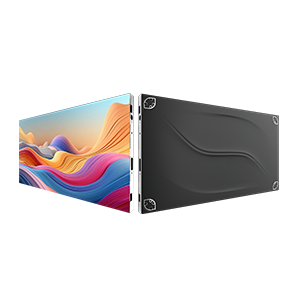
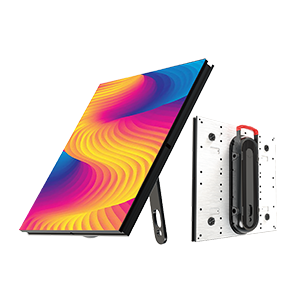
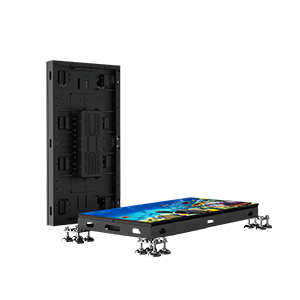
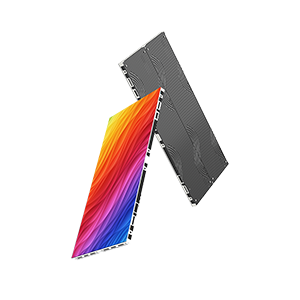
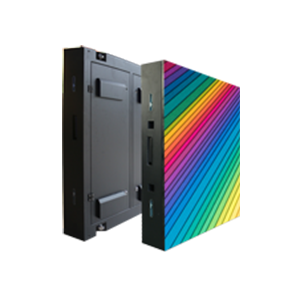
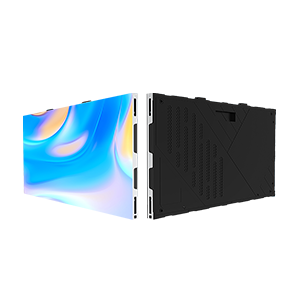
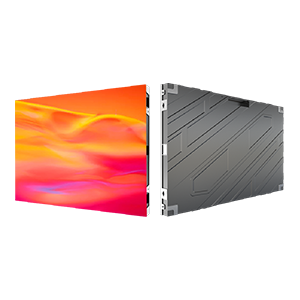
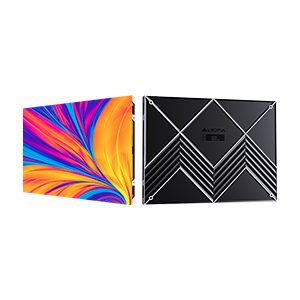
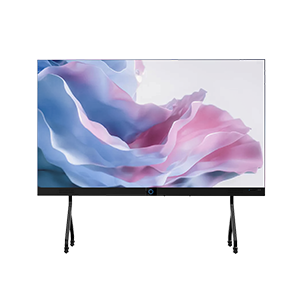
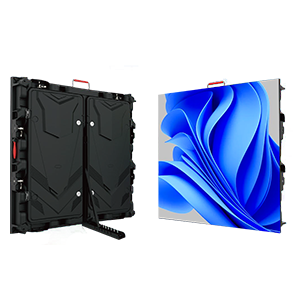
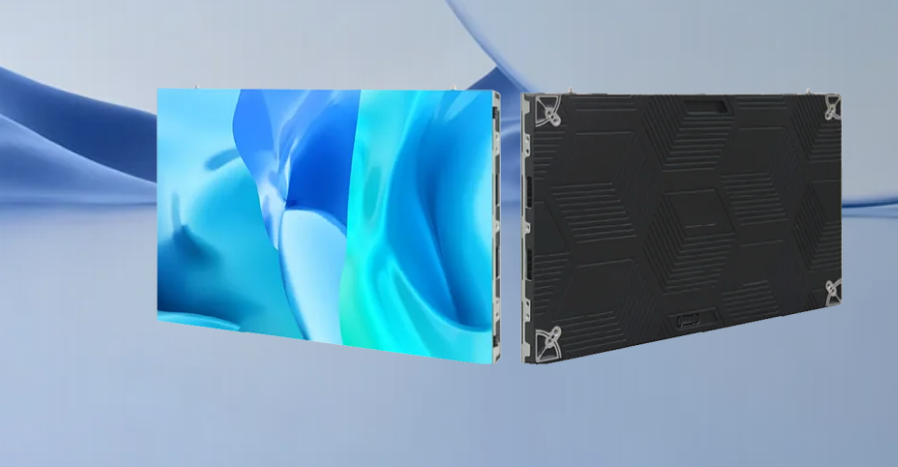
The superiority of LEDFUL’s COB series—featuring a size of 600×337.5mm—ensures a premium quality that is elegant in appearance and practical in utility. These displays facilitate faster setup, reducing labor costs, and simplifying installation. With options for wall-mounted, hanging, or floor-standing configurations, businesses can implement these solutions in various environments without the hassle of complicated cable management.
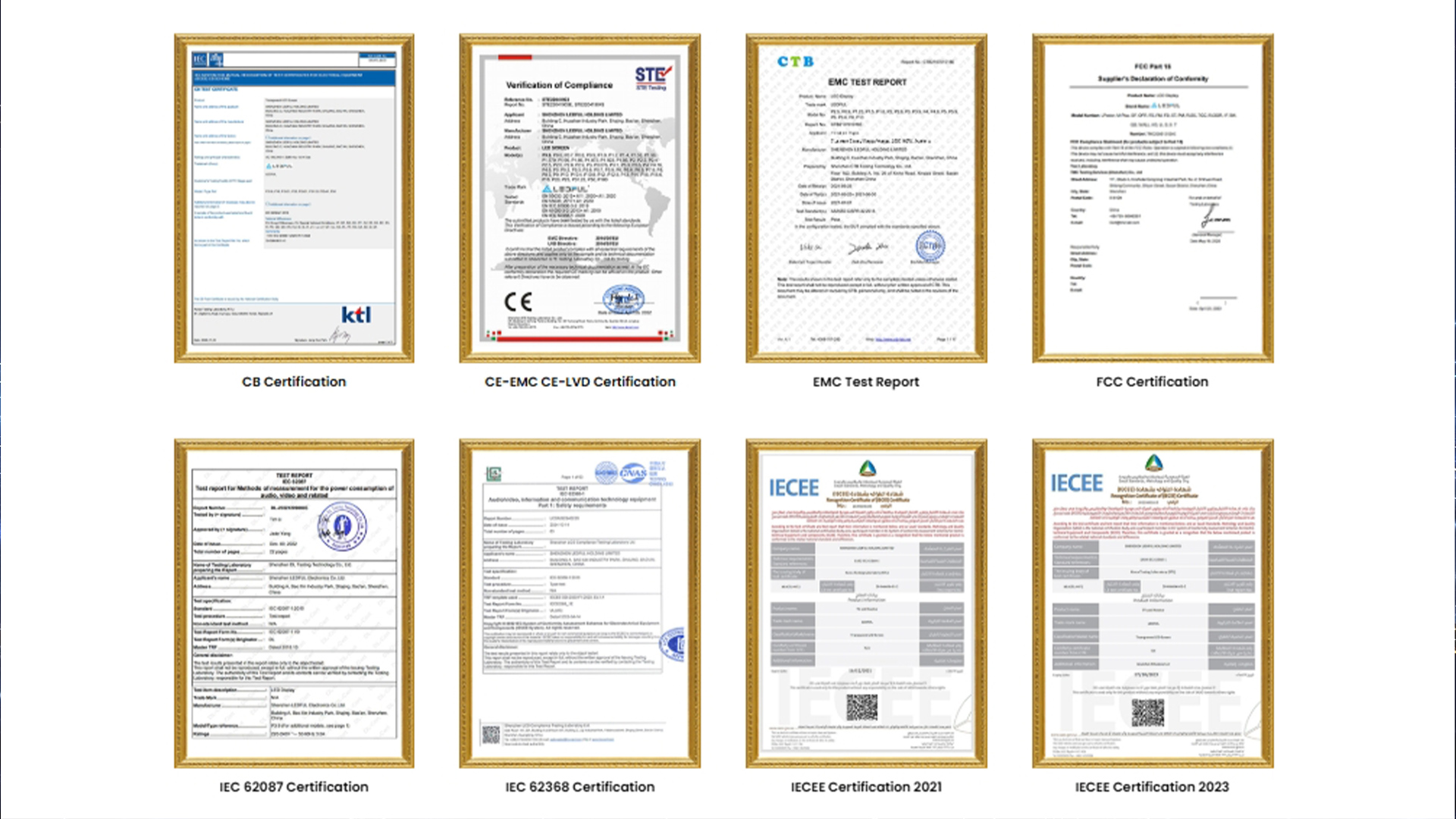
In addition, LEDFUL’s commitment to rigorous quality assurance means that all displays meet high performance standards, ensuring that companies invest in a product that will serve them well in the long run.
Making an Informed Choice: COB vs. GOB
In summary, while both GOB and COB technologies have their applications, COB displays, particularly those developed by LEDFUL, stand out in terms of durability, visual performance, and overall value. For businesses operating in the business market, prioritizing quality and reliability will ultimately yield greater returns. By selecting LEDFUL’s COB technology, companies can ensure that their investment in led displays aligns with their performance expectations and user needs. Understanding these differences empowers businesses to make decisions that enhance their operations and improve customer experiences.