













Selecting the right visual equipment for indoor environments requires a clear understanding of technical specifications and application needs. Unlike outdoor setups, indoor led displays operate in controlled lighting conditions where factors like viewing distance, color accuracy, and installation space become paramount. At LEDFUL, we frequently assist clients in navigating these decisions, ensuring they invest in technology that delivers long-term performance. This guide breaks down the essential specs to consider, helping you match the screen to your specific business objectives.
Pixel Pitch and Viewing Distance Matter Most
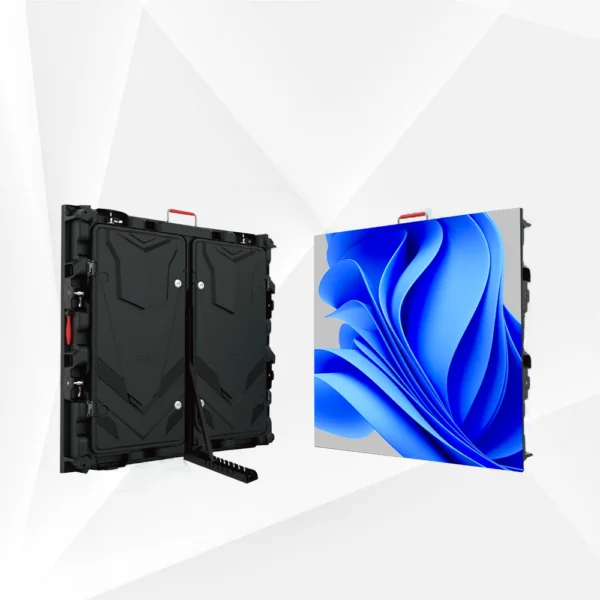
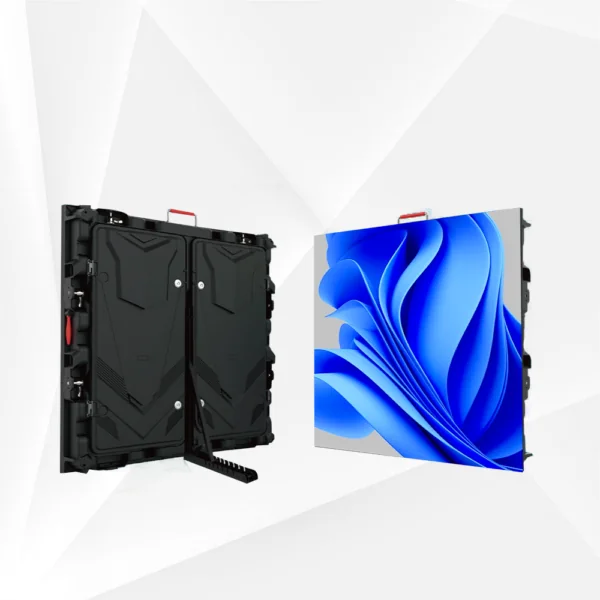
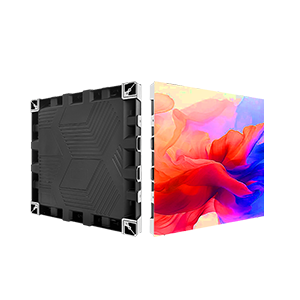
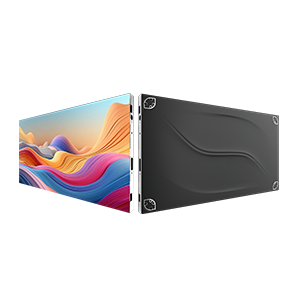
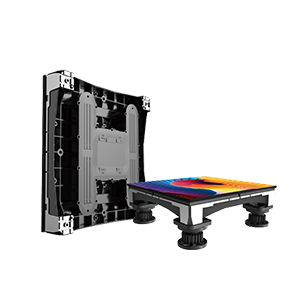
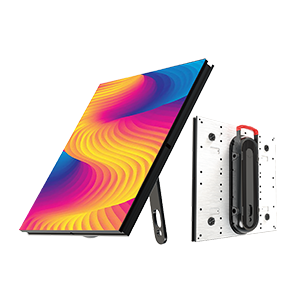
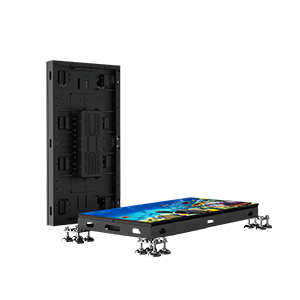
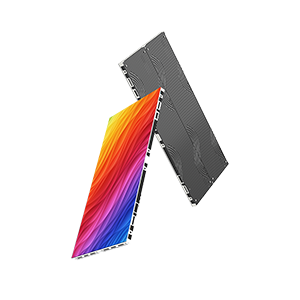
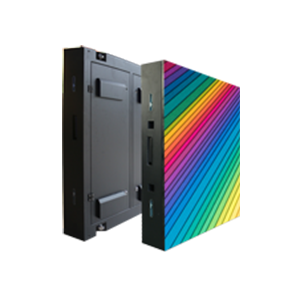
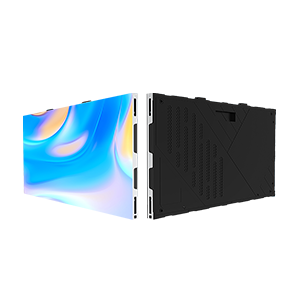
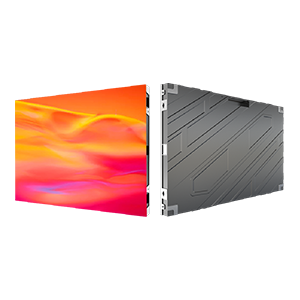
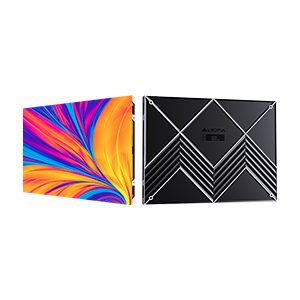
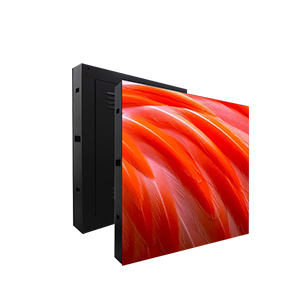
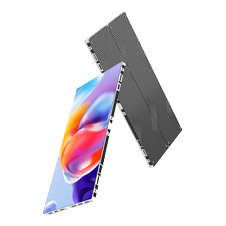
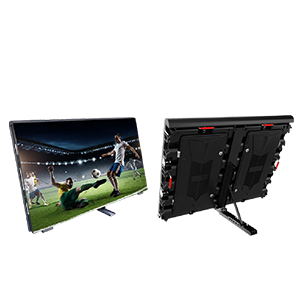
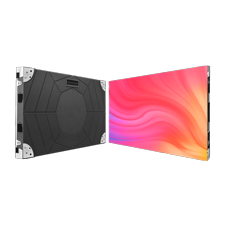
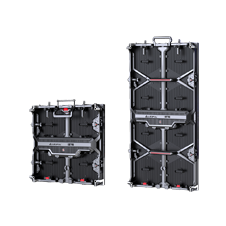
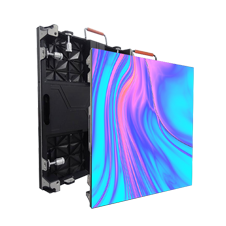
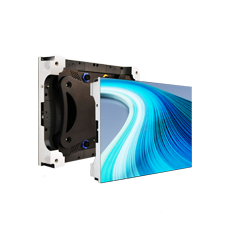
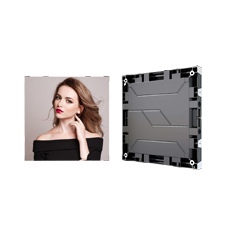
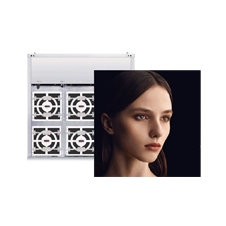
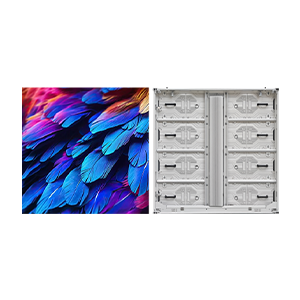
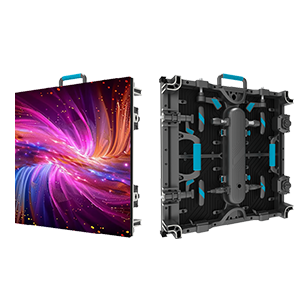
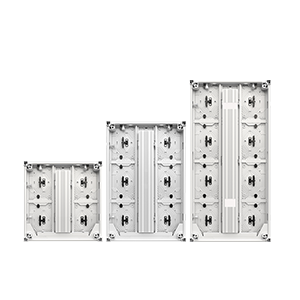
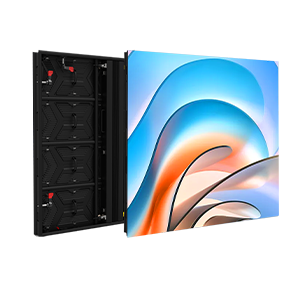
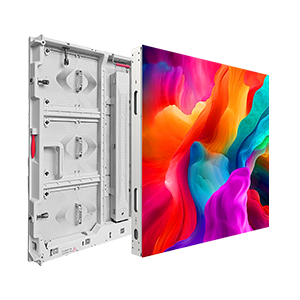
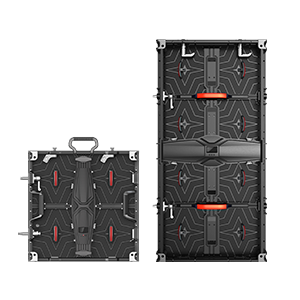
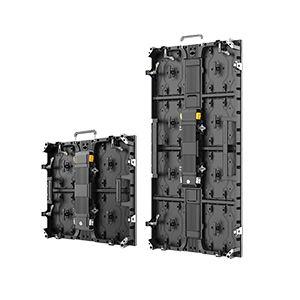
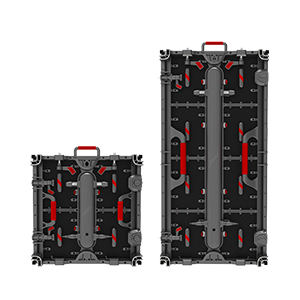
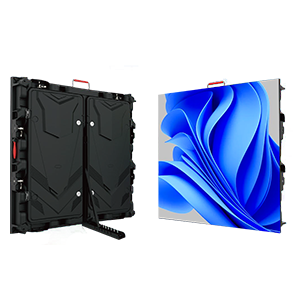
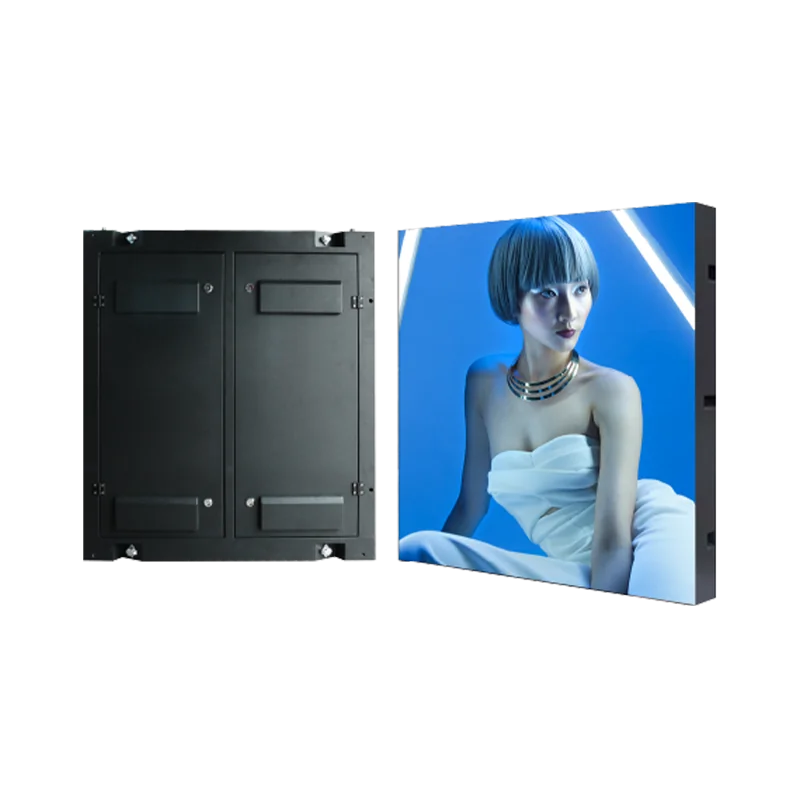
When evaluating any indoor led display screen, pixel pitch is arguably the most critical specification. Pixel pitch refers to the distance in millimeters between individual LED pixels, and it directly determines the screen’s resolution and optimal viewing distance. A smaller pixel pitch, such as P1.2 or P1.5, packs more pixels into the same area, resulting in sharper images suitable for close-up viewing in corporate lobbies or control rooms. For larger venues like hotel ballrooms or retail spaces where viewers stand farther back, a slightly larger pitch may suffice without sacrificing perceived quality. The BM PRO Series from LEDFUL exemplifies this precision engineering. Featuring a die-casting aluminum module sized at 480*320mm, this indoor led display screen achieves exceptional flatness and seamless assembly, which enhances image clarity regardless of the content displayed. Always calculate your average viewer distance first, then select a pixel pitch that balances budget with visual fidelity.
Brightness Levels and Visual Comfort
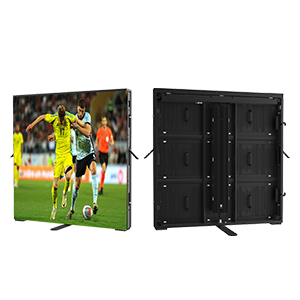
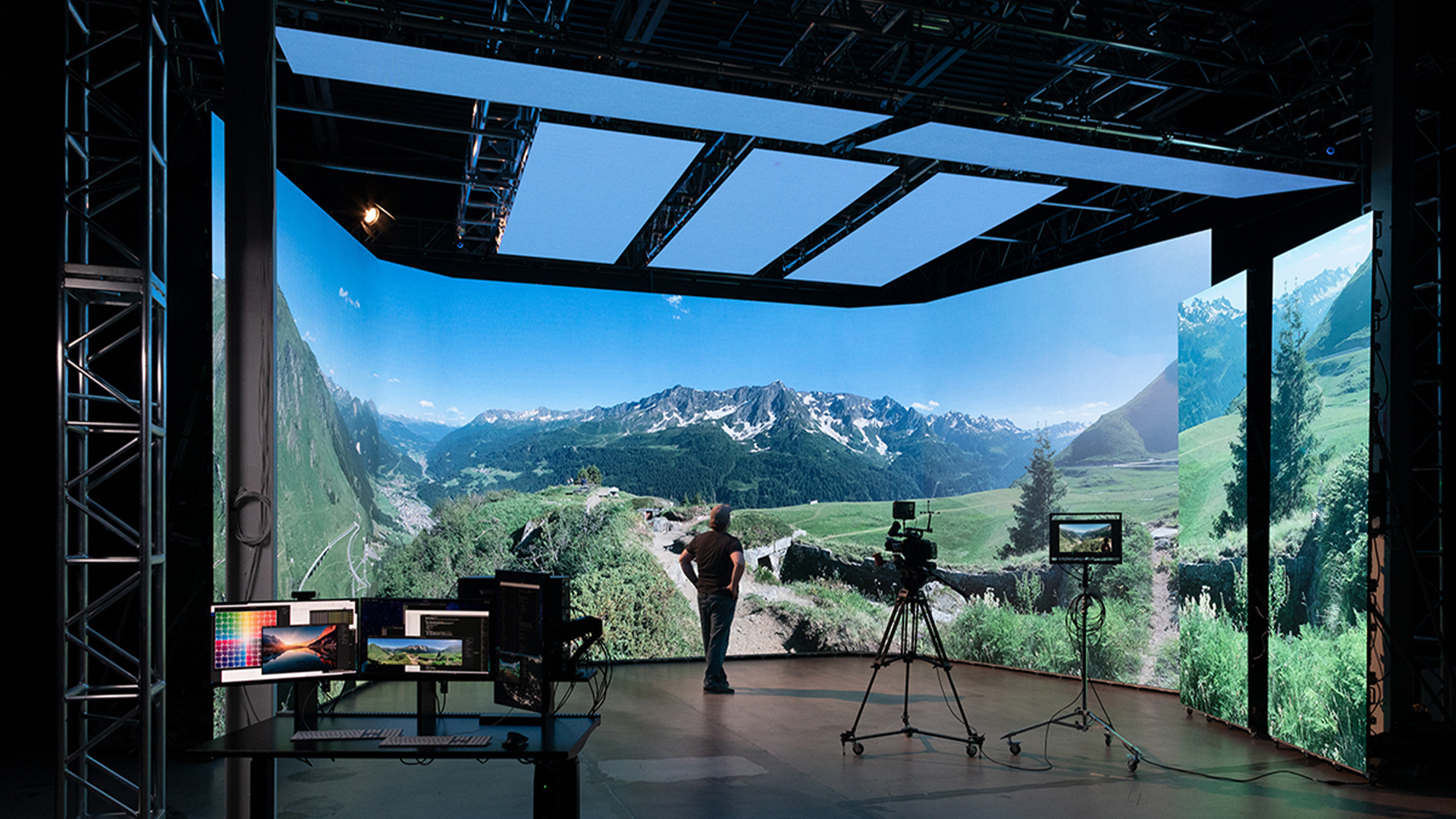
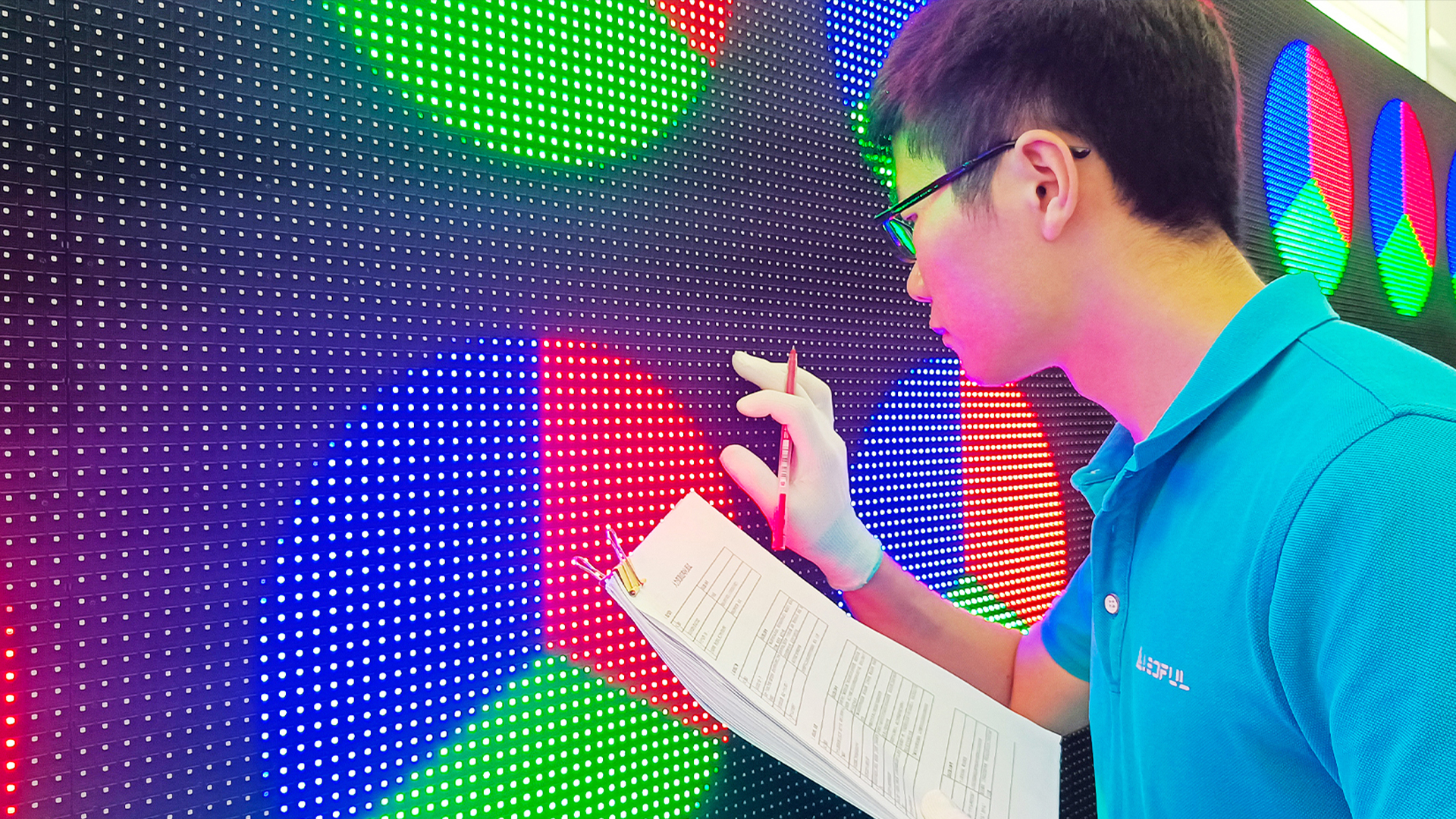
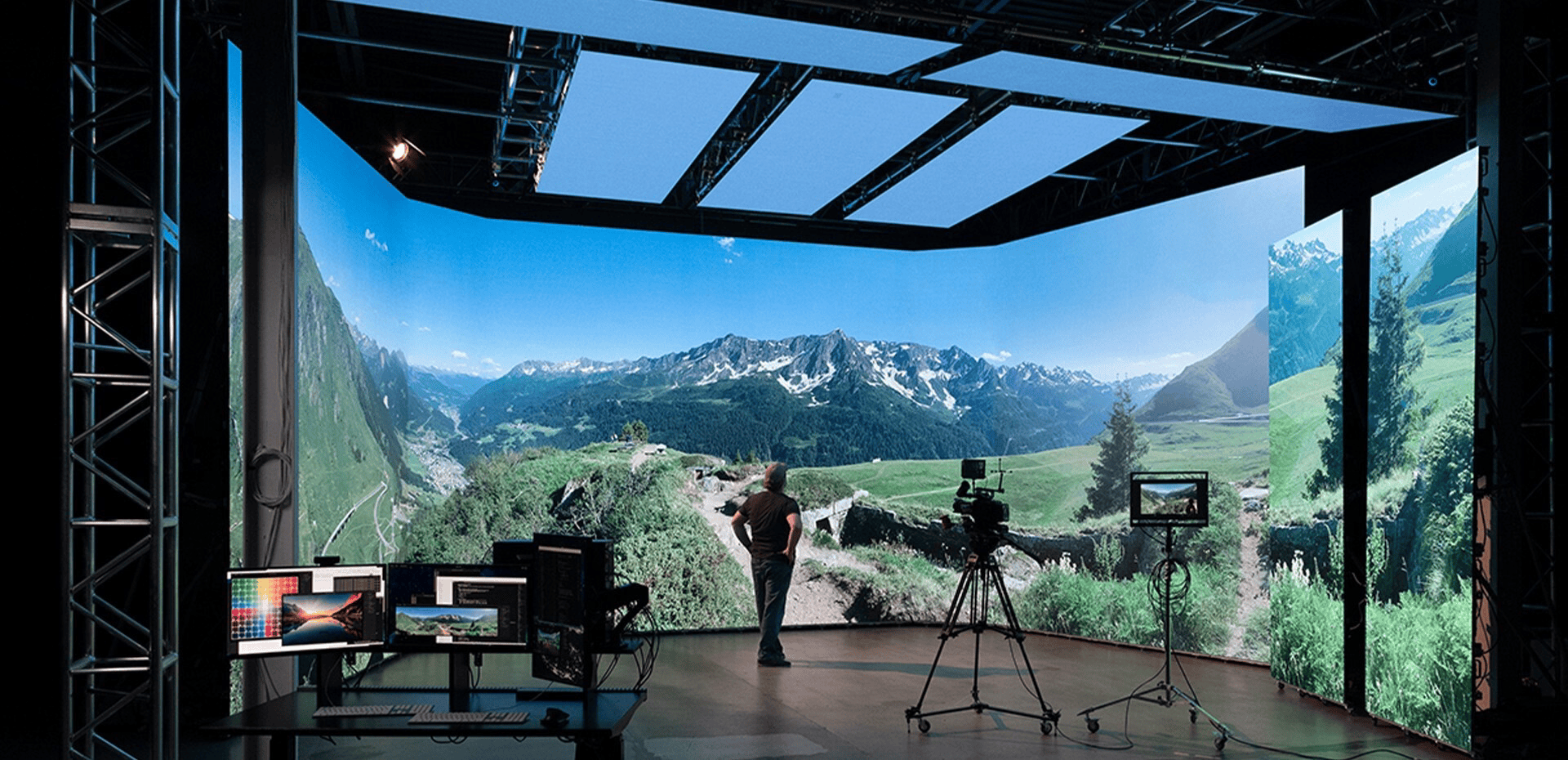
While outdoor screens battle sunlight, indoor led displays must strike a different balance—delivering sufficient brightness without causing eye strain. Excessive luminance in a dimly lit conference room can lead to viewer fatigue, whereas insufficient brightness in a brightly lit shopping mall may render content dull. Modern indoor led displays should offer adjustable brightness controls, typically ranging from 600 to 1,500 nits, allowing you to adapt to ambient lighting conditions. Additionally, high refresh rates and grayscale processing contribute to smoother motion and richer color reproduction. The BM PRO Series incorporates advanced driver technology that ensures flicker-free operation, making it suitable for extended viewing sessions in boardrooms or broadcast studios. At LEDFUL, we recommend testing brightness uniformity across the entire panel, as inconsistencies can distract viewers and diminish message impact.
Build Quality and Thermal Performance
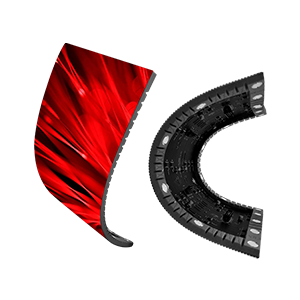
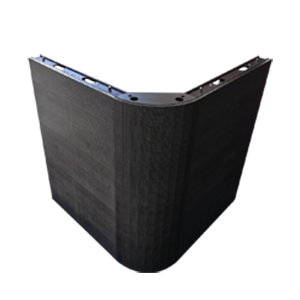
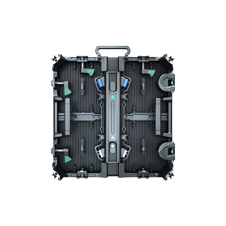
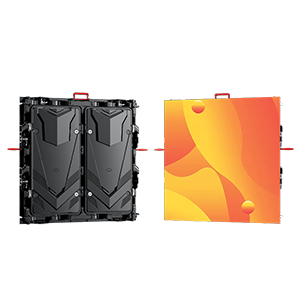
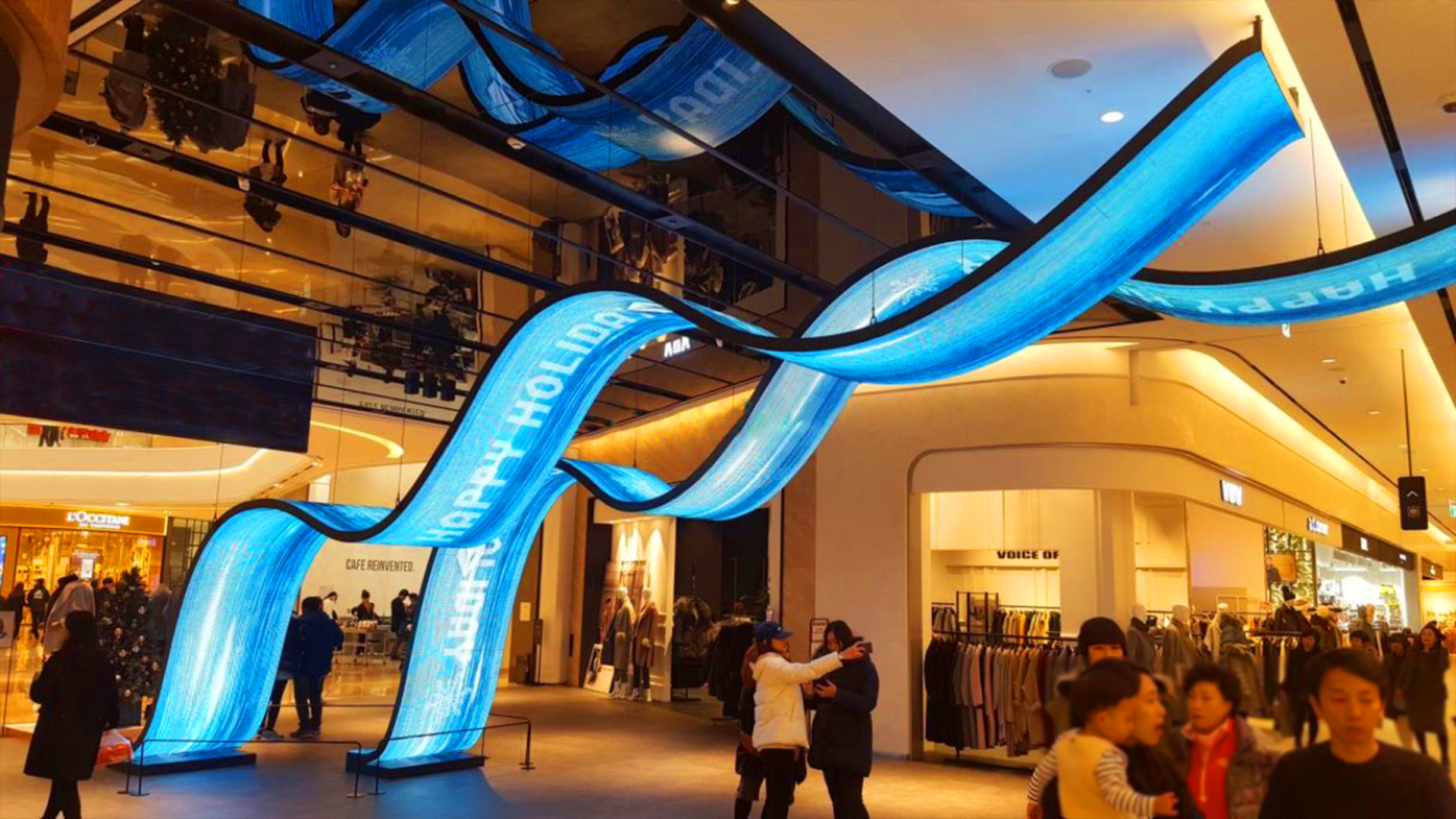
The physical construction of an indoor led display screen influences not only its lifespan but also installation flexibility. Lightweight and slim designs reduce structural load and enable creative mounting options, such as flush wall integration or curved configurations. Aluminum construction, as seen in the BM PRO Series modules, offers superior heat dissipation compared to traditional materials, ensuring components remain cool during prolonged use. This thermal efficiency directly contributes to reliability and prevents premature color degradation. Furthermore, the BM PRO Series eliminates HUB connection cables, simplifying wiring and reducing potential failure points. Its aluminum module achieves a 5VB fireproofing level, adding an essential safety layer for indoor public spaces. When comparing products, prioritize displays with robust thermal management and fire-resistant ratings, as these factors safeguard both your investment and your audience.
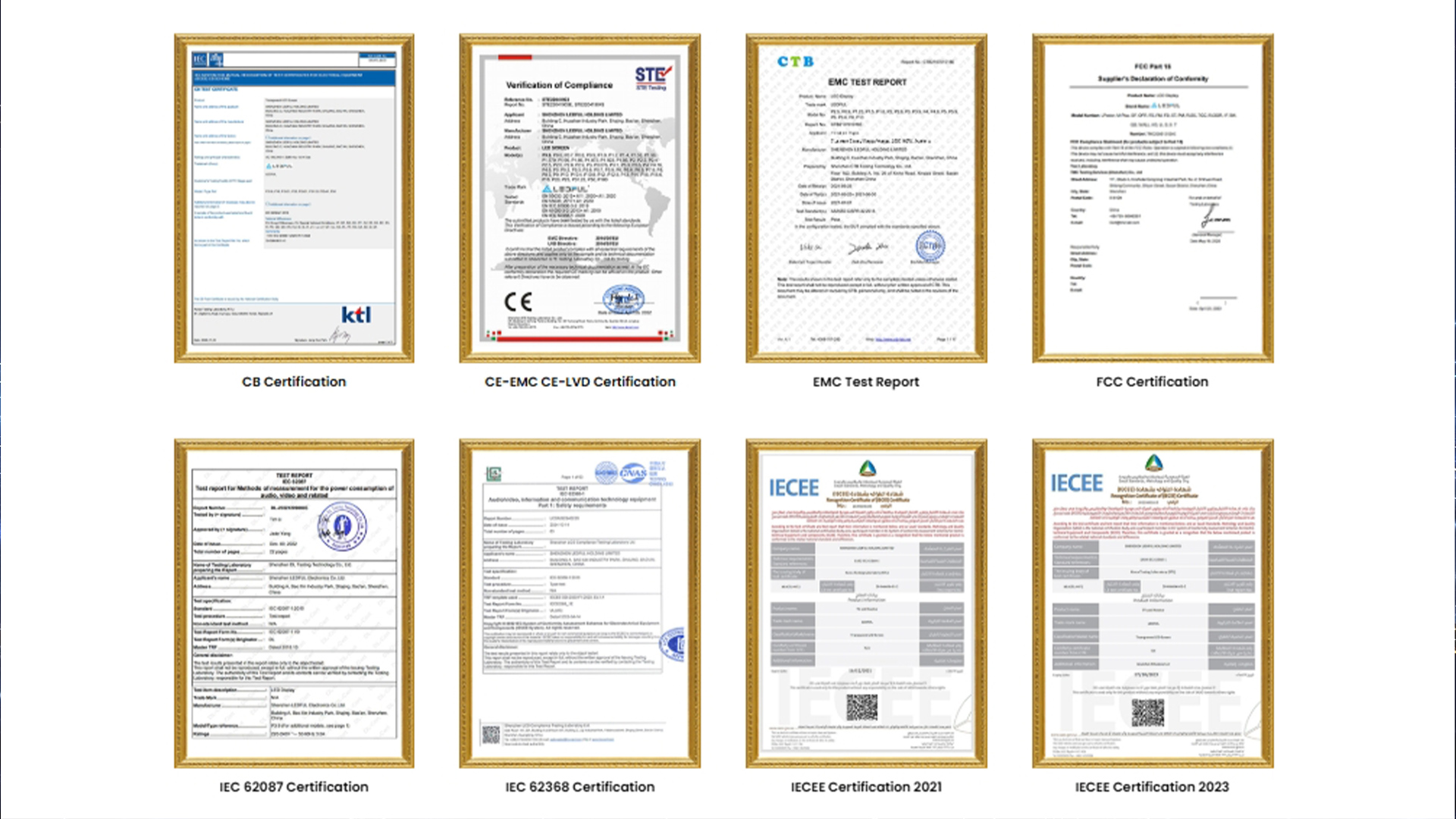
Choosing the right indoor led displays involves more than comparing price tags; it requires evaluating how technical specs align with your viewing environment and content goals. From pixel pitch and brightness to build materials and safety certifications, each element plays a role in the final user experience. The BM PRO Series from LEDFUL demonstrates how thoughtful engineering—such as lightweight aluminum modules and cable-free connections—can address these considerations effectively. By focusing on the specifications that truly matter for your application, you can secure a visual solution that performs reliably and impresses viewers for years to come.