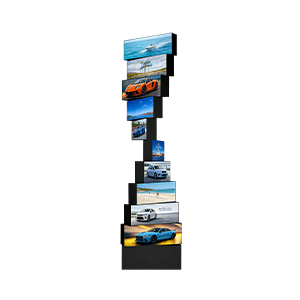
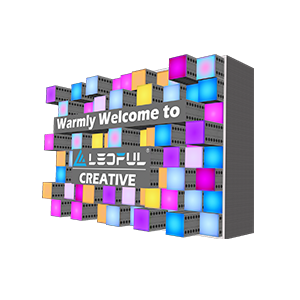
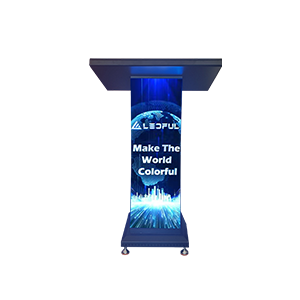




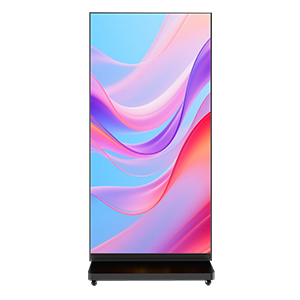
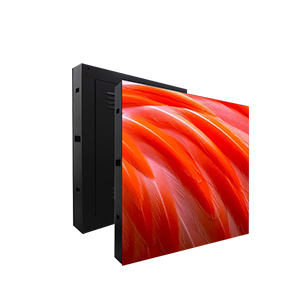
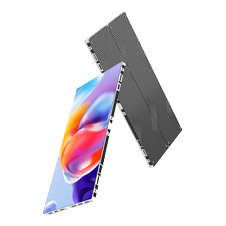
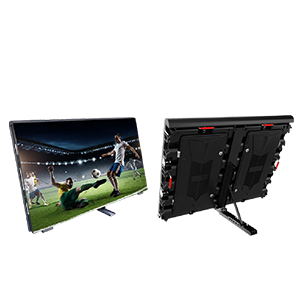
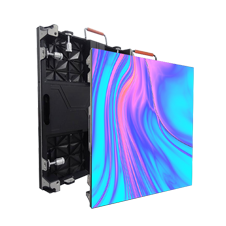
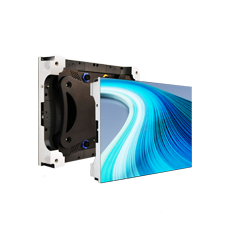
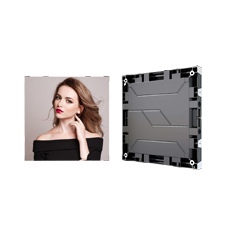


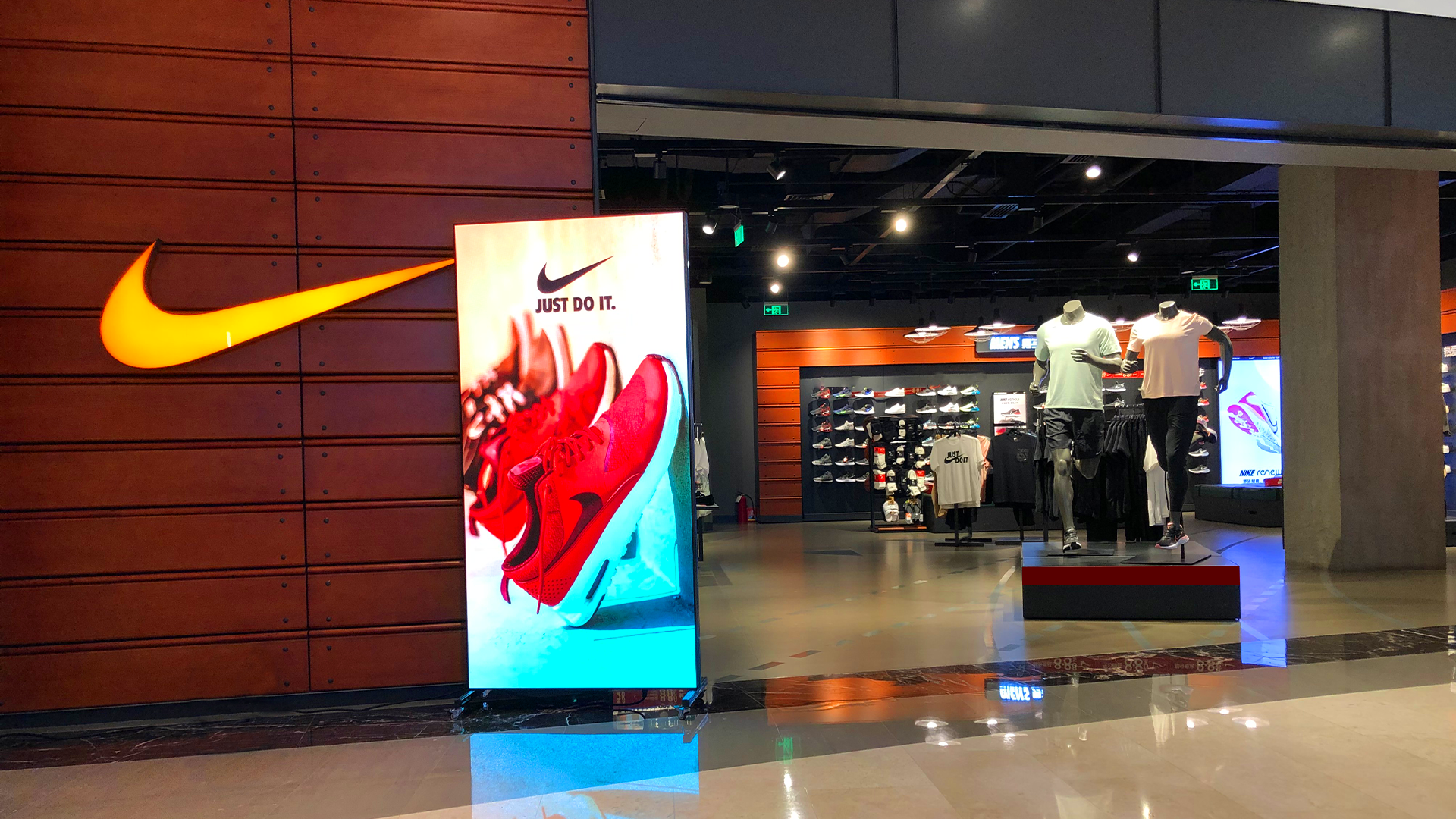
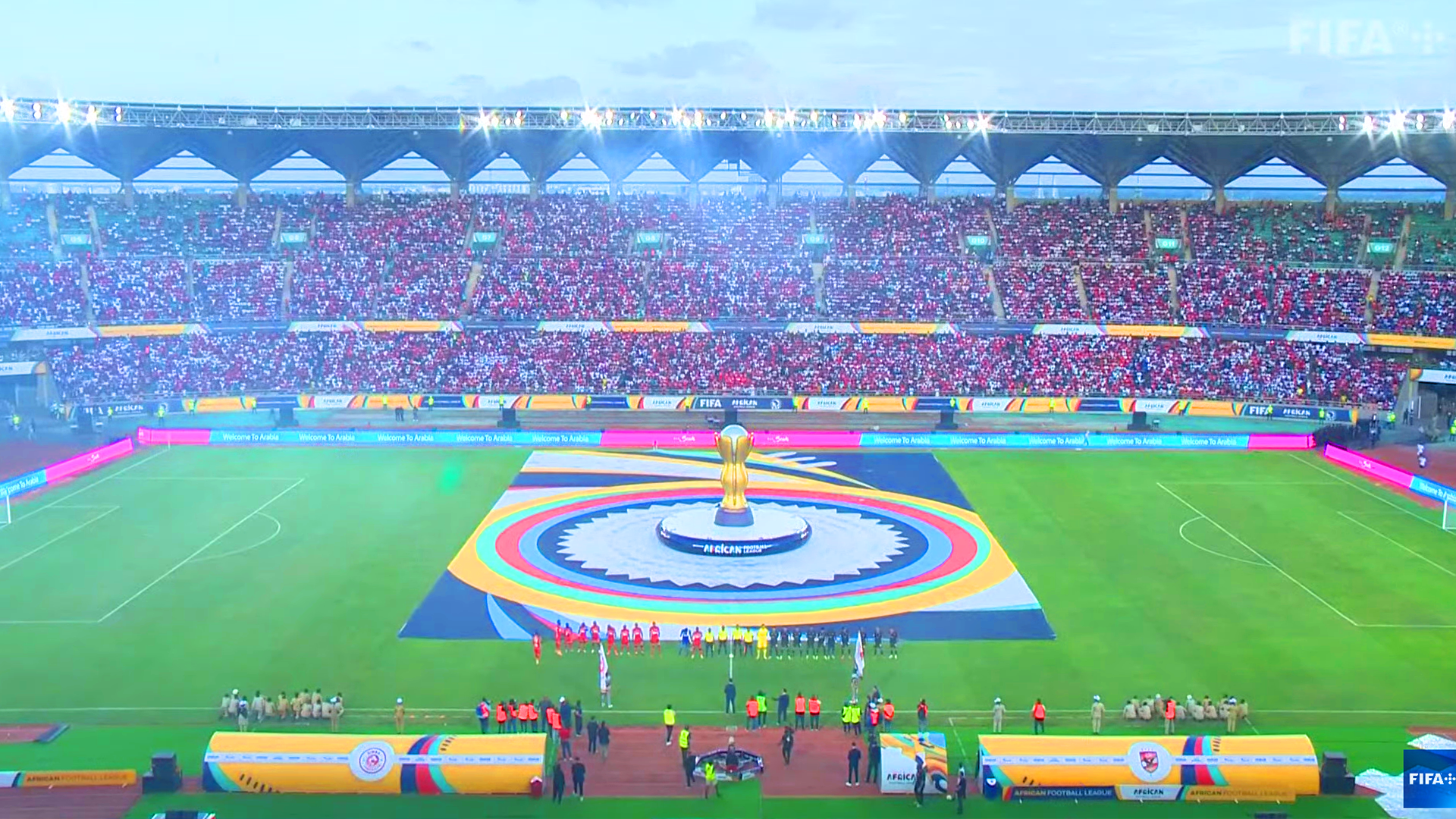
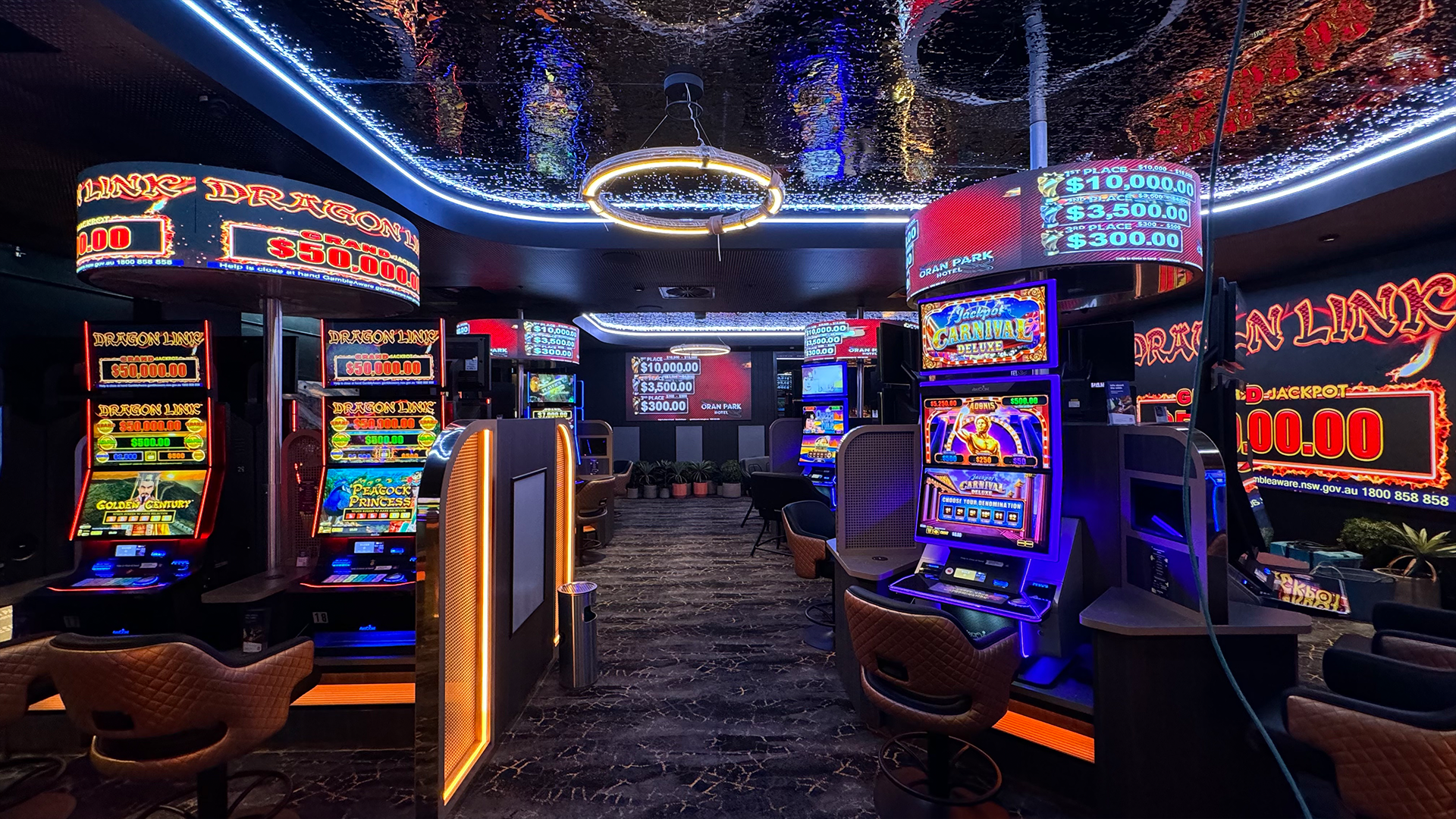
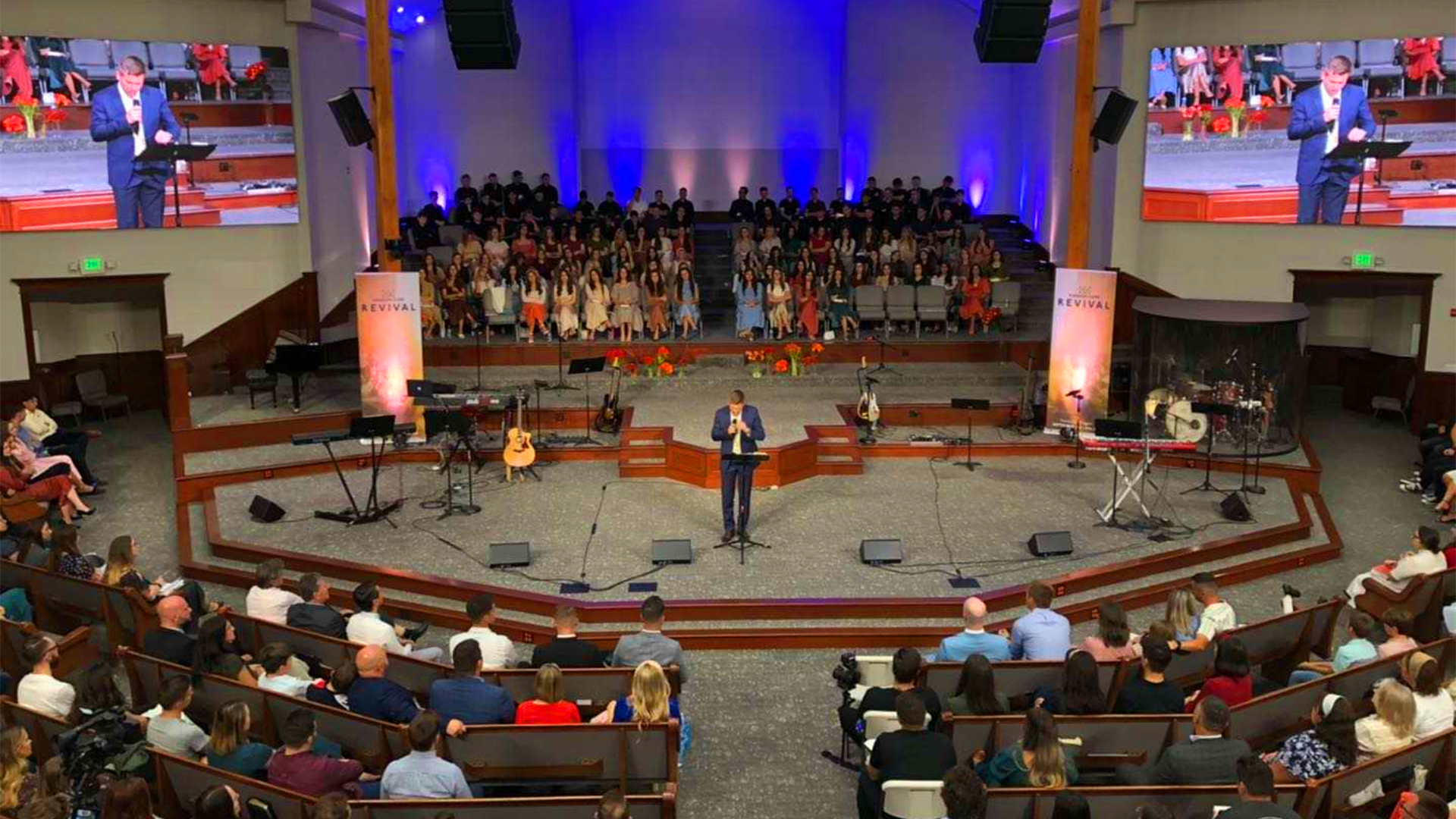
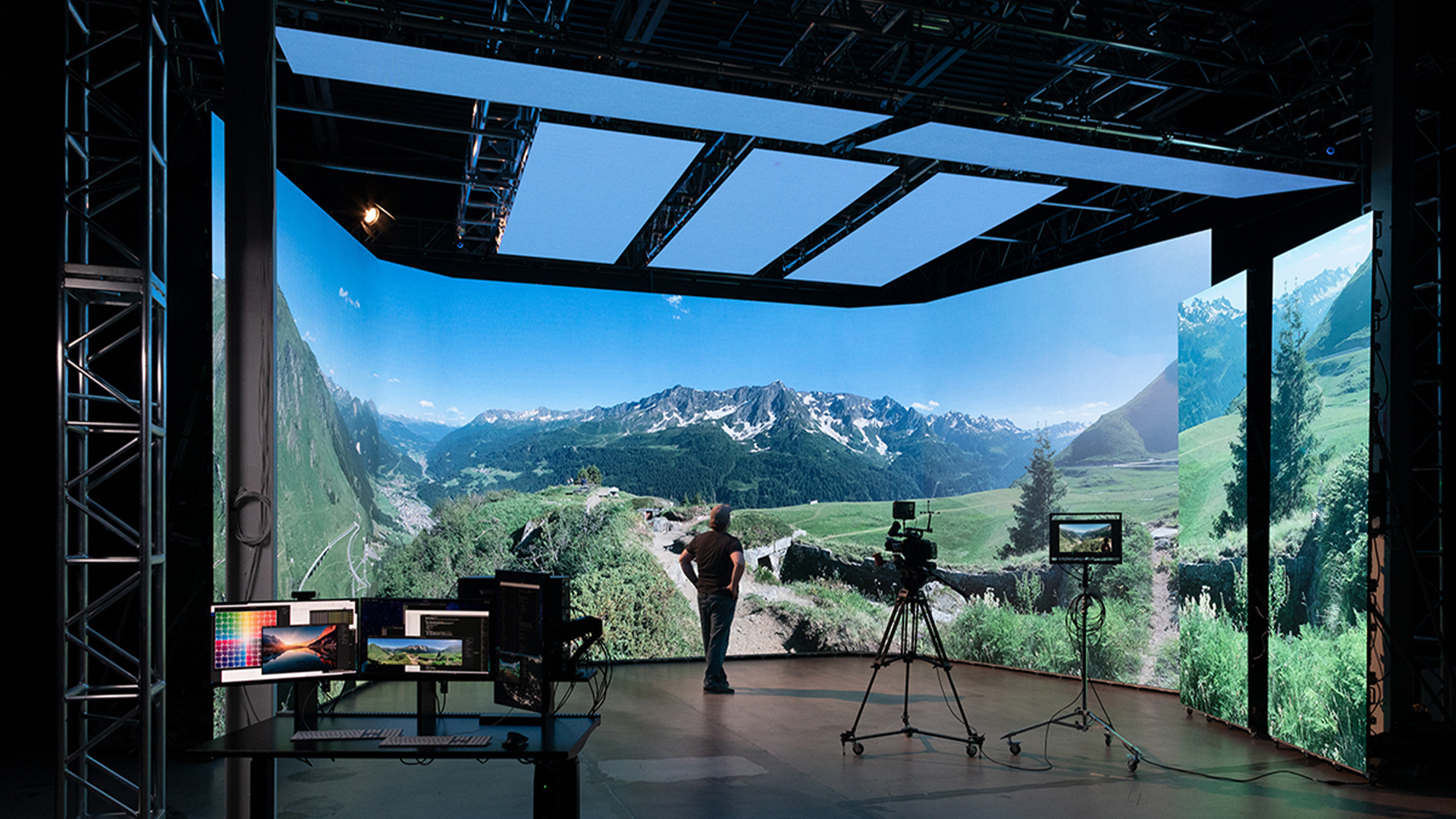
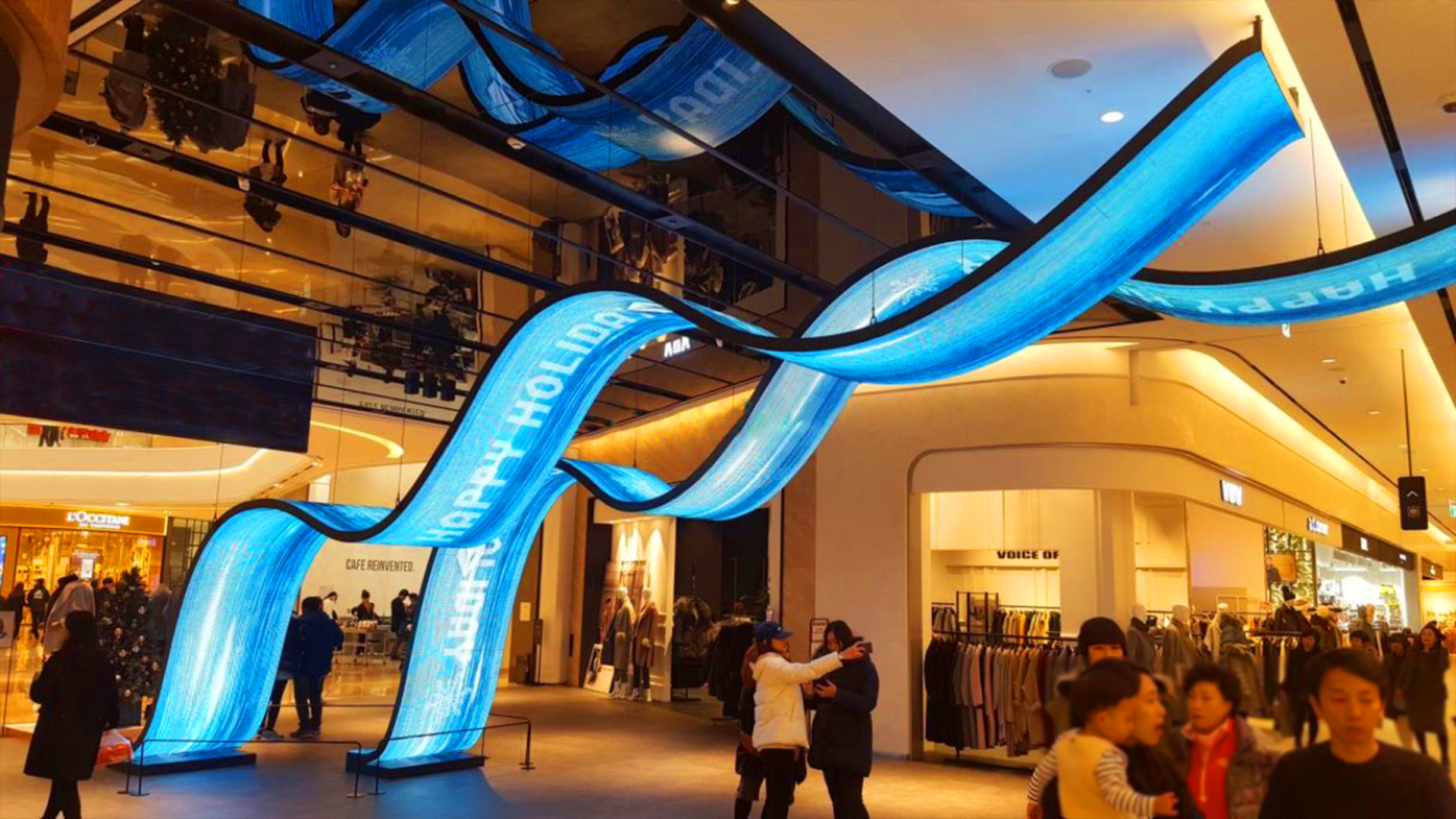




In the world of professional AV integration, the move toward seamless, high-brightness visual solutions has made the digital wall a centerpiece of modern interior architecture. For our partners, transitioning from traditional projectors or tiled LCD walls to an advanced LED system requires a firm grasp of specific technical vocabulary. At LEDFUL, we believe that an informed client is a successful partner. Understanding the core mechanics of an indoor LED display is essential for selecting a solution that aligns with your project goals, whether you are outfitting a high-end corporate boardroom, a retail flagship, or a broadcast studio.
1. Pixel Pitch: The Foundation of Resolution
Perhaps the most critical term in the industry is “pixel pitch.” Pixel pitch (often denoted as ‘P’ followed by a number, such as P1.2 or P2.5) refers to the distance in millimeters from the center of one LED cluster to the center of the next. The smaller the pitch, the higher the pixel density and the closer the “minimum viewing distance” becomes. For professional indoor LED displays, the trend is toward “Fine Pitch” or “Small Pitch” technology.
2. SMD Technology: The Standard for Indoor Excellence
Surface Mount Device (SMD) technology is the backbone of high-quality indoor screens. Unlike the bulky DIP LEDs used in some outdoor billboards, SMD LEDs integrate the Red, Green, and Blue chips into a single, tiny package. This allows for much tighter pixel spacing and superior color blending.
3. Refresh Rate and Grayscale: Ensuring Visual Fluidity
For our clients in the broadcast and event industries, “Refresh Rate” and “Grayscale” are paramount. The refresh rate, measured in Hertz (Hz), indicates how many times per second the hardware updates the image. A standard refresh rate might be 1920Hz, but for professional applications, we prioritize rates of 3840Hz or higher. This eliminates “flicker” on camera, which is essential for any space where video conferencing or social media filming will occur.
Grayscale refers to the display’s ability to show smooth transitions between colors and shades. A high grayscale (typically 14-bit to 16-bit) allows the screen to render deep blacks and subtle gradients without “banding” or “blocking.” At LEDFUL, we ensure our indoor displays maintain high grayscale even at low brightness levels—a common challenge for inferior screens that can make an image look “muddy” in a dimmed office environment.
4. Aspect Ratio and Cabinet Modularity
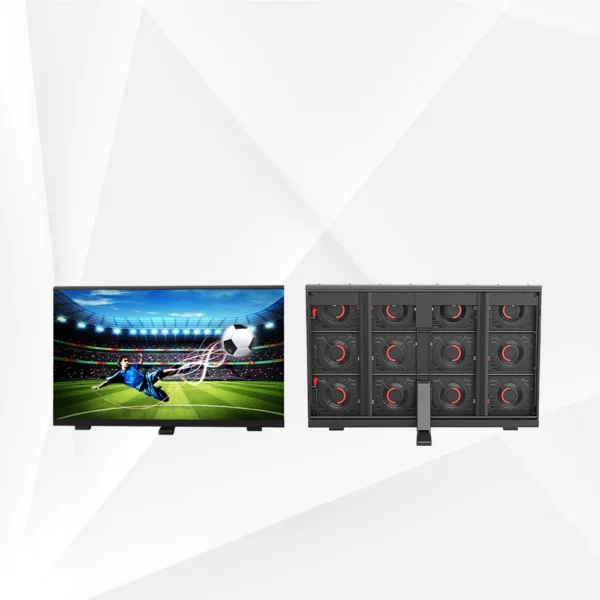
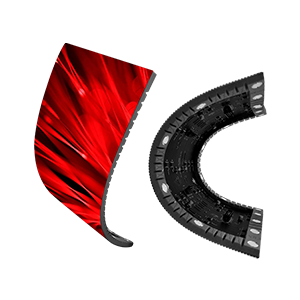
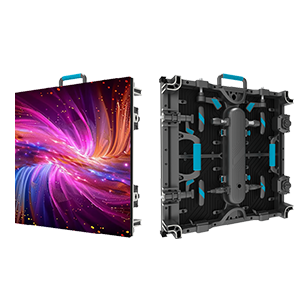
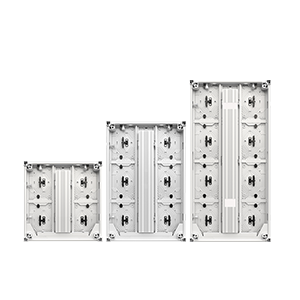
Unlike consumer televisions, professional indoor LED displays are built using a modular cabinet system. This allows for the creation of displays in any size or shape. However, maintaining a standard 16:9 aspect ratio is often preferred for compatibility with standard video content (HD, 4K, 8K).
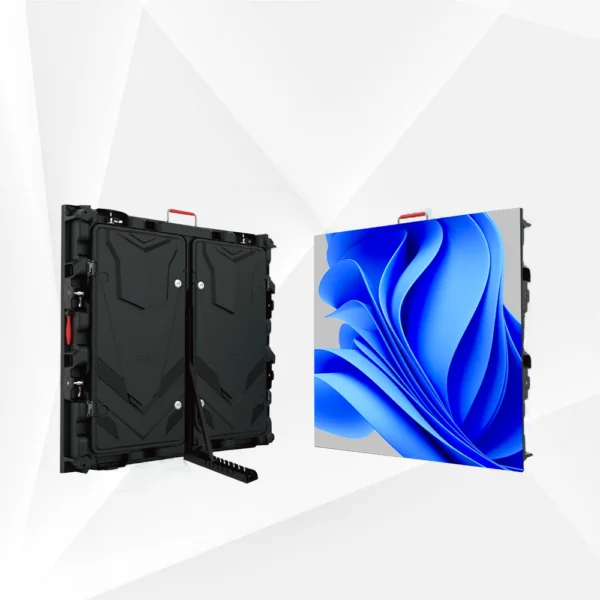
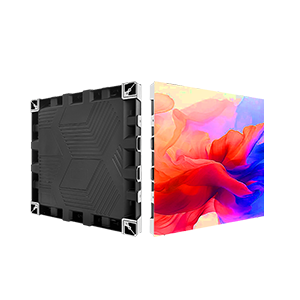
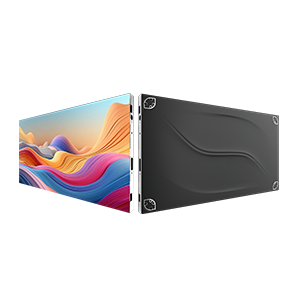
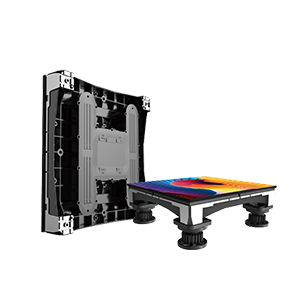
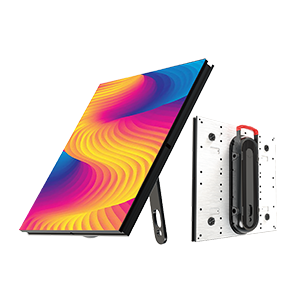
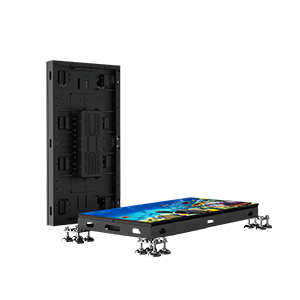
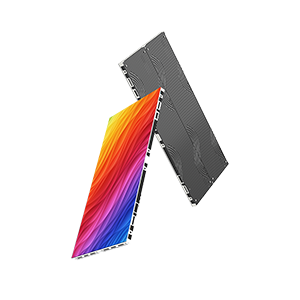
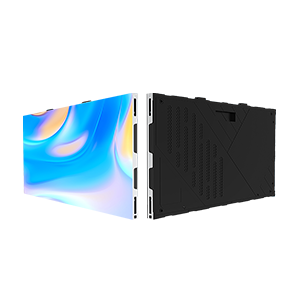
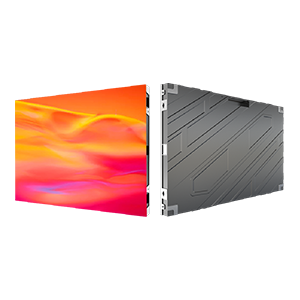
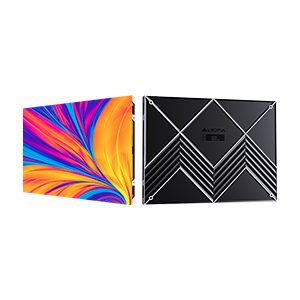
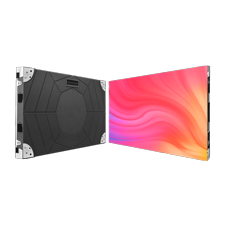
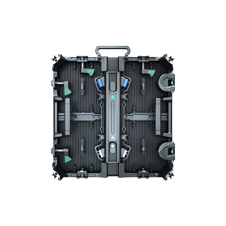
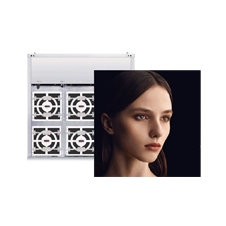
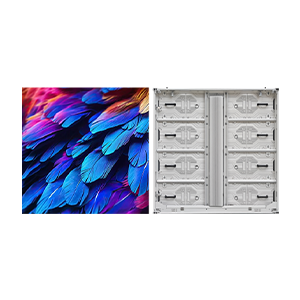
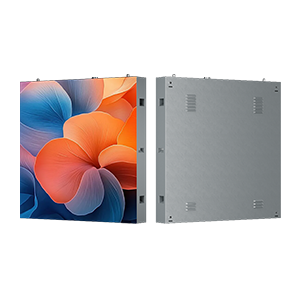
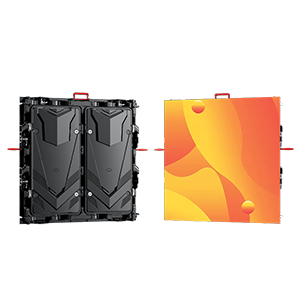
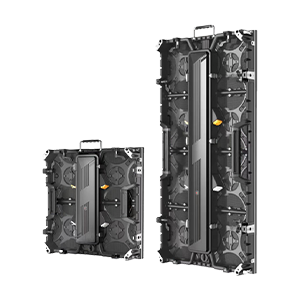
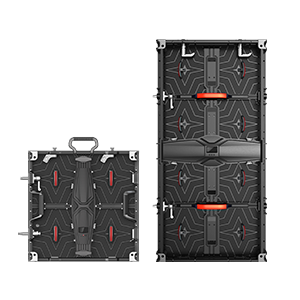
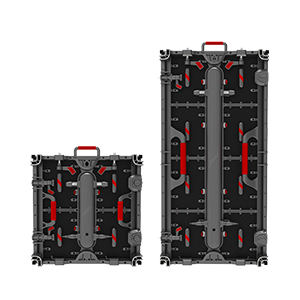
Our cabinet designs, such as the 16:9 aspect ratio series, allow for the seamless assembly of panels into a “Golden Ratio” configuration. This modularity also relates to “Die-Cast Aluminum” construction. We utilize precision-engineered aluminum cabinets rather than sheet metal to ensure that when the panels are joined, the seams are invisible. This structural integrity is what allows a LEDFUL wall to appear as a single, monolithic piece of glass rather than a collection of smaller squares.
5. Maintenance Access: Front-Serviceable Design
In indoor environments, space is often at a premium. Many screens are mounted directly onto walls or integrated into custom cabinetry where there is no room for a technician to stand behind the display. This has led to the development of “Front Service” technology.
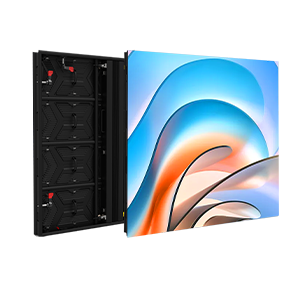
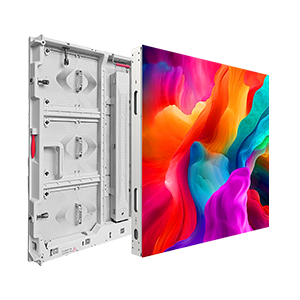
A front-serviceable indoor LED display allows the LED modules, power supplies, and receiving cards to be removed from the front using a vacuum suction tool or a specialized magnetic tool. This design philosophy is central to our indoor product development at LEDFUL. It significantly reduces the complexity of installation and ensures that if a component ever needs replacing, the downtime is measured in minutes rather than hours, with no need to tear down the mounting structure.
6. Contrast Ratio and “Black LED” Technology
The contrast ratio is the difference between the brightest white and the darkest black a screen can produce. For indoor environments with controlled lighting, high contrast is the key to “pop.” We often utilize “Black LED” technology—where the casing of the SMD LED itself is black rather than white.
Black LEDs significantly improve the contrast by absorbing ambient light rather than reflecting it. This results in much deeper blacks and more vivid colors, which is critical for luxury retail environments and high-end corporate presentations. When you specify a LEDFUL indoor wall, you are choosing a system designed to maintain high-impact visuals even in brightly lit lobbies or glass-walled showrooms.
Conclusion: Making the Right Choice for Your Interior Space
Navigating the technical landscape of indoor display technology is about understanding how these concepts—pitch, refresh rate, modularity, and serviceability—interact to create a seamless visual experience. For the professional, these aren’t just specifications; they are the parameters that define the longevity and effectiveness of your digital investment.
At LEDFUL, we are committed to simplifying this complexity for our partners. By focusing on precision engineering and user-centric design, we provide indoor solutions that are as easy to maintain as they are beautiful to watch. Whether you are building a collaborative workspace or a stunning digital landmark, understanding these key concepts is your first step toward a successful installation. Let us help you translate your vision into a high-definition reality.