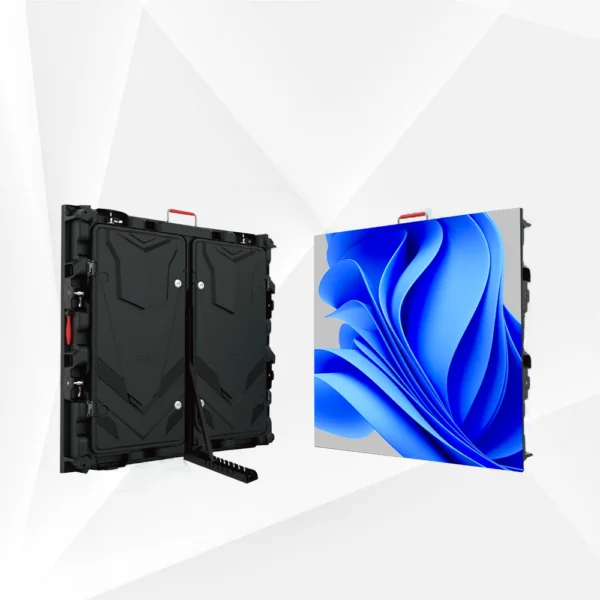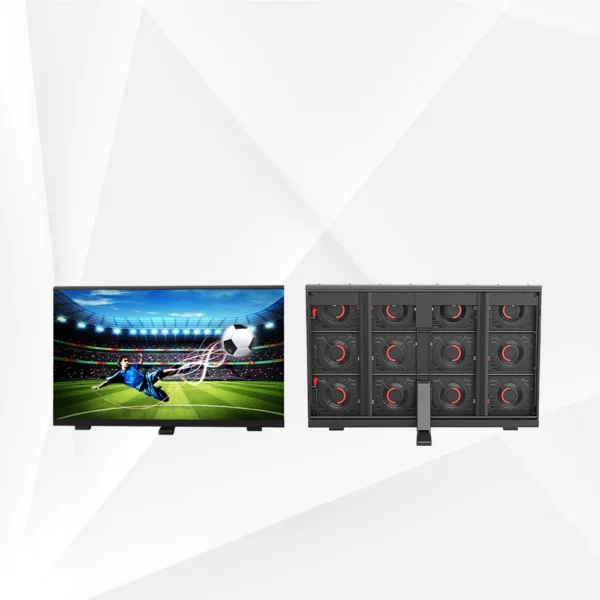







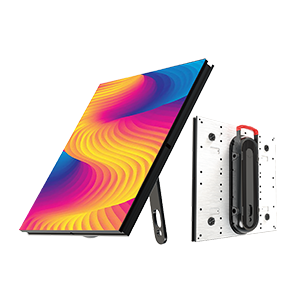
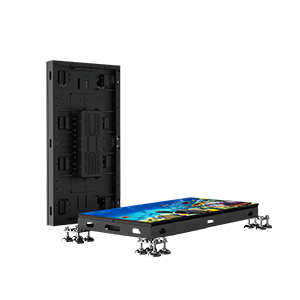
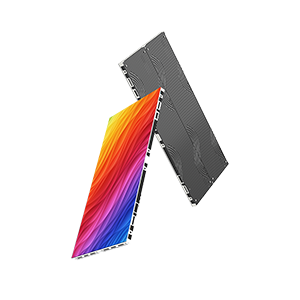
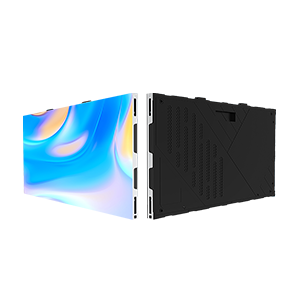
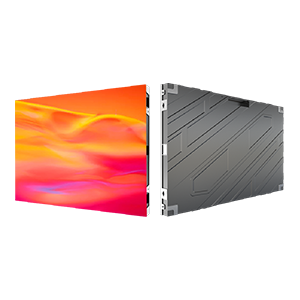
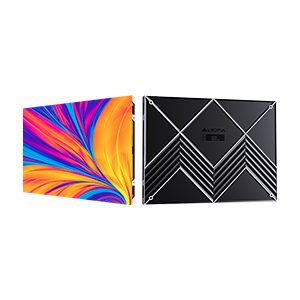
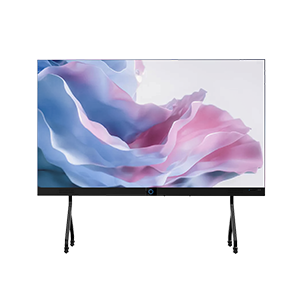
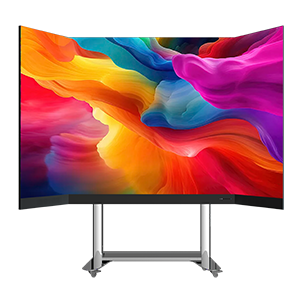
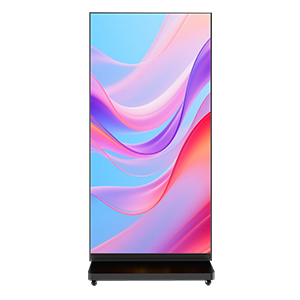
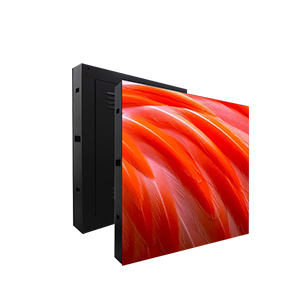
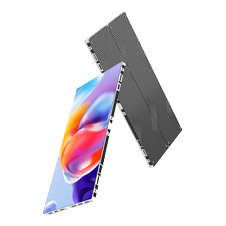
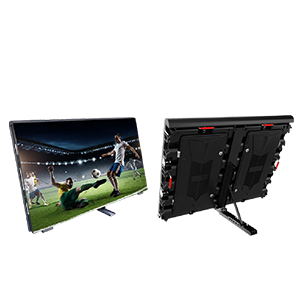
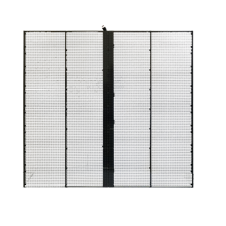
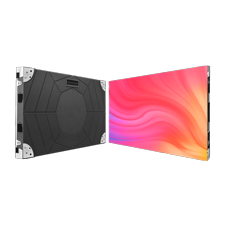
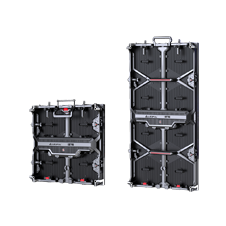
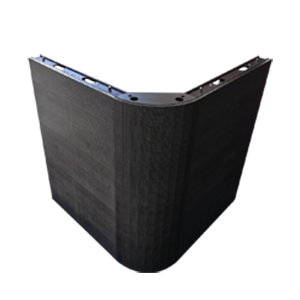
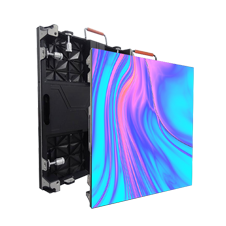
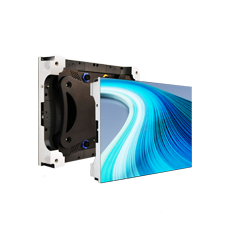
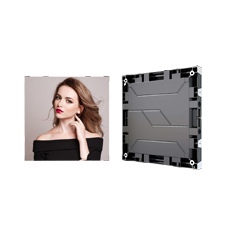
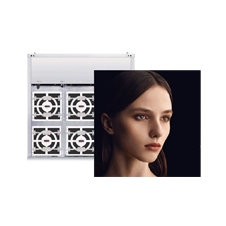
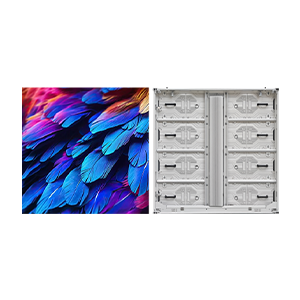
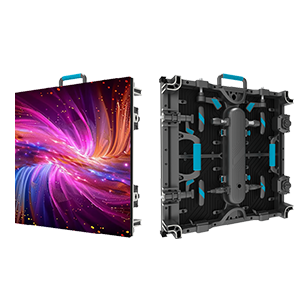
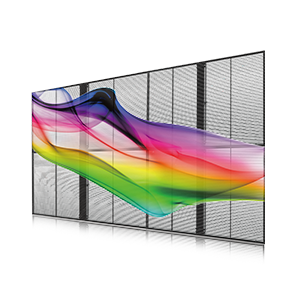

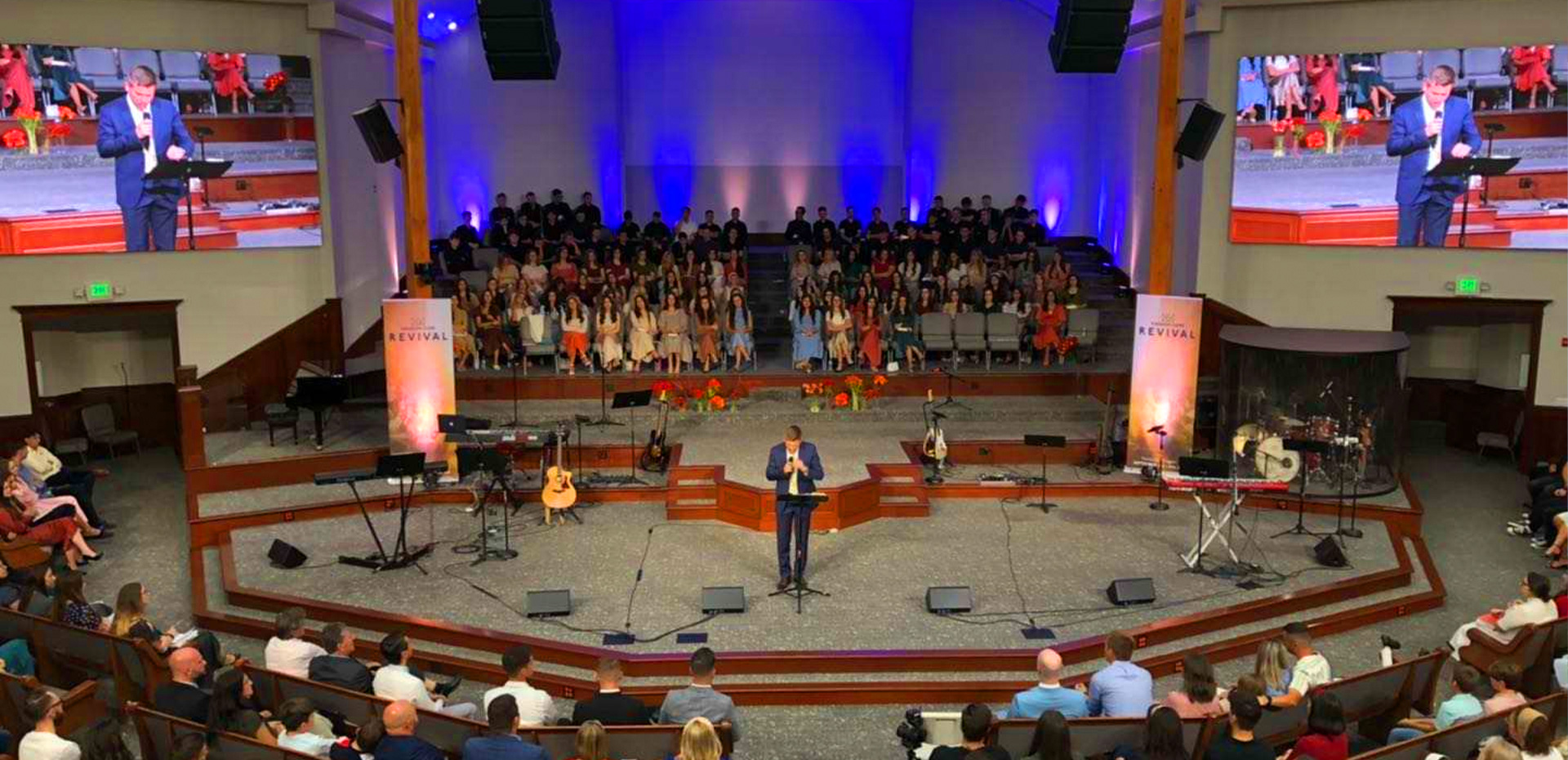
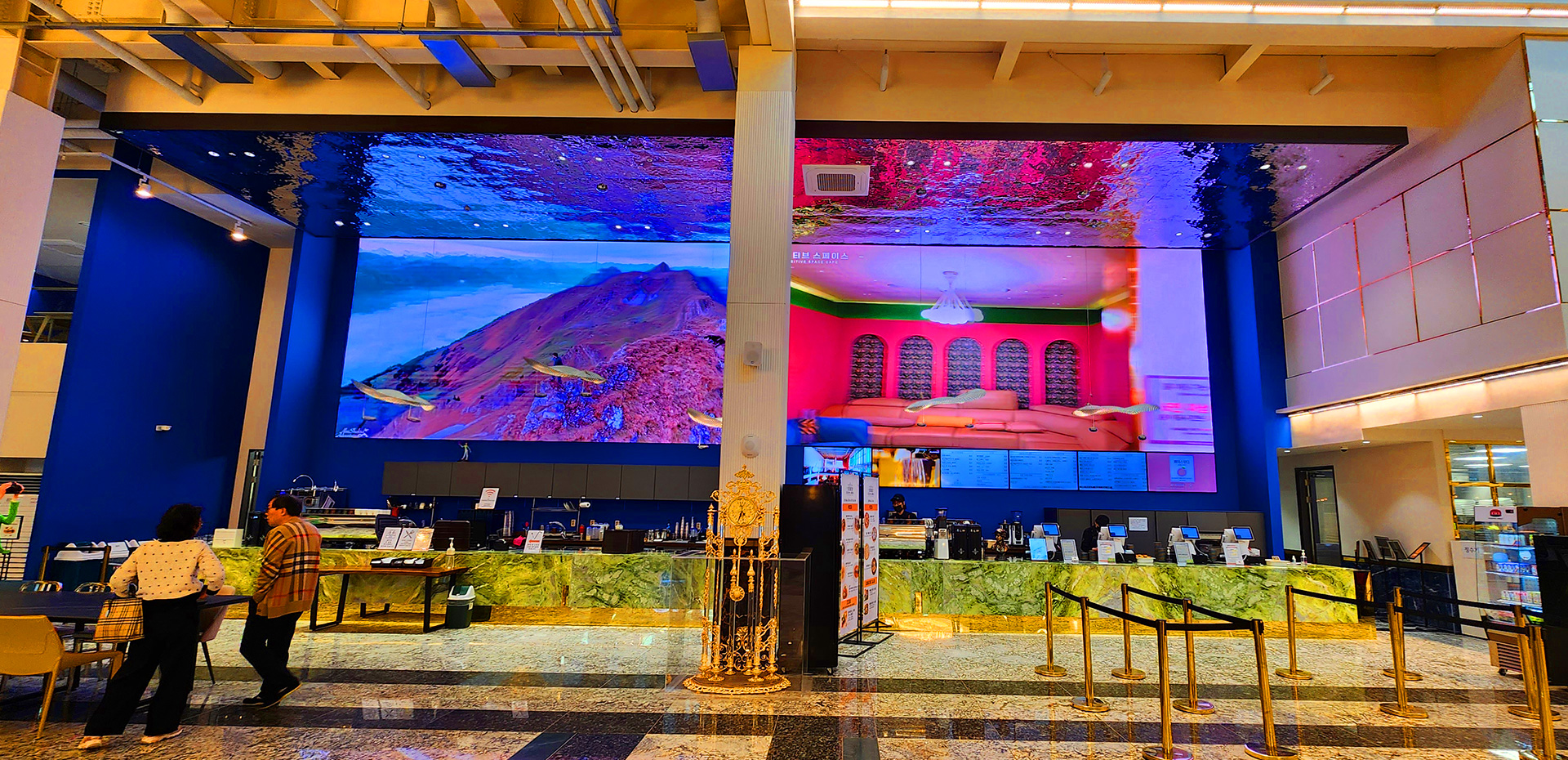








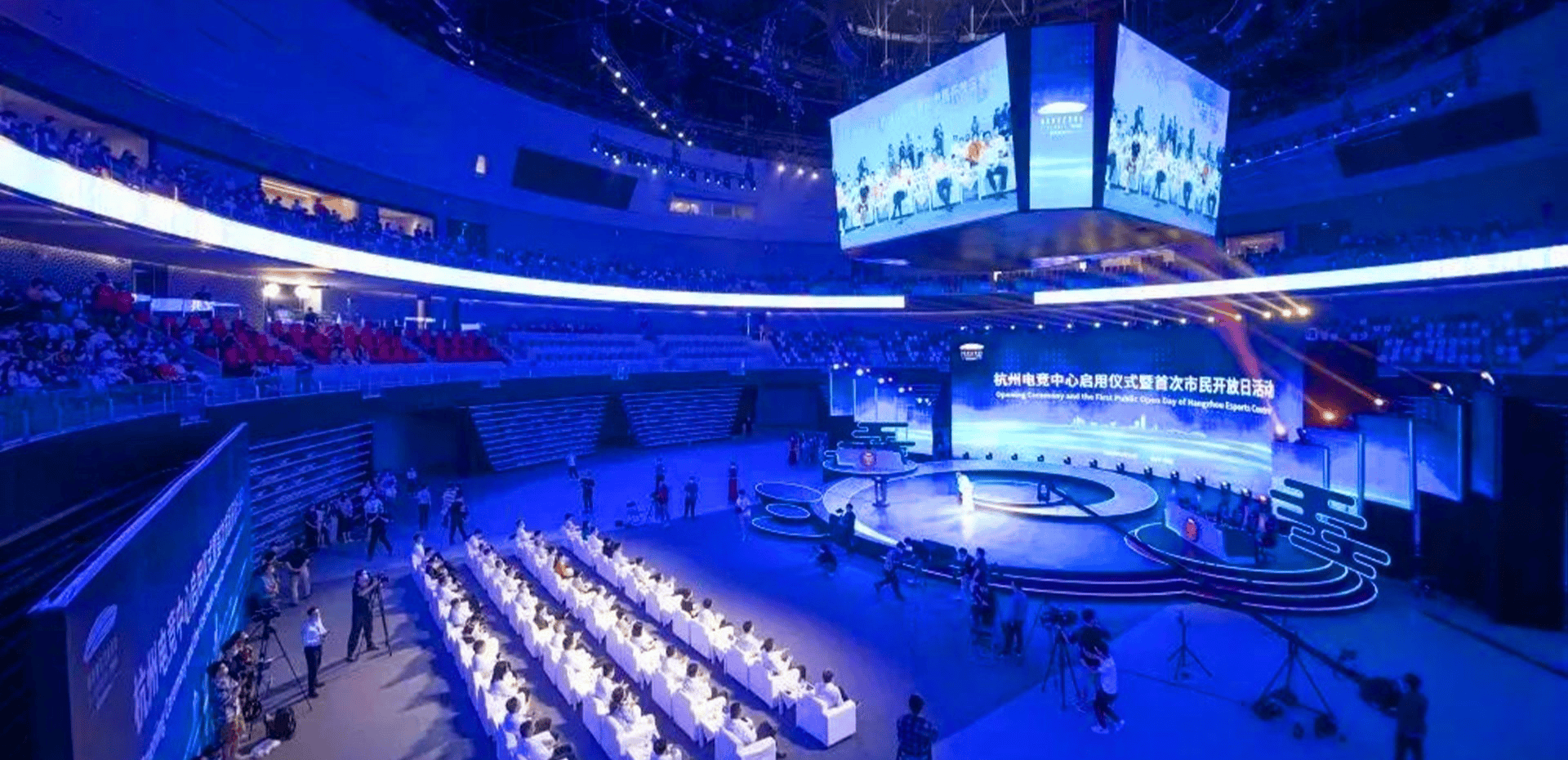
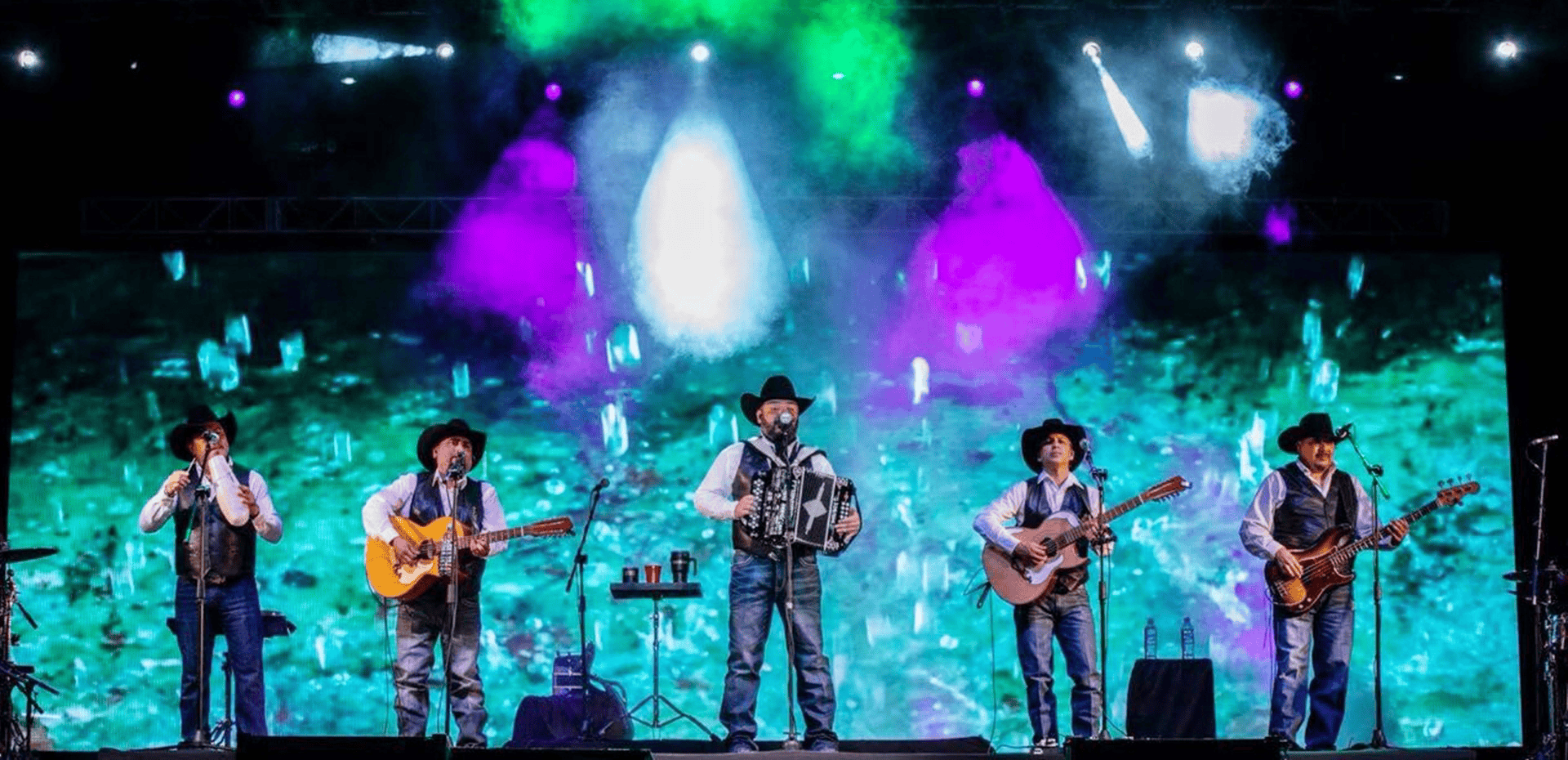
For professionals seeking to specify the right visual technology, the terminology used to describe performance can often seem like a complex code. When evaluating an led display for a corporate lobby, control room, or broadcast studio, three specifications consistently rise to the top of the discussion: pixel pitch, refresh rate, and nits. At LEDFUL, we believe that a clear grasp of these terms is essential for making an informed investment. These three metrics collectively determine not only the clarity of the image but also its suitability for different environments and viewing distances. This article aims to decode these core concepts, providing you with the practical knowledge required to assess any led display screen with confidence.
Pixel Pitch and Visual Clarity
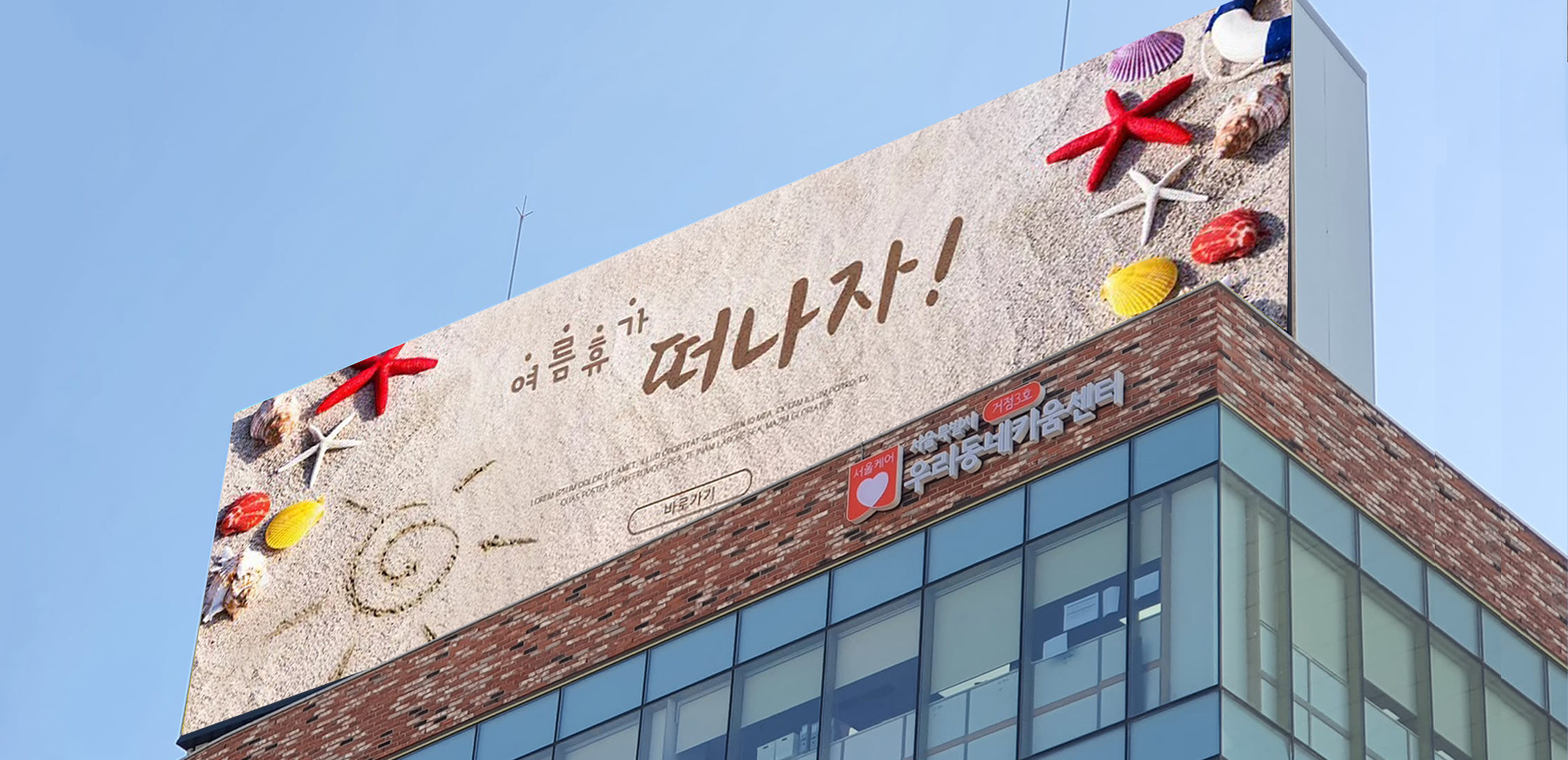
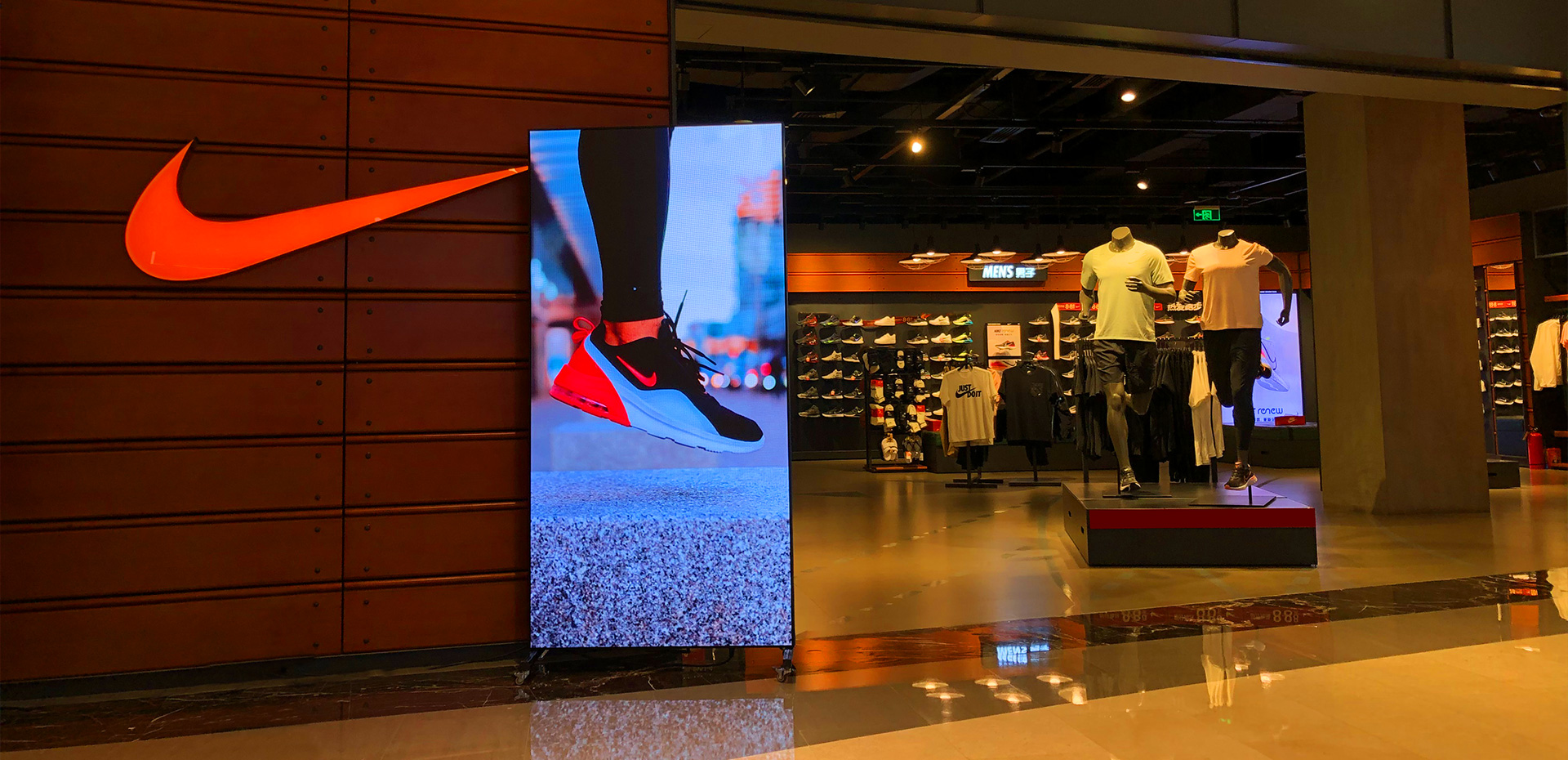
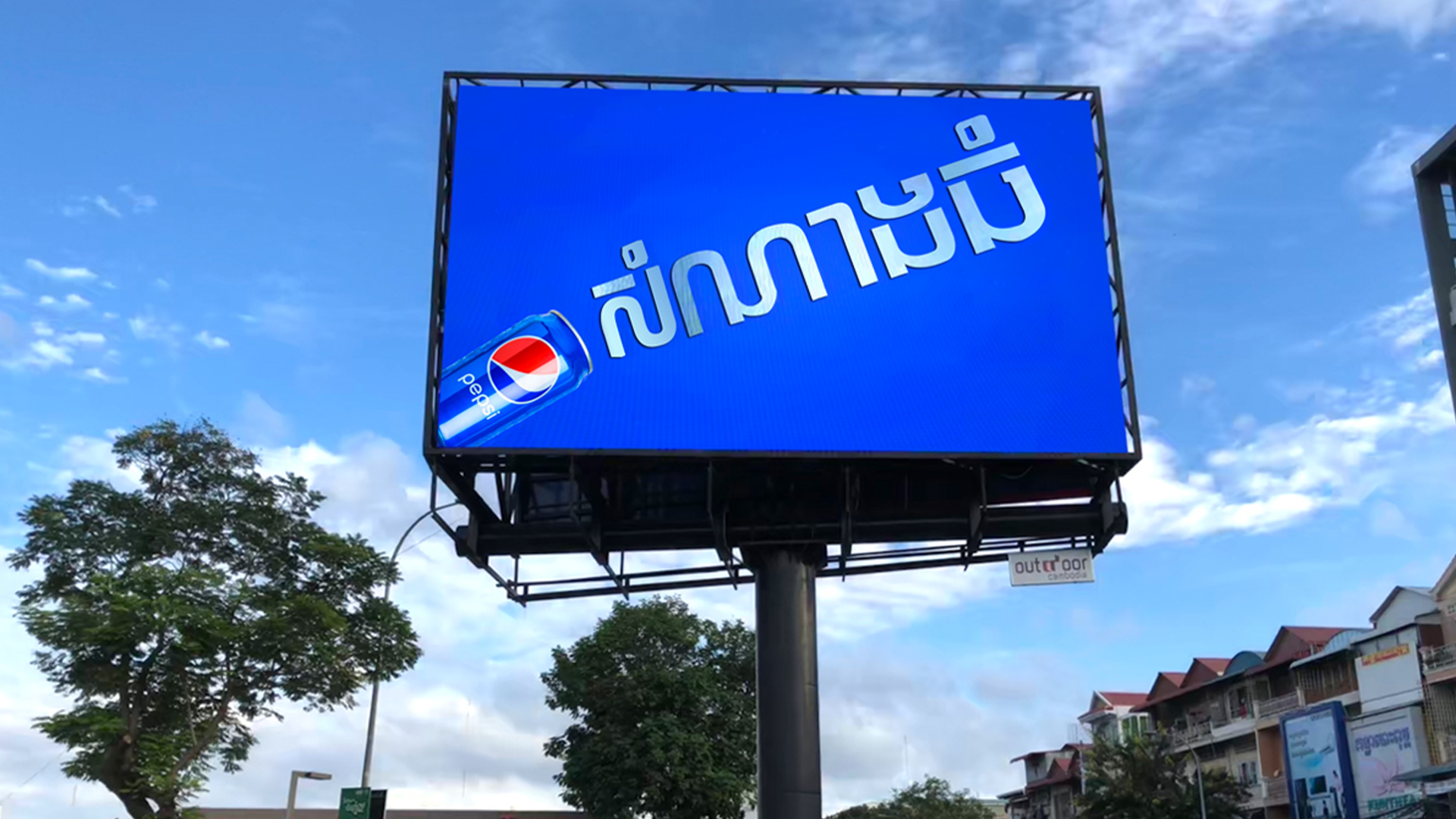
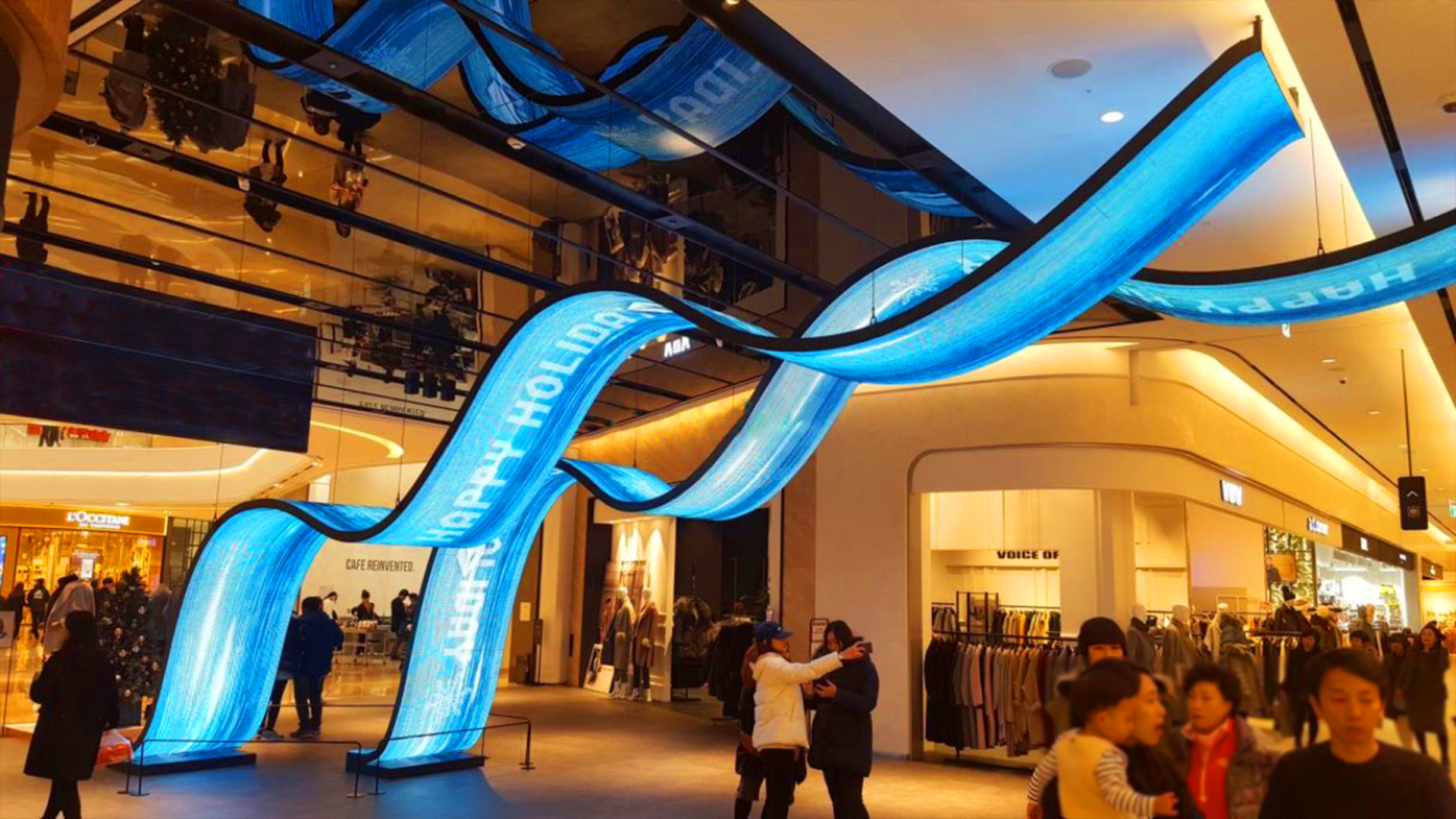
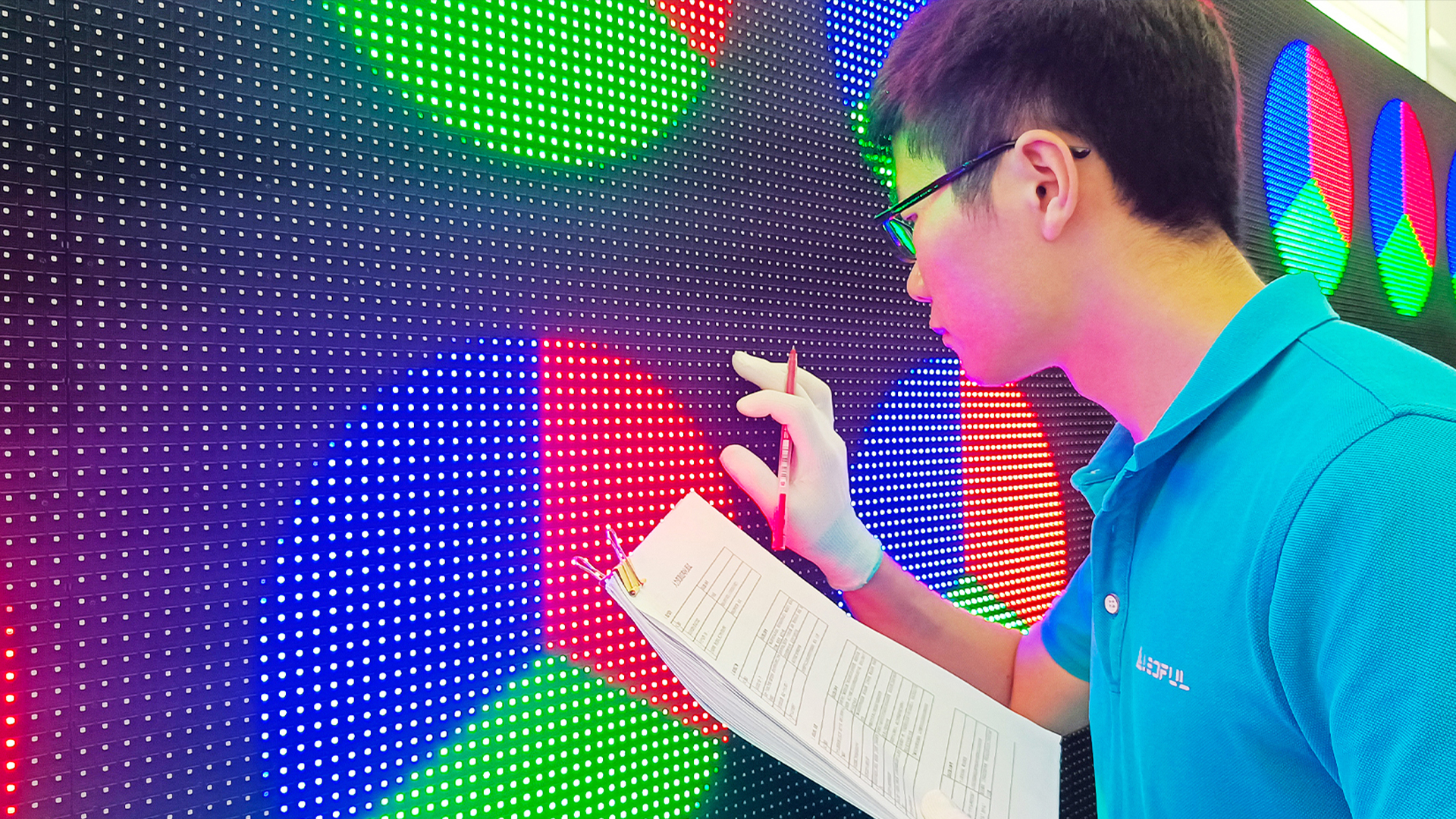
The first critical specification to understand is pixel pitch, which refers to the distance in millimeters between the center of one pixel and the center of the adjacent pixel. In practical terms, a smaller pixel pitch number means the pixels are packed more tightly together, resulting in higher pixel density and sharper image clarity at closer viewing distances. For instance, an led display with a 1.2mm pitch is designed for indoor applications where viewers may be just a few feet away, such as in a boardroom or a high-end retail environment. Conversely, a larger pixel pitch, such as 10mm, is suitable for large outdoor billboards viewed from a considerable distance. When we at LEDFUL consult with clients, we always emphasize that choosing the correct pixel pitch is a balance between the required resolution and the available budget, as finer pitch technology involves more complex manufacturing. If you are comparing specific outdoor solutions for different viewing distances, you may want to read this comprehensive guide on p4 vs p6 vs p10 outdoor led display options.
Refresh Rate for Smooth Imagery
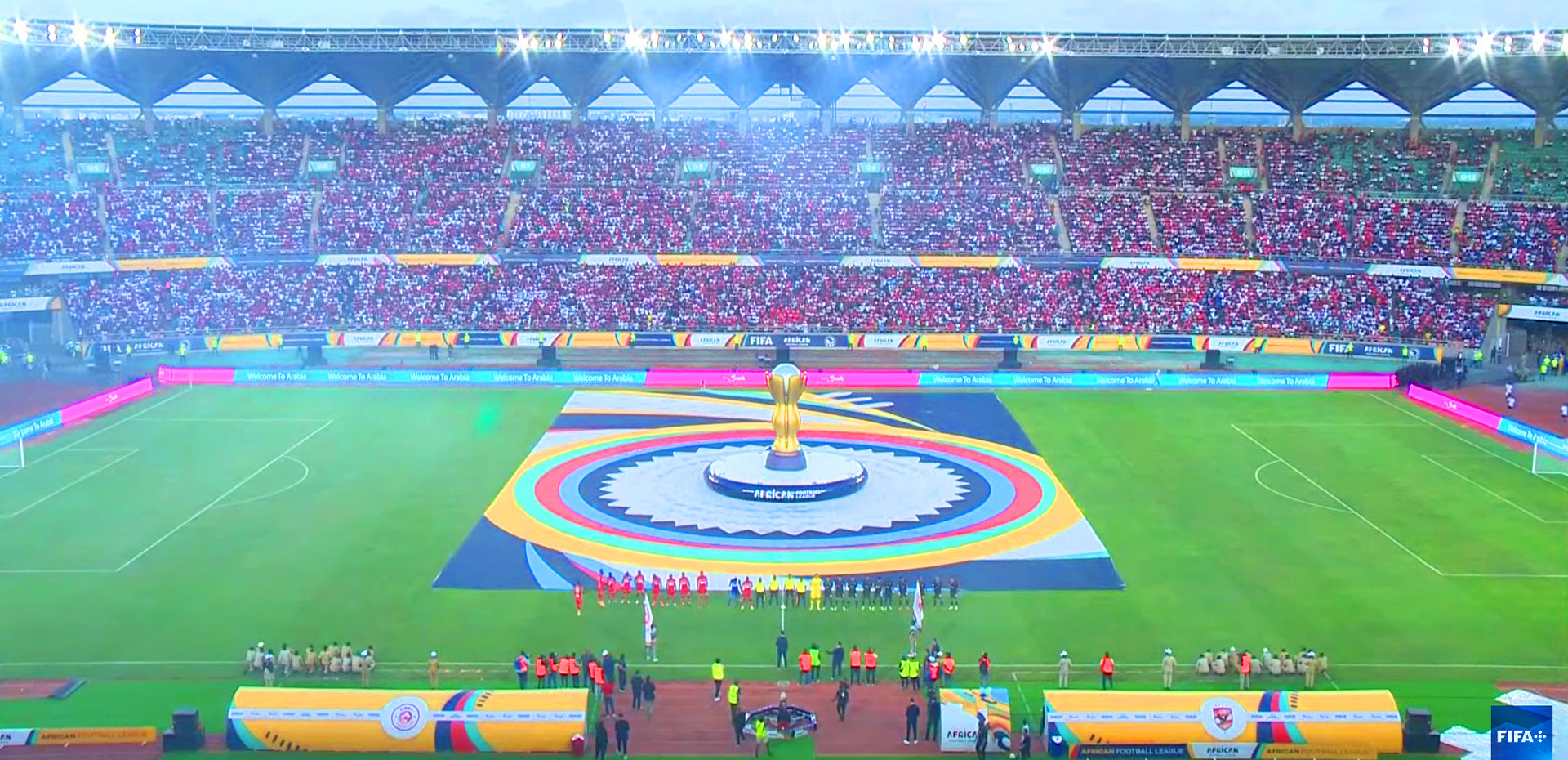
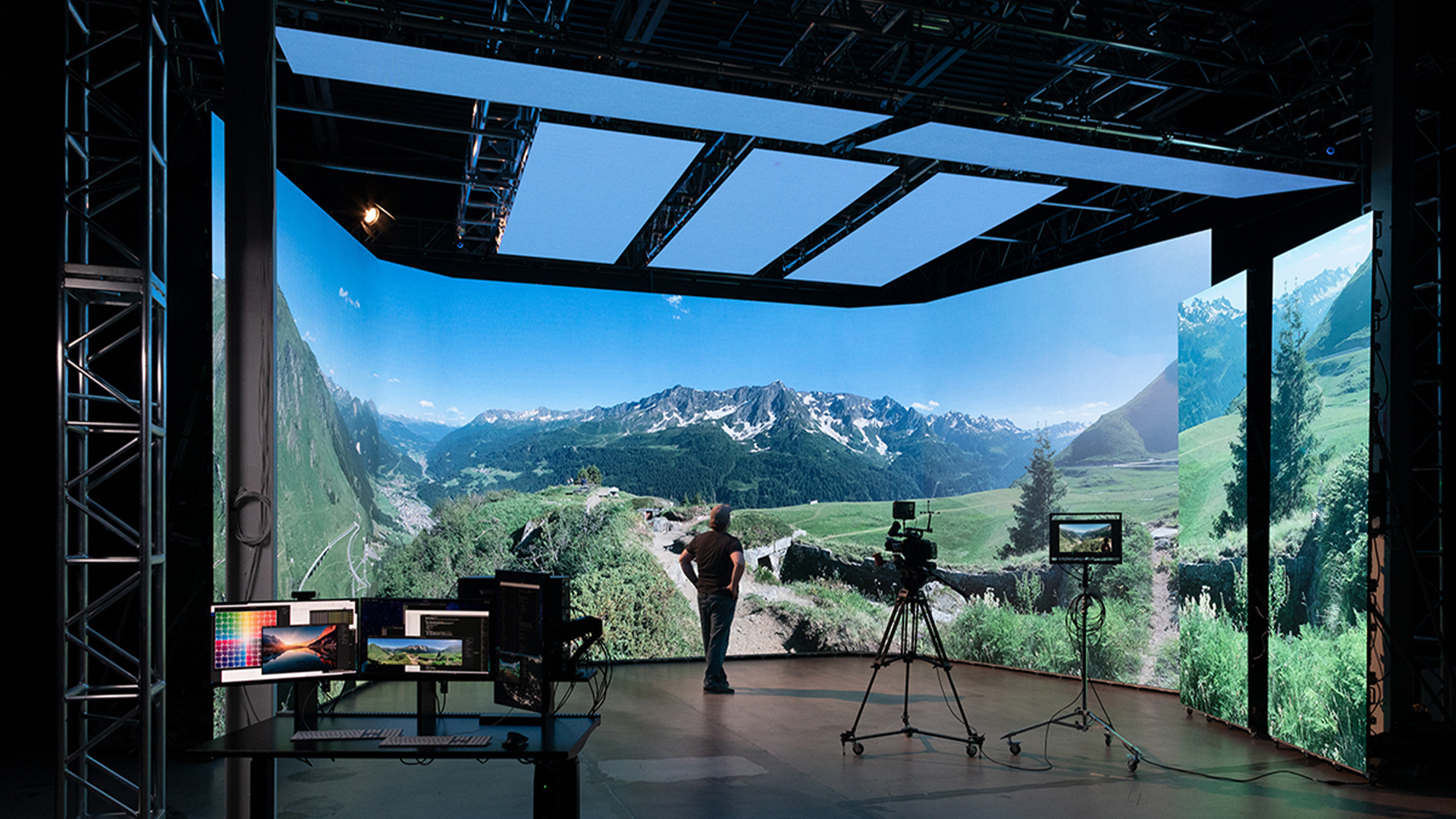
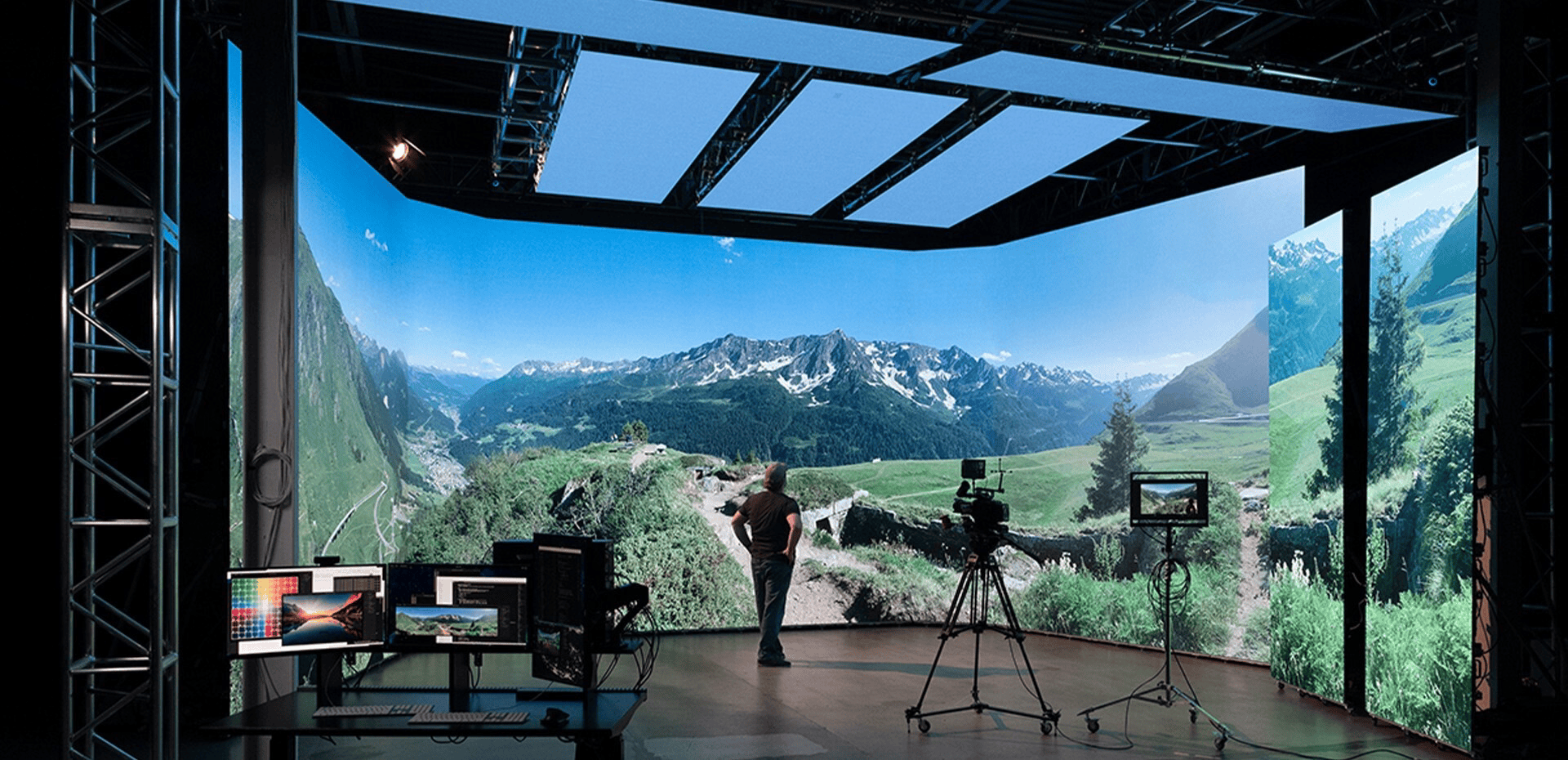
Another fundamental term that directly impacts the viewer experience is the refresh rate, measured in Hertz (Hz). This specification indicates how many times per second the led display screen updates with new image information. A higher refresh rate, typically above 1,920 Hz, is crucial for eliminating visual artifacts like flickering and scanning lines, which are particularly noticeable when the screen is captured by a camera. This is non-negotiable for television studios and live event productions where broadcast quality is paramount. If the refresh rate is too low, the content may appear to stutter during fast-moving scenes, causing eye strain for the audience. At LEDFUL, we engineer our products to ensure that the image remains stable and fluid, guaranteeing that your message is delivered without distracting visual noise, whether viewed live or through a lens.
Nits and Brightness Levels
Finally, we must address brightness, which is quantified in nits. A nit is a unit of measurement representing the amount of light emitted from the surface of the led display. One nit is equivalent to one candela per square meter. The required brightness level for your project is entirely dependent on the ambient light conditions of the installation site. An led display screen intended for an indoor, dimly lit corporate office might only need 500 to 800 nits to be comfortably visible. However, a screen installed behind a glass storefront or in an outdoor setting must contend with direct sunlight. In such cases, a brightness capacity of 5,000 nits or more is often necessary to maintain strong contrast and readability. We always advise our partners to measure the ambient light before installation, as operating a screen at an unnecessarily high brightness level can accelerate wear and increase power consumption. To better understand how screen luminosity is calculated, check out our technical breakdown of cd/m2 vs nits.
Mastering the terminology of pixel pitch, refresh rate, and nits empowers you to select the right tool for your specific visual communication needs. These three factors work in harmony to define the quality and effectiveness of your installation. At LEDFUL, our commitment is to provide clarity not just in our displays, but in our consultations as well. We hope this explanation serves as a valuable resource as you plan your next project and evaluate the vast landscape of modern led display technology.