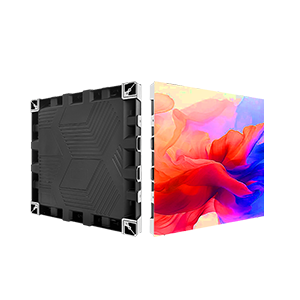
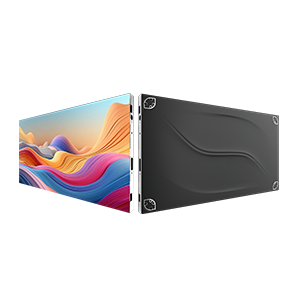
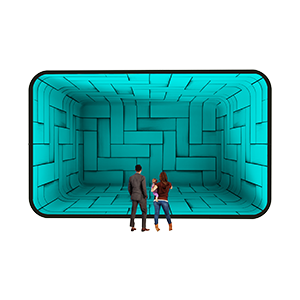




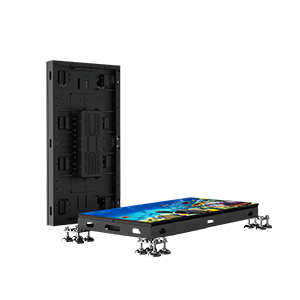
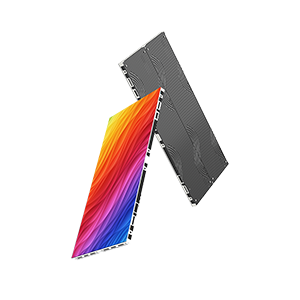
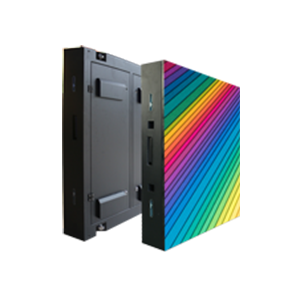
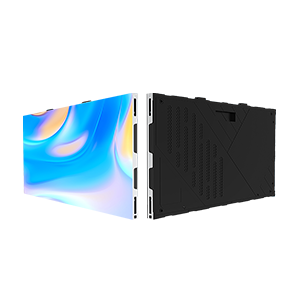
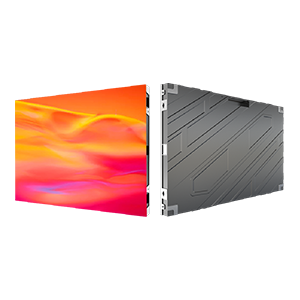
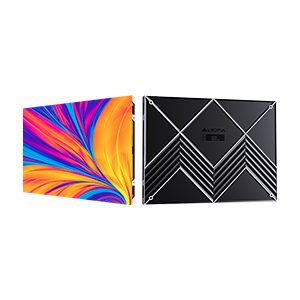
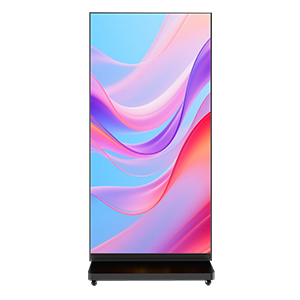
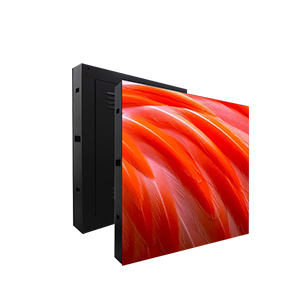
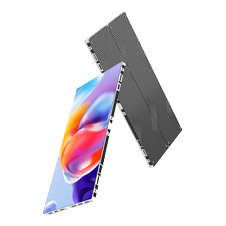
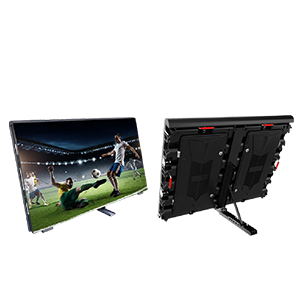
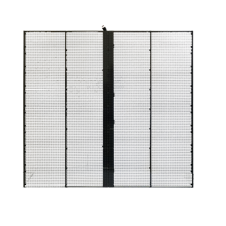
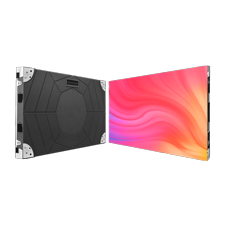
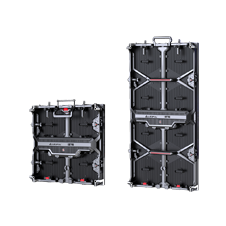
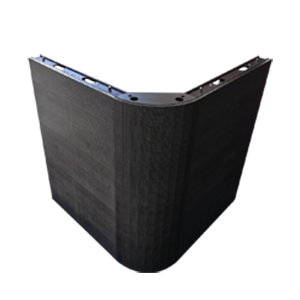
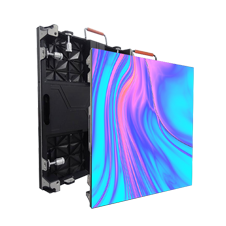
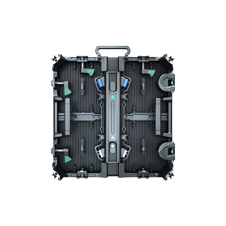
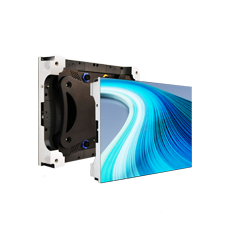
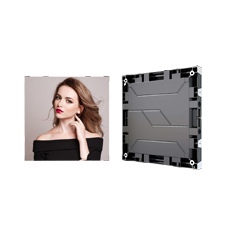
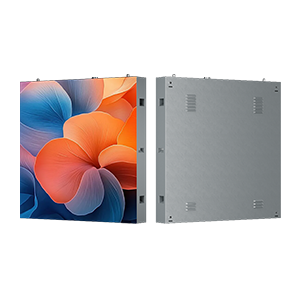
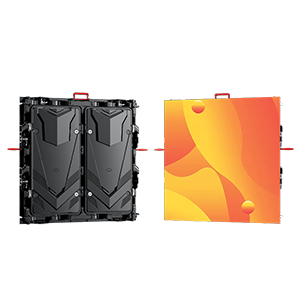
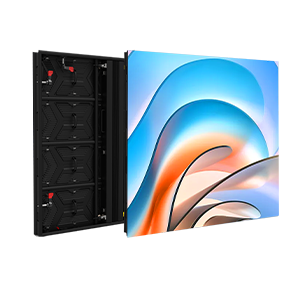
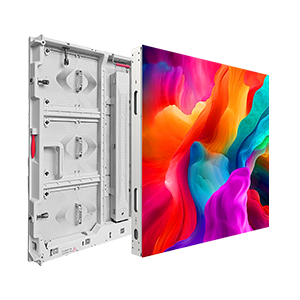
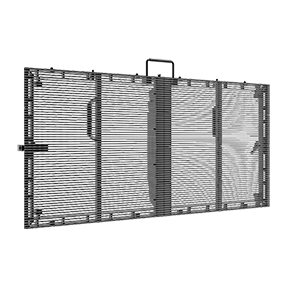
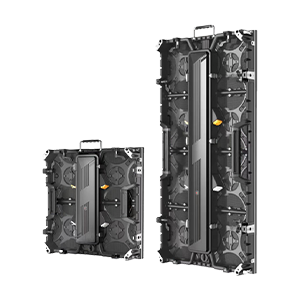
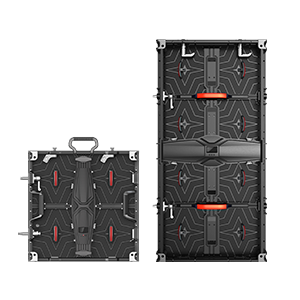
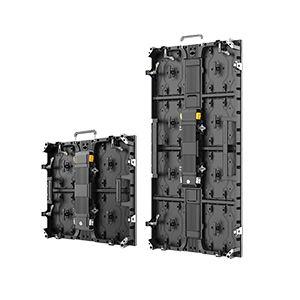
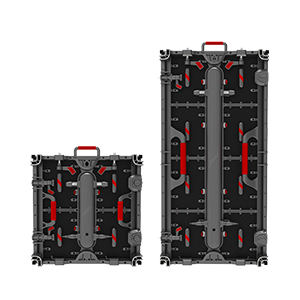
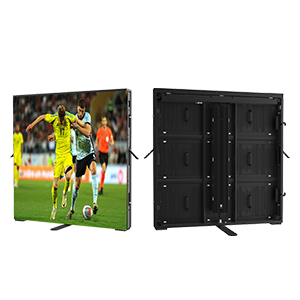
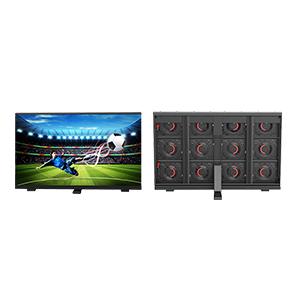
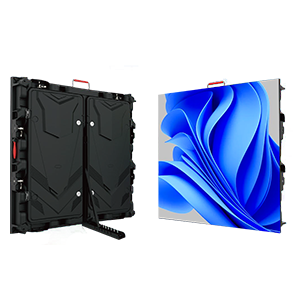








The question of weight capacity emerges whenever event planners consider integrating illumination into walkable surfaces. Unlike wall-mounted displays that support only their own structural weight, floor installations must accommodate foot traffic, equipment placement, and sometimes vehicular movement. Understanding the engineering principles behind these specialized systems helps venue operators and production managers specify appropriate solutions for their applications. We at LEDFUL have engineered floor LED display products with rigorous attention to load distribution and impact resistance, recognizing that safety considerations supersede all other performance criteria. This examination explores the scientific and design factors determining how much weight a floor led screen can realistically support during exhibitions, concerts, retail installations, and other demanding environments.
Structural Engineering and Load Distribution Principles
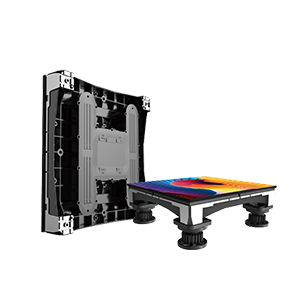
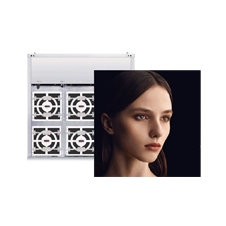
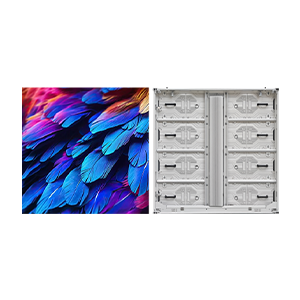
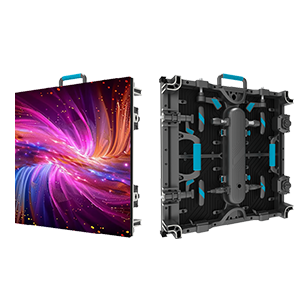
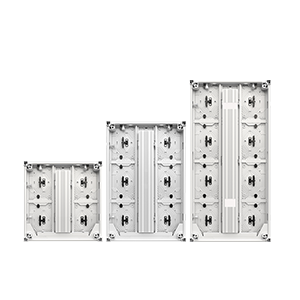
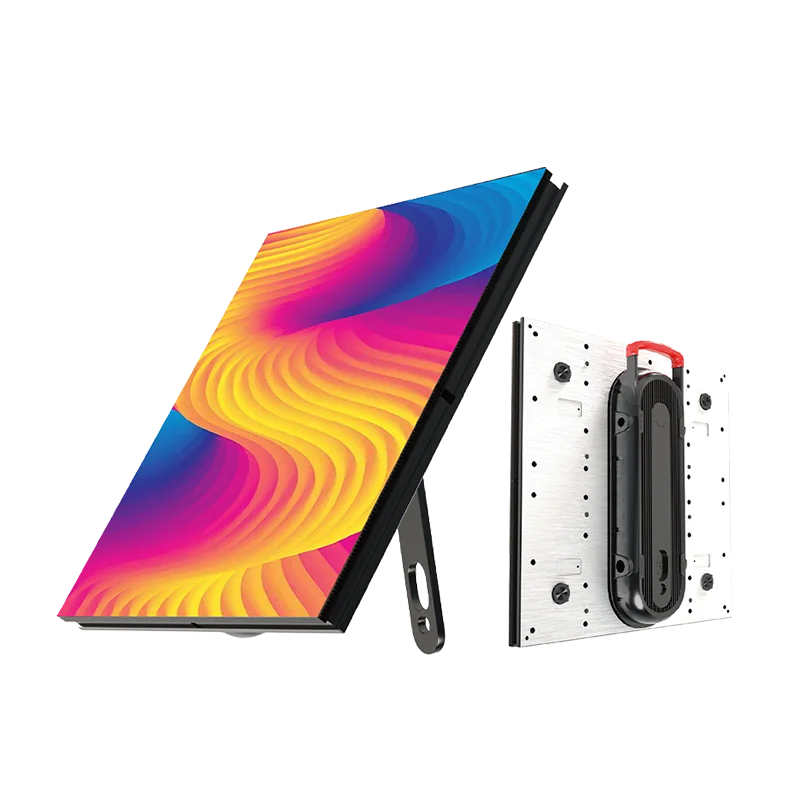
The weight capacity of any floor led display begins with its mechanical foundation. Individual cabinet construction utilizes high-strength aluminum or steel frames engineered to withstand specific static and dynamic loads. Static loads refer to stationary weight such as display cases or podiums placed upon the surface. Dynamic loads involve moving weight including pedestrian traffic, rolling equipment, or performer movements that introduce variable force applications. The cabinet design distributes incoming force across the entire structure rather than concentrating stress at singular points. This distribution principle explains why properly engineered floor systems support surprisingly heavy objects despite their delicate appearing surfaces. Load testing protocols subject samples to weights significantly exceeding rated capacities, verifying safety margins before products reach customers. The frame geometry incorporates internal reinforcement at stress points while maintaining the slim profile necessary for seamless integration with surrounding flooring.
Component Protection and Impact Mitigation
Protecting the light-emitting elements beneath the walking surface requires sophisticated engineering approaches. Each LED module sits within protective cavities shielded by transparent materials capable of transmitting light while resisting impact. The surface layer typically utilizes tempered glass or polycarbonate compounds formulated for high compressive strength. These materials withstand point loads from high-heeled shoes, dropped equipment, and concentrated pressure without transmitting damaging force to the electronics below. Impact resistance testing evaluates performance against falling objects and repeated foot traffic simulating years of operational use. The encapsulation materials also provide slip resistance through surface texturing, maintaining safety for pedestrians while preserving optical clarity. For applications involving forklifts or vehicles, specialized reinforced configurations increase load ratings through thicker protective layers and enhanced substructure support. We at LEDFUL match protection specifications to application requirements, ensuring floor led screen installations receive appropriate impact mitigation for their anticipated traffic patterns.
Installation Foundation and Subfloor Considerations
The supporting structure beneath any floor display fundamentally determines ultimate weight capacity. Even the strongest cabinet cannot exceed the capabilities of its underlying surface. Proper installation begins with subfloor assessment confirming adequate load-bearing capacity for both the display system and anticipated live loads. Concrete slabs typically provide excellent support, while elevated wooden subfloors may require reinforcement before display placement. Distribution plates or adjustable feet transfer cabinet weight evenly across the substrate, preventing point loading that could damage underlying structures. The installation method must account for thermal expansion and contraction, maintaining structural integrity across temperature variations common in exhibition halls and outdoor venues. Cable management pathways integrated into the substructure prevent compression or damage to signal and power lines running between cabinets. These installation details significantly influence how much weight a floor led display system safely supports throughout its operational lifetime.
Environmental Factors Affecting Load Performance
Operating conditions introduce variables that influence structural performance beyond static engineering ratings. Temperature fluctuations affect material properties, with extreme cold potentially increasing brittleness in some protective surfaces while heat may affect adhesive bonds between layers. Humidity levels impact certain substrate materials, requiring appropriate specification for tropical environments or climate-controlled spaces. Chemical exposure from cleaning agents or accidental spills necessitates surface material selection resistant to degradation while maintaining optical properties. Vibration from nearby machinery or transportation corridors creates cumulative stress requiring consideration in structural calculations. Indoor installations typically face fewer environmental variables, allowing optimization for specific traffic patterns. Outdoor floor applications encounter temperature swings, moisture exposure, and UV radiation that influence material selection and maintenance intervals. We at LEDFUL evaluate these environmental parameters when recommending appropriate configurations, ensuring that rated load capacities remain valid across expected operating conditions.
Weight capacity for floor integrated displays results from multiple engineering decisions spanning cabinet construction, component protection, installation methodology, and environmental adaptation. Understanding these interconnected factors helps facility managers and event producers select appropriate systems for their specific load requirements. The visible surface represents only the final layer of sophisticated engineering designed to protect both the display technology and the people walking upon it. Organizations investing in floor led screen technology benefit from working with manufacturers who prioritize structural integrity alongside visual performance. We at LEDFUL continue advancing load-bearing capabilities through material research and rigorous testing, ensuring our floor led display products meet the demanding requirements of modern event environments and permanent installations alike.