




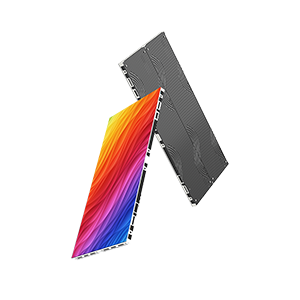
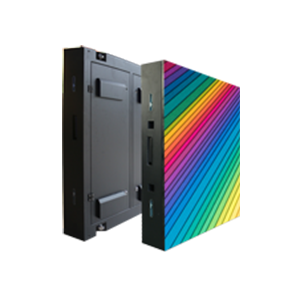
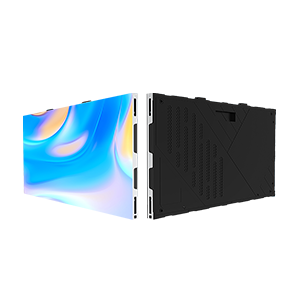
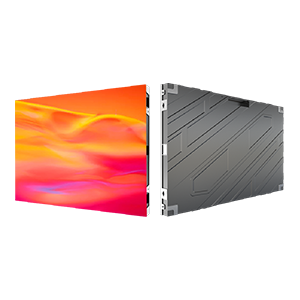
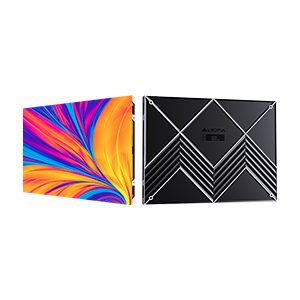
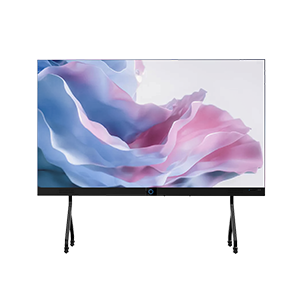
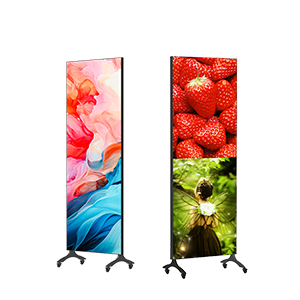
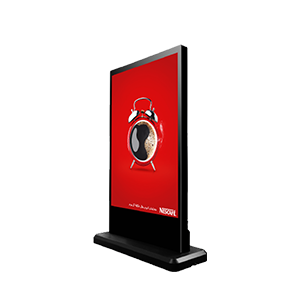

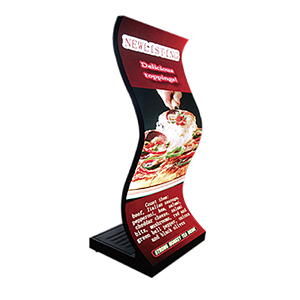
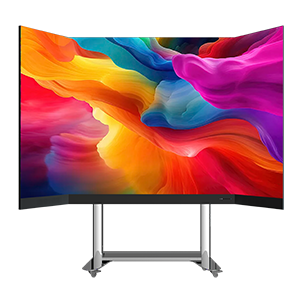
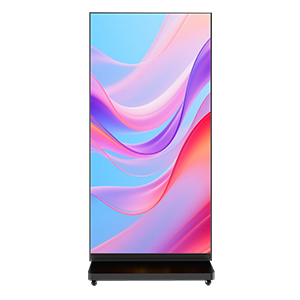
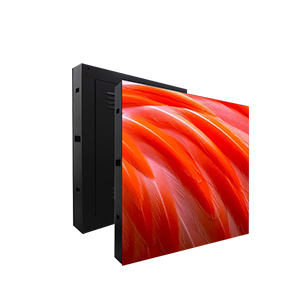
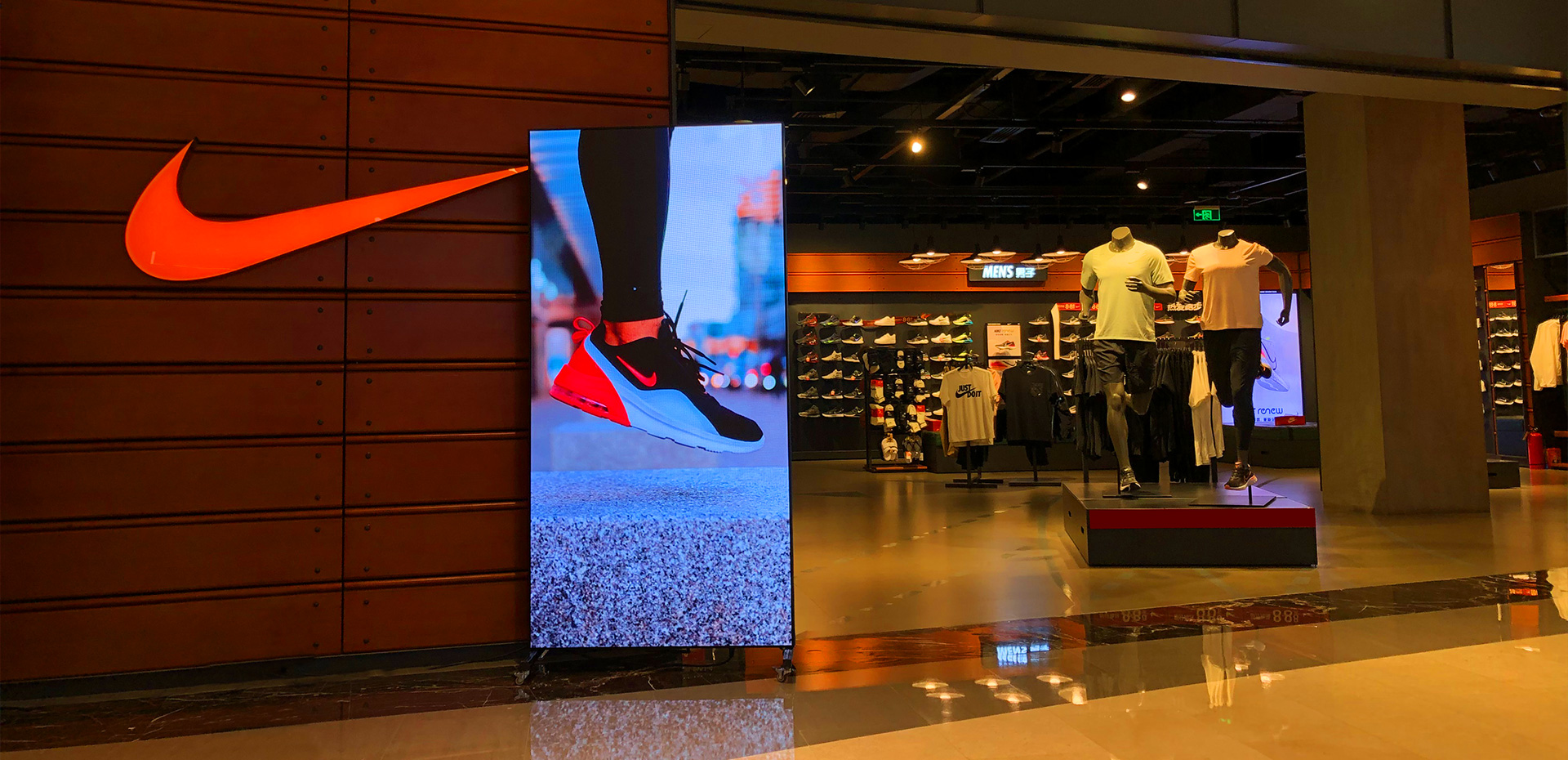
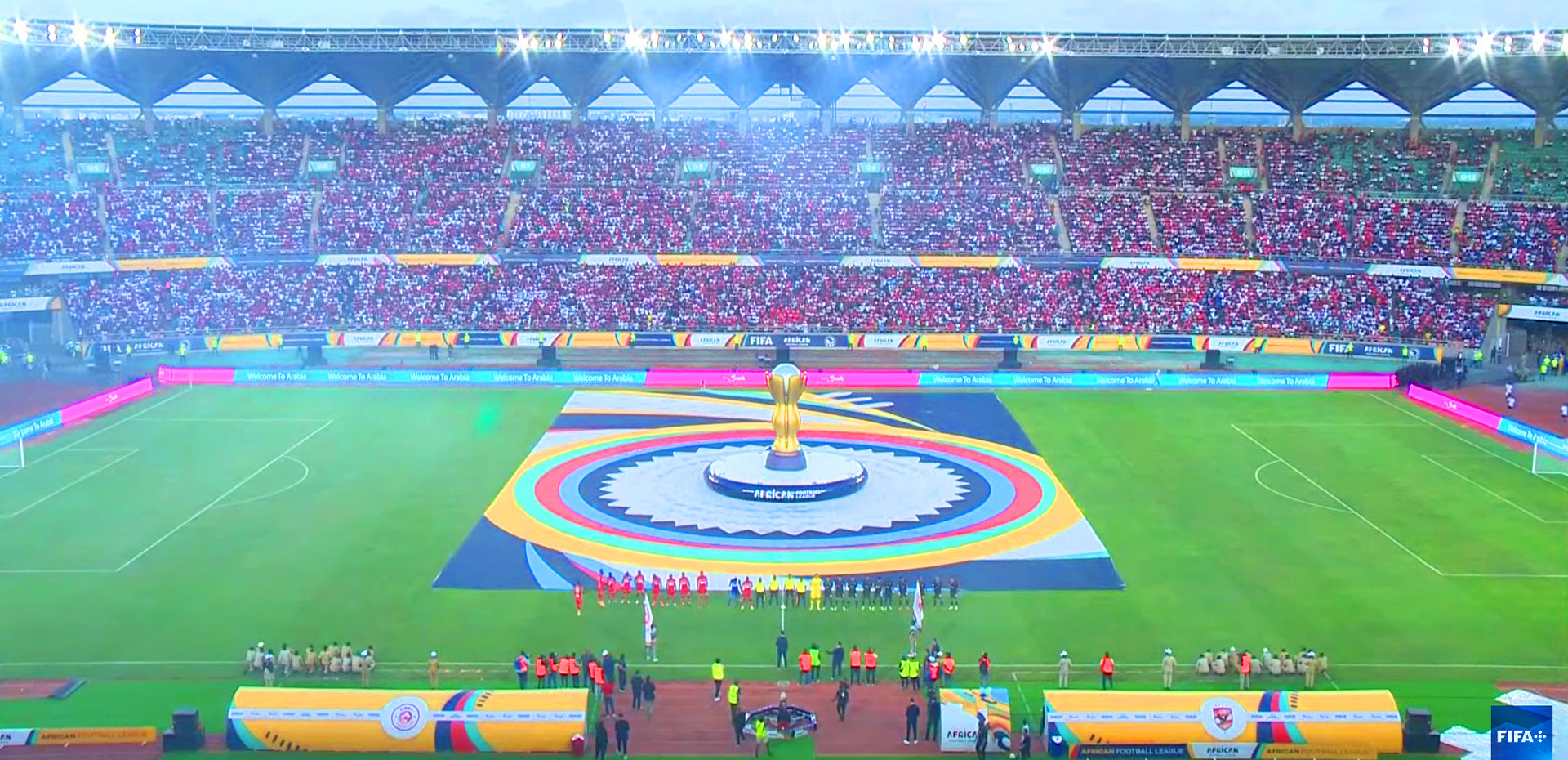

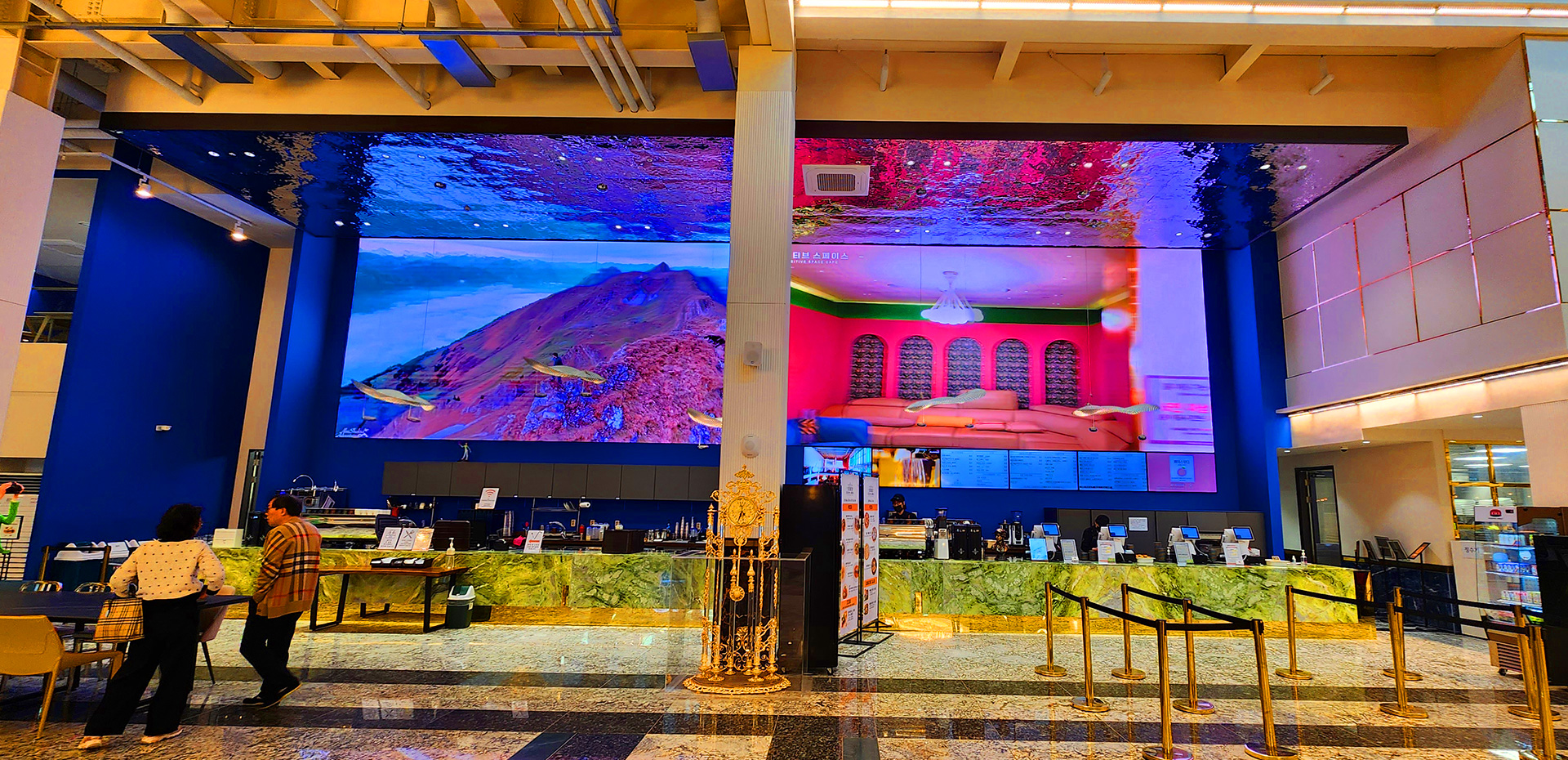


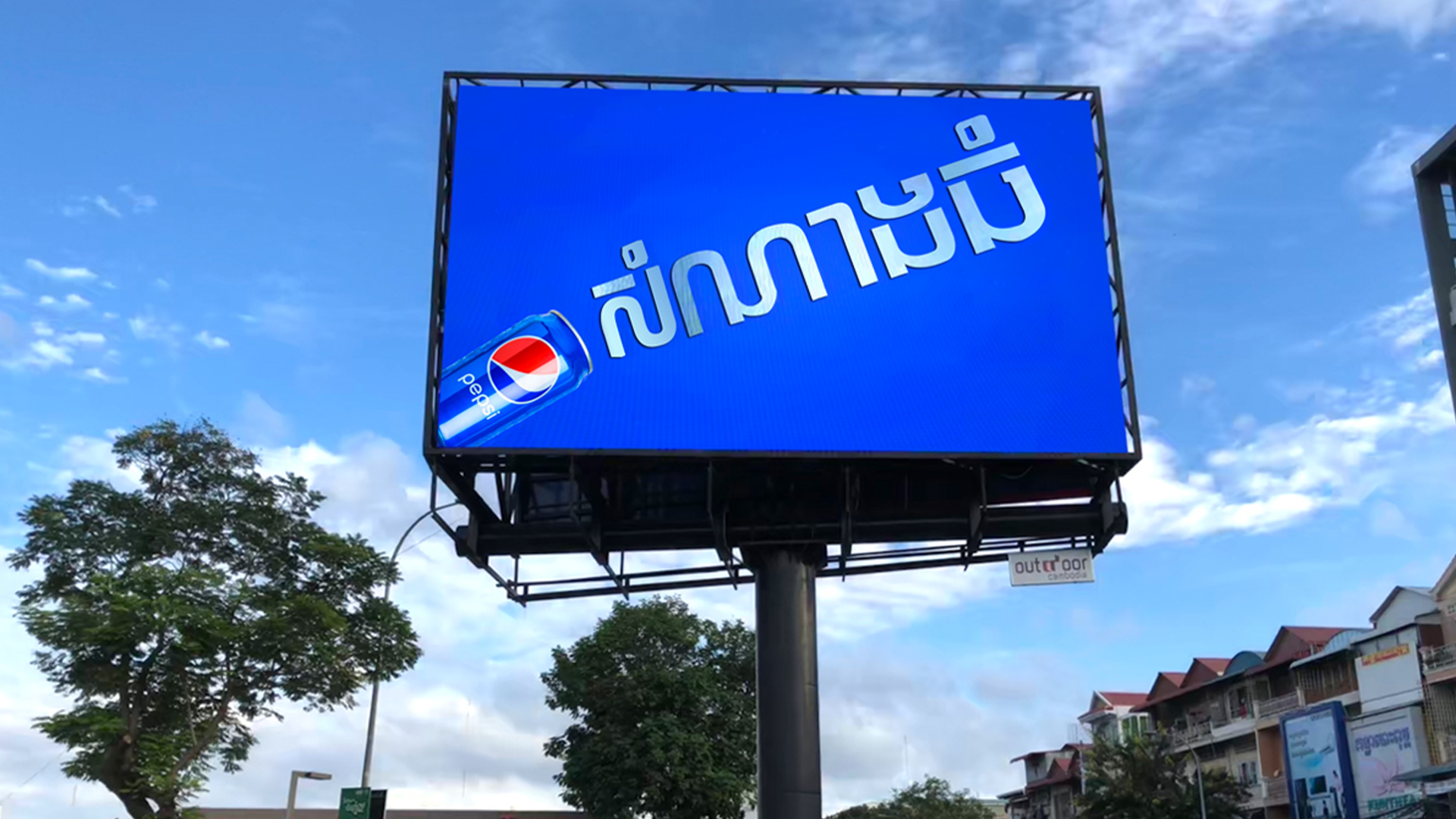






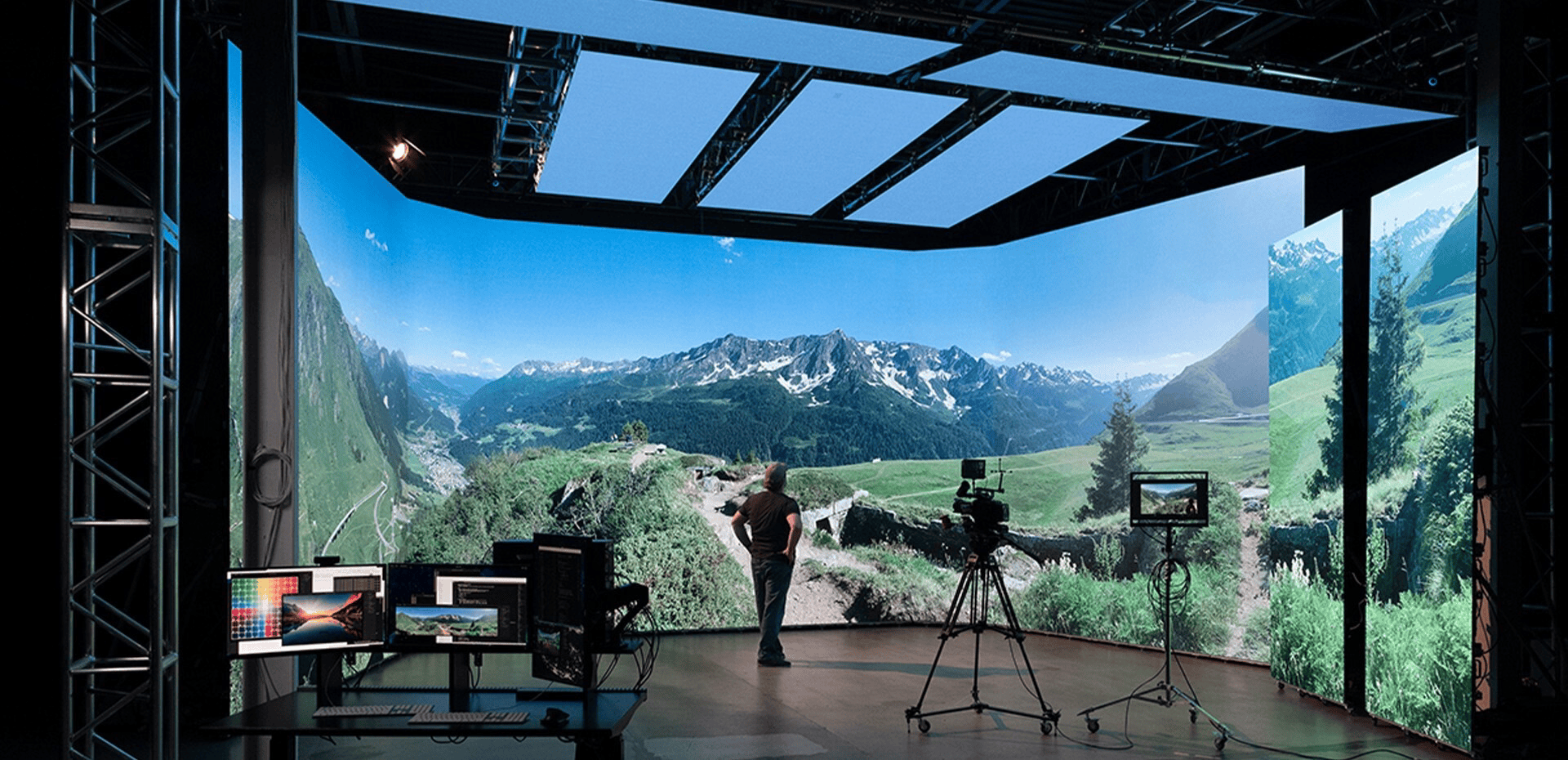
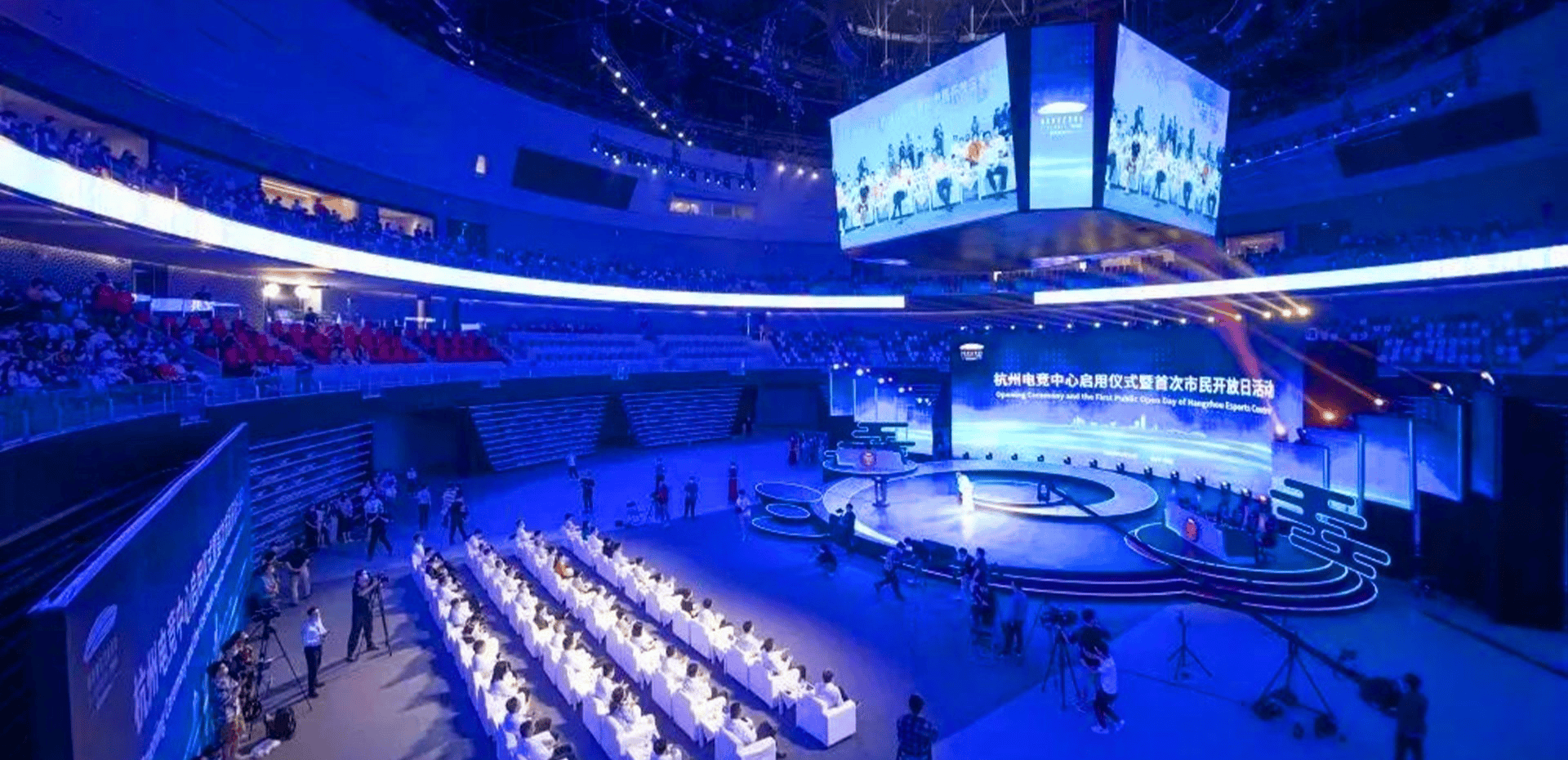

For the modern enterprise, an LED display is more than just a screen; it is a high-value communication asset that represents the brand’s image and operational efficiency. At LEDFUL, we recognize that our partners require these systems to operate with 24/7 reliability in demanding environments. While our hardware is engineered for durability, achieving maximum longevity requires a disciplined approach to maintenance. By following these industry-best practices, you can ensure that your visual solutions maintain their brilliance for years to come.
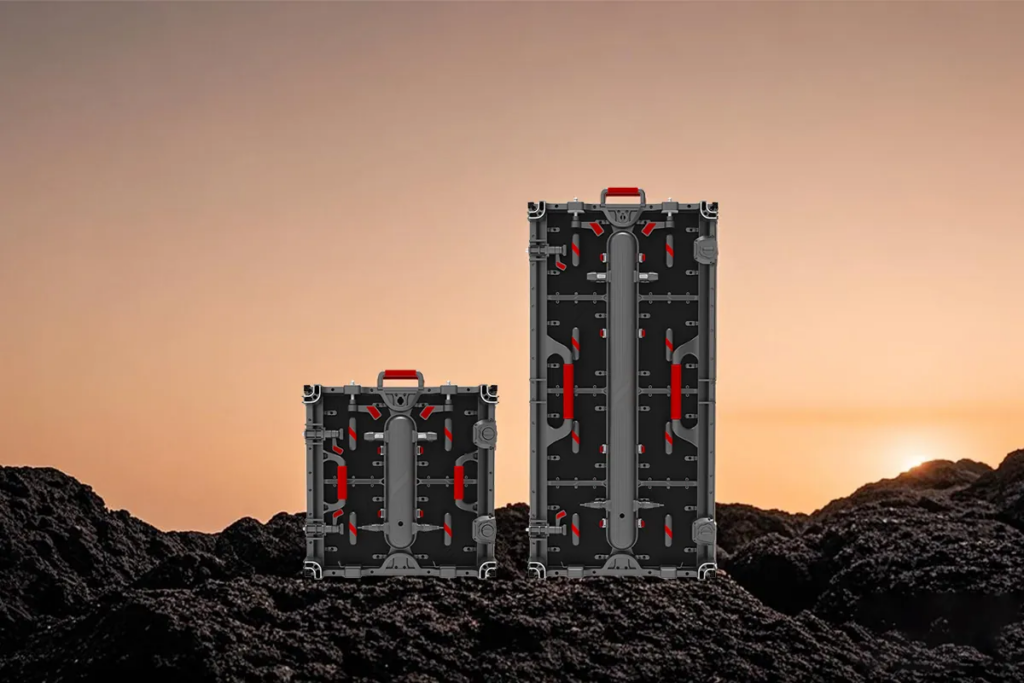
The Foundation of Reliability: Power and Environmental Control
The internal components of an LED display are sensitive to electrical and environmental fluctuations. Managing these factors is the first and most critical step in any maintenance strategy.
- Stable Power Management
Inconsistent voltage is a primary cause of premature component failure. We recommend that our clients utilize a dedicated, stable power source, ideally protected by a voltage regulator or surge protector. It is also vital to follow the correct power-on sequence: always activate the control computer and software before powering on the LED screen. This prevents current surges from impacting the driver ICs. Conversely, when shutting down, power off the display before the computer to avoid high-voltage “sparking” that can degrade the pixels over time.
- Humidity and Moisture Prevention
Humidity is a silent adversary of electronic longevity. At LEDFUL, we advise maintaining an operating environment between 10% and 90% RH. If a screen remains unused for more than three days in a high-humidity area, we suggest a “pre-heating” cycle: run the display at 30%–50% brightness for 4 to 8 hours before increasing it to full power. This thermal process effectively evaporates internal moisture and prevents short-circuits.
Precision Cleaning for Modern LED Technology
Dust accumulation does more than just dull the image; it blocks ventilation grilles and acts as an insulator, trapping heat inside the cabinet. However, cleaning a professional-grade LED display requires a delicate touch.
Dry Dusting First: Always use a soft, anti-static brush or a clean microfiber cloth to remove loose particles. Never use a stiff brush, which can scratch the delicate surface of the SMD lamps.
The “No-Liquid” Rule: We strictly advise against spraying any liquid directly onto the LED modules. Moisture seeping into the seams of the modules can cause irreversible corrosion. If stubborn spots persist, lightly dampen a lint-free cloth with a small amount of distilled water or a manufacturer-approved pH-neutral solution.
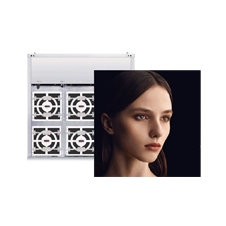
Ventilation Clearance: For outdoor and high-brightness indoor screens, ensure the cooling fans and air vents are free of debris. Blocked vents can increase the internal temperature of the cabinet by up to 20°C, significantly accelerating the aging of the power supplies.
Operational Habits that Protect Your LEDFUL Investment
How your team operates the display daily has a direct impact on the mean time between failures (MTBF). Implementing smart operational protocols can extend the life of the LEDs by several thousand hours.
Optimized Brightness Scheduling
Running a screen at 100% brightness 24/7 is rarely necessary and often counterproductive. Constant maximum output places immense thermal stress on the LED beads and the power units. At LEDFUL, we recommend utilizing adaptive brightness sensors or scheduling software to dim the screen during nighttime or low-light hours. Not only does this prolong the hardware’s life, but it also significantly reduces energy consumption for your facility.
Avoid Static Content Burn-in
Displaying a static, high-contrast image for extended periods can lead to uneven pixel aging, commonly known as “ghosting.” We encourage our clients to use dynamic content or animated transitions. If a static logo must be displayed, consider shifting it by a few pixels periodically or using a screensaver during off-peak hours to ensure uniform wear across the entire panel.
Professional Inspections and Calibration
While daily care can be handled by on-site facility teams, certain technical aspects require professional oversight. We recommend a comprehensive professional inspection at least once every 12 months.
Structural and Connection Check: For outdoor installations, high-traffic environments, or rental setups, it is essential to check the integrity of mounting bolts and the stability of data/power cables. Loose connections can lead to intermittent signal loss or localized overheating.
Software and Firmware Updates: Just as hardware needs cleaning, the control system needs optimization. Regular firmware updates provided by our technical team ensure that your LED display is compatible with the latest content formats and benefits from the most efficient power-saving algorithms.
Color Re-calibration: Over several years, different LED batches may dim at slightly different rates. Professional calibration services can adjust the chromaticity and brightness of individual modules, restoring the “out-of-the-box” uniformity that makes a LEDFUL display stand out.
Conclusion: A Proactive Strategy for Long-Term Success
Maintenance is not merely a reactive task to be performed when a problem arises; it is a proactive strategy to maximize the return on your investment. By adhering to these protocols—managing power stability, ensuring environmental control, and maintaining a clean, well-ventilated system—you ensure that your brand’s message remains clear, vibrant, and impactful.
At LEDFUL, we are committed to supporting our partners throughout the entire lifecycle of their displays. Our global service network and dedicated technical support are always available to help you implement these best practices. When you take care of your technology, your technology takes care of your brand. Let us work together to keep your vision shining at peak performance.