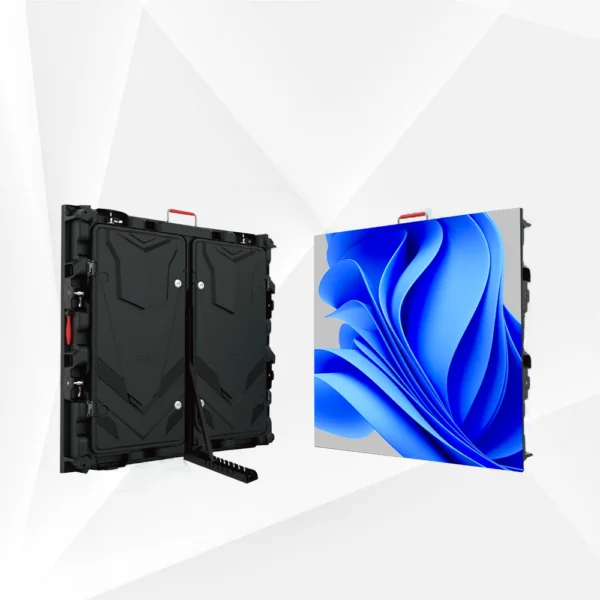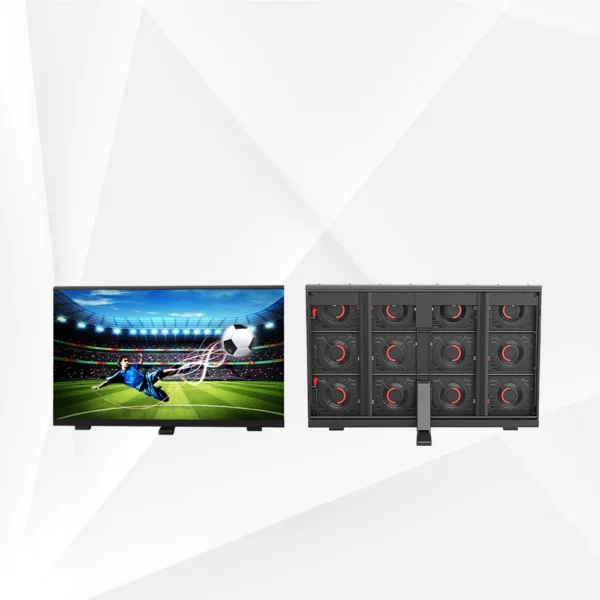








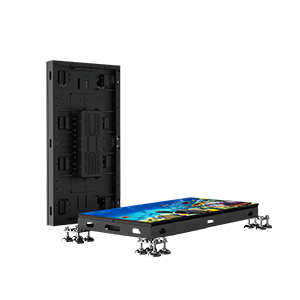
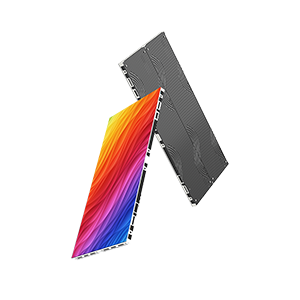
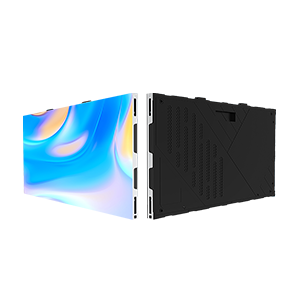
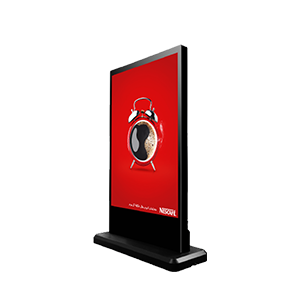
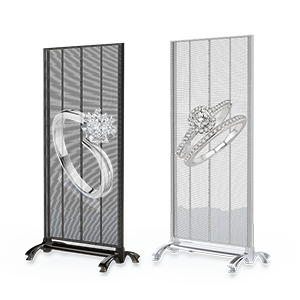
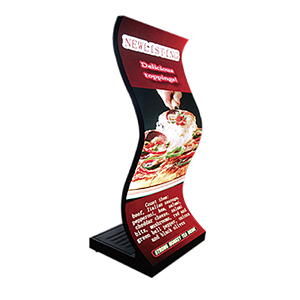
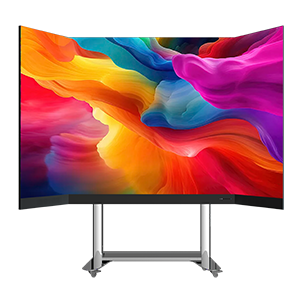
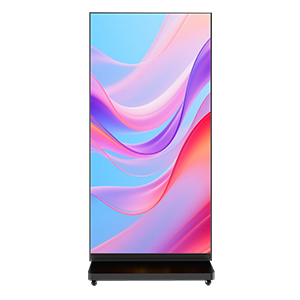
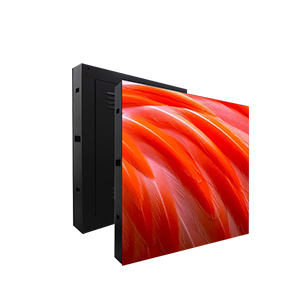
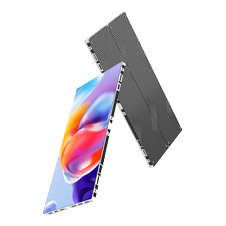
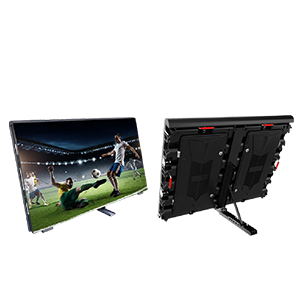
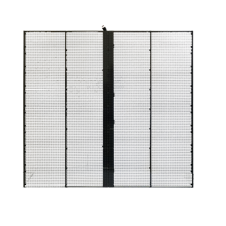
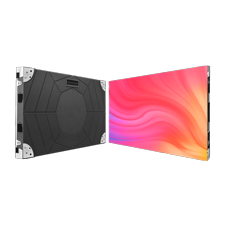
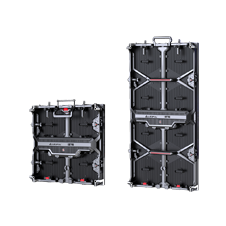
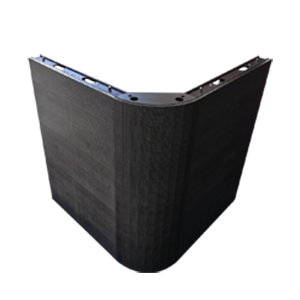
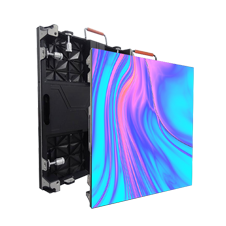
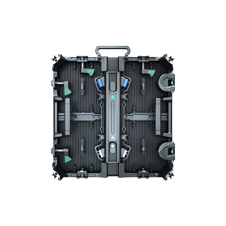
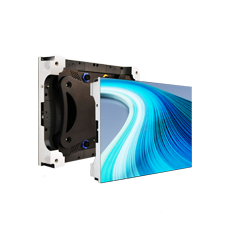
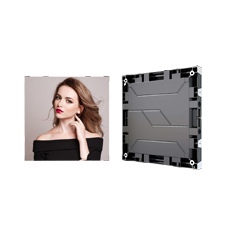
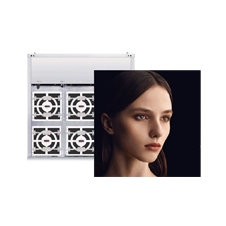
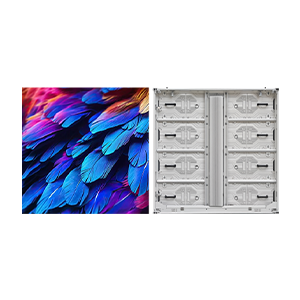
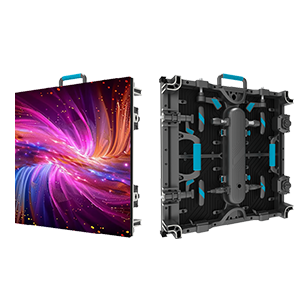
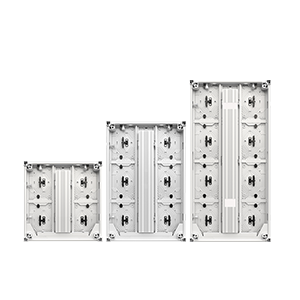
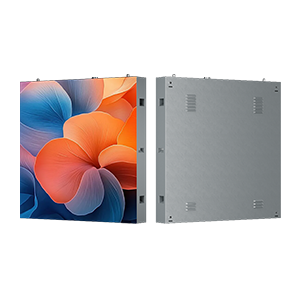
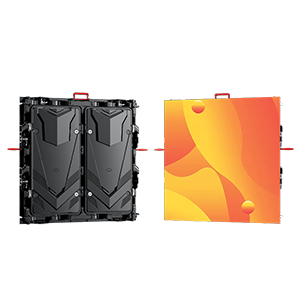
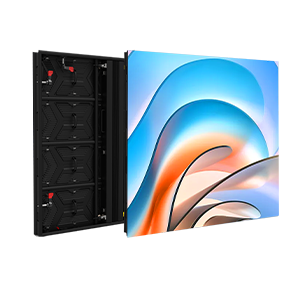
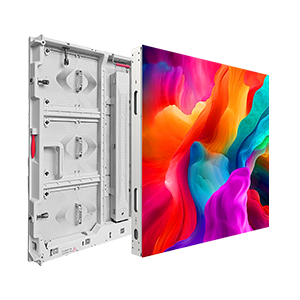
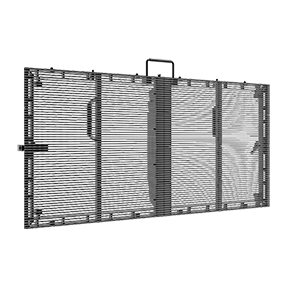
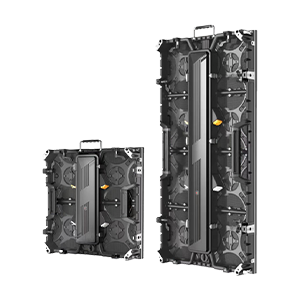
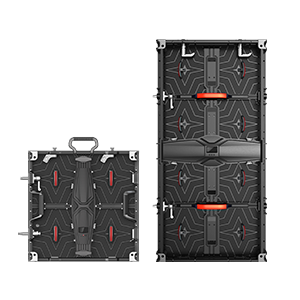
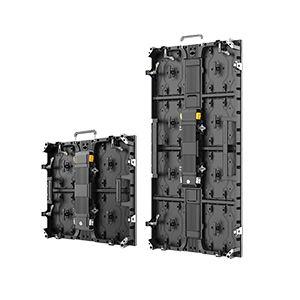

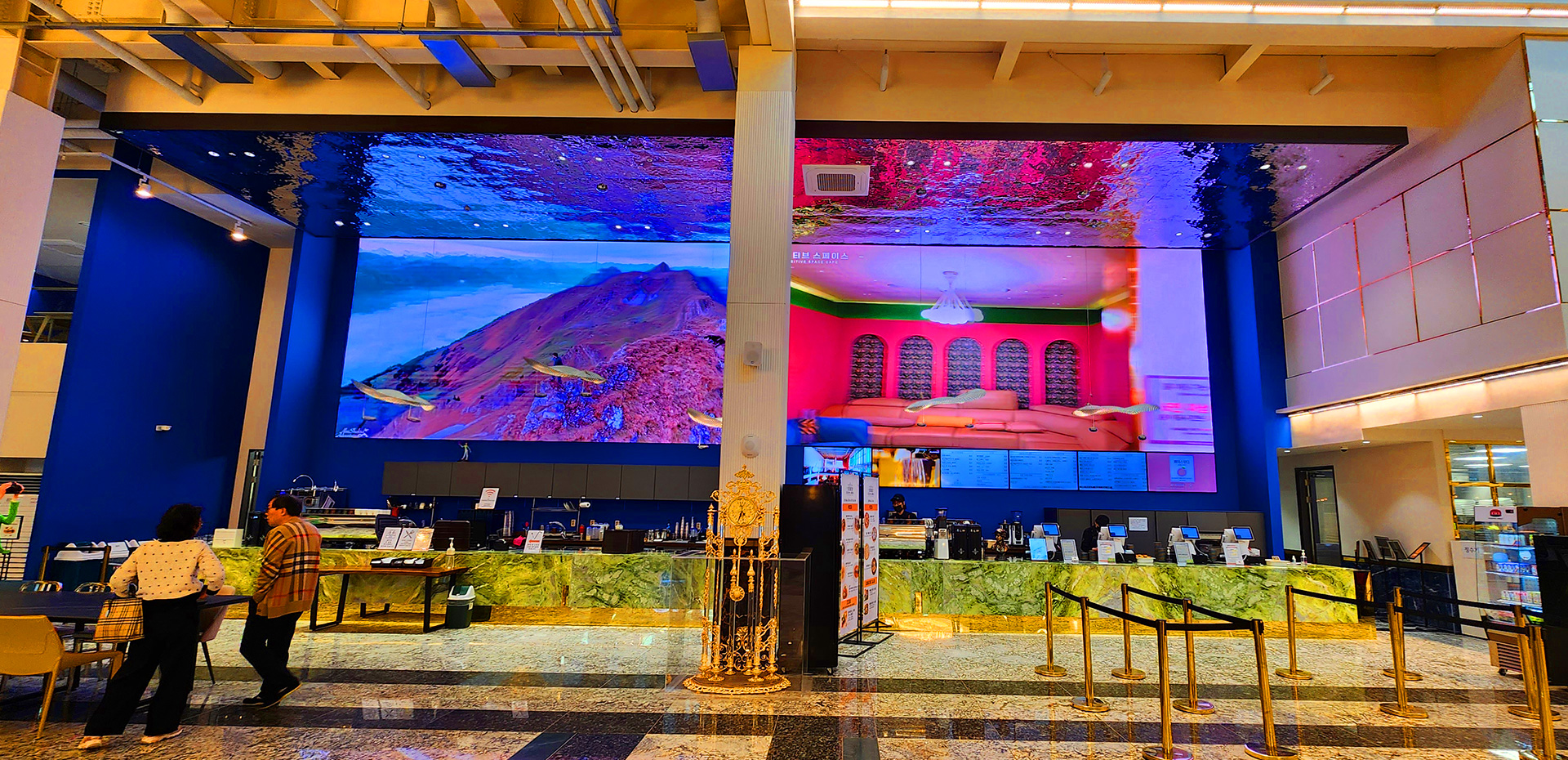


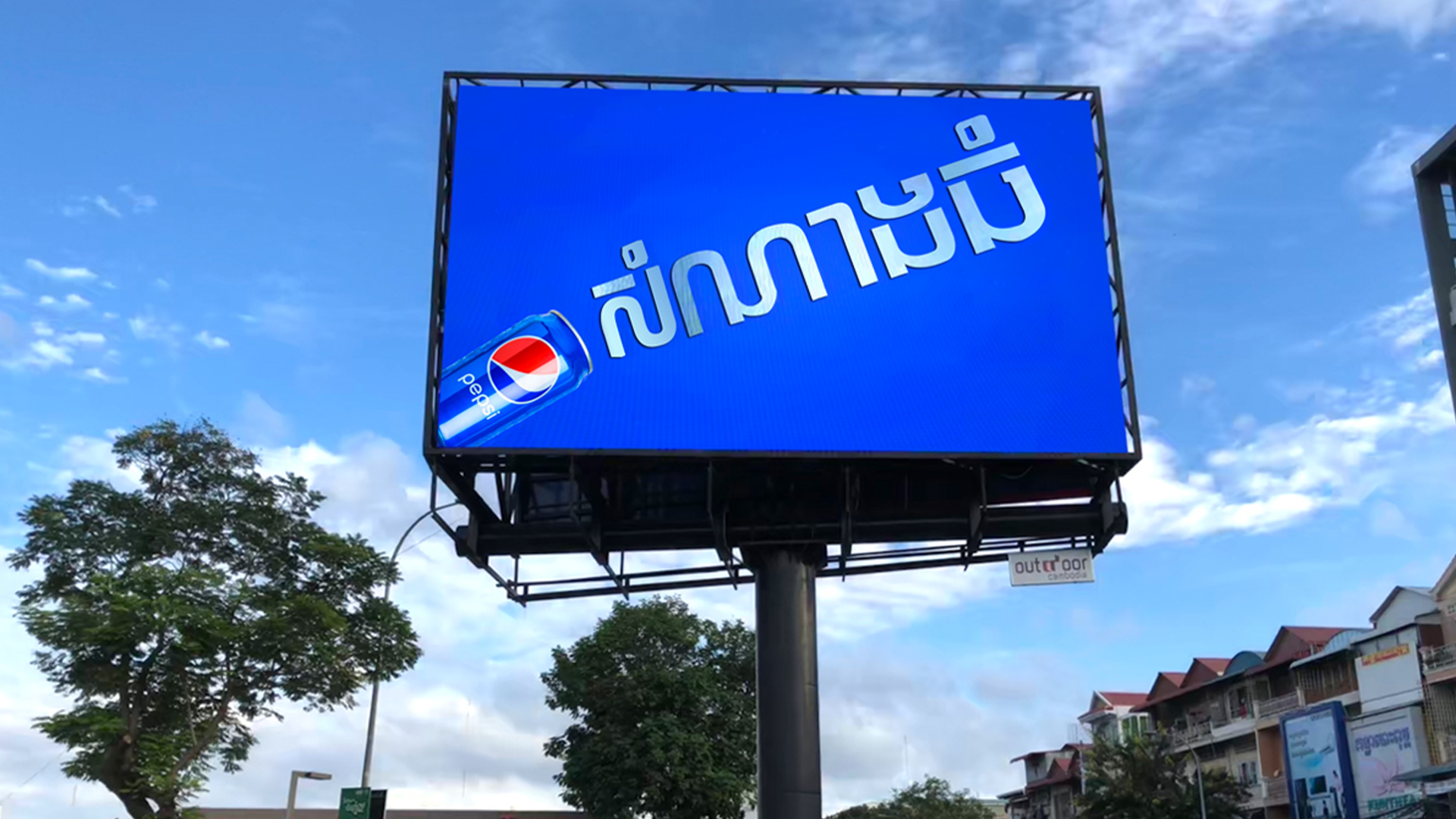

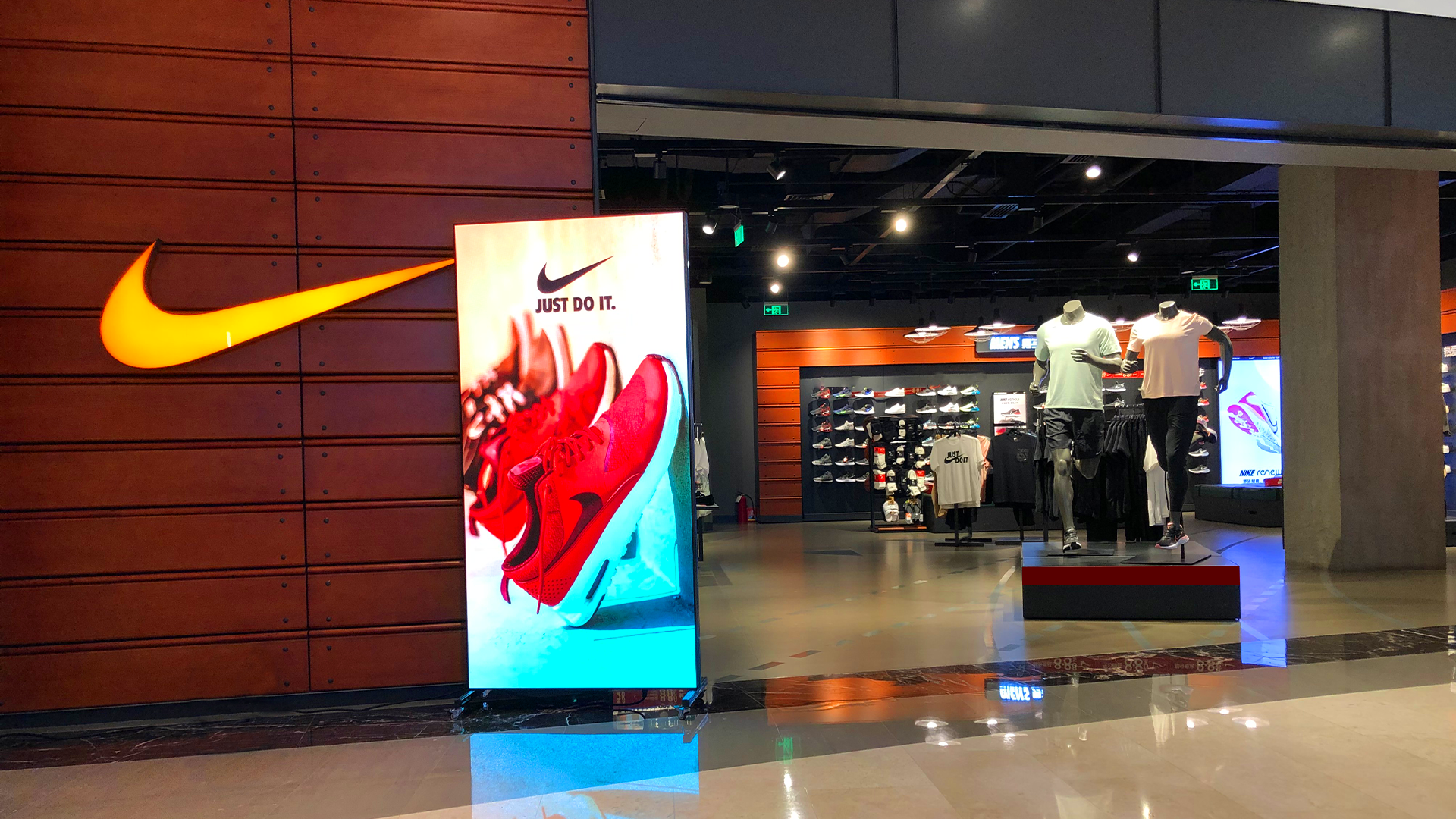
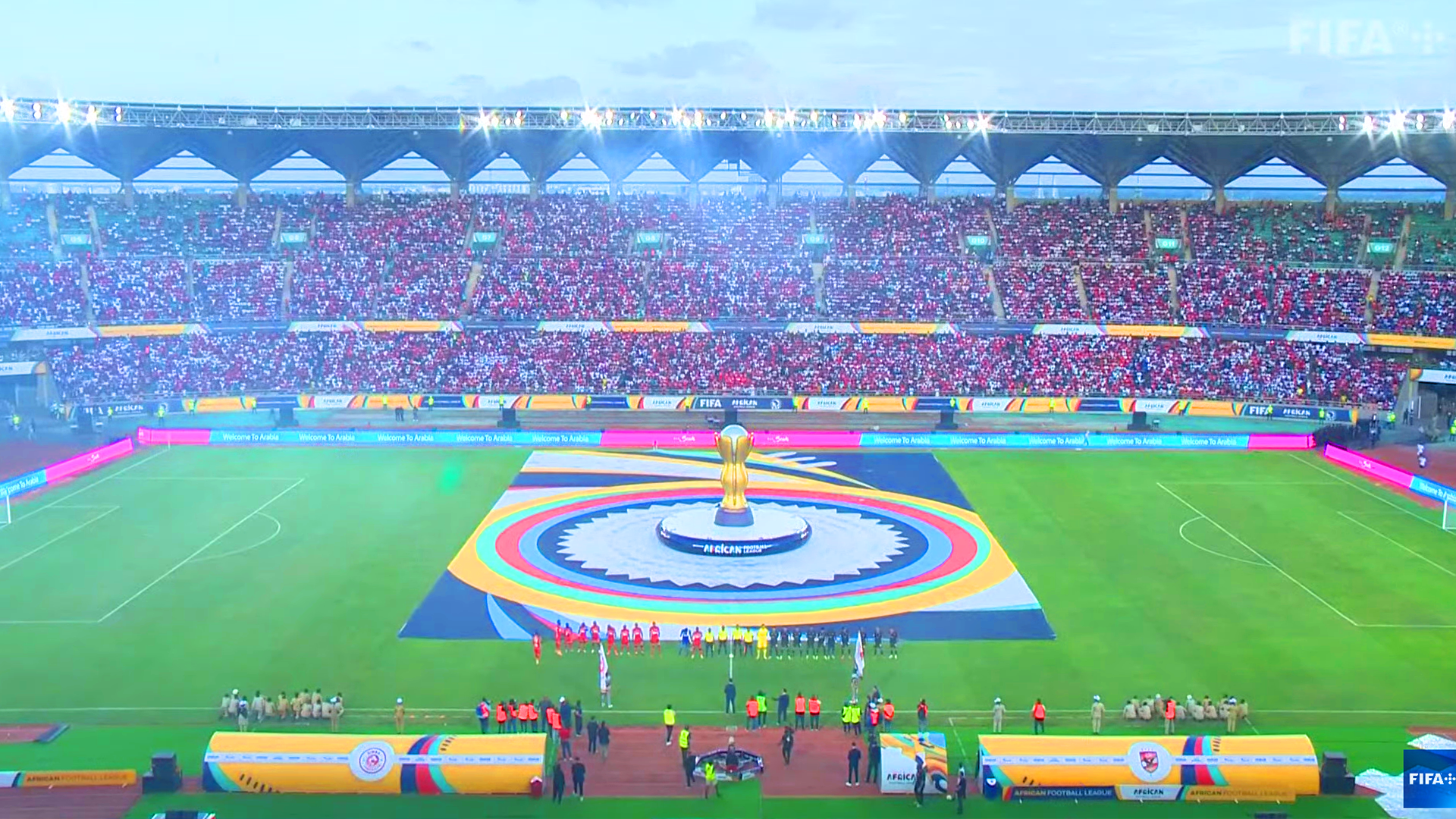





The specification for outdoor screens often centers on one critical number: brightness measured in nits. For businesses considering a large led display for advertising or public information, the appeal of a screen that can compete with direct sunlight is obvious. However, high brightness is not a universal solution without compromise. As a manufacturer, we at LEDFUL regularly counsel clients on the trade-offs involved. Understanding these pros and cons ensures that when you invest in an led display, you are selecting specifications that match your actual environmental needs rather than simply pursuing the highest possible number.
The Primary Advantage: Direct Sunlight Visibility
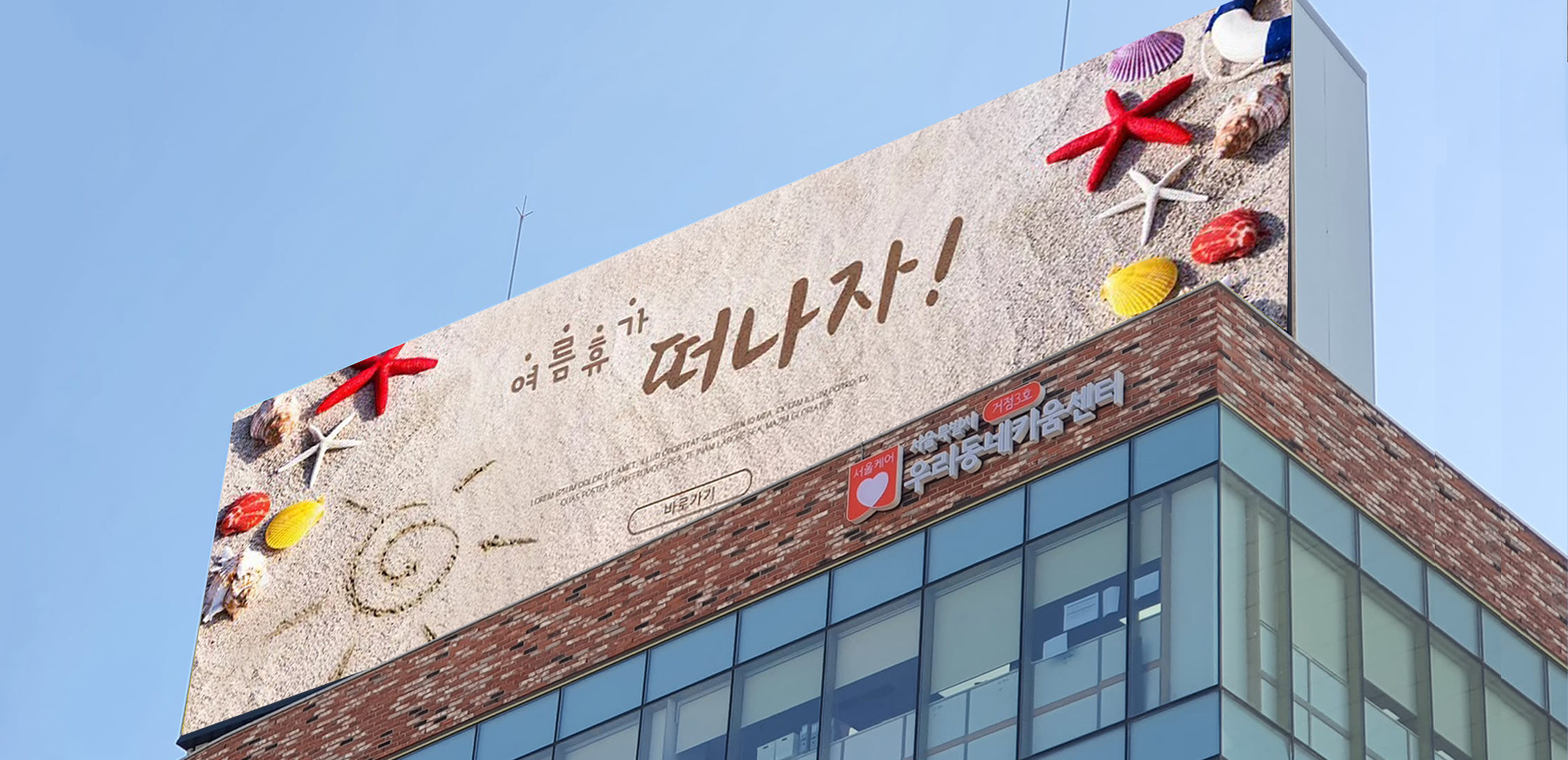
The most significant benefit of a high-brightness led display is its ability to maintain clear visibility under harsh ambient light. An outdoor screen positioned on a building facade or beside a highway must compete with the sun’s glare. Standard indoor screens, typically ranging from 500 to 1000 nits, become virtually invisible in such conditions. A high-brightness large led display, often rated at 5000 nits or more, helps overcome that glare, ensuring that marketing messages and wayfinding information remain sharp and readable throughout the day. This visibility directly correlates with advertising revenue, as content that cannot be seen cannot generate impressions. For our clients at LEDFUL, this capability is non-negotiable for prime locations where sunlight is intense for most of the year. Without adequate brightness, even the most creative content fails to achieve its purpose.
The Trade-Offs: Power Consumption and Thermal Management
However, generating extreme brightness requires substantial electrical power. A large led display operating at maximum capacity can significantly increase operational costs compared to a standard unit. This is not merely an expense issue; high power draw generates considerable heat. Every led display produces heat as a byproduct of illumination, and excessive heat is the primary enemy of component longevity. Without sophisticated thermal management—such as advanced heat sinks or integrated fans—the LEDs and drivers can degrade faster, leading to color shift or premature failure. We have observed that some buyers focus solely on peak brightness figures without considering the duty cycle. An led display running at 6000 nits for twelve hours a day will have a different lifespan than one designed with adaptive brightness controls. Therefore, the decision involves balancing visibility requirements against long-term energy budgets and maintenance cycles.
Achieving Balance Through Smart Engineering
Fortunately, modern technology allows for intelligent compromises. A well-designed large led display does not need to run at maximum brightness constantly. By integrating ambient light sensors, the screen can automatically adjust its output based on real-time conditions—dimming at night and brightening only when the sun is directly on it. This approach, which we implement in our LEDFUL product lines, preserves the benefits of high brightness while mitigating the drawbacks. When evaluating an led display, we recommend looking beyond the peak nit rating to examine the efficiency of the LEDs and the quality of the power supplies. Efficient components mean less heat and lower electricity bills, even at higher brightness levels. The goal is not the brightest possible screen, but a large led display that delivers the right amount of light precisely when and where it is needed.
In conclusion, high brightness is a powerful tool for outdoor visual communication, but it must be applied thoughtfully. The pros of sunlight visibility are clear, yet they come with cons related to power use and thermal stress. By prioritizing smart, adaptive engineering over raw specifications, businesses can enjoy the impact of a vivid led display without the hidden costs. At LEDFUL, our focus remains on helping partners navigate these technical decisions to achieve reliable, long-term performance from their large led display investments.