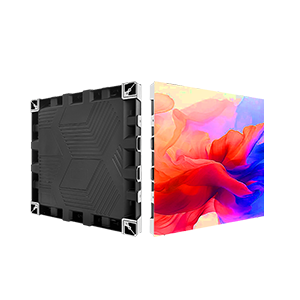
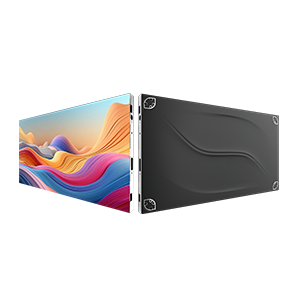
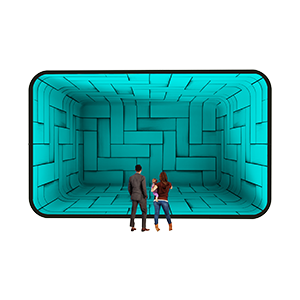








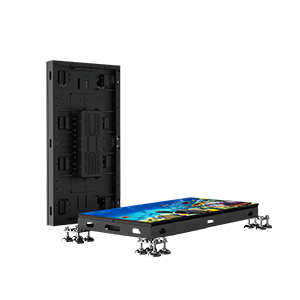
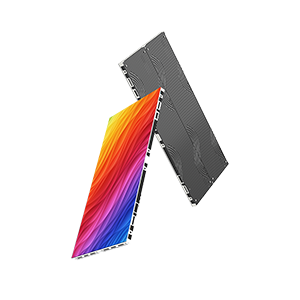
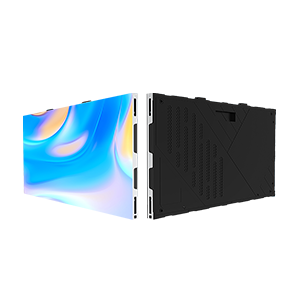
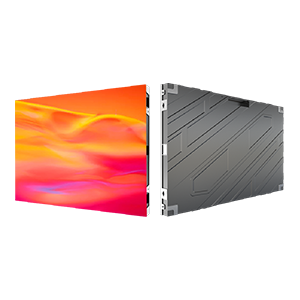
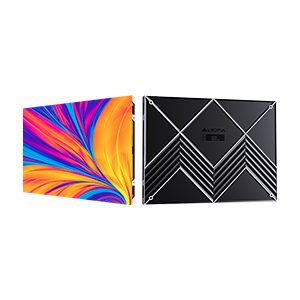
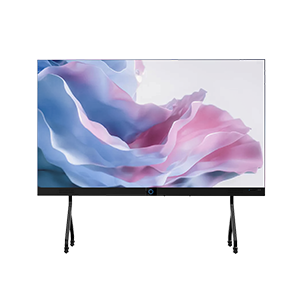
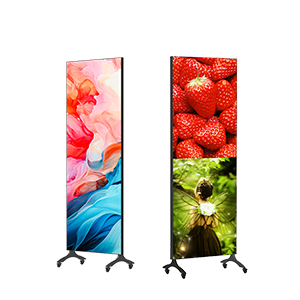
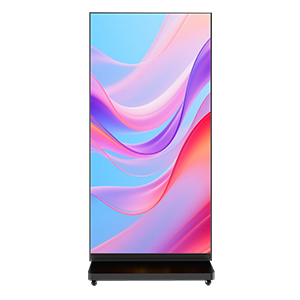
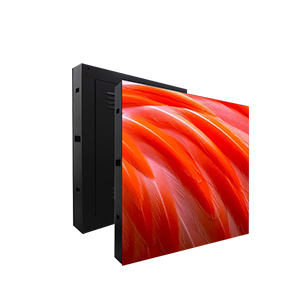
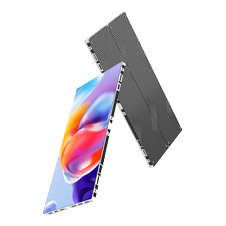
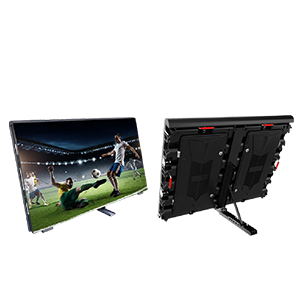
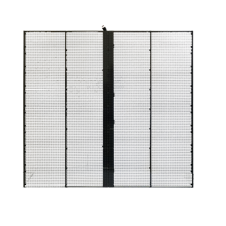
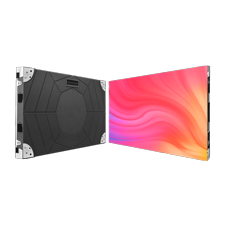
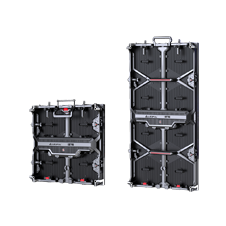
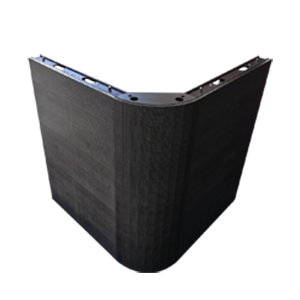
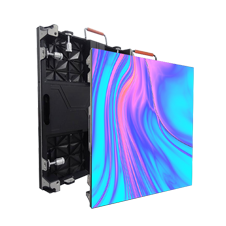
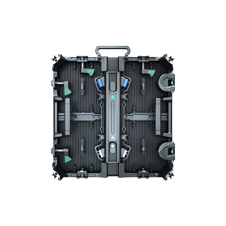
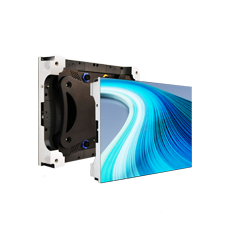
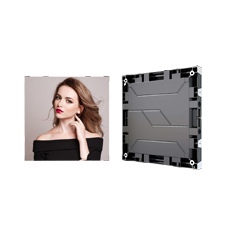
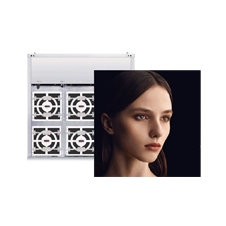
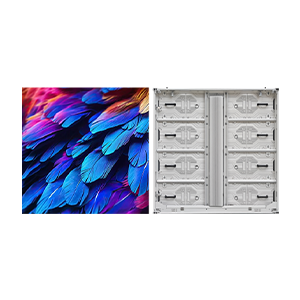
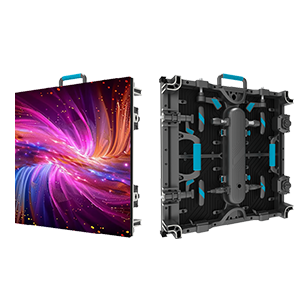
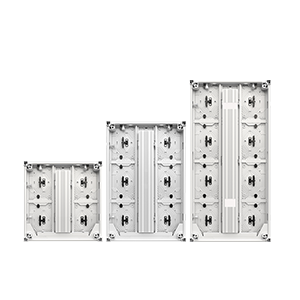
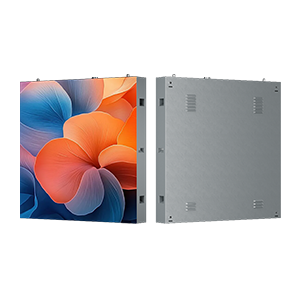
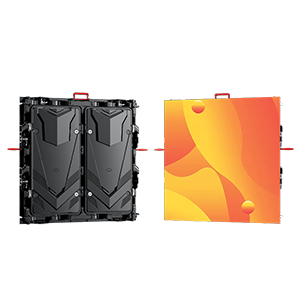
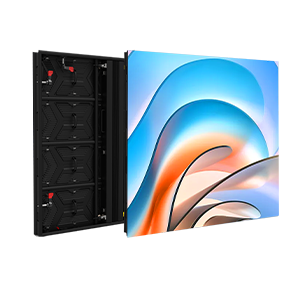
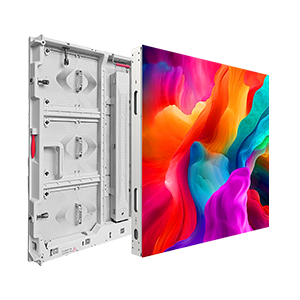

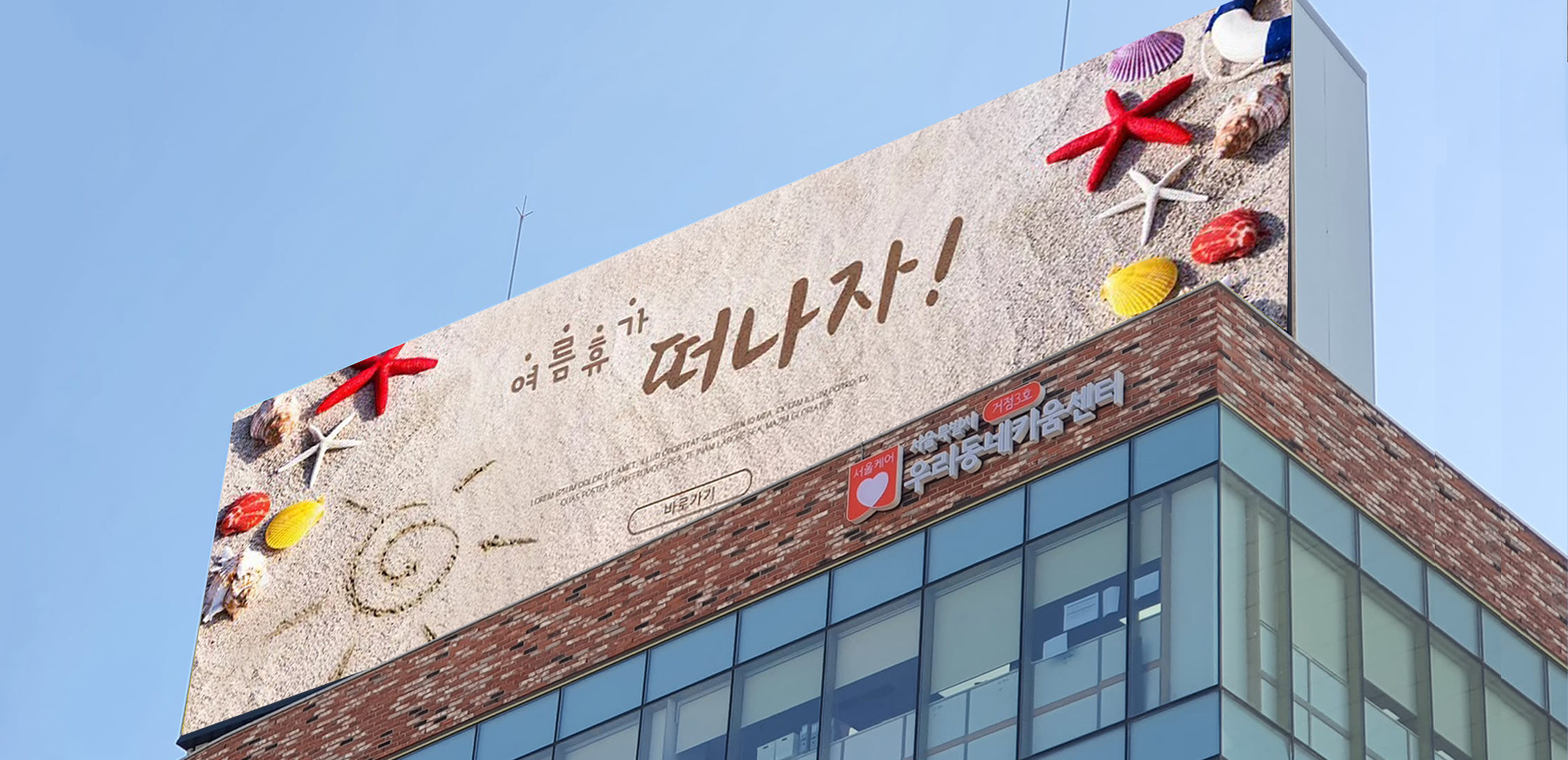
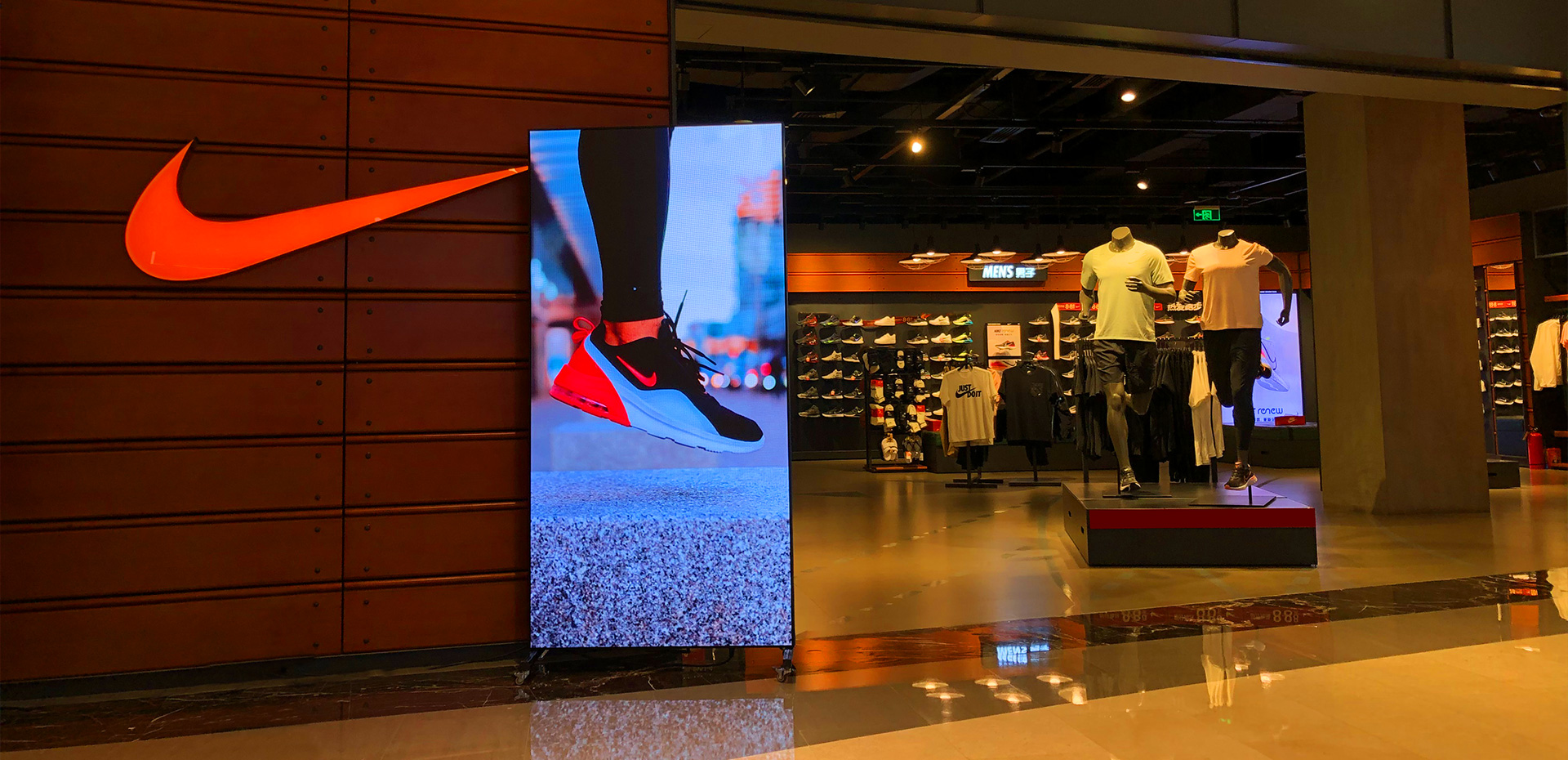
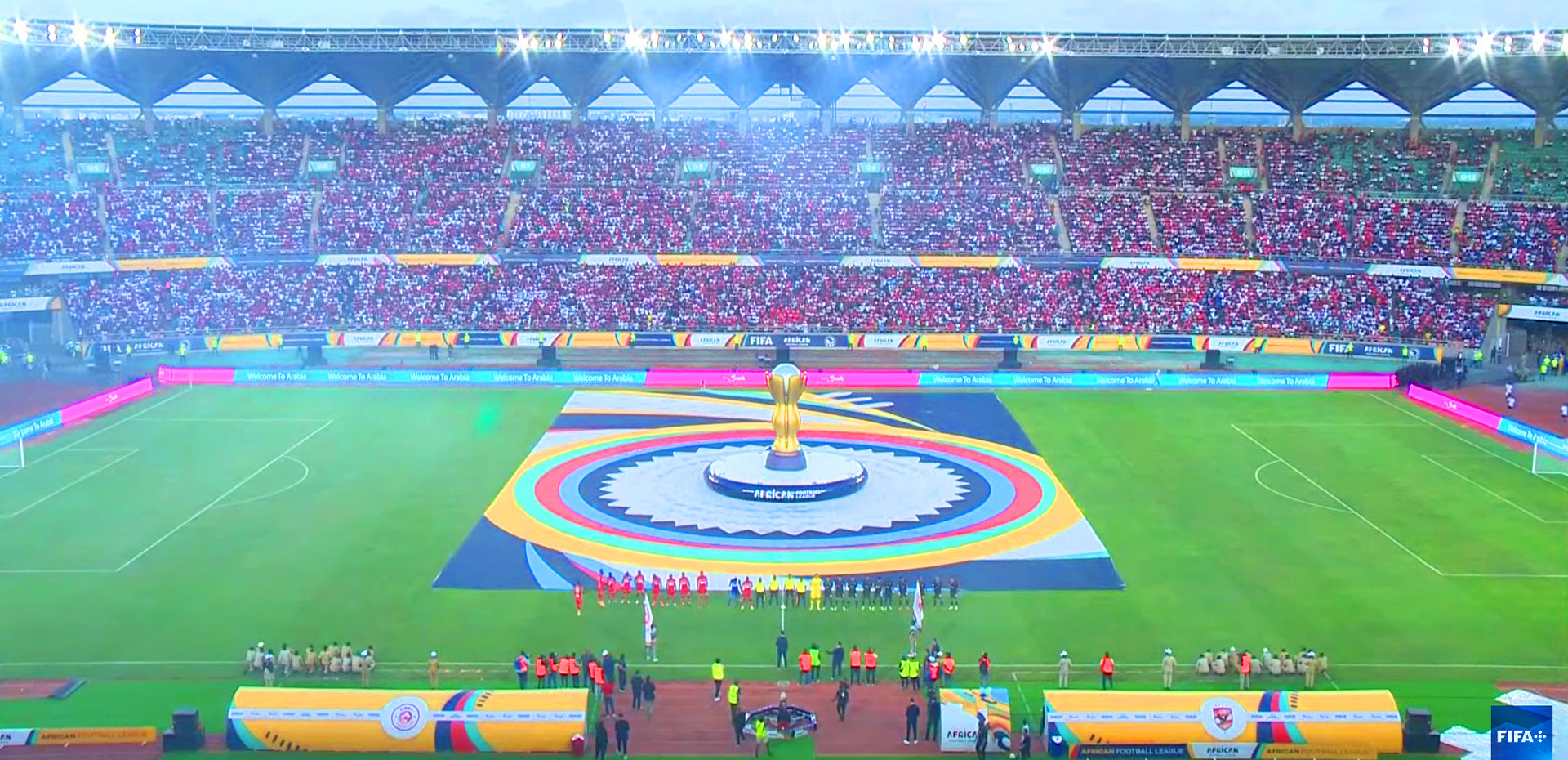

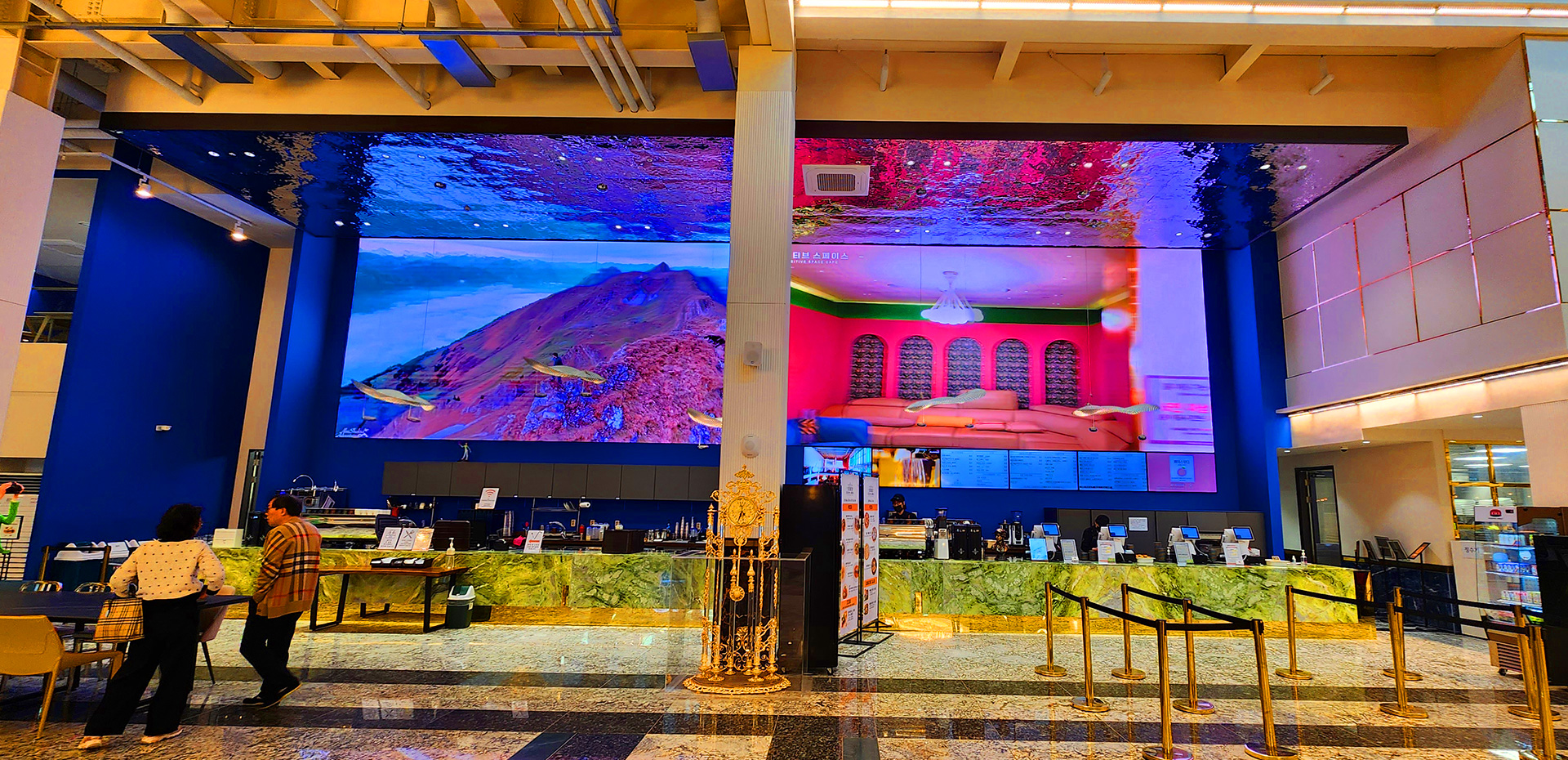










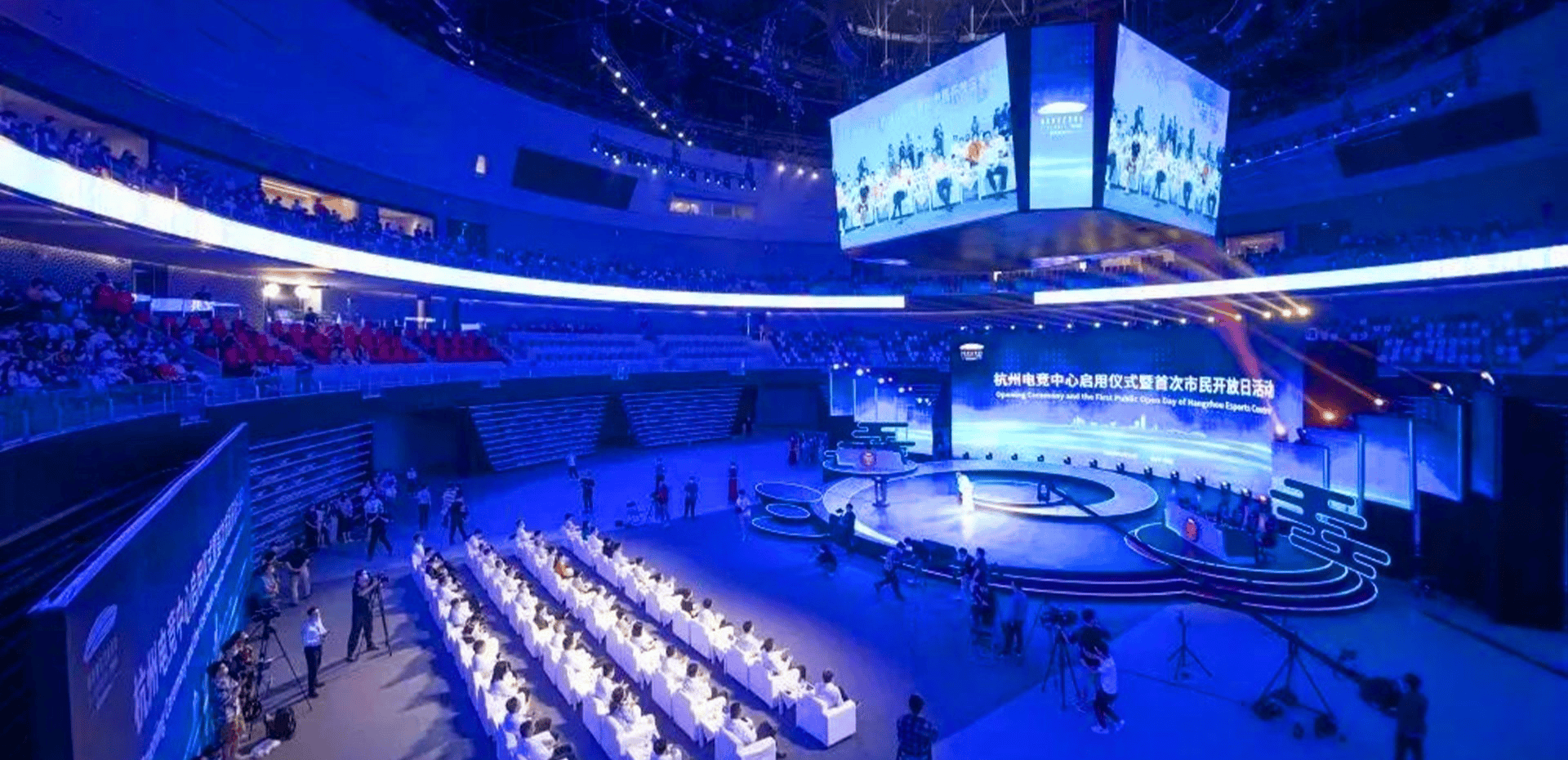

In the rapidly advancing world of visual communication, we have witnessed a monumental shift in how digital information is presented. At LEDFUL, we understand that for our partners—ranging from architectural designers to global advertising firms—the choice of technology is not merely a technicality; it is a strategic business decision. The transition from Dual In-line Package (DIP) to Surface Mount Device (SMD) technology represents more than just a reduction in size; it marks the evolution of the LED display from a simple outdoor signaling tool into a sophisticated, high-definition medium capable of breathtaking detail.
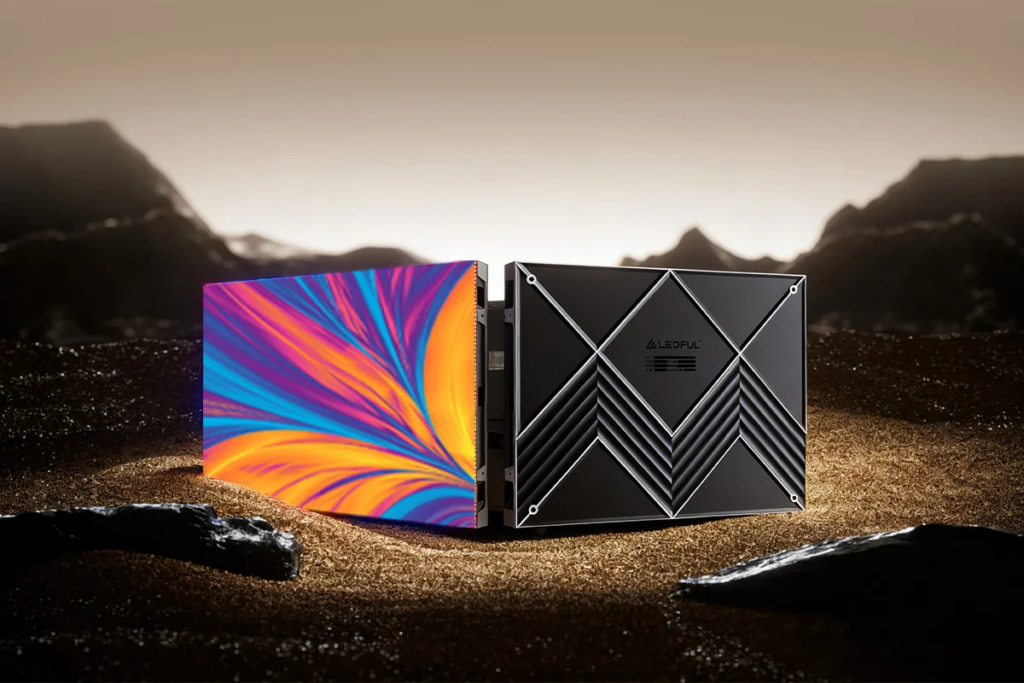
Understanding the Foundations: The Era of DIP Technology
When we first began exploring the boundaries of large-scale visual solutions, DIP technology was the undisputed industry standard. Each DIP LED consists of two long metal pins that are soldered through a printed circuit board (PCB). Traditionally, a single pixel in a full-color DIP display was composed of three separate bulbs: one red, one green, and one blue.
While this technology may seem legacy in the context of modern indoor applications, we still recognize its historical importance in the outdoor sector. DIP LEDs are known for their high brightness and durability. Because the components are encased in a sturdy epoxy “bullet” shape, they offer excellent protection against the elements. However, at LEDFUL, we observed that as the market demanded higher resolutions and tighter pixel pitches, the physical limitations of the DIP structure—specifically the space required for the pins and the individual bulbs—made it nearly impossible to achieve the seamless, high-density visuals required for modern commercial environments.
The SMD Revolution: Precision Engineering for the Modern LED Display
As the demand for more versatile and higher-resolution screens grew, the industry moved toward SMD technology. Unlike its predecessor, an SMD LED integrates the red, green, and blue chips into a single, tiny package that is mounted directly onto the surface of the PCB. This innovation changed everything for us and our clients.
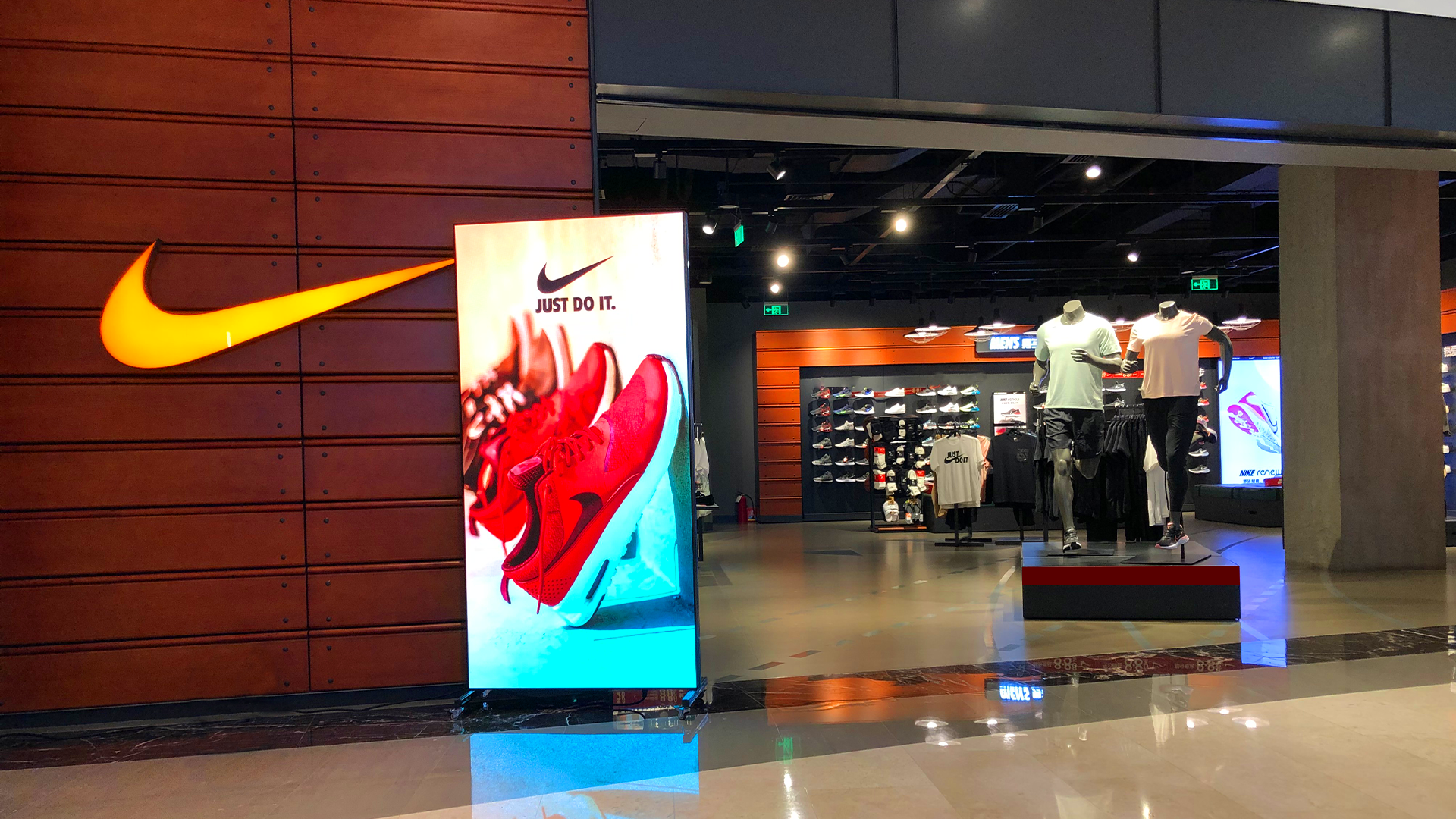
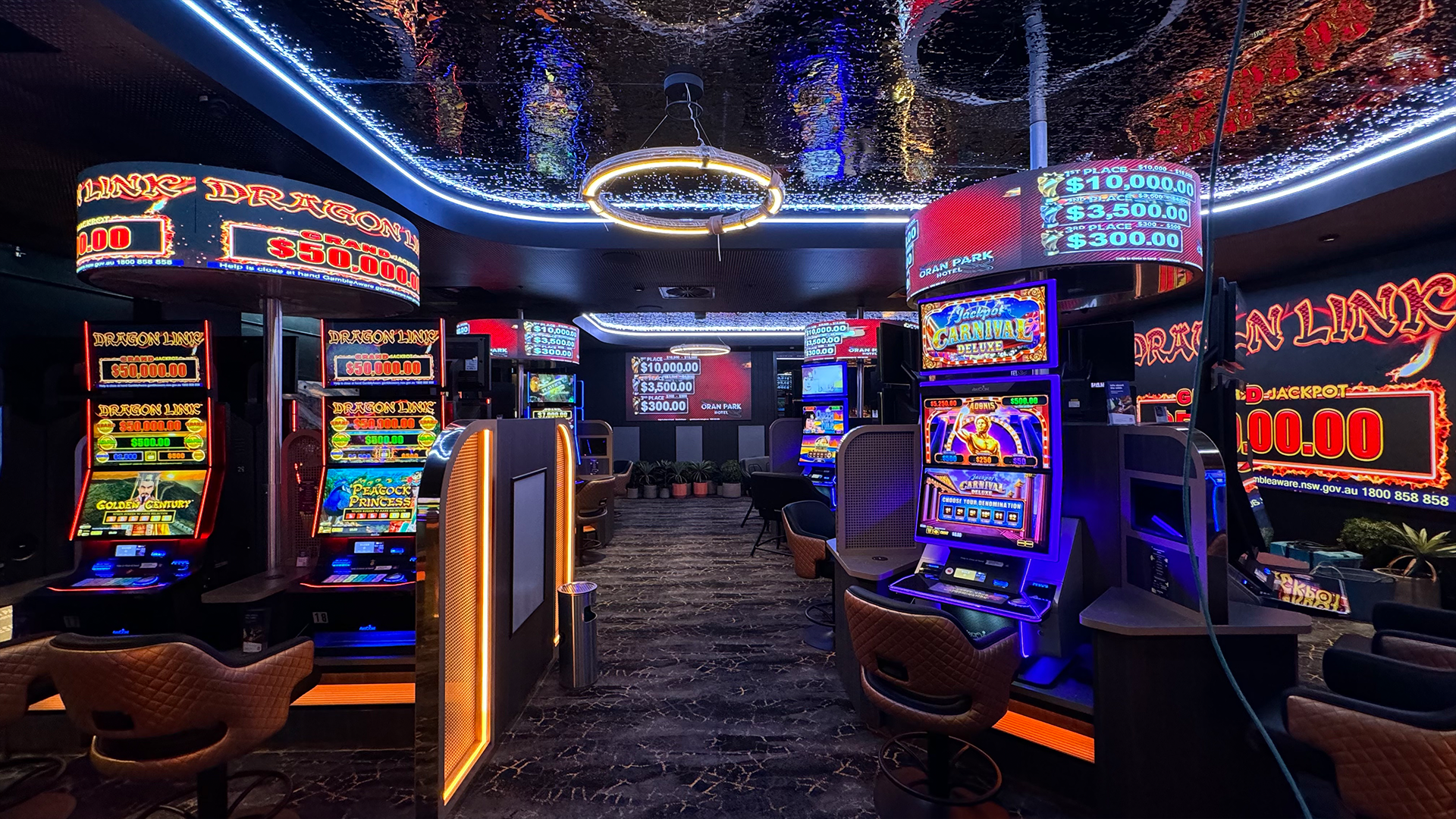
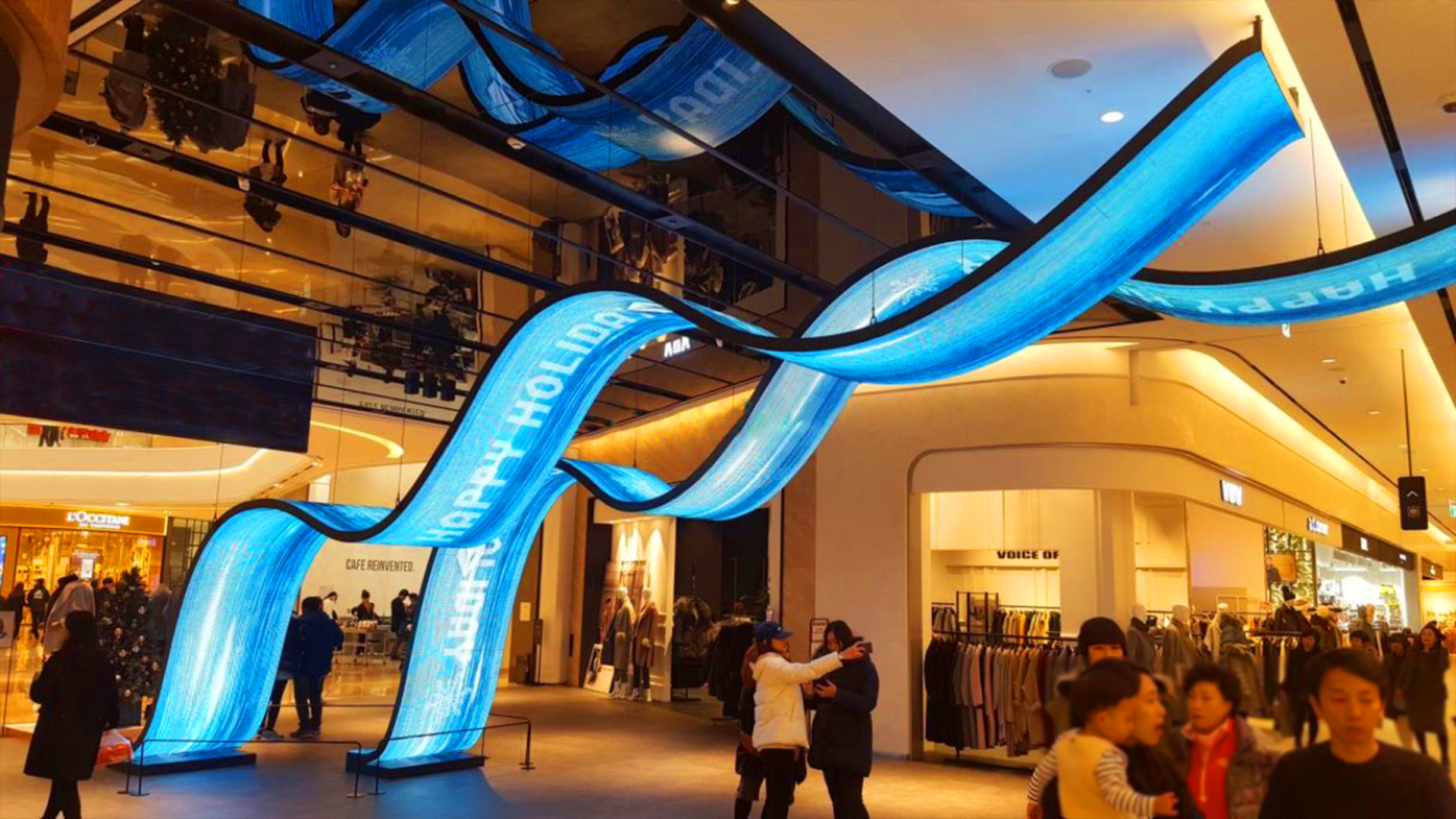
By consolidating the color chips into a single unit, we can achieve significantly tighter pixel pitches. This is the cornerstone of the modern LED display industry. At LEDFUL, our SMD solutions allow for a much closer viewing distance without the “screen door effect” often associated with older DIP outdoor billboards. This transition has allowed us to bring the power of LED technology indoors, replacing traditional projectors and LCD walls with seamless, high-contrast displays that command attention in boardrooms, retail flagships, and command centers.
Outdoor SMD: Breaking the Durability Barrier
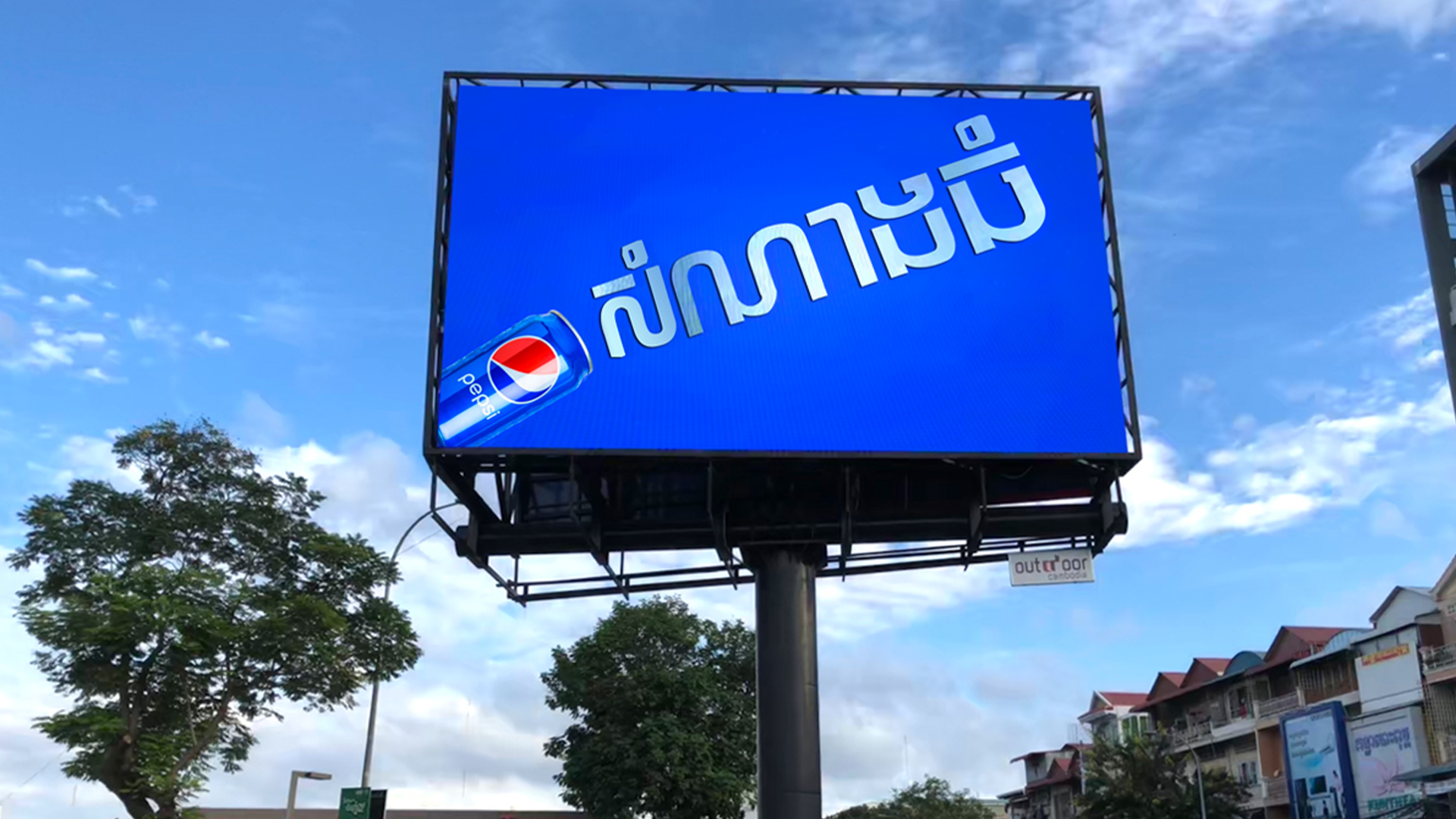
Historically, the main argument against SMD was its vulnerability to moisture compared to the rugged DIP bulb. However, through rigorous R&D, we have overcome these hurdles. Our outdoor SMD products utilize advanced encapsulation techniques and high-grade polymers that provide IP65 and IP66 protection ratings. We now offer the best of both worlds: the high resolution and wide viewing angles of SMD with the weather-resistant reliability that the outdoor market expects.
Whether it is for a high-traffic transit hub or a luxury outdoor retail display, our SMD technology ensures that the content remains crisp and legible under direct sunlight. We utilize high-brightness LEDs that compete with traditional DIP levels while providing a far more sophisticated visual experience.
The LEDFUL Commitment: Quality Beyond the Specification Sheet
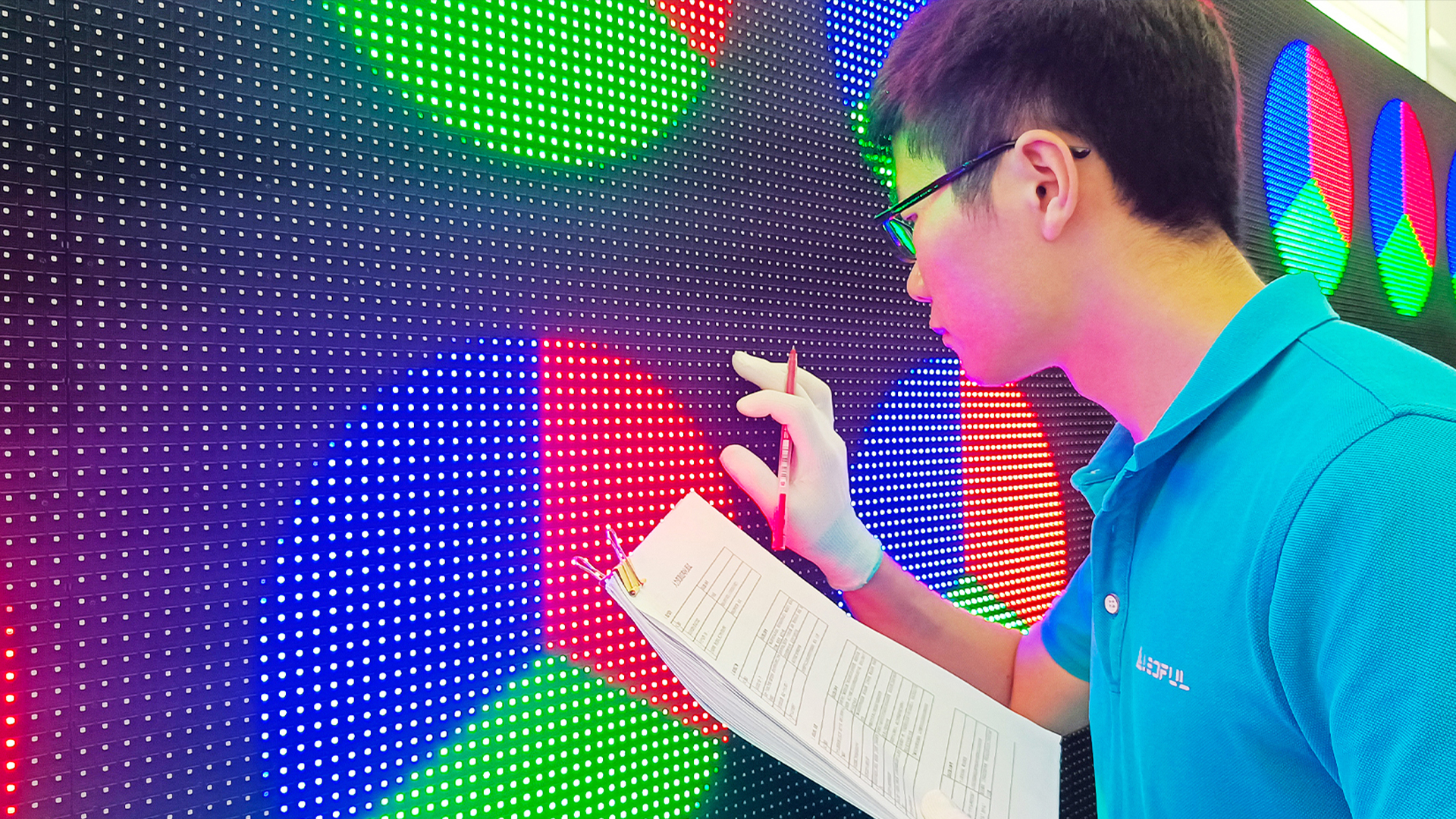
At LEDFUL, we do not just sell screens; we provide integrated visual solutions. We recognize that our clients require 24/7 reliability. This is why our SMD manufacturing process involves stringent quality control, from the selection of the gold-wire bonding within the LED package to the automated optical inspection (AOI) of the finished PCB.
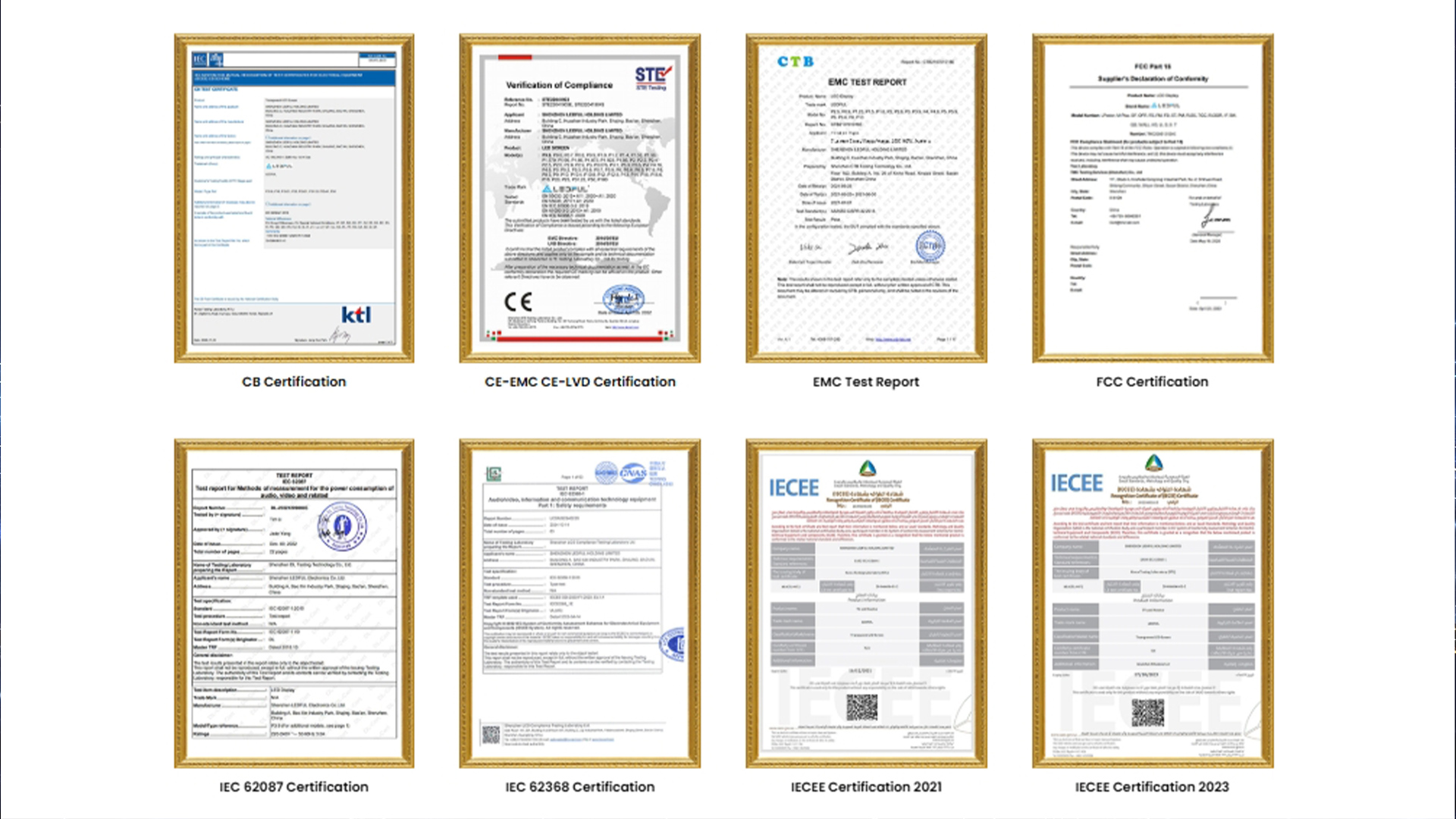
We understand that a display is an investment in your brand’s image. A failure of even a few pixels can detract from a multi-million dollar marketing campaign. Therefore, we utilize high-refresh-rate ICs and stable power supplies to ensure that every LED display we ship meets the highest global standards for performance and longevity.
The Future: Moving Toward COB and Beyond
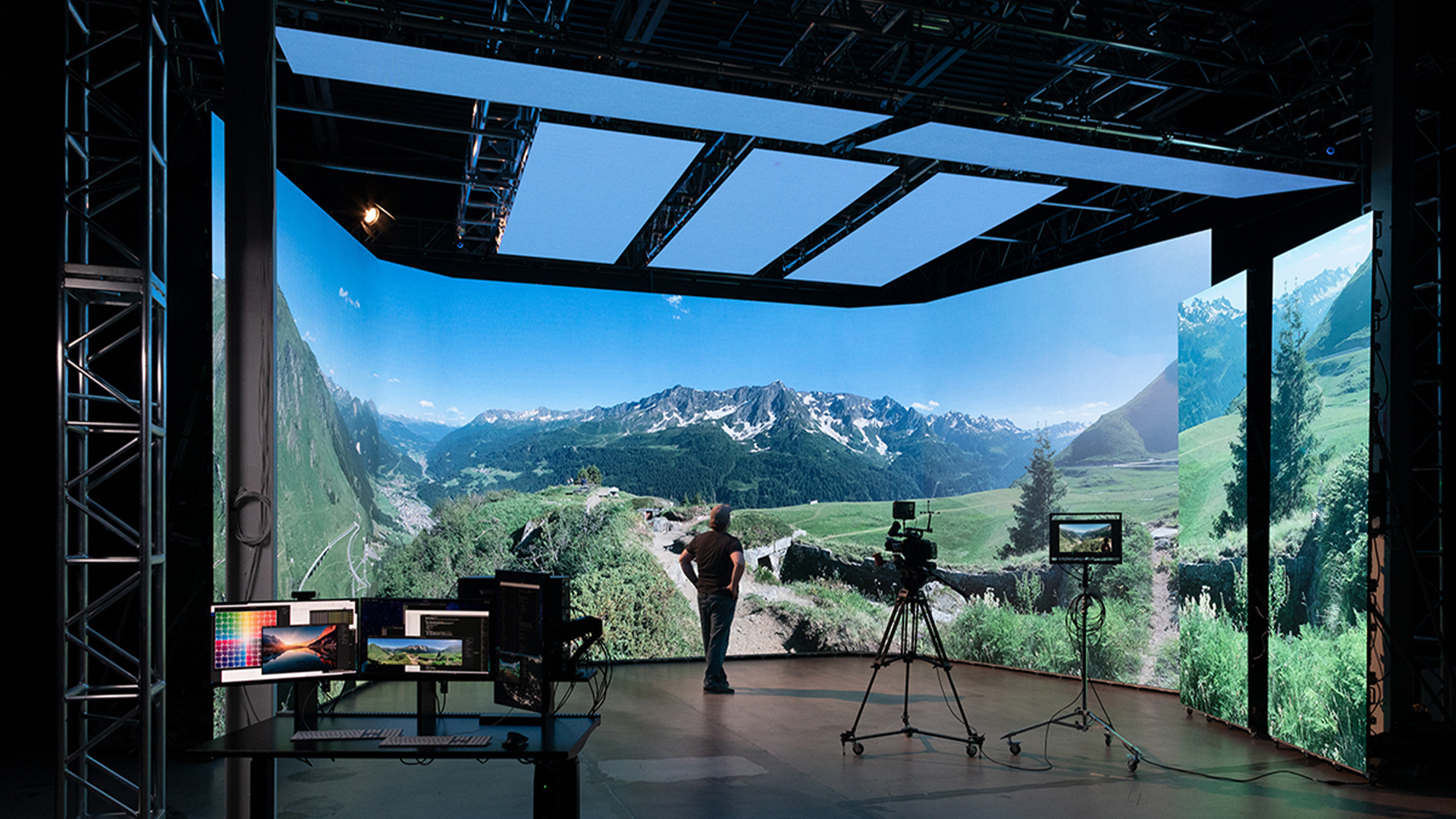
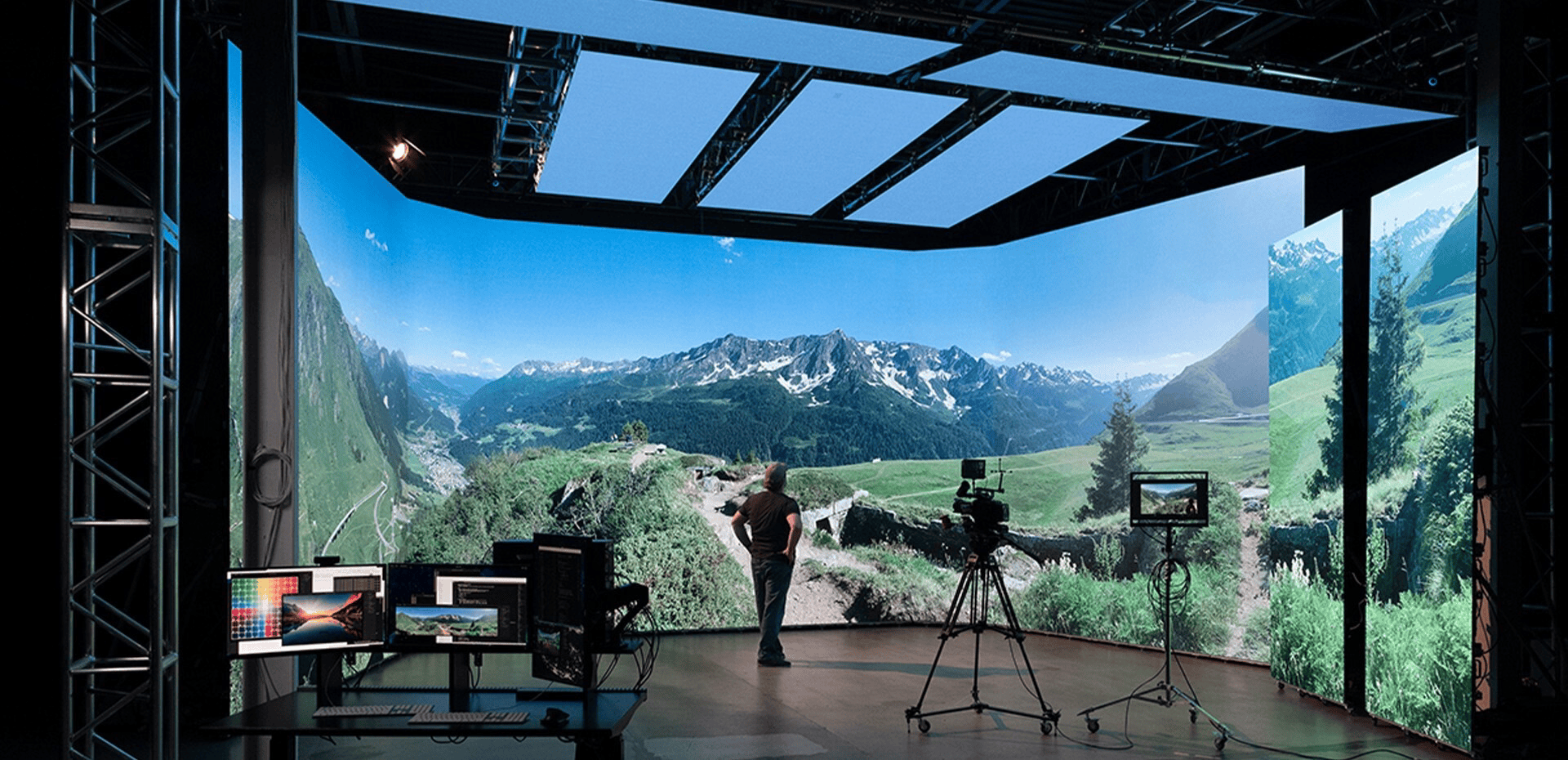
While SMD remains the gold standard for the majority of professional applications today, we are already looking toward the next frontier: Chip-on-Board (COB) technology. By mounting the LED chips directly to the board without an individual package, we can achieve even smaller pixel pitches (sub-1mm) and enhanced physical protection. This is particularly relevant for the “Fine Pitch” market where we serve high-end corporate interiors and broadcast studios.
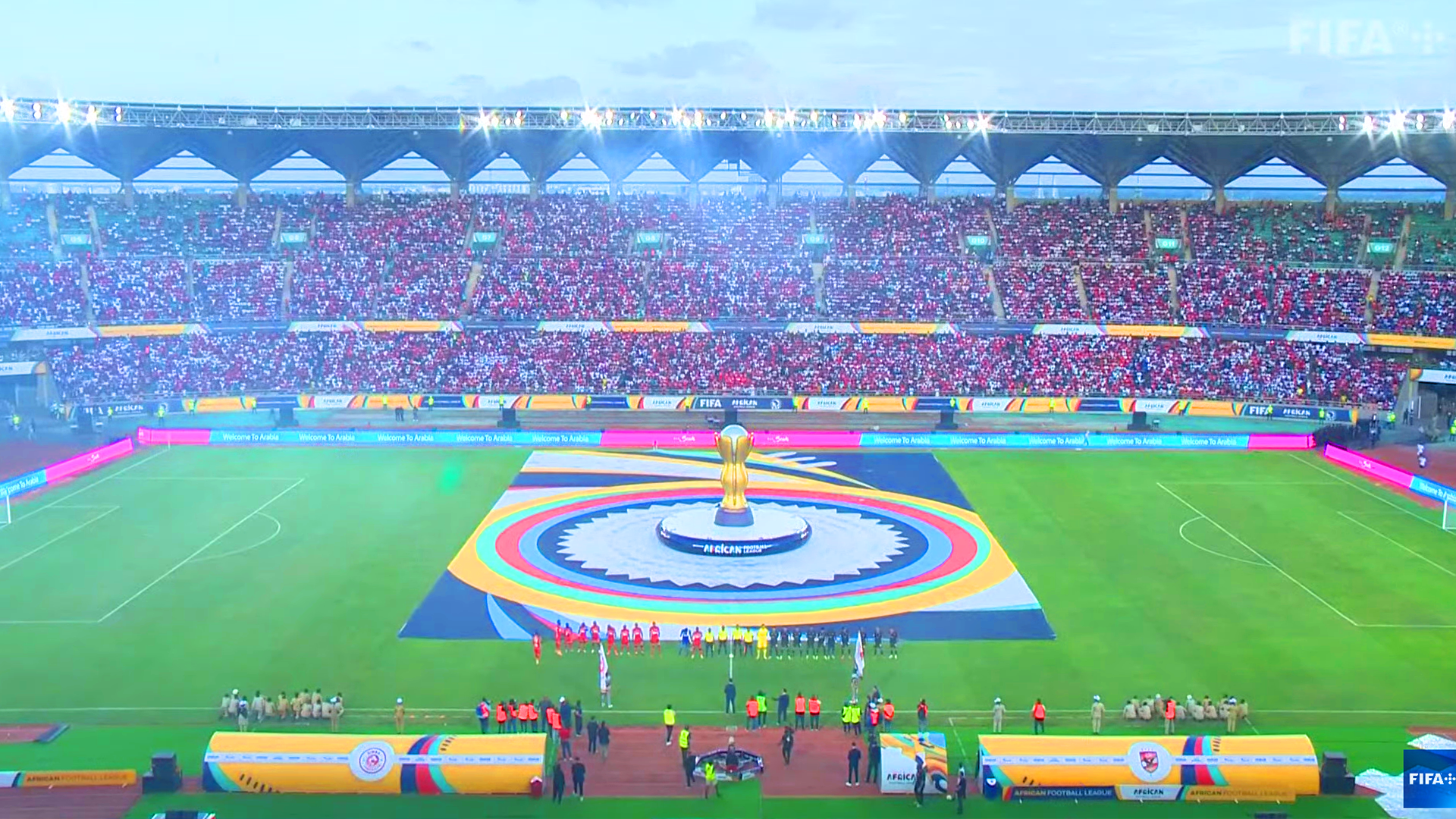
However, for the vast majority of current needs—from rental stages to fixed installations—SMD offers the perfect balance of cost-efficiency, repairability, and visual performance. We continue to refine our SMD offerings to ensure they remain the most reliable choice for our partners.
Conclusion: Partnering for a Brighter Vision
The journey from DIP to SMD has been defined by a relentless pursuit of pixel density and color accuracy. As we continue to lead the way in display innovation, we invite our partners to leverage our expertise. Choosing a LEDFUL solution means choosing a legacy of technical excellence and a future of visual brilliance.
We are committed to helping you navigate these technological shifts. Whether you are upgrading an existing outdoor billboard or designing a state-of-the-art indoor experience, we have the technical precision and the global support network to bring your vision to life. Let us build the future of visual communication together, one pixel at a time.