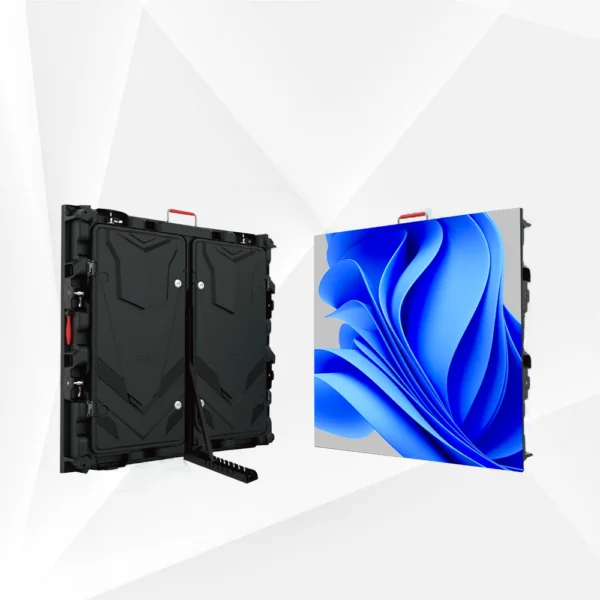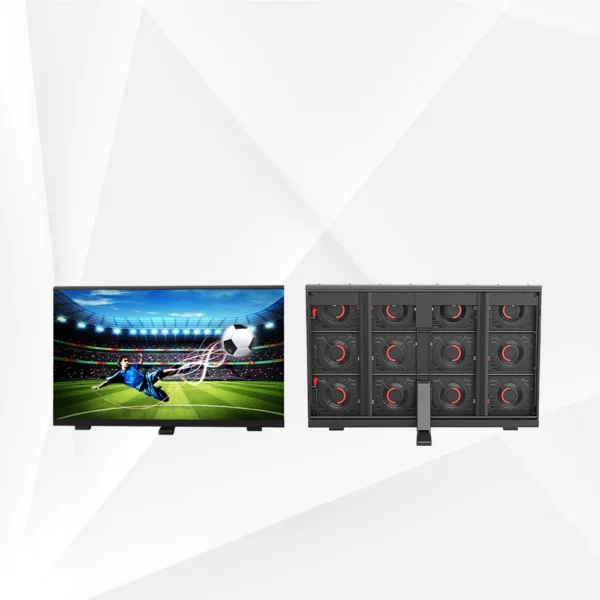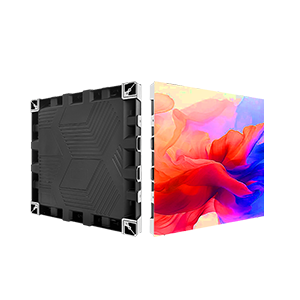
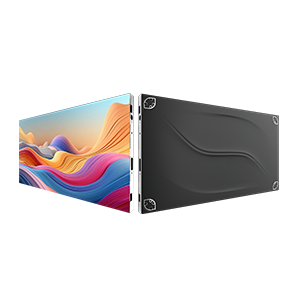












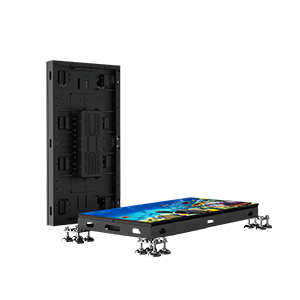
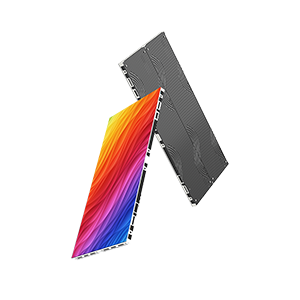
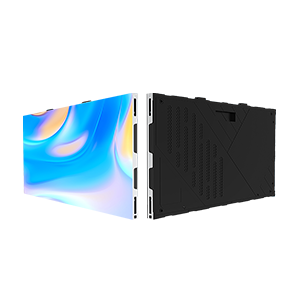
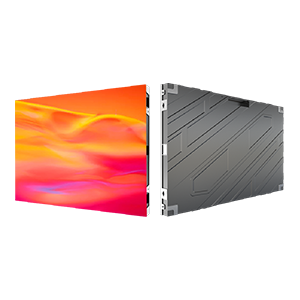
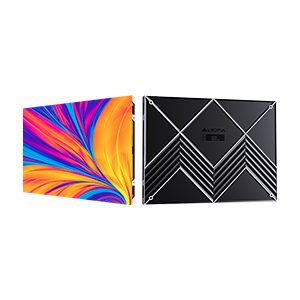
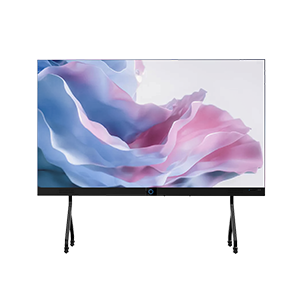
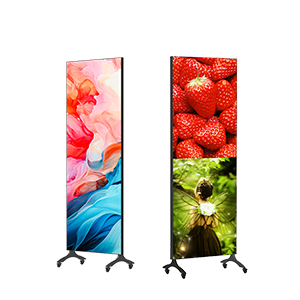
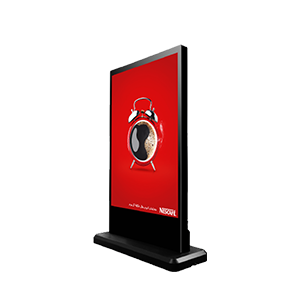

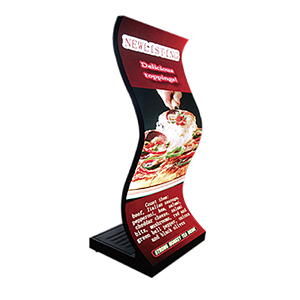
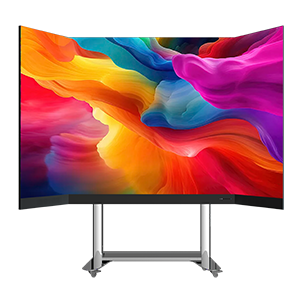
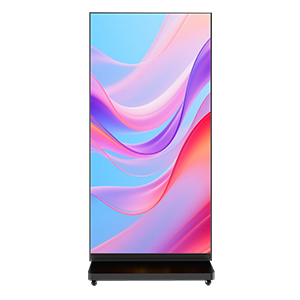
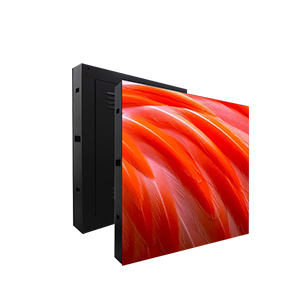
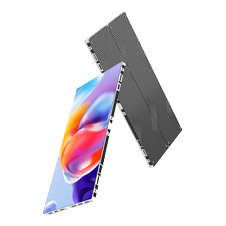
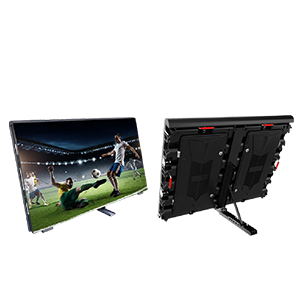
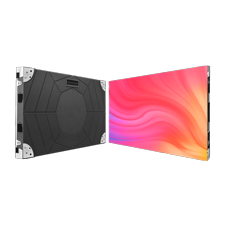
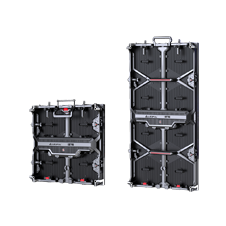
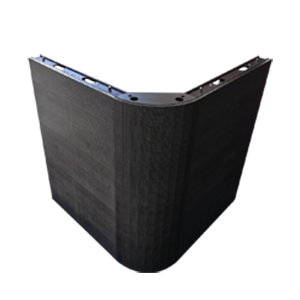
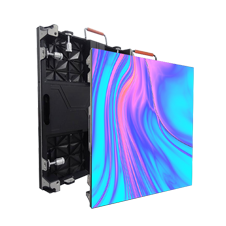
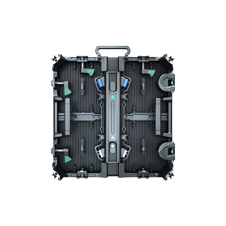
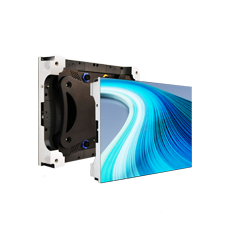
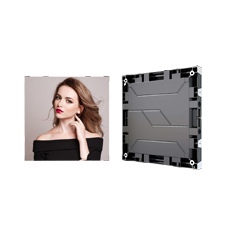
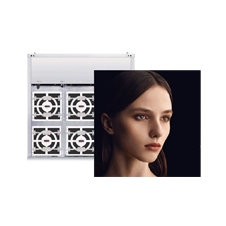
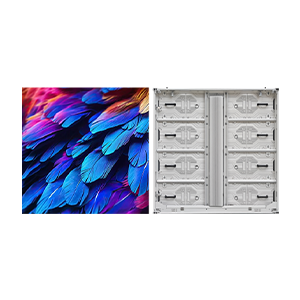
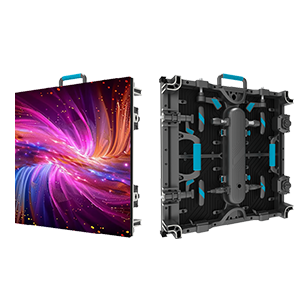
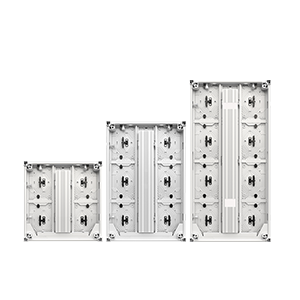
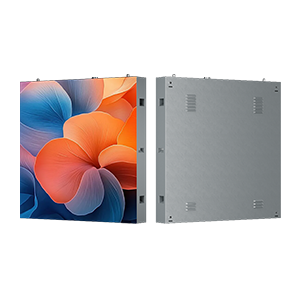
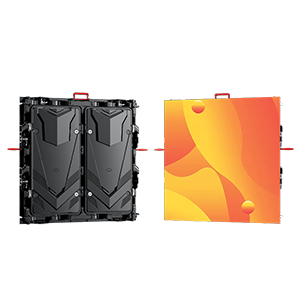
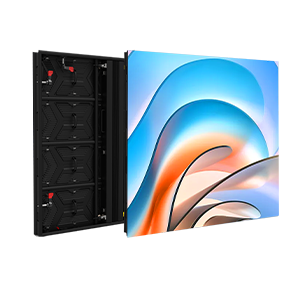
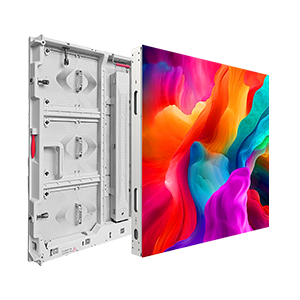
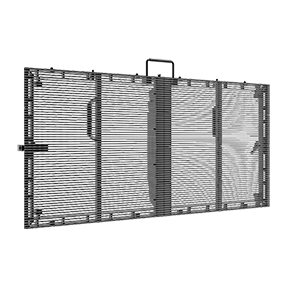
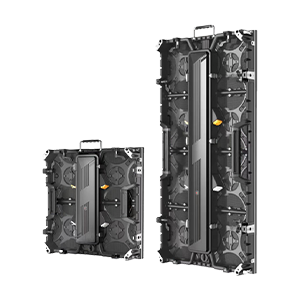
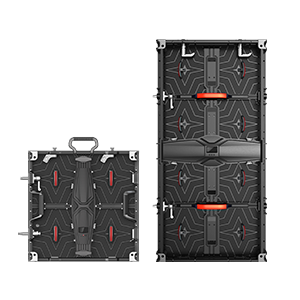
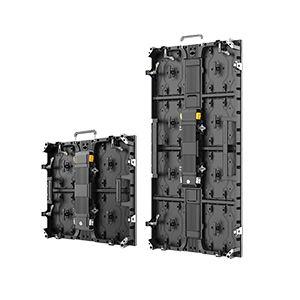
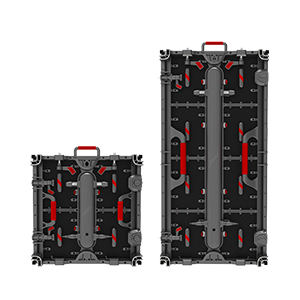
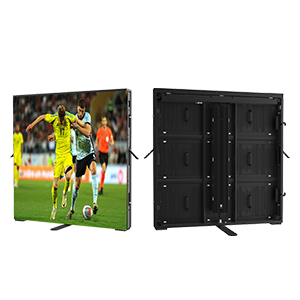
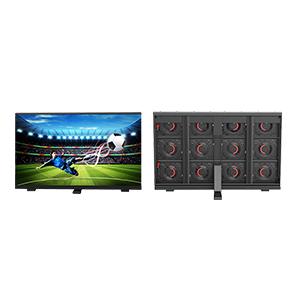
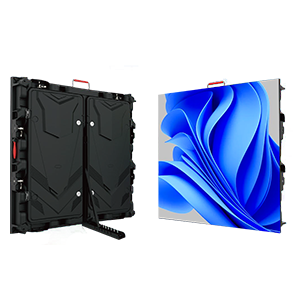
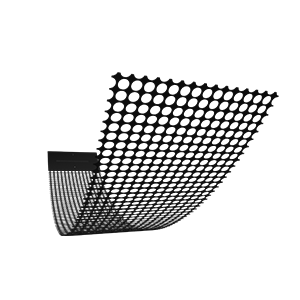









For production companies and rental houses, every pound and inch matters when equipment travels between venues. The physical characteristics of visual display panels directly impact transportation costs, crew fatigue, and setup efficiency. Two distinct engineering approaches have emerged in the touring sector: panels emphasizing minimal depth and those prioritizing reduced weight. A thin led display offers aesthetic advantages for stage design, while ultra-lightweight construction simplifies handling. Both configurations serve specific applications within the rental led display market. At LEDFUL, we manufacture both variants and regularly counsel clients on selecting appropriate technology. This comparison examines how these different design philosophies affect touring operations and event outcomes.
Core Design Differences Between Thickness and Weight
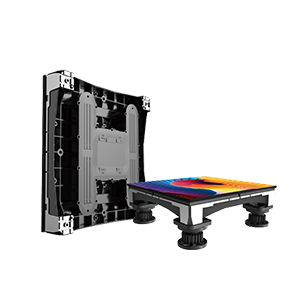
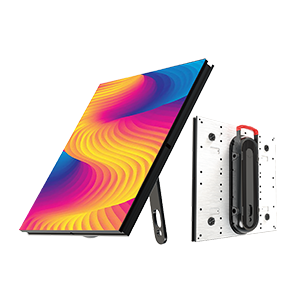
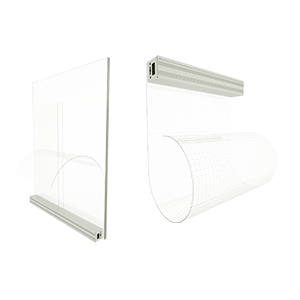
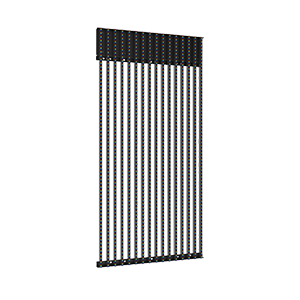
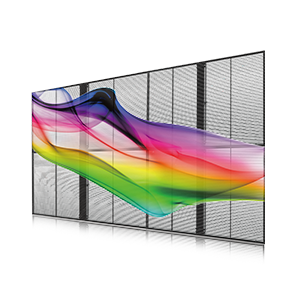
The engineering priorities behind a thin led display differ substantially from those focused on weight reduction. Achieving minimal depth requires specific component arrangements and cabinet materials. A thin led display typically uses surface-mounted power supplies and specially designed driver boards that fit within tight dimensional constraints. This configuration produces screens that sit flush against walls or integrate seamlessly into scenic elements. Conversely, ultra-lightweight panels achieve their low mass through material selection, often using composite structures or optimized aluminum alloys. A rental led display prioritizing weight reduction may sacrifice some thinness to accommodate robust handling features. The choice between these approaches affects not only the physical specifications but also the durability during repeated shipping cycles. When evaluating options, rental professionals must consider whether a thin led display provides sufficient structural rigidity for their specific touring frequency and transportation methods.
Transportation and Setup Efficiency Considerations
The logistics of moving equipment between venues directly impact rental profitability. A thin led display occupies less truck space when stacked, allowing more panels per shipment. This volumetric efficiency reduces transportation costs for large-scale productions traveling long distances. However, the handling experience during setup involves different factors. An ultra-lightweight rental led display reduces strain on technicians installing screens at height or in difficult positions. For events requiring frequent reconfiguration, such as multi-day corporate meetings with changing stage layouts, the reduced mass accelerates each adjustment. Florida rental houses serving cruise ship terminals and convention centers often prefer lighter panels because their crews handle multiple setups daily. At LEDFUL, we observe that clients choose a thin led display primarily for aesthetic applications where depth matters visually, while selecting lightweight options when labor efficiency drives their operations. The ideal inventory often includes both types serving different booking categories within the rental led display fleet.
Structural Integrity and Long-Term Rental Value
Repeated shipping and assembly cycles reveal design weaknesses that initial specifications may not indicate. A thin led display must maintain cabinet flatness despite reduced material thickness. Warped panels create visible seams that diminish image quality for paying clients. Manufacturers achieve necessary rigidity through internal bracing or specialized alloys that maintain strength while minimizing depth. Ultra-lightweight panels face different challenges. Reduced mass sometimes correlates with increased vulnerability to impact damage during transit or installation. A rental led display experiencing frequent handling requires robust corner protection and connection systems that survive thousands of mating cycles. The long-term value calculation must account for repair frequency and spare part availability. We engineer our products at LEDFUL to balance these competing requirements, ensuring that a thin led display maintains alignment through years of service and that lightweight options resist damage from typical handling scenarios. Rental houses evaluating inventory expansion should request demonstration units for hands-on assessment before committing to either design philosophy exclusively.
Application-Specific Performance Requirements
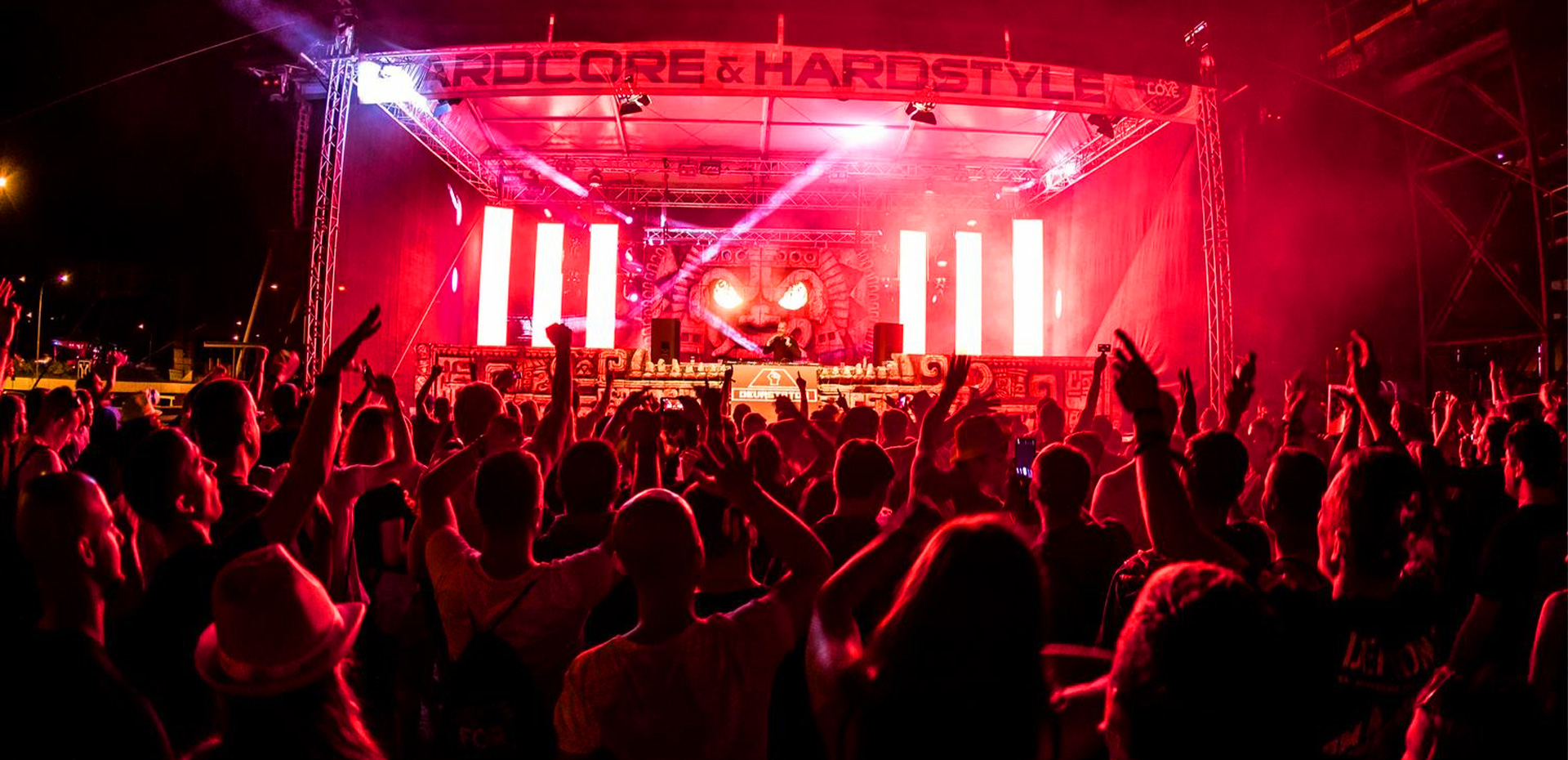
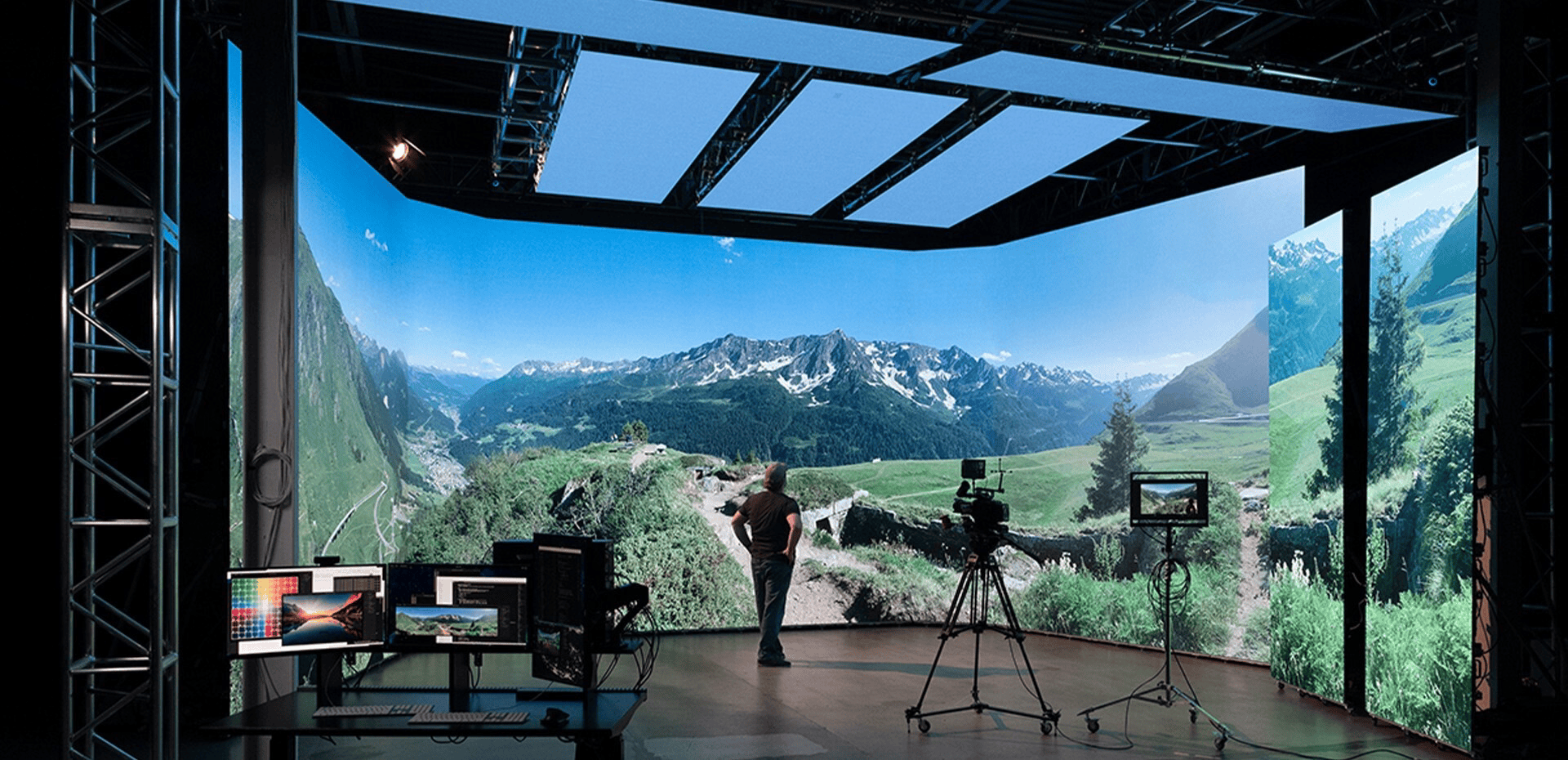
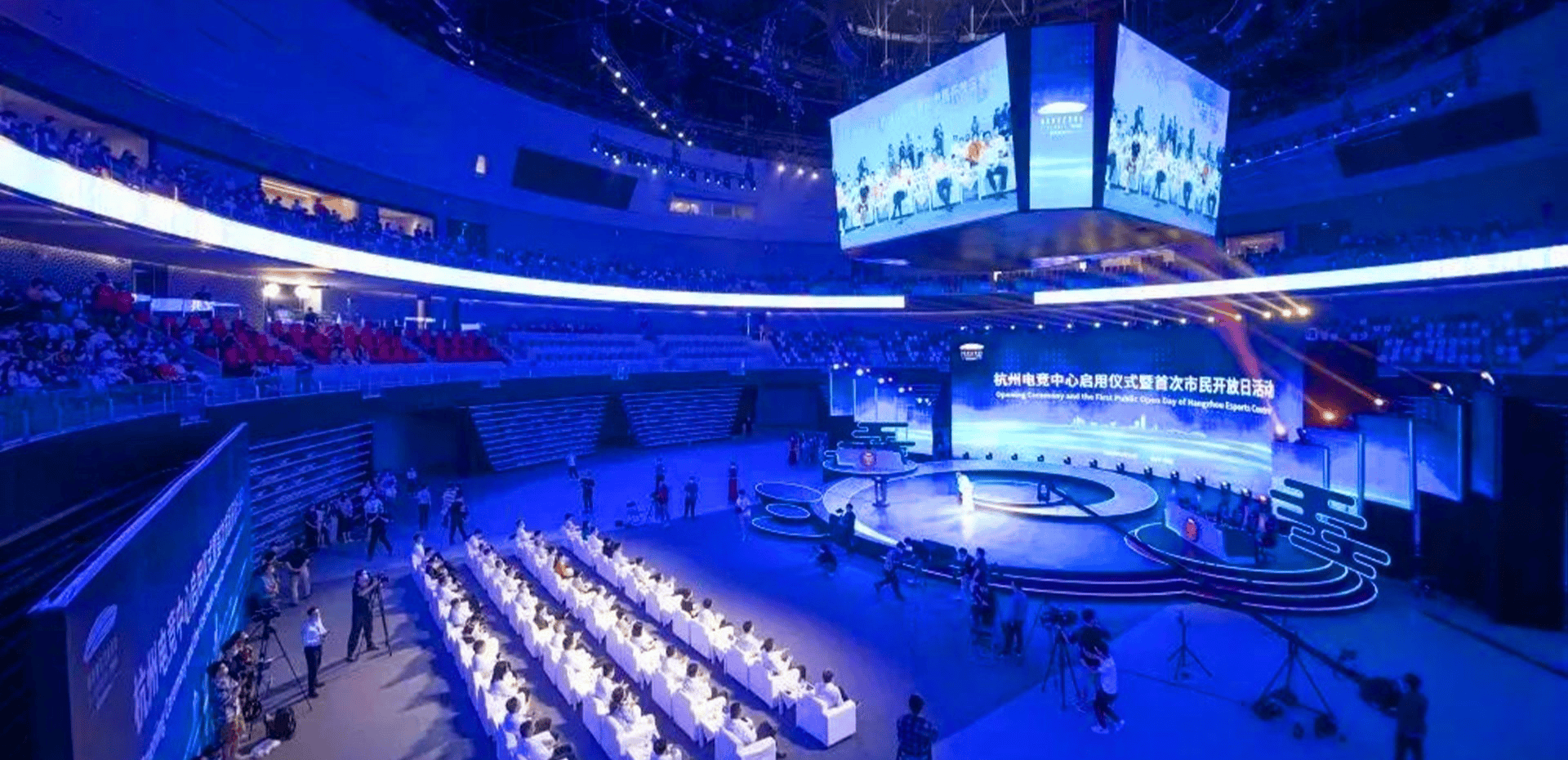
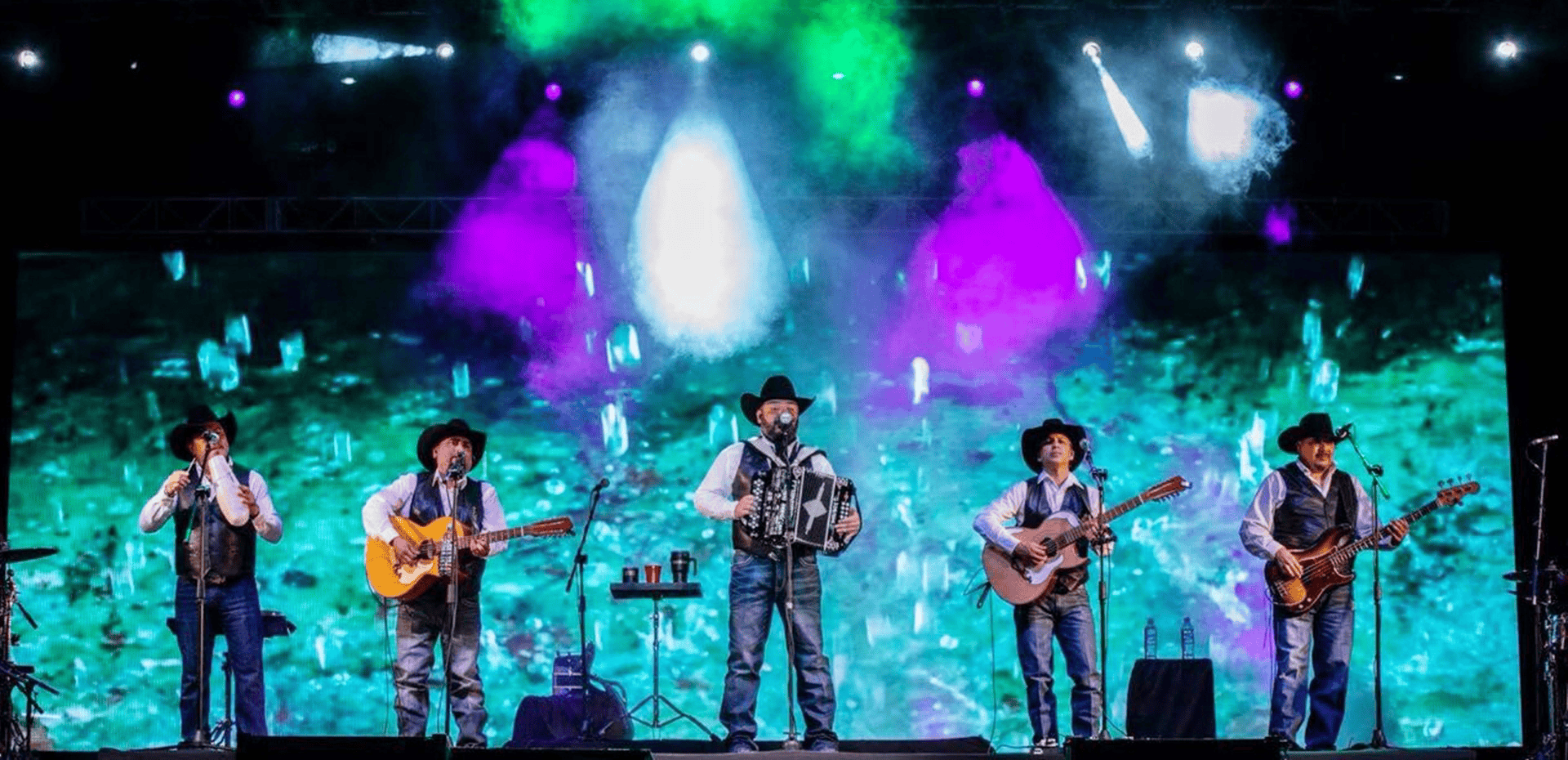
Beyond physical characteristics, the intended use cases influence which panel type proves more suitable. A thin led display excels in trade show environments where booth space commands premium rates and every inch of floor area generates value. The reduced depth allows exhibitors to maximize usable space while still delivering visual impact. Corporate events featuring multiple speaker presentations also benefit from thin profiles that integrate cleanly with stage architecture. Ultra-lightweight panels dominate touring concert productions where flown arrays must stay within venue rigging capacity limits. A rental led display suspended above performers imposes strict weight constraints that lighter panels satisfy more easily. Additionally, quick-turnaround events like awards ceremonies and product launches benefit from reduced setup time enabled by easier handling. The visual performance of both panel types remains comparable when using quality components, making the decision primarily logistical rather than aesthetic for most applications.
In conclusion, the choice between thin and ultra-lightweight configurations depends entirely on operational priorities. A thin led display offers space efficiency and design integration advantages that benefit certain event types significantly. Ultra-lightweight panels reduce labor demands and transportation costs for high-rotation rental inventories. At LEDFUL, we manufacture both options because we recognize that the rental led display market encompasses diverse requirements. By understanding the trade-offs between these engineering approaches, rental professionals can build fleets optimized for their specific client base and operational model.