

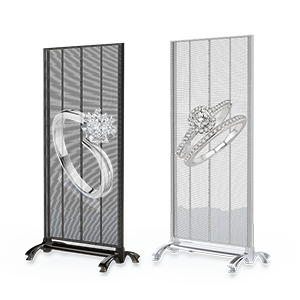
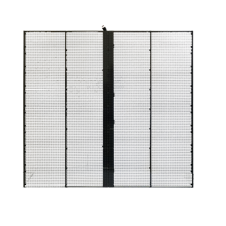













Installing an adhesive led transparent film screen transforms ordinary glass surfaces into dynamic digital displays, offering tremendous creative potential for retail storefronts, corporate lobbies, and museum exhibits. However, like any sophisticated technology, these innovative displays can occasionally present challenges during installation or operation. Understanding how to identify and resolve common issues ensures that your investment continues performing optimally for years to come. At LEDFUL, we have supported countless installations worldwide, and we have gathered practical solutions for the most frequent concerns reported by integrators and end-users. This guide addresses those problems directly, helping you maintain flawless performance from your led transparent film screen without unnecessary downtime or service calls.
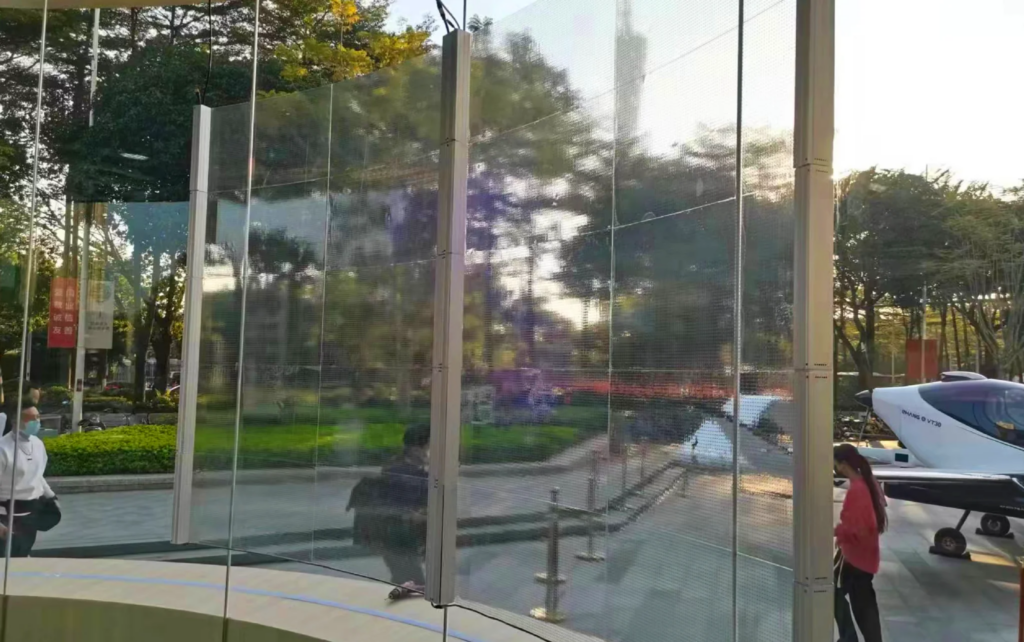
Addressing Adhesion Failures and Bubble Formation
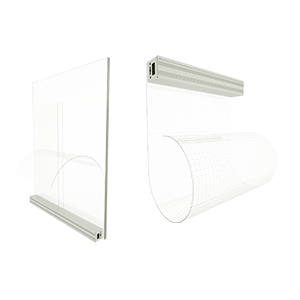
One of the most common challenges when working with an adhesive led transparent film screen involves the bonding process itself. Adhesion failures typically manifest as lifting edges, bubbles trapped beneath the film, or sections that simply refuse to stick to the glass surface. These issues almost always trace back to improper surface preparation or environmental conditions during installation. The glass must be thoroughly cleaned with isopropyl alcohol to remove every trace of oil, dust, and residue. Additionally, temperature plays a critical role; installation should occur when both the glass and the film are at room temperature, ideally between 20 and 25 degrees Celsius. If bubbles do appear, using a soft silicone squeegee applied from the center outward usually resolves the problem. For persistent adhesion concerns, we at LEDFUL recommend consulting our detailed installation guides, which outline the specific pressure and technique required for our adhesive led transparent film screen products to achieve optimal bonding.
Resolving Visual Irregularities and Dead Sections
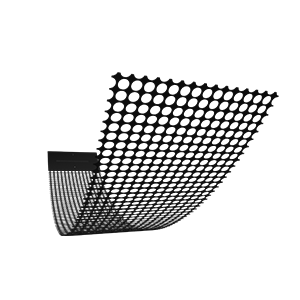
Another category of issues involves the display’s visual performance after installation. Users occasionally report sections of the led transparent film screen that appear dimmer than surrounding areas, fail to light up entirely, or exhibit inconsistent colors. These symptoms often point to connection problems rather than defective components. The ultra-thin construction of transparent film displays means that the electrical pathways are delicate, and improper handling during installation can stress connection points. Check the flexible printed circuit ribbon cables at the edges of the film, ensuring they are fully seated in their connectors and that the locking mechanisms are engaged. Power injection points also deserve inspection; if voltage drops occur along lengthy runs, the LEDs farthest from the power source may underperform. Our led transparent film screen designs at LEDFUL incorporate multiple power input points to minimize this risk, but verifying that all power supplies are properly connected and delivering correct voltage remains essential for troubleshooting.
Managing Signal Interference and Control Glitches
Modern transparent film displays rely on sophisticated controllers and software to deliver content seamlessly. When an adhesive led transparent film screen behaves erratically, displaying flickering patterns, random colors, or failing to respond to commands, the control system likely requires attention. Start by examining the data cable connections between the controller and the film, as loose or damaged cables are frequent culprits. Electromagnetic interference from nearby equipment can also disrupt signal integrity, particularly in densely populated retail environments. Shielding the data cables or rerouting them away from high-voltage lines often resolves this issue. Additionally, verify that the software settings match the specific panel configuration, as incorrect pixel mapping can produce seemingly random visual artifacts. We at LEDFUL provide dedicated technical support for such scenarios, helping our partners quickly isolate whether the problem originates in hardware, software, or environmental factors affecting their led transparent film screen.
Preventing Long-Term Performance Degradation
Beyond immediate troubleshooting, preventing future issues requires attention to environmental factors and regular maintenance. Excessive humidity, direct water exposure, or prolonged operation at maximum brightness can accelerate component wear on any adhesive led transparent film screen. While these displays are designed for durability, they perform best within specified temperature and humidity ranges. Implementing a simple cleaning routine using microfiber cloths and gentle, non-abrasive cleaners preserves optical clarity without damaging the film surface. Periodic inspection of power supplies and control electronics also catches potential failures before they interrupt operations. At LEDFUL, we engineer our products for longevity, but we also emphasize that proactive care significantly extends the useful life of any led transparent film screen installation.
In conclusion, most issues with adhesive transparent film displays are preventable through proper installation techniques and solvable through systematic troubleshooting. By understanding the common failure points and their remedies, you maintain the visual impact and reliability of your digital glass installations. We invite you to contact LEDFUL for further assistance with your specific application or to explore how our innovative adhesive led transparent film screen solutions can enhance your next project. Send us your inquiry today!