































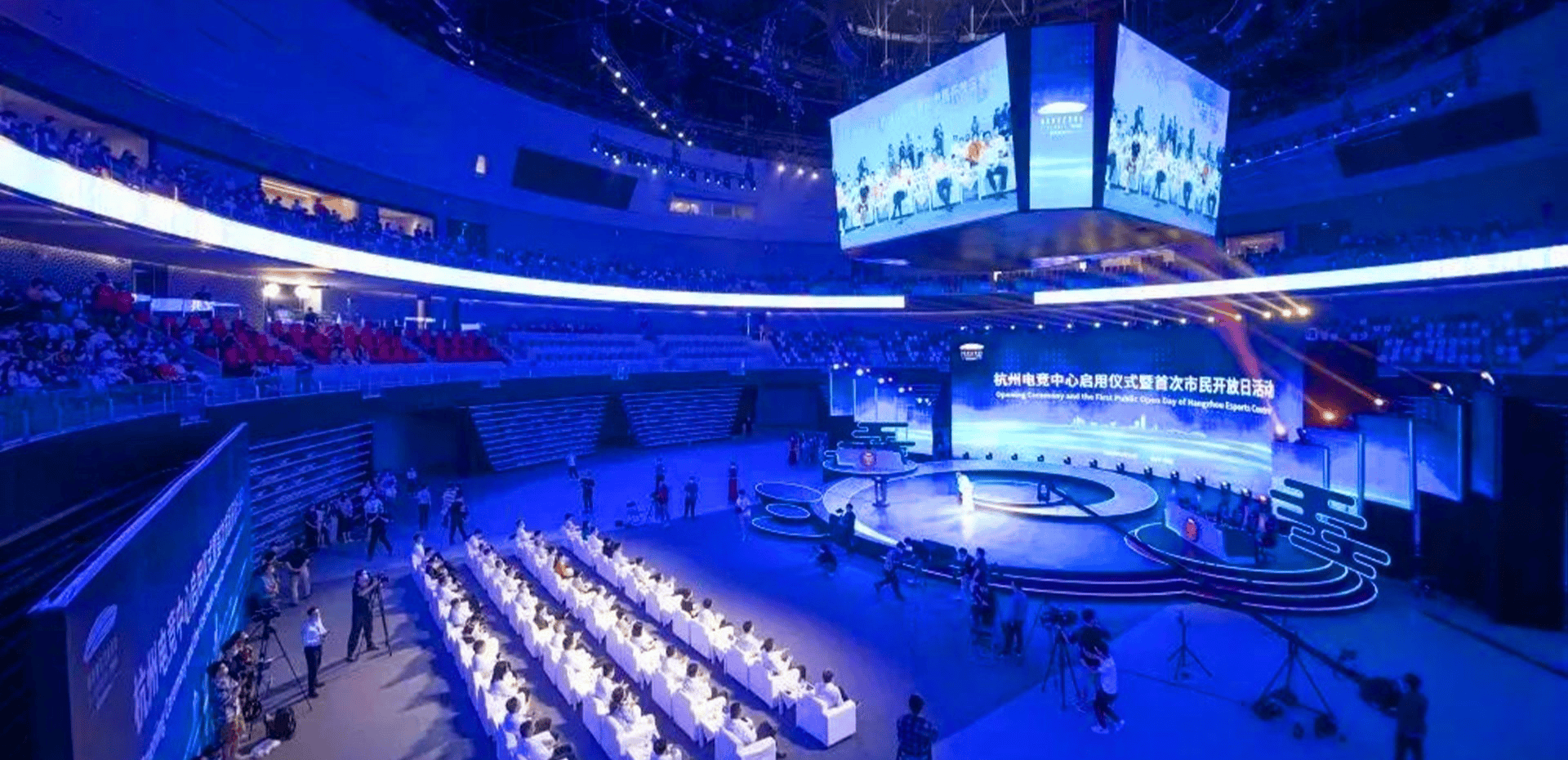

As businesses increasingly turn to advanced display technologies for various applications, the choice between LED (Light Emitting Diode) and OLED (Organic Light Emitting Diode) has become a critical consideration. Each technology offers distinct advantages and disadvantages that can influence purchasing decisions, particularly for commercial environments. This article will explore the differences between LED and OLED technologies, focusing on their applications in indoor LED displays and how they impact various commercial sectors.
Understanding LED Technology
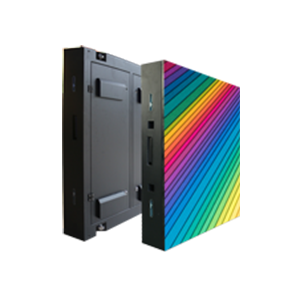
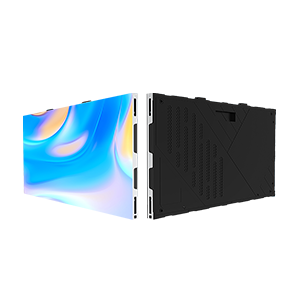
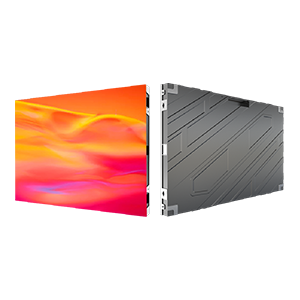
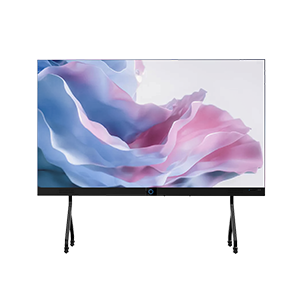
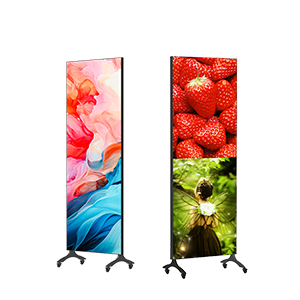
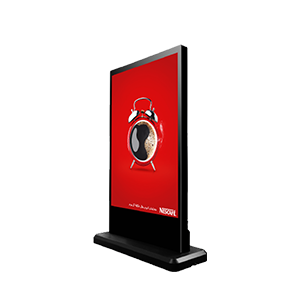
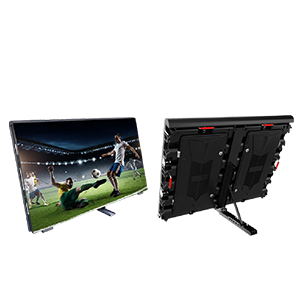
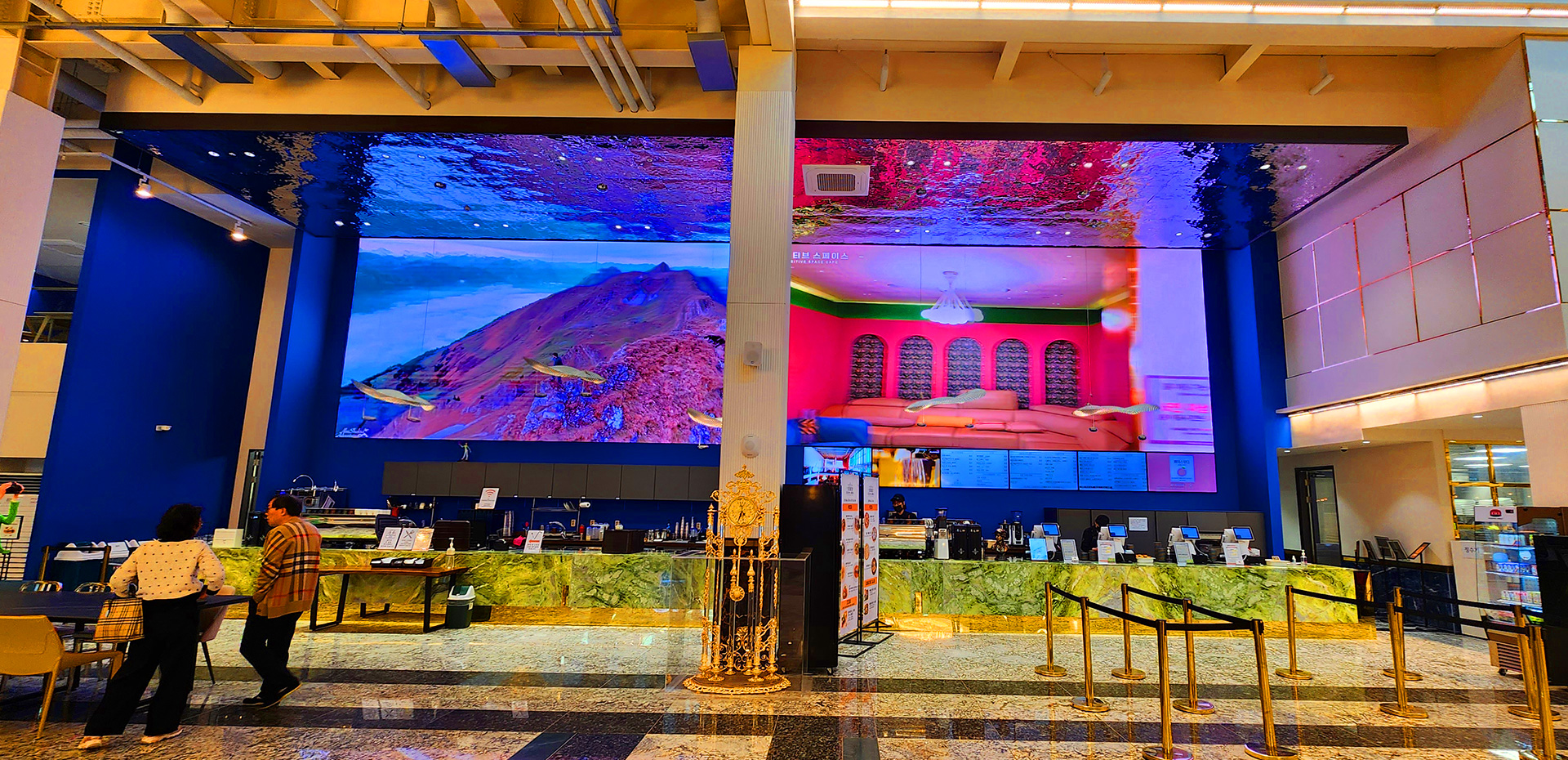
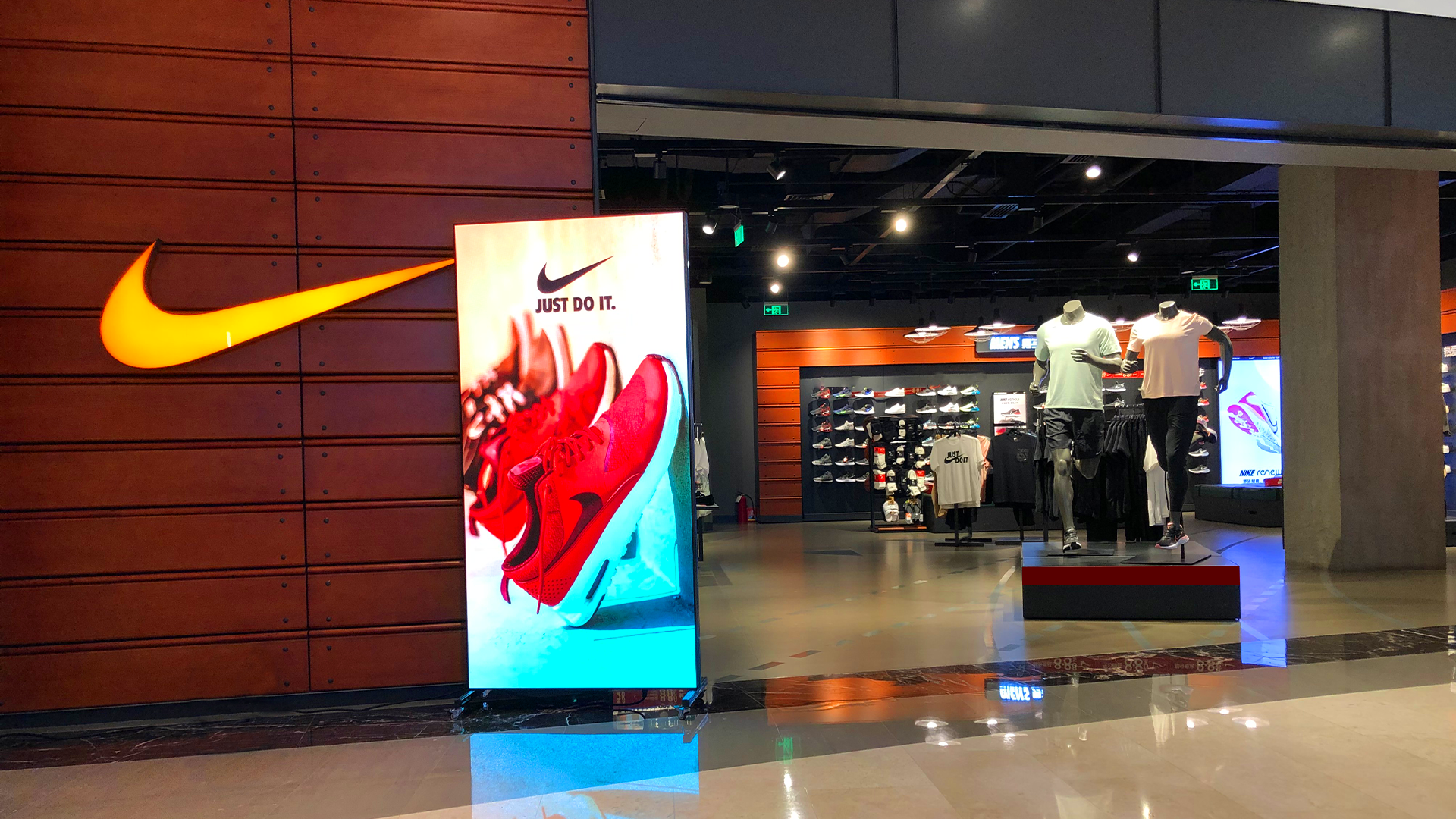
LED technology has long been a staple in the display market, particularly for indoor applications. Indoor LED displays are renowned for their brightness, durability, and overall performance.
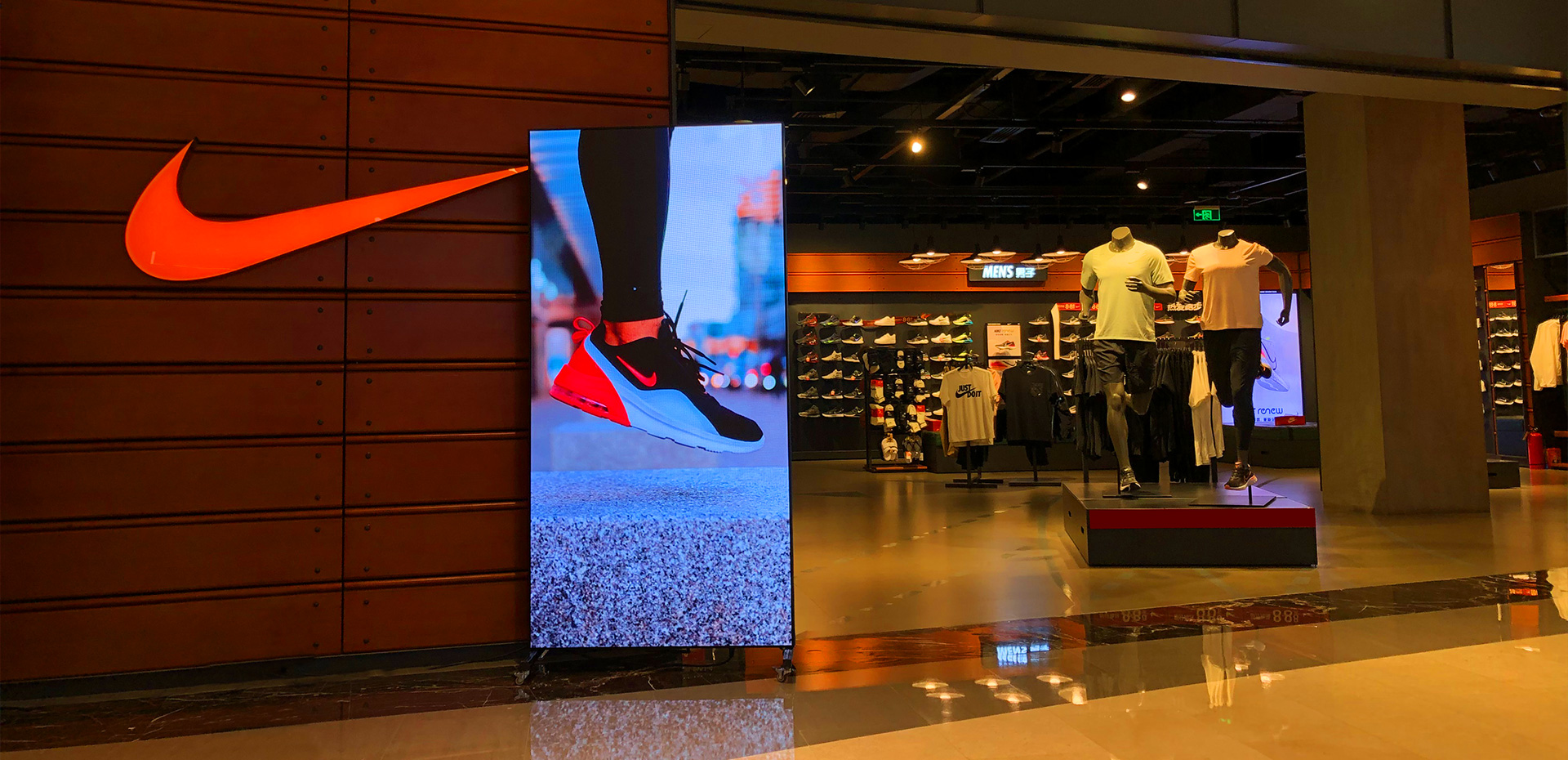
Brightness and Visibility: LED displays can produce high levels of brightness, making them suitable for well-lit environments. This brightness ensures that content remains clear and vivid, even under challenging lighting conditions.
Longevity and Durability: LED displays generally have a longer lifespan compared to OLED counterparts. They are less susceptible to burn-in issues, which can affect OLED displays, especially when displaying static images for prolonged periods. This longevity is vital for businesses that rely on consistent performance, such as retail stores, conference rooms, and auditoriums.
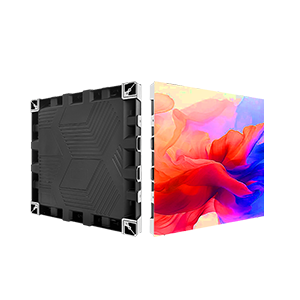
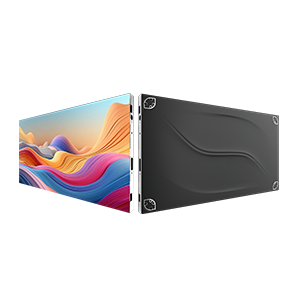
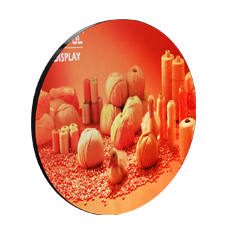
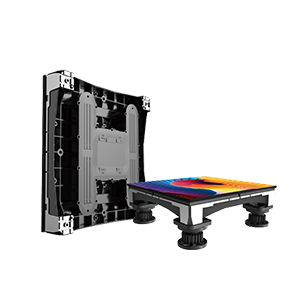
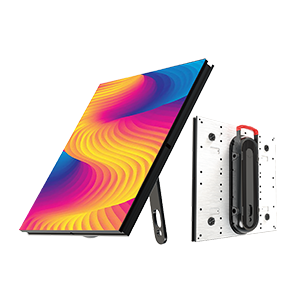
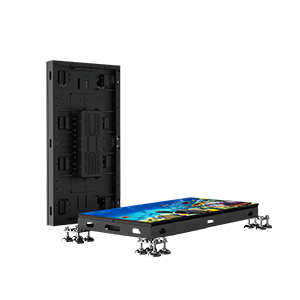
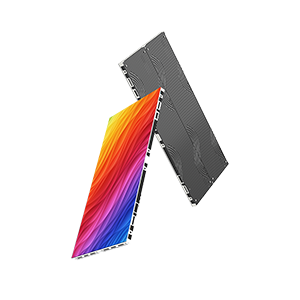
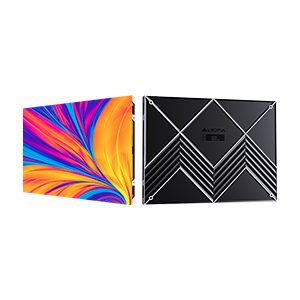
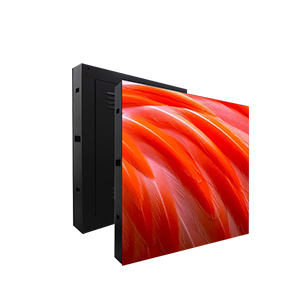
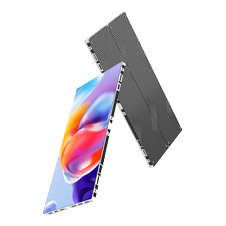
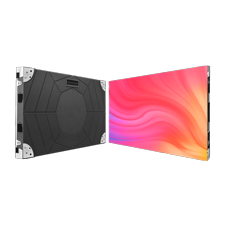
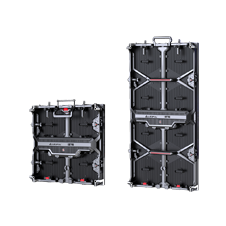
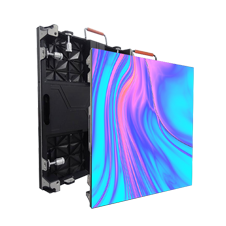
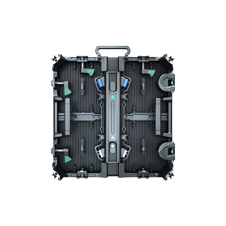
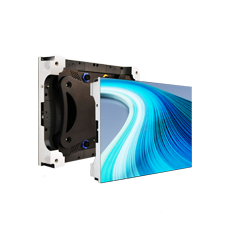
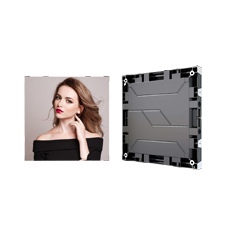
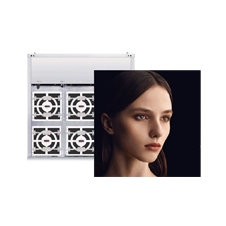
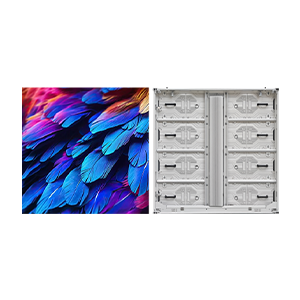
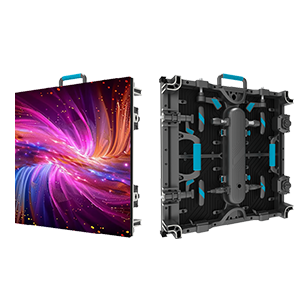
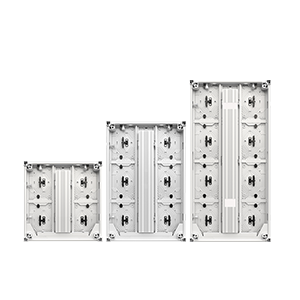
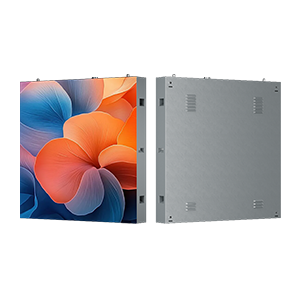
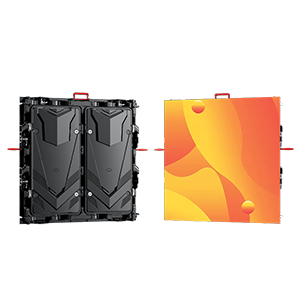
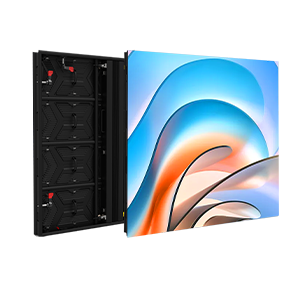
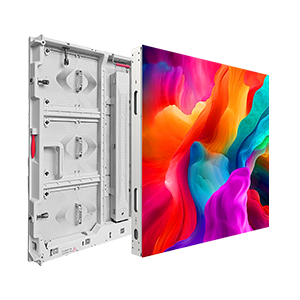
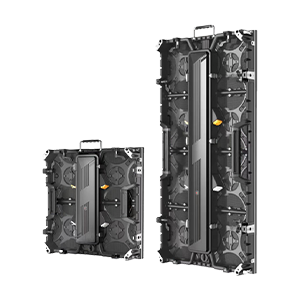
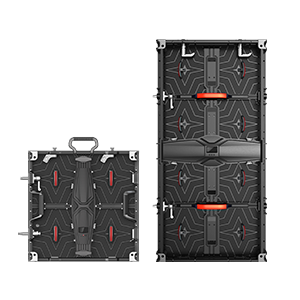
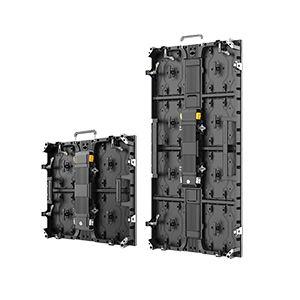
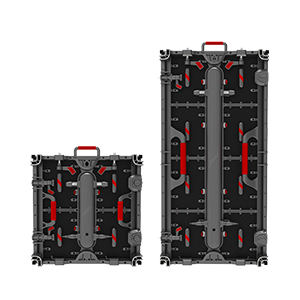
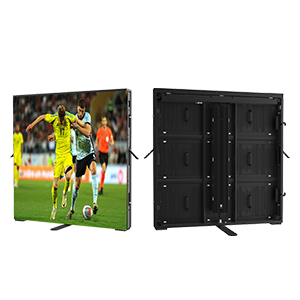
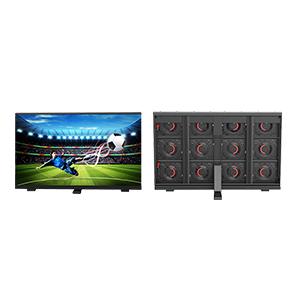
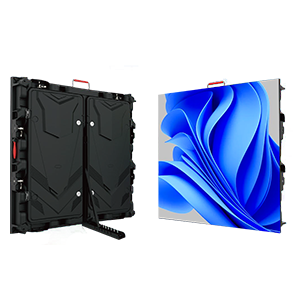
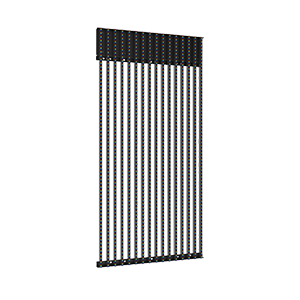
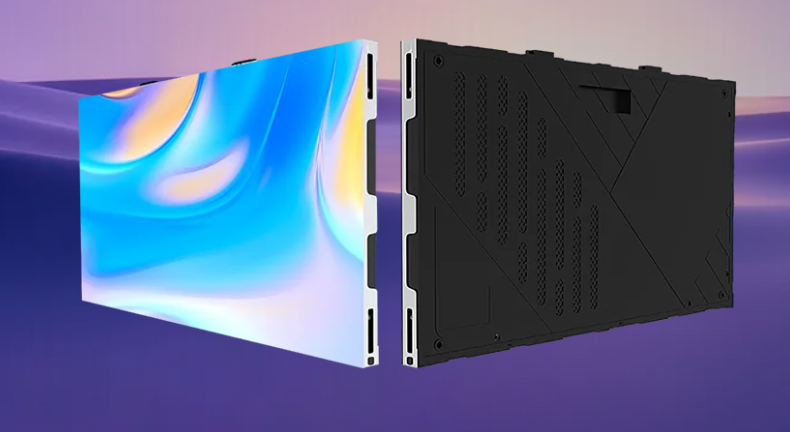
Cost-Effectiveness: Typically, LED displays are more cost-effective than OLED displays, making them a more accessible option for businesses operating under budget constraints. LEDFUL’s U-PRO Series exemplifies this cost-effectiveness, offering high-quality indoor led displays with an ultra-thin and lightweight design, ideal for various commercial settings.
The Advantages of OLED Technology
OLED technology has garnered attention for its ability to deliver superior image quality and color reproduction. While OLED displays come with a higher price tag, their features can justify the cost in specific applications.
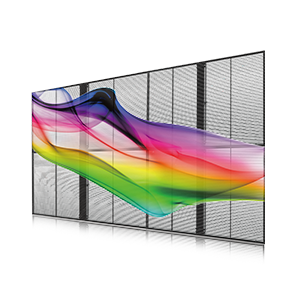
Superior Color and Contrast: OLED displays feature individual pixels that emit light, allowing for true blacks and exceptional color accuracy. This capability makes OLED a preferred choice for applications where visual quality is paramount, such as in high-end retail or creative environments.
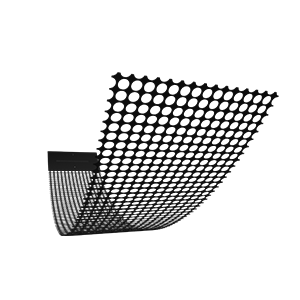
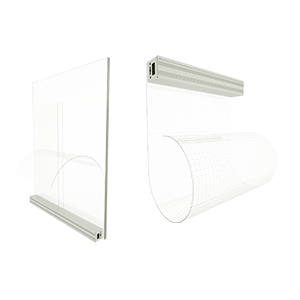
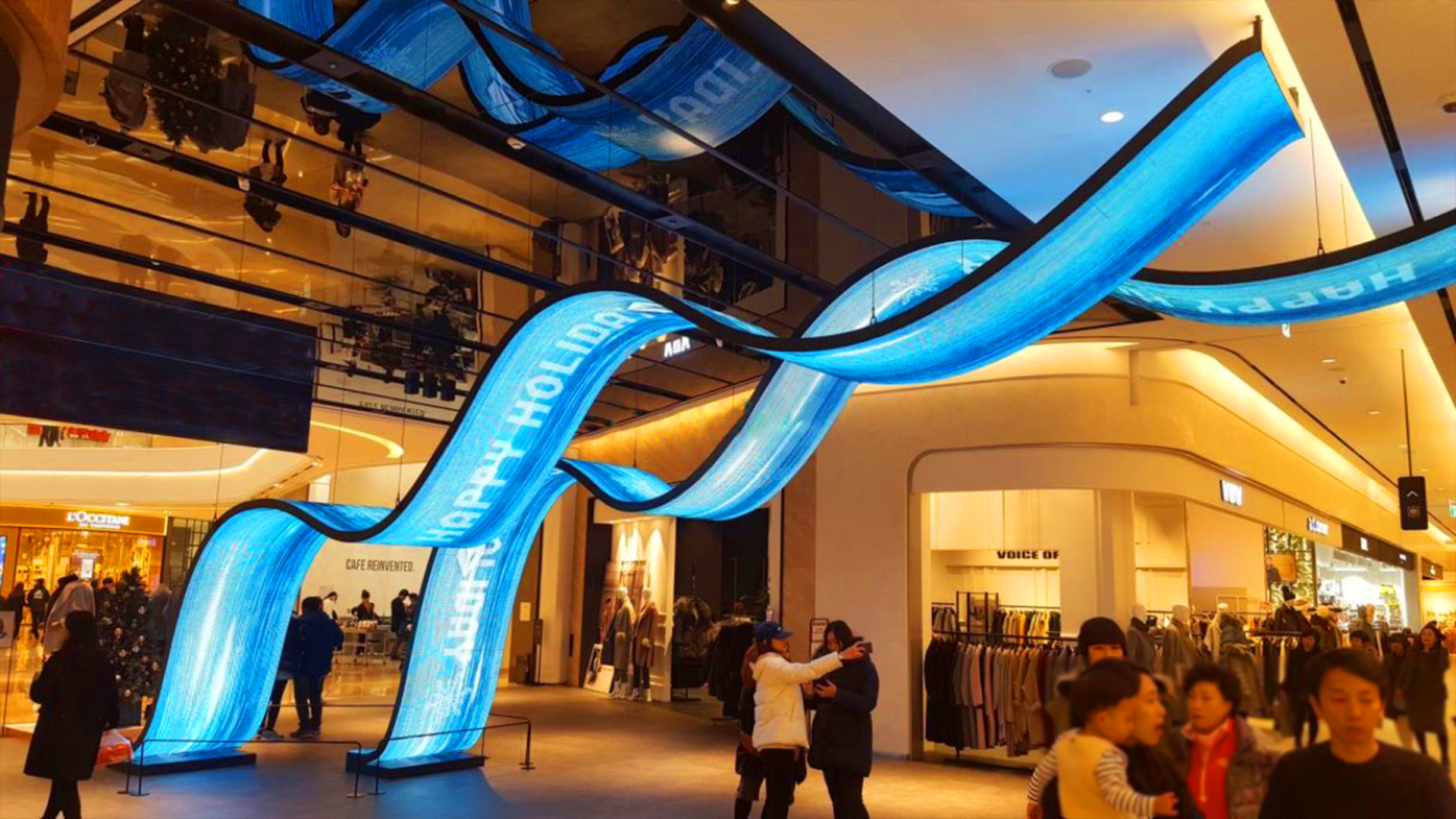
Flexibility: OLED technology allows for thinner and more flexible displays compared to traditional LED displays. This flexibility is advantageous for unique installations in spaces with constraints or artistic designs.
Wide Viewing Angles: OLED offers better viewing angles without color distortion or brightness degradation, which can enhance user experiences in environments like auditoriums or theaters where audience positioning varies.
While OLED displays excel in image quality, the challenges of burn-in, higher costs, and shorter lifespans can make them less suitable for certain commercial applications.
Making the Right Choice for Your Business
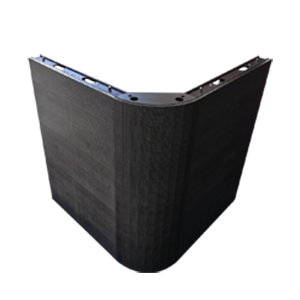
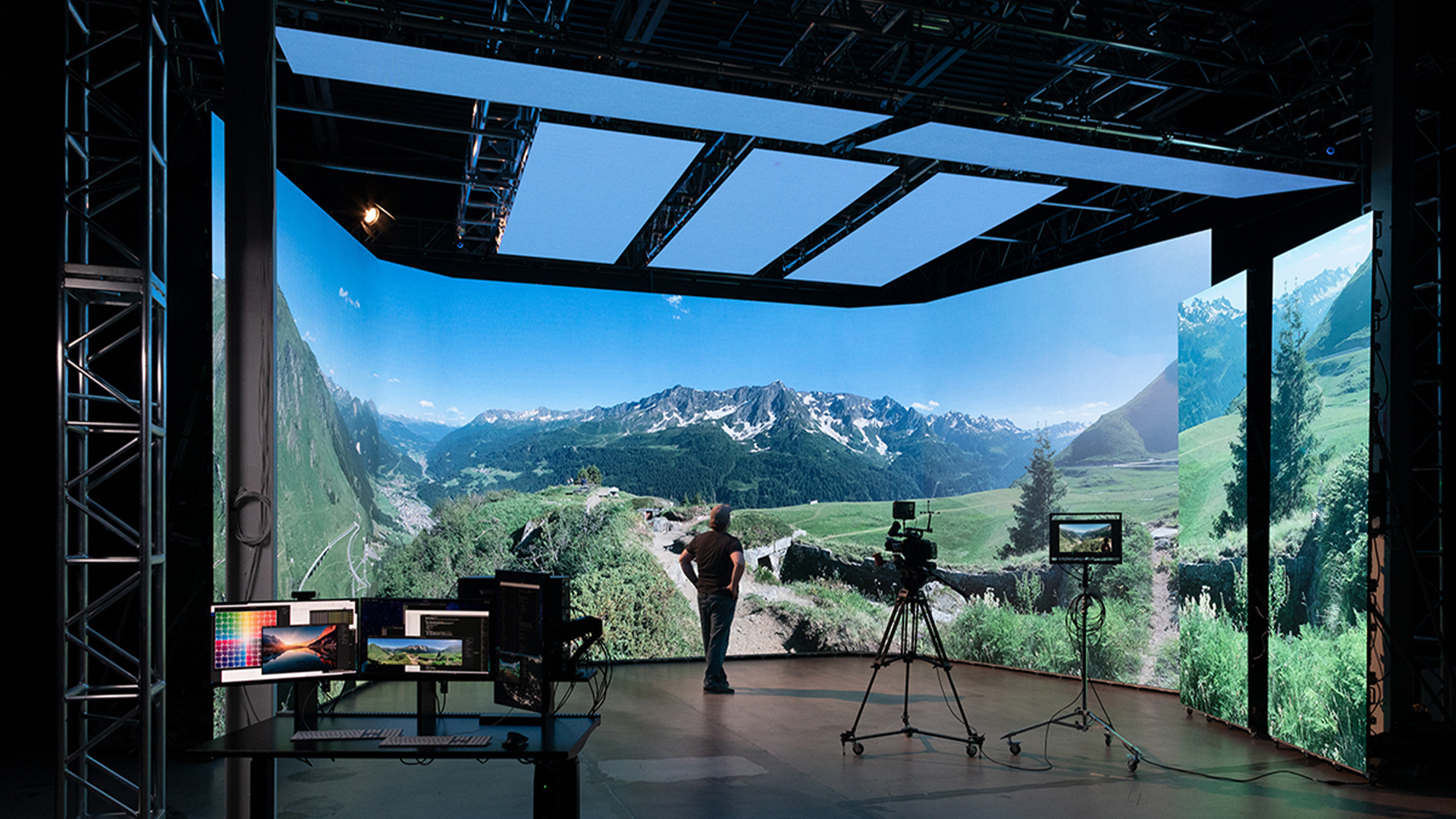
Deciding between LED and OLED displays will ultimately depend on the specific requirements of your business. For environments where brightness, durability, and longevity are essential—such as control rooms, airports, and retail stores—indoor LED displays are often the ideal solution. The U-PRO Series from LEDFUL, with its right-angle bevel design and adaptability to various settings, showcases the versatility and performance benefits of LED technology.
Conversely, if your focus is on high-quality visuals for presentations or creative works, and the budget allows, OLED may be the more suitable option. The superior color representation and flexibility of OLED displays can enhance user engagement and overall experience.
Choosing the Best Display Technology for Your Needs
In evaluating whether LED or OLED technology is better for your specific application, consider factors such as brightness, durability, cost, and the intended use of the display. By understanding the unique benefits of both LED and OLED technologies, businesses can make informed decisions that align with their strategic goals.
LEDFUL remains committed to providing high-quality indoor led displays tailored to meet the diverse needs of clients. The decision between LED and OLED hinges on your business objectives and aesthetic preferences, ensuring that whatever choice you make will contribute to enhanced communication and engagement in your commercial space.