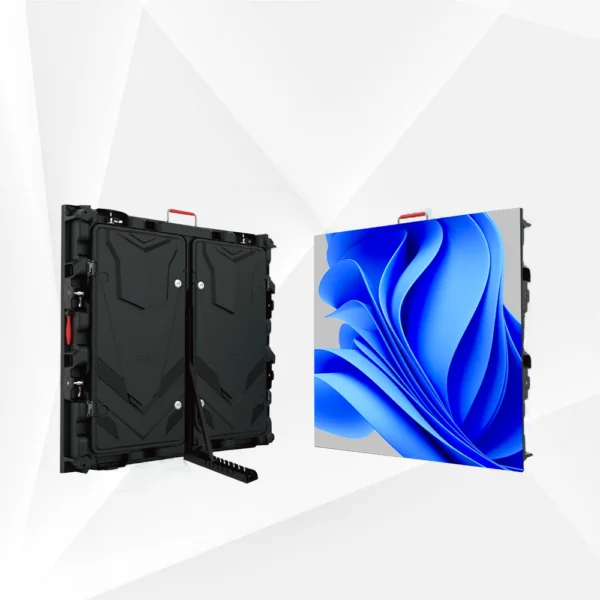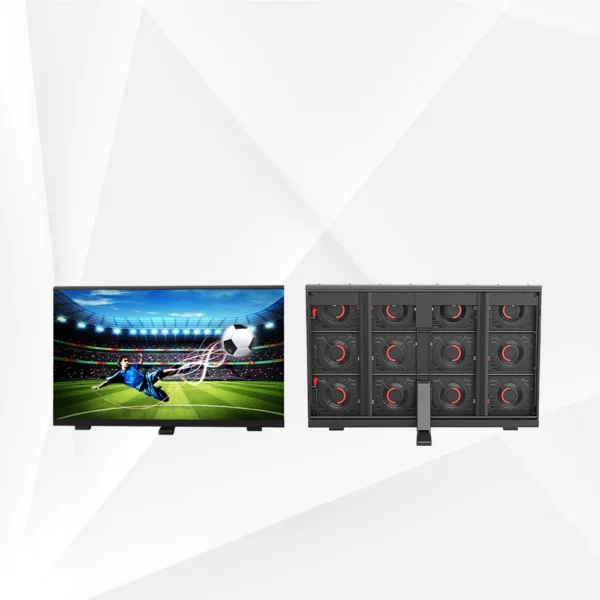

















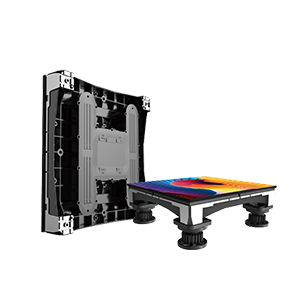
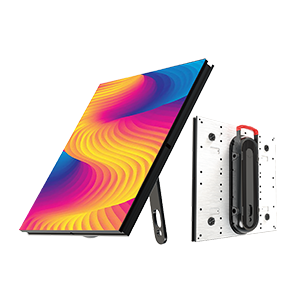
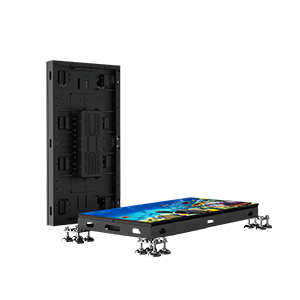
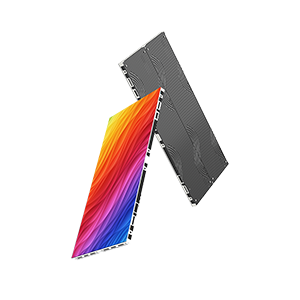
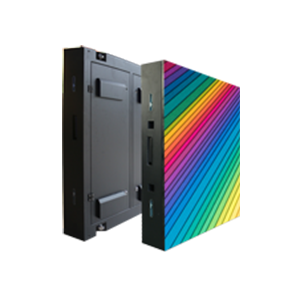
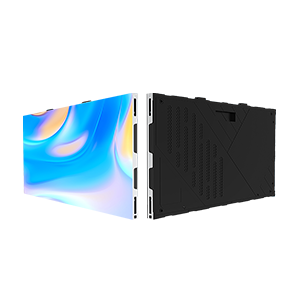

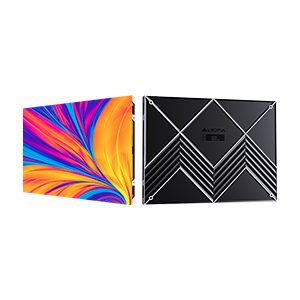
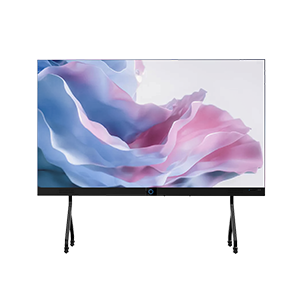

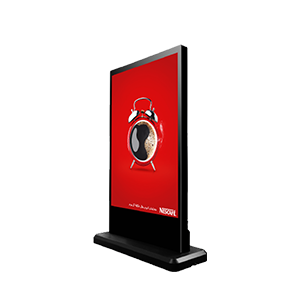
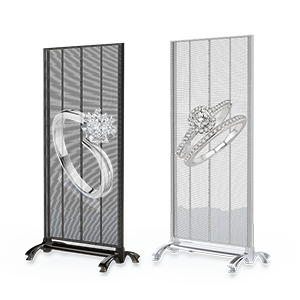
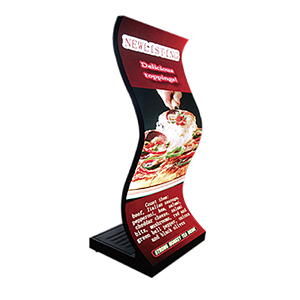
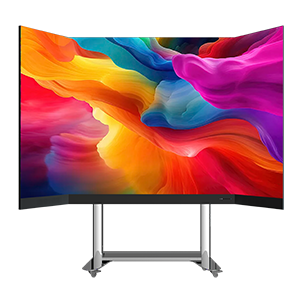
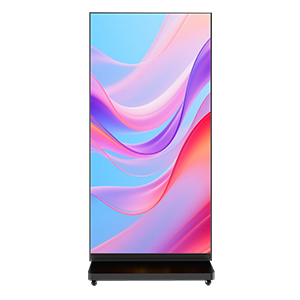
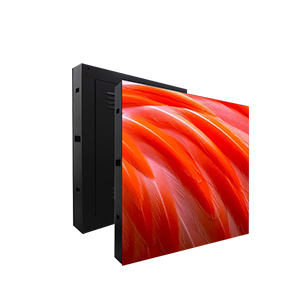
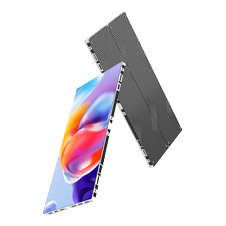

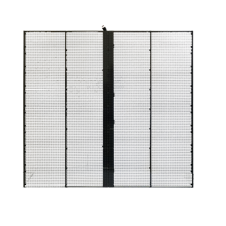
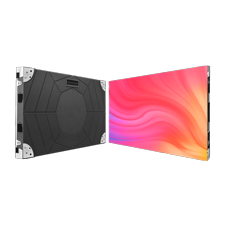
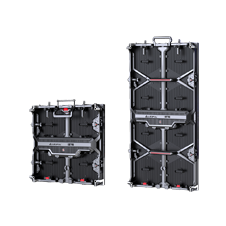
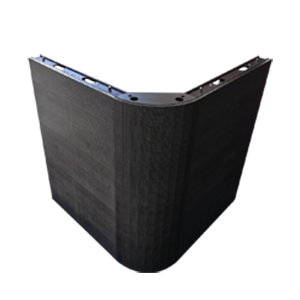
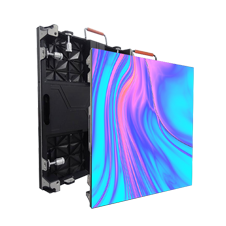
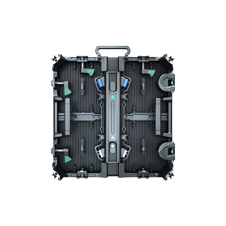
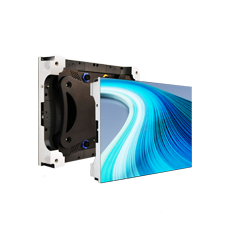

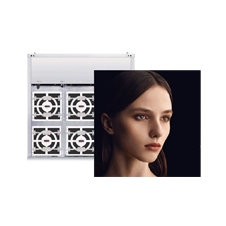

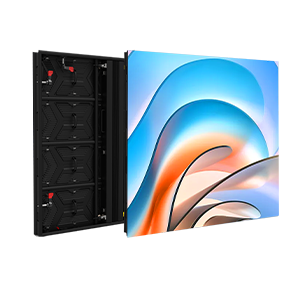
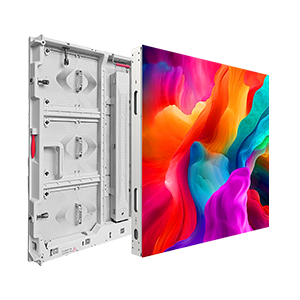
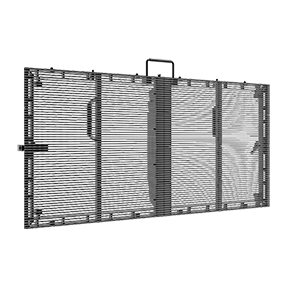
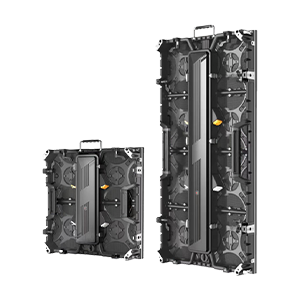
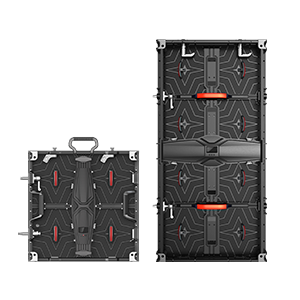
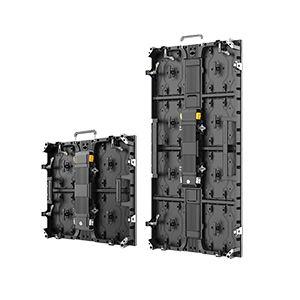
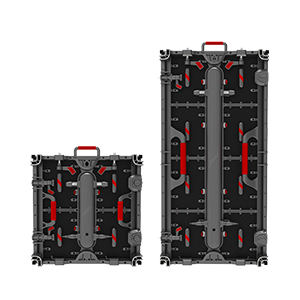
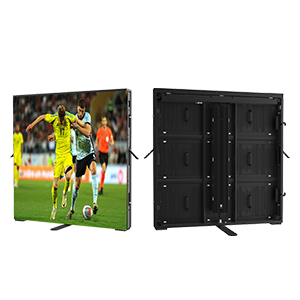

















For any buyer sourcing visual equipment, the reliability of an led display often becomes apparent only after months of use. The difference between a screen that flickers within a year and one that performs flawlessly for a decade usually comes down to what happened in the factory before shipment. At LEDFUL, we consider the 72-hour aging test to be the most critical phase of our production line. This process is not merely a box-checking exercise; it is a scientific method to validate that every component in an led display can withstand real-world conditions before it ever leaves the led display factory.
The Science Behind Thermal and Electrical Stress
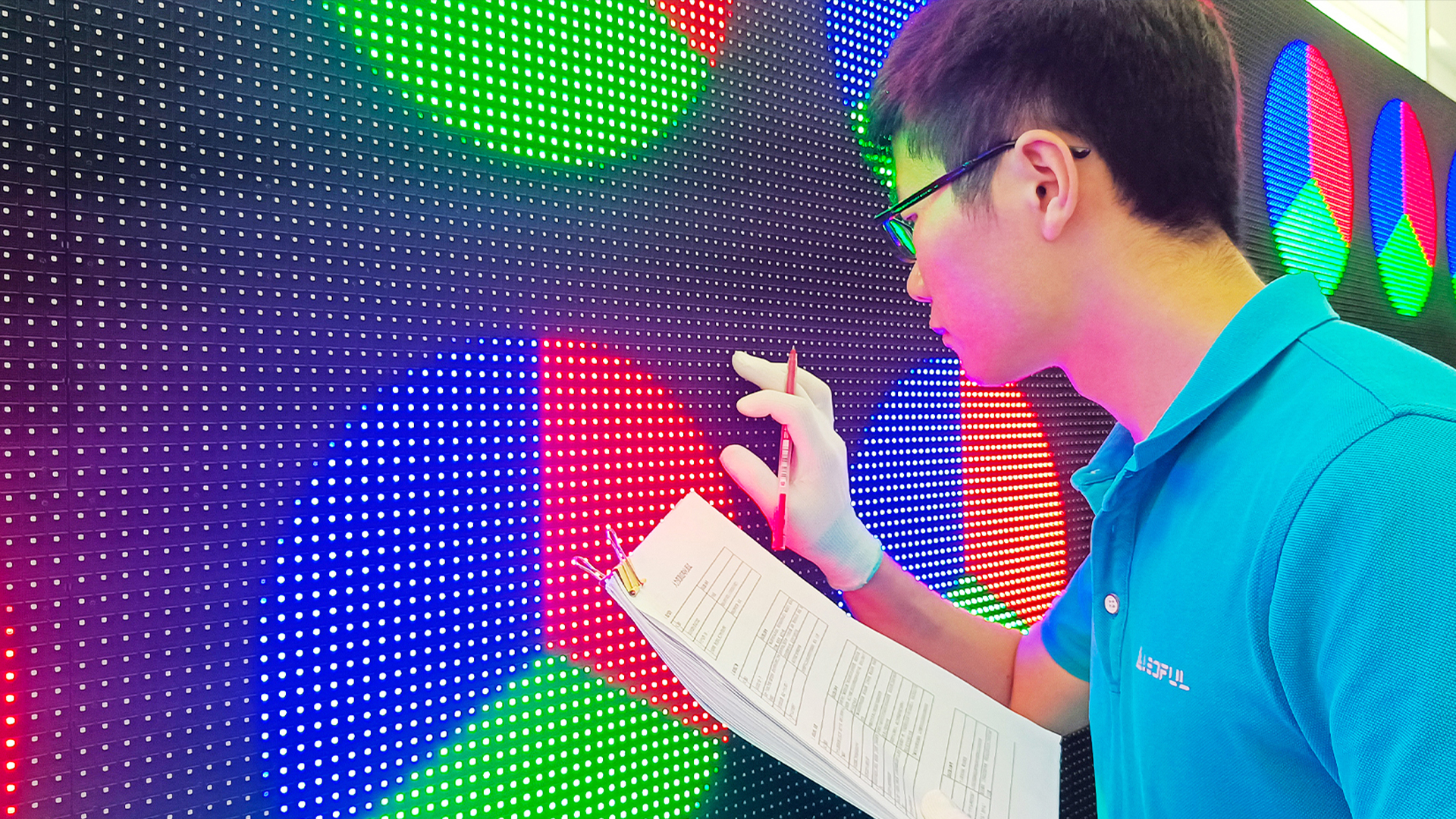
The fundamental purpose of an aging test is to expose latent defects. When an led display is first powered on, its internal components—from the driver ICs to the LEDs themselves—undergo significant thermal and electrical stress. By running the screen continuously for 72 hours in a controlled environment, we accelerate this stress period. This allows us to identify components with poor soldering, substandard materials, or manufacturing inconsistencies that would otherwise lead to premature failure. For a professional led display factory, this data is invaluable; it tells us exactly where our process needs refinement. Without this rigorous period, a faulty capacitor or a weak solder joint might pass the initial quick test, only to fail after installation at a client’s site. We ensure that when a product leaves LEDFUL, it has already survived the equivalent of its first week of heavy use.
Validating Factory Production Consistency
Beyond individual component reliability, the 72-hour test serves as a final audit of our assembly line. In any led display factory, maintaining consistency across thousands of cabinets is the primary challenge. The aging process allows us to monitor for uniformity in brightness and color temperature across the entire screen. If a particular batch of modules shows a slight deviation in color after 48 hours, we can trace it back to the specific production run and correct the issue immediately. This commitment to post-production validation means that our clients receive an led display that performs uniformly, without the “patchwork” effect often seen in lower-tier products. It is our way of guaranteeing that the precision engineered into the design is actually present in the final product. We believe that a quality led display is not just about high-spec components, but about how those components work together under duress.
Mitigating Long-Term Operational Risks
For B2B clients, the cost of a display failure goes far beyond the repair bill. It includes logistical downtime, loss of advertising revenue, and damage to brand reputation. A 72-hour aging test at the factory drastically reduces these risks. By weeding out infant mortality failures before shipment, we ensure higher on-site reliability. At LEDFUL, we view this test as a contract of trust with our partners. When we say an led display is built to last, the 72-hour burn-in is the physical proof of that claim. It simulates years of wear in a matter of days, providing a level of assurance that no specification sheet can offer. This rigorous protocol is why many event organizers and installation companies specifically require products from an led display factory that adheres to such standards.
In conclusion, the 72-hour aging test transforms an assembly of parts into a verified, reliable system. It is the final, non-negotiable step that separates professional-grade equipment from disposable commodities. At LEDFUL, we remain dedicated to this intensive process because we understand that for our clients, the performance of their led display is a direct reflection of their own professionalism. By ensuring every screen survives this trial by fire, we deliver not just a product, but peace of mind.