

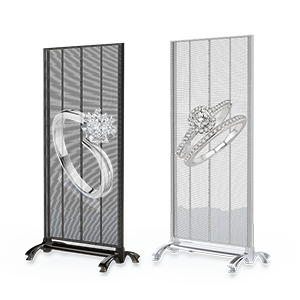
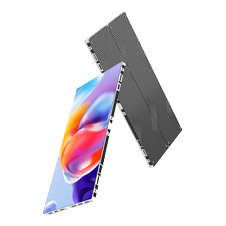
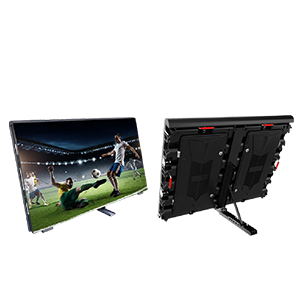
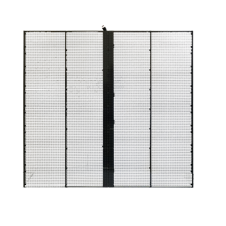
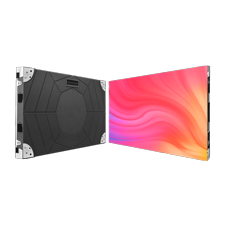
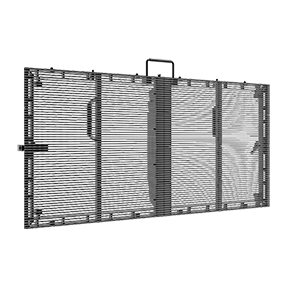
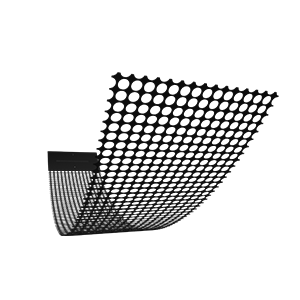
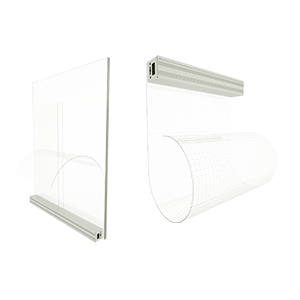
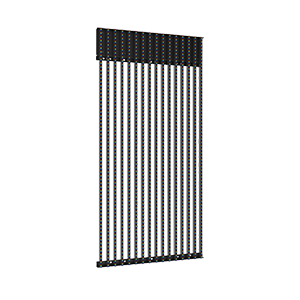
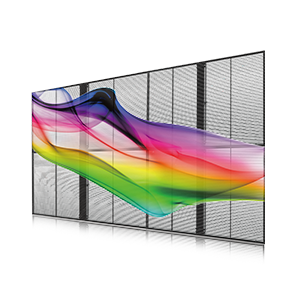







In the world of high-end glass architecture and luxury retail, the value of an LED transparent film screen is measured not just by the quality of its pixels, but by its ability to “disappear.” Achieving a truly holographic effect—where digital content floats seamlessly in mid-air without obscuring the products or architecture behind it—requires more than just high-quality hardware. It requires a strategic approach to installation, content design, and environmental management. LEDFUL’s A-series films feature an industry-leading permeability design with a permeability of 80-97%. However, to reach the full potential of this “invisible” technology, stakeholders must optimize the surrounding variables. Here are five professional tips from the LEDFUL engineering team to help you maximize the transparency and visual impact of your flexible LED film installation.
1. Optimize Pixel Pitch for Viewing Distance
The most fundamental factor in the perceived transparency of an LED transparent film screen is the pixel pitch—the distance between the centers of two adjacent LED pixels. While a tighter pixel pitch (such as P2.5 or P3.8) provides higher resolution, it also means a higher density of LEDs and conductive traces, which can slightly reduce physical transparency.
For projects, the goal is to find the “transparency sweet spot.” If your audience is viewing the display from a distance of five meters or more, a wider pixel pitch (such as P6 or P8) will significantly increase the physical openness of the film without sacrificing the perceived image quality. At LEDFUL, we work with architects to calculate the optimal pitch based on the specific viewing corridors of the venue. By selecting the widest viable pitch for your distance, you allow more natural light to pass through the substrate, enhancing the “invisible” aesthetic when the screen is active.
2. Utilize “True Black” in Content Creation
One of the unique technical benefits of an LED transparent film screen is how it handles the color black. Unlike traditional LCD screens that use a backlight (making black appear as a dark gray), an LED film screen simply turns off the individual LEDs in black areas of the content.
When an LED is off, that specific area of the film reaches its maximum transparency. To optimize your display, your creative team should design content with high-contrast, “True Black” backgrounds. By keeping 50% to 70% of the screen “black” (off), you allow the audience to see directly through the digital layer to the physical environment behind it. This creates the sought-after “holographic” effect where the digital assets appear to interact with the real-world products on the other side of the glass. At LEDFUL, we always advise our partners that in the world of transparent film, “less is more.”
3. Manage Ambient Lighting and Interior Reflection
Transparency is an optical perception heavily influenced by the balance of light on either side of the glass. If the interior of your store or lobby is too dark compared to the bright light hitting the front of the LED transparent film screen, the film can act like a mirror, reflecting the outside environment and obscuring the view.
To optimize transparency, ensure that the interior space behind the film is well-lit. High-quality spotlights directed at the merchandise behind the glass help to “pull” the viewer’s eye through the digital layer. Furthermore, choosing a film with high-permeability adhesives—like those used in the LEDFUL A-Series—minimizes the refractive index mismatch between the film and the glass, reducing internal reflections. Managing this “Luminous Balance” ensures that the digital content and the physical space coexist in perfect clarity.
4. Professional Surface Preparation and Bubble-Free Application
The science of transparency relies on a perfectly smooth optical path. Even the highest-quality LED transparent film screen will lose its “invisible” appeal if it is installed poorly. Small air bubbles, dust particles, or uneven adhesive application can cause light to scatter, creating a “hazy” or “cloudy” appearance on the glass.
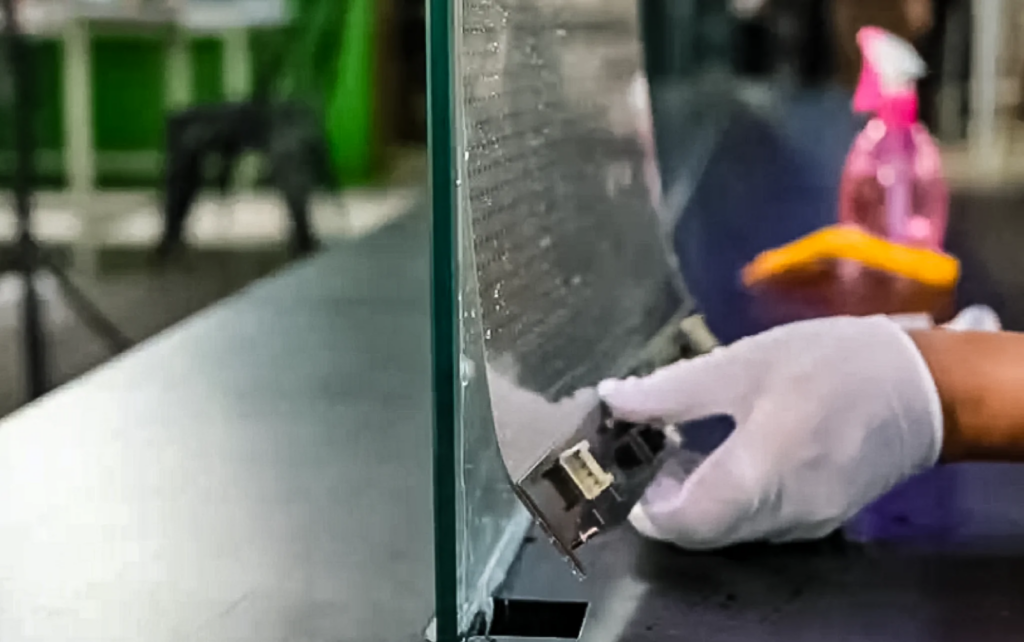
Optimization begins with a professional, clean-room style preparation of the glass surface. At LEDFUL, our A-Series utilizes a specialized self-adhesive that is designed for “Dry-Bonding.” Using professional-grade squeegees and tensioning tools ensures that the film is perfectly flat against the glass. Eliminating the micro-gaps between the film and the window ensures that light passes through the medium without distortion. For facility managers, investing in professional installation is the most direct way to protect the “premium” look of the digital glass.
5. Strategic Placement Relative to Structural Mullions
While the film itself is nearly invisible, the power and data connections (the “ribbon cables”) are not. If these are placed haphazardly in the middle of a glass pane, they will break the illusion of transparency. To optimize the visual flow, the edges of the LED transparent film screen should be aligned with the existing structural mullions or frames of the window.
At LEDFUL, we design our film modules to allow for discrete wiring paths that can be hidden within the window’s architectural channels. By “hiding the seams” and the wiring, the digital content appears to emerge from the glass itself without any visible support system. This structural optimization ensures that even when the screen is turned off, the window maintains its original architectural integrity, satisfying the strict aesthetic requirements of luxury retail and high-end corporate developers.
Conclusion: The Art of Invisible Communication
Optimizing the transparency of an LED transparent film screen is a blend of technical selection and creative strategy. By choosing the right pixel pitch, designing “True Black” content, managing light balance, ensuring a perfect installation, and hiding structural connections, you transform a digital product into an architectural masterpiece.
At LEDFUL, we are committed to providing the A-Series technology that makes these high-transparency results possible. We don’t just supply the film; we provide the expertise needed to ensure your installation is a success. When done correctly, an LED transparent film display doesn’t just show an image—it enhances the reality of the space it inhabits. Let us help you master the science of transparency and bring a new dimension of light to your glass architecture.