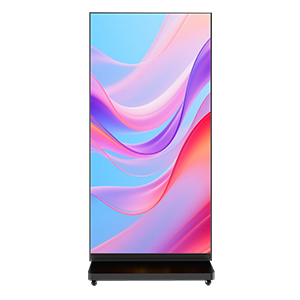
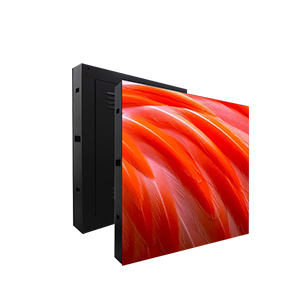
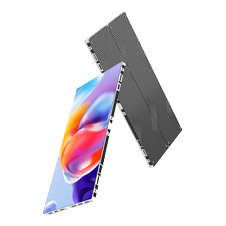
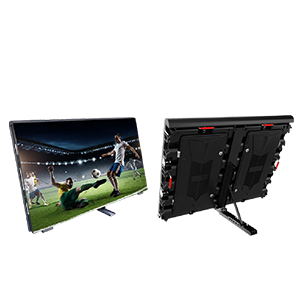
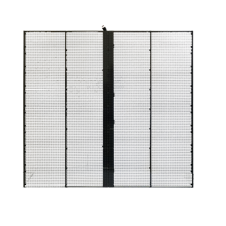
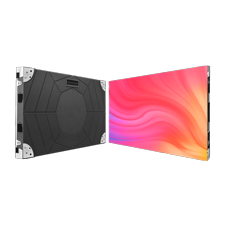
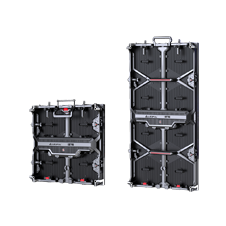
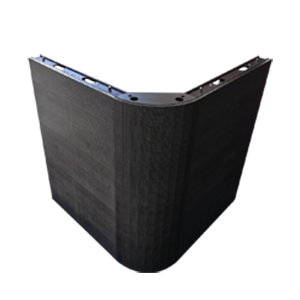





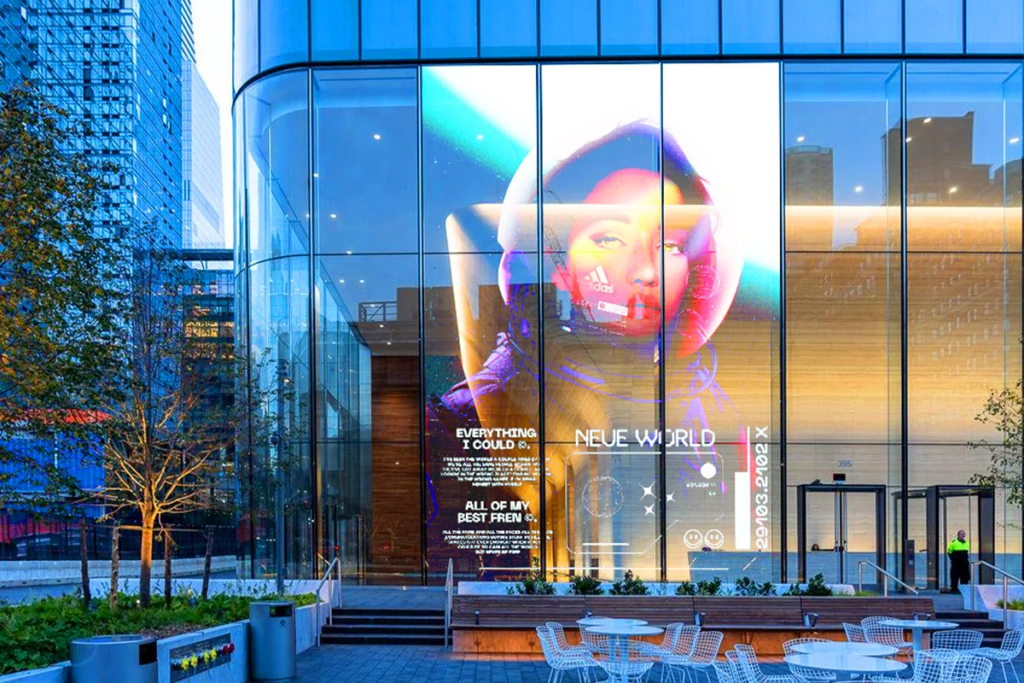
As digital media becomes increasingly integrated into modern architecture, the glass facade has evolved from a simple structural element into a high-value communication asset. However, for stakeholders, the path to “digital glass” often presents a choice between two distinct technologies: the traditional rigid transparent display and the innovative LED transparent film screen. While both offer the “holographic” effect that defines modern retail, they are engineered for very different structural environments and installation scenarios. At LEDFUL, we provide both modular rigid systems and the A-Series adhesive film to ensure our clients have the right tool for their specific architectural challenges. Understanding the technical trade-offs in weight, flexibility, and brightness is essential for choosing the solution that best aligns with your project’s goals.
1. Structural Constraints: Existing Glass vs. New Construction
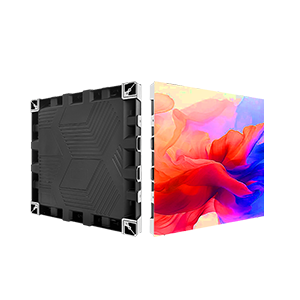
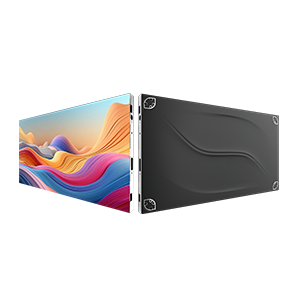
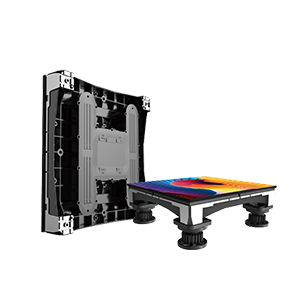
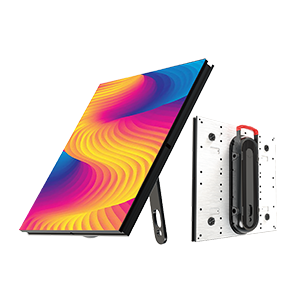
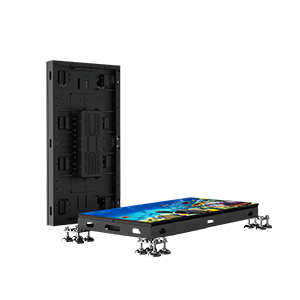
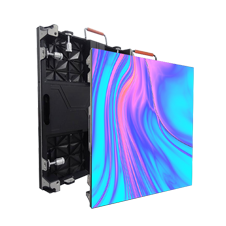
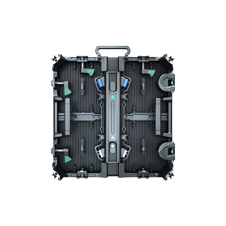
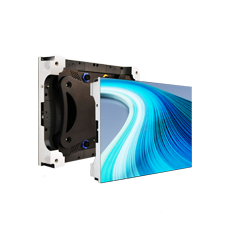
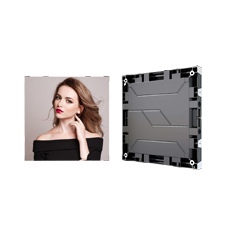
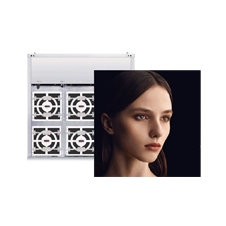
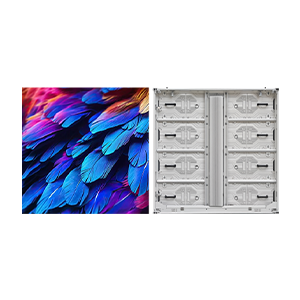
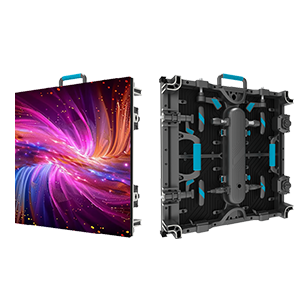
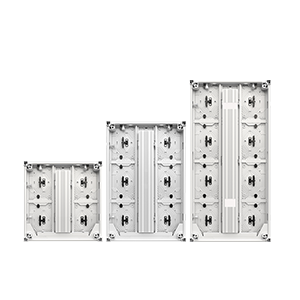
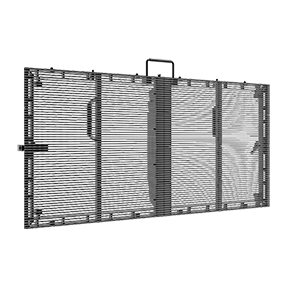
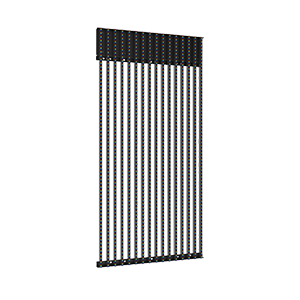
The first factor in your decision should be the state of the installation site. If you are working on a new construction project where the digital display can be integrated into the initial architectural planning, a rigid transparent system is often the preferred choice. These systems utilize a die-cast aluminum frame that can be bolted directly to the building’s structural steel or window mullions.
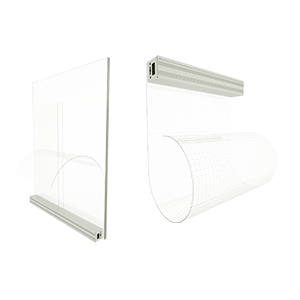
Conversely, if you are retrofitting an existing building—especially one with high-end glass that cannot be easily modified—the LED transparent film screen is the superior solution. Our LEDFUL A-Series film is designed to be applied directly to the surface of the glass using optical-grade adhesive. This eliminates the need for heavy mounting brackets or specialized rigging. For a facility manager looking to upgrade a storefront without a major renovation, the adhesive film offers a “plug-and-play” simplicity that rigid screens cannot match.
2. Weight and Load-Bearing Capacity
Weight is often the deciding factor in large-scale installations. Rigid transparent displays, while much lighter than traditional LED walls, still weigh between 12kg and 15kg per square meter. For a massive multi-story facade, this cumulative weight requires significant structural support.
The LED transparent film screen represents a radical reduction in weight, typically weighing less than 4kg per square meter. Because the film is essentially a thin polymer substrate, it places almost zero stress on the glass or the building frame. At LEDFUL, we often recommend the adhesive film for installations on glass ceilings, skylights, or large-span windows where the structural load-bearing capacity is limited. If your project demands a “zero-footprint” installation that doesn’t compromise the integrity of the glass, the film is the technically correct choice.
3. Flexibility and Architectural Geometry
Architecture is rarely just a series of flat planes. Modern flagships and corporate headquarters frequently feature curved glass, circular pillars, or irregular geometries. This is where the physical nature of the technology becomes critical.
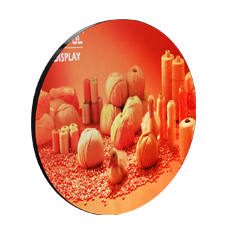
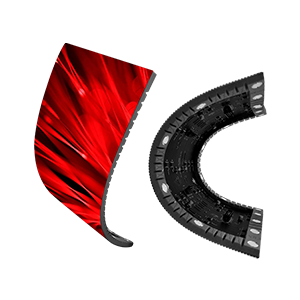
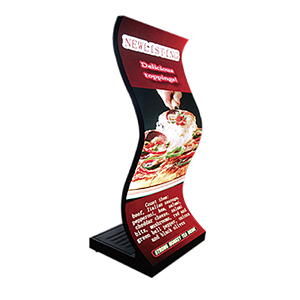
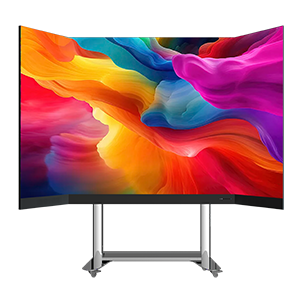
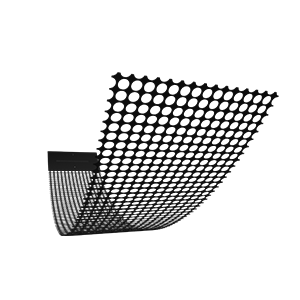
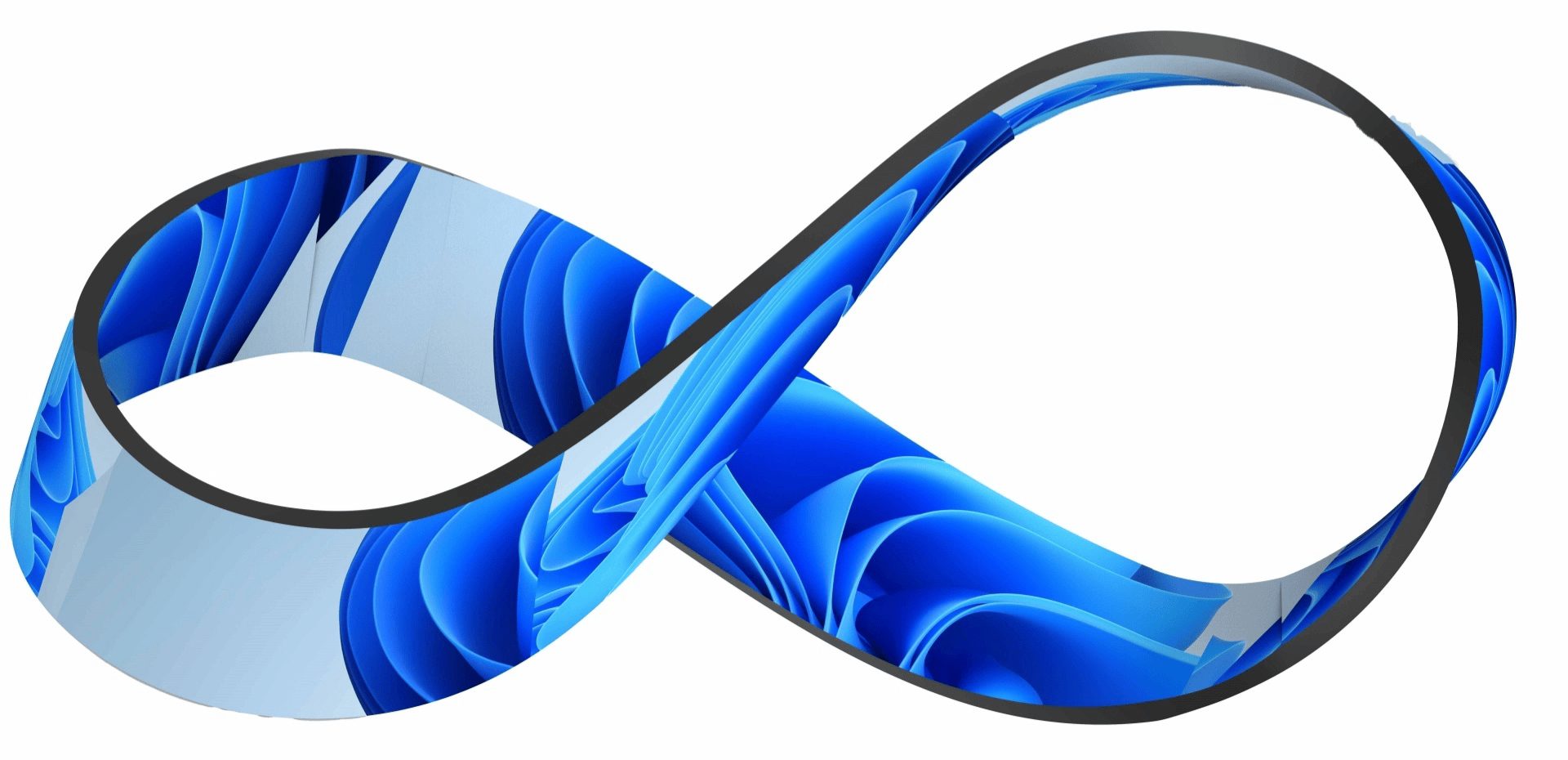
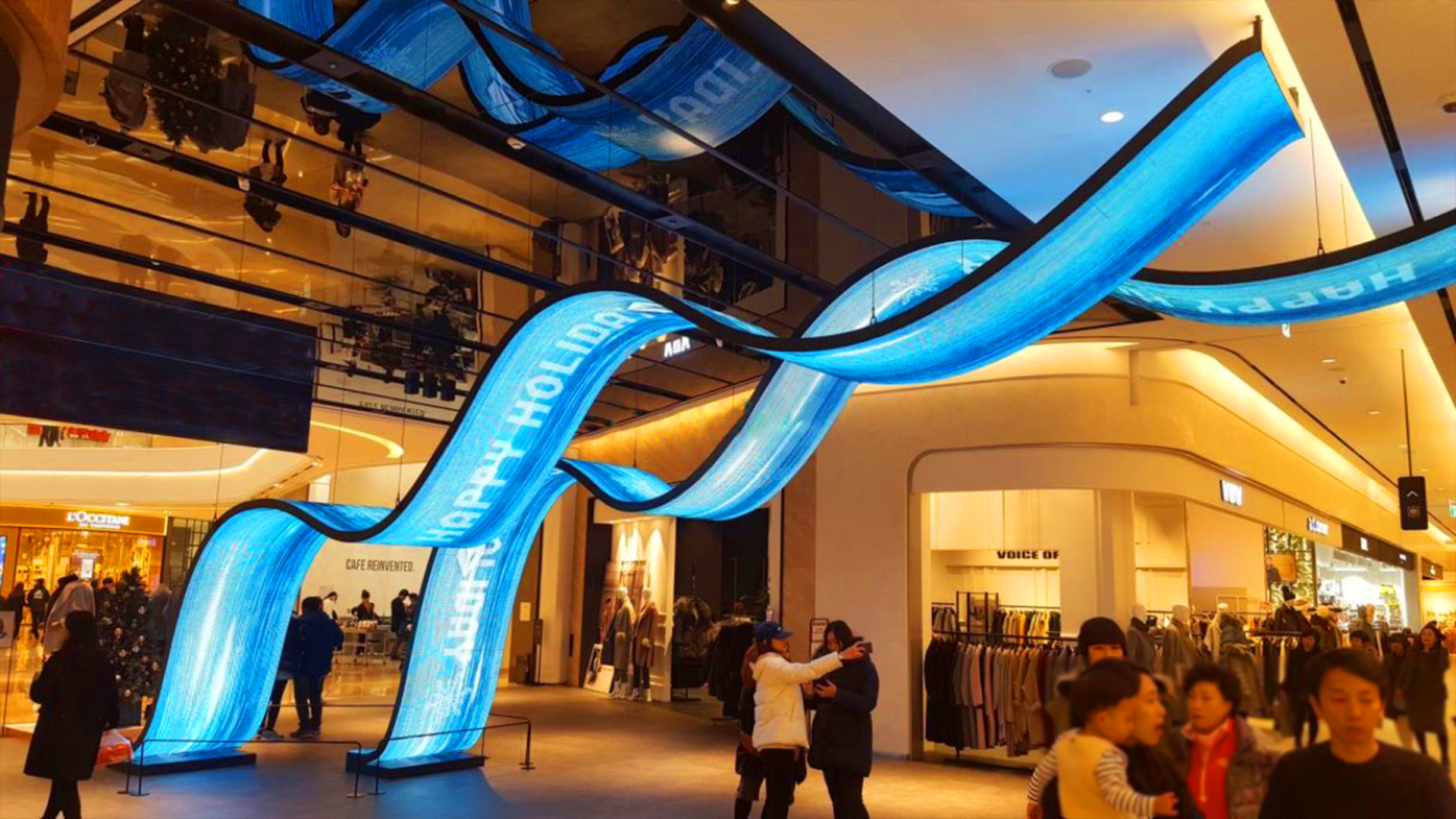
A rigid transparent screen is, as the name suggests, a flat panel. While some can be configured with slight angles to create a curve, they are fundamentally limited by their aluminum frames. The LED transparent film screen, however, is inherently flexible. It can be bent to follow the contour of a curved window or even wrapped around a glass pillar. Because the film can be cut to custom sizes and shapes on-site, it offers a level of “Architectural Fluidity” that rigid panels cannot provide. For designers pushing the boundaries of creative geometry, the adhesive film serves as a digital skin that conforms to the building’s soul.
4. Brightness Requirements and Environmental Factors
Brightness is where the rigid transparent display often holds the advantage. Because rigid systems can accommodate larger LED lamps and more robust heat dissipation systems, they can achieve brightness levels of up to 5,500 nits. This makes them the “Gold Standard” for south-facing windows that receive intense, direct sunlight throughout the day.
While the LEDFUL A-Series adhesive film is incredibly bright for its thickness, it typically operates in the 1,500 to 4,000 nit range. This is perfect for indoor environments, covered malls, or windows that do not face direct, harsh sunlight. For buyers, the choice depends on the “Sun Exposure” of the site. If your storefront is subject to extreme glare, a rigid system provides the raw power needed for visibility. If your installation is in a more controlled light environment, the aesthetic benefits of the film’s transparency and thinness often outweigh the need for extreme nits.
5. Maintenance and Long-Term Serviceability
Operational “Uptime” is a key metric for any investment. Rigid transparent screens are designed with a modular “Strip-Replacement” philosophy. If a single LED strip is damaged, a technician can swap it out in minutes from either the front or the rear. This makes them highly serviceable for long-term installations in high-traffic areas.
The LED transparent film screen is also durable, but its maintenance profile is different. Because it is an adhesive layer, repairs often involve replacing a larger section of the film rather than an individual strip. However, the film’s “Solid-State” nature—with no moving parts or heavy frames—means there are fewer mechanical points of failure. At LEDFUL, we ensure that both systems utilize high-grade components to minimize maintenance needs, but for projects where absolute, site-level serviceability is the priority, the modular rigid system offers a slight edge.
6. Transparency and Aesthetic Impact
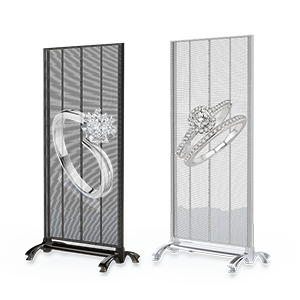
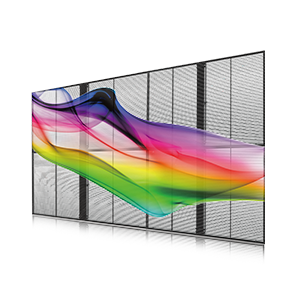
Both technologies offer impressive transparency, often exceeding 75%. However, the aesthetic “Feel” is different. A rigid screen has a visible frame (even if thin) and a more industrial look when viewed from the side. The adhesive film, being only 2-3mm thick, is almost invisible from the side, providing the most “Natural” look for the glass.
For luxury retail brands where the store’s interior design is as important as the digital content, the LED transparent film screen provides a “holographic” effect that feels more integrated. The content appears to float within the glass itself. If the goal is to have the technology “disappear” into the architecture when turned off, the adhesive film is the undisputed winner in the category of aesthetic transparency.
Conclusion: Matching Tech to Task
Choosing between rigid and adhesive LED transparent technology is not about which is “better,” but which is better for your space. If you need extreme brightness and have the structural support for a modular frame, the rigid system is a high-performance workhorse. If you need a lightweight, flexible, and ultra-thin solution for a retrofit or a curved surface, the adhesive film is a triumph of modern materials science.
At LEDFUL, we are committed to helping our partners navigate these technical decisions. We provide the expertise to evaluate your site’s light conditions, structural limits, and creative vision to ensure your digital glass is a success. Whether you choose the structural power of a rigid wall or the flexible brilliance of the A-Series film, we ensure your message is seen through the clearest lens possible.