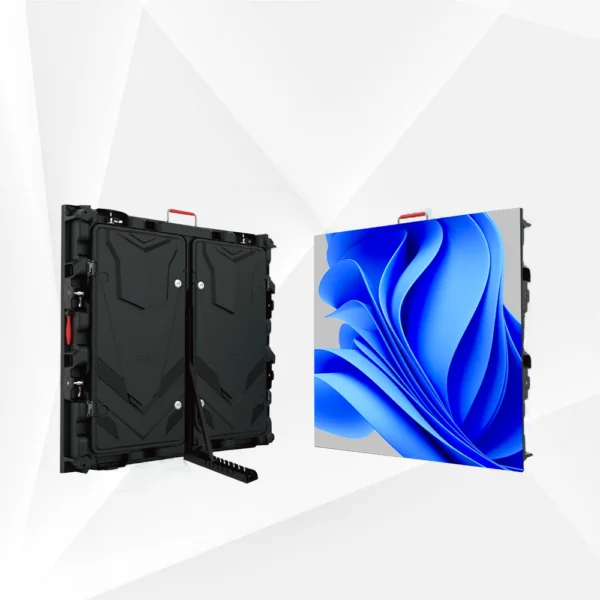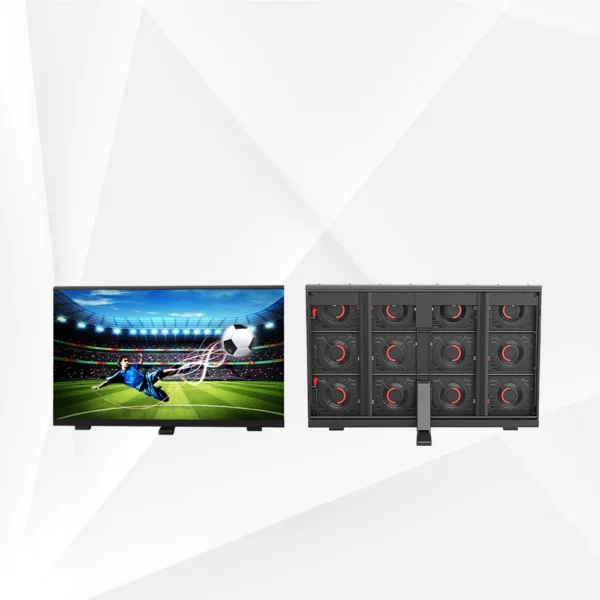




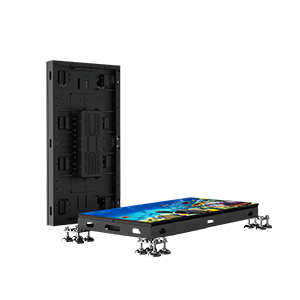
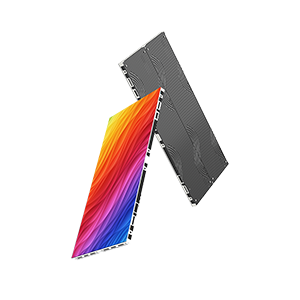
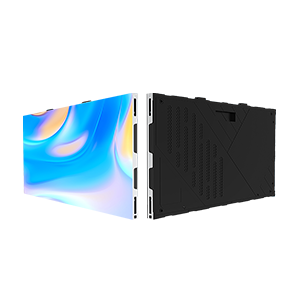
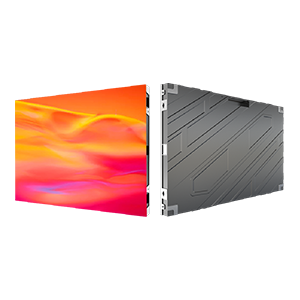
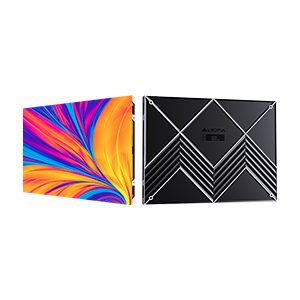
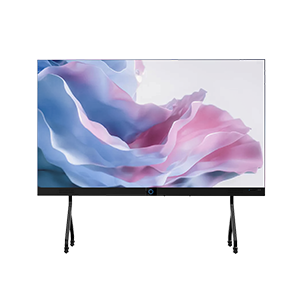
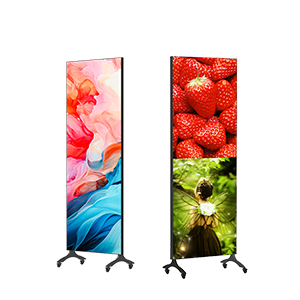
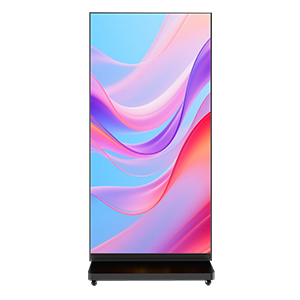
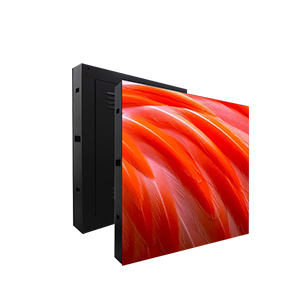
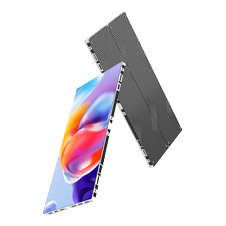
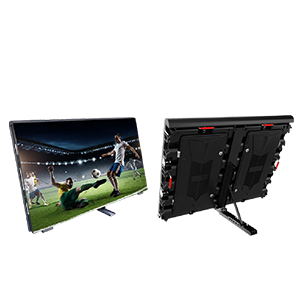
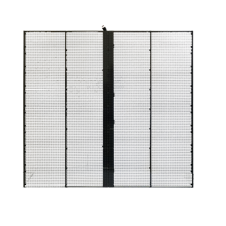
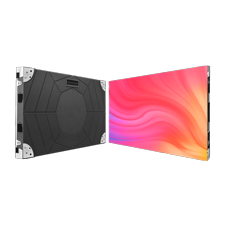
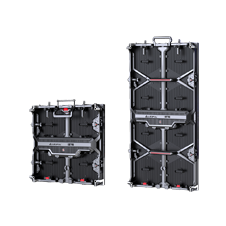
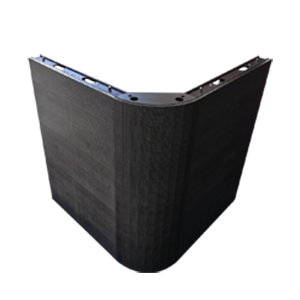
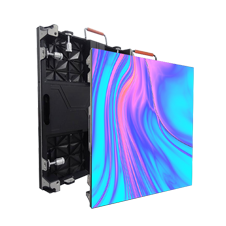
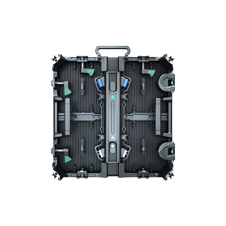
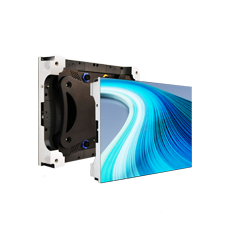
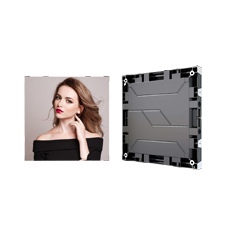
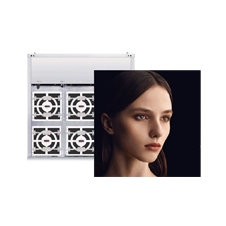
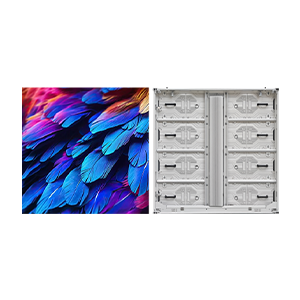
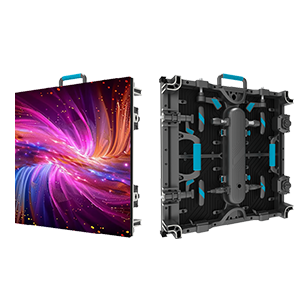
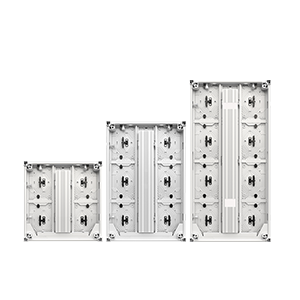
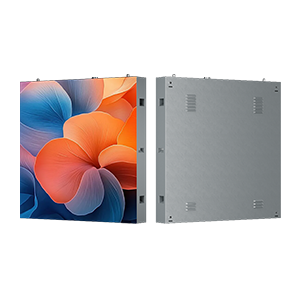
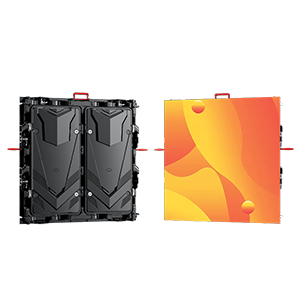
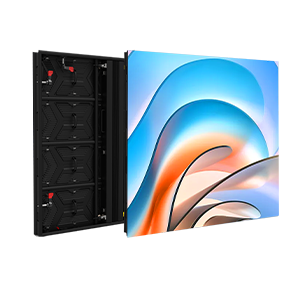
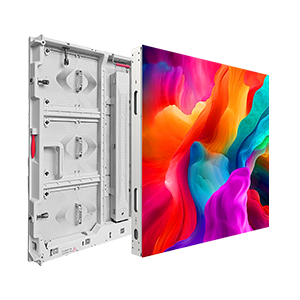




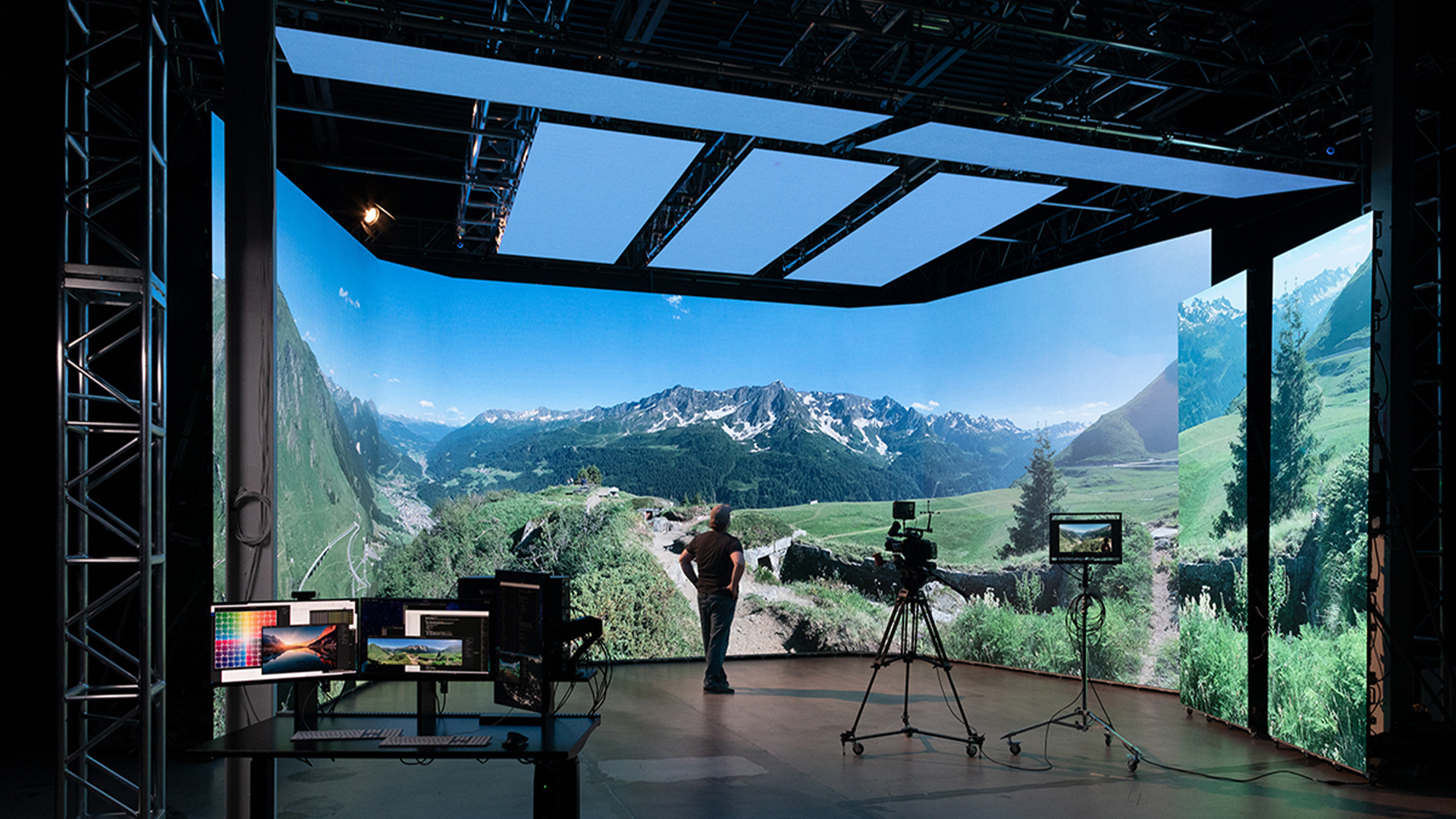






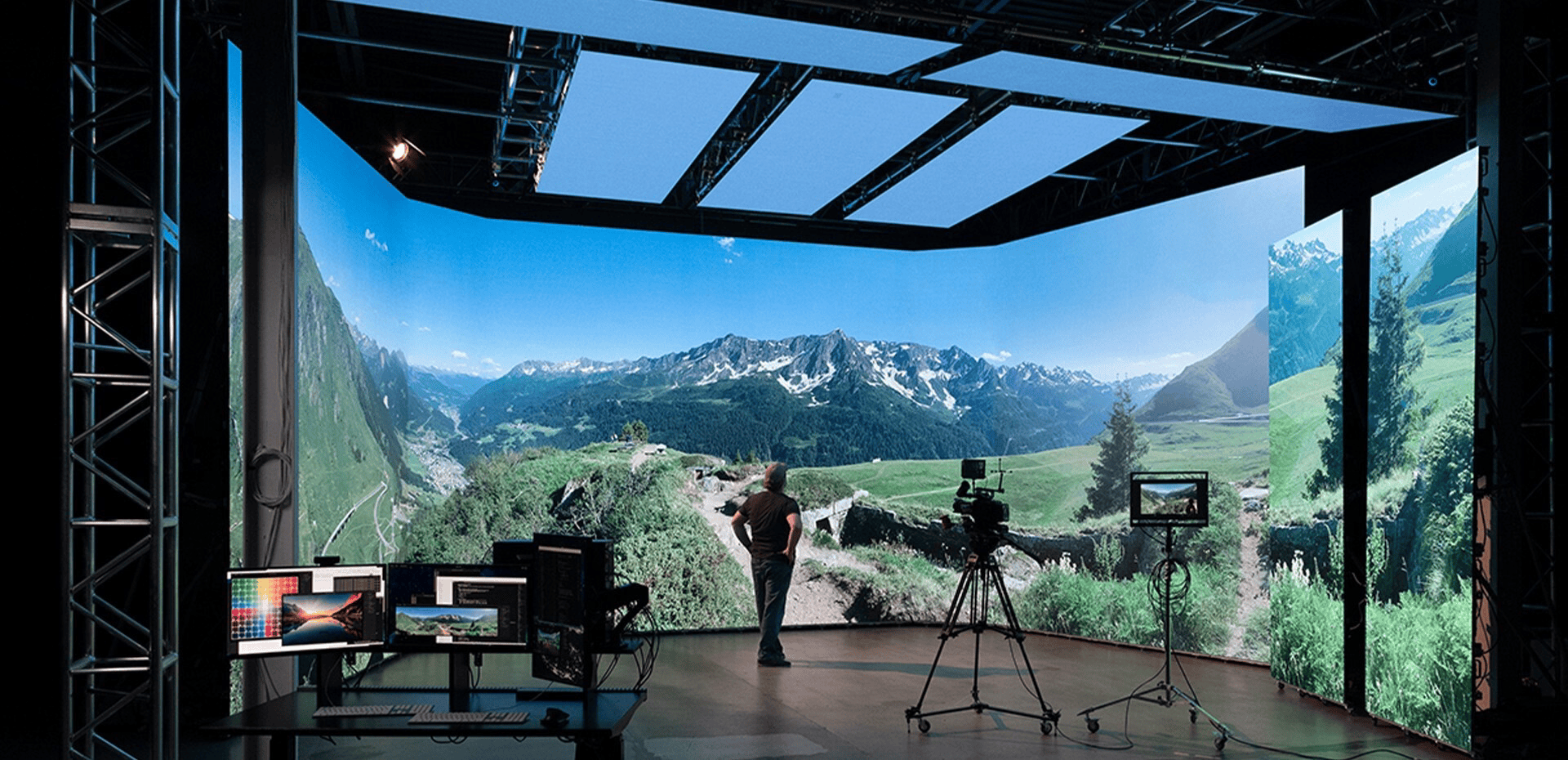
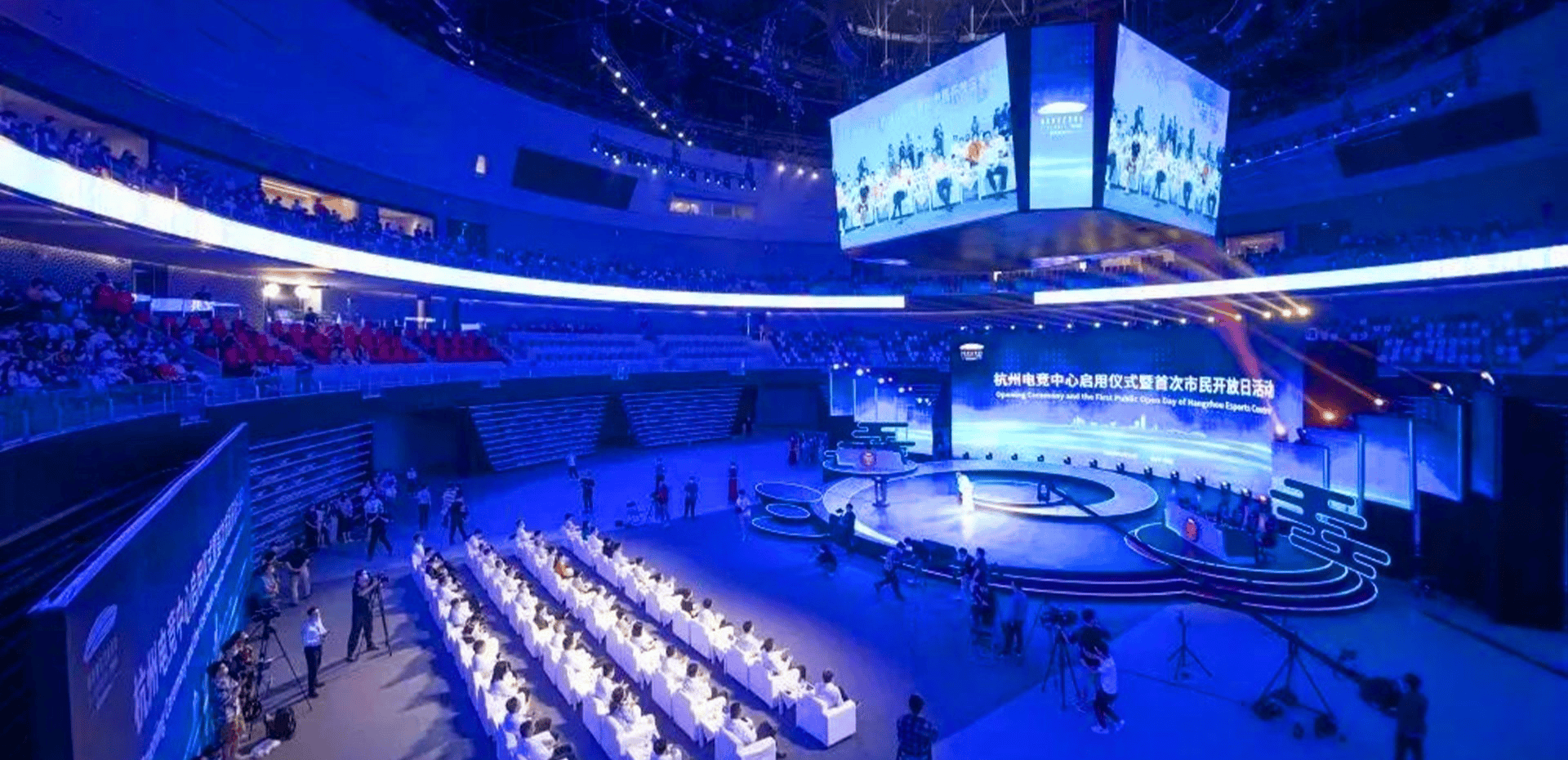

The LED display industry is currently witnessing its most significant architectural shift in a decade. For years, the Surface Mounted Device (SMD) has been the workhorse of the digital signage world. However, as the demand for “Ultra-Fine” pixel pitches (sub-1.0mm) grows, the physical limitations of SMD packaging have become apparent. Enter the COB LED Display, a technology that represents a fundamental evolution in how light-emitting diodes are integrated onto a circuit board. At LEDFUL, our COB series is at the forefront of this transition, offering a level of durability and visual continuity that was previously impossible. Understanding the technical divergence between these two packaging methods is essential for stakeholders who are investing in the next generation of high-definition command centers, broadcast studios, and luxury home cinemas.
1. The Architectural Shift: Discrete vs. Integrated Packaging
To understand the benefits of a COB LED Display, one must first understand the “SMD bottleneck.” In traditional SMD manufacturing, individual LED chips (Red, Green, and Blue) are encapsulated into a plastic “cup” with four or six metal legs, which are then soldered onto the PCB. This creates a “discrete” pixel that sits proud of the surface.
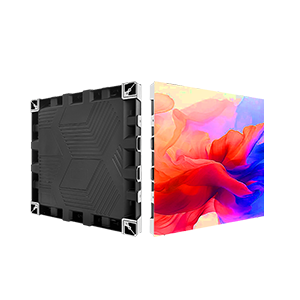
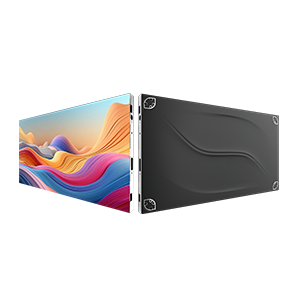
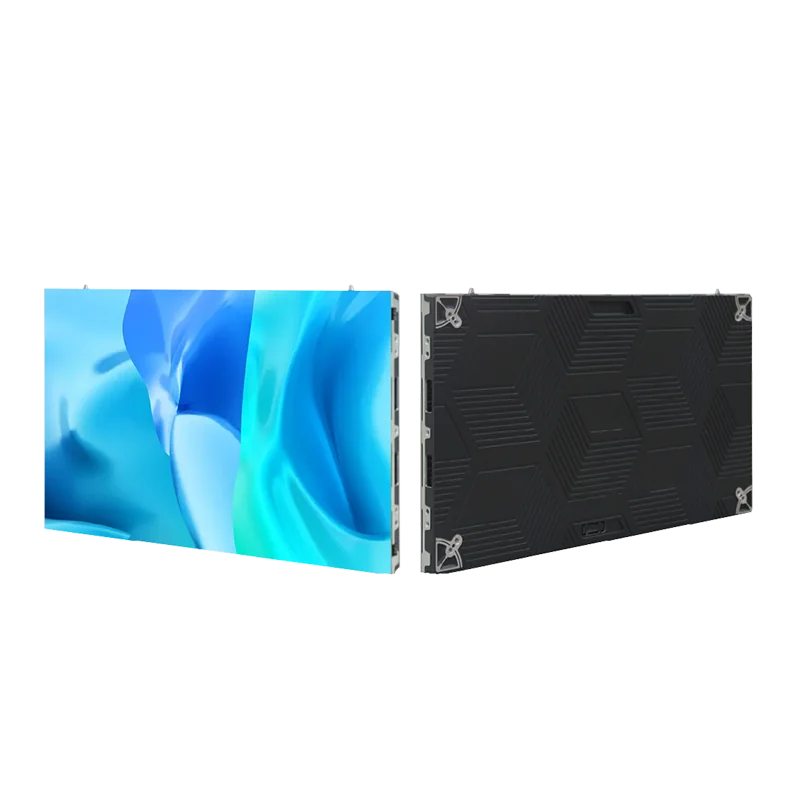
In contrast, Chip-on-Board (COB) technology eliminates the plastic cup and the metal legs entirely. The bare LED chips are bonded directly to the PCB substrate and then covered with a specialized transparent epoxy or silicone coating. This “integrated” approach allows for much higher pixel density. Because there are no physical packages to solder. For buyers, this means a smoother, more “monitor-like” surface that is free from the visible grid patterns associated with traditional SMD displays.
2. Superior Surface Protection and Durability
One of the primary “pain points” for facility managers using traditional SMD displays is the fragility of the pixels. A slight bump during installation or cleaning can easily knock an SMD lamp off the board, resulting in “dead pixels” that require specialized repair.
The COB LED Display solves this through its “Surface-Encap” nature. Because the entire module is covered in a protective resin layer, the LEDs are hermetically sealed. This makes the LEDFUL COB series waterproof, dustproof, and—most importantly—collision-proof (impact resistant). You can literally wipe the surface of a COB screen with a damp cloth without risking damage. This level of physical resilience is a game-changer for high-traffic environments like airport terminals or interactive corporate lobbies where the display might be within reach of the public.
3. The “Black Hole” Effect: Contrast and Image Depth
Contrast ratio is the defining metric for image “pop” and depth. In traditional SMD displays, the plastic casing of the LED lamps reflects ambient light, which can make “black” areas of the screen look dark gray. This is particularly noticeable in high-end screening rooms or broadcast sets.
The COB LED Display utilizes a “Full-Black” substrate coating. Because there are no reflective plastic cups or silver-colored solder joints, the background of the screen is a deep, uniform black. When the LEDs are off, the screen effectively becomes a “Black Hole” that absorbs ambient light. This allows LEDFUL’s COB panels to achieve contrast ratios that often double or triple those of standard SMD technology. For stakeholders in the film and television industry, this means truer colors and a cinematic depth that matches the performance of high-end OLED monitors but at a much larger scale.
4. Optical Comfort and Wide Viewing Angles
Another technical evolution found in COB technology is the transition from “Point Light Sources” to “Surface Light Sources.” In an SMD display, each pixel is a tiny, intense point of light, which can lead to “eye fatigue” or the “Moiré effect” when filmed by a camera.
Because the COB process covers the LEDs with a resin layer, the light is naturally diffused. This turns each pixel into a softer, more uniform light source that is much easier on the human eye during long periods of monitoring. Furthermore, the absence of a plastic “cup” means there is no physical barrier to the light at sharp angles. The LEDFUL COB series offers a true 170-degree viewing angle with zero color shift. For a command-and-control center where operators must view data from various positions across a large room, this optical consistency is a vital operational benefit.
5. Thermal Efficiency and Longevity
Heat is the primary enemy of LED lifespan. In an SMD display, the heat generated by the chip must pass through the plastic casing and the solder joints before reaching the PCB’s heat-dissipation layers. This “Thermal Resistance” can lead to color drifting and premature aging of the LEDs.
The “Direct-Bonding” science of the COB LED Display allows heat to flow directly from the chip into the PCB substrate. This significantly lowers the junction temperature of the LEDs. At LEDFUL, our COB modules operate at a lower temperature than equivalent SMD panels, which directly translates to better color stability over time and a longer operational life. For investors, this thermal efficiency provides a lower Total Cost of Ownership (TCO) and ensures that the “Day 1” visual quality is maintained for years to come.
6. Solving the “Dead Pixel” Crisis in Fine Pitch
As pixel pitches get smaller, the number of pixels per square meter increases exponentially. In a 0.9mm display, there are over 1.2 million pixels per square meter. With traditional SMD technology, maintaining a “Zero Dead Pixel” standard at this density is statistically nearly impossible over the long term.
COB technology dramatically reduces the “Failure Rate” because it eliminates the most common point of failure: the solder joint. By moving the manufacturing process into a highly controlled, automated environment where chips are bonded directly, LEDFUL has achieved a reliability rating that is an order of magnitude higher than SMD. For buyers, this means fewer maintenance calls and a display that remains flawless, preserving the prestige of the installation.
Conclusion: The New Standard for High-End Visuals
The shift from SMD to COB is not just an incremental upgrade; it is a total reimagining of LED architecture. By prioritizing durability, contrast, and optical comfort, the COB LED Display has addressed every major limitation of the previous generation.
At LEDFUL, we believe that for any project requiring a pixel pitch of P1.2 or below, COB is the only logical choice for the professional market. We provide the technical expertise and the cutting-edge hardware needed to bring this evolution to your facility. Whether you are building a mission-critical operations center or a world-class broadcast studio, our COB technology ensures your vision is delivered with absolute precision and unmatched resilience. The future of LED is integrated, and it is more brilliant than ever.