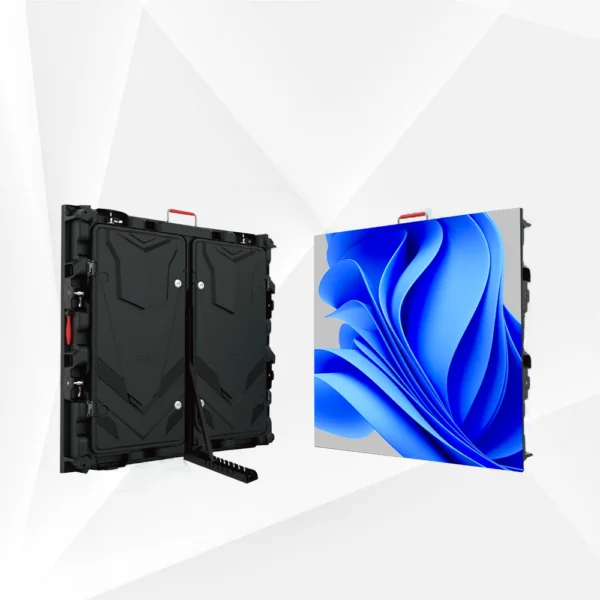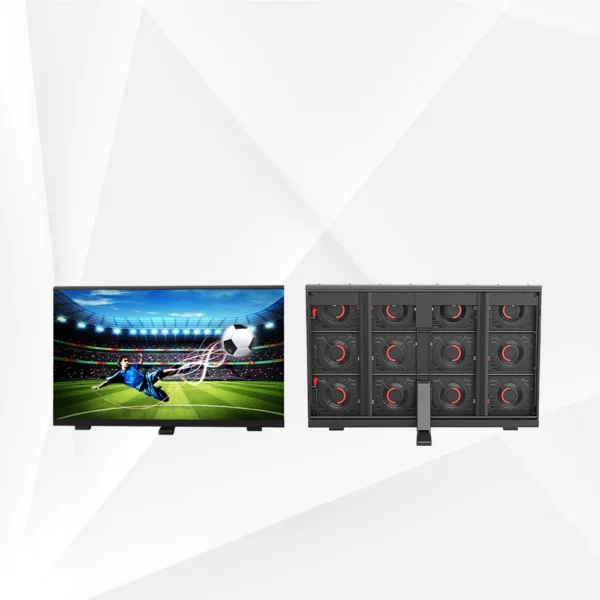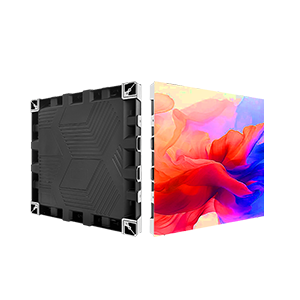
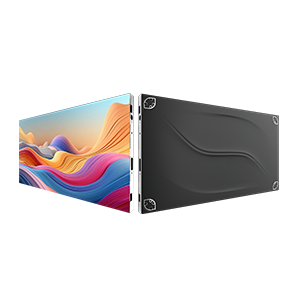
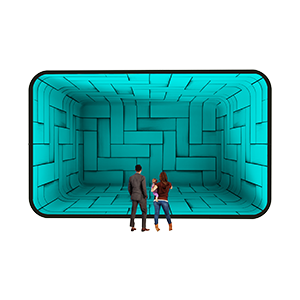



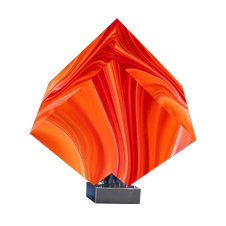
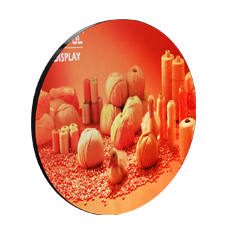
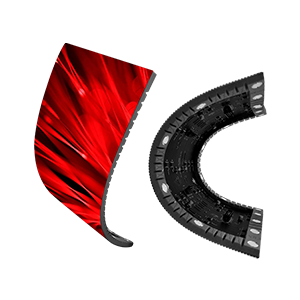
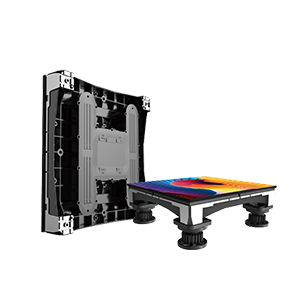
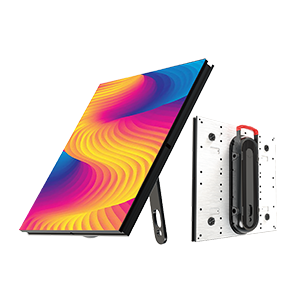
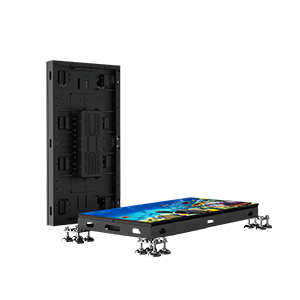
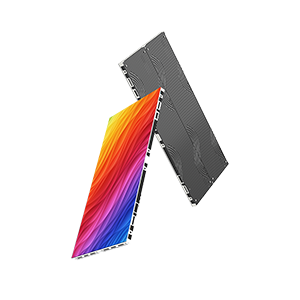
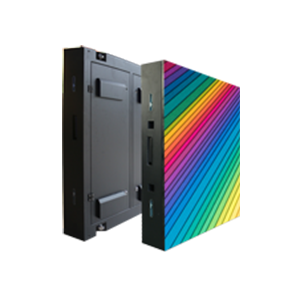
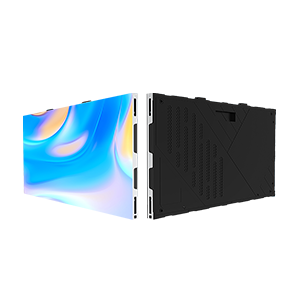
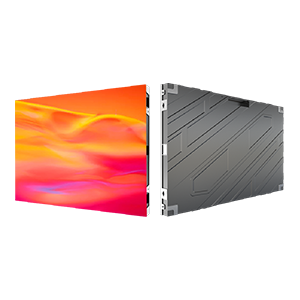
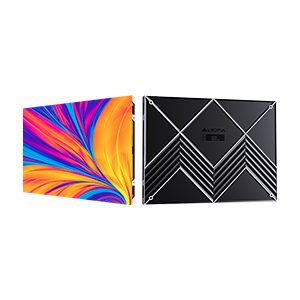
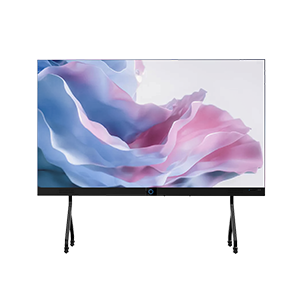
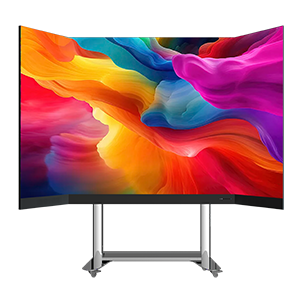
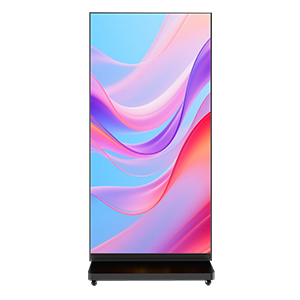
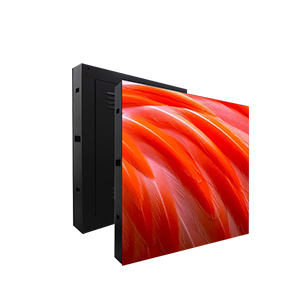
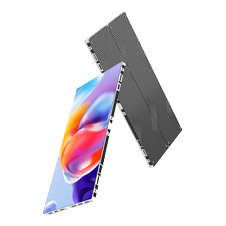
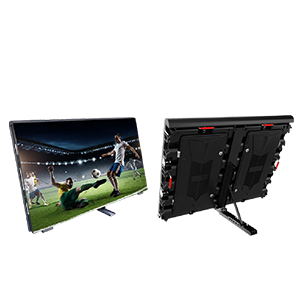
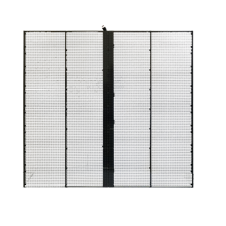
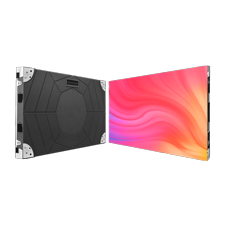
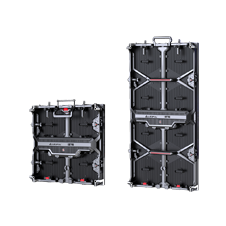
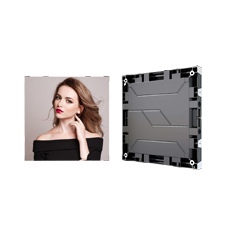
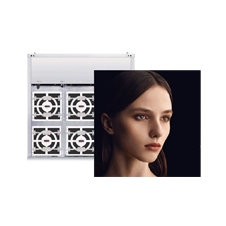
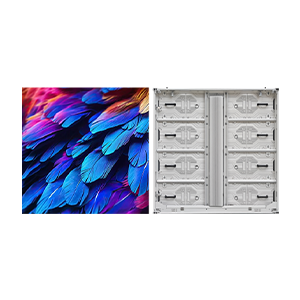
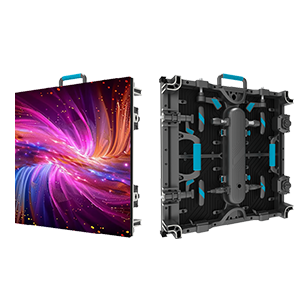
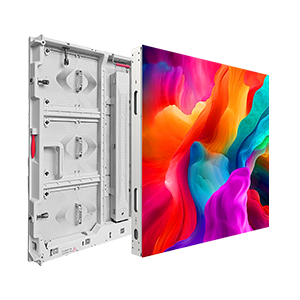
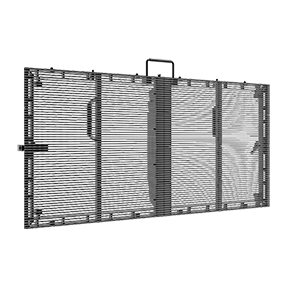
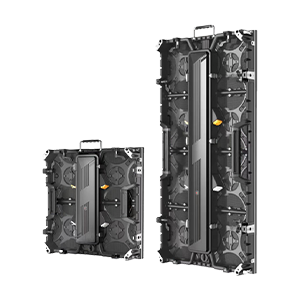
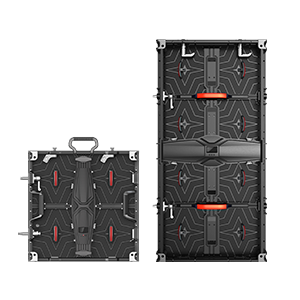
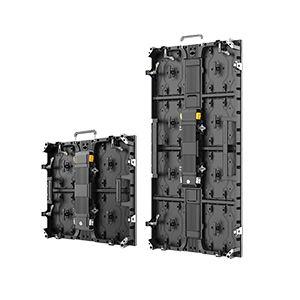
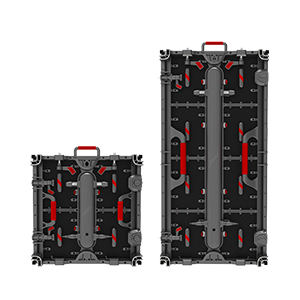
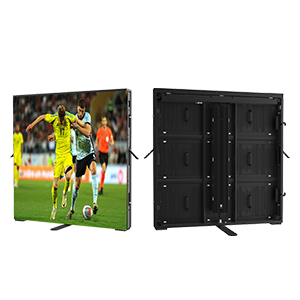
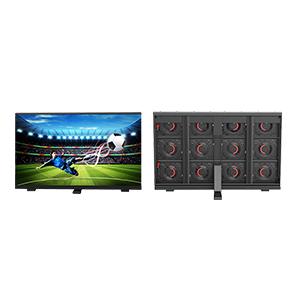

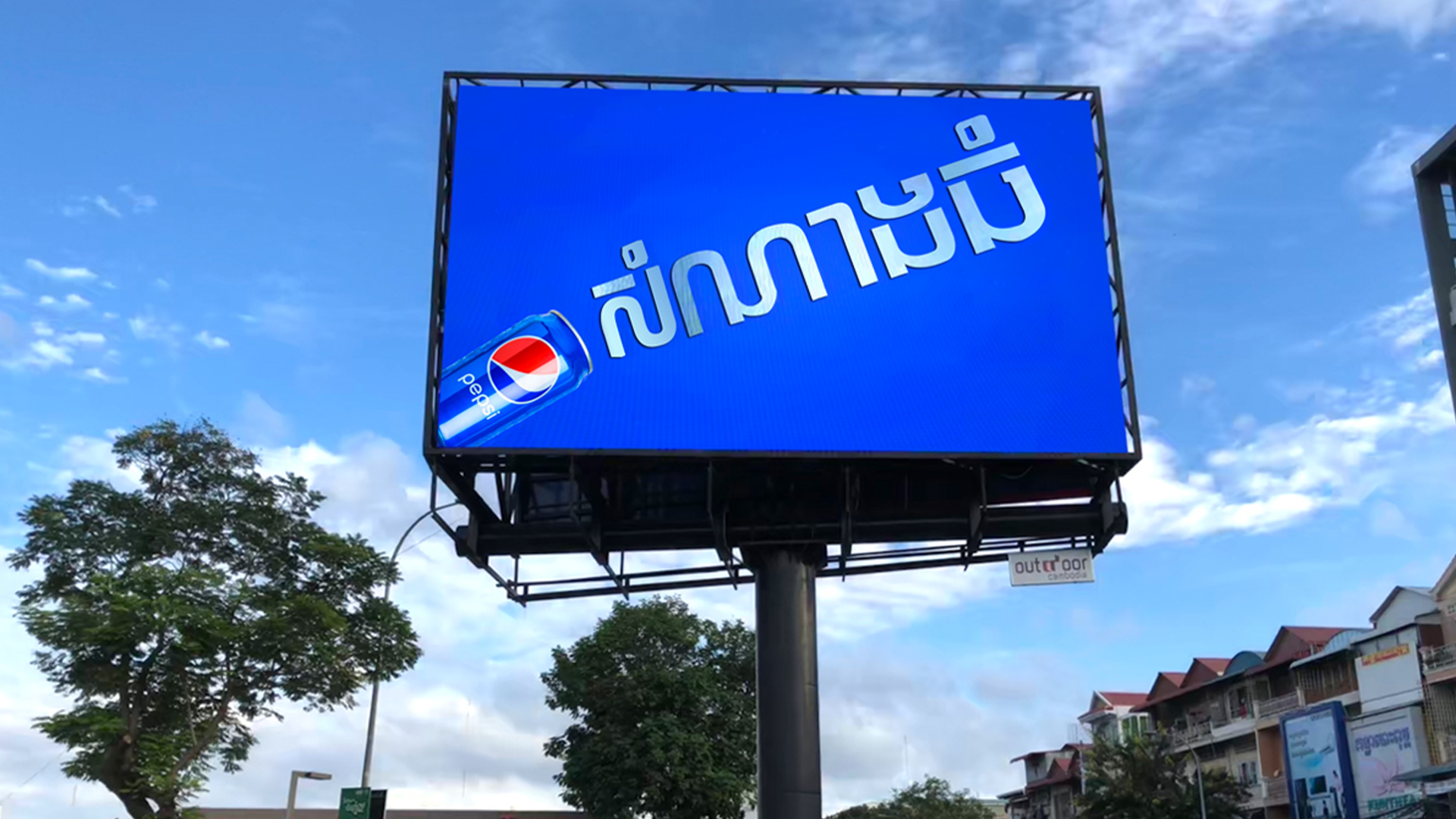
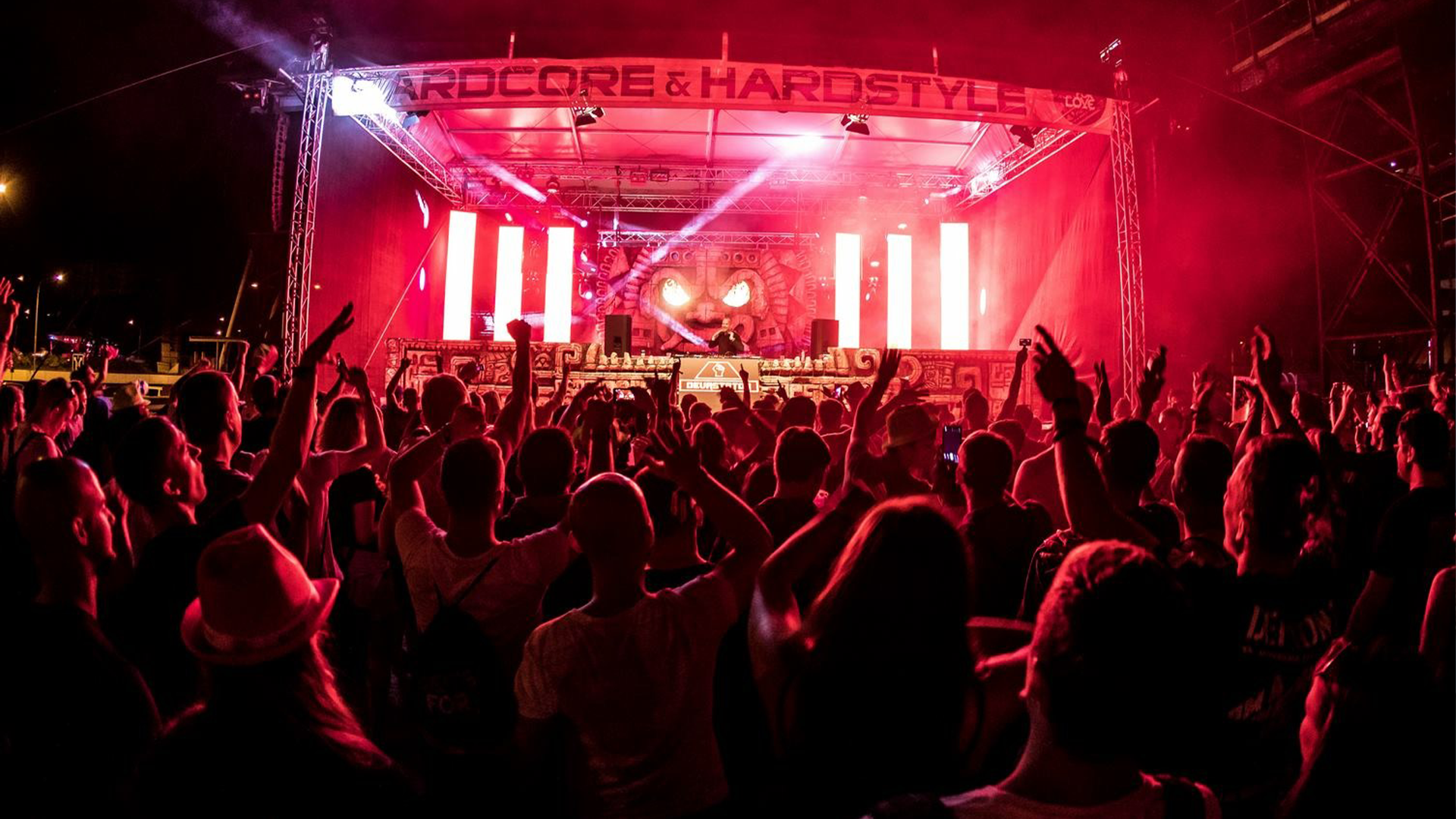
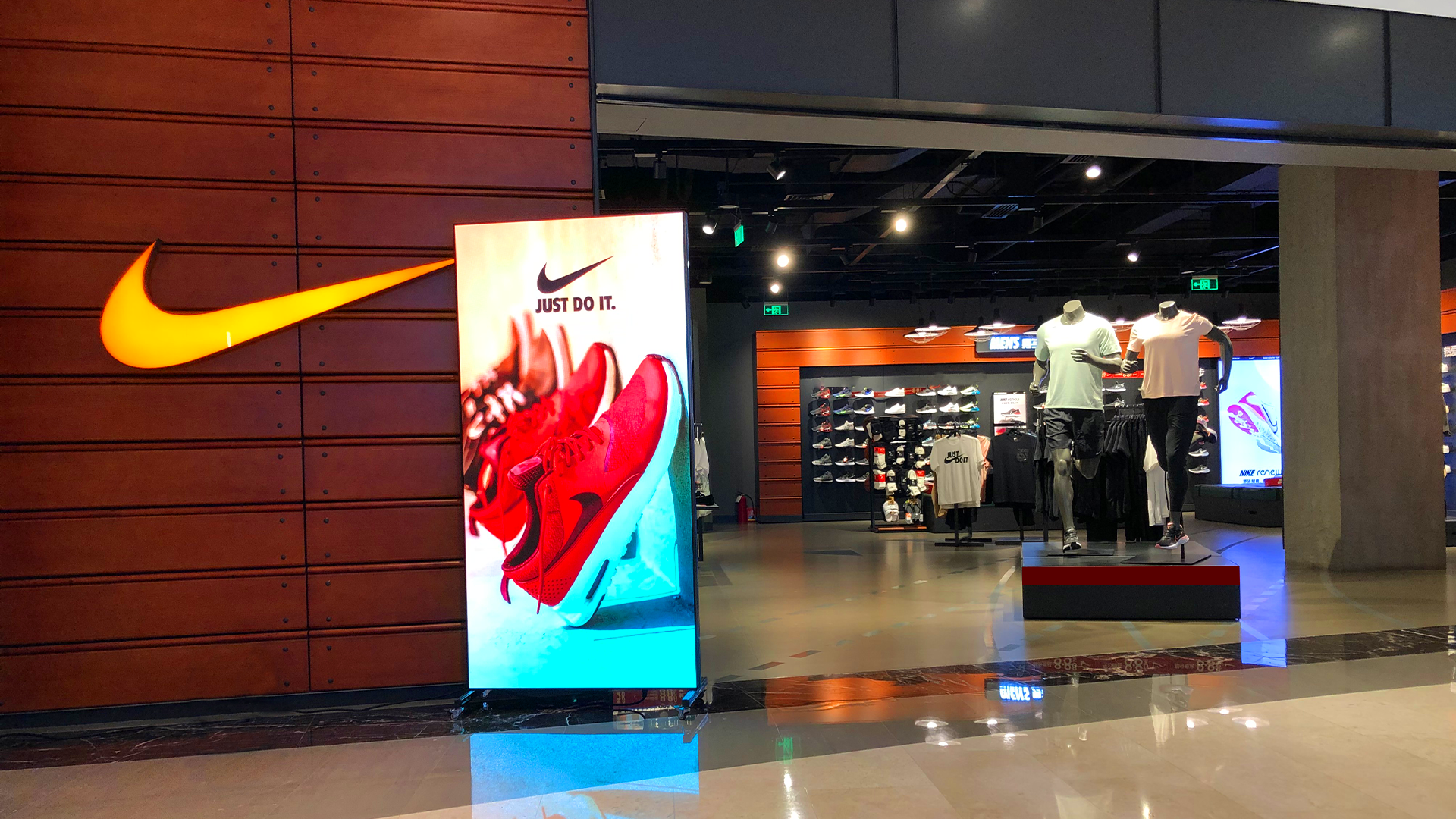
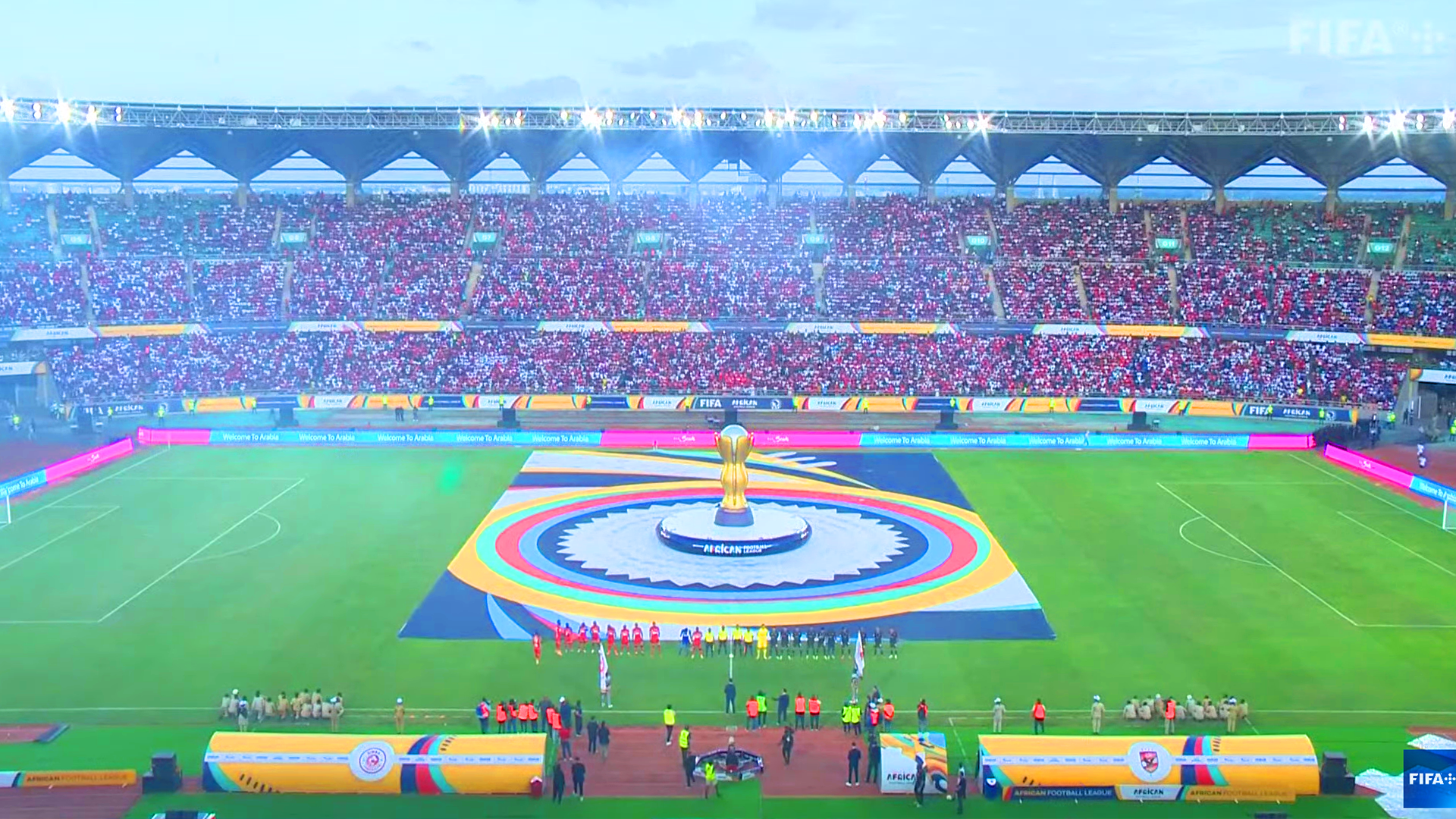





In the current global economic climate, sustainability and operational efficiency have moved from “optional” to “essential” for any large-scale digital project. For our partners managing high-traffic advertising networks, the electricity cost of a 24/7 digital billboard can represent a significant portion of the total operating budget. At LEDFUL, we recognize that the future of the outdoor LED display screen lies in our ability to deliver stunning visual impact while minimizing the carbon footprint and energy consumption of the hardware. Modern energy-saving technologies have transformed the industry, allowing us to offer solutions that are both environmentally responsible and financially superior.
The Shift to Common Cathode Technology
One of the most significant breakthroughs in energy efficiency that we have integrated into our product lines is Common Cathode technology. To understand why this is a game-changer for a professional outdoor LED display screen, one must look at how traditional “Common Anode” screens function. In a traditional setup, the red, green, and blue LED chips are all supplied with the same voltage (usually 5V or 4.2V), even though they require different voltages to operate optimally. Since red LEDs require less voltage than green and blue, the excess energy is dissipated as heat.
By adopting a Common Cathode architecture, we can supply the red, green, and blue chips with dedicated, optimized voltages. This precision power delivery reduces energy waste and significantly lowers the operating temperature of the display. For our clients at LEDFUL, this translates to two major benefits: first, a reduction in power consumption by up to 30-40%; and second, a marked increase in the lifespan of the LEDs because they are no longer subjected to unnecessary thermal stress. Lower heat generation also reduces the need for heavy-duty cooling fans, further lowering the cumulative energy draw of the cabinet.
High-Efficiency Power Supplies and Smart PCBA Design
At LEDFUL, our engineering team focuses on every link in the power chain. The selection of the Power Supply Unit (PSU) is critical. We utilize high-conversion-rate power supplies that minimize energy loss during the AC-to-DC conversion process. Furthermore, our Printed Circuit Board Assembly (PCBA) designs are optimized for low-resistance current flow. By utilizing thicker copper layers and shorter trace paths, we reduce the “line loss” of electricity as it travels through the modules. For a media owner, this means that a LEDFUL screen pays for itself over time through significantly lower utility bills compared to low-cost, inefficient alternatives.
Dynamic Brightness Control and Intelligent Sensing
The outdoor environment is constantly changing, and a static approach to brightness is no longer viable for a professional outdoor LED display screen. During the peak of a sunny afternoon, a display might need 7,000 to 10,000 nits of brightness to compete with direct sunlight. However, at night, maintaining that same level of output is not only an enormous waste of energy but also a source of light pollution that can lead to regulatory issues.
We integrate advanced light sensors and intelligent control software that automatically adjust the screen’s brightness based on real-time ambient light conditions. This “smart dimming” ensures that the content is always perfectly legible without drawing more power than necessary. By reducing brightness during overcast days or evening hours, we can slash energy usage by more than 50% during those periods. This proactive management of the hardware’s output is a hallmark of our commitment to both technology and environmental stewardship.
High-Brightness/Low-Current LED Chips
The core of any LEDFUL display is the LED chip itself. Through our partnerships with leading component manufacturers, we utilize high-luminous-efficiency chips. These components are capable of producing higher nit counts at lower current levels. Luminous efficiency (lumens per watt) is the metric that truly defines a modern advertising screen.
By selecting chips that offer superior brightness-to-current ratios, we can achieve the high-impact visuals required for outdoor advertising while keeping the amperage low. This reduced current requirement means the internal components—such as the driver ICs—run cooler and more efficiently. For a client, this high-efficiency engineering provides peace of mind that their digital asset will maintain its brilliance and color accuracy without the “dimming” effect often seen in cheaper, over-driven LEDs.
Thermal Management and the “Natural Cooling” Advantage
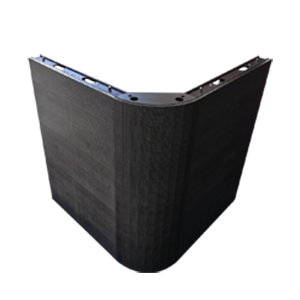
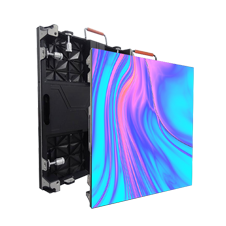
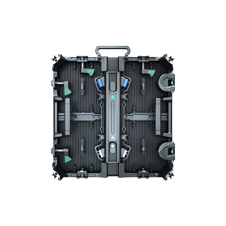
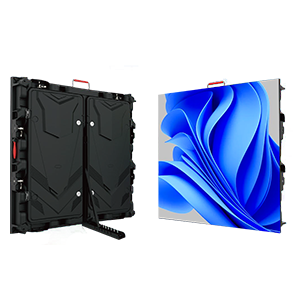
Excessive heat is the primary enemy of energy efficiency. When an LED screen gets too hot, its internal resistance increases, requiring more power to maintain the same level of brightness. This creates a “vicious cycle” of heat and energy consumption. At LEDFUL, we design our outdoor cabinets using materials like die-cast aluminum, which acts as a natural heat sink.
Our structural designs promote natural convection, allowing heat to dissipate through the cabinet walls without always relying on high-power cooling fans. By reducing the reliance on mechanical cooling, we eliminate a major secondary power consumer within the display system. This “passive cooling” approach, combined with our energy-efficient circuitry, ensures that our screens remain reliable even in the most extreme desert climates or humid tropical environments.
Conclusion: Driving ROI Through Sustainable Innovation
In the world, the decision to invest in a high-quality outdoor LED display screen is driven by the bottom line. However, as this article has shown, the most sustainable choice is also the most profitable. By investing in energy-saving technologies like Common Cathode power delivery, smart brightness sensing, and high-efficiency PCBA design, we empower our clients to reduce their operational overhead while enhancing their brand’s visual presence.
At LEDFUL, we believe that professional advertising solutions should be as efficient as they are beautiful. Our commitment to R&D ensures that our partners always have access to the most advanced energy-saving tools in the industry. As you look toward your next large-scale project, consider the long-term impact of energy efficiency. Partner with us to build a future where digital brilliance and environmental responsibility go hand in hand.