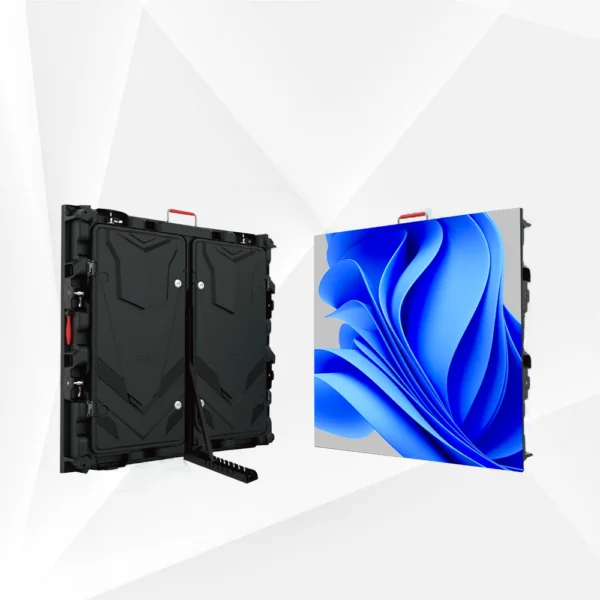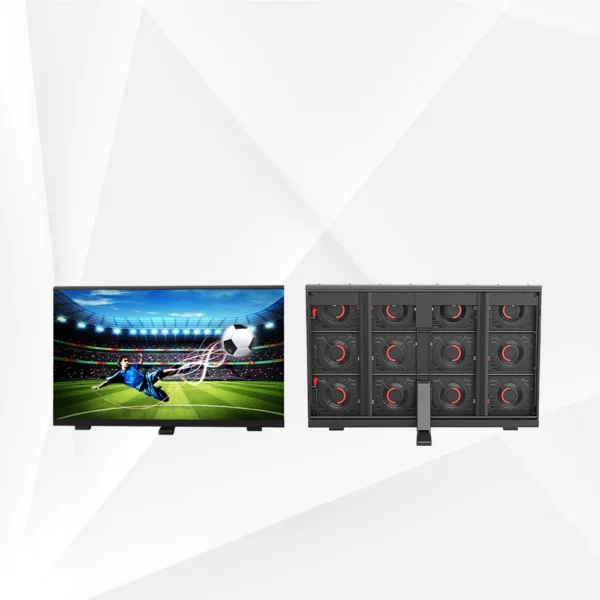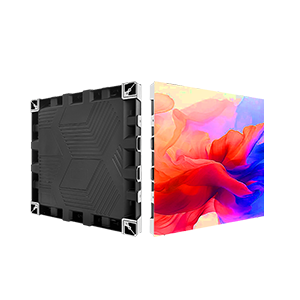
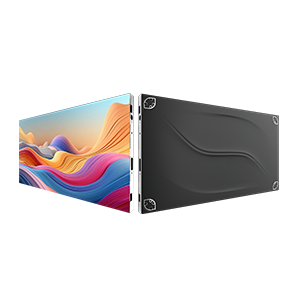
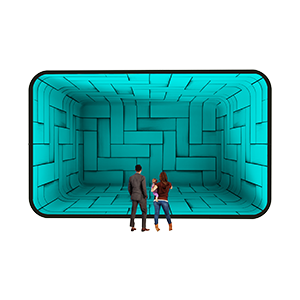




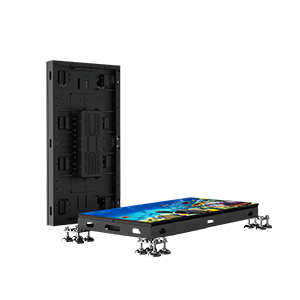
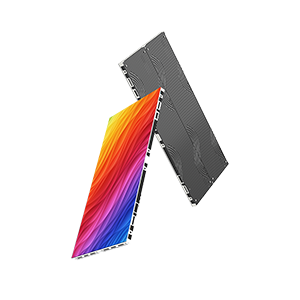
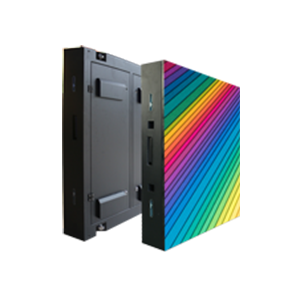
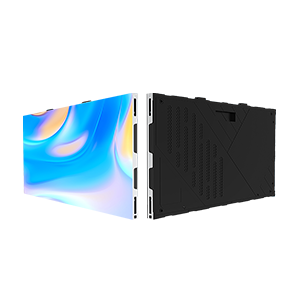
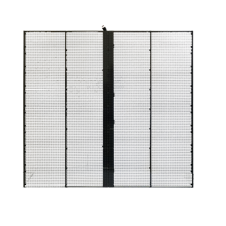
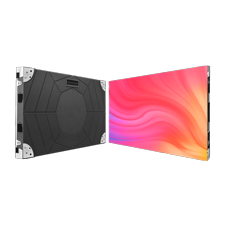
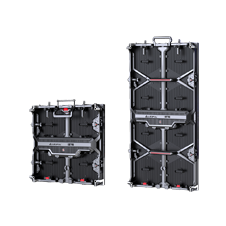
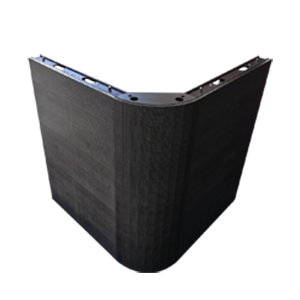
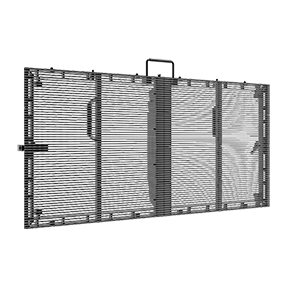
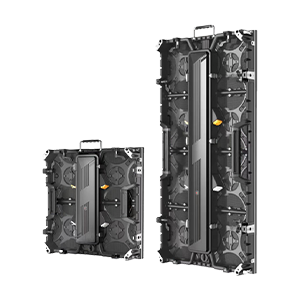
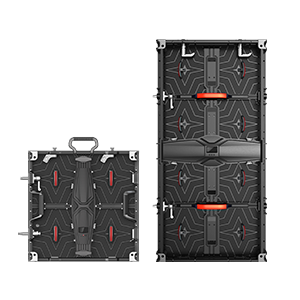
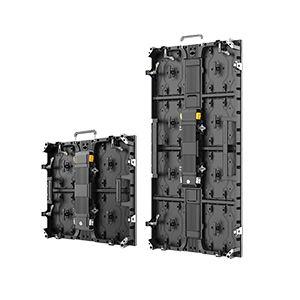






For the professional buyer, procuring a large-scale digital solution is an exercise in risk management and performance optimization. An outdoor LED panel display is a significant capital expenditure that is expected to generate a return on investment over many years, often in harsh environmental conditions. At LEDFUL, we understand that navigating the sea of technical specifications can be daunting. To ensure your project’s success, it is essential to look beyond the surface-level price and evaluate the engineering integrity, environmental resilience, and long-term serviceability of the hardware. This guide outlines the critical factors we believe every professional should consider before finalizing their purchase.
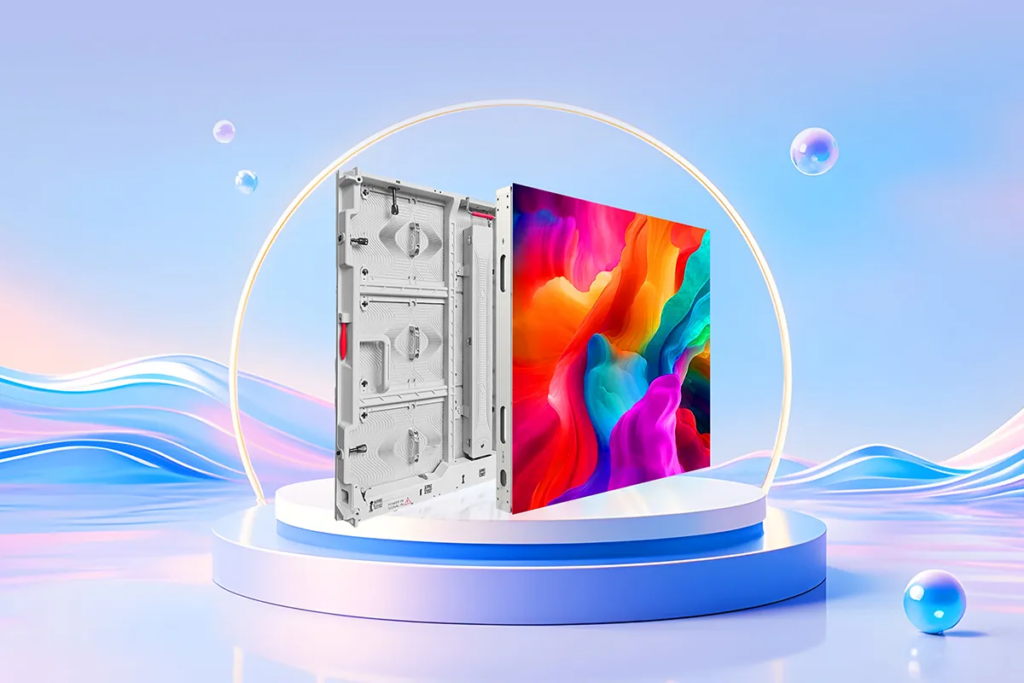
1. Environmental Protection and IP Ratings for Long-Term Durability
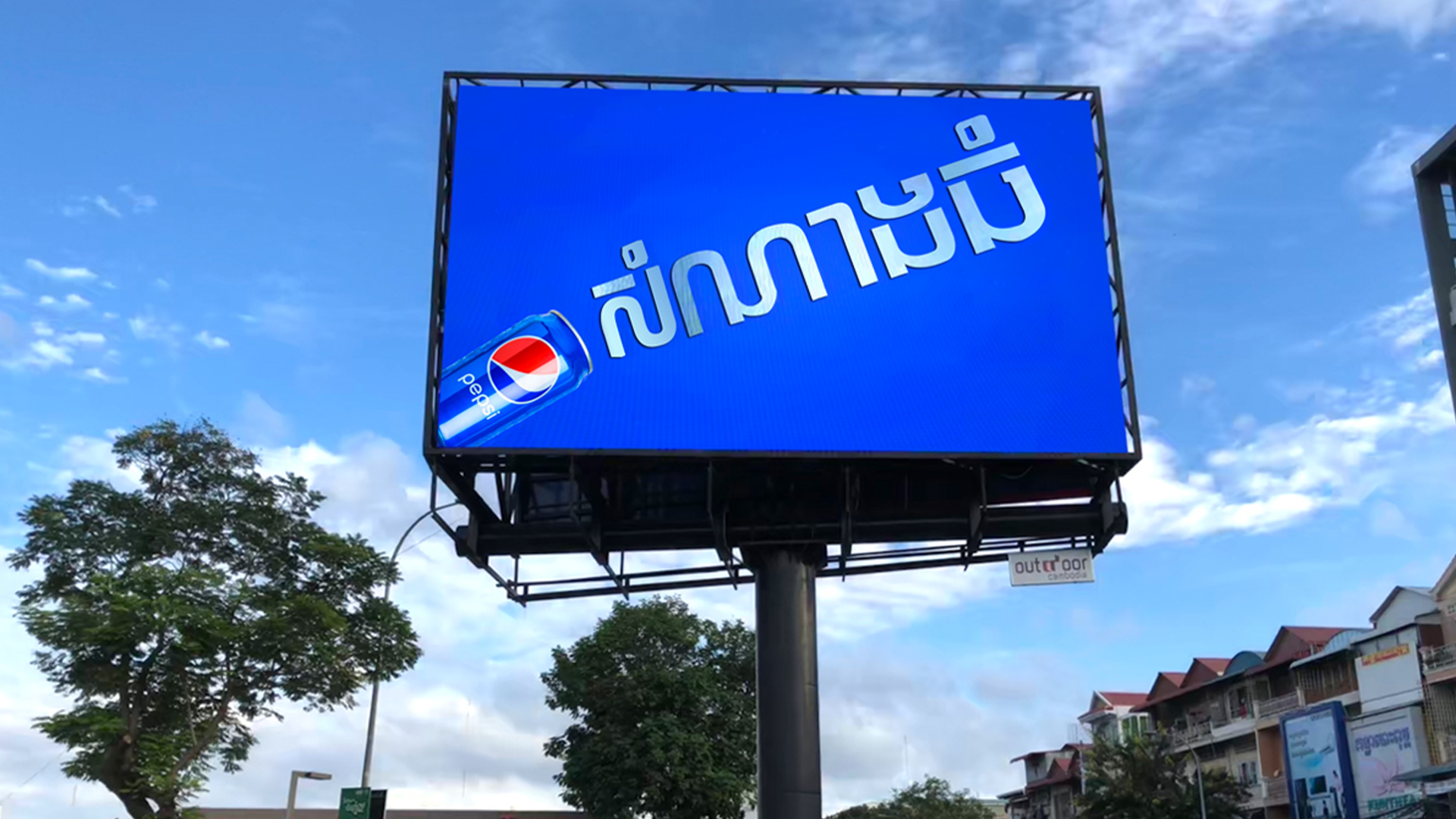
The primary challenge for any outdoor LED panel display is the environment. Unlike indoor screens, outdoor units are subjected to rain, snow, high humidity, and airborne particulates. The first specification to verify is the Ingress Protection (IP) rating. A professional-grade outdoor screen should ideally offer an IP65 rating on both the front and the rear of the cabinet.
At LEDFUL, we emphasize that a “front-only” IP rating is often insufficient for standalone billboards or rooftop installations where wind-driven rain can enter from the back. We utilize advanced gasket sealing and specialized hydrophobic coatings on our PCBA components to ensure that even if moisture-heavy air enters the cabinet, the sensitive electronics remain protected. Furthermore, for coastal installations, it is vital to ensure the screen has been treated for salt-spray resistance to prevent the rapid corrosion of connectors and frame components.
2. Brightness Levels and Contrast Ratios in Direct Sunlight
One of the most common pitfalls in outdoor procurement is underestimating the brightness required to compete with ambient sunlight. A display that looks brilliant in a showroom will often appear washed out or unreadable when placed under the midday sun. For an outdoor screen to be effective, it typically requires a minimum brightness of 5,000 to 6,000 nits. However, for south-facing installations in sun-drenched regions, we often recommend levels reaching 8,000 to 10,000 nits.
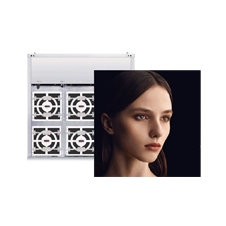
Beyond raw brightness, contrast is the secret to legibility. This is achieved through the design of the “mask”—the plastic louvers that surround the LED lamps. At LEDFUL, our outdoor masks are engineered with deep, non-reflective black grooves that absorb ambient light, allowing the colors of the LEDs to pop. High-quality masks also provide mechanical protection for the LEDs, ensuring they are shielded from physical impact and UV degradation over time.
3. Pixel Pitch and Optimal Viewing Distance
Choosing the correct pixel pitch (the distance between the center of one pixel and the next) is a balance between visual clarity and budget. In the world, we often see clients over-specify their resolution, leading to unnecessary costs. The goal is to choose a pitch where the human eye can no longer distinguish individual pixels at the intended viewing distance.
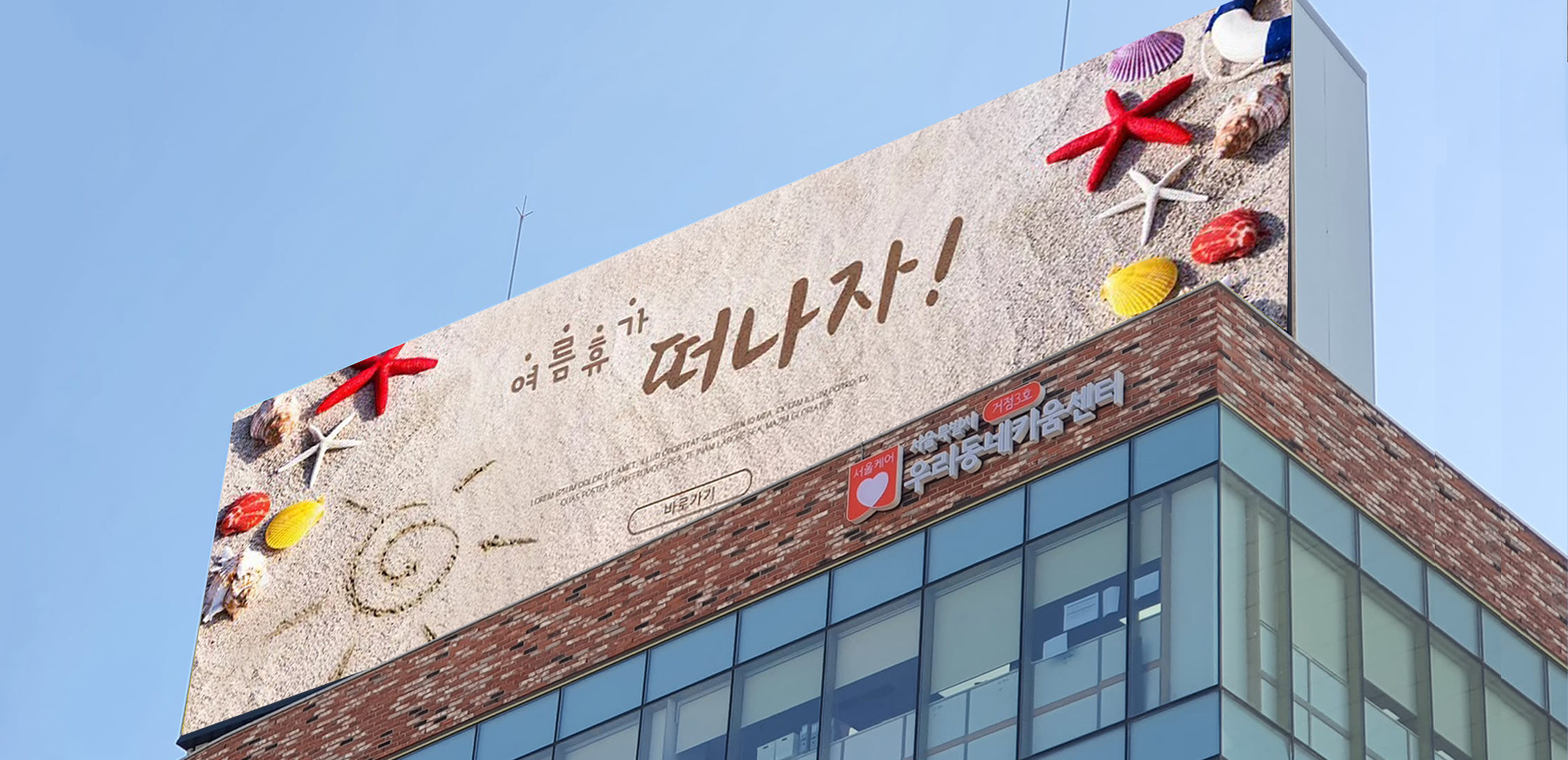
For large-scale highway billboards, a P8 or P10 (8mm or 10mm) pitch is often perfectly adequate. However, for street-level retail displays or transit hubs where pedestrians are much closer, a P3.9 or P4 pitch may be required to maintain a premium brand image. At LEDFUL, we work closely with our partners to map out sightlines and viewing angles, ensuring the selected outdoor LED panel display provides a seamless, high-definition experience without over-allocating the project budget to unnecessary resolution.
4. Heat Dissipation and Structural Materials
The longevity of an LED screen is inversely proportional to its operating temperature. Every 10°C increase in temperature can significantly reduce the lifespan of the power supplies and the LED chips. Therefore, the structural design of the cabinet is a critical factor. Low-cost displays often use heavy steel cabinets that trap heat and are prone to rust.
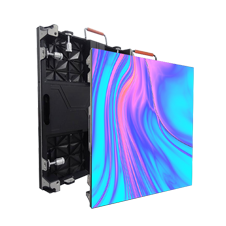
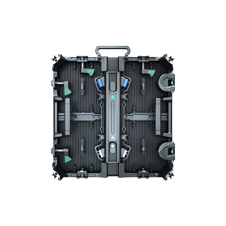
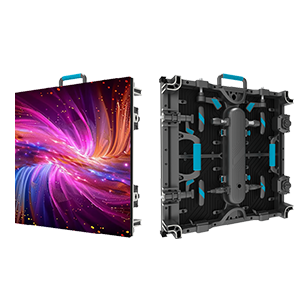
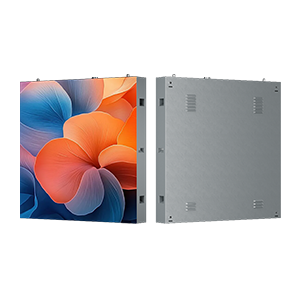
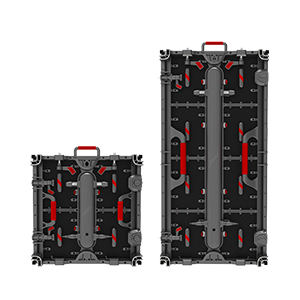
We advocate for the use of die-cast aluminum or magnesium alloy cabinets. These materials are not only significantly lighter—reducing the structural requirements for the mounting site—but they also act as massive heat sinks. Our aluminum designs facilitate natural heat dissipation, often allowing the screen to operate reliably without the noise and energy consumption of high-powered fans. For operators, this means lower electricity bills and fewer mechanical parts that could potentially fail.
5. Maintenance Access: Front vs. Rear Serviceability
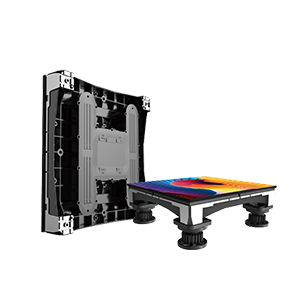
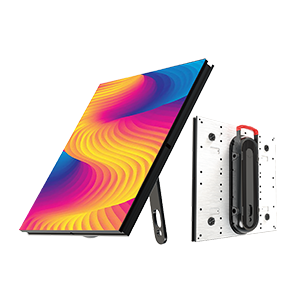
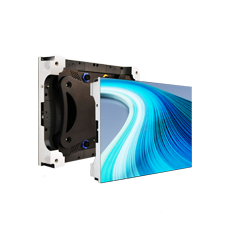
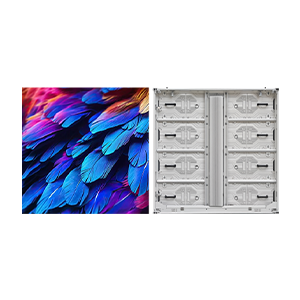
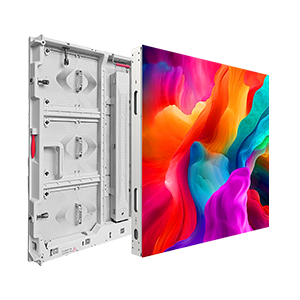
The physical location of your installation will dictate the required maintenance access. If a screen is mounted flush against a building wall, rear access is impossible. In such cases, you must specify a front-serviceable outdoor LED panel display. This allows individual modules to be removed from the front using specialized vacuum or magnetic tools.
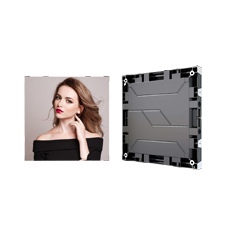
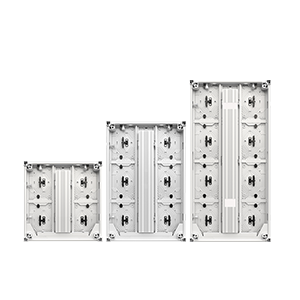
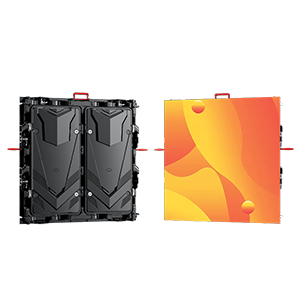
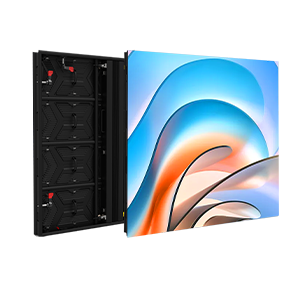
At LEDFUL, we offer versatile cabinet designs that support both front and rear maintenance. This flexibility is essential for rental companies and media owners who may need to redeploy their assets in different configurations. Furthermore, ensure that the display uses a “modular” design where the power box and receiving card can be swapped out quickly without tools. In the advertising world, every minute of “dark time” is lost revenue; therefore, speed of repair is a vital metric of quality.
6. Power Efficiency and Operational Costs
The total cost of ownership (TCO) is a metric that professional buyers prioritize. As electricity prices fluctuate, the efficiency of your screen becomes a major factor in your annual profit margins. Modern energy-saving technologies, such as Common Cathode power delivery, can reduce the power draw of a screen by up to 30%.
When evaluating different manufacturers, ask for the “Average Power Consumption” rather than just the “Maximum Power Consumption.” A high-quality LEDFUL screen is engineered to run cool and efficiently, utilizing high-efficiency power supplies that minimize energy loss during AC-to-DC conversion. Over a five-year lifespan, an energy-efficient screen can save enough in utility costs to pay for a significant portion of the initial hardware investment.
Conclusion: Partnering for Professional Excellence
Purchasing a professional outdoor display is a complex task that requires attention to detail across multiple disciplines—from mechanical engineering to optical performance. By focusing on IP protection, brightness stability, thermal management, and maintenance flexibility, you can ensure that your digital asset serves as a reliable pillar for your business for years to come.
At LEDFUL, we are committed to providing our partners with more than just hardware; we provide the technical expertise and support necessary to turn a vision into a reality. Whether you are building a global advertising network or a single landmark installation, our team is ready to help you navigate these factors to find the perfect solution. Let us help you set a new standard for visual excellence in the outdoor environment.