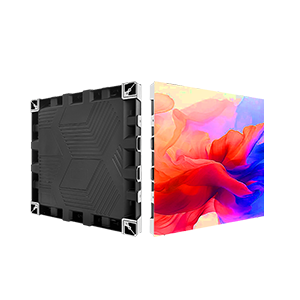
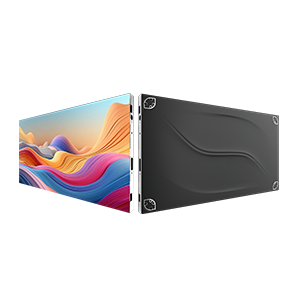
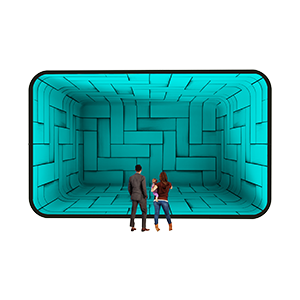








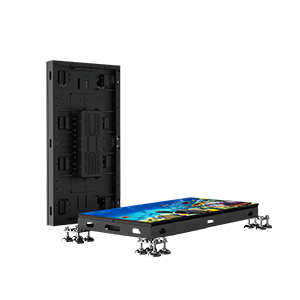
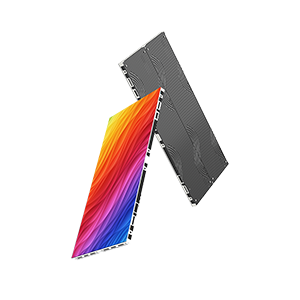
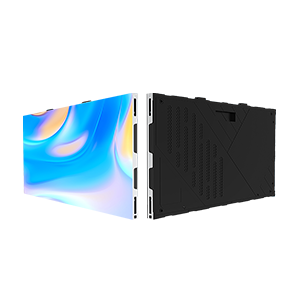
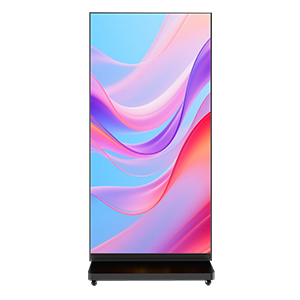
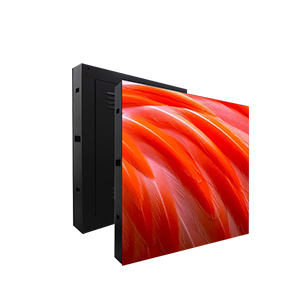
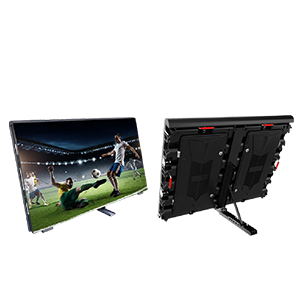
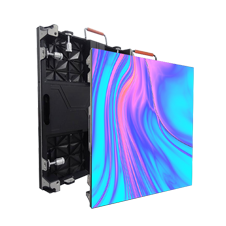
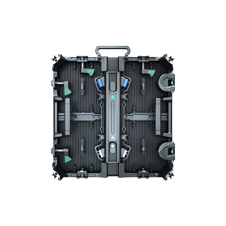
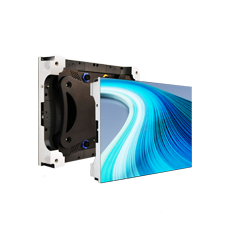
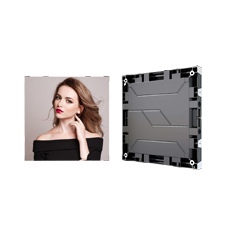
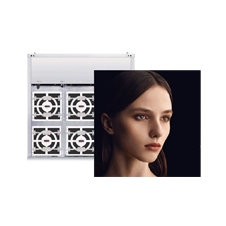
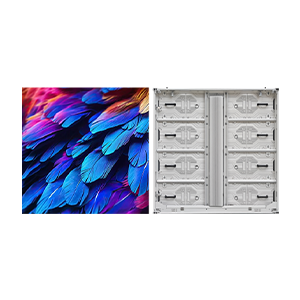
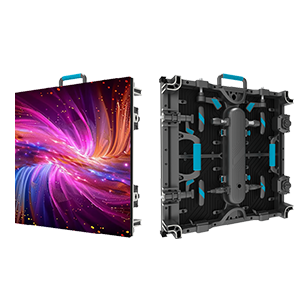
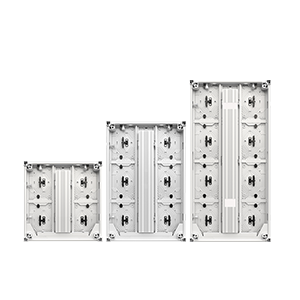
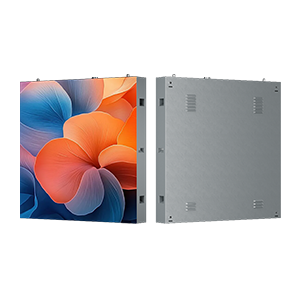
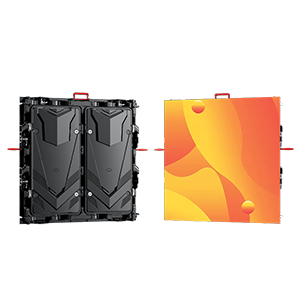
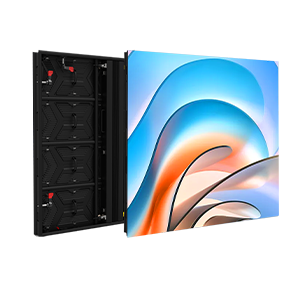
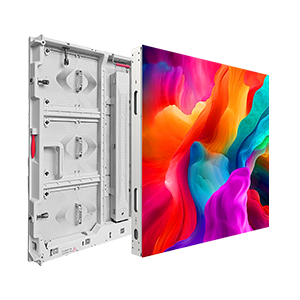


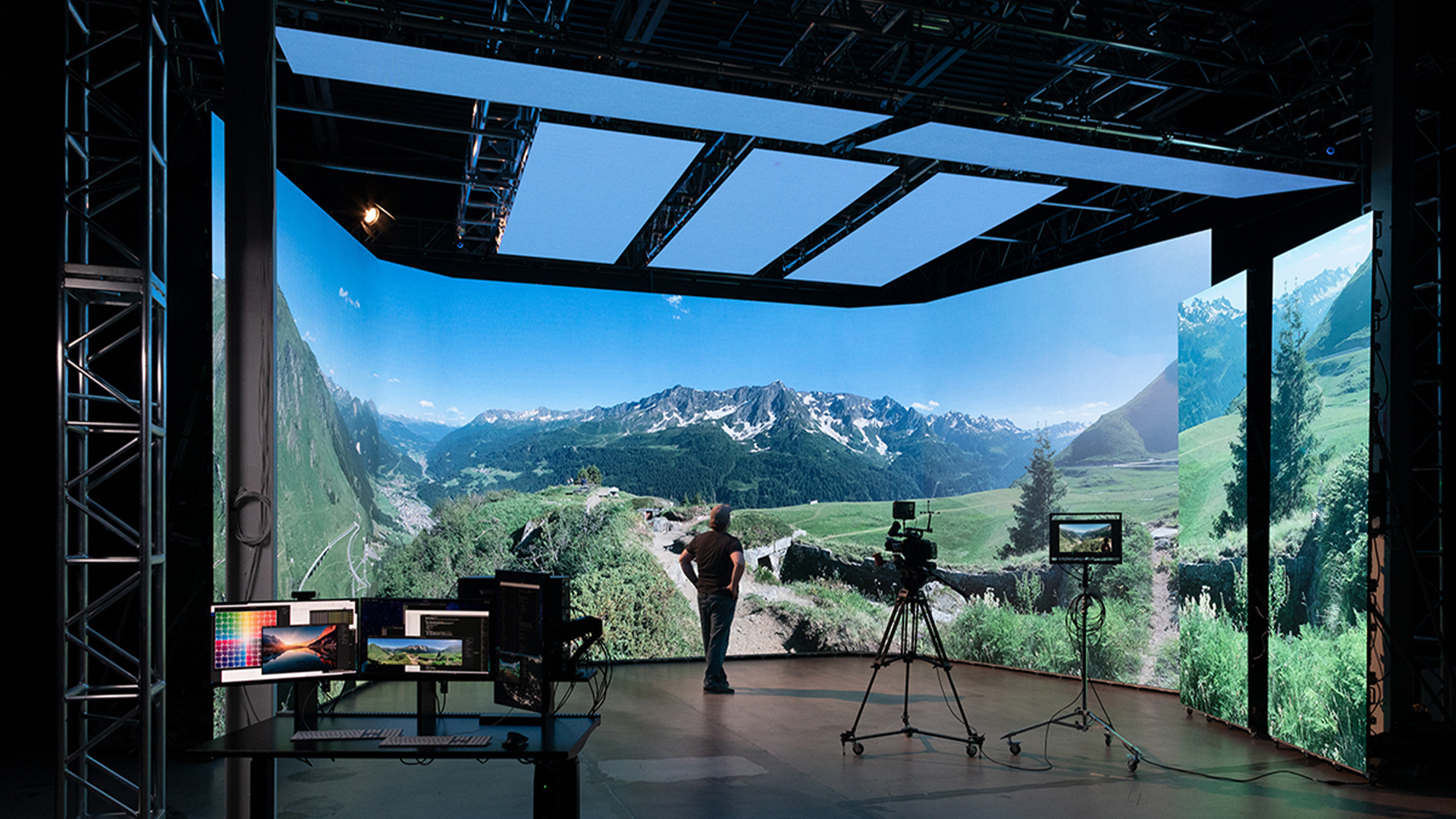
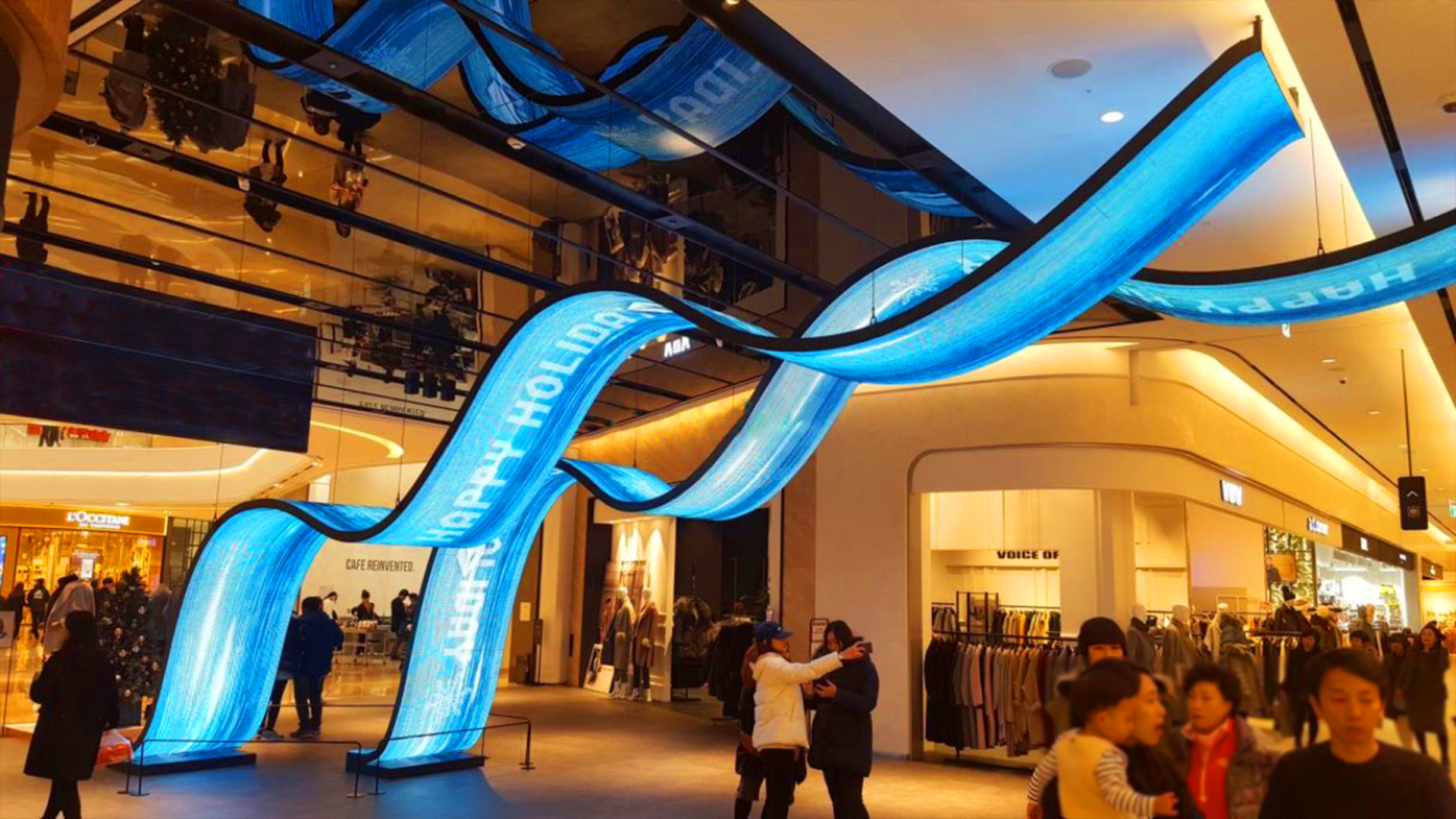






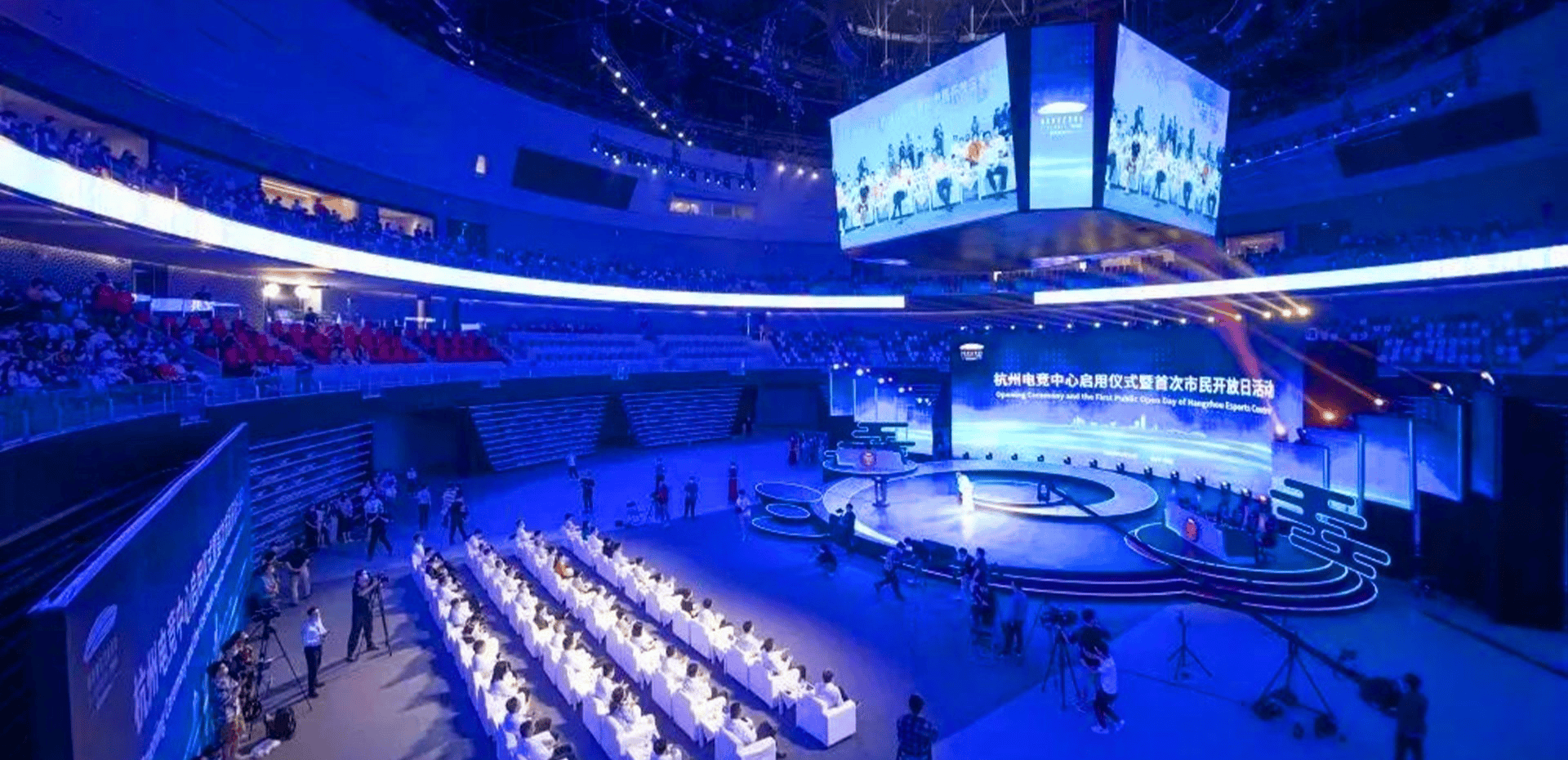
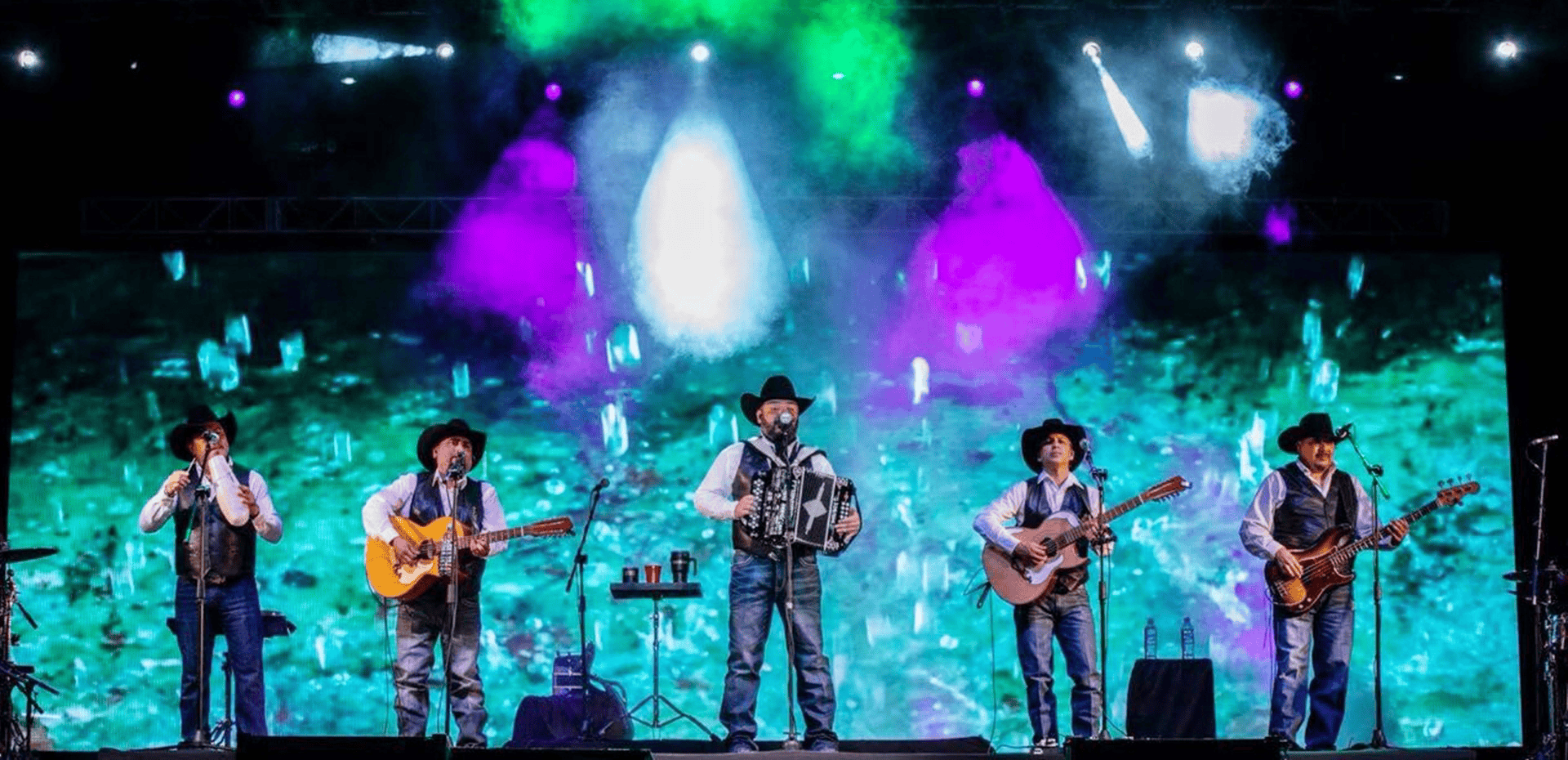
In the modern world of event production, the stage is no longer just a platform; it is a three-dimensional digital environment. While wall-mounted LED screens provide the backdrop, the floor LED display has become the critical element for creating a truly immersive “3D” stage effect. Whether you are managing a high-end wedding venue, a concert hall, or a corporate product launch, the floor acts as the foundation of your visual storytelling. However, selecting the right hardware involves more than just picking a pixel pitch. It requires a deep understanding of load-bearing physics, optical surface properties, and interactive responsiveness. At LEDFUL, we engineer our stage floor series to meet the rigorous demands of professional performance. This guide outlines the essential technical criteria to ensure you select a floor system that is as durable as it is brilliant.
1. Calculating Load-Bearing Capacity: Beyond Human Weight
The most critical factor in selecting a floor LED display is its structural integrity. A stage floor must do more than just support a walking person; it must withstand the “Impact Force” of jumping dancers, the weight of heavy stage equipment, and sometimes even vehicles for product launches.
When evaluating a supplier, look for the “Static Load” and “Dynamic Load” ratings. This is achieved through a specialized high-strength frame and reinforced internal support pillars. If your venue hosts high-energy dance performances or heavy theatrical sets, a “standard” display will not suffice. You must ensure the module structure can dissipate pressure evenly across the sub-floor to prevent pixel damage or structural sagging over time.
2. Surface Texture and Optical Safety: The Non-Slip Requirement
The surface of a stage LED floor is fundamentally different from a wall screen. It must provide the necessary friction for performers to move safely while maintaining high-transparency for the LEDs beneath. A common mistake is selecting a “glossy” finish that looks great in a showroom but becomes a slipping hazard during a live performance, especially if there is any moisture or stage fog present.
A suitable floor LED display for a professional venue must feature an anti-slip, anti-glare, and scratch-resistant mask. At LEDFUL, we use a specialized high-molecular polymer mask that provides a matte finish. This texture prevents performers from slipping and eliminates “mirror reflections” from overhead stage lighting, which can wash out the digital content. Furthermore, the mask must be thick enough to protect the LEDs from high-heel impact but thin enough to avoid “parallax error” (where the image appears distorted when viewed from an angle).
3. Pixel Pitch and Optimal Viewing Distance
In the stage world, the “best” pixel pitch isn’t always the smallest one. Choosing a pitch that is too fine for a large stage increases the floor LED display price unnecessarily, while a pitch that is too coarse will look “grainy” to the front-row audience or on-site cameras.
For most stage applications, a pixel pitch between P2.9 and P6.2 is the “sweet spot.” If the audience is far away (such as in a large theater or stadium), P4.8 or P6.2 offers the best balance of brightness and cost-efficiency. If the floor is being used for a TV studio or an intimate wedding venue where guests are standing directly on the screen, P2.9 or P3.9 is recommended for “retina-level” clarity. At LEDFUL, we help venue owners calculate the “Critical Viewing Distance” to ensure the resolution matches the venue’s scale, maximizing the visual impact while optimizing the project budget.
4. Interaction vs. Passive Playback: Choosing the Right Sensors
Do you want the floor to simply play video loops, or do you want it to react to the performers’ movements? This is the choice between a passive and an interactive floor LED display.
Interactive floors utilize embedded pressure sensors or infrared (IR) sensors. If your venue hosts immersive theater, interactive gaming, or “digital art” exhibits, the LEDFUL interactive series is essential. Our sensors feature a “Multi-Touch” capability, ensuring zero-latency interaction. If your venue primarily hosts concerts where the floor is just a visual accent, a passive system may be more cost-effective. However, many modern venues opt for interactive-capable hardware to “future-proof” their investment as the demand for immersive content grows.
5. Ease of Maintenance and “Hot-Swap” Capabilities
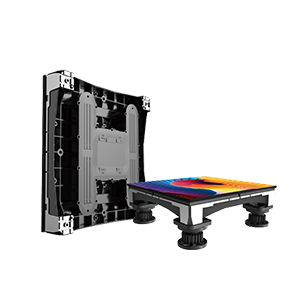
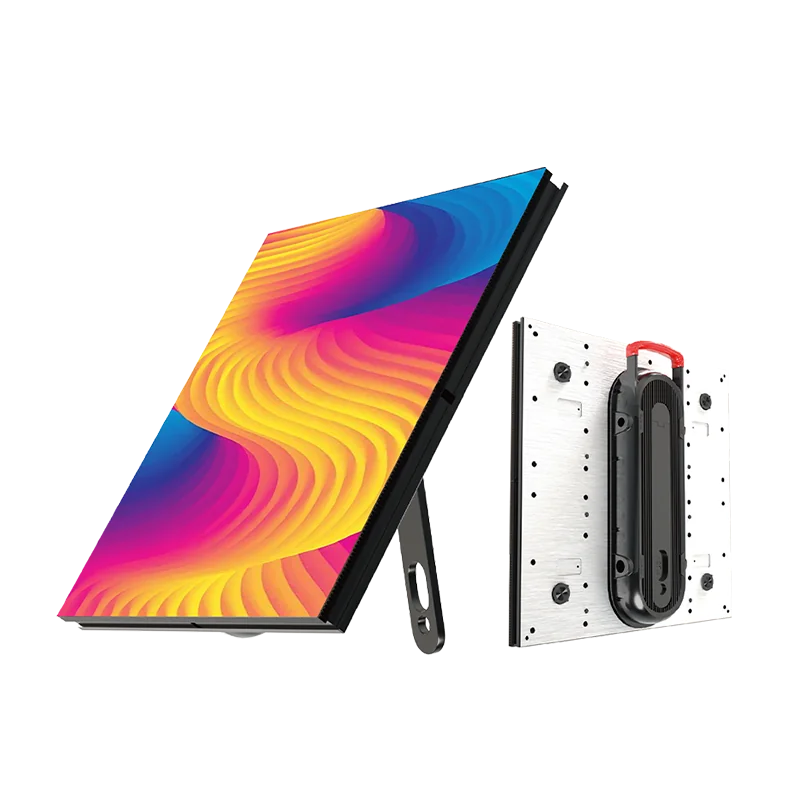
Stage environments are high-pressure zones where technical failures must be resolved in seconds. When selecting a supplier, evaluate the “Maintenance Architecture” of the floor modules. If a single module fails during a rehearsal, can it be replaced without dismantling the entire stage?
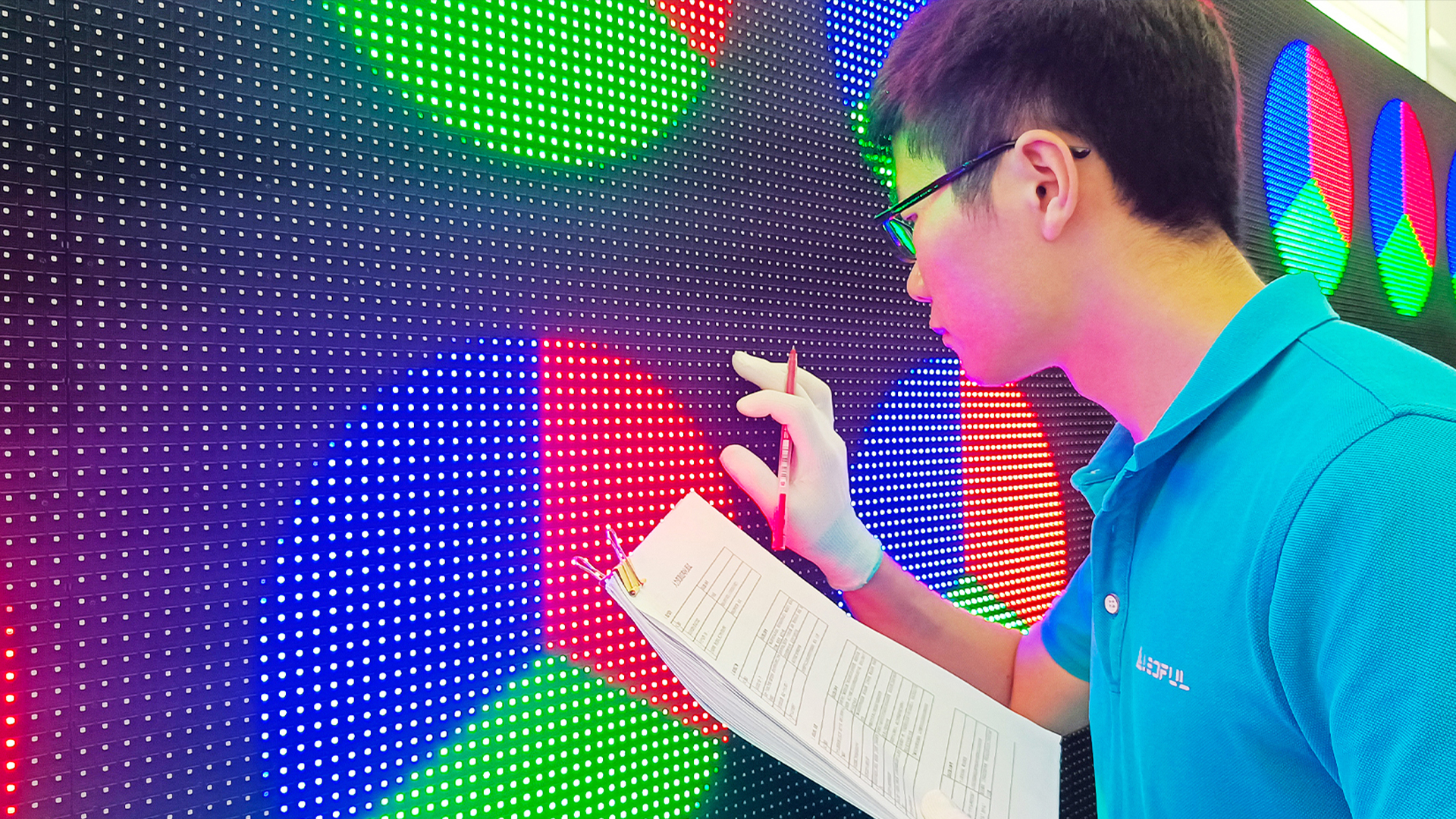
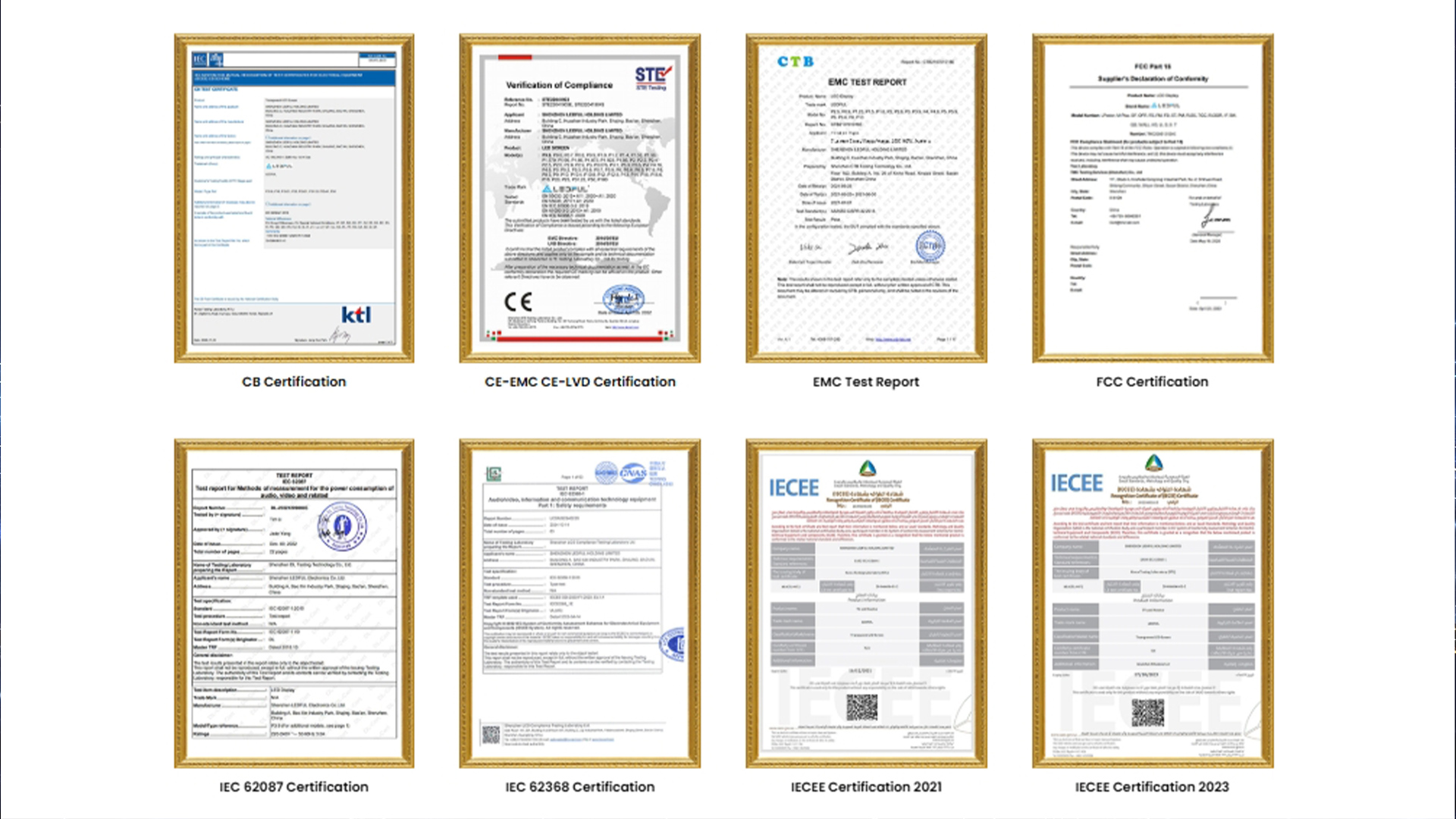
The LEDFUL floor series is designed for “Front-Service” modularity. Our magnet-assisted or vacuum-tool systems allow a technician to pull a faulty module from the center of the floor and replace it in under 60 seconds. Additionally, check the IP rating (Ingress Protection). A professional stage floor should be at least IP65 rated to protect against spilled drinks, stage cleaning, or accidental exposure to liquids. This durability is the difference between a one-year product and a ten-year asset.
6. Integration with Video Processors and Refresh Rates
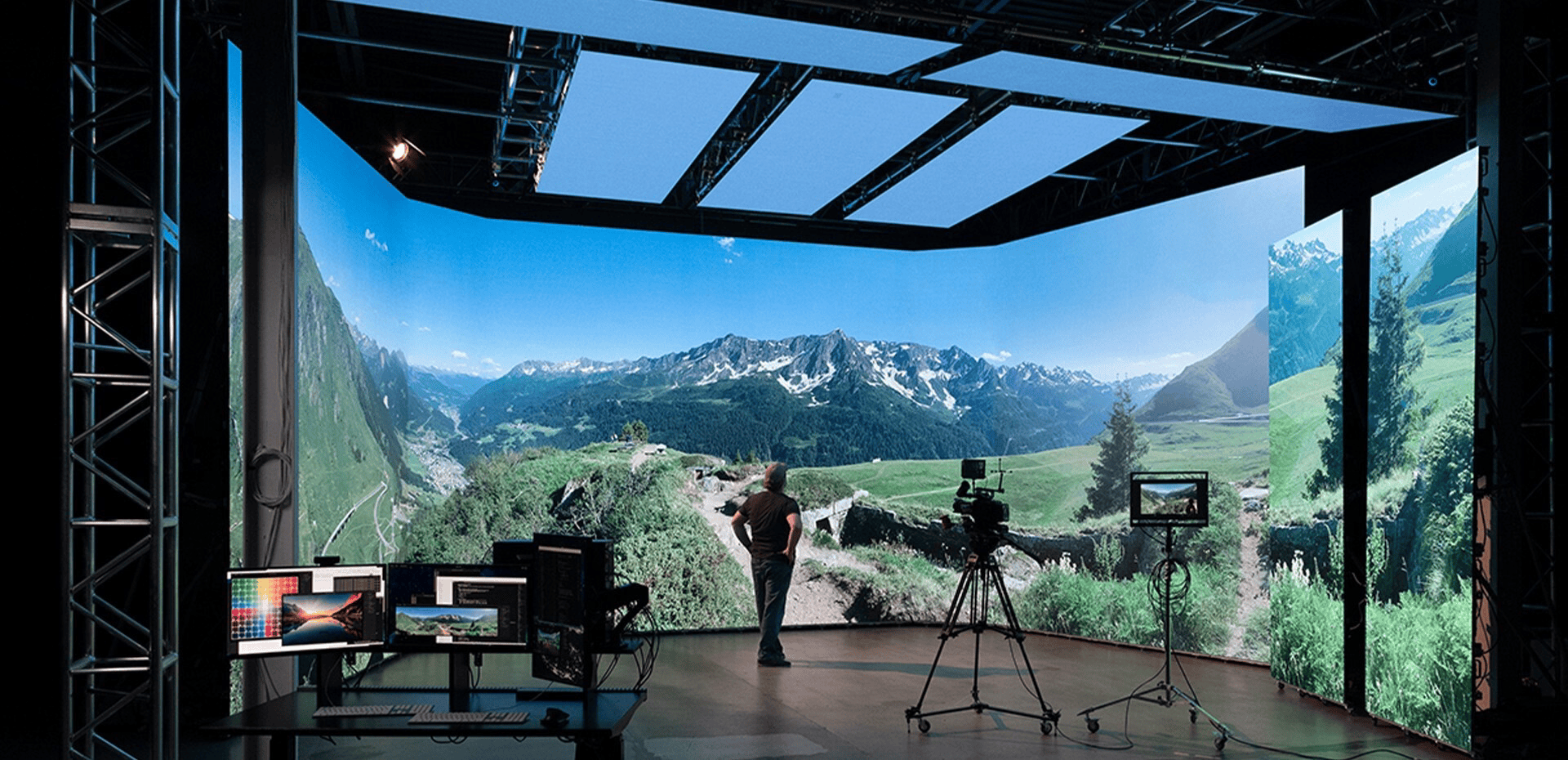
Finally, for any venue that involves filming—such as broadcast studios or event spaces that utilize “Live Feed” IMAG—the refresh rate is a non-negotiable specification. A low-refresh-rate floor will show “flicker” or “black scan lines” on camera, ruining the professional look of the event.
A high-quality floor LED display should offer a refresh rate of 3840Hz or higher. This ensures that the floor looks as good on a smartphone recording or a 4K broadcast as it does to the naked eye. For stakeholders, this “Camera-Ready” quality is essential for maintaining the prestige of the venue and attracting high-end corporate clients.
Conclusion: Building a Foundation for Spectacle
Selecting a stage LED floor is an exercise in balancing structural engineering with visual art. By prioritizing load-bearing capacity, non-slip optical safety, and high-speed interaction, you ensure that your venue is equipped for the highest level of professional performance.
At LEDFUL, we are dedicated to helping our partners find the perfect foundation for their creative visions. Our floor LED displays are built for the rigors of the stage and the scrutiny of the camera. Whether you are building a permanent installation in a luxury hotel or a mobile stage for a global tour, our technology provides the reliability and “wow factor” you need. Let us help you step onto a stage that is as clear, strong, and responsive as your brand itself.