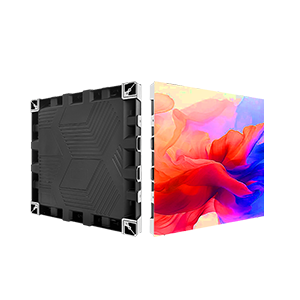
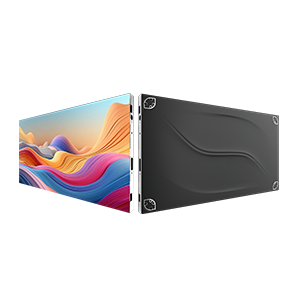
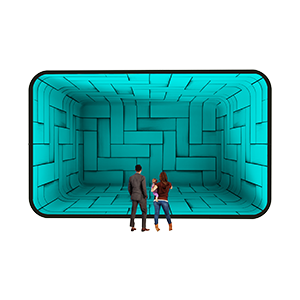














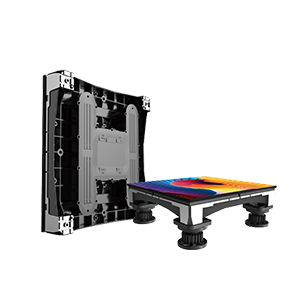
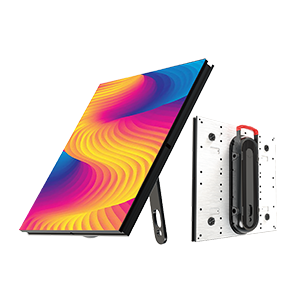
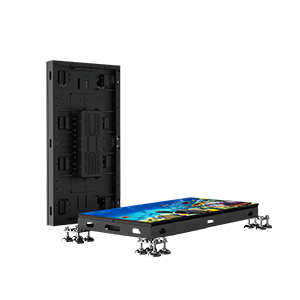

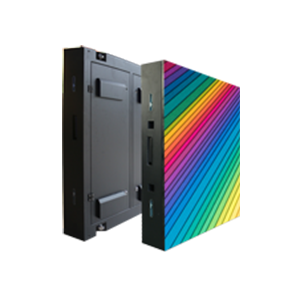




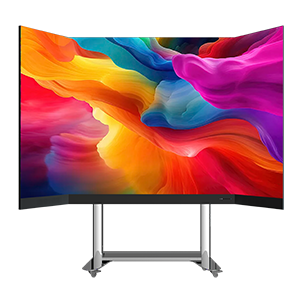
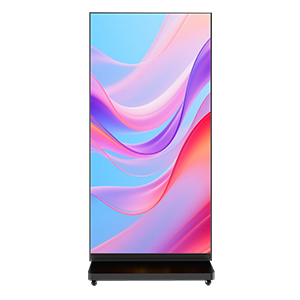
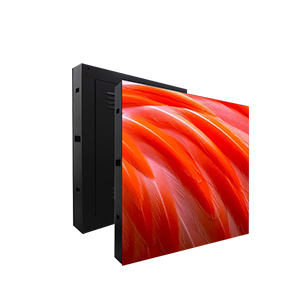
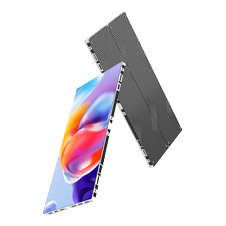

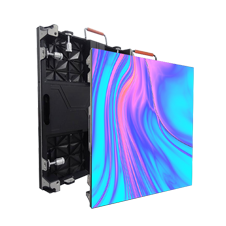
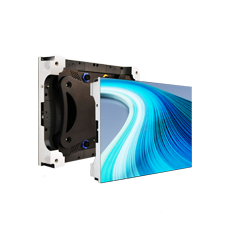
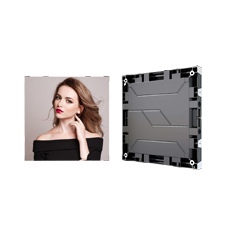

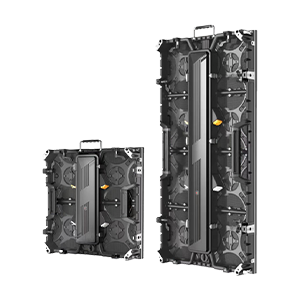
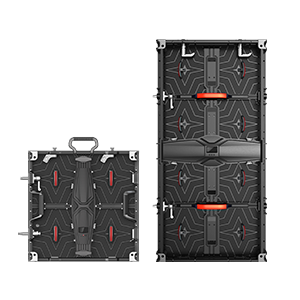
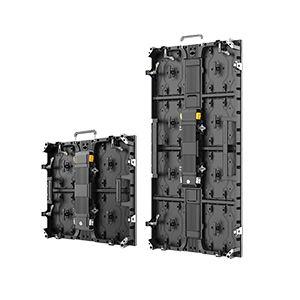
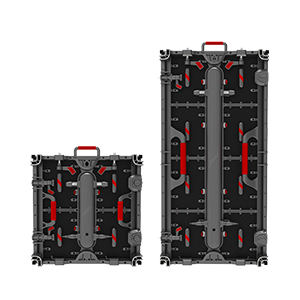





















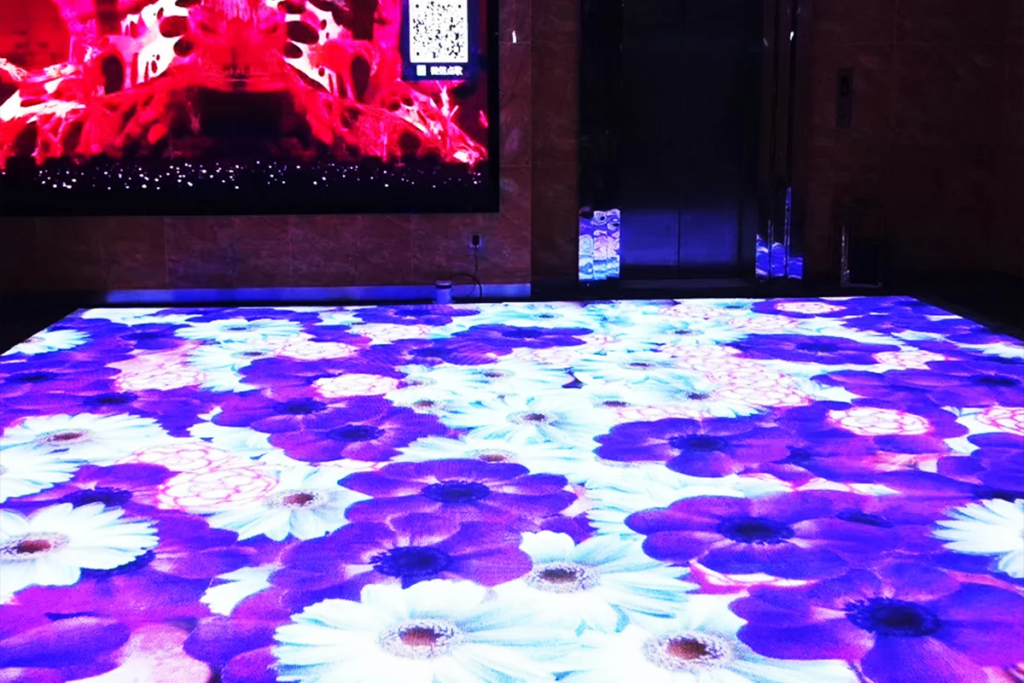
The modern science museum has evolved from a repository of static displays into a laboratory of interactive experiences. In this “hands-on” era of education, curators are increasingly looking for ways to engage the “whole body” of the learner. Enter the interactive floor LED display—a technology originally perfected for high-end entertainment and dance floors, now being repurposed as a powerful pedagogical tool. By transforming the very ground guests walk on into a responsive digital canvas, museums can illustrate complex scientific concepts—from subatomic particle collisions to planetary orbits—in a way that is physically felt as well as seen. At LEDFUL, our interactive floor series provides the durability and sensor precision required for these high-traffic educational environments. Here is how “dance floor” technology is redefining the science museum experience through immersion, gamification, and kinesthetic learning.
1. Facilitating Kinesthetic Learning and “Whole-Body” Education
Educational psychology has long recognized that many learners, particularly children, retain information better when it is paired with physical movement—a concept known as kinesthetic learning. A floor LED display turns a passive hallway or exhibit space into an active learning zone.
Instead of reading about the speed of light on a wall plaque, visitors can “race” a beam of light across a LEDFUL interactive floor. As they run, the sensors track their position, displaying their real-time velocity in comparison to various physical constants. This physical engagement bridges the gap between abstract theory and concrete experience. By involving the large muscle groups in the learning process, museums can ensure that the scientific principles being taught are “encoded” into the visitor’s memory through motion, making the museum visit more impactful and memorable.
2. Large-Scale Data Visualization and Group Interaction
Science often deals with scales that are difficult for the human mind to grasp—the vastness of the solar system or the complexity of a neural network. A traditional monitor is often too small to convey this scale effectively to a group. An interactive floor LED display provides a massive, shared canvas that multiple visitors can explore simultaneously.
Imagine an exhibit on fluid dynamics where the floor becomes a virtual river. As a group of students walks across the surface, the LEDFUL sensors detect their presence and simulate how water flows around “obstacles” in real-time. This allows for collaborative learning; students can work together to build “dams” or “channels” using their bodies, seeing the immediate mathematical results of their collective actions. This transition from “one-to-one” screen time to “many-to-many” interactive play is essential for fostering the collaborative spirit that sits at the heart of scientific inquiry.
3. Gamification: Turning Exhibits into Immersive Challenges
One of the greatest challenges for museum curators is maintaining the attention of a younger, digitally-native audience. The high-refresh-rate and vibrant colors of a “dance floor” style floor LED display allow museums to borrow the mechanics of video games to teach serious science.
Through gamification, an exhibit on the human circulatory system can become a “mission” where visitors act as white blood cells, physically jumping on “viruses” that appear on the floor to clear an infection. The high-durability surface of our LEDFUL series—engineered to withstand the impact of thousands of jumping feet—makes this level of vigorous play possible. By turning learning into a game with clear objectives, levels, and instant visual feedback, museums can significantly increase the “dwell time” at an exhibit, ensuring that visitors stay engaged with the content for longer periods.
4. Total Immersion: The “Walk-On” Environmental Simulation
The most powerful museum experiences are those that transport the visitor to another world. A high-resolution floor LED display can simulate environments that would be otherwise impossible or dangerous to visit.
A museum can create a “Walk on Mars” experience where the floor accurately depicts the Martian surface based on NASA satellite data. As visitors walk, the interactive sensors can trigger “dust puffs” or reveal geological features beneath the red sand. Because the LEDFUL floor series features a non-slip, matte-finish protective layer, the illusion remains consistent even under the glare of museum spotlights. This level of environmental immersion creates an emotional connection to the subject matter, transforming a science lesson into a breathtaking journey of discovery.
5. Durability and 24/7 Reliability for High-Traffic Public Spaces
Unlike consumer-grade interactive projectors which can be shadowed by the users themselves, a floor LED display emits light and detects motion directly from the point of contact. This “Direct Interaction” is vital for public spaces where hundreds of people may be walking over the surface every hour.
At LEDFUL, we understand that a museum environment is a rigorous test of hardware. The “Active Sensor” technology is embedded within the module, protected by a high-strength polycarbonate cover that is scratch-resistant and easy to clean. For museum developers, this industrial reliability ensures that the exhibit remains functional and bright for years, providing a high ROI and minimal maintenance downtime.
6. Real-Time Analytics: Understanding Visitor Behavior
From a management perspective, an interactive floor LED display is more than just an exhibit; it is a data collection tool. The same sensors that trigger the visual effects can also track visitor movement patterns, dwell times, and the most popular areas of the exhibit.
By analyzing the “Heat Maps” generated by a LEDFUL interactive floor, museum curators can gain valuable insights into how visitors are interacting with the space. Are they rushing past certain sections? Are they gathering in large groups at specific nodes? This data-driven approach allows museum management to constantly refine and optimize the museum layout, ensuring that the educational goals of the institution are being met effectively. The floor essentially becomes a “smart” surface that helps the museum evolve alongside its audience.
Conclusion: Stepping Into the Future of Education
The integration of “dance floor” technology into the world of science museums represents a perfect marriage of entertainment and education. By leveraging the high-impact visuals and responsive sensors of a floor LED display, museums can create experiences that are physically engaging, socially collaborative, and scientifically profound.
At LEDFUL, we are proud to provide the hardware that supports the next generation of learners. Our interactive floors are designed to be the foundation of a modern “Edutainment” strategy, combining the “wow factor” of a high-tech spectacle with the durability required for public service. When you turn the floor into a classroom, every step a child takes becomes a step toward a deeper understanding of the world. Let us help you lay the groundwork for a brighter, more interactive future in science education.