
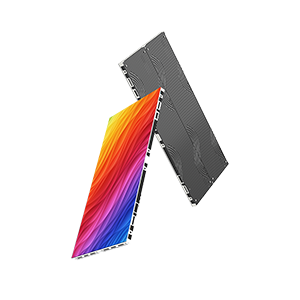
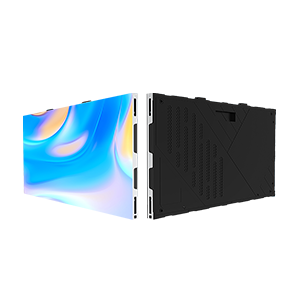
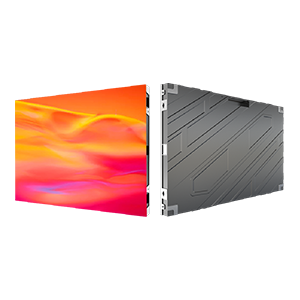
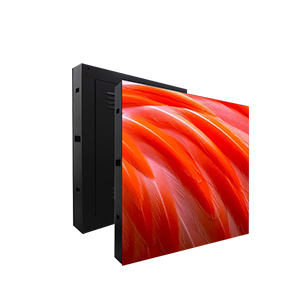
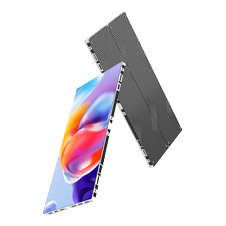
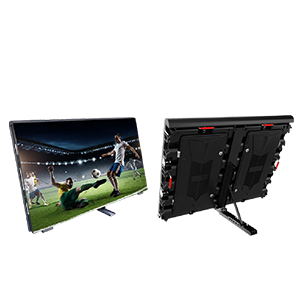
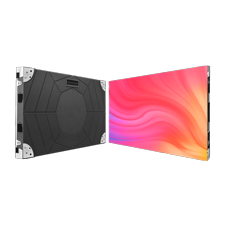
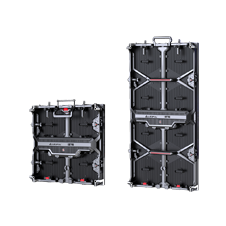
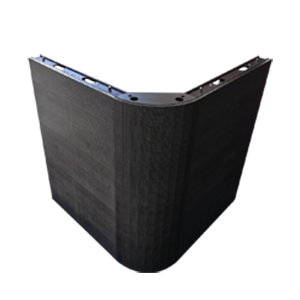
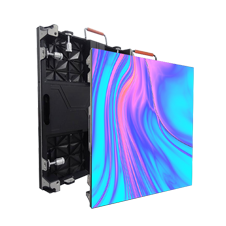





In the competitive landscape of luxury retail, the storefront is the primary medium for brand storytelling. As high-end brands seek to merge the physical and digital worlds, transparency has become the ultimate aesthetic goal. The ability to display high-definition digital content while maintaining a clear view of the products behind the glass is a powerful tool for engagement. However, when selecting a technology, stakeholders often face a choice between a transparent LED screen and Transparent OLED (T-OLED). While both offer “see-through” capabilities, they are engineered for fundamentally different environments. At LEDFUL, we specialize in high-brightness transparent LED solutions that prioritize scale, durability, and impact. Understanding the technical trade-offs between these two formats is essential for luxury retailers who want to maximize their brand’s visual presence without compromising on store transparency.
1. Brightness and Ambient Light Performance
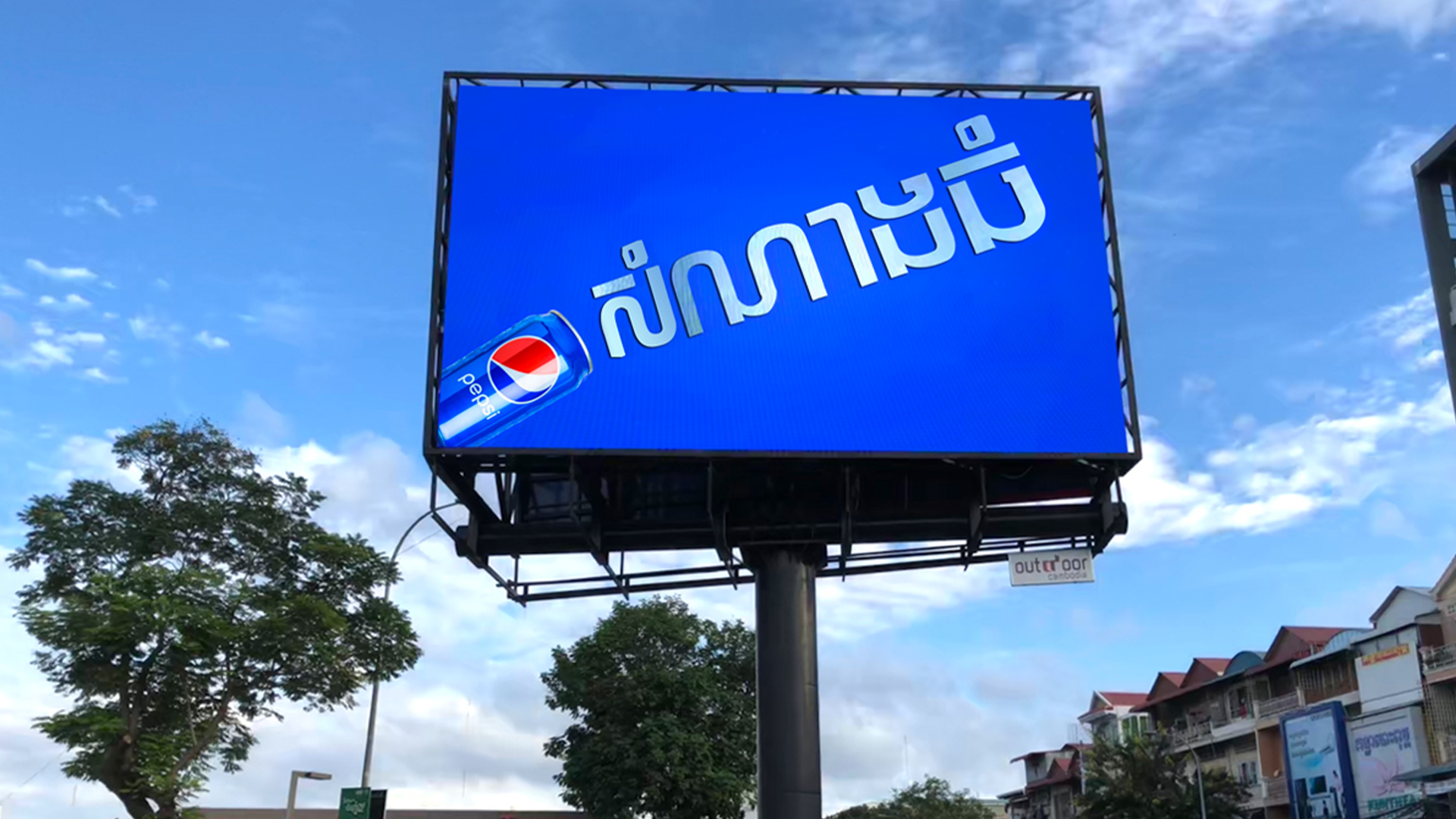
The most critical factor for any luxury storefront is its ability to compete with daylight. Most luxury boutiques are located in high-traffic areas with significant ambient light or direct sunlight. This is where the transparent LED screen holds a decisive advantage.
At LEDFUL, transparent OLED technology typically peaks at much lower brightness levels (often around 150 to 500 nits). While T-OLED looks stunning in a dark, controlled room, it often becomes invisible or “washed out” in a sunlit storefront. For a brand manager, the choice of LED ensures that the investment remains impactful 24 hours a day, regardless of the external lighting conditions.
2. Scalability and Large-Format Integration
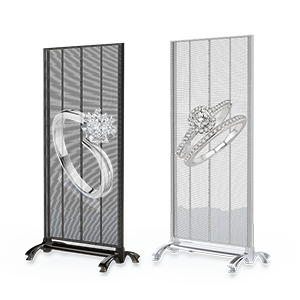
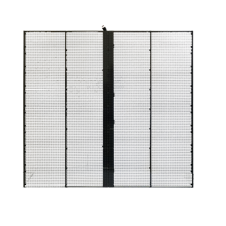
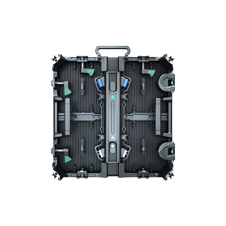
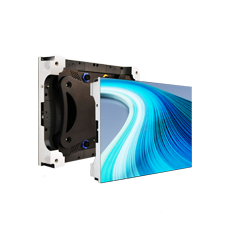
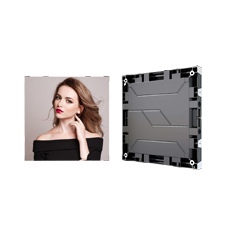
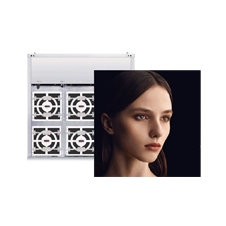
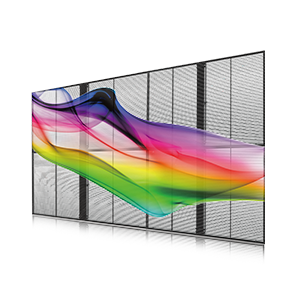
Luxury retail architecture often involves massive glass facades that span several meters in height and width. The modular nature of the transparent LED screen makes it the only viable solution for these large-scale applications. Our LED panels can be seamlessly tiled together to cover an entire window front, creating a monolithic digital canvas that maintains a transparency rate of 80% to 97%.
Transparent OLED, on the other hand, is currently limited by manufacturing constraints to specific screen sizes (typically 55 inches). To create a larger wall with T-OLED, one must tile finished monitors together, which results in visible bezels and seams that disrupt the “transparent” effect. At LEDFUL, our modular design allows for a bezel-free experience. For a flagship store, the ability to scale a display to fit the unique dimensions of the architecture—without the distraction of a grid—is a hallmark of a premium installation.
3. Transparency and Aesthetic Integration
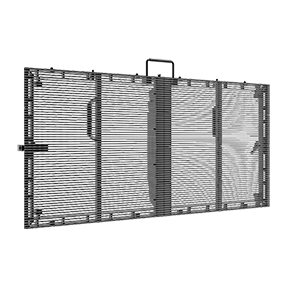
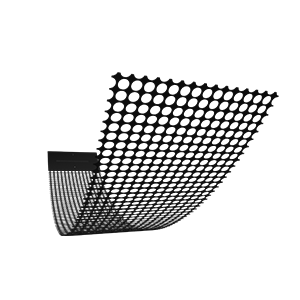
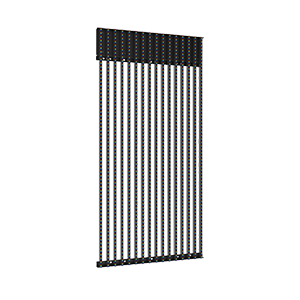
While both technologies are transparent, they achieve it differently. T-OLED is a self-emissive glass panel that is clear across its entire surface. However, a transparent LED screen utilizes a “strip” or “grid” design. From a distance of just a few meters, the human eye focuses on the digital imagery or the products behind the glass, and the thin strips become invisible.
For luxury retail, this “invisible” grid is often preferred because it allows for natural light to enter the store while providing a futuristic, “holographic” effect for the content. The high transparency of the LEDFUL series ensures that the store’s interior design remains part of the display. This “Layered Reality” is a key design trend in luxury retail, where the digital content appears to float in mid-air, interacting with the physical mannequins and high-end merchandise behind it.
4. Durability and Longevity in Commercial Use
“Total Cost of Ownership” and “Uptime” are paramount. Transparent OLED technology uses organic compounds that are susceptible to “burn-in”—a permanent ghost image that occurs when static content is displayed for too long. For retail environments that often show consistent brand logos or high-contrast imagery, this is a significant risk.
The transparent LED screen is built for 24/7 commercial operation. Utilizing high-grade SMD LEDs, our screens are significantly more resilient to static content and have a much longer operational lifespan. Furthermore, if a single pixel or strip in a LEDFUL screen fails, it can be replaced individually. If a T-OLED panel is damaged or suffers burn-in, the entire expensive panel must be replaced. For a luxury brand looking for a long-term architectural investment, the serviceability and durability of LED technology provide a much better return on investment.
5. Maintenance and Serviceability
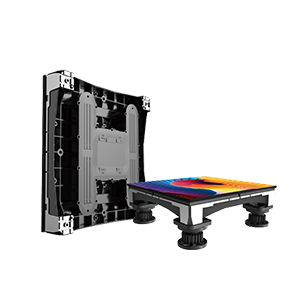
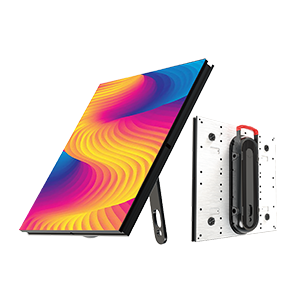
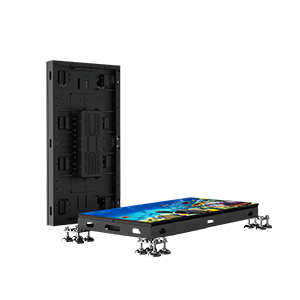
Luxury boutiques cannot afford long periods of “dark time” for technical repairs. Maintenance in a T-OLED system is complex and often requires a total screen replacement. At LEDFUL, we have engineered our transparent series with a modular “Strip-Replacement” system.
Because the components are accessible, a technician can swap out a single LED strip in minutes without dismantling the entire window display. This front and rear serviceability is essential for retail spaces where access might be limited by shelving or interior decor. By choosing a transparent LED screen, facility managers ensure that the store’s visual excellence can be maintained with minimal disruption to the shopping experience, keeping the brand’s aesthetic flawless at all times.
6. Customization: Curved and Irregular Shapes
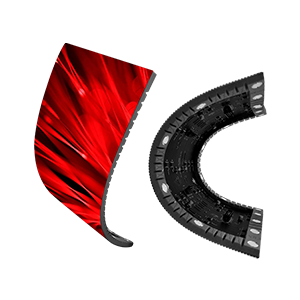
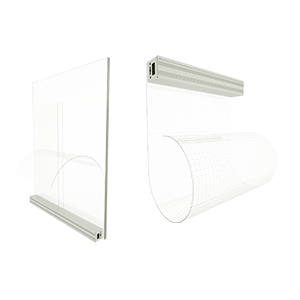
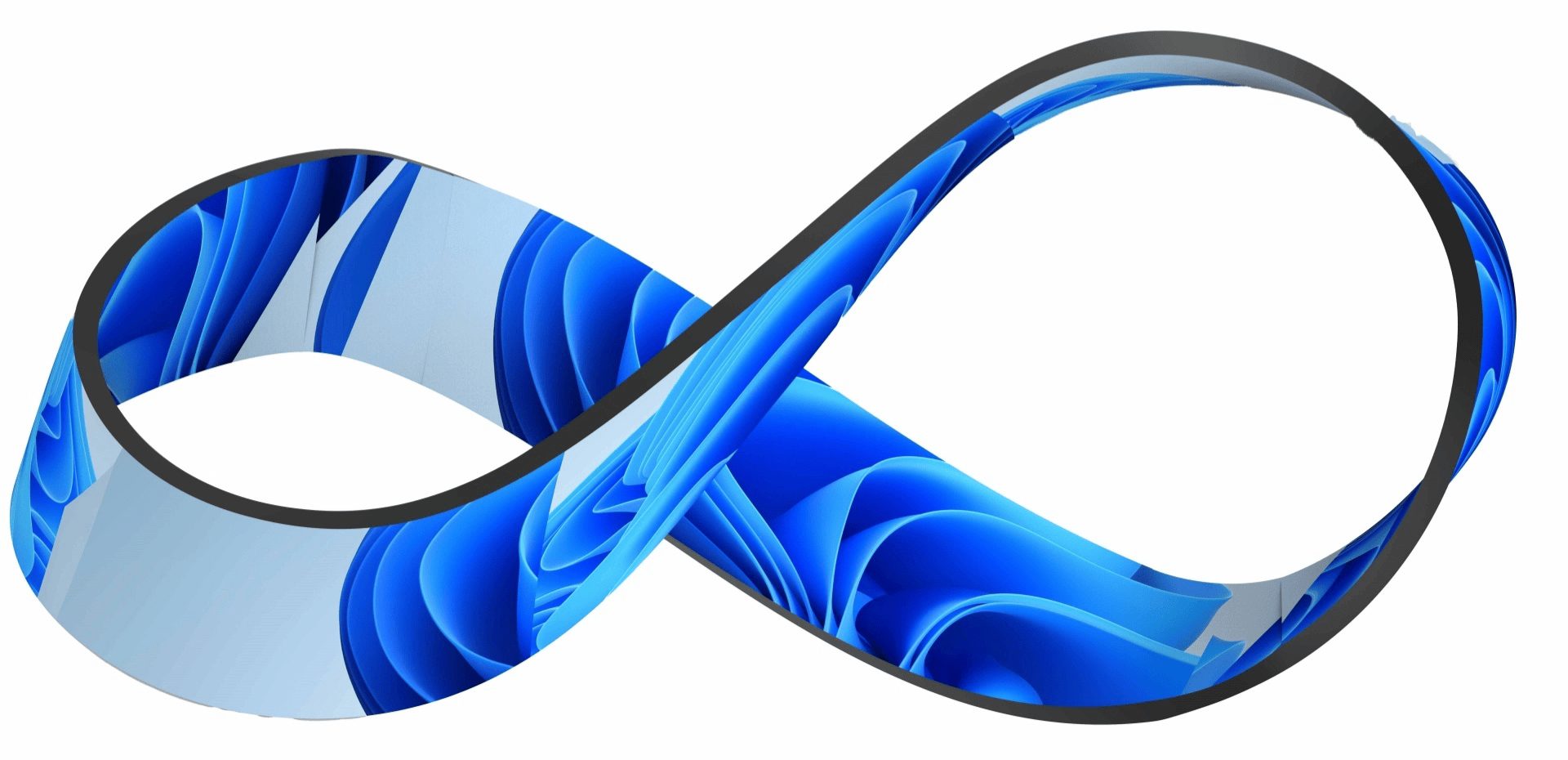
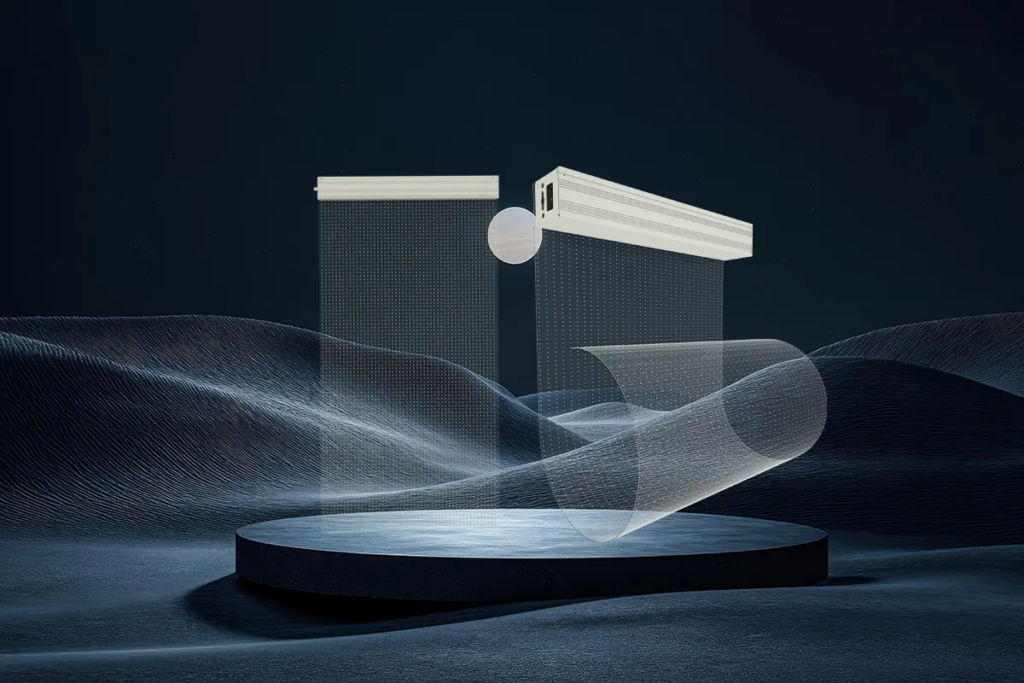
Luxury stores are often defined by unique architectural curves and artistic geometries. T-OLED is a rigid glass product that is difficult and extremely expensive to curve. In contrast, the modularity of the transparent LED screen allows for creative customization.
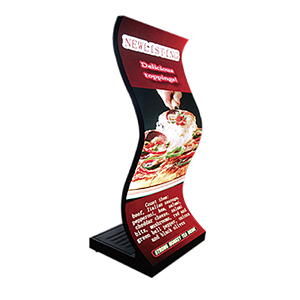
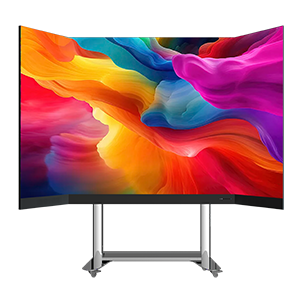
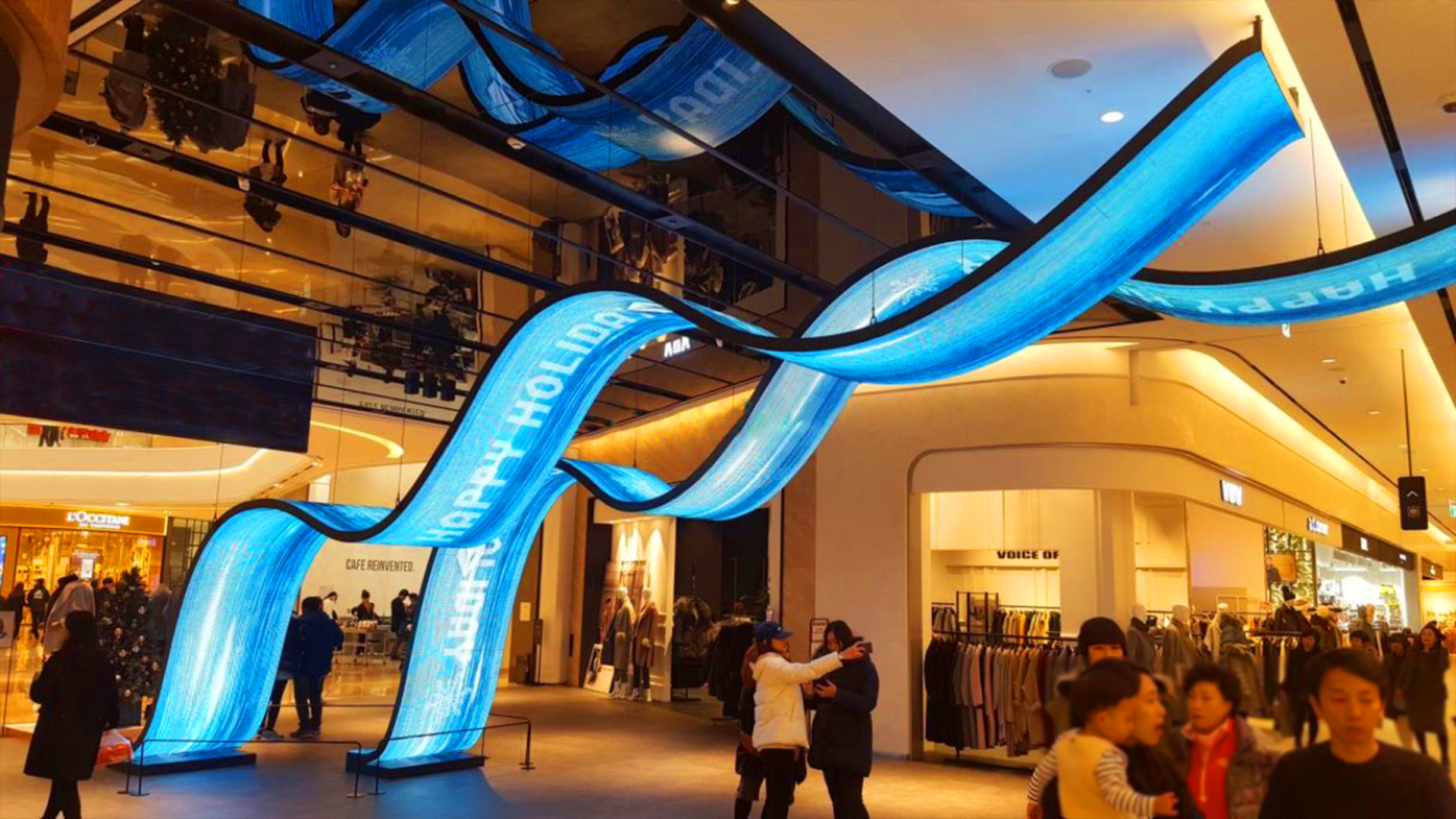
We can produce curved transparent displays that follow the contour of a circular storefront or wrap around a glass pillar. This flexibility allows architects to treat the LED screen as a building material rather than just a monitor. By integrating LEDFUL technology into the very shape of the building, brands can create a landmark digital presence that is uniquely theirs. This level of customization is what separates a standard retail space from a world-class flagship destination.
Conclusion: Setting the Standard for Luxury
While Transparent OLED is an impressive technology for small-scale, indoor showcases, the transparent LED screen is the undisputed champion for luxury retail storefronts. Its combination of high brightness, massive scalability, and long-term durability makes it the most effective tool for high-end brand communication.
At LEDFUL, we are committed to providing the hardware that defines the future of retail. Our transparent solutions offer the perfect balance of visual impact and architectural transparency, ensuring that your products remain the hero while your brand tells a vivid, digital story. Whether you are designing a new boutique or upgrading a global flagship, our technology is designed to help you shine through the glass. Let us help you transform your windows into a window to your brand’s soul.