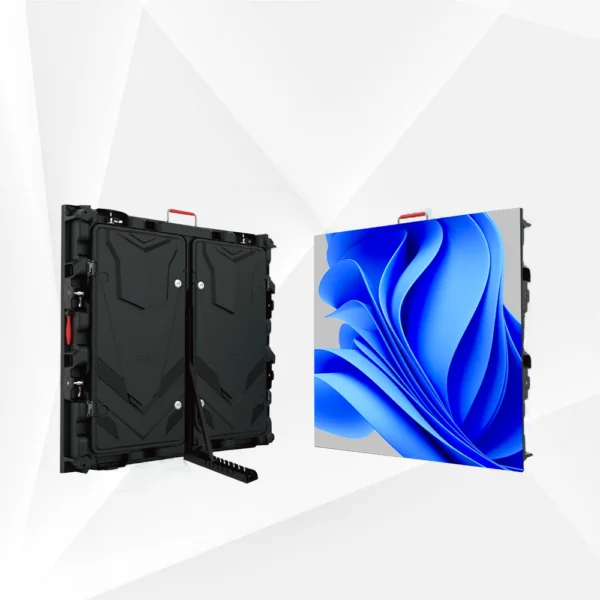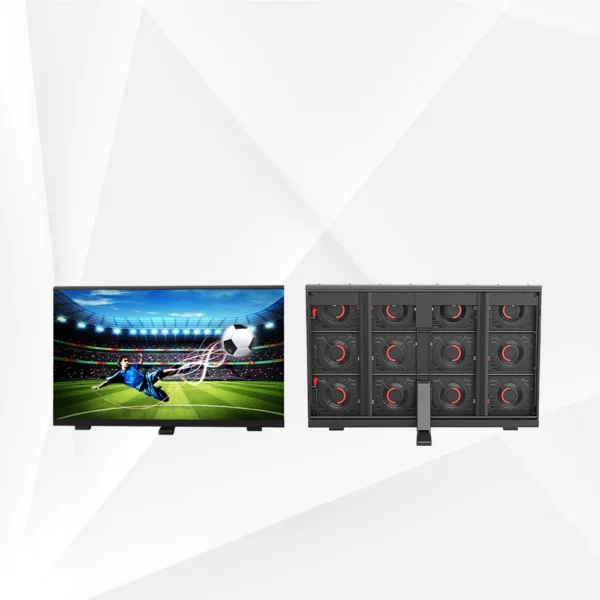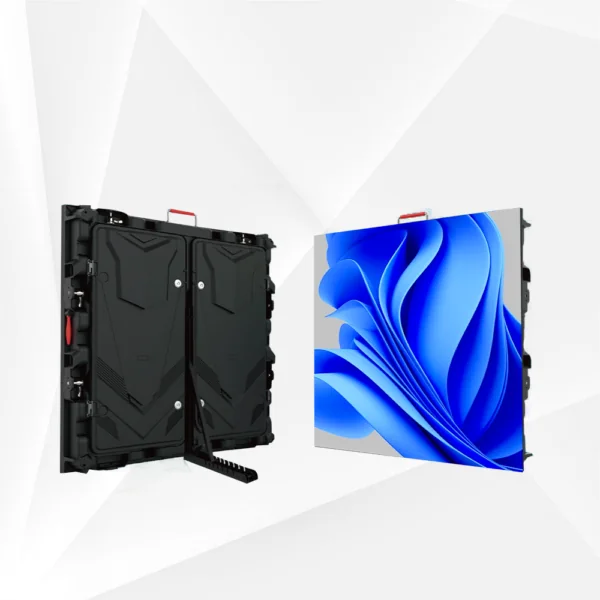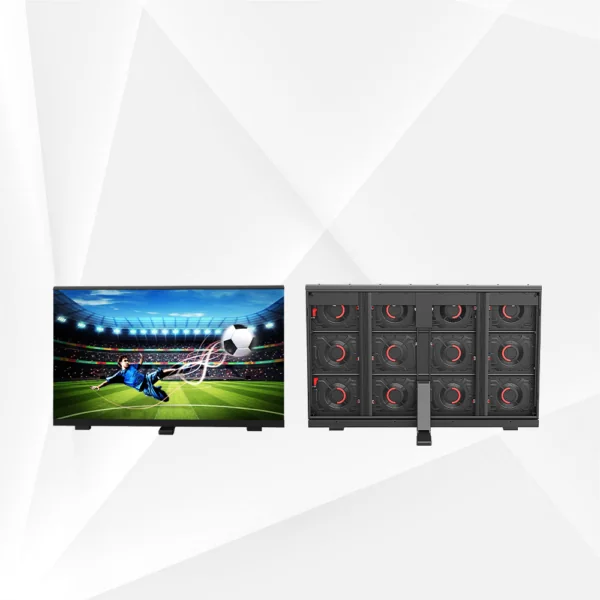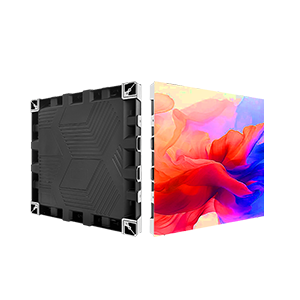
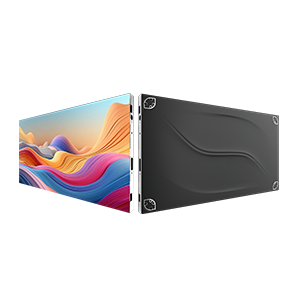
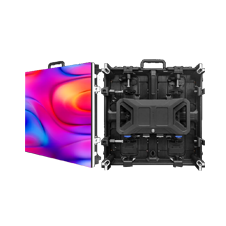





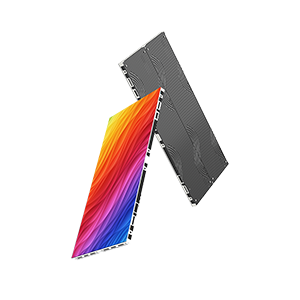
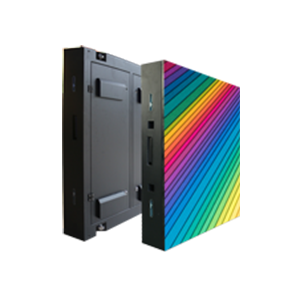
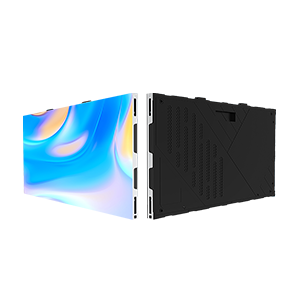
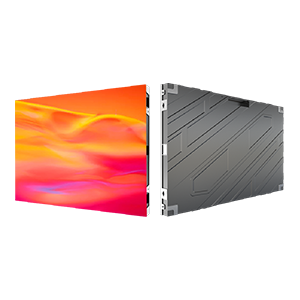
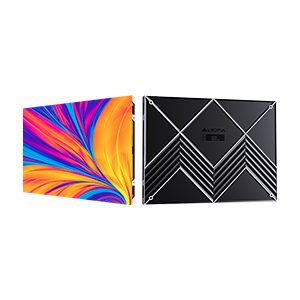
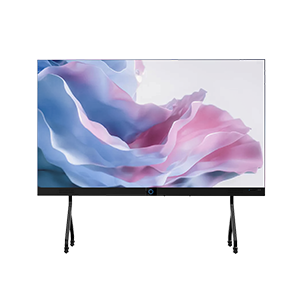
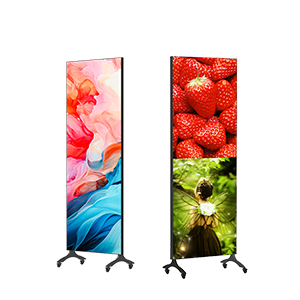
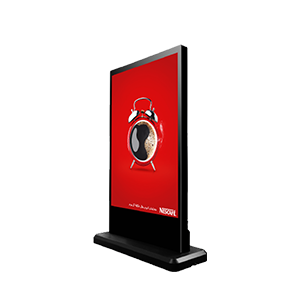
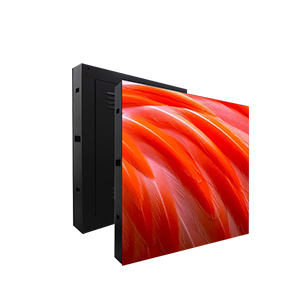
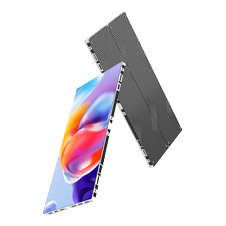
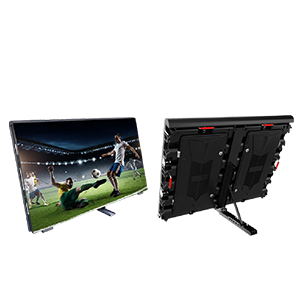
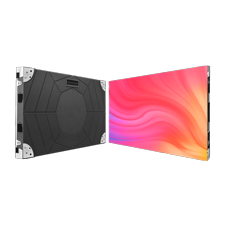
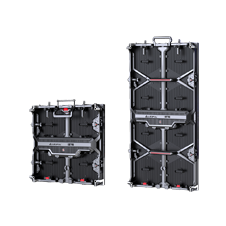
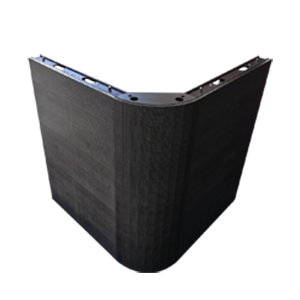
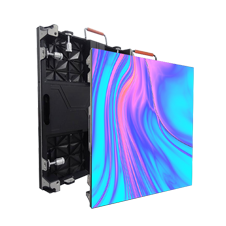
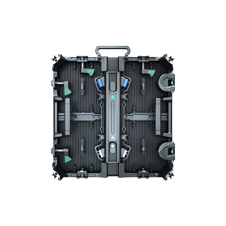
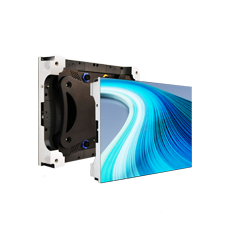
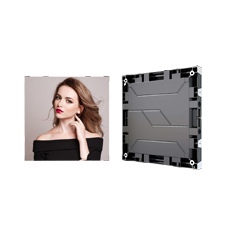
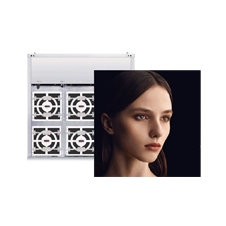
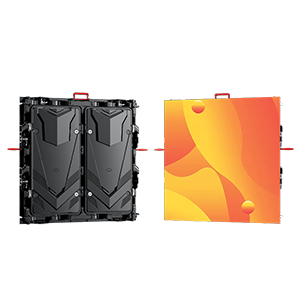
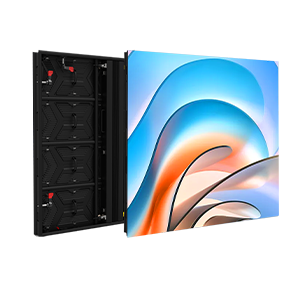
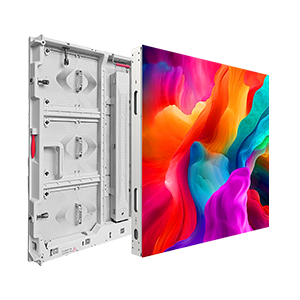
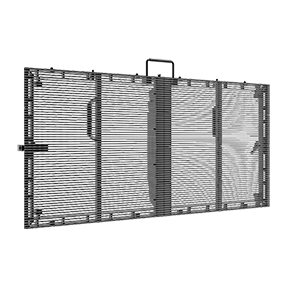
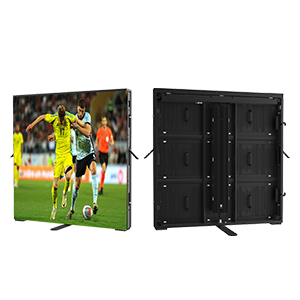
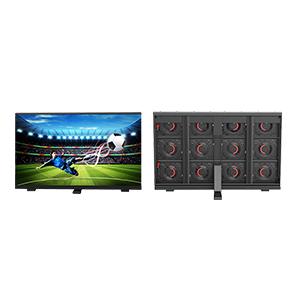
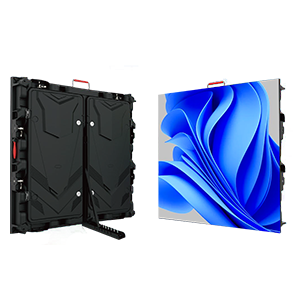
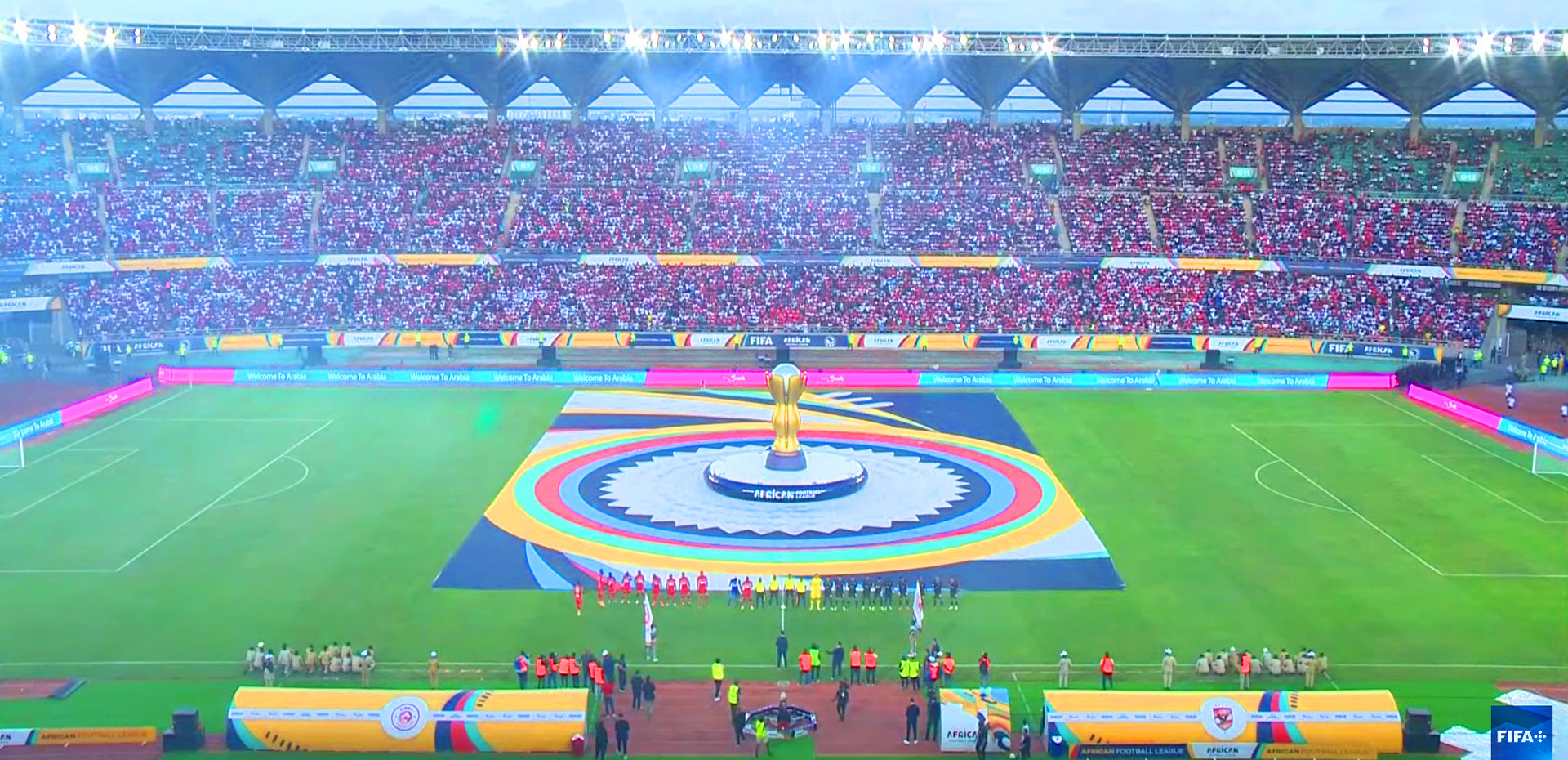

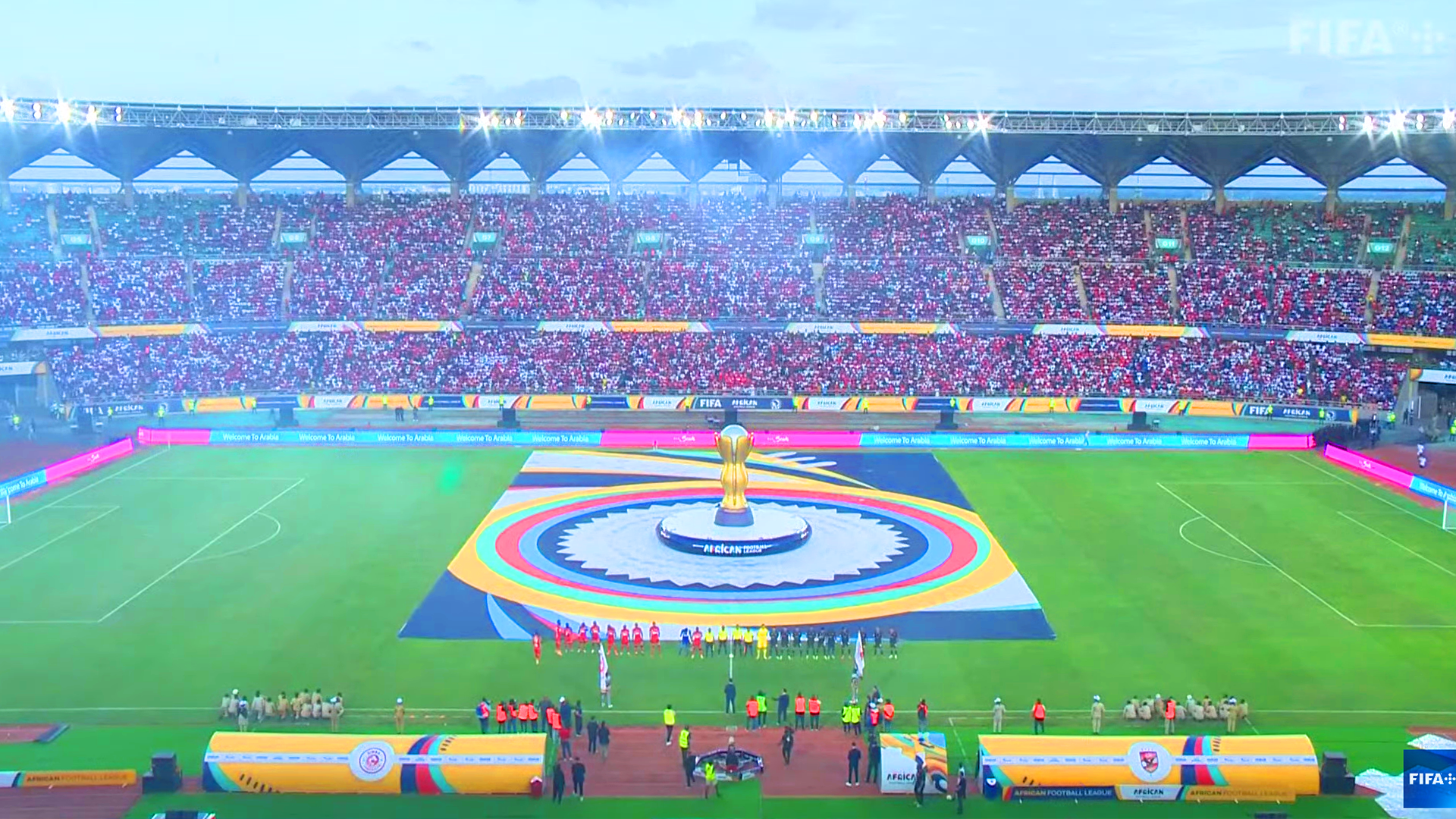





In a professional stadium or arena, the sports LED display is a critical asset for brand identity and broadcast quality. However, these displays face extreme environmental conditions—from intense UV radiation in outdoor stadiums to the high-heat loads of 24/7 indoor arenas. Over time, these factors can lead to “chromatic inconsistency,” where colors begin to drift, causing patchy visuals that look unprofessional on camera and distract fans. For stakeholders, maintaining color uniformity is not just an aesthetic choice; it is a requirement for satisfying high-paying sponsors whose logos must appear in perfect brand-accurate colors. At LEDFUL, we utilize advanced calibration and high-quality lamp binning to ensure that our displays remain visually seamless throughout their operational life. This guide explores the technical strategies for achieving and maintaining perfect color uniformity in the demanding world of sports.
1. The Science of “Binning” and Initial Uniformity
The journey to color uniformity begins long before the display is installed. In the LED manufacturing process, individual diodes naturally vary in brightness and wavelength. If a manufacturer mixes diodes from different production batches, the resulting sports LED display will have visible “checkerboard” patterns from day one.
At LEDFUL, we implement a strict “One-Bin Only” policy for every professional sports project. This means every LED lamp used in a stadium screen comes from the same wafer production batch, ensuring identical wavelength and voltage characteristics. By starting with a perfectly matched set of components, we provide a baseline of uniformity that is far superior to budget-tier displays. For stadium owners, this initial investment in “Single-Bin” technology is the most effective way to prevent the unsightly “pixel-to-pixel” color variations that often plague aging arenas.
2. Pixel-by-Pixel Calibration: The Digital Equalizer
Even with perfect binning, the perception of color can change based on the viewing angle or the minor electrical variances in the driver ICs. To solve this, modern sports LED display systems utilize pixel-by-pixel calibration (PCC).
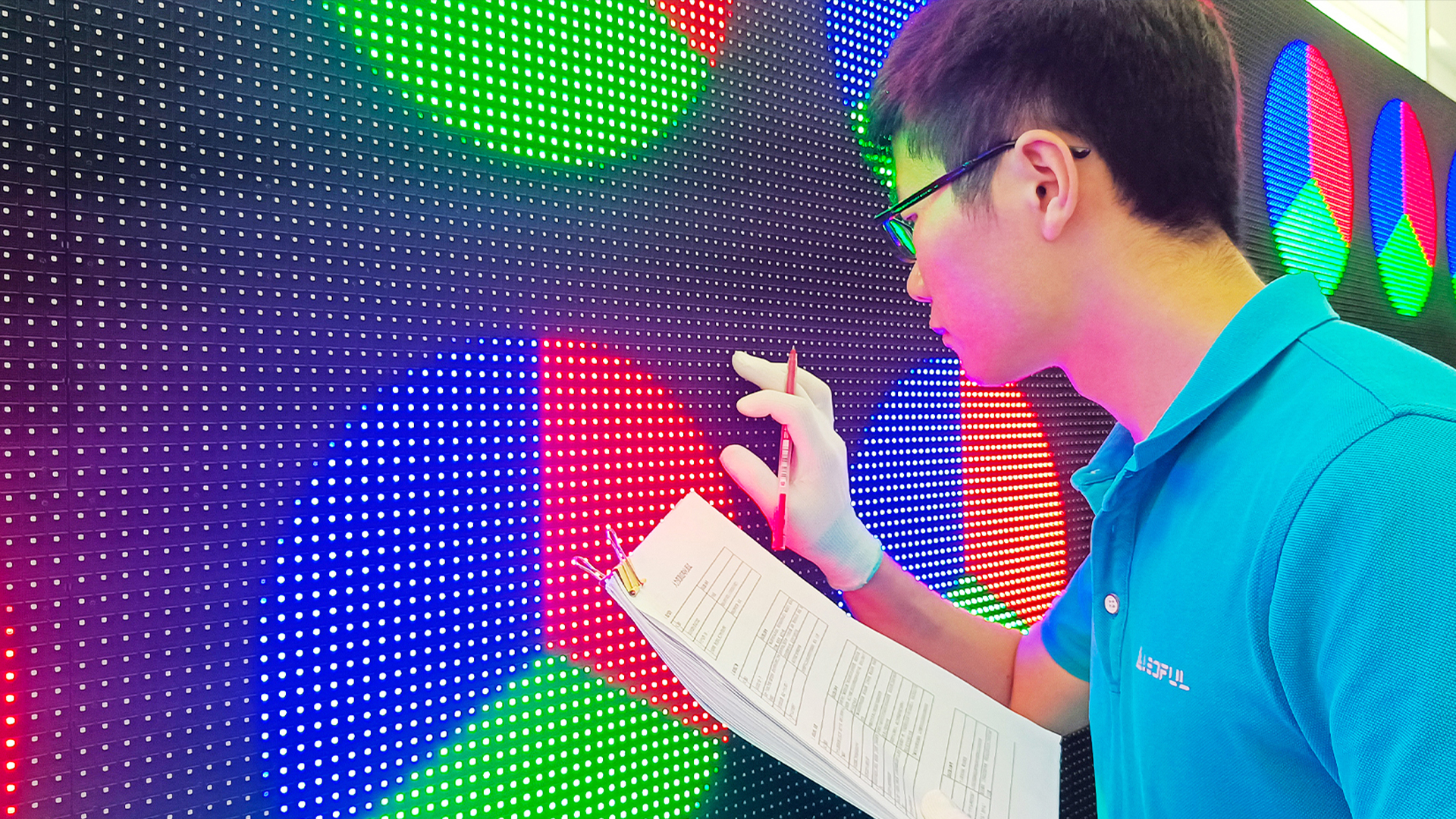
Using high-resolution industrial cameras, our technicians measure the brightness and chromaticity of every single pixel on the screen. The control system then applies a unique correction coefficient to each pixel, “evening out” the entire surface to a uniform standard. For a venue manager, this means the display can achieve a Delta-E (color difference) value that is imperceptible to the human eye. LEDFUL systems are designed to store these calibration files both in the receiving cards and on the cloud, allowing for a seamless “Plug-and-Play” module replacement that maintains perfect uniformity without needing a full-screen recalibration.
3. Combatting “Thermal Drifting” with Efficient Cooling
Heat is the primary cause of color shifting during a live game. As LEDs heat up, their wavelength shifts—red LEDs, in particular, tend to dim and shift toward the orange spectrum when they get hot. In a large scoreboard or perimeter display, different sections of the screen may operate at different temperatures, leading to “Thermal Patchiness.”
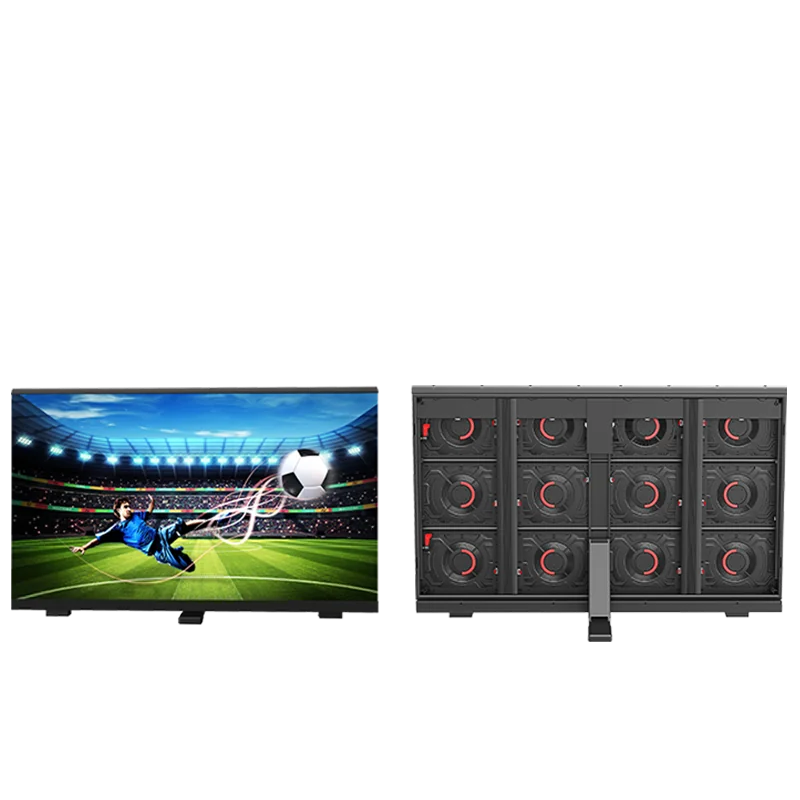
The LEDFUL sports series is engineered with high-efficiency thermal management. We utilize aluminum alloy substrates that act as a giant heat sink, drawing warmth away from the pixels. By keeping the junction temperature of the LEDs low and consistent across the entire screen, we prevent the “Color Drifting” that often ruins the visual integrity of a game-day broadcast.
4. UV Resistance and Mask Consistency
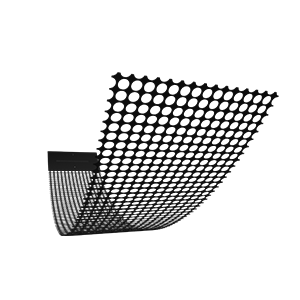
For outdoor sports venues, the sun is a constant threat to color uniformity. UV rays can cause the plastic “masks” (the black front covers) of the LED modules to fade or turn gray at different rates depending on which part of the screen gets the most sun. This makes the “black levels” of the screen look inconsistent, which destroys the perceived contrast and color saturation.
To maintain a “Professional Black” aesthetic, LEDFUL uses specialized UV-stabilized polymers for our module masks. These materials are tested to resist yellowing and fading of direct sunlight. By ensuring the “background” of the sports LED display remains a uniform, deep black, we ensure that the colors “pop” with the same intensity across the entire surface. For advertisers, this consistency ensures that their luxury brand colors are never compromised by environmental degradation.
5. White Balance Management for Broadcast Standards
For televised sports, the “White Balance” of the LED screen must match the color temperature of the stadium lighting and the broadcast cameras (typically 6500K or 9300K). If the white balance is off, the screen may appear too “blue” or too “yellow” on the television feed, even if it looks fine to the fans in the stadium.
A high-end sports LED display allows for precise, real-time adjustments to the RGB gain. LEDFUL systems provide broadcast technicians with a dedicated interface to align the screen’s white point with the rest of the stadium’s lighting environment. This “System-Wide Uniformity” is essential for professional leagues where the visual quality of the broadcast is a primary revenue driver. By maintaining a stable, calibrated white point, we ensure that skin tones in replays and vibrant colors in ads look natural and consistent across all media platforms.
6. Scheduled Maintenance and On-Site Recalibration
Color uniformity is not a “set and forget” feature; it is a lifecycle commitment. Over several years, LEDs age at slightly different rates based on the content they display (e.g., a static score area ages differently than a video area).
At LEDFUL, we recommend a professional on-site recalibration every 2–3 years for high-profile sports venues. Using automated calibration kits, the screen can be “refreshed” to its original uniformity levels in just a few hours. For facility managers, this proactive approach extends the “Premium Life” of the display by years, delaying the need for a full hardware replacement and ensuring that the venue remains a top-tier choice for major tournaments and international matches.
Conclusion: The ROI of Visual Perfection
In the world of professional sports, visual consistency is a hallmark of excellence. A sports LED display that maintains perfect color uniformity speaks to the quality of the venue and the value provided to sponsors and fans alike.
At LEDFUL, we are dedicated to providing the engineering precision required for these high-stakes environments. From the initial binning of the LEDs to the advanced thermal designs and cloud-based calibration tools, our technology is built to stay brilliant. Whether you are managing a local community arena or a world-class Olympic stadium, our sports displays ensure that every color is rendered with absolute accuracy and every moment is captured in stunning detail. Let us help you set a new standard for visual performance in your venue.