






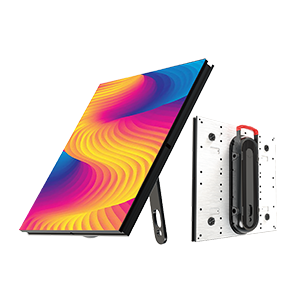
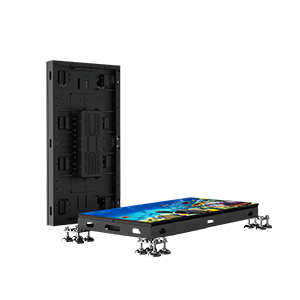
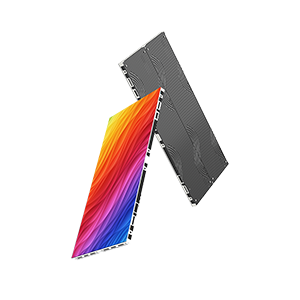
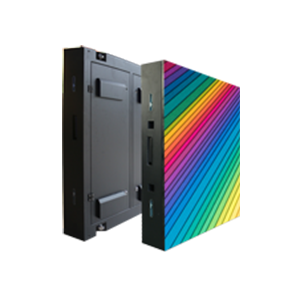

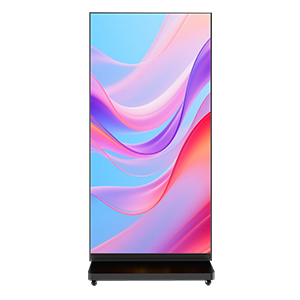
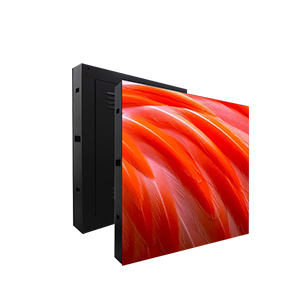
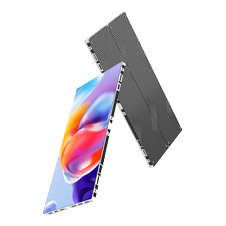
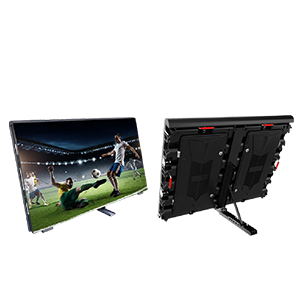
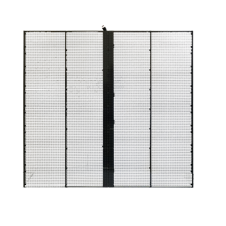
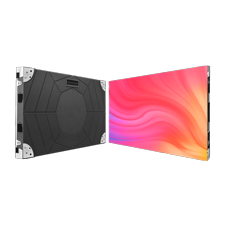
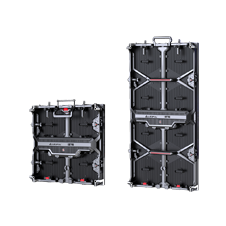
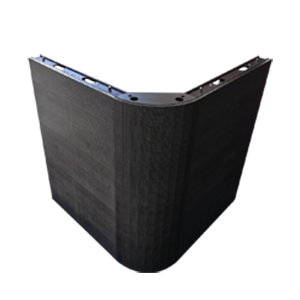
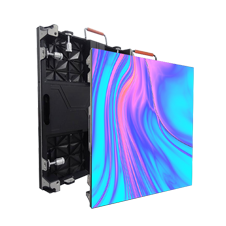
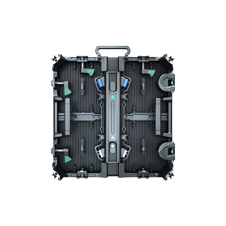
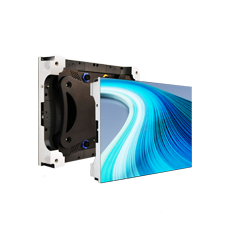
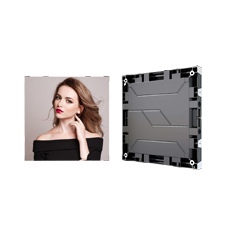
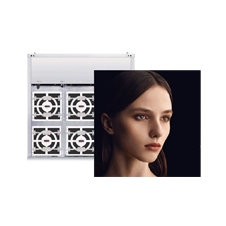
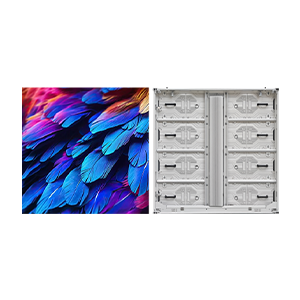
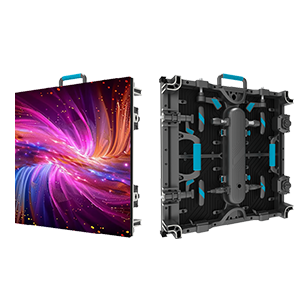
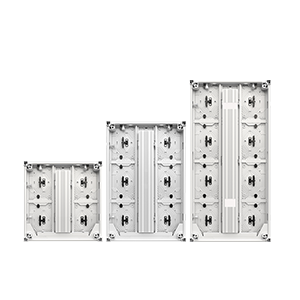
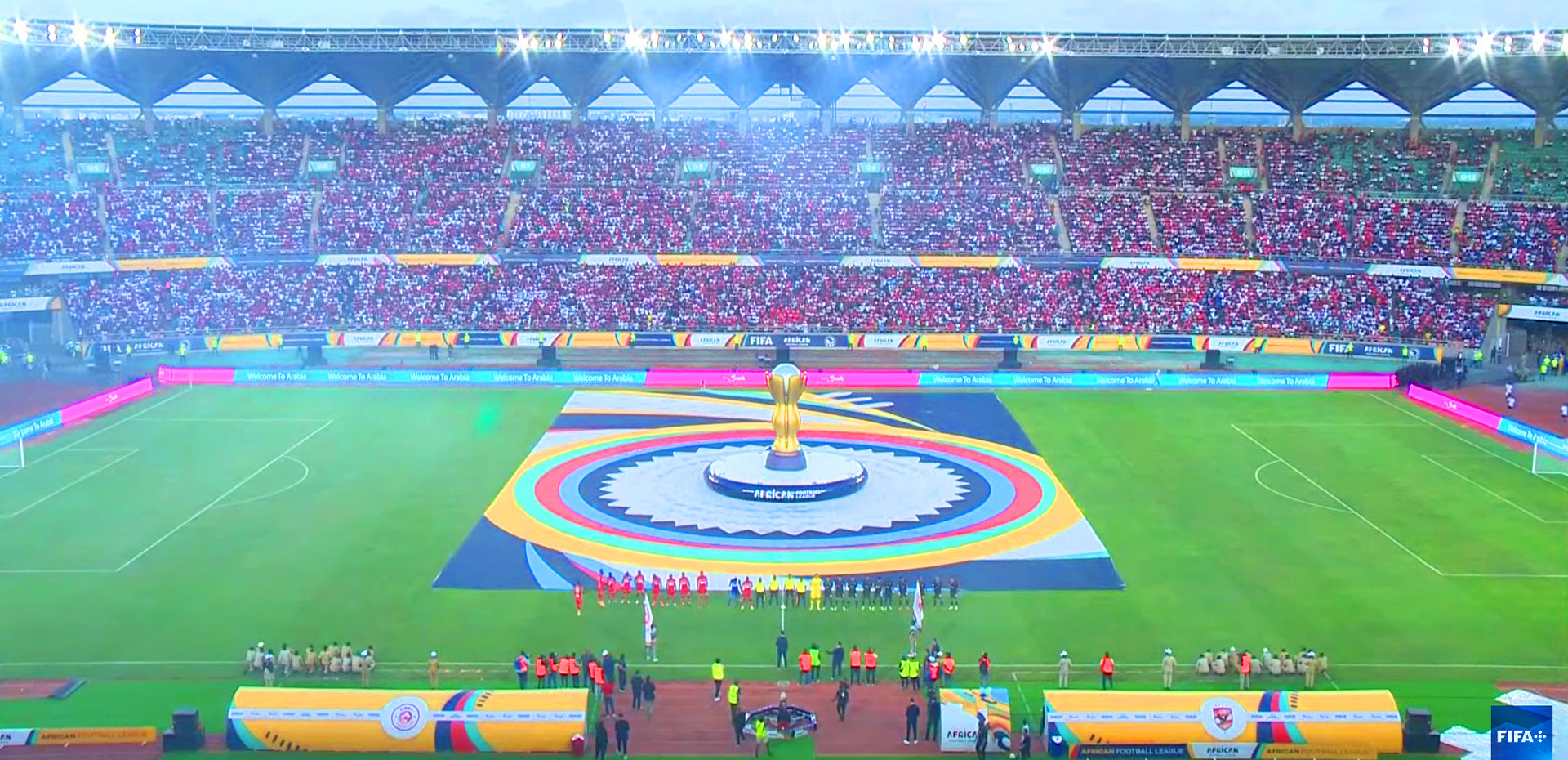
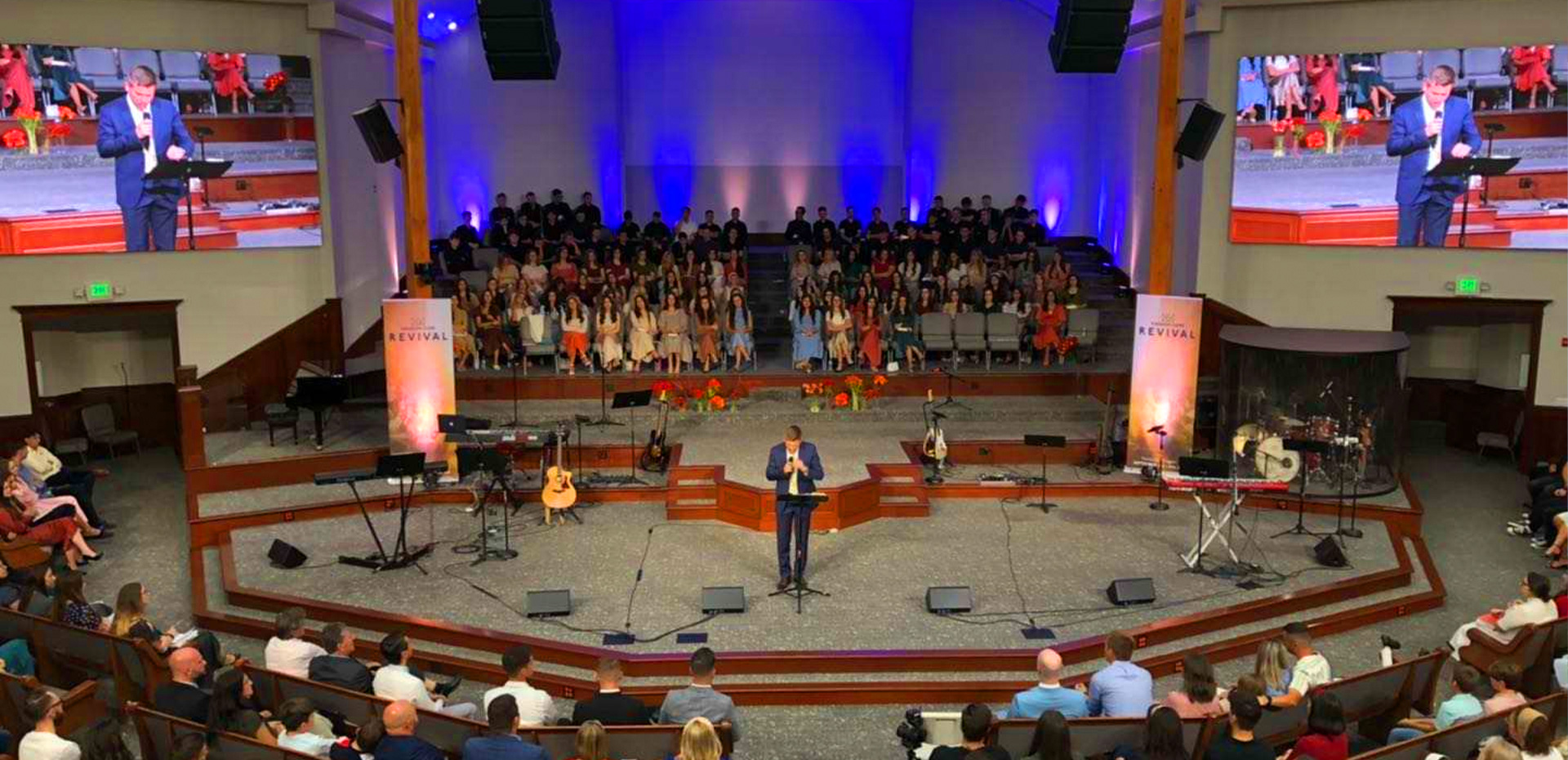
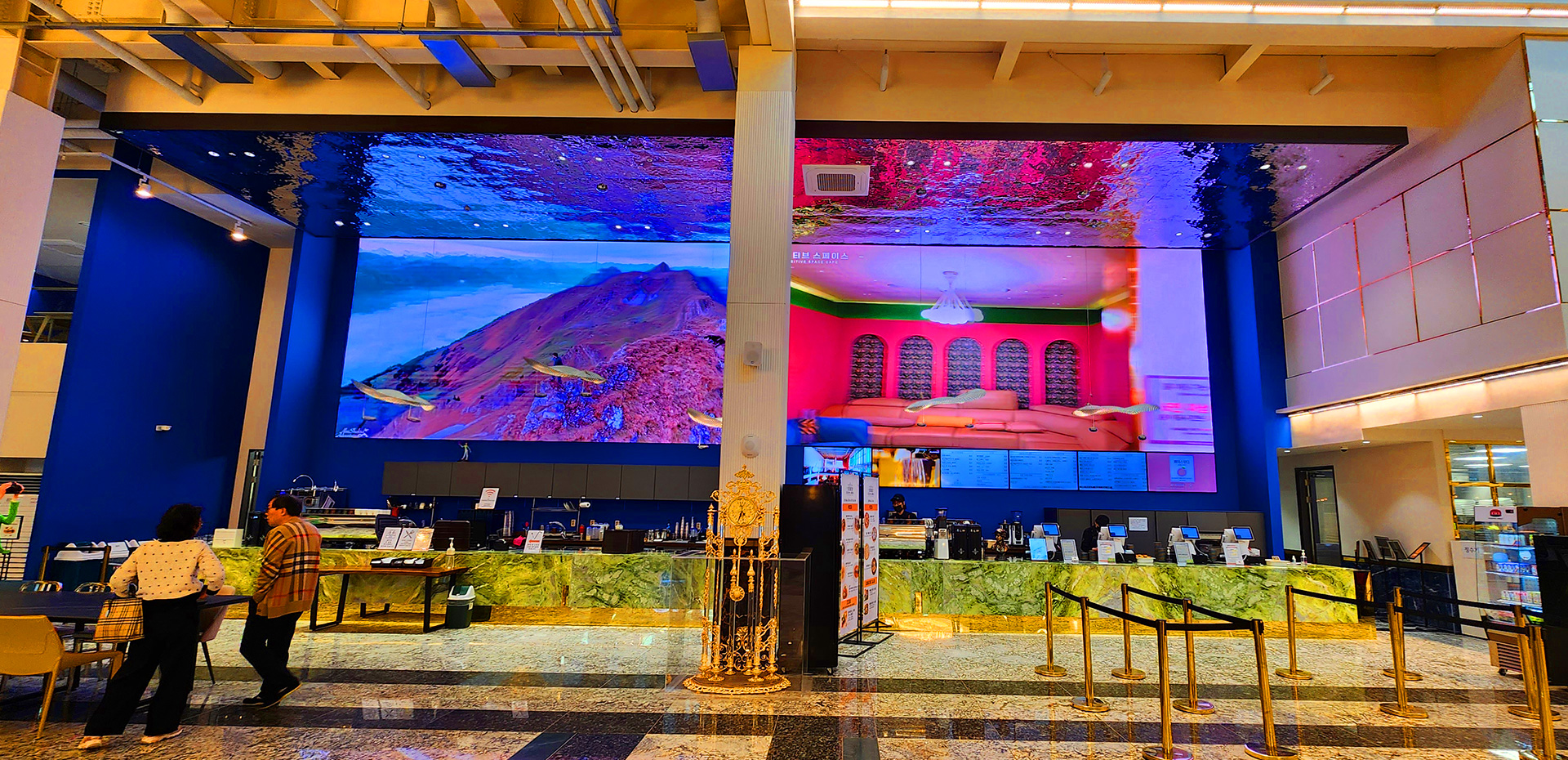

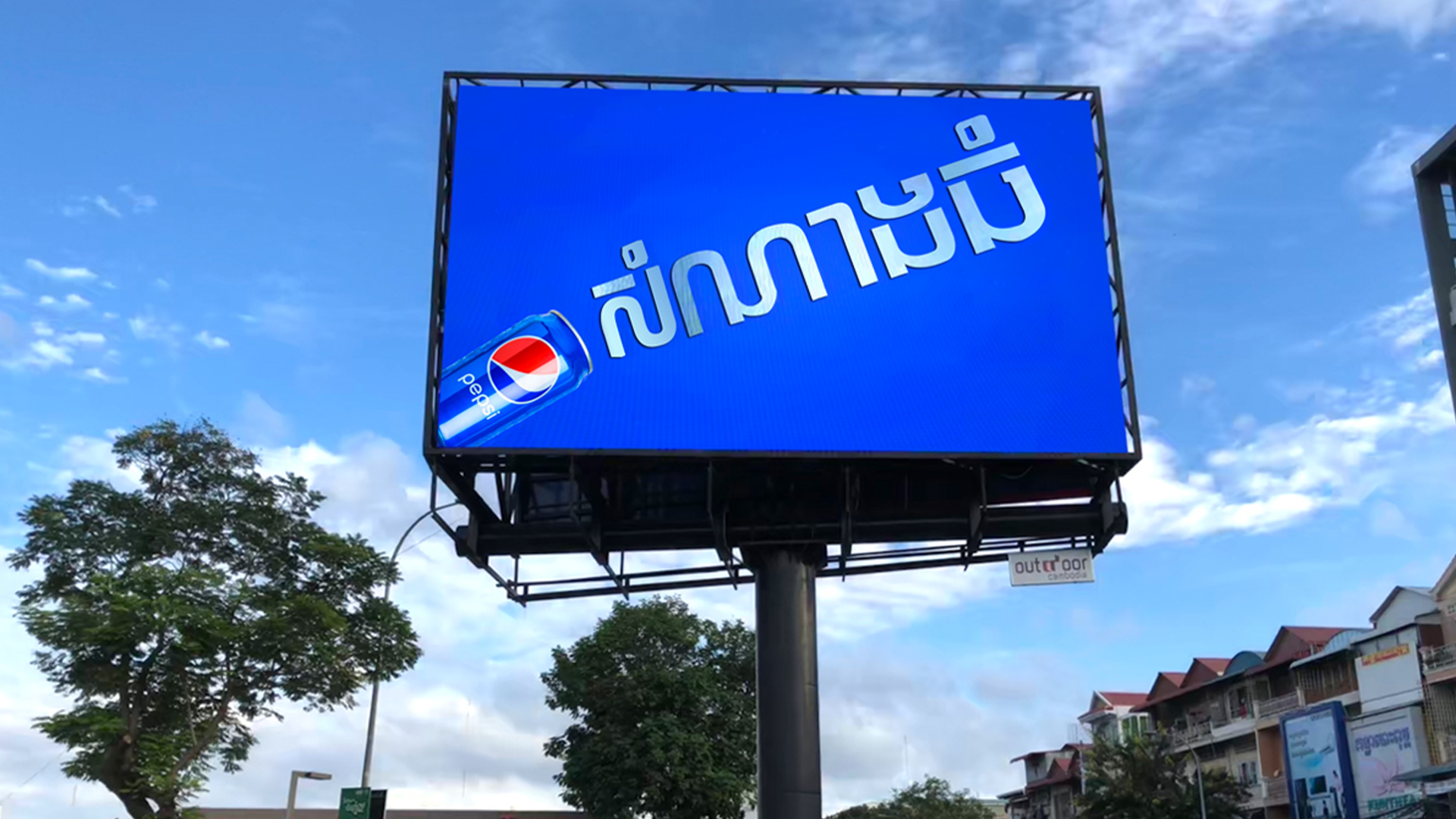
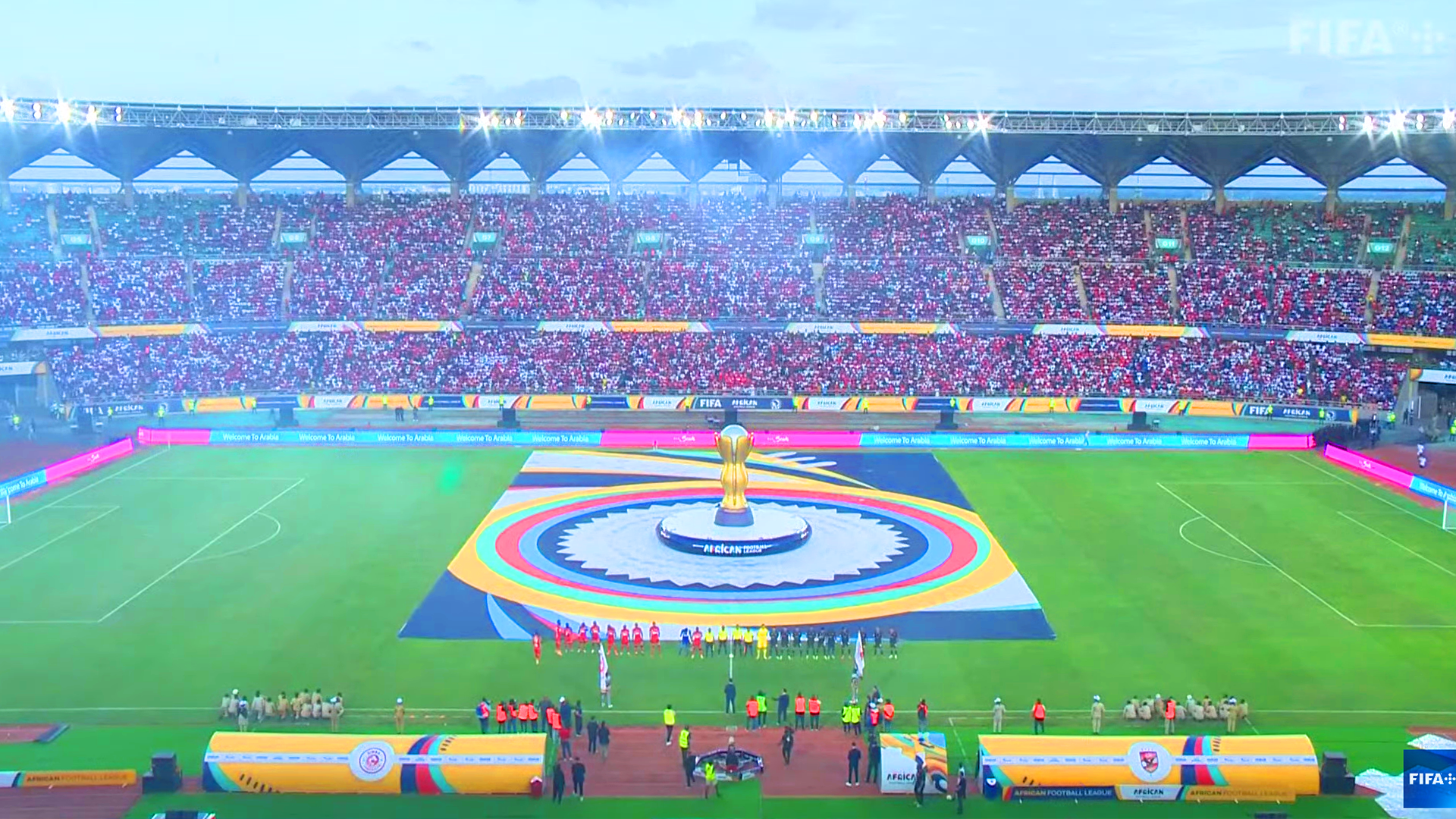






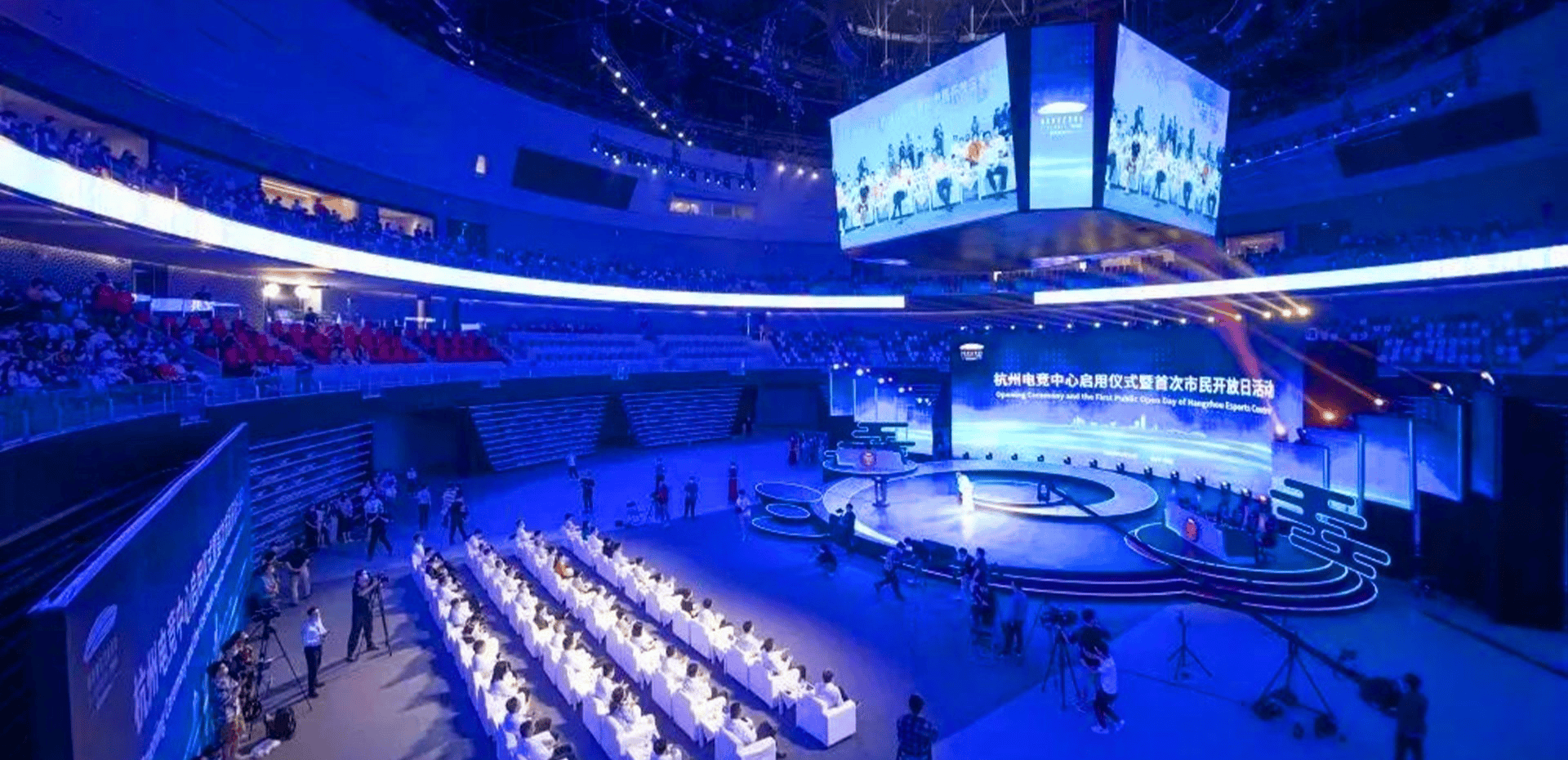

In the modern sports landscape, the fan experience is increasingly defined by visual stimulation. From massive center-hung scoreboards to kilometer-long perimeter ribbons, the sheer volume of digital content can be overwhelming if not managed correctly. For years, older display technologies were criticized for causing “eye strain,” “headaches,” or “visual fatigue” among spectators and staff. However, the technical evolution of the professional sports LED display has turned this narrative around. By utilizing advanced refresh rates, intelligent brightness control, and flicker-free engineering, modern displays are now significantly better for eye comfort than their predecessors. At LEDFUL, we prioritize “Human-Centric Design” in our stadium series, ensuring that the spectacle never comes at the cost of the spectator’s well-being. This article explores the technical reasons why a modern LEDFUL sports display is the superior choice for ocular health in large-scale venues.
1. High Refresh Rates: Eliminating the “Invisible Flicker”
One of the most common causes of eye strain in digital environments is “Stroboscopic Effect,” or flicker. While the human eye may not consciously see a screen flickering at 1920Hz, the brain and the optical nerves still process the rapid on-off cycles of the LEDs. This constant micro-adjustment of the eye leads to rapid fatigue, especially during long matches that last several hours.
A professional sports LED display from LEDFUL operates at an ultra-high refresh rate of 3840Hz or higher. This frequency is well beyond the threshold of human perception and even professional camera sensors. By providing a “Smooth-Wave” light output, our screens eliminate the subtle flickering that causes neurological fatigue. For stadium managers, this means fans stay comfortable and engaged with the content for the duration of the event, which directly correlates to higher “dwell time” in the arena and increased food and beverage sales.
2. Intelligent Brightness Control and Ambient Light Adaptation
One of the most jarring experiences for a fan is looking at a screen that is either too dim under the midday sun or blindingly bright during a night game. Sudden changes in contrast force the pupils to dilate and contract repeatedly, a process known as “Pupillary Stress.”
3. Advanced Grayscale and “Smooth Dimming” Technology
Eye comfort is also heavily dependent on how the screen handles dark areas and gradients. Older screens with low-bit processing often suffer from “contouring” or “banding,” where smooth color transitions are broken into sharp, jagged steps. These sharp edges are difficult for the eye to track and process, leading to a “grainy” visual experience that causes strain over time.
The LEDFUL sports series utilizes 16-bit grayscale processing. This allows for millions of subtle color increments, creating a “Silk-Smooth” image quality. When a screen can render a sunset or a slow-motion replay with perfect tonal transitions, the eye can relax, viewing the image as it would see the physical world. This high-fidelity rendering is essential for luxury VIP boxes and hospitality suites where guests are often viewing the sports LED display from a closer distance.
4. Reducing the “Blue Light” Peak through Spectrum Engineering
Recent optical research has highlighted the impact of high-energy visible (HEV) blue light on sleep cycles and eye health. Many standard consumer-grade LEDs have a sharp “Blue Peak” that can interfere with the spectator’s circadian rhythm, particularly during evening games.
At LEDFUL, we have engineered our sports-grade LEDs to provide a more balanced spectral output. By optimizing the phosphor coating on our LED chips, we can shift the light spectrum away from the most harmful HEV blue wavelengths without sacrificing color accuracy or vibrancy. This “Eye-Safe” approach ensures that even after a three-hour night game, fans do not leave the stadium with the “Blue Light Blur” that is common with lower-quality digital signage. For stakeholders, this commitment to health-conscious engineering is a strong selling point for family-friendly venues and school-based athletic departments.
5. Non-Glare Masks and Diffused Light Surfaces
Traditional glossy screens reflect the stadium’s floodlights, creating “hot spots” of glare that can be physically painful to look at. Glare is one of the leading causes of squinting and tension headaches among stadium spectators.
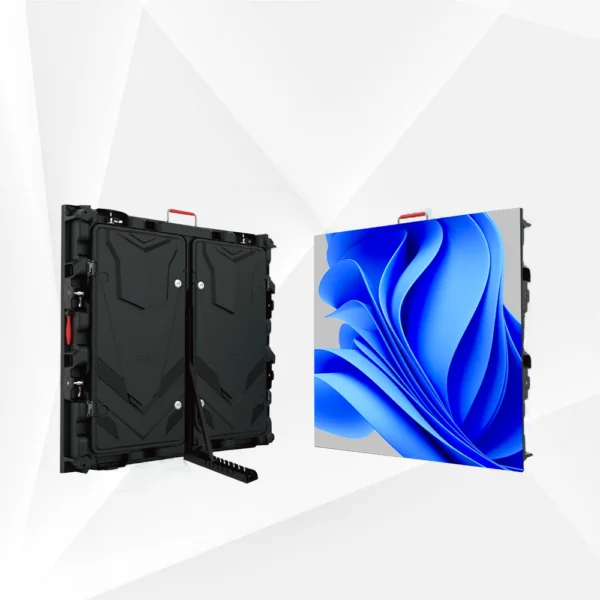
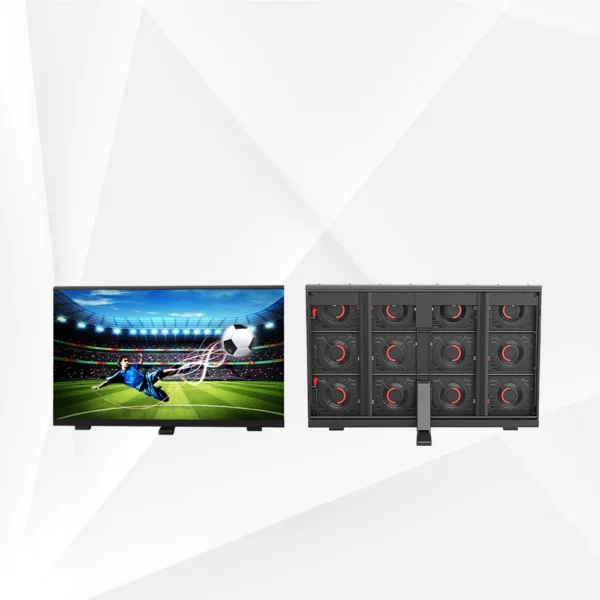
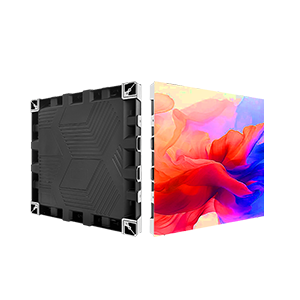
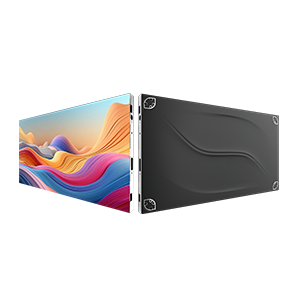
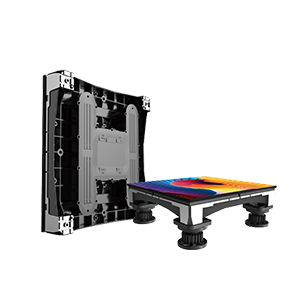
The sports LED display modules from LEDFUL are designed with a specialized matte-finish, non-reflective mask. This polycarbonate mask features a micro-texture that diffuses incoming light rather than reflecting it back at the audience. This “Anti-Glare” property ensures that the screen remains clear and readable from every angle, even when the stadium’s high-intensity lights are at full power. By softening the light output and eliminating reflections, we create a viewing experience that is as comfortable as reading a high-quality printed magazine.
6. Wide Viewing Angles and Color Consistency
Visual fatigue is also caused by “Color Shift.” If a fan sitting in a corner seat sees the screen with a green tint while the center seat sees it as white, their brain has to work harder to interpret the distorted imagery. This inconsistency is a major source of subconscious discomfort.
Our sports LED display technology ensures a wide 160-degree horizontal and vertical viewing angle with zero color distortion. Because LEDFUL uses high-precision SMD (Surface Mounted Device) technology, the light is emitted uniformly in all directions. This means that every fan, regardless of their seat location, perceives the same high-quality, color-accurate image. This “Optical Uniformity” creates a cohesive visual environment that feels stable and comfortable for the entire audience.
Conclusion: Prioritizing the Fan’s Ocular Health
In the digital age, eye comfort is the ultimate luxury. A stadium that invests in a high-quality sports LED display is not just buying a screen; it is investing in the long-term comfort and satisfaction of its audience. By eliminating flicker, managing brightness, and reducing glare, modern LED technology has transformed the stadium into a space where the spectacle is as gentle on the eyes as it is exciting for the soul.
At LEDFUL, we are proud to lead the industry in eye-comfort innovation. Our sports displays are engineered for the most demanding visual environments, providing professional-grade performance that respects the human viewer. Whether you are building a community arena or an Olympic stadium, let us help you create a visual experience that fans can enjoy comfortably for hours on end. The future of sports is bright, and with LEDFUL, it is also beautifully clear.