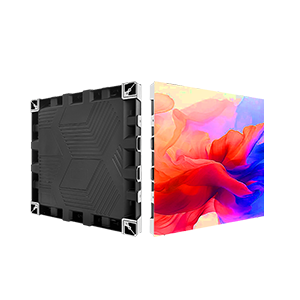
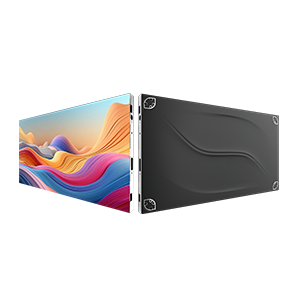

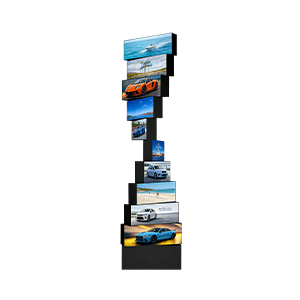


















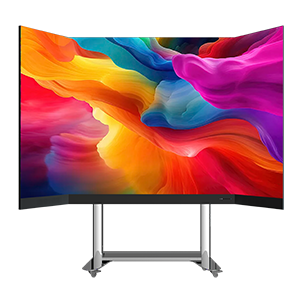
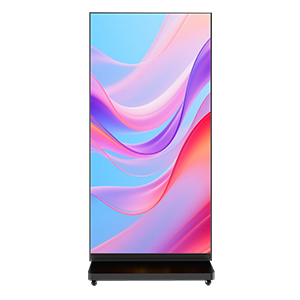
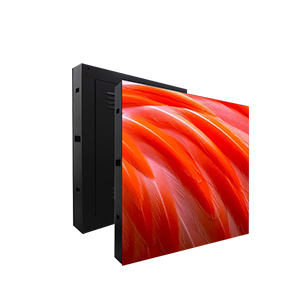
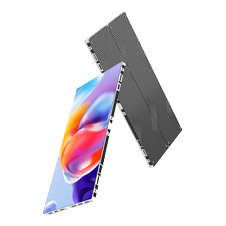
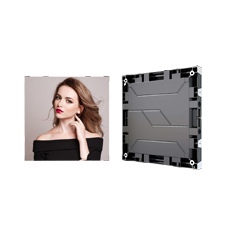
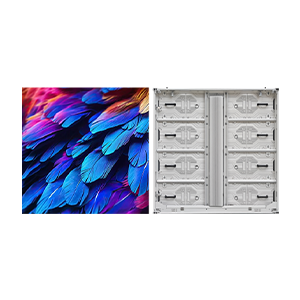
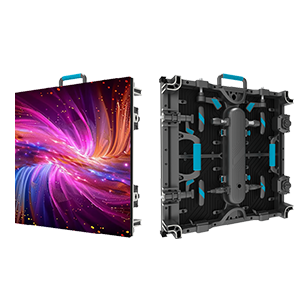
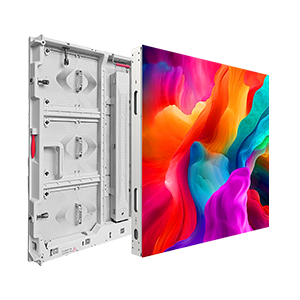
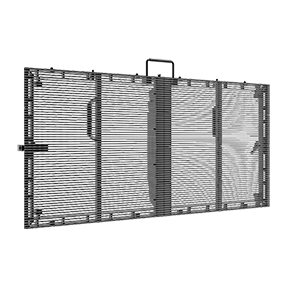
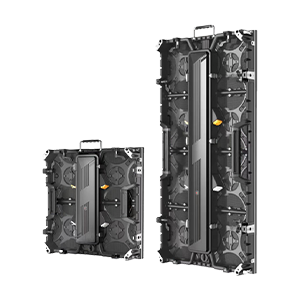
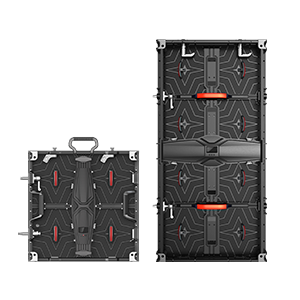












Budget discussions inevitably arise when organizations explore modern architectural display solutions. However, focusing exclusively on quoted numbers without understanding underlying variables often leads to unsatisfactory outcomes. Transparent LED technology combines visual impact with structural integration, creating unique pricing considerations that differ fundamentally from conventional display purchases. We at LEDFUL have assisted numerous clients through this evaluation process, observing that informed buyers consistently achieve better long-term value. This examination presents seven distinct factors that shape transparent LED display price structures, providing a comprehensive framework for procurement decisions.
Optical Performance and Visual Characteristics
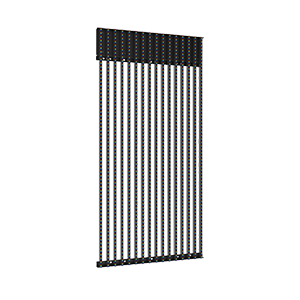
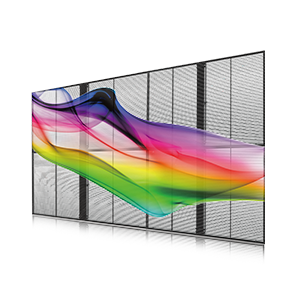
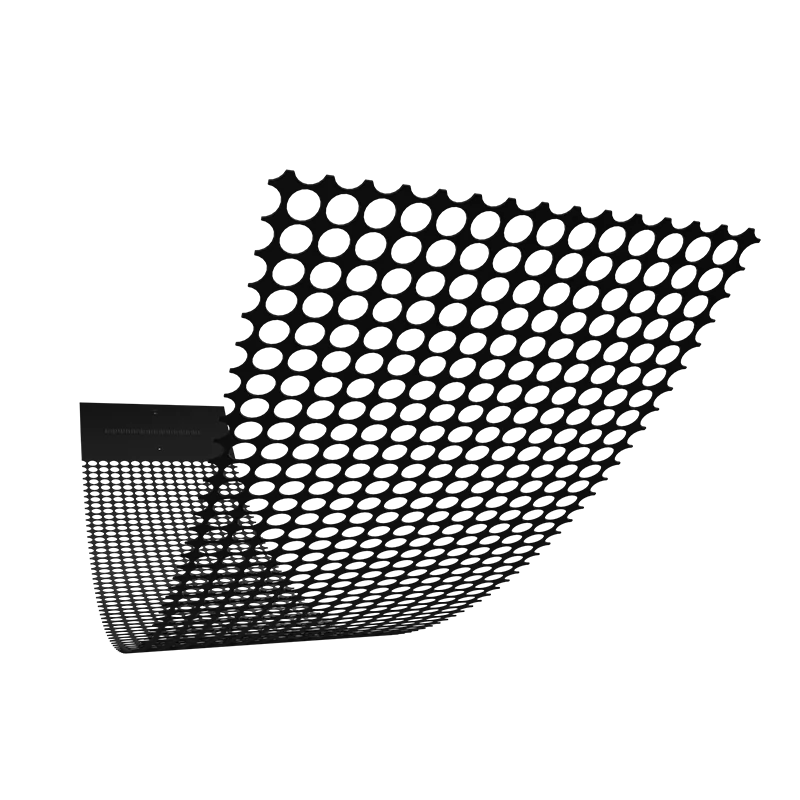
The transparency rate of any transparent led screen fundamentally influences both manufacturing complexity and material requirements. Panels achieving higher openness percentages require specialized component layouts that maintain structural stability while maximizing see-through effects. This engineering challenge directly affects transparent led display price calculations, as greater transparency demands more sophisticated production techniques. Pixel pitch represents another critical specification determining cost variations. Finer pixel pitches deliver superior image resolution for close-viewing applications but require significantly more LEDs per square meter. The density of light sources increases material expenses proportionally, creating predictable pricing tiers based on resolution requirements. Brightness capabilities further impact valuation, particularly for installations competing with direct sunlight. High-brightness configurations incorporate advanced LED chips and enhanced thermal management systems, both contributing to elevated production costs reflected in final quotations.
Structural Design and Physical Configuration
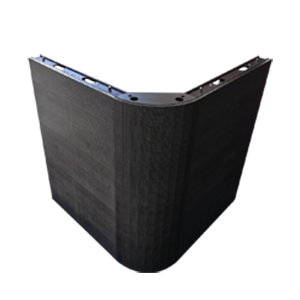
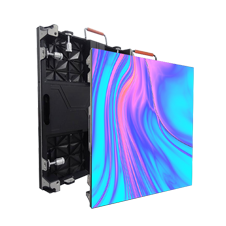
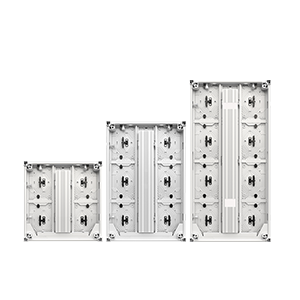
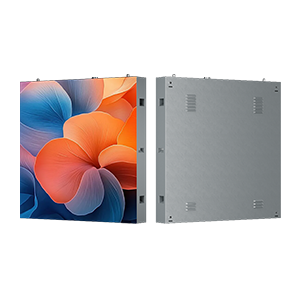
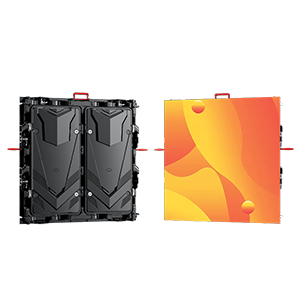
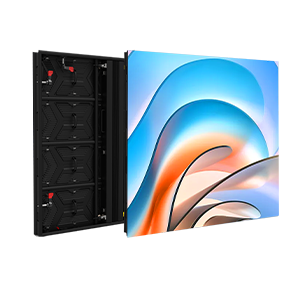
Cabinet construction methods create substantial differences in product pricing across the market. Standardized panel dimensions benefit from manufacturing efficiencies and economies of scale, generally offering more favorable per-unit costs. However, architectural integration frequently demands custom sizing or curved configurations requiring additional engineering resources. These adaptations influence transparent led display price structures through increased design time and non-standard assembly processes. Weight considerations affect both transportation expenses and installation requirements at project sites. Lightweight cabinets reduce shipping costs and simplify mounting hardware needs, yet advanced composite materials achieving weight reduction typically command premium pricing. The relationship between structural integrity and material selection requires careful evaluation, as excessive weight reduction may compromise durability in demanding installations.
Installation Complexity and Site Requirements
The physical environment where installation occurs introduces variables that significantly affect total project expenditure. Facade-mounted systems often require specialized rigging equipment and experienced installation crews compared to simpler frame-supported configurations. These labor considerations factor into comprehensive transparent led display price evaluations, as complex installations extend project timelines and increase personnel requirements. Site access limitations create additional cost variables, with difficult-to-reach locations necessitating specialized lifting equipment or extended rigging hours. Structural assessments sometimes reveal reinforcement needs before display mounting can proceed safely. These preparatory expenses, while separate from display hardware costs, contribute to overall project budgets and warrant consideration during supplier comparisons. Weather exposure considerations for semi-outdoor applications may require additional protective treatments that influence pricing structures.
Control Systems and Processing Capabilities
The sophistication of control electronics substantially impacts both initial investment and long-term functionality. Advanced processing systems enable seamless content playback across multiple panels, supporting complex video walls with unified image management. Entry-level controllers reduce upfront expenditure but may limit creative possibilities and future expansion options. This trade-off represents a key consideration when evaluating transparent led display price proposals from different vendors. Signal distribution methods vary between product lines, with some systems utilizing daisy-chain configurations while others employ centralized processing architectures. Each approach carries distinct cost implications related to cabling requirements, redundancy features, and troubleshooting accessibility. Content management software capabilities also differentiate pricing tiers, with comprehensive platforms offering scheduling features, multi-user access controls, and remote monitoring functions that enhance operational efficiency.
Warranty Provisions and Technical Support
Coverage terms and support availability fundamentally influence ownership cost calculations beyond initial acquisition. Comprehensive warranty periods reflect manufacturer confidence in product reliability, yet extended protection plans factor into transparent led display price structures. Buyers must assess whether lower initial quotes include adequate safeguards against potential failures or if supplemental service agreements become necessary. Response time guarantees for technical support affect operational continuity during critical events. Suppliers offering rapid on-site service typically structure pricing to account for regional service infrastructure investments. Spare parts availability and pricing represent additional considerations, as proprietary components from certain manufacturers may carry premium replacement costs. Understanding these post-purchase support elements helps organizations evaluate total cost of ownership rather than focusing exclusively on procurement expenses.
Energy Efficiency and Operational Expenses
Power consumption patterns create ongoing financial implications throughout display service life. Efficiency-engineered power supplies and driver circuits reduce electricity demands during thousands of operating hours, generating cumulative savings that offset higher initial pricing. When comparing transparent led display price quotations, buyers should request efficiency specifications and calculate projected energy costs based on anticipated usage patterns. Thermal management requirements influence both power consumption and maintenance intervals. Displays operating at lower temperatures experience reduced component stress, potentially extending operational lifespan and reducing service frequency. Advanced heat dissipation designs may increase manufacturing costs but deliver operational savings through improved reliability. We at LEDFUL encourage comprehensive lifecycle cost analysis that incorporates these efficiency factors alongside hardware pricing.
Manufacturer Reputation and Industry Experience
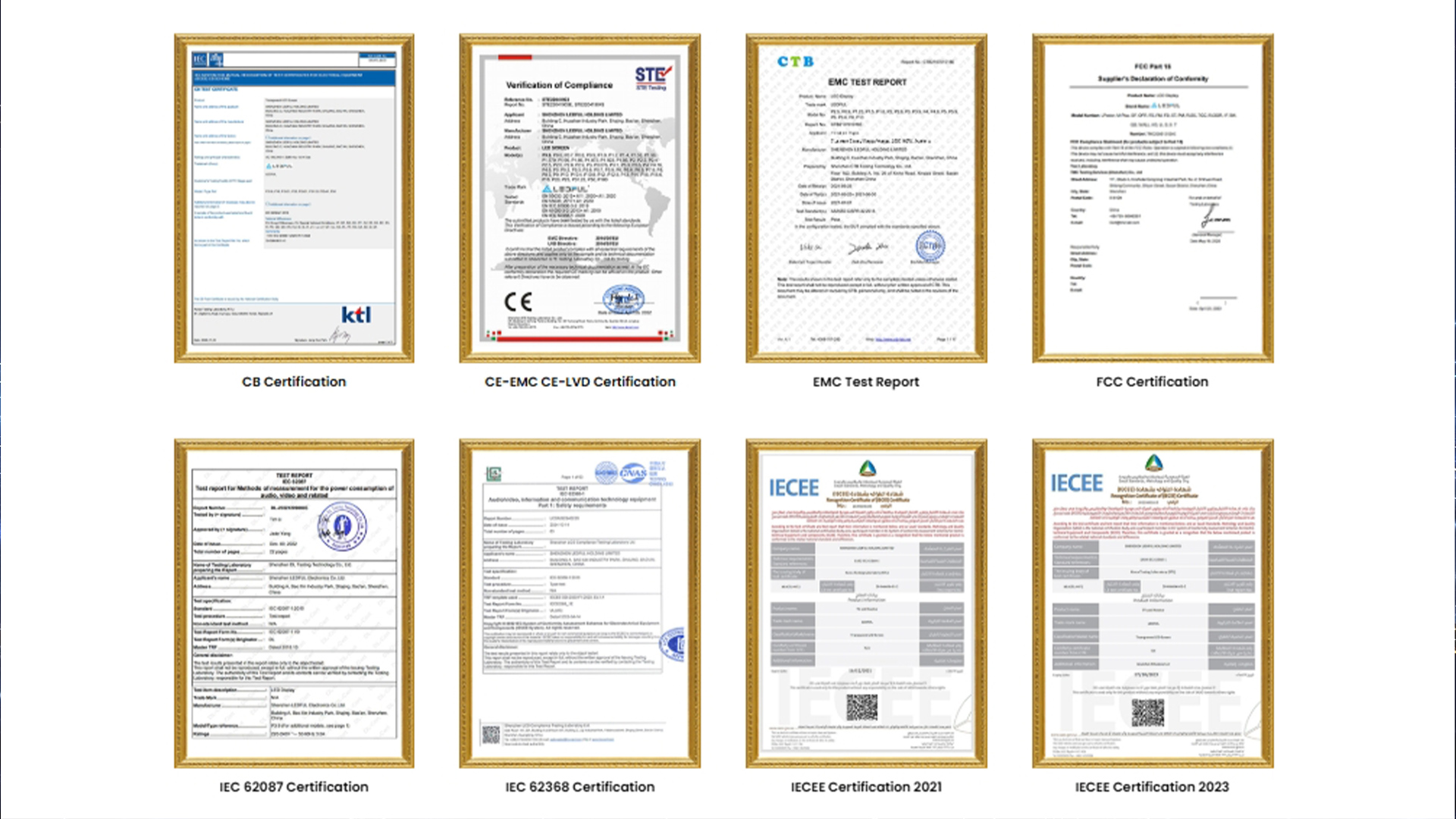
Supplier background provides indirect but meaningful indicators of product quality and long-term value. Established manufacturers with extensive industry presence typically maintain rigorous quality control processes and established supply chains. These operational characteristics influence transparent led display price structures through consistent material sourcing and validated production methodologies. Industry certifications and compliance testing represent additional quality markers that distinguish reputable suppliers. Products meeting international safety and performance standards undergo verification processes that add manufacturing steps yet provide buyer confidence. References from completed projects offer practical insights into real-world performance and supplier responsiveness. While established reputation may correlate with higher initial pricing, the reduced risk of premature failure or inadequate support often justifies the investment for mission-critical applications. We at LEDFUL maintain transparent communication regarding our manufacturing processes and project history, enabling informed comparisons based on substantive qualifications rather than superficial claims.
Effective price comparison requires examining optical specifications, structural characteristics, installation requirements, control capabilities, warranty provisions, operational efficiency, and supplier qualifications. Each factor contributes meaningful context to quoted numbers, revealing whether a particular transparent led display price represents reasonable value or hidden compromise. Organizations investing time in comprehensive evaluation typically achieve superior outcomes compared to those selecting based on minimum bids. We at LEDFUL remain committed to providing detailed technical information and transparent pricing that supports informed procurement decisions for transparent led screen applications across diverse environments.