








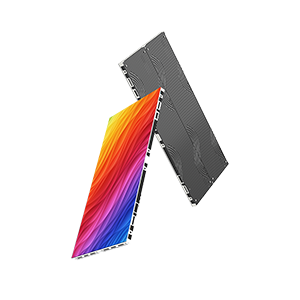
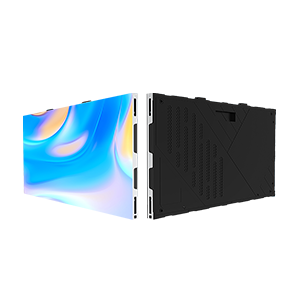
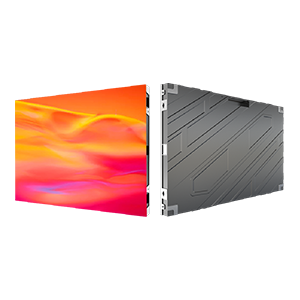
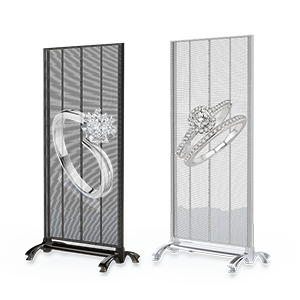
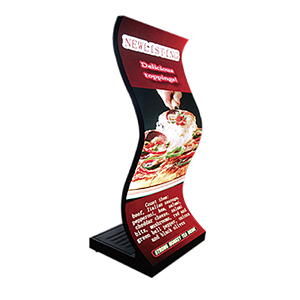
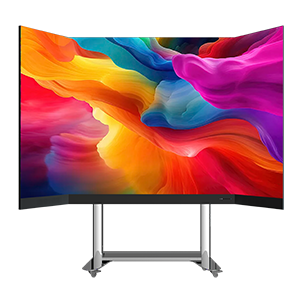
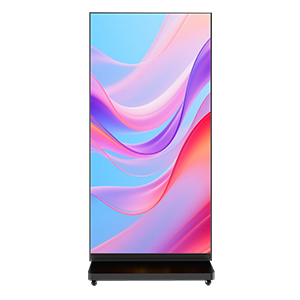
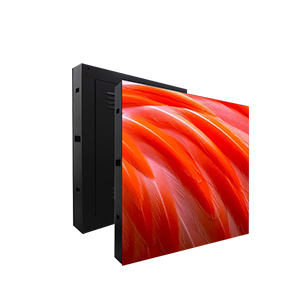
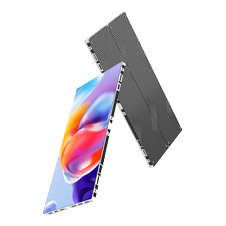
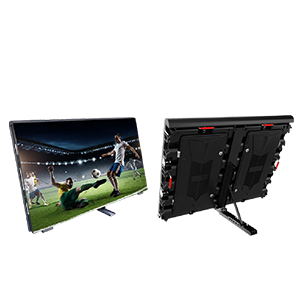
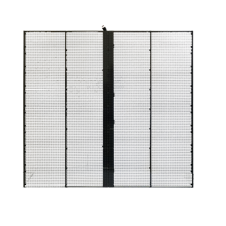
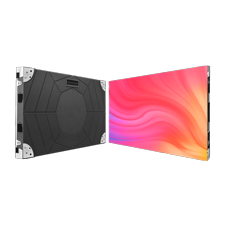
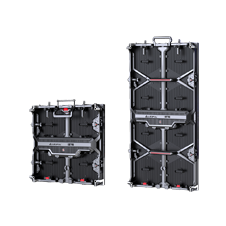
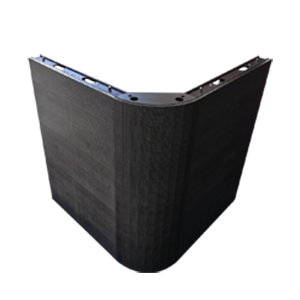
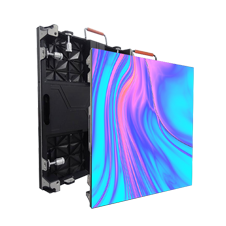
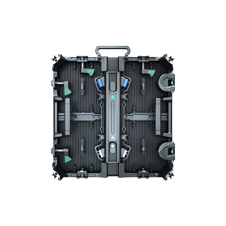
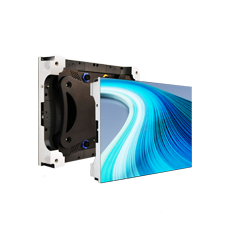
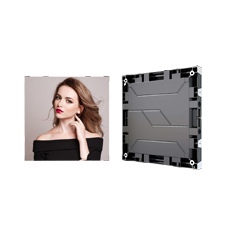
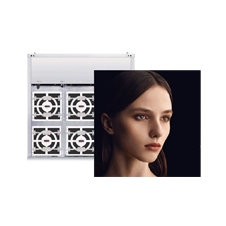













Procurement managers and design professionals frequently encounter confusion when selecting see-through display technologies for modern commercial spaces. Two distinct solutions dominate this category, yet their operational principles and application suitability differ substantially. Understanding these differences ensures appropriate technology selection for retail environments, corporate lobbies, and exhibition spaces. At LEDFUL, we regularly guide clients through this decision process, helping them distinguish between transparent led film display screen innovations and traditional transparent LCD alternatives. This comparison examines both technologies across critical performance parameters.
Optical Performance and Visibility Characteristics
The fundamental difference between these display technologies lies in how they generate images and interact with ambient light. A transparent led film display screen operates as an emissive technology, meaning each pixel generates its own light. This characteristic enables exceptional brightness levels that remain visible even when sunlight strikes the glass surface directly. Conversely, transparent LCD technology functions as a transmissive system, requiring backlighting that passes through liquid crystal layers. The backlight competes with ambient illumination, often resulting in washed-out images during daytime hours in bright retail environments. Additionally, the emissive nature of a transparent led film display screen delivers superior contrast ratios because individual LEDs can turn completely off for true blacks, while LCD panels always allow some light leakage through partially closed crystals.
Transparency Levels and Visual Intrusion
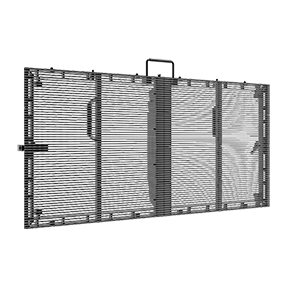
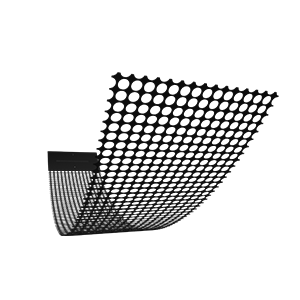
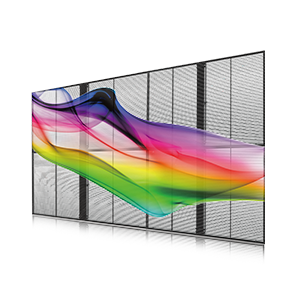
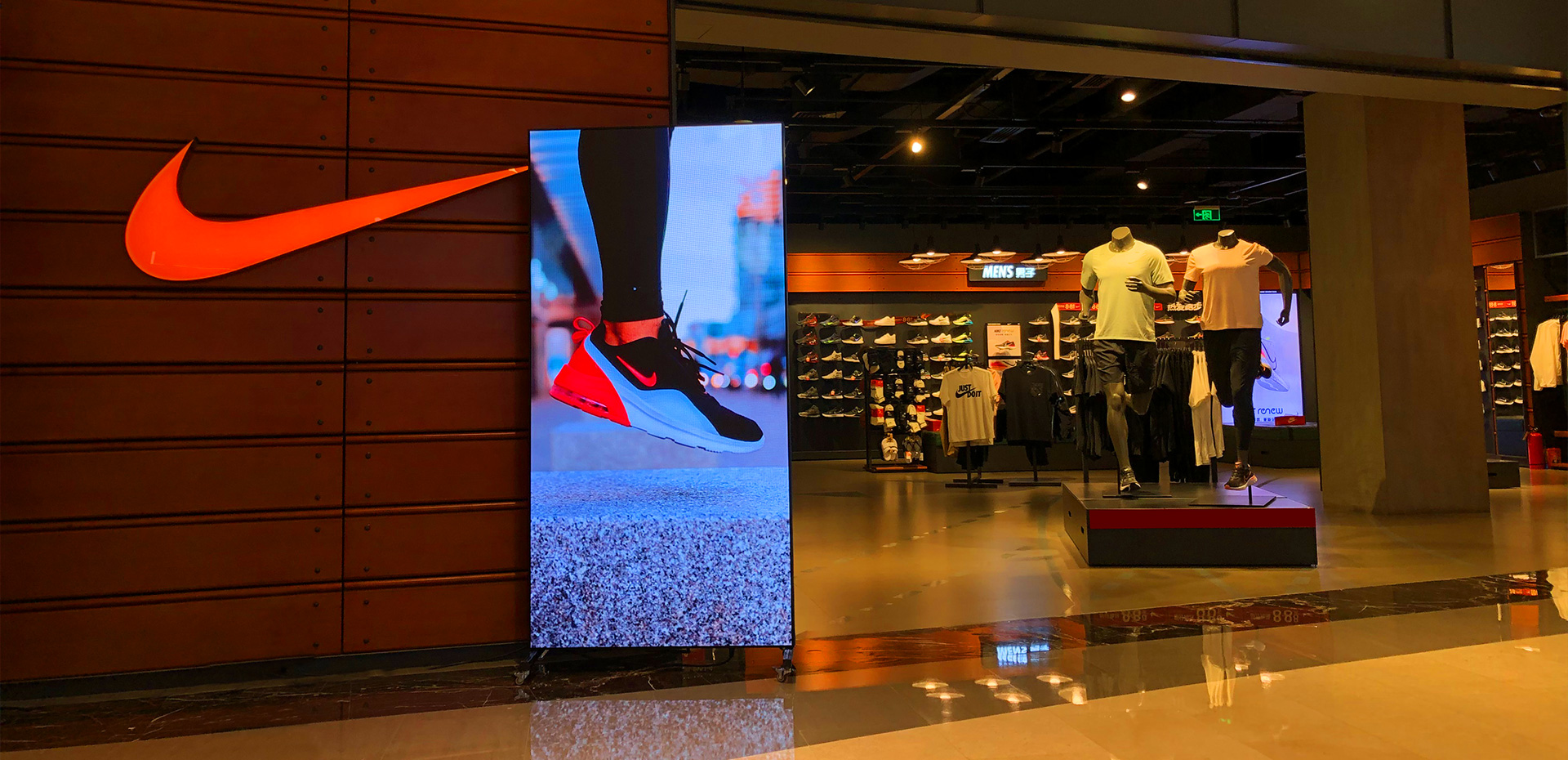
Both technologies promise see-through capabilities, but their approaches to achieving transparency produce different visual results. Modern transparent led film display screen solutions achieve remarkable openness, with some configurations offering up to ninety-five percent transparency when measured across the entire surface. The micro-fine LED components occupy minimal space, allowing most background elements to remain clearly visible. Transparent LCD panels typically offer lower transparency percentages because the liquid crystal layer, polarizers, and electrodes create consistent visual obstruction across the entire viewing area. This distinction matters significantly for storefront applications where merchandise visibility drives purchasing decisions. A led transparent film screen preserves product visibility while adding dynamic messaging, whereas LCD alternatives may obscure merchandise behind a noticeable gray tint even when displaying content.
Physical Footprint and Installation Requirements
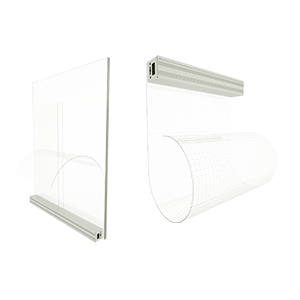
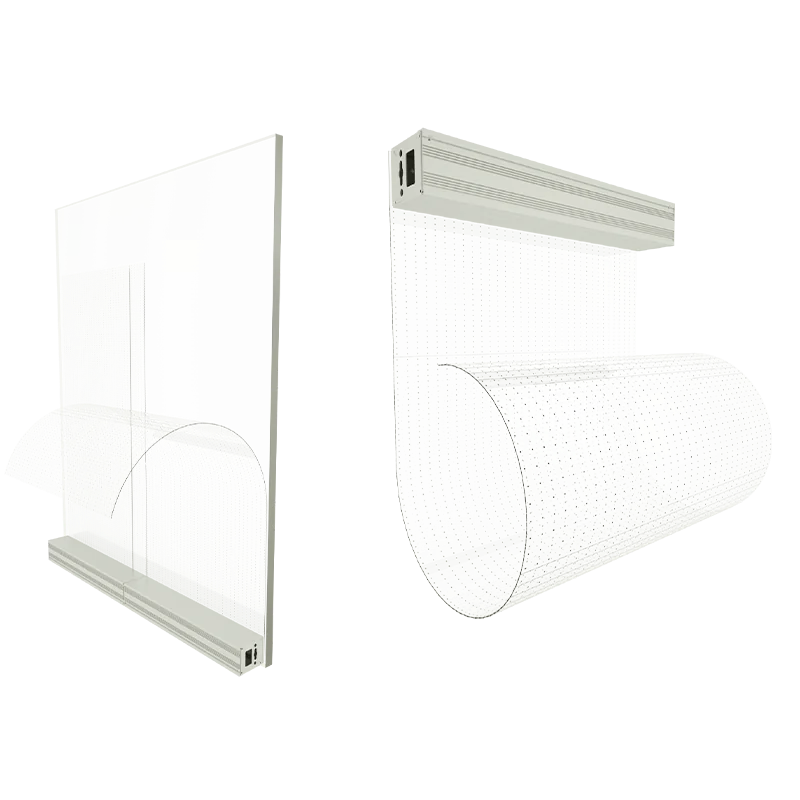
Space constraints and structural considerations often determine which technology proves feasible for specific locations. Transparent LCD systems require substantial supporting infrastructure, including power supplies, video processing electronics, and often reinforced mounting frames capable of supporting considerable weight. The transparent led film display screen fundamentally reimagines installation through its lightweight construction and minimal physical demands. Many implementations utilize self-adhesive backing that applies directly to existing glass surfaces, eliminating heavy frames and structural reinforcements. This weight advantage expands possibilities for overhead installations and applications where building codes restrict additional loads. Furthermore, the flexible nature of film-based transparent led film display screen products accommodates curved glass surfaces that would prove impossible for rigid LCD panels.
Scalability and Custom Configuration
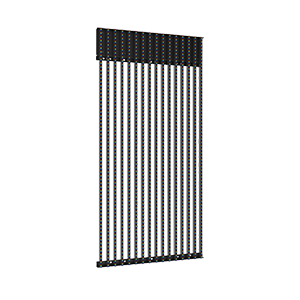
Project requirements rarely align perfectly with standard display sizes, making customization capabilities an important selection criterion. Transparent LCD technology limits designers to fixed panel dimensions determined by glass substrate sizes and manufacturing equipment. Creating larger displays requires visible seams between panels, potentially distracting viewers from content. The transparent led film display screen approach enables virtually unlimited scaling through modular cabinet designs that join seamlessly. Custom sizing becomes achievable without compromising visual continuity, allowing the display to fill architectural openings precisely. This scalability proves particularly valuable for landmark installations where standard dimensions would leave awkward gaps or require extensive architectural modifications.
Maintenance Considerations and Long-Term Reliability
Operational continuity depends heavily on maintenance accessibility and component longevity. Transparent LCD systems typically require factory servicing for panel failures, potentially removing the entire display from service during repairs. The modular construction of transparent led film display screen technology allows individual cabinet replacement without disrupting adjacent sections. Front-service and rear-service options further simplify maintenance in space-constrained environments. Additionally, the absence of backlight systems requiring periodic replacement reduces long-term maintenance requirements for film-based solutions compared to LCD alternatives with finite backlight lifespans.
Selecting between these visualization technologies requires careful evaluation of lighting conditions, architectural constraints, and content requirements. LEDFUL encourages buyers to prioritize transparency performance and installation flexibility when comparing options for their specific applications.