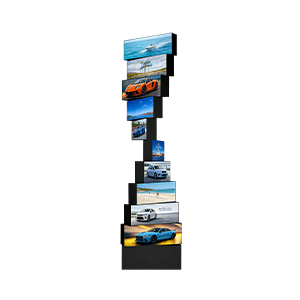
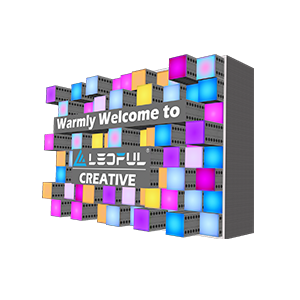
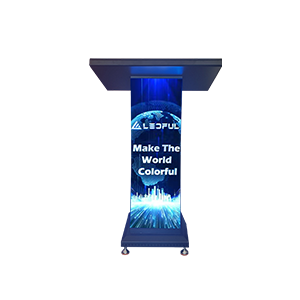
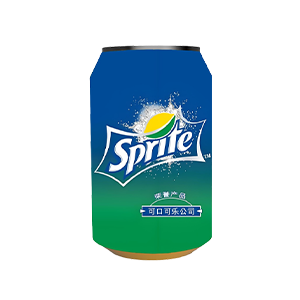


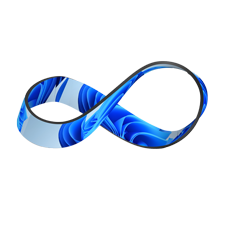
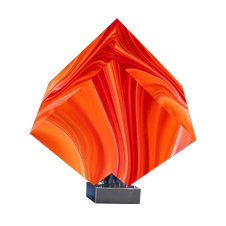
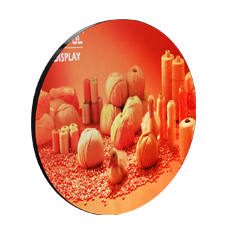
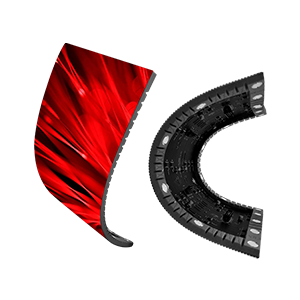
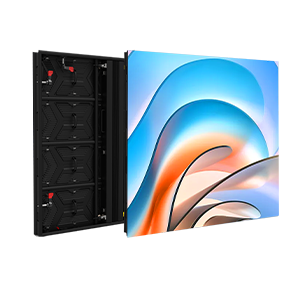
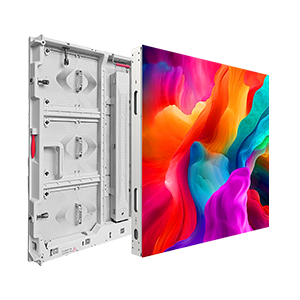
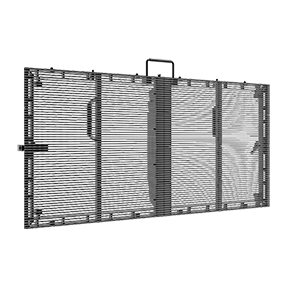
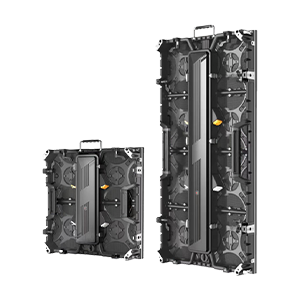

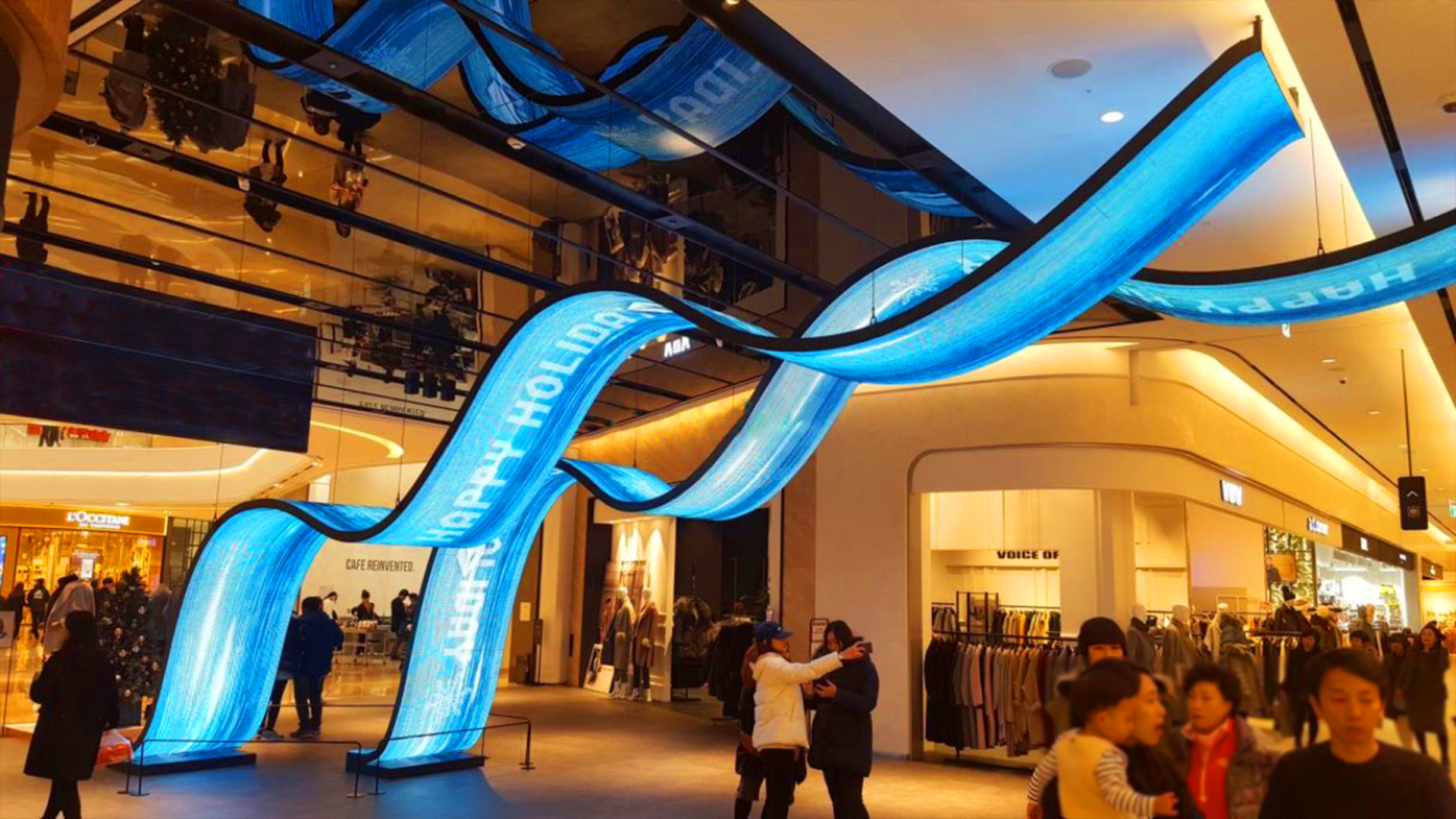





In the pursuit of truly immersive digital environments, the traditional flat screen often reaches its limit. Whether in a science museum, a corporate lobby, or a global exhibition, flat panels are constrained by their viewing angles and their inability to mimic the three-dimensional nature of the world. The creative LED display—specifically the spherical LED globe—has emerged as the definitive solution to these geometric limitations. However, engineering a sphere is not as simple as bending a flat screen. It involves solving complex challenges related to pixel mapping, seam visibility, and structural heat dissipation. At LEDFUL, we have perfected the “Digital Globe” through custom module shapes and advanced calibration. This article explores the primary visual challenges solved by modern spherical technology and how it provides a 360-degree advantage for stakeholders.
1. Eliminating “Blind Spots” with 360-Degree Visibility
The most significant challenge with standard signage in high-traffic, open-plan areas (like airport terminals or hotel atriums) is the “Blind Spot.” A flat screen only communicates to those standing directly in front of it. For anyone standing at a 90-degree angle or behind the screen, the message is lost, and the hardware becomes an eyesore.
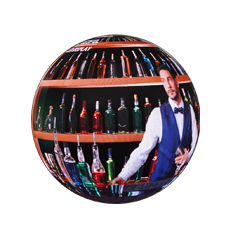
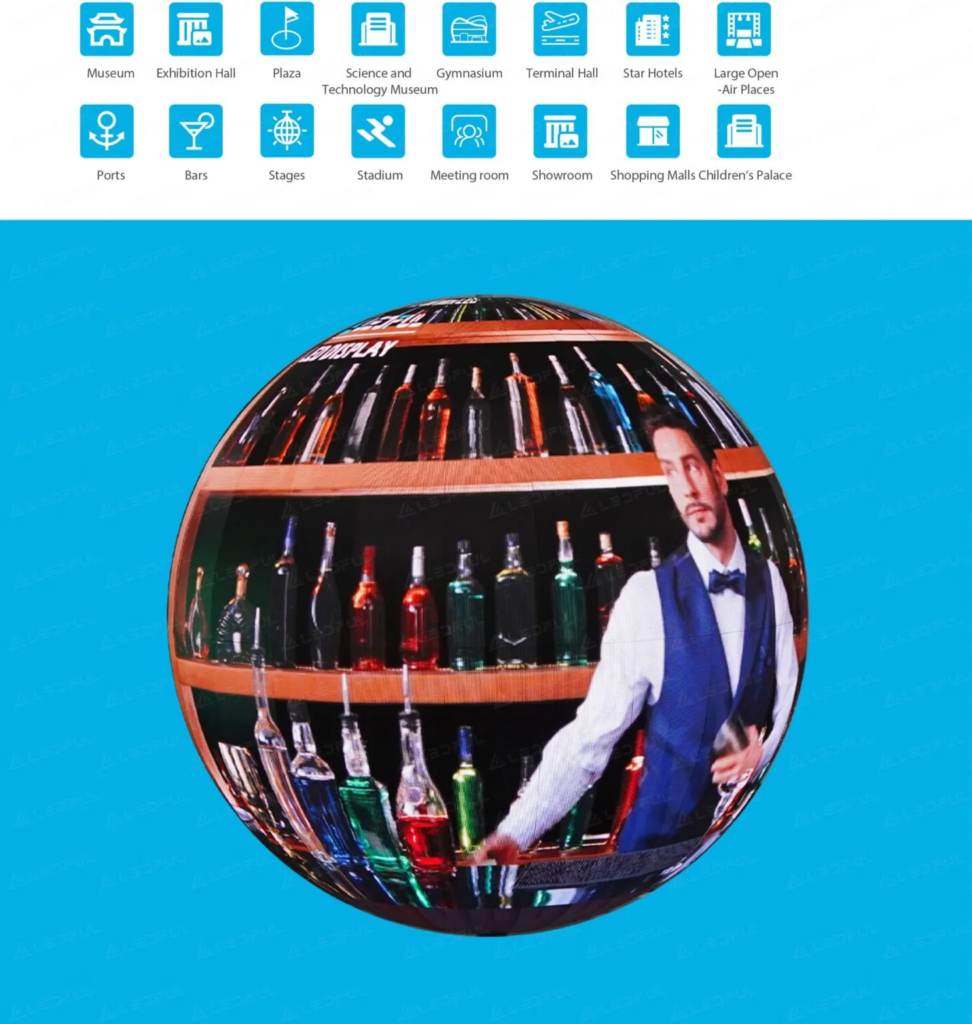
A spherical creative LED display solves this by providing a continuous, 360-degree viewing surface. There is no “front” or “back” to a LEDFUL digital globe; the content is visible from every possible vantage point in the room. This ensures that in a business environment, marketing messages or informational data reach 100% of the ambient audience. By occupying a central position, the sphere acts as a natural gravity well for attention, ensuring that the brand’s visual story is never interrupted by the viewer’s physical position.
2. Solving Geometric Distortion through Trapezoidal Mapping
Mapping a two-dimensional image onto a three-dimensional sphere is a mathematical hurdle. If you simply wrap a standard rectangular module around a sphere, the pixels will “stretch” at the equator and “pinch” at the poles, resulting in a distorted image that looks amateurish and unprofessional.
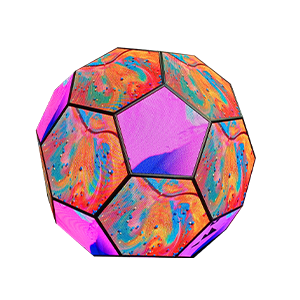
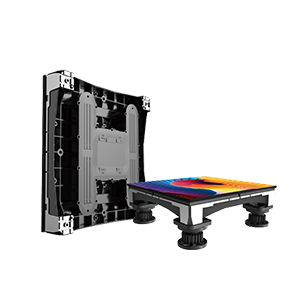
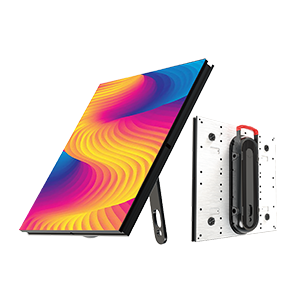
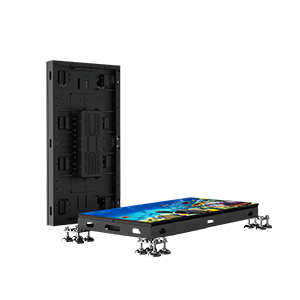
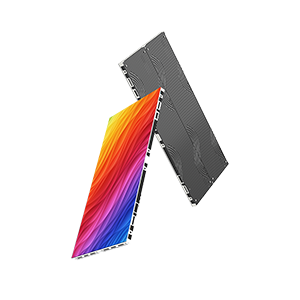
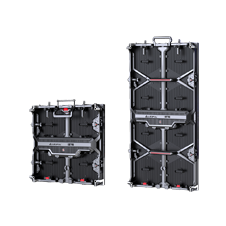
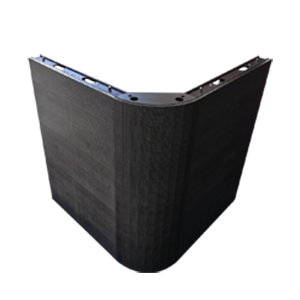
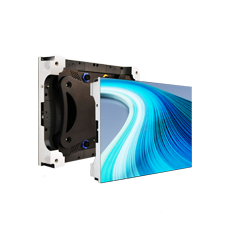
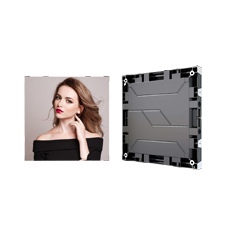
To solve this, LEDFUL utilizes custom-engineered trapezoidal and triangular LED modules. Unlike standard square modules, these shapes are mathematically calculated to fit the specific radius of the globe. This ensures a uniform pixel pitch across the entire surface of the sphere. For buyers, this means that a map of the earth, a corporate logo, or a cinematic video remains perfectly proportioned regardless of which part of the sphere it is displayed on. This “Optical Symmetry” is what separates a world-class digital globe from a basic DIY installation.
3. Seamless Integration: The Challenge of the “Grid Line”
The human eye is incredibly sensitive to patterns. In traditional LED walls, the thin lines between modules (the “grid”) can be distracting, especially at close range. On a curved or spherical surface, these gaps are even harder to hide because the modules meet at non-traditional angles.
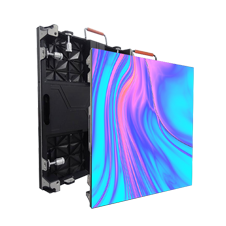
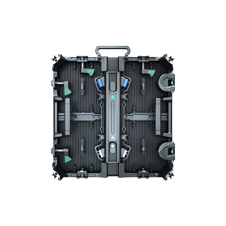
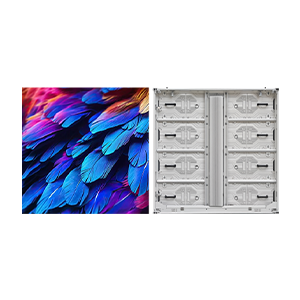
Modern creative LED display technology from LEDFUL utilizes a “Seamless Splicing” technique. Our modules are designed with high-precision CNC frames that allow them to lock together with sub-millimeter accuracy. When combined with our specialized black-mask coating, the physical seams between the modules become invisible to the naked eye once the screen is powered on. This creates the illusion of a solid, glowing orb of light. For luxury retail or high-end corporate interiors, this seamlessness is vital for maintaining a “Premium” aesthetic that feels more like a piece of high-tech art than a piece of commercial equipment.
4. Uniform Brightness and Color Across Curved Surfaces
On a flat screen, the LEDs all face the same direction, making brightness uniformity relatively simple. On a sphere, the LEDs are pointing in every direction simultaneously. This can cause “hot spots” where light reflects off the floor or ceiling, or “dim zones” where the curve of the sphere creates shadows.
The LEDFUL digital globe is equipped with advanced 16-bit grayscale processing and pixel-level brightness calibration. We calibrate each sphere as a single unit, ensuring that the color and luminosity are perfectly balanced across the entire 360-degree surface. This solves the challenge of “Reflective Disparity,” ensuring that the brand’s colors remain consistent whether they are on the top, bottom, or sides of the globe. This consistency is critical for brands that must adhere to strict corporate identity (CI) standards across all digital touchpoints.
5. Thermal Management in an Enclosed Geometry
A sphere is an enclosed structure, which naturally traps heat. Traditional LED displays rely on rear-ventilation, but in a sphere, the “rear” is the hollow center of the globe. Without proper engineering, the heat generated by thousands of LEDs would lead to color drifting, pixel failure, and a significantly shortened lifespan.
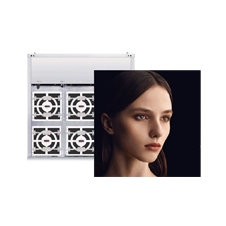
At LEDFUL, we solve this through a “Core-Ventilation” thermal system. Our spherical displays are designed with internal aluminum heat sinks and silent, high-pressure fans that circulate air through the center of the globe and out through discrete vents at the poles. This allows the creative LED display to operate 24/7 in high-traffic environments without overheating. For investors, this thermal reliability translates to a lower Total Cost of Ownership (TCO) and a display that maintains its “Day 1” brilliance for years to come.
6. Transforming Abstract Concepts into Tangible Experiences
Science centers and planetariums often struggle to explain 3D concepts—like planetary rotation, ocean currents, or global weather patterns—using 2D screens. The “Conceptual Gap” between a flat map and a round earth can hinder the educational impact.
A spherical display removes this barrier by presenting the data in its natural, 3D form. By walking around a LEDFUL digital globe, a student or visitor can understand the relationship between continents or the flow of the atmosphere in a way that is intuitive and visceral. This “Cognitive Alignment” is the ultimate value of spherical technology; it doesn’t just show information—it allows the audience to experience it.
Conclusion: Mastering the Geometry of Light
The spherical LED display is a triumph of engineering over geometry. By solving the challenges of distortion, seams, and thermal management, this technology provides stakeholders with a tool that is visually arresting and functionally superior to traditional flat screens.
At LEDFUL, we are proud to be at the forefront of the creative LED display movement. We don’t just build screens; we build digital landmarks. Our spherical displays are designed for those who want to command attention from every angle and provide their audience with a truly 360-degree experience. Whether you are aiming to educate, inspire, or advertise, our digital globes ensure your message is delivered with absolute precision on the most sophisticated canvas available today. Let us help you break the flat-screen barrier and see your brand in a whole new dimension.